Loading video…

 22 Concepts
 4.1K views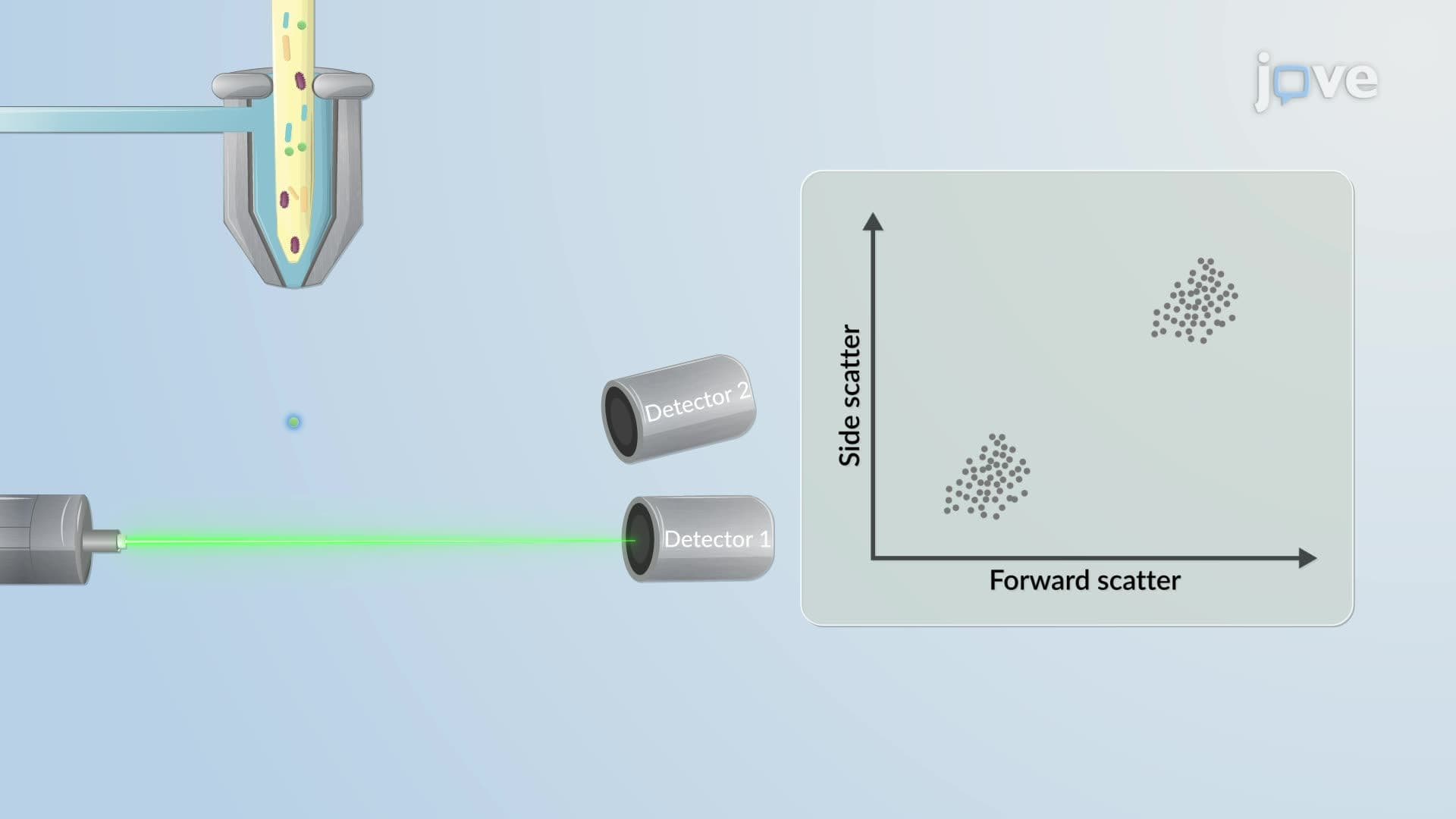

Video Summary: Methods to Assess Microbial Populations Guide
Did you know scientists can count billions of microbes in a single gram of soil without seeing most of them individually? Understanding the methods to assess microbial populations is essential for biology students tackling everything from ecology to infectious disease. These techniques, used in labs at institutions like the CDC and MIT, reveal who's living in a community and what they're doing. Watch the full video on JoVE Coach to master this concept with expert-led visuals and step-by-step explanations.
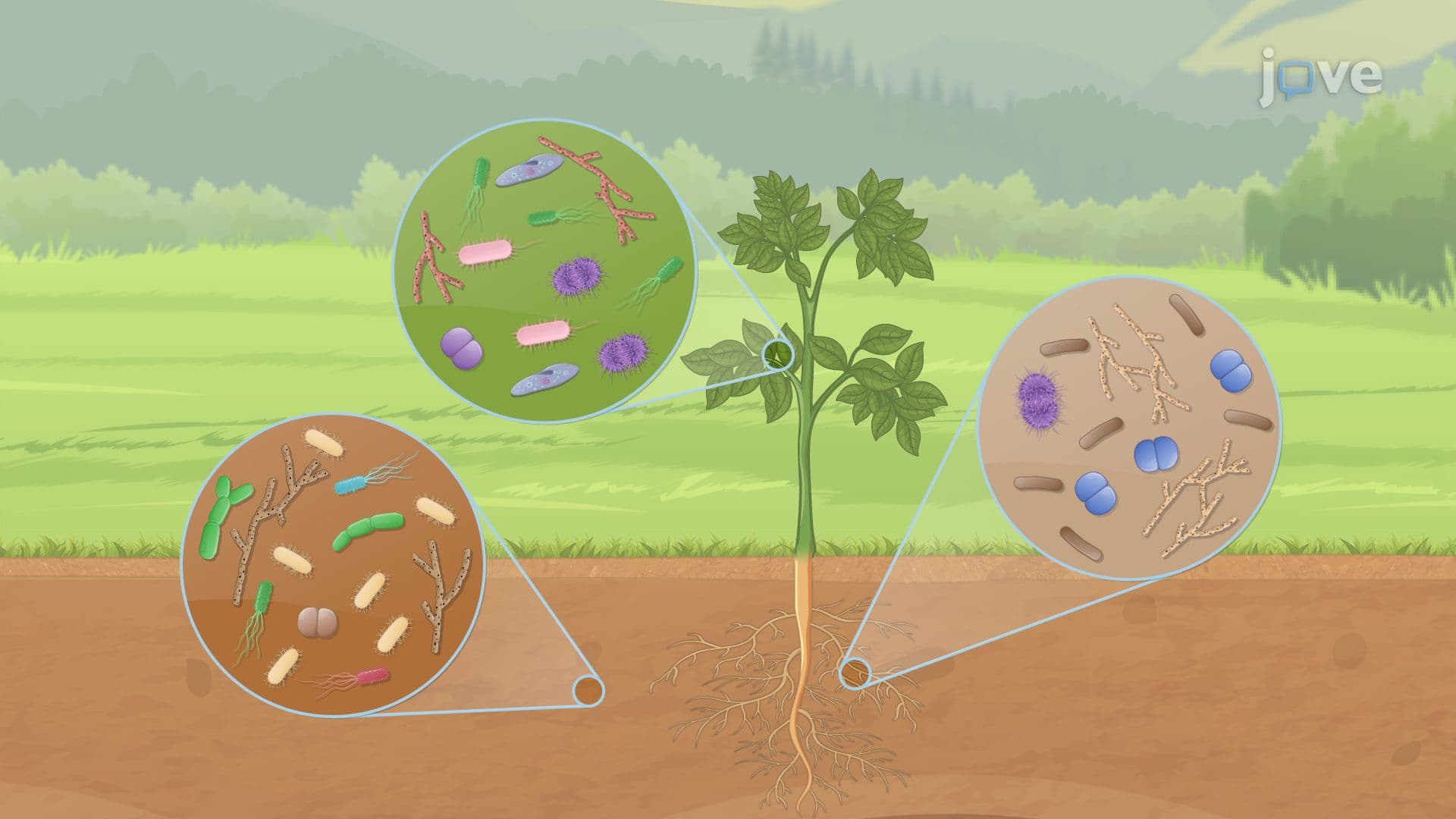
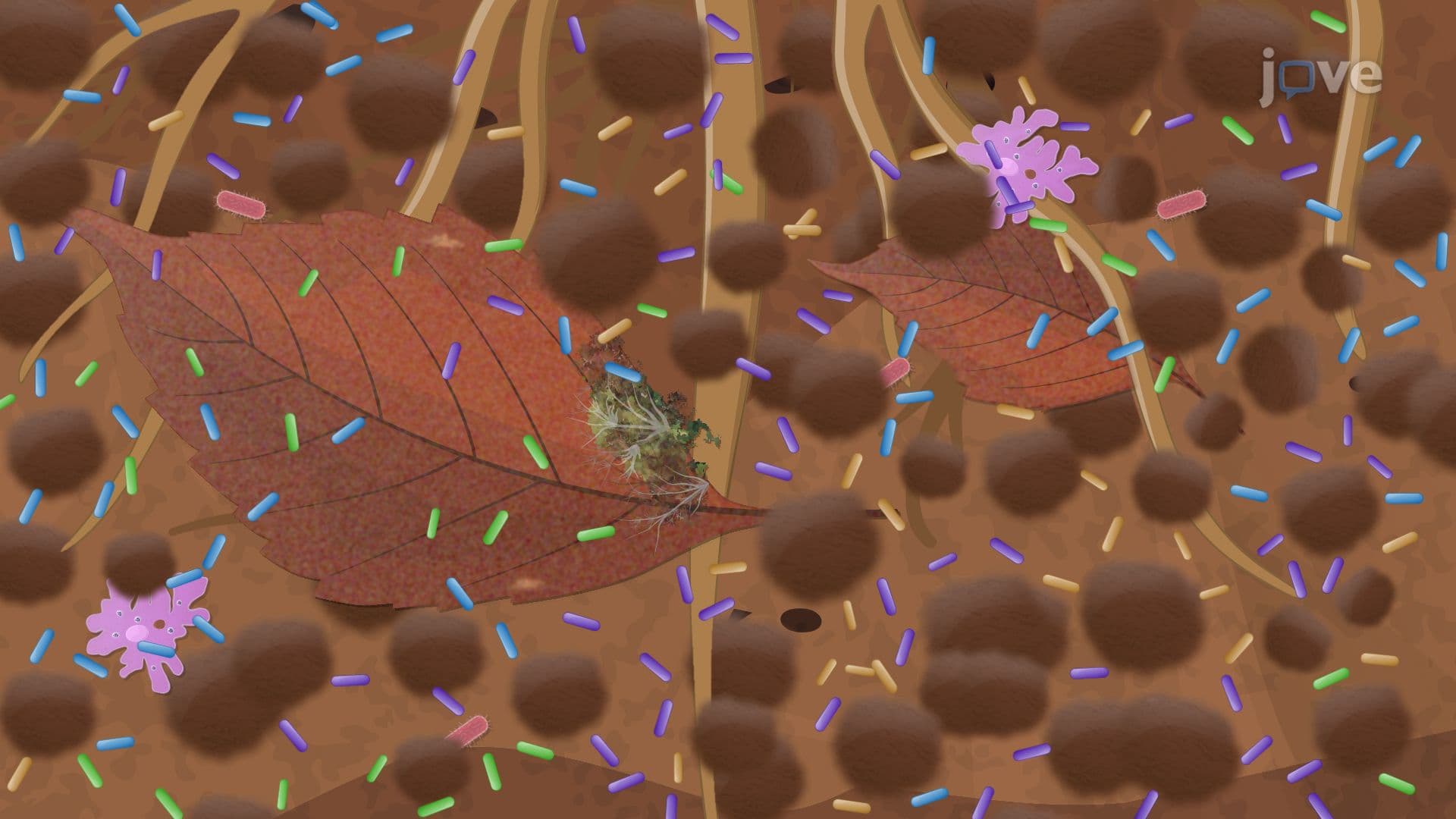
Microbes are everywhere, in Yellowstone's hot springs, in your gut, and in the soil beneath a cornfield in Iowa. Yet because most microbes are invisible to the naked eye, scientists rely on specialized techniques to study them. The Methods to Assess Microbial Populations Guide introduces a toolkit of approaches that allow researchers and students to count, identify, and characterize microbes across wildly different environments. Each method has distinct strengths, and choosing the right one depends on what you want to know: how many cells are present, which species they belong to, or what biological functions they perform.
Two foundational techniques rely on growing microbes under controlled conditions. In the viable plate count method, a liquid sample is serially diluted and spread onto agar plates. Each living cell that can grow under those conditions forms a visible colony, making this a direct count of culturable, living cells. This method is widely used in US food safety labs and pharmaceutical quality control.
The most probable number (MPN) method takes a statistical approach. Diluted samples are distributed across replicate tubes with growth media, and after incubation, the number of tubes showing microbial growth is used to estimate population density using a standardized statistical table. MPN is especially useful for water quality testing, the EPA uses this method to detect fecal coliforms in drinking water supplies across the United States.
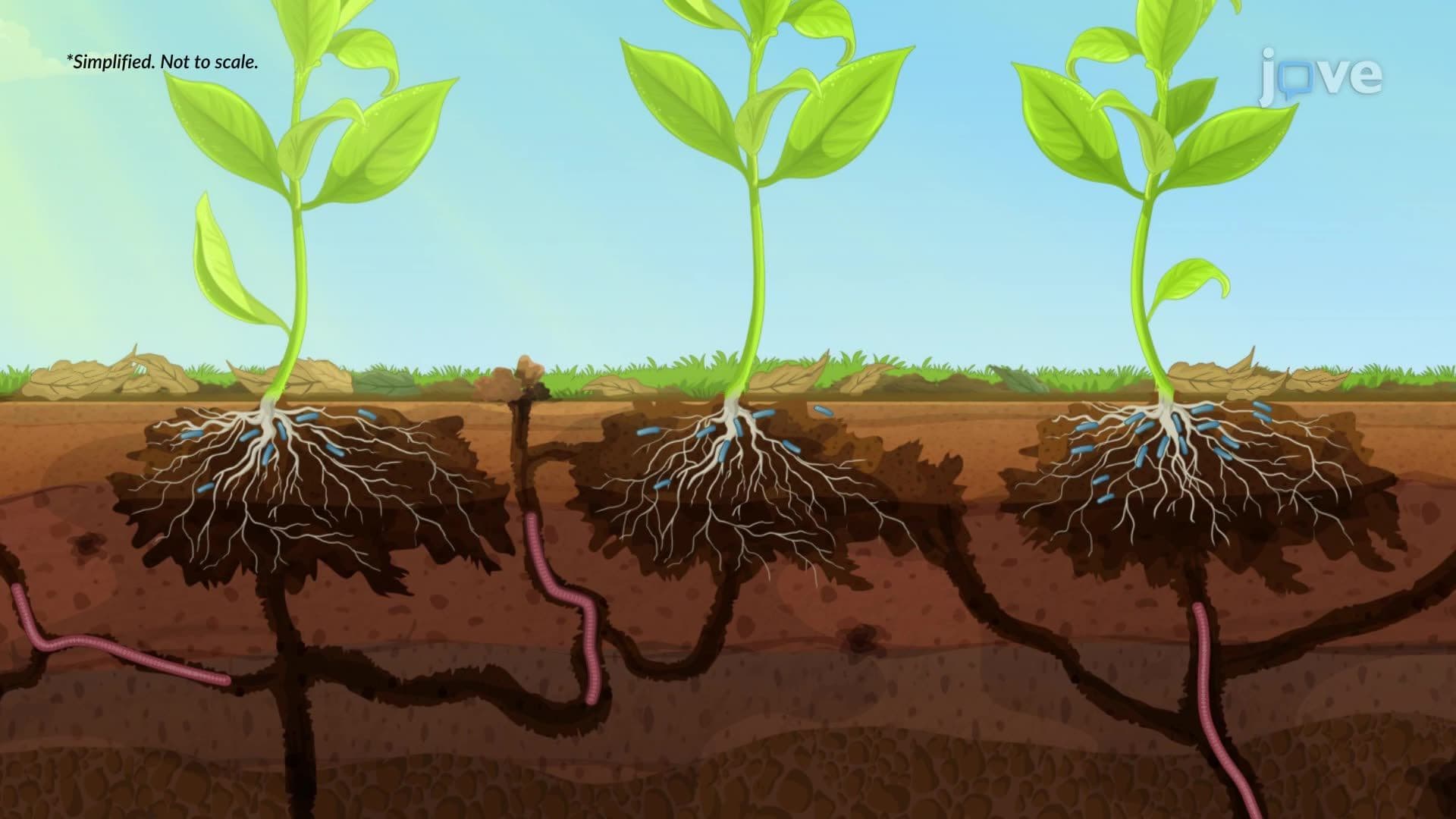
Biochemical tests go beyond counting cells, they reveal what microbes are *doing*. By detecting enzyme activity, fermentation products, or specific metabolic pathways, these tests link populations to their ecological roles. For example, detecting cellulase activity in forest soil samples identifies microbial decomposers driving carbon cycling, a critical component of biogeochemical cycles studied in AP Environmental Science and college ecology courses.
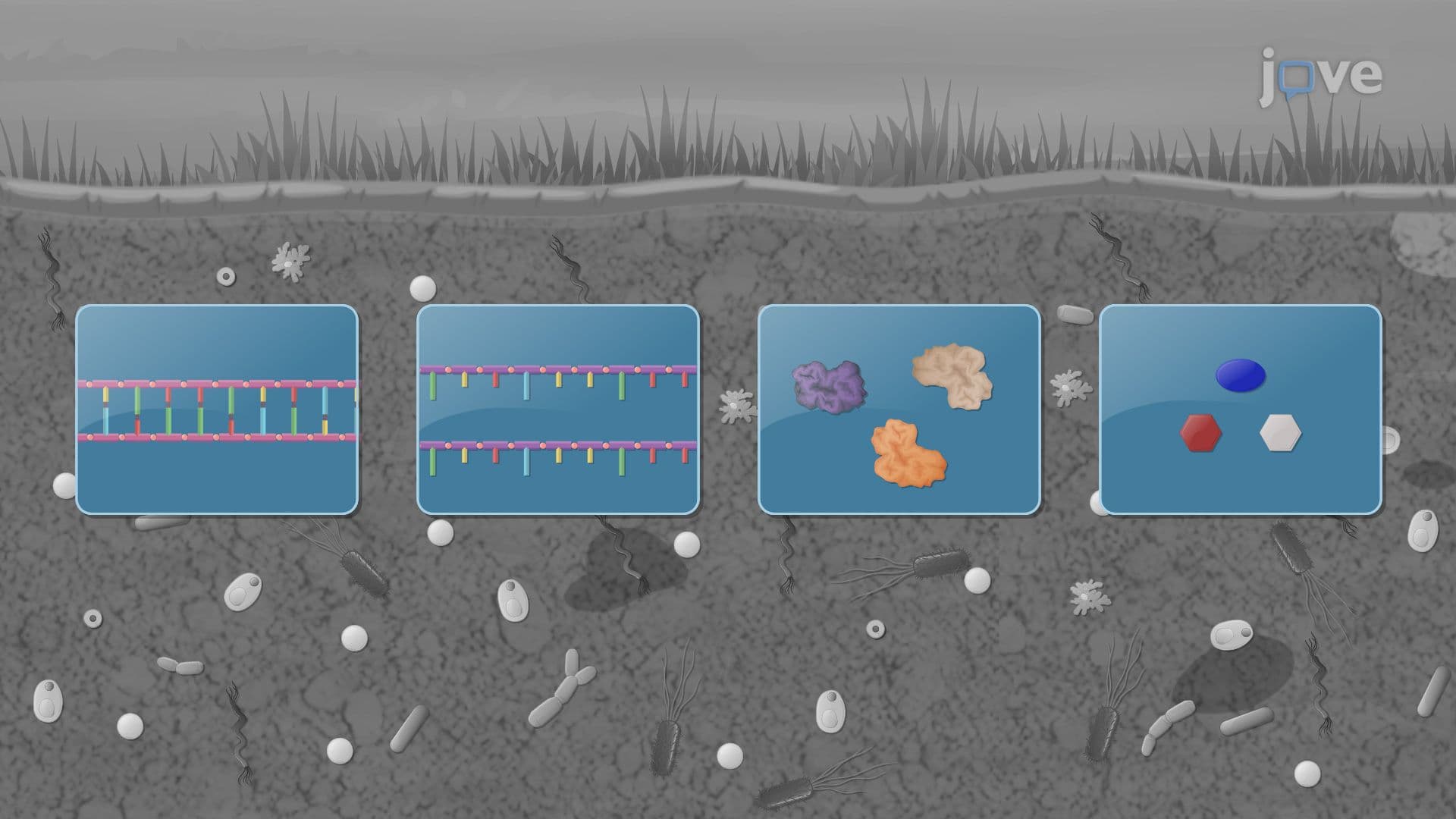
Fluorescence in situ hybridization (FISH) is a molecular powerhouse. It uses synthetic probes labeled with fluorescent dyes that bind specifically to ribosomal RNA (rRNA) sequences unique to target microbes. Because rRNA is highly conserved yet variable enough to distinguish species, FISH allows scientists to identify and quantify specific microbial taxa directly in environmental samples, even organisms that can't be cultured in a lab. This is transformative for studying microbial diversity in complex environments like biofilms on hospital surfaces or microbial communities in the human gut.
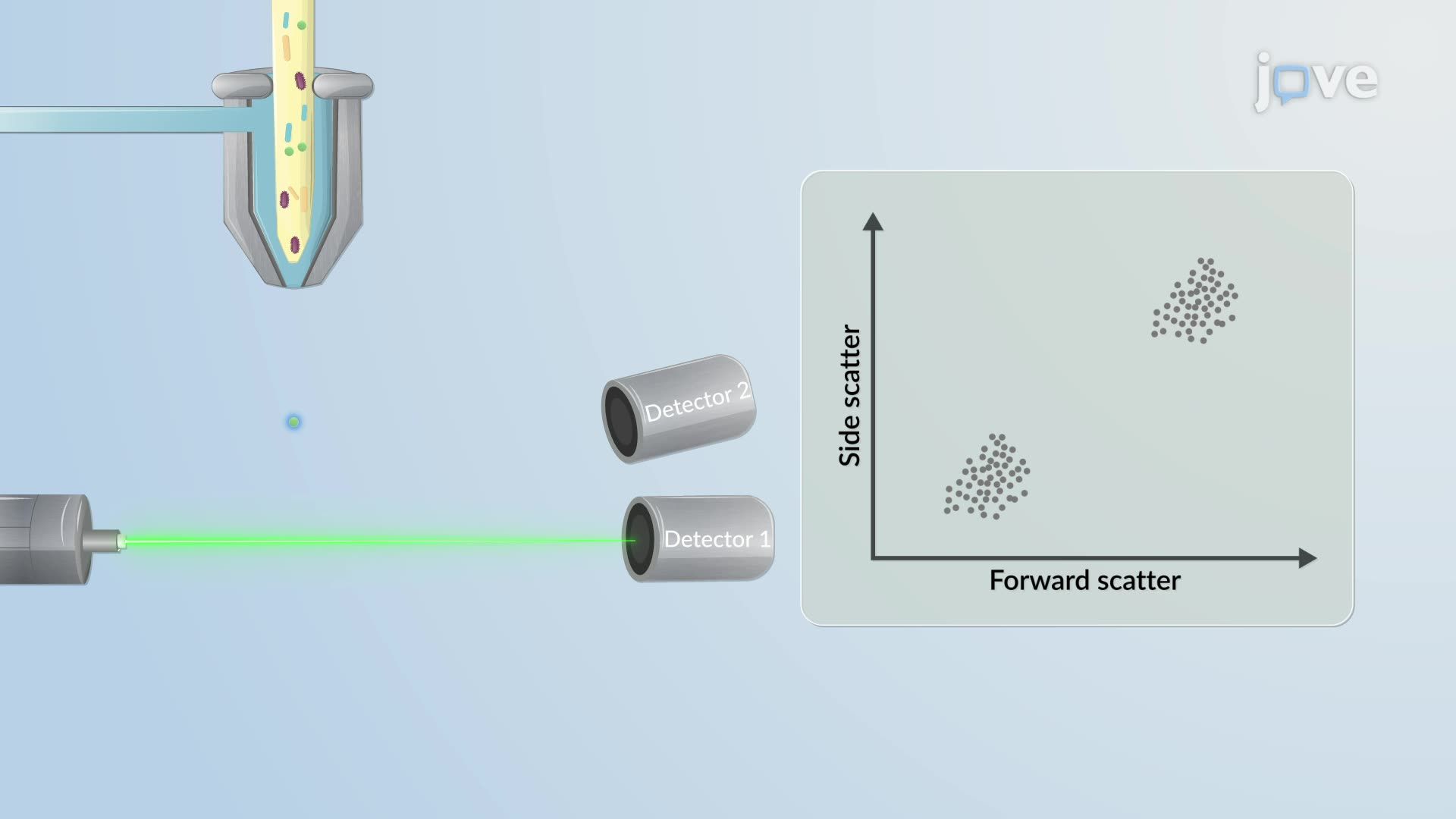
Flow cytometry brings industrial-scale precision to microbial analysis. Cells suspended in liquid are passed single-file through a laser beam, which scatters light differently depending on each cell's size, internal complexity, and fluorescent markers. Within seconds, thousands of cells are analyzed and sorted into sub-populations, distinguishing live from dead cells, or separating different species in a mixed community. US research institutions like the Broad Institute use flow cytometry to study extremophiles and track how microbial communities shift in response to environmental changes.
These methods appear across multiple US science curricula and standardized exams. AP Biology students encounter serial dilution and colony counting in lab practicals. MCAT test-takers must understand microbial growth quantification and molecular techniques like FISH. College microbiology midterms routinely ask students to compare the limitations of culture-based versus culture-independent methods, a distinction that reflects the core insight that many microbes simply cannot be grown in a lab. Mastering this guide builds the conceptual foundation for understanding symbiotic relationships, biofilm formation, and the broader significance of microbial diversity in sustaining life on Earth.
Related Micro-courses