Loading subject page…

2,059 views

Video Summary: What Is Poliomyelitis
Every year, polio outbreaks still make headlines across the US, but what exactly does the poliovirus do inside the body? Poliomyelitis basics start with a deceptively simple pathogen: a tiny RNA virus that travels from contaminated water straight to your spinal cord. In severe cases, it destroys the motor neurons controlling your legs. Watch the full video on JoVE Coach to master this concept with expert-led visuals and step-by-step explanations.
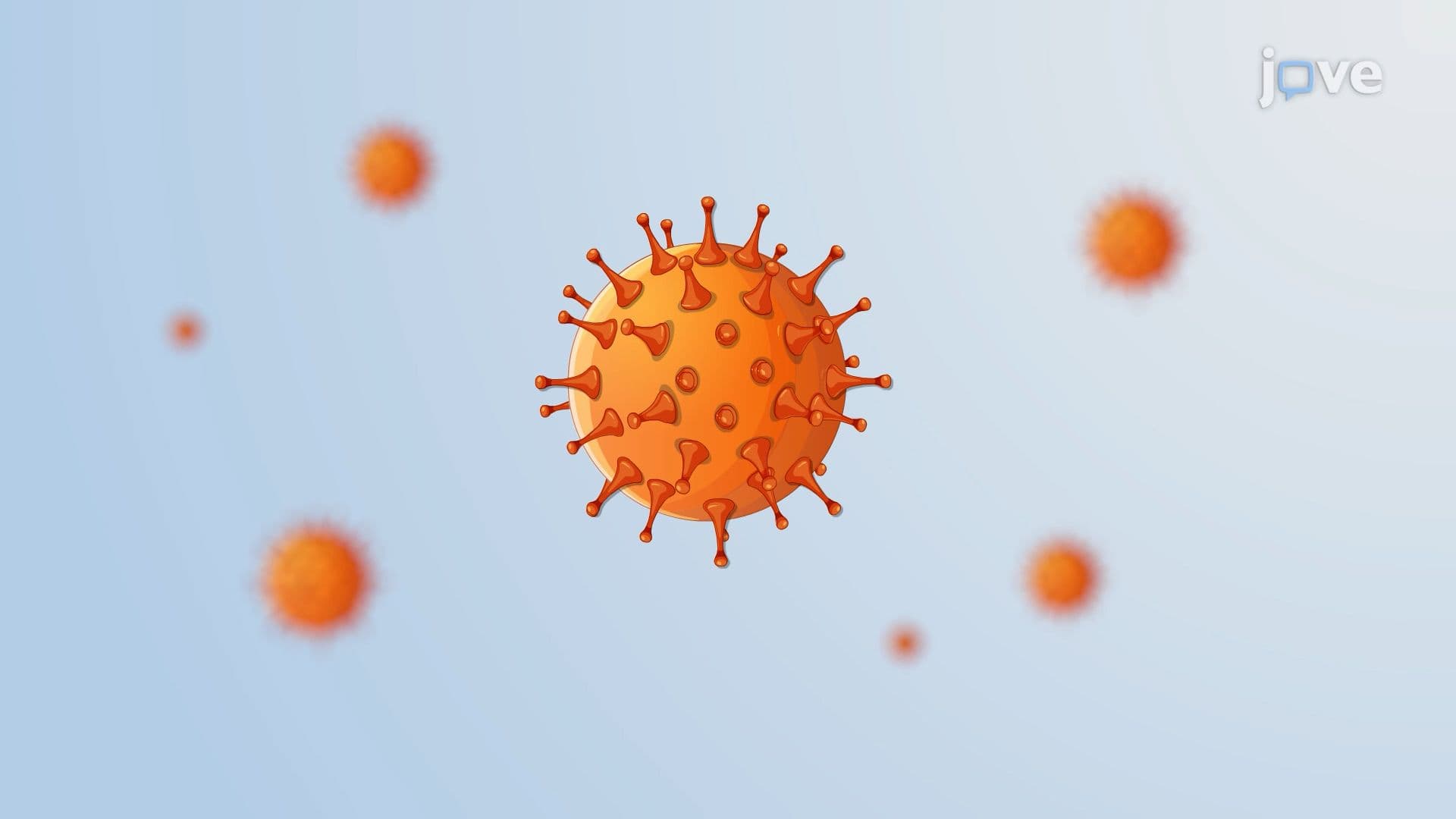
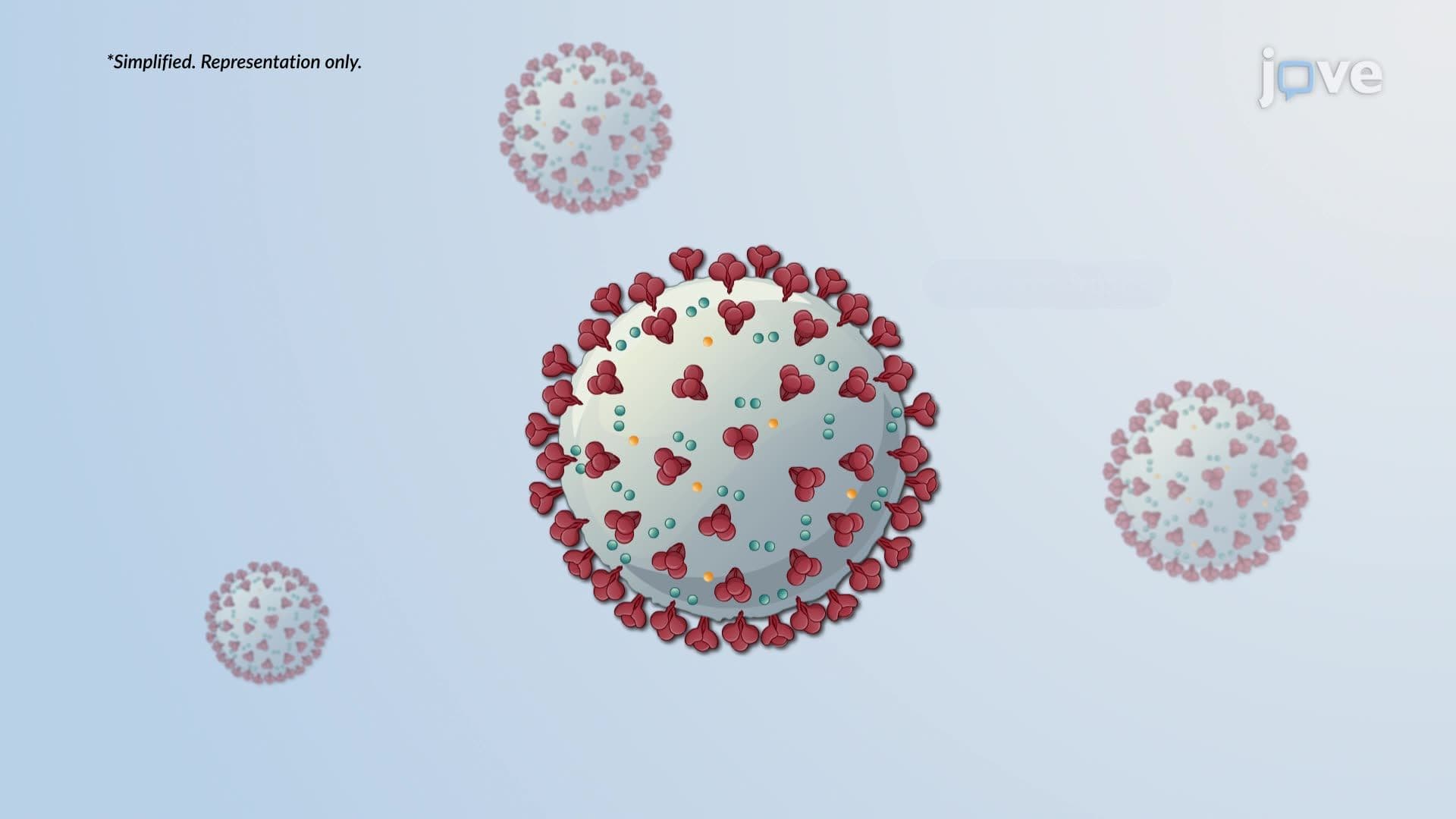
Poliomyelitis is an infectious disease caused by the poliovirus, a non-enveloped, single-stranded RNA virus classified under the Picornaviridae family. Though largely eliminated in the United States thanks to widespread vaccination, polio remains a critical topic in virology, public health, and medical education. Understanding its pathogenesis helps illustrate core principles that apply across many viral diseases, making it essential content for AP Biology students, pre-med undergraduates, and anyone studying for the MCAT or USMLE Step 1.
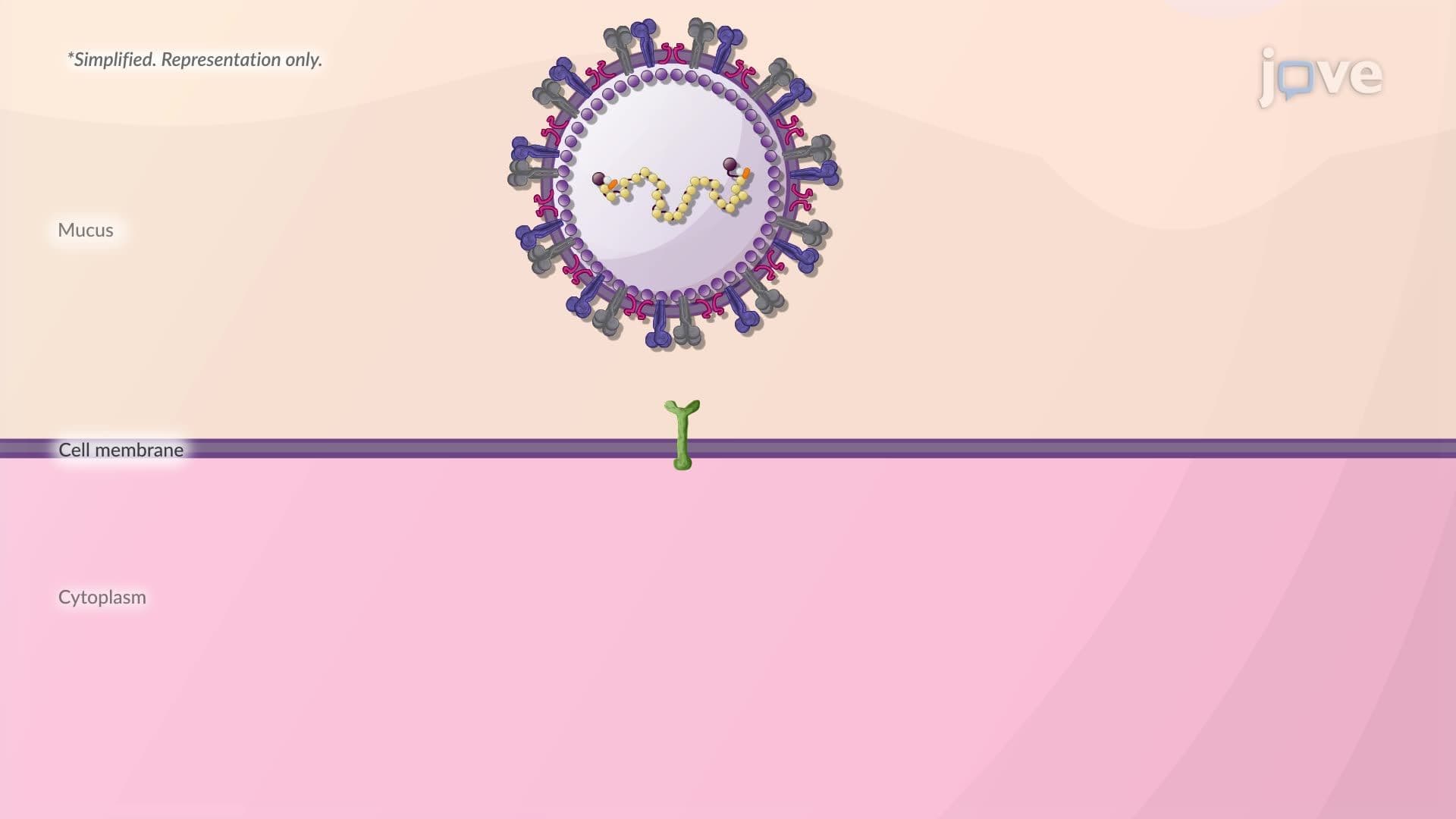
Poliovirus belongs to the genus *Enterovirus* within the Picornaviridae family. Its non-enveloped structure, meaning it lacks a lipid membrane, makes it highly stable outside a host. This stability allows the virus to survive in contaminated water supplies and resist many common disinfectants, which directly contributes to its fecal-oral transmission route. For students learning the difference between a virus and a bacteria, this is a key example: viruses like poliovirus hijack host cell machinery to replicate, unlike bacteria that reproduce independently.
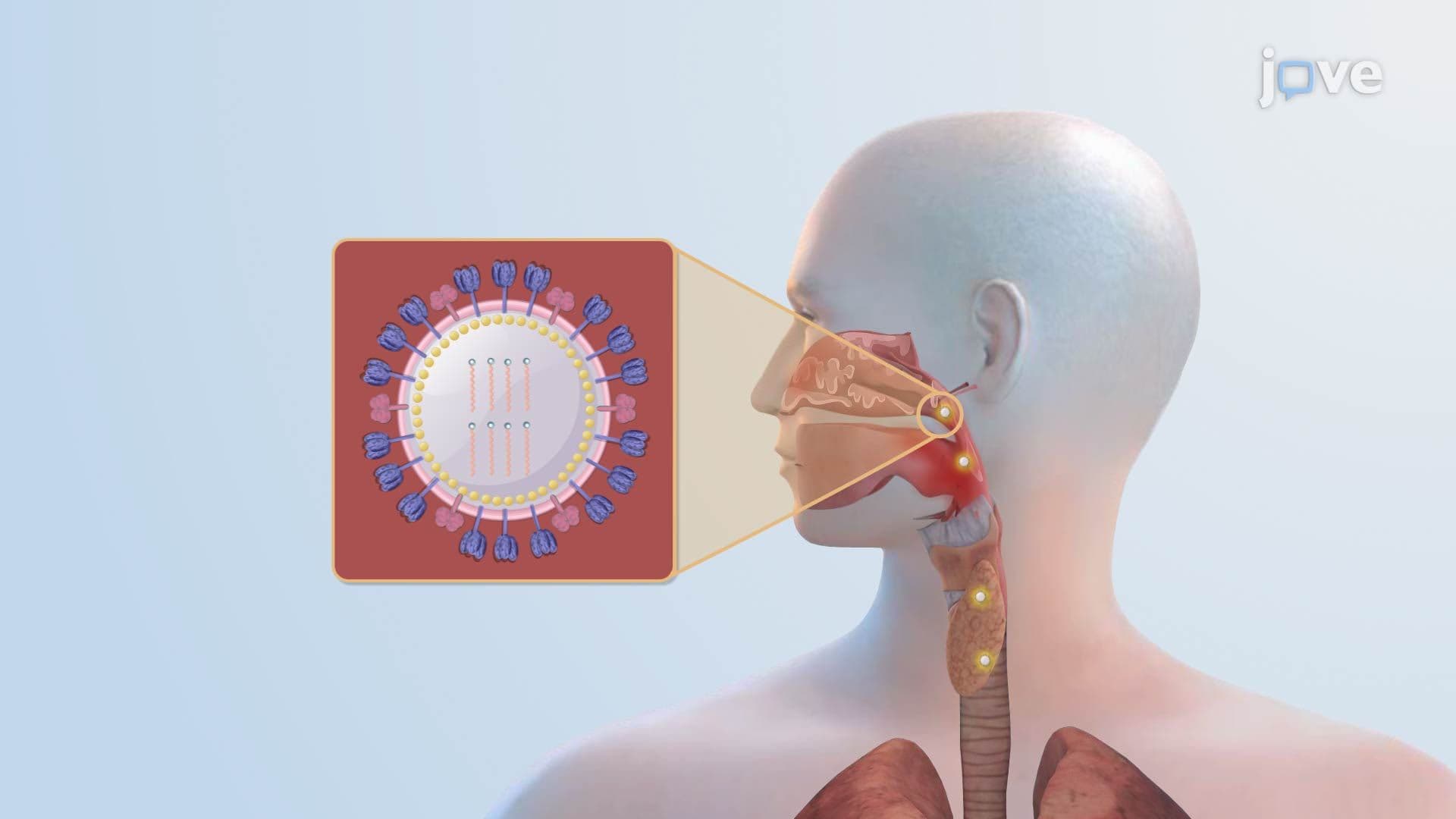
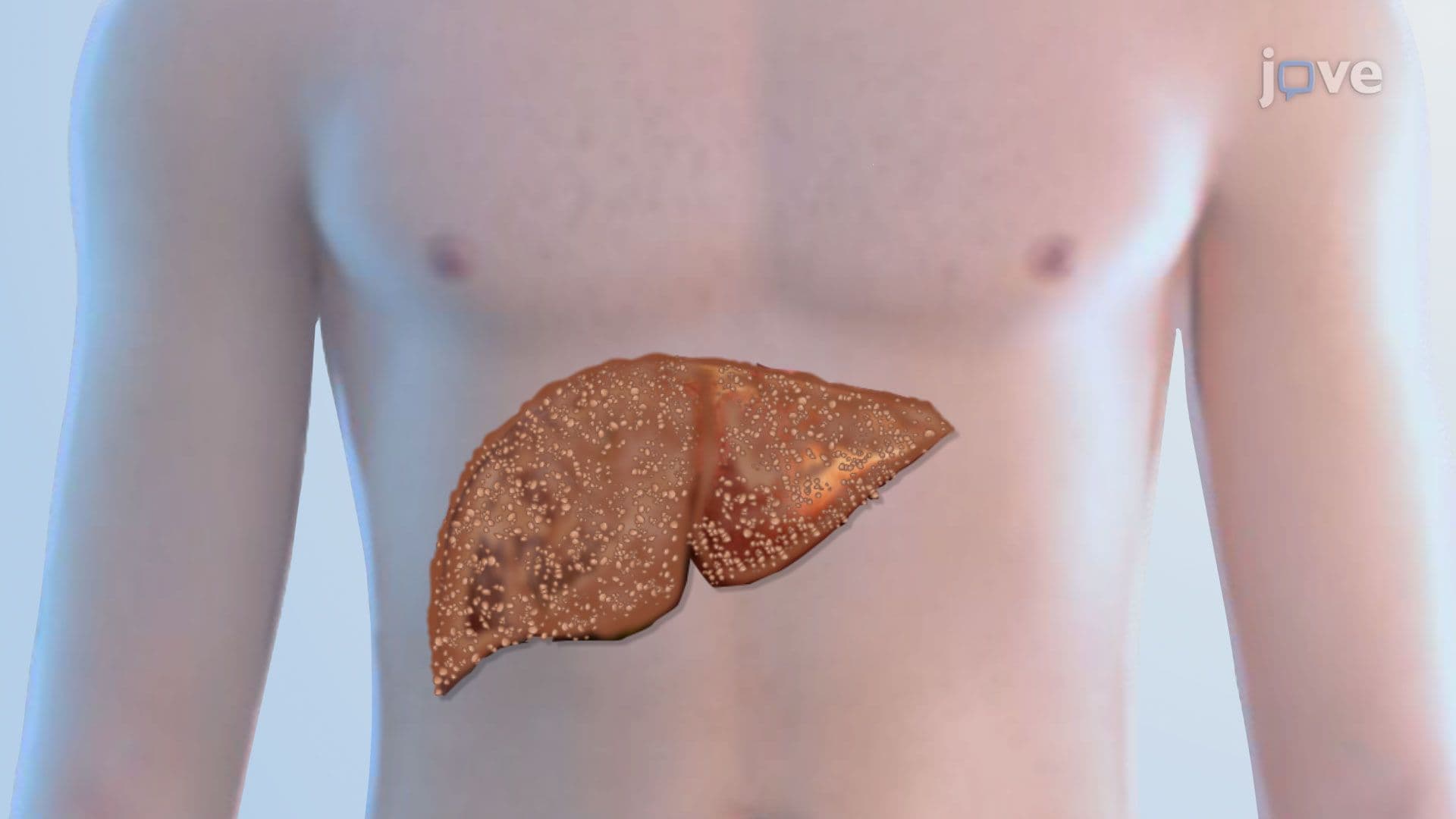
Once ingested through contaminated food or water, poliovirus first replicates in the mucosal lining of the throat and small intestine. Most infections, roughly 72%, remain entirely asymptomatic at this stage. In symptomatic cases, the virus crosses into regional lymph nodes and enters the bloodstream, a phase called primary viremia. From there, the virus can disseminate throughout the body, eventually reaching the central nervous system. This progression exemplifies a classic multi-stage viral pathogenesis model widely tested on AP Biology exams and college-level microbiology midterms.
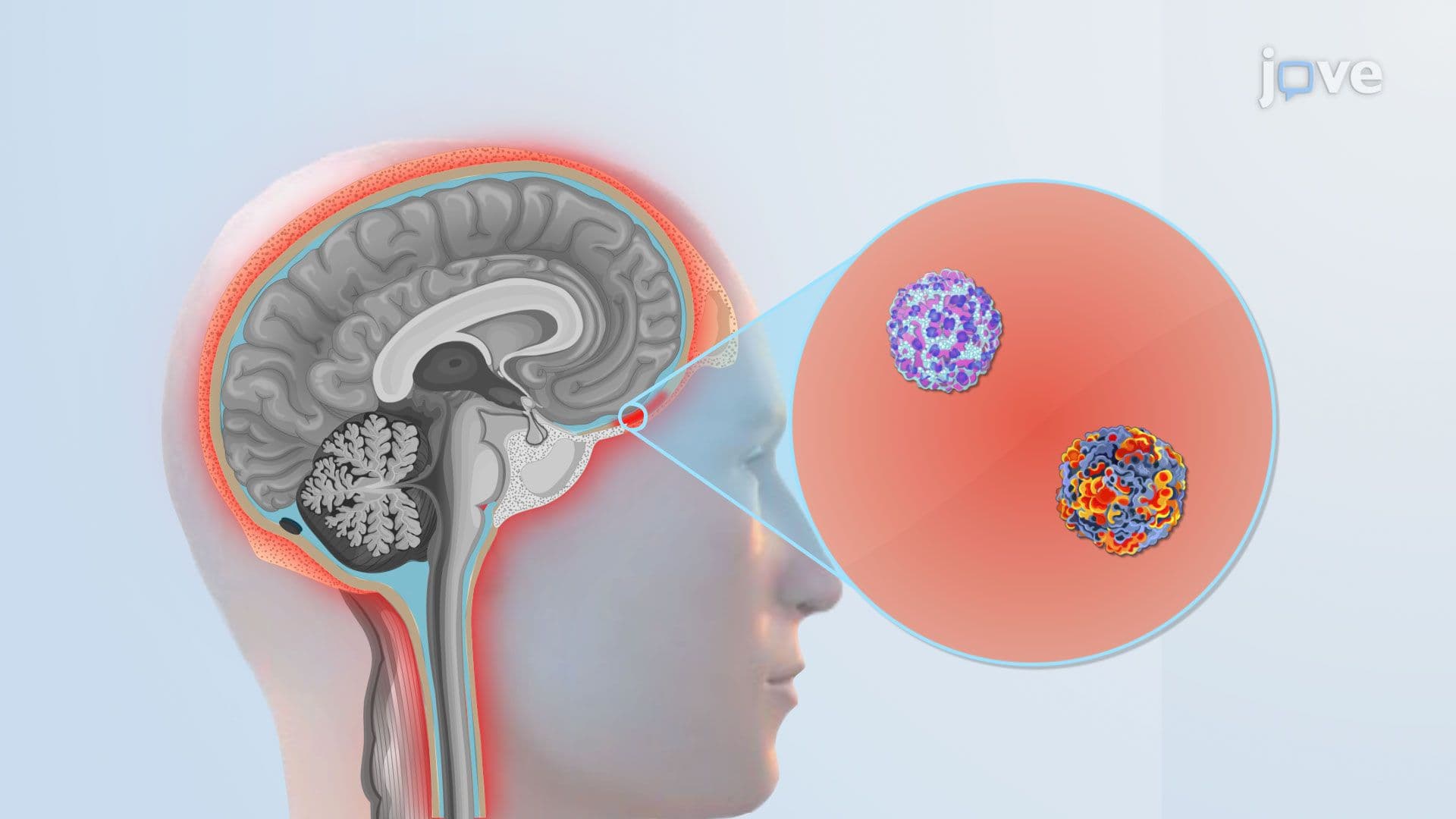
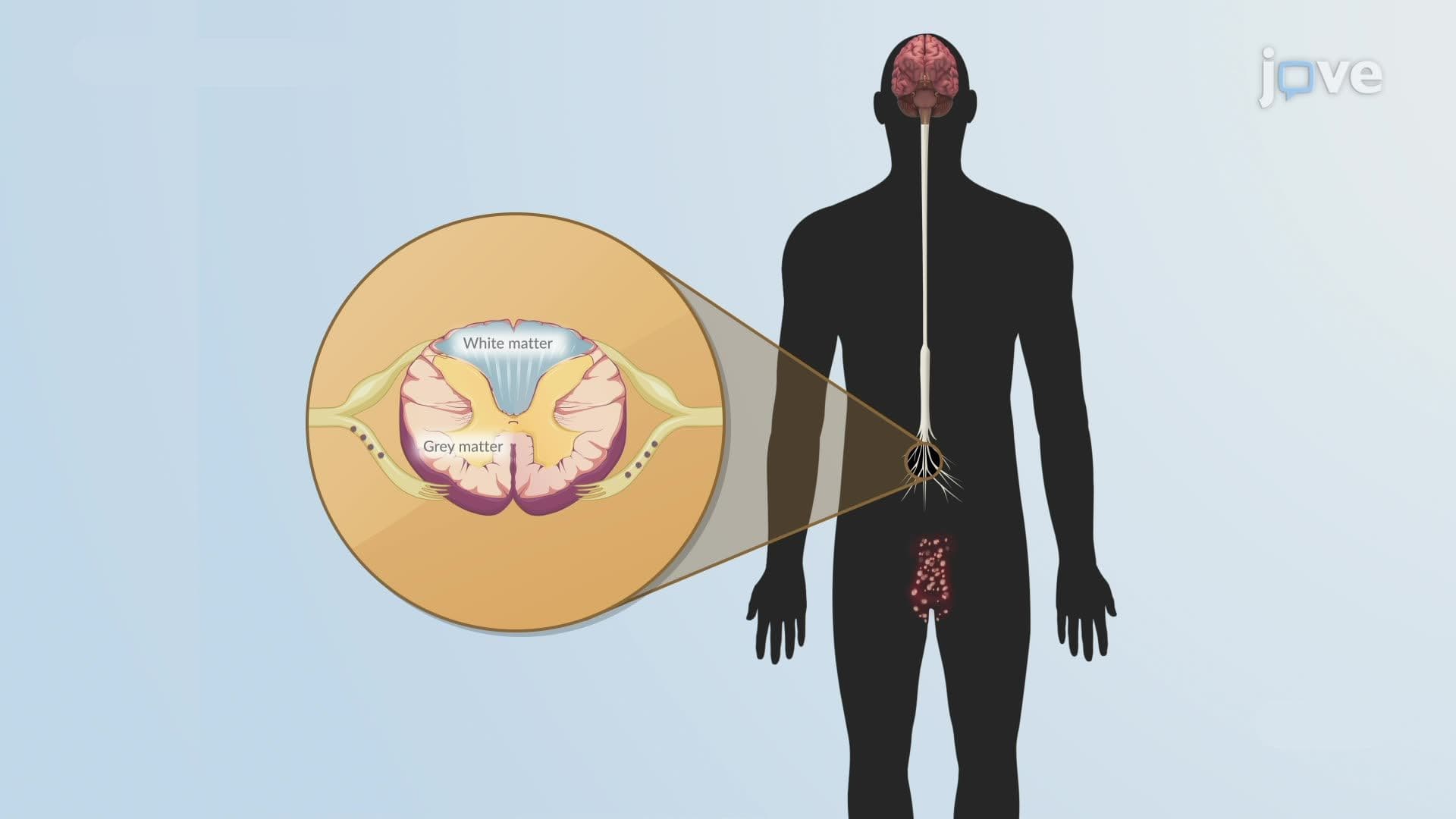
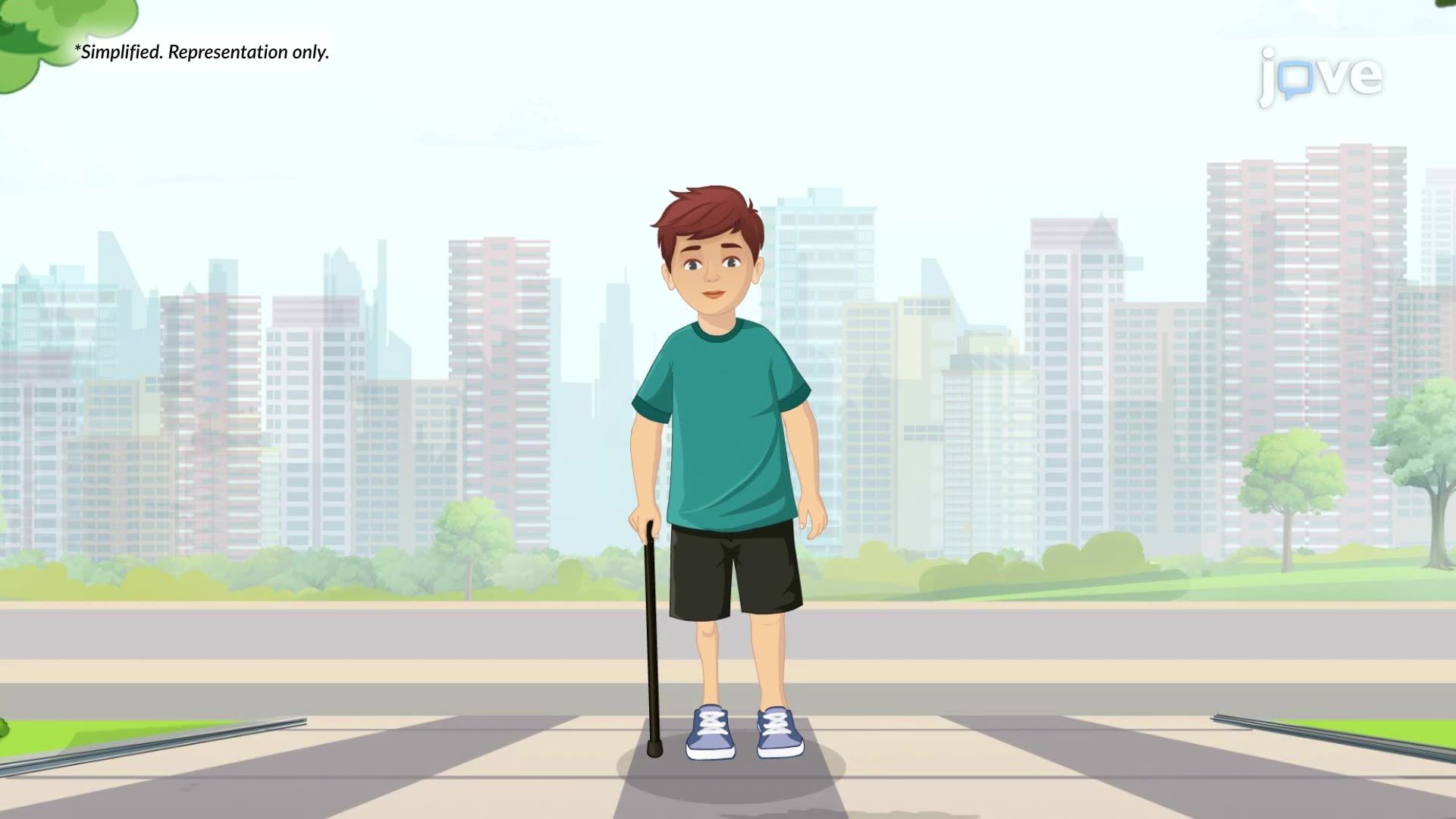
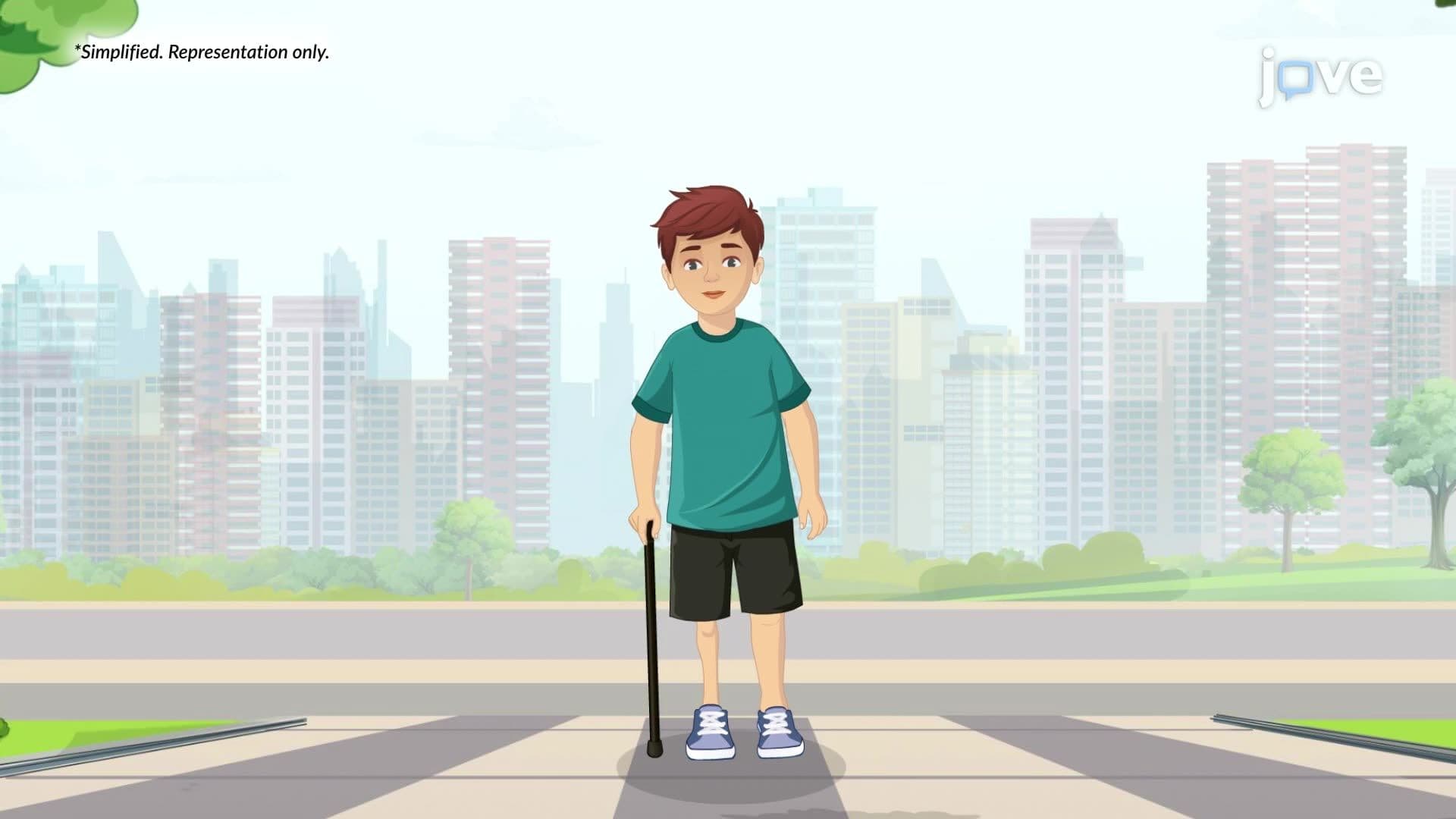
The poliovirus reaches the spinal cord through two routes: hematogenous spread via the bloodstream and retrograde axonal transport along peripheral nerve fibers. Once inside the CNS, it preferentially targets anterior horn cells, the motor neurons responsible for transmitting movement signals from the brain to skeletal muscles. Viral replication destroys these neurons, causing the hallmark clinical presentation of paralytic poliomyelitis: sudden-onset, asymmetric flaccid paralysis, most commonly in the legs. This asymmetry distinguishes polio-related paralysis from other neuromuscular conditions and is a high-yield detail for USMLE Step 1 and NCLEX preparation.
The US declared polio eradicated in 1979, a triumph largely attributed to Jonas Salk's inactivated polio vaccine (IPV) and Albert Sabin's oral polio vaccine (OPV), both developed in the mid-20th century. However, in 2022, a case of paralytic poliomyelitis was detected in Rockland County, New York, a stark reminder that under-vaccination leaves communities vulnerable. This real-world event underscores why understanding poliomyelitis basics, viral replication cycles, and the role of antiviral strategies and vaccines remains urgently relevant. For students exploring emerging viral diseases or asking how viruses enter host cells, polio is a foundational case study that connects textbook virology to real public health decisions.
Related Micro-courses