Loading video…

 14 Concepts
 2.1K views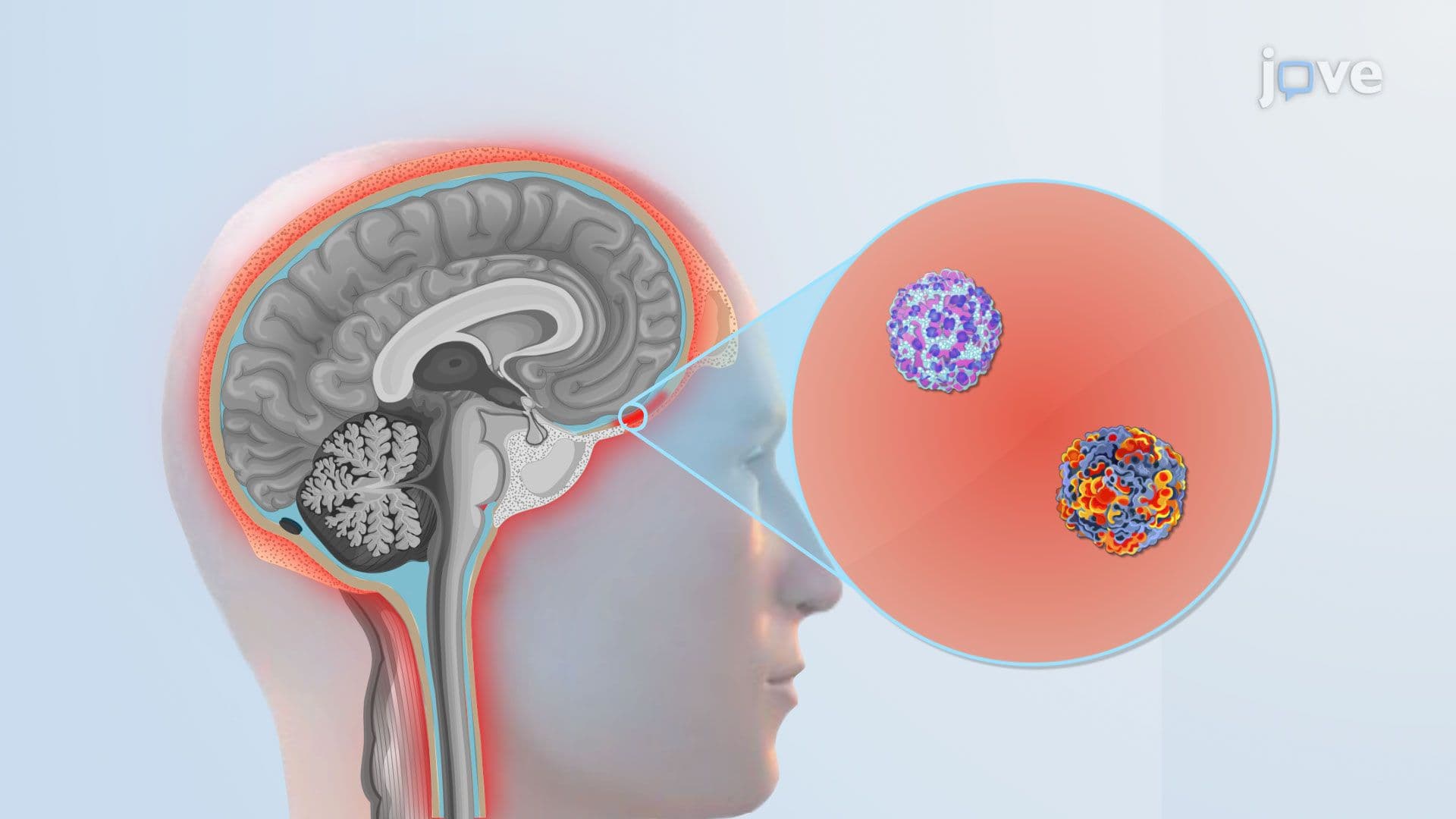

Video Summary: What Is Viral Meningitis
Every year, thousands of Americans are diagnosed with viral meningitis, yet many mistake it for a severe flu. Viral meningitis is the inflammation of the meninges caused primarily by enteroviruses that hijack the body's own barriers to reach the brain. In the US, outbreaks frequently occur in college dormitories and summer camps, making it a real public health concern. Watch the full video on JoVE Coach to master this concept with expert-led visuals and step-by-step explanations.
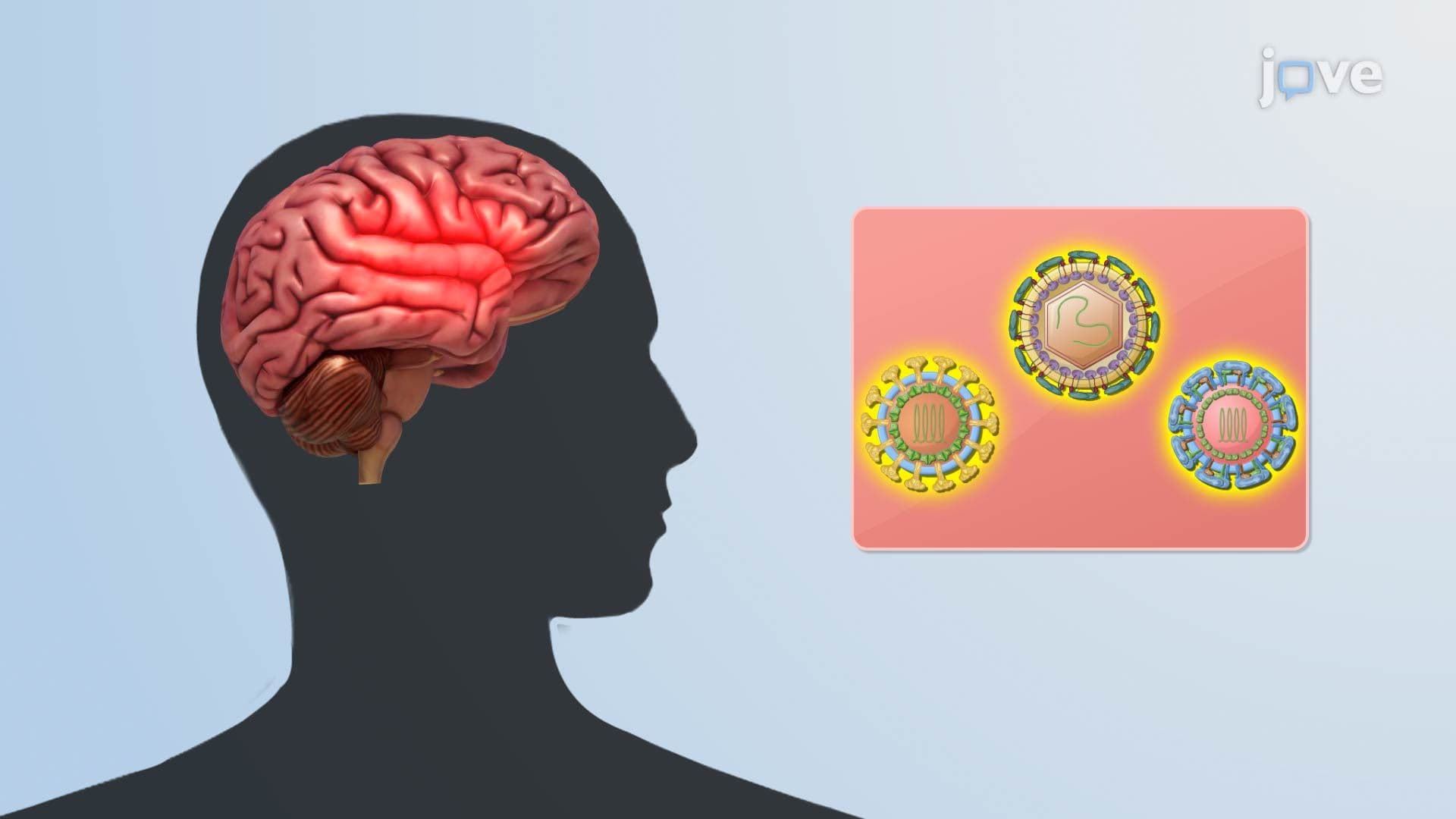
Viral meningitis is defined as the inflammation of the meninges, the three protective membrane layers (dura mater, arachnoid mater, and pia mater) that surround the brain and spinal cord, triggered by a viral infection rather than a bacterial or fungal one. It is the most common form of meningitis in the United States, with enteroviruses such as coxsackieviruses and echoviruses accounting for the vast majority of cases. While often less severe than bacterial meningitis, it still causes significant illness and hospitalization, particularly in children, college students, and immunocompromised individuals.
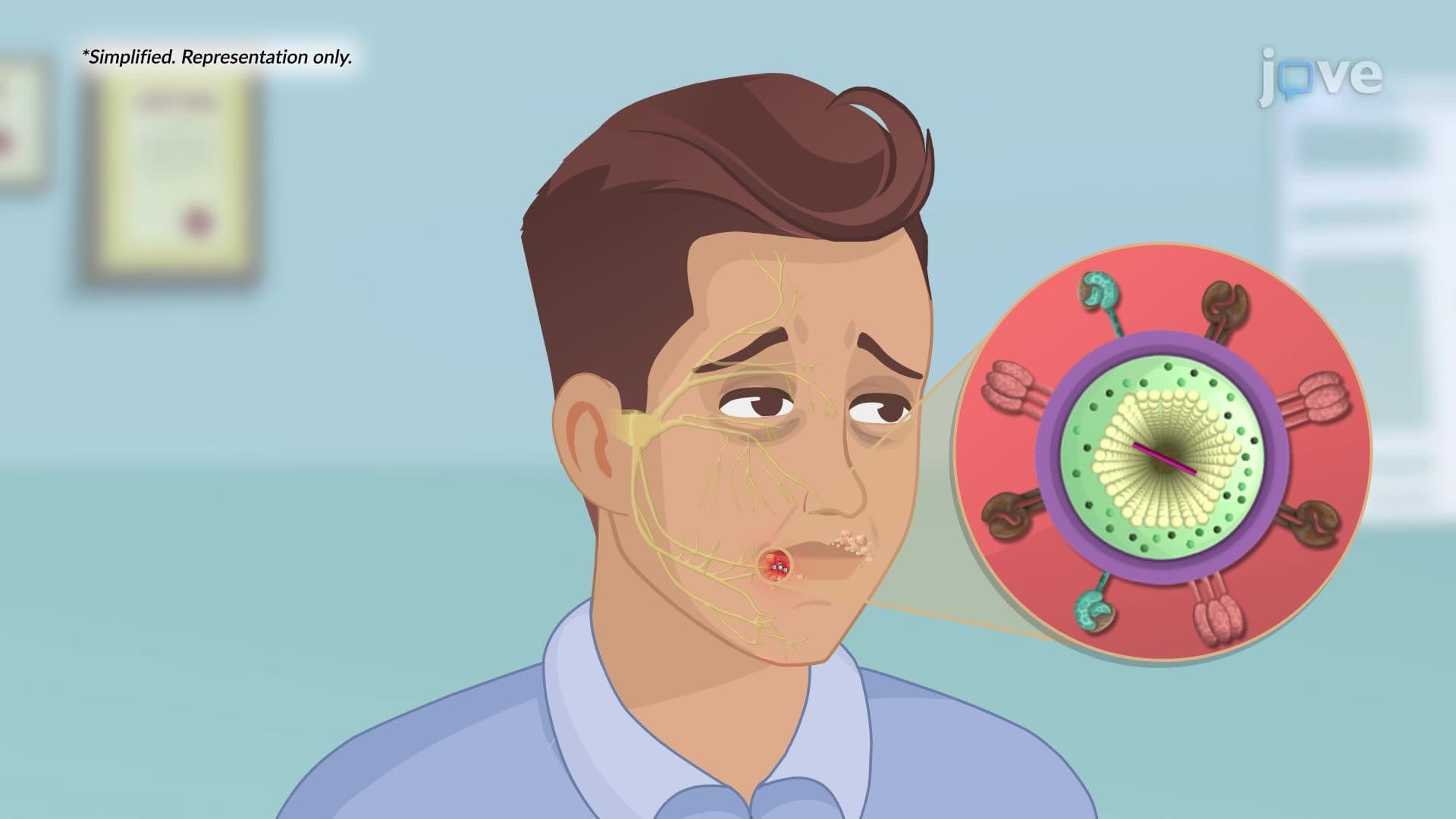
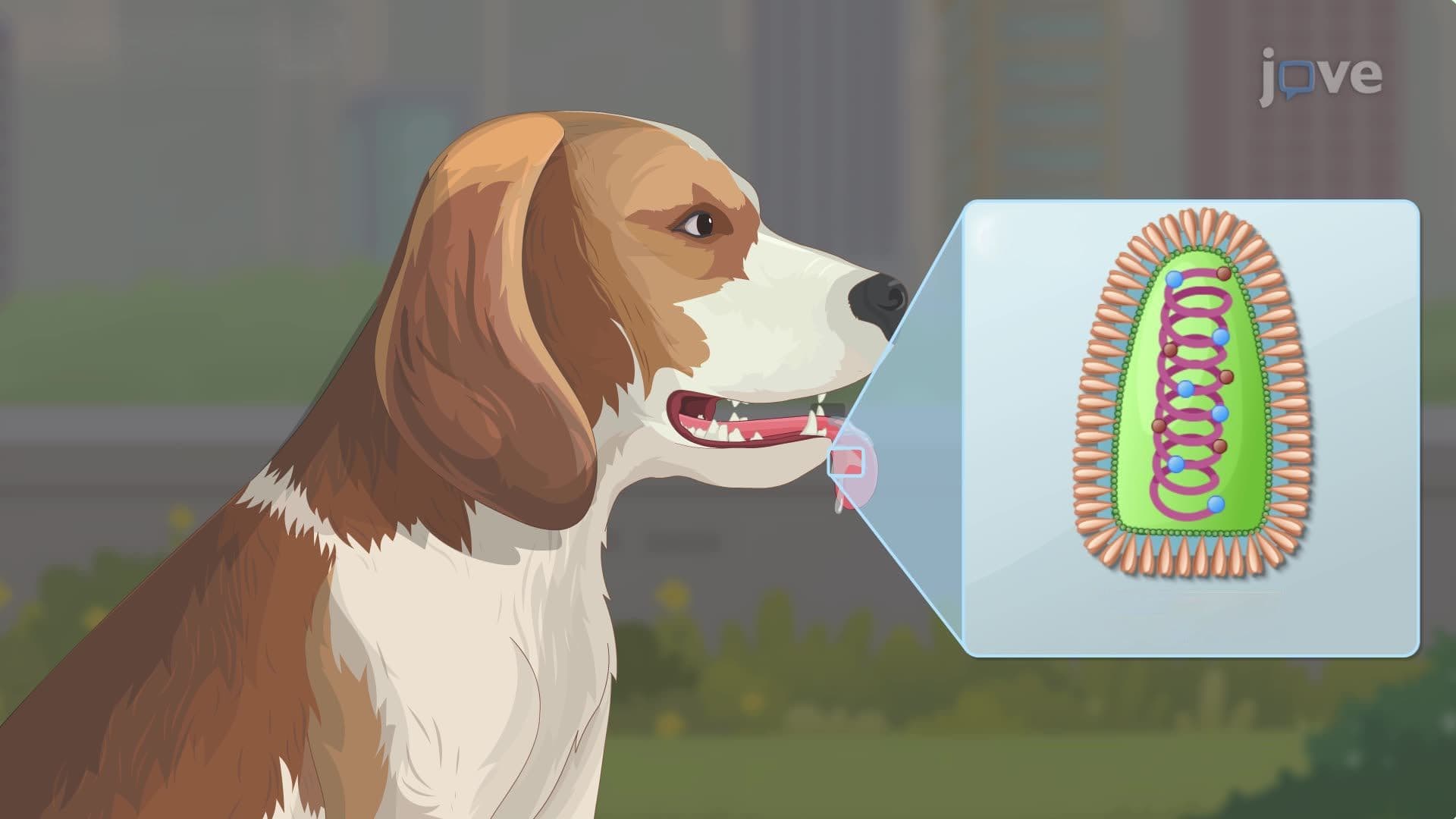
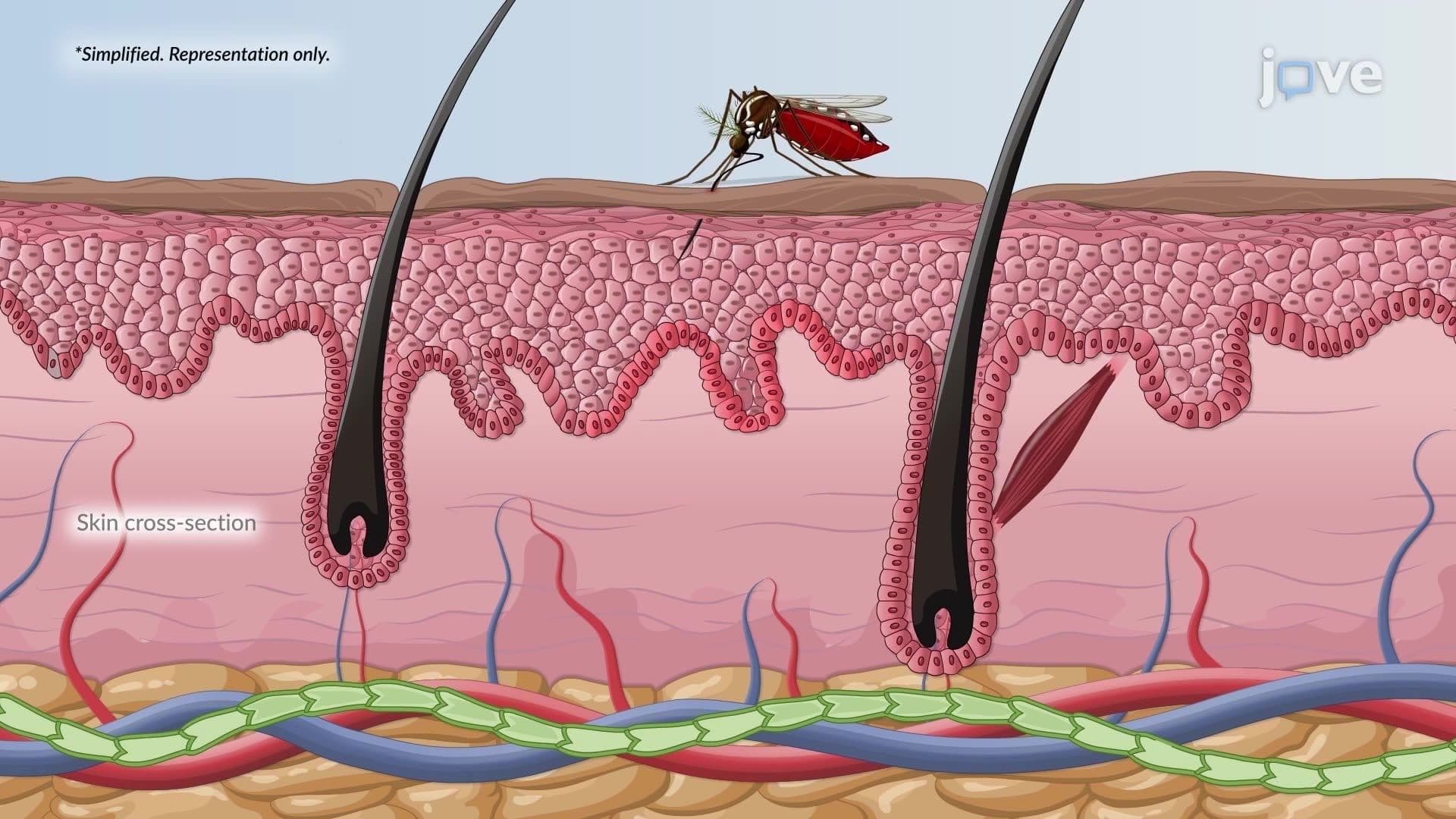
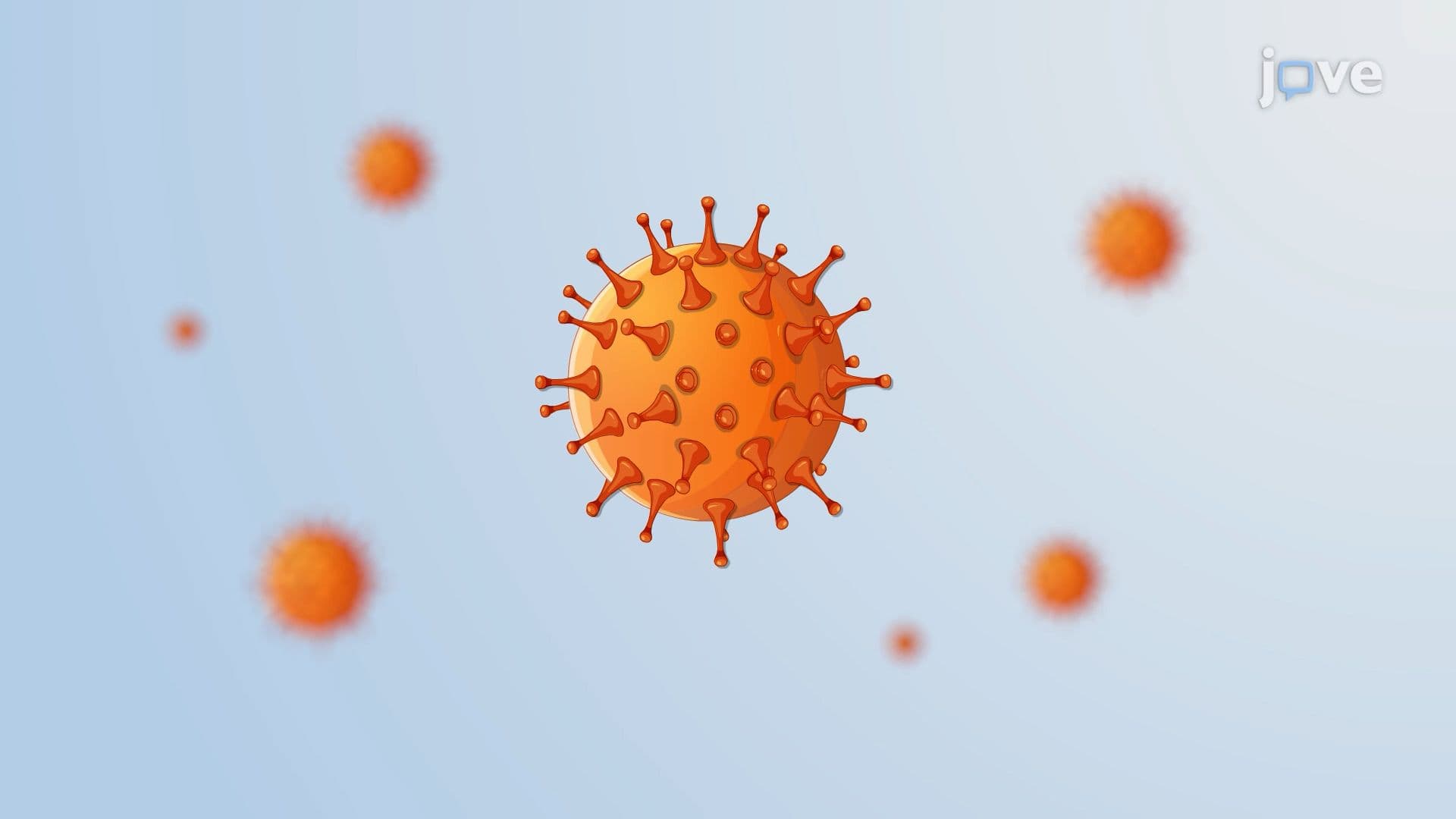
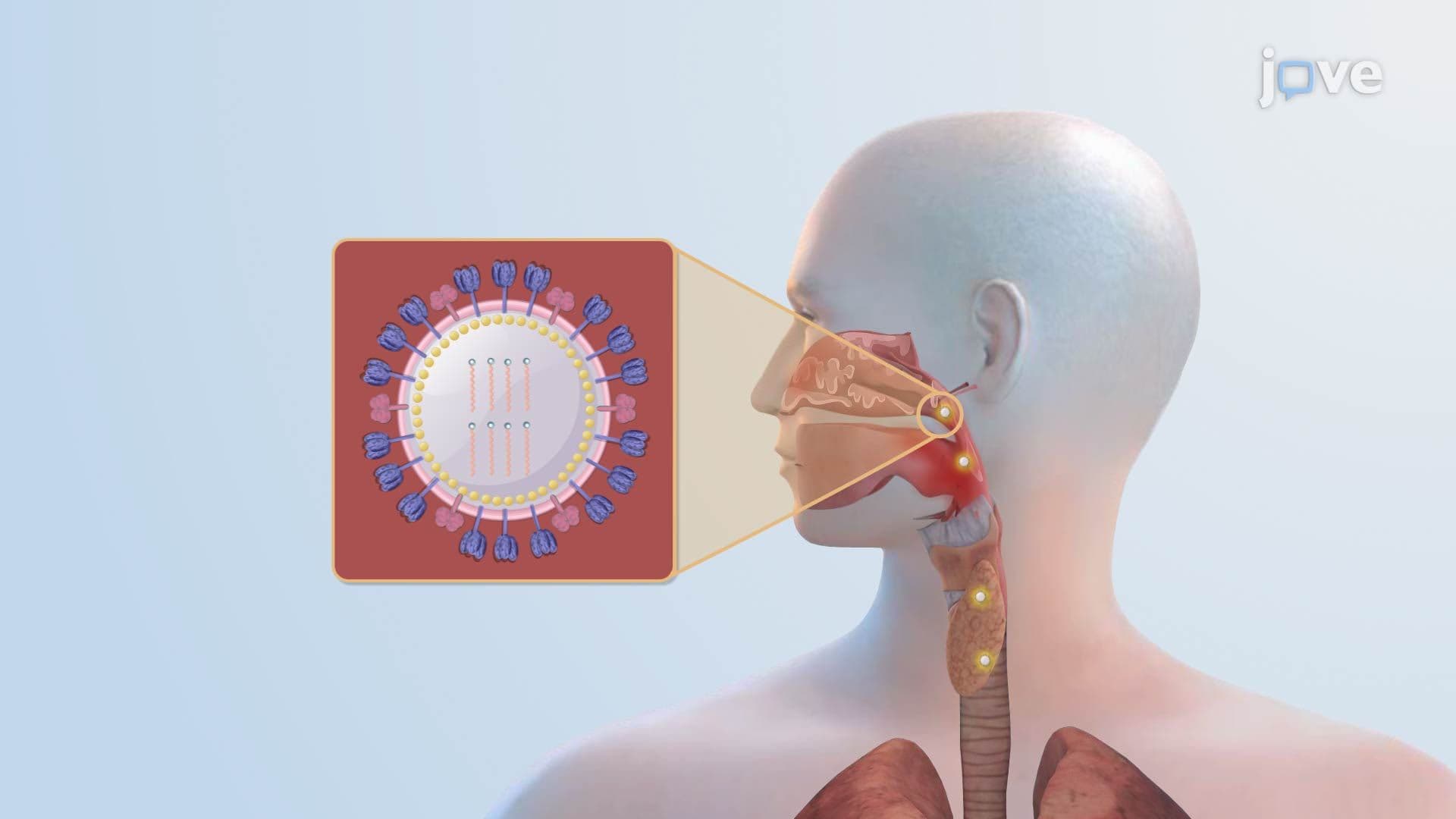
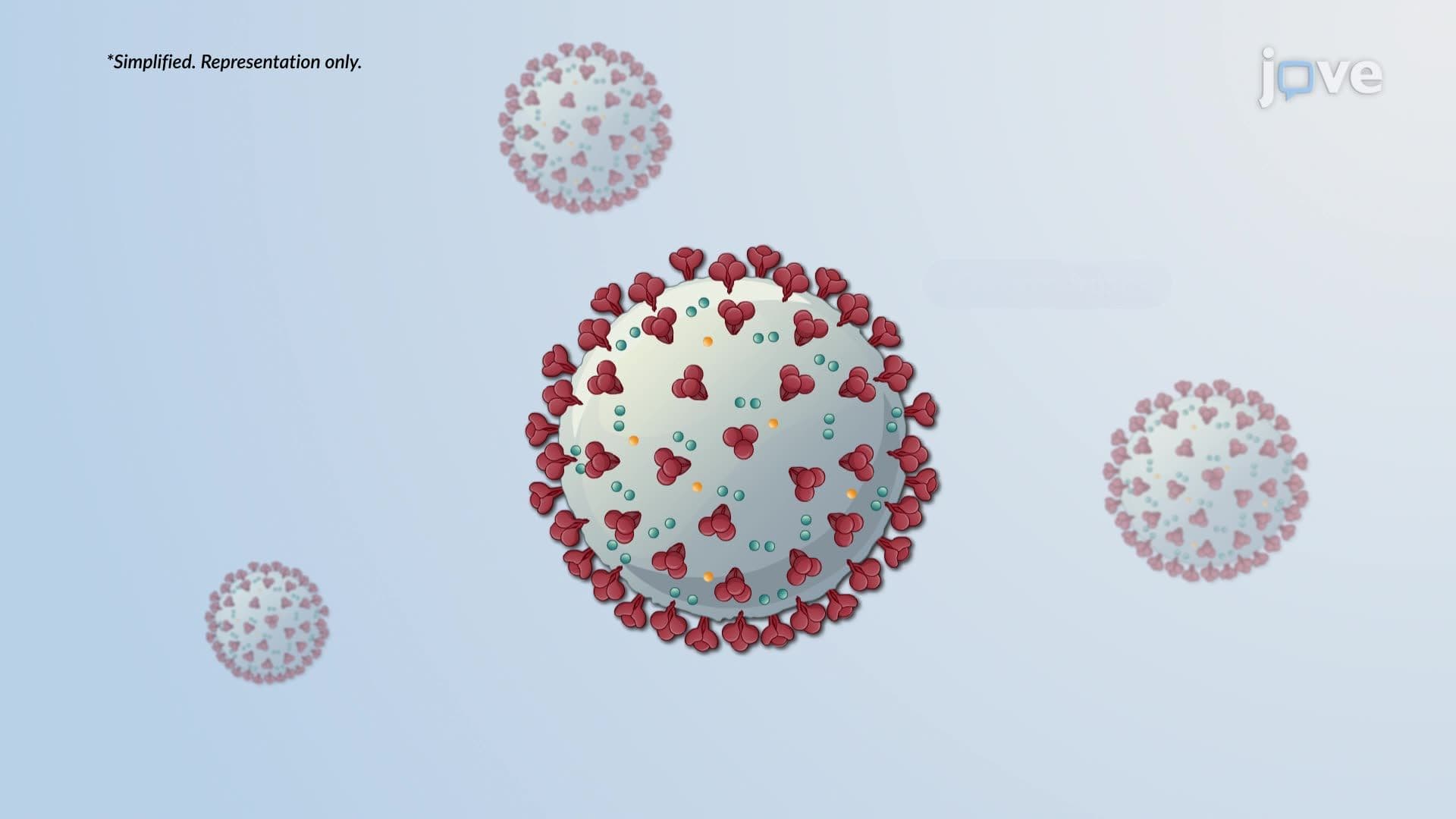
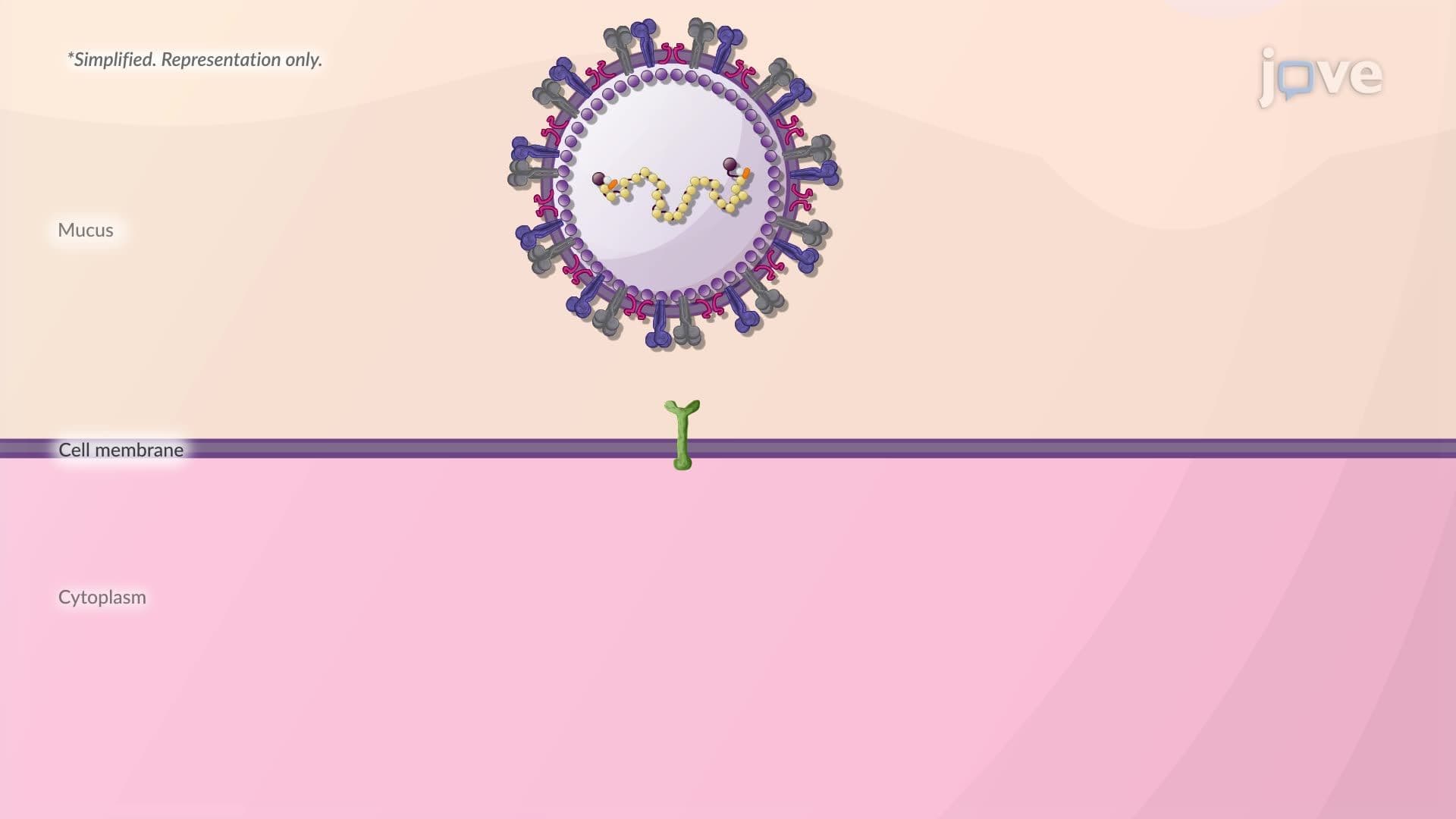
The journey of an enterovirus begins outside the body. These viruses travel primarily through the fecal-oral route, meaning contaminated hands, food, water, or surfaces carry the virus from an infected person to a new host. This transmission pathway explains why outbreaks are common in settings with close contact and shared facilities, like US college campuses and summer camps. Once ingested, the virus targets epithelial cells lining the gastrointestinal tract, where it undergoes active viral replication. Understanding this replication cycle, attachment, entry, replication, assembly, and release, is a foundational concept in virology coursework and appears frequently on AP Biology exams and college microbiology midterms.
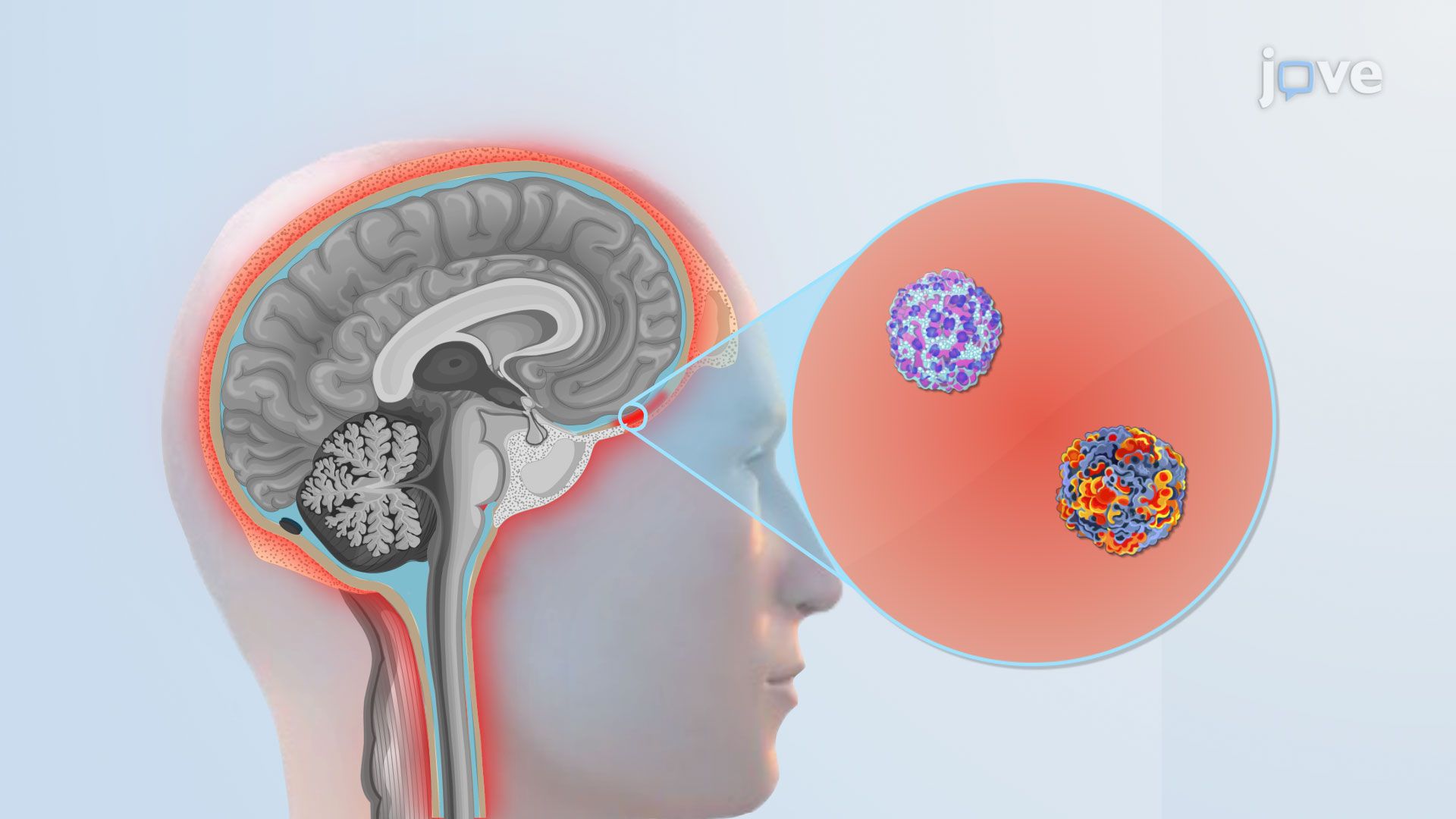
What makes viral meningitis particularly dangerous is the virus's ability to penetrate the central nervous system despite the body's formidable defenses. The blood-brain barrier (BBB), formed by tightly joined endothelial cells lining brain capillaries, normally prevents pathogens and toxins from reaching brain tissue. Enteroviruses can infect these endothelial cells directly, essentially using them as a gateway. A second route involves the choroid plexus, a specialized network of cells within the brain's ventricles that produces cerebrospinal fluid (CSF). Viruses can cross the choroid plexus epithelium to gain direct access to the CSF, bypassing the BBB entirely. These dual mechanisms of viral immune evasion and barrier penetration are high-yield topics on the MCAT and USMLE Step 1, where students are expected to understand how pathogens exploit host structures.
Once viruses enter the CSF, the host immune system launches a rapid counterattack. Immune cells, including macrophages and microglia, detect viral proteins and release pro-inflammatory signaling molecules called cytokines. This cytokine cascade recruits additional immune cells into the meninges and CSF, amplifying the inflammatory response. The resulting inflammation directly causes the hallmark symptoms of viral meningitis: severe headache (from increased intracranial pressure), high fever (a systemic immune response), and neck stiffness or nuchal rigidity (from meningeal irritation). This connection between inflammation and symptom production is a core concept in AP Biology, college-level immunology, and nursing entrance exams like the NCLEX and HESI A2.
In the US, viral meningitis most commonly peaks in late summer and early fall, coinciding with peak enterovirus transmission season. The Centers for Disease Control and Prevention (CDC) estimates tens of thousands of hospitalizations annually. Unlike bacterial meningitis, there is no specific antiviral drug approved for most enteroviral cases, treatment is largely supportive, which makes understanding the underlying viral pathogenesis essential for appreciating why vaccine development and antiviral research remain active areas of study. For students pursuing pre-med, nursing, or public health careers, this concept connects directly to real clinical decision-making.
Related Micro-courses