Loading video…


 14 Concepts
 2.1K views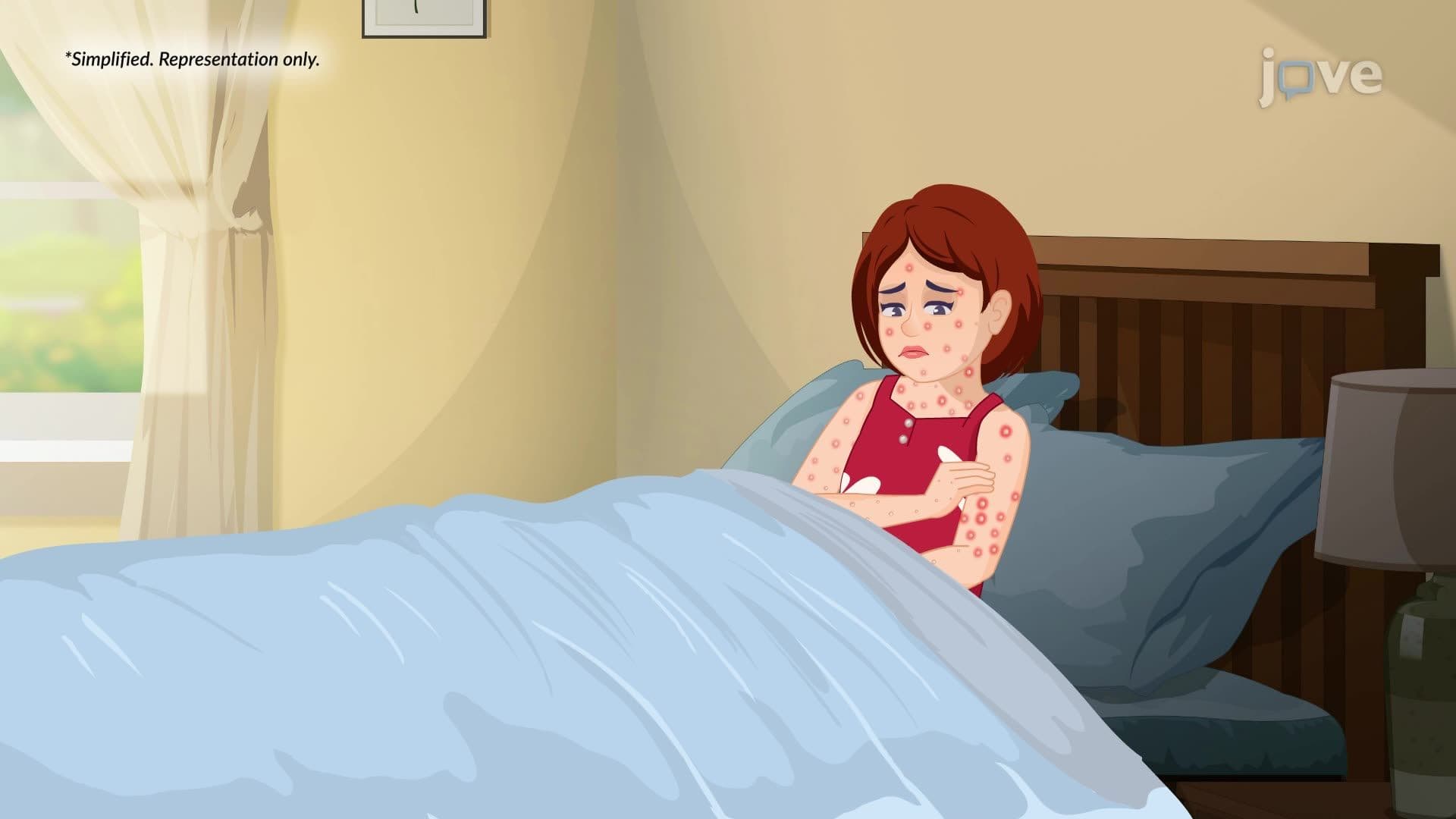

Video Summary: What Is Chickenpox
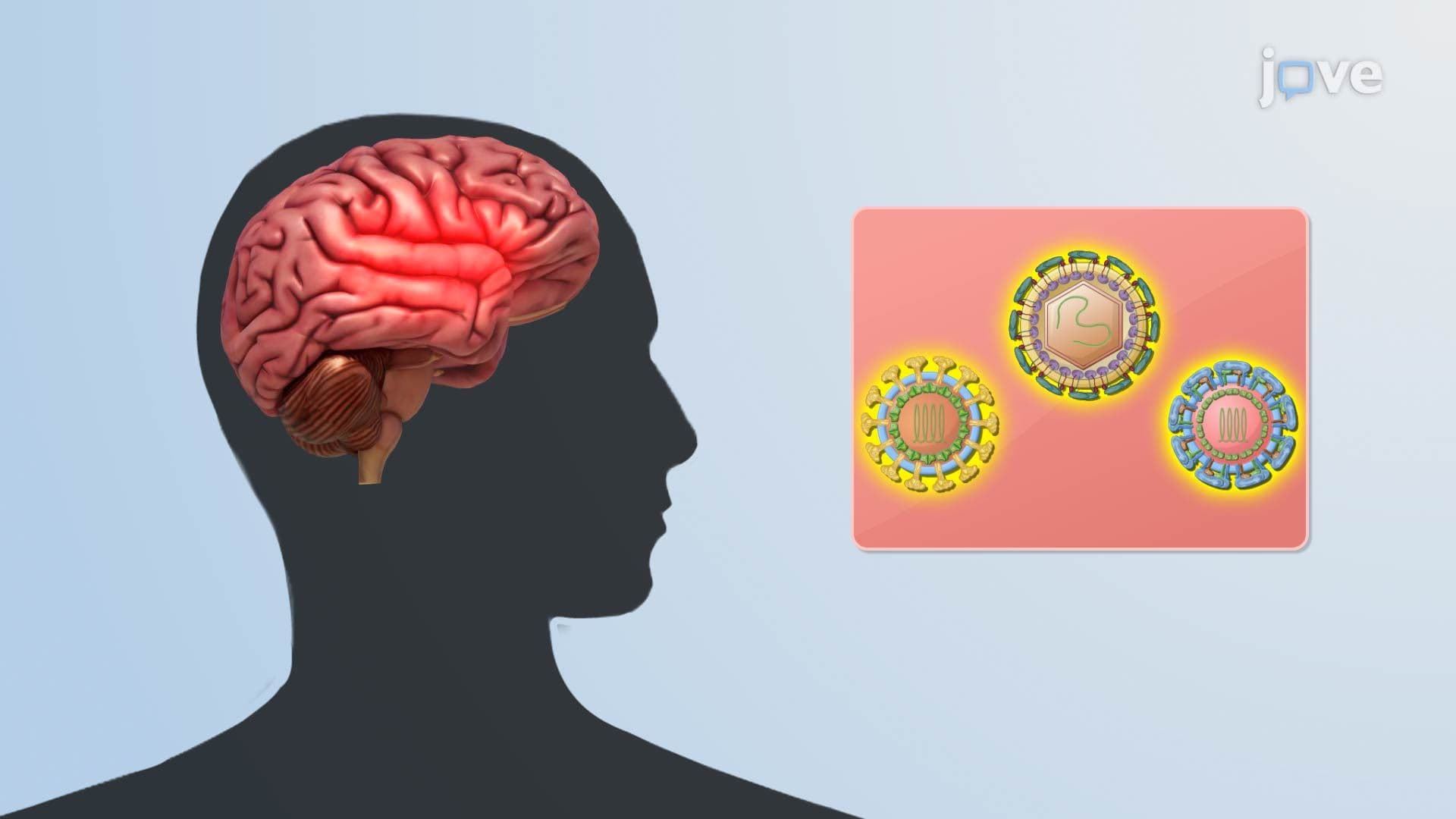
Every year, millions of Americans get vaccinated against a virus that can hide in your nervous system for decades, and strike again as shingles. Chickenpox, caused by the varicella-zoster virus, spreads through respiratory droplets and triggers a two-stage infection cycle before producing its signature itchy rash. Before the US vaccine rollout in 1995, over 4 million cases occurred annually. Watch the full video on JoVE Coach to master this concept with expert-led visuals and step-by-step explanations.
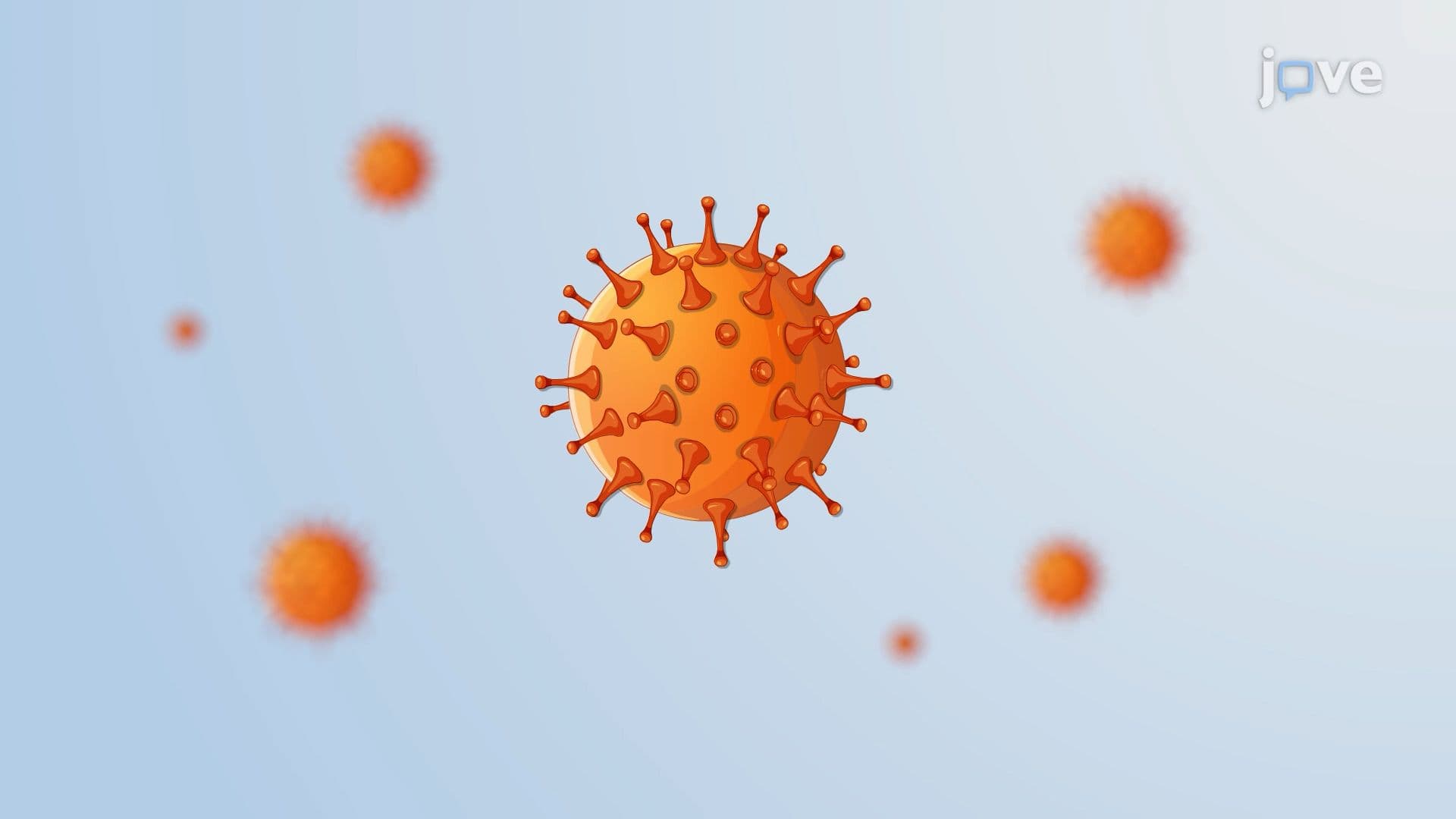
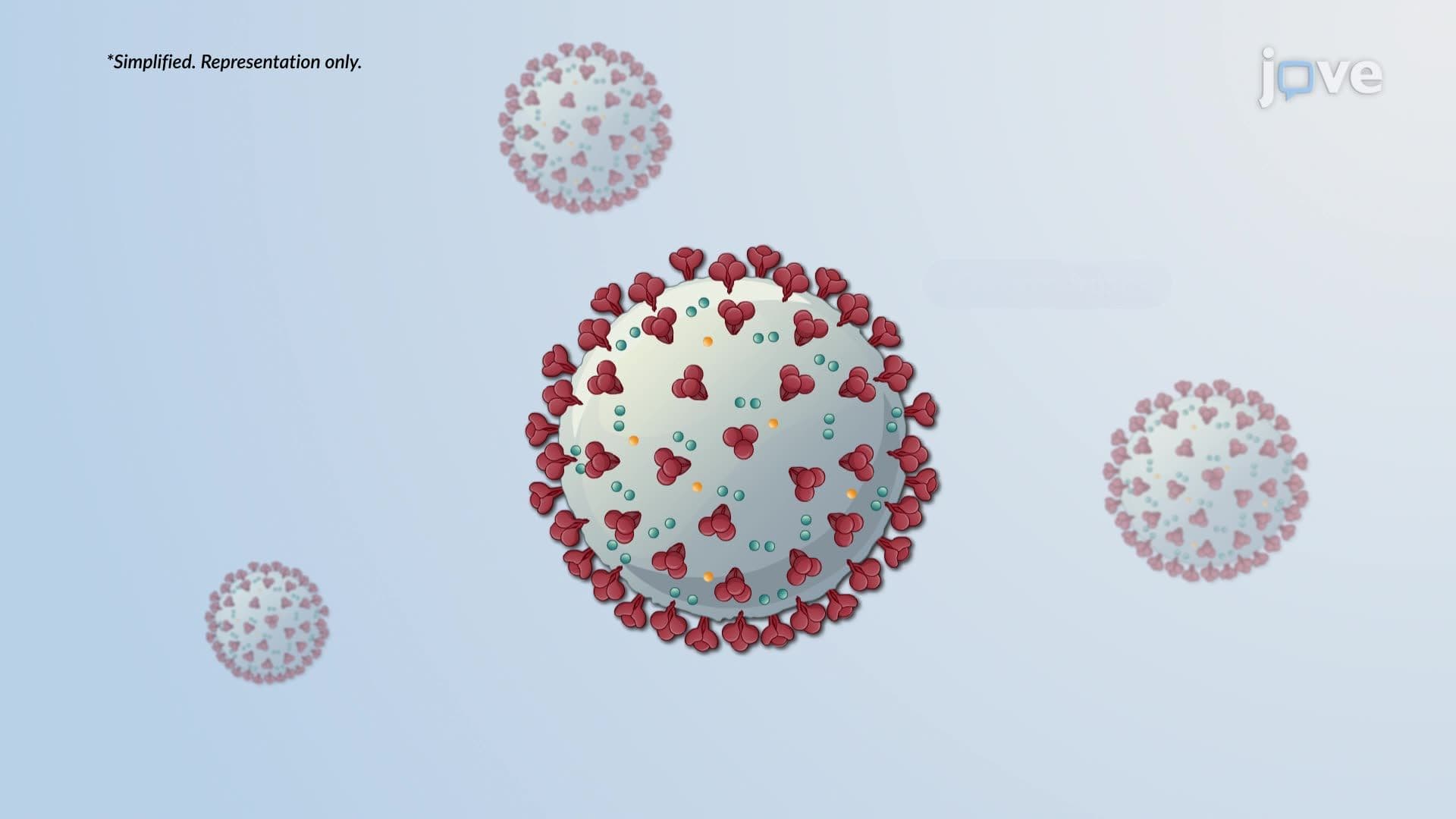
Chickenpox may seem like a routine childhood illness, but its underlying biology is surprisingly sophisticated. At the heart of the disease is the varicella-zoster virus (VZV), also classified as human herpesvirus 3 (HHV-3). Understanding how this virus infects, replicates, evades, and persists in the human body is a core topic in virology, immunology, and pathophysiology courses across US high schools and colleges, and it appears regularly on exams like the AP Biology exam, college microbiology midterms, and the MCAT.
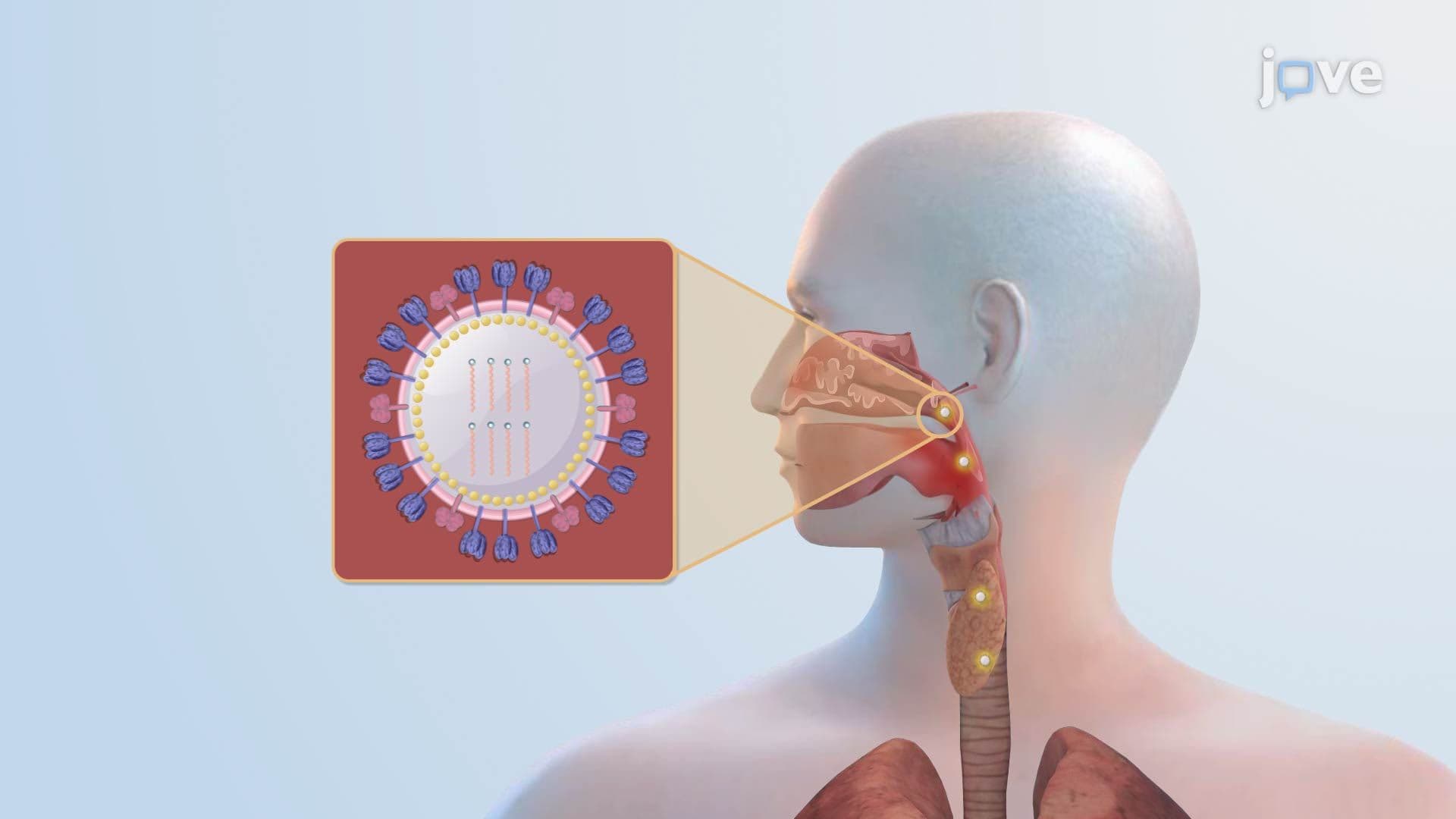
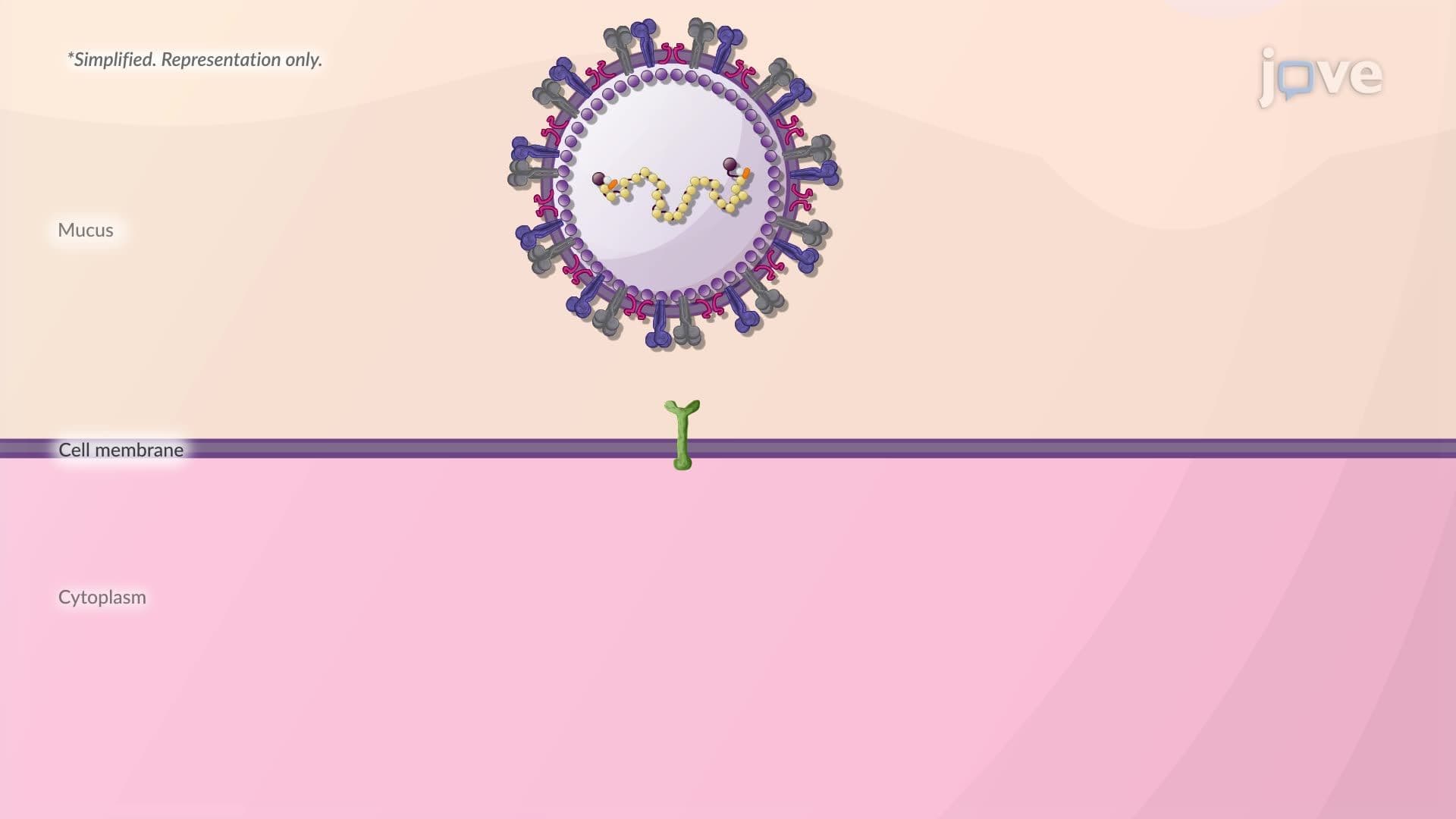
VZV is transmitted primarily through respiratory droplets, the same mechanism behind the flu, and through direct contact with fluid from skin blisters. Once inhaled, the virus targets respiratory epithelial cells lining the upper airway, where it hijacks the cell's machinery to replicate intracellularly. This is a critical concept in virology: viruses cannot reproduce on their own and must enter a host cell to complete their replication cycle. After local replication, immune cells, particularly dendritic cells and macrophages, engulf viral particles and transport them to regional lymph nodes, seeding what is called primary viremia, the first wave of virus entering the bloodstream.
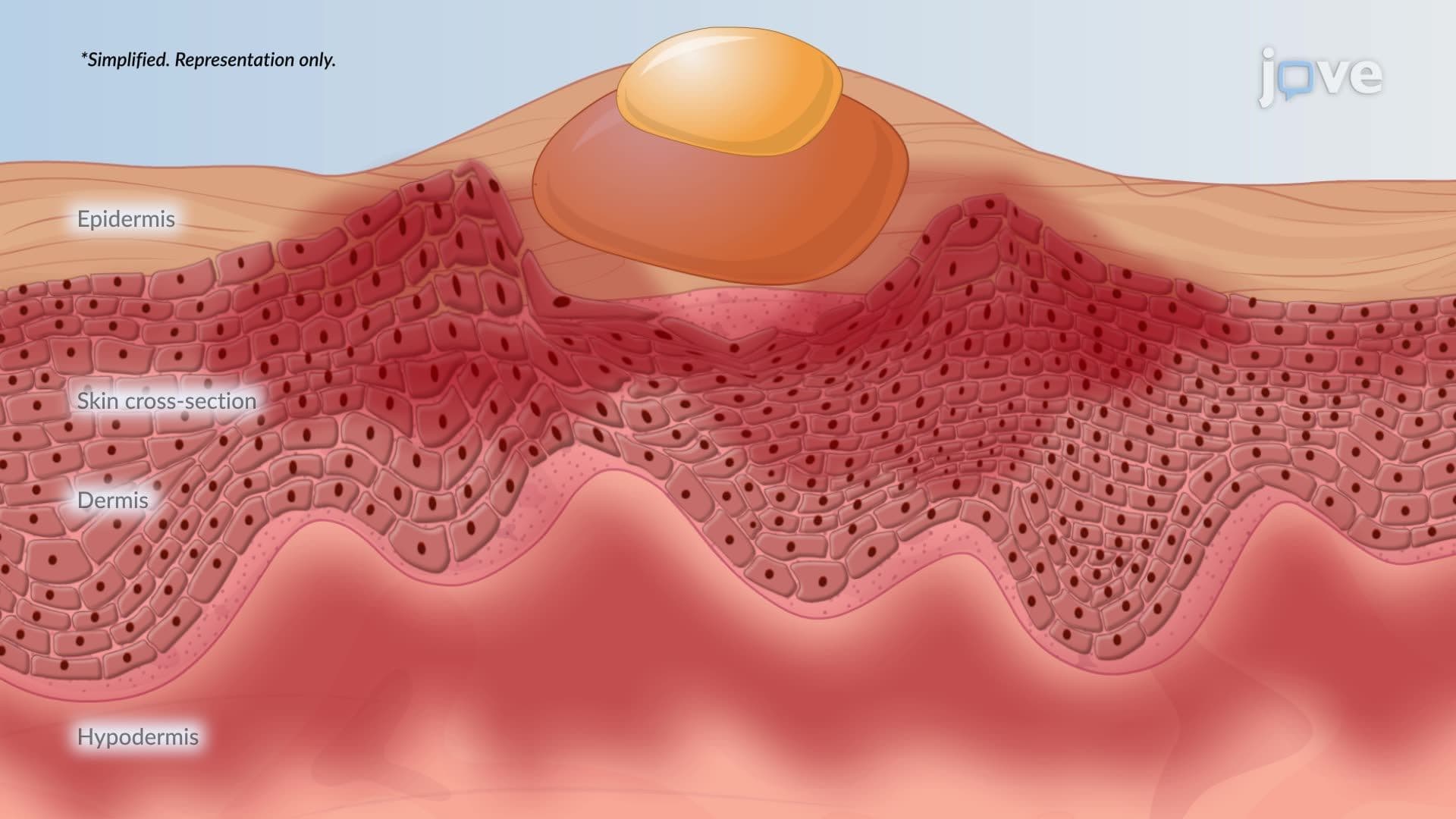
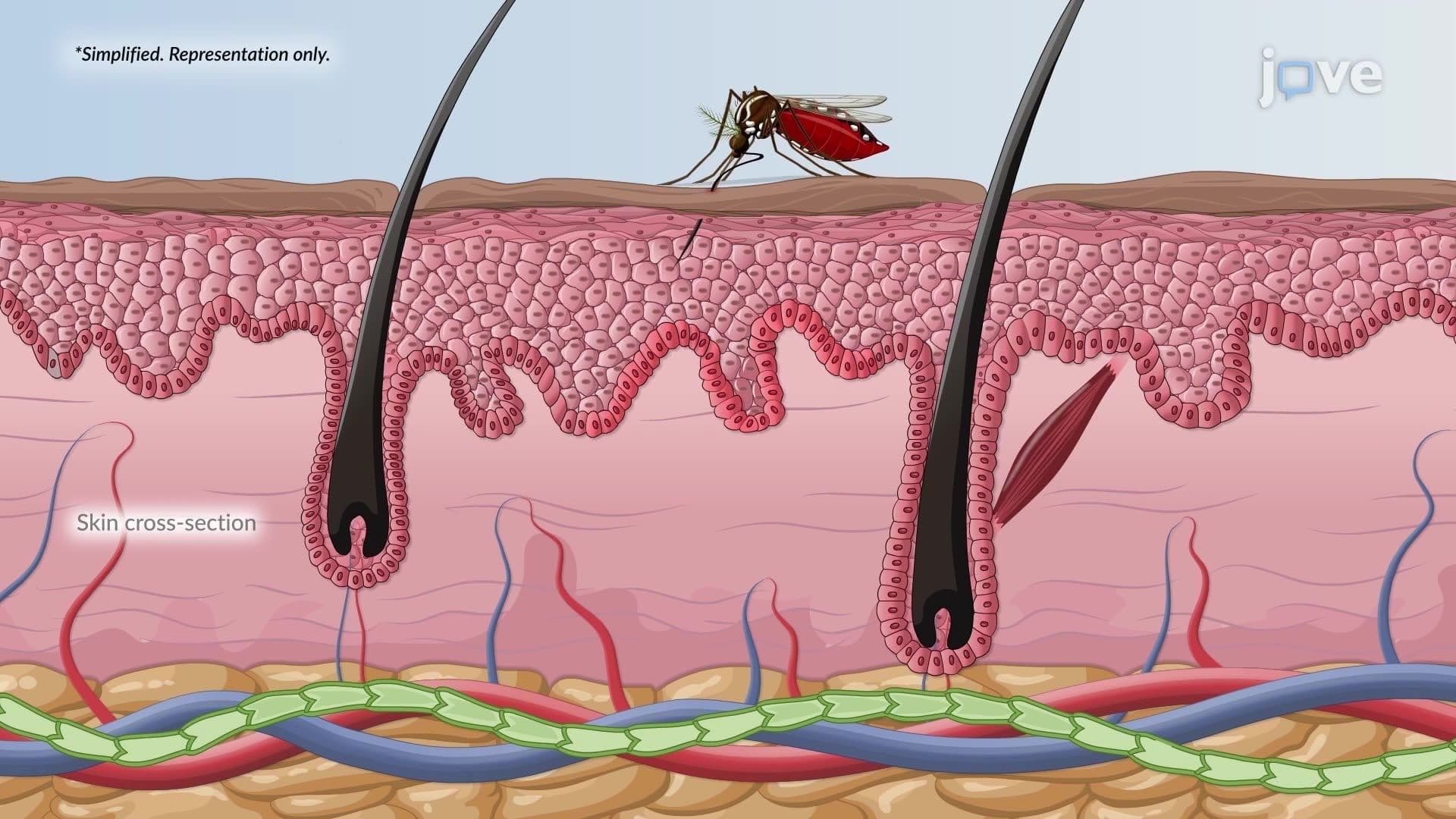
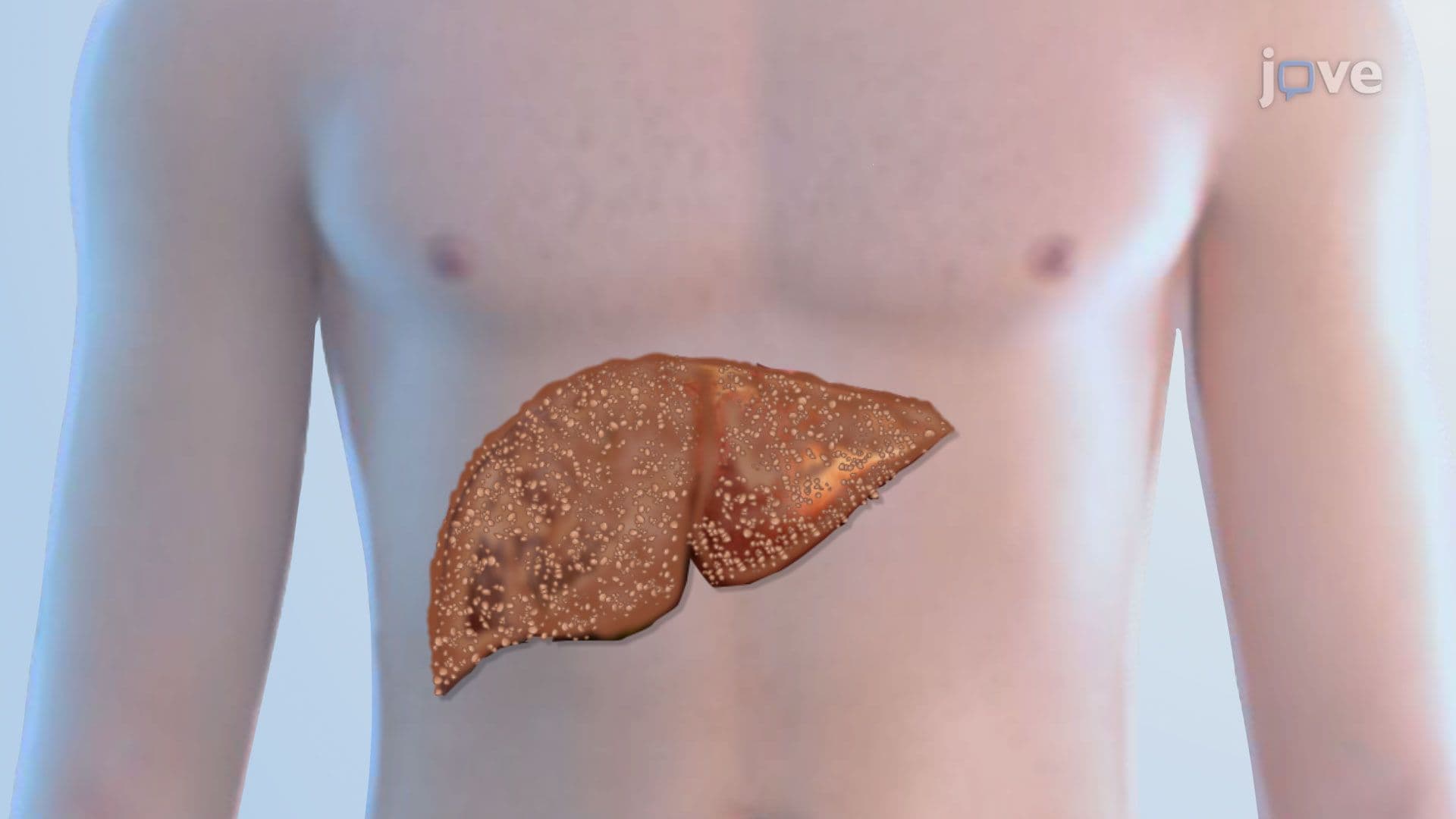
One of the most testable concepts in viral pathogenesis is the two-stage viremia model seen in chickenpox. During primary viremia, the virus is carried through the blood to major organs, most notably the liver, where it undergoes a second round of extensive replication. This sets off secondary viremia, a larger, more sustained release of viral particles into the bloodstream. It is during this second wave that VZV reaches the skin, infecting keratinocytes and producing the hallmark progression from flat red spots (macules) to raised bumps (papules) to fluid-filled blisters (vesicles). This staged timeline explains why symptoms typically appear 10-21 days after exposure, a detail commonly tested on nursing exams like NCLEX and HESI A2.
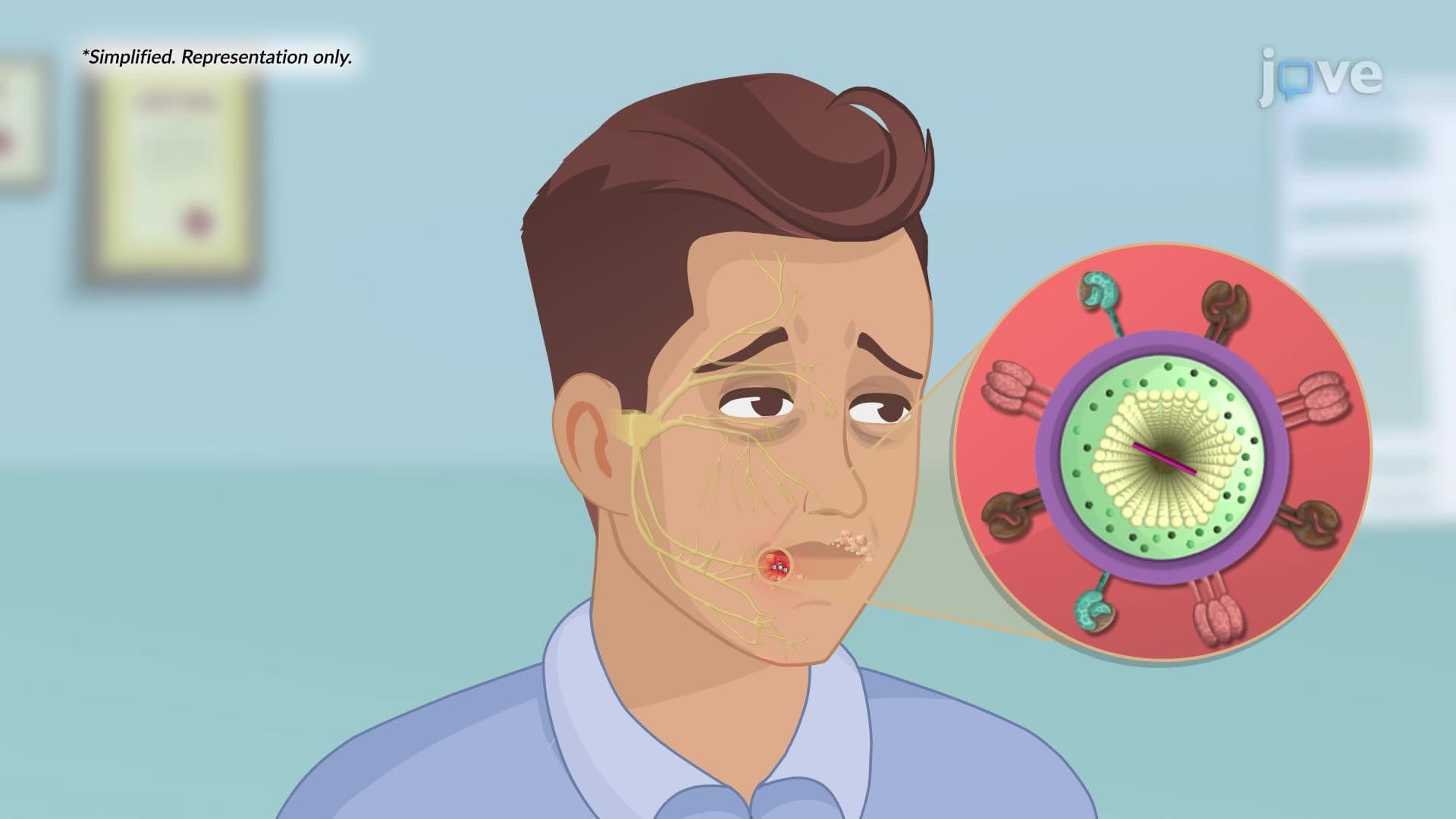
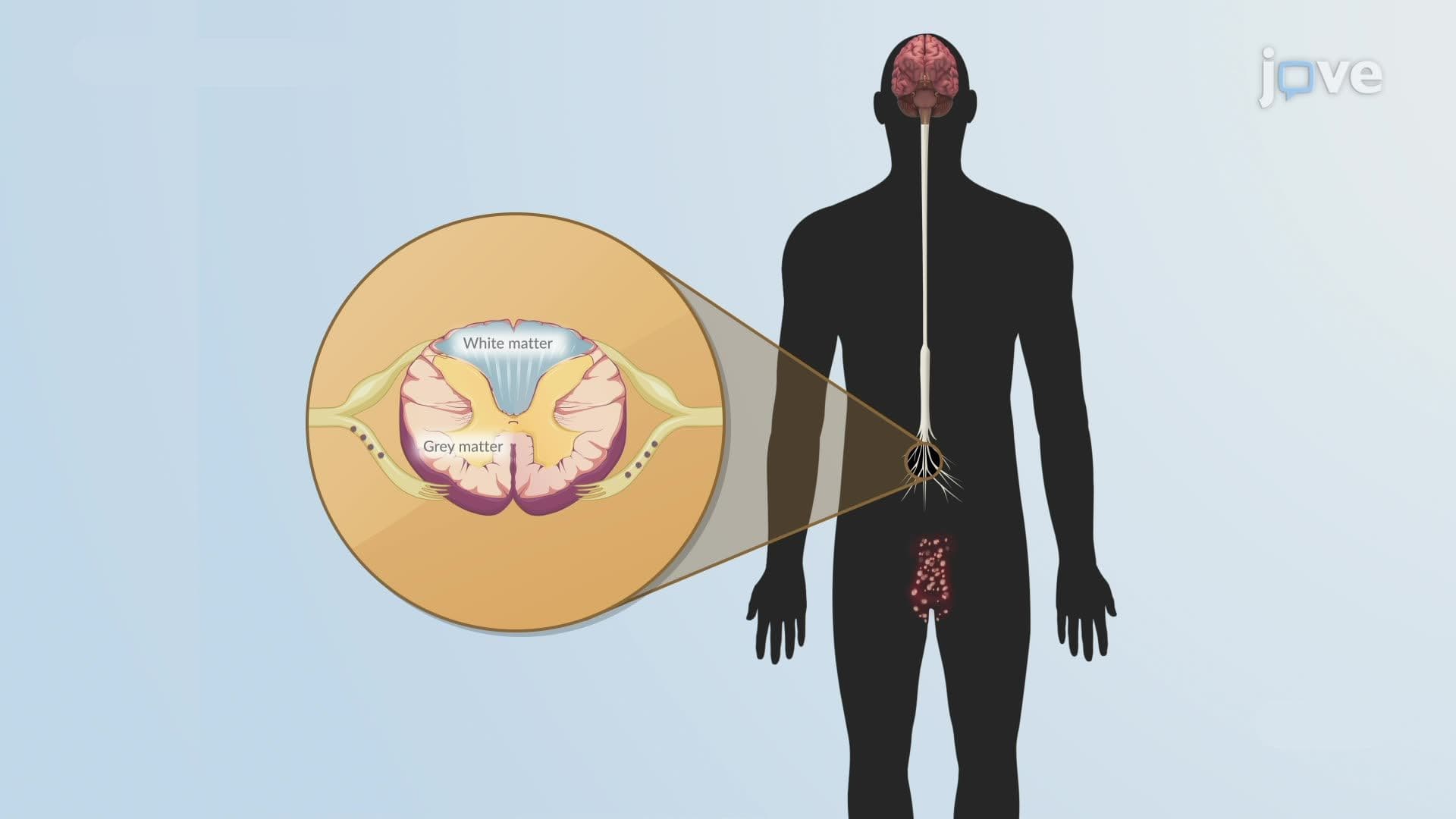
The body fights back through both humoral immunity (antibody production by B cells) and cellular immunity (cytotoxic T cells targeting infected cells). Together, these mechanisms clear the active infection, but not completely. VZV is a herpesvirus, a family of viruses notorious for establishing lifelong latency. After the rash resolves, the virus retreats to the dorsal root ganglia, clusters of sensory neurons along the spinal cord, where it remains dormant, invisible to the immune system. This is a key distinction in the virus vs. bacteria conversation: unlike bacterial infections that are typically eliminated by antibiotics, latent viruses persist in host cells indefinitely.
Decades later, if the immune system weakens, due to aging, stress, or immunosuppressive therapy, VZV can reactivate, traveling back down the nerve to the skin and causing herpes zoster (shingles), a painful, blistering rash confined to a single dermatome. In the US, the CDC estimates roughly 1 in 3 Americans will develop shingles in their lifetime, which is why the Shingrix vaccine is now recommended for adults 50 and older. This real-world public health application is a prime example of how basic virology directly informs clinical practice and vaccine policy.
Related Micro-courses