Loading subject page…


2,059 views

Video Summary: What Is Hepatitis
Did you know that roughly 1.2 million Americans are living with chronic hepatitis B right now, many without knowing it? Hepatitis, broadly defined as liver inflammation, can silently damage one of your body's most vital organs. The hepatitis B virus hijacks liver cells using a sophisticated entry and replication strategy that outsmarts the immune system in millions of patients. Watch the full video on JoVE Coach to master this concept with expert-led visuals and step-by-step explanations.
Hepatitis refers to inflammation of the liver, and while it can result from alcohol use, autoimmune conditions, or toxic exposures, viral infection remains one of its most widespread and preventable causes. Five major hepatotropic viruses, hepatitis A, B, C, D, and E, are specifically adapted to target liver cells. Among these, hepatitis B virus (HBV) is a global and domestic public health priority, affecting an estimated 1.2 million people in the United States alone. Understanding hepatitis at the cellular and molecular level is essential for anyone studying biology, nursing, or medicine.
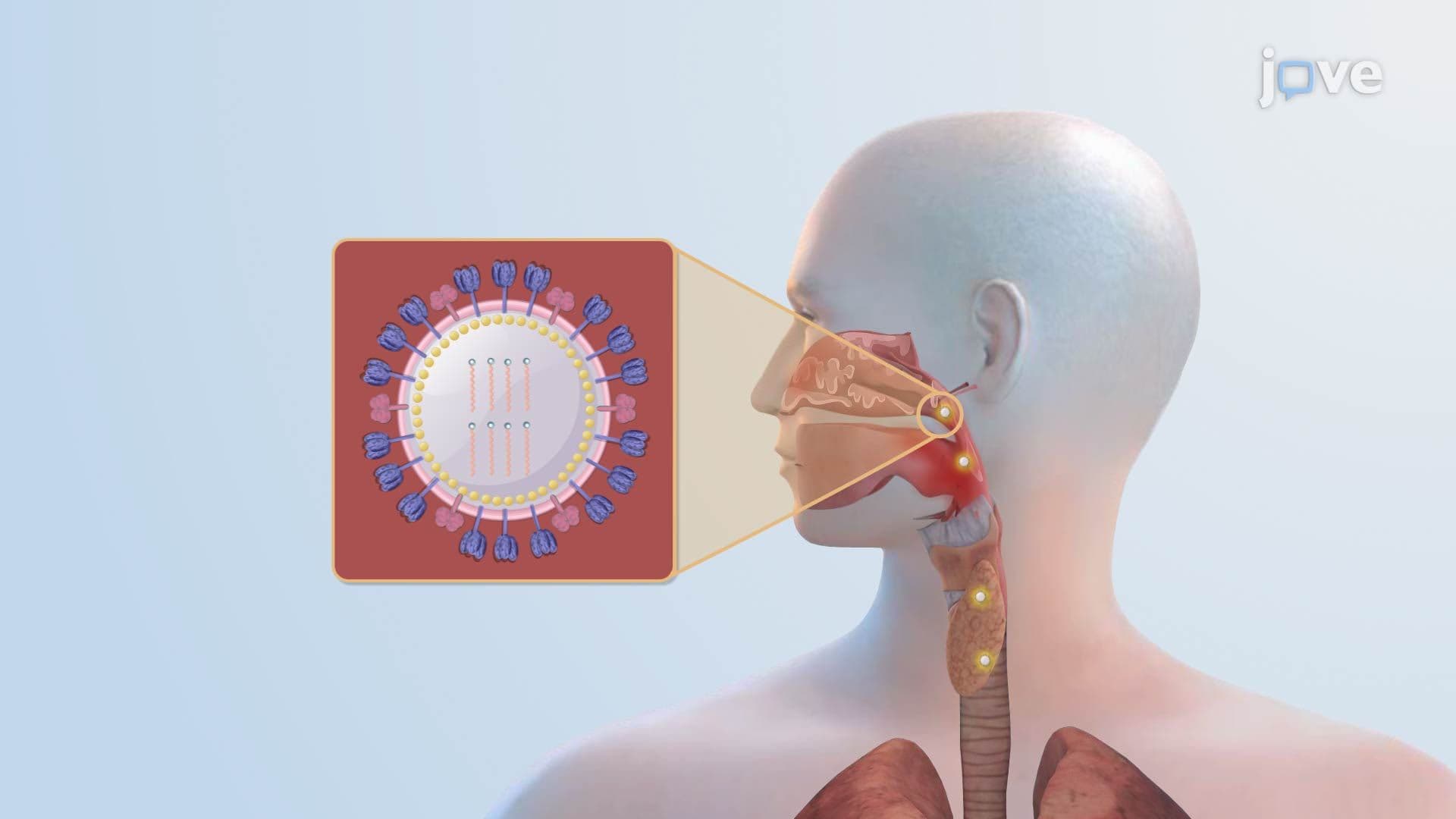
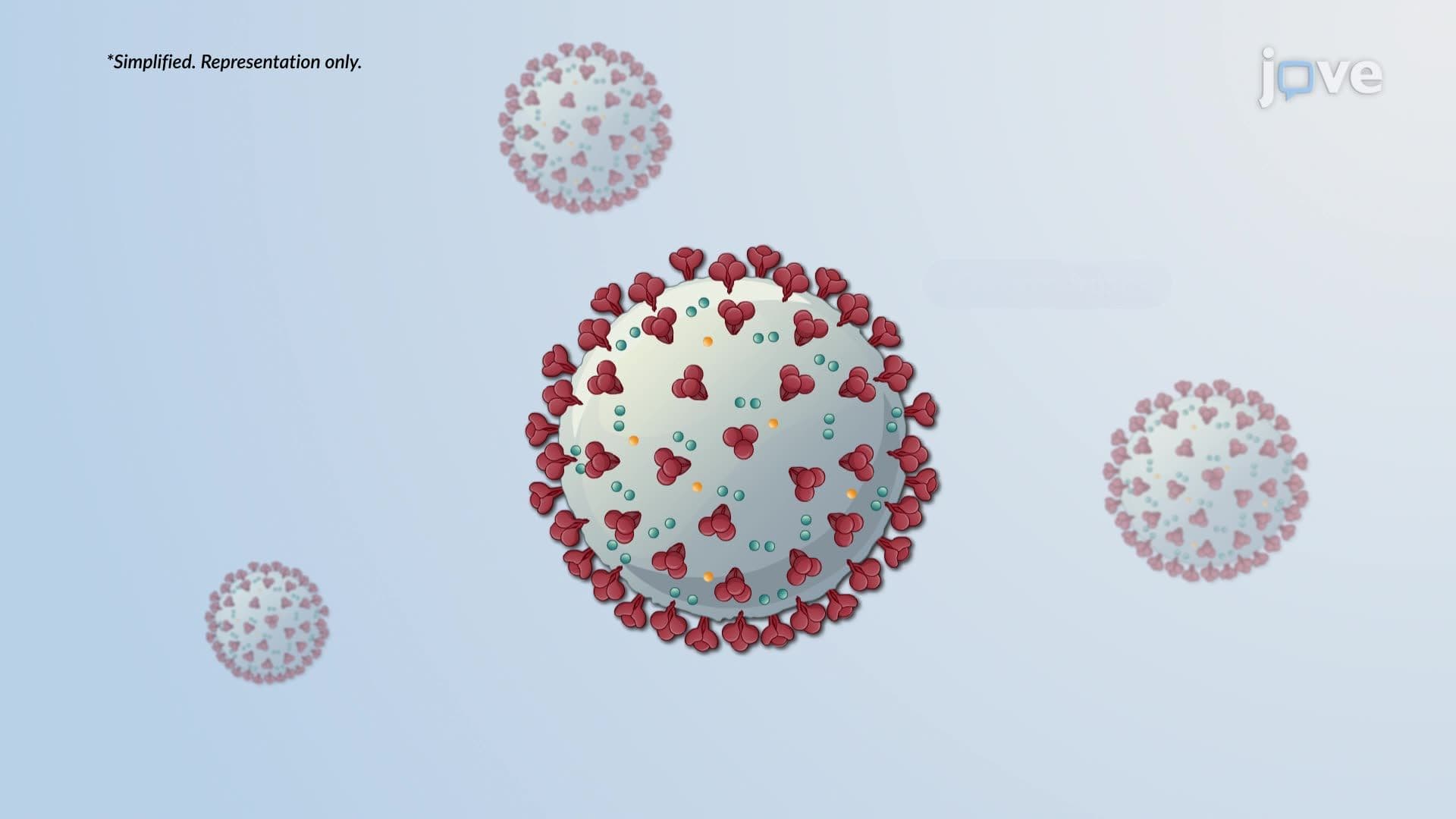
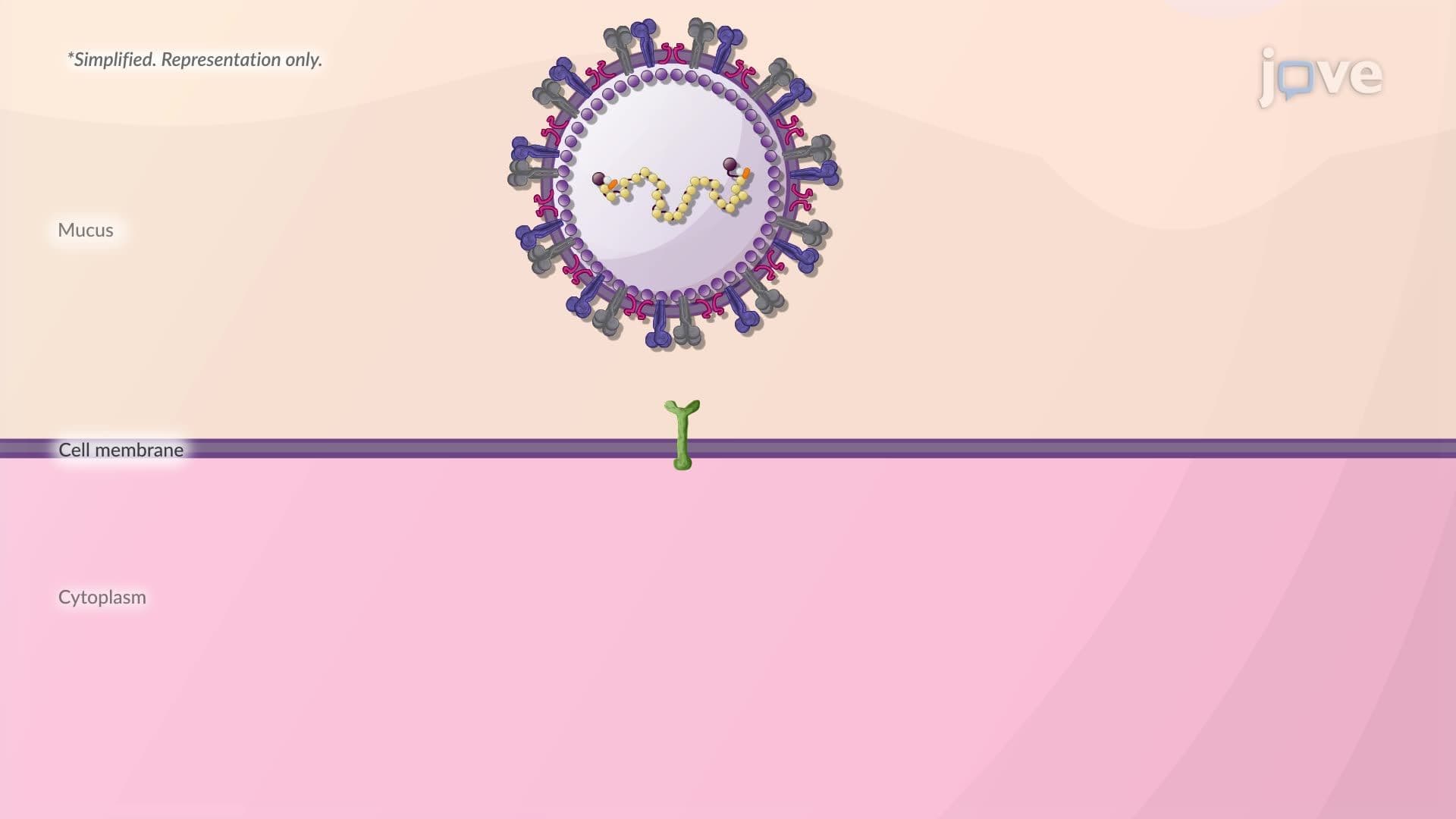
HBV is a DNA virus with a precisely organized structure. Its genetic material is encased within a protein shell called a nucleocapsid, which is further surrounded by a lipid envelope embedded with the hepatitis B surface antigen, known as HBsAg. This surface antigen is not just a structural component, it is the virus's key to entry. HBsAg binds to specific receptors on the surface of hepatocytes, the primary functional cells of the liver. Once bound, the virus is pulled into the cell through a process called receptor-mediated endocytosis, a common mechanism many viruses and other molecules use to gain intracellular access.
After entry, the nucleocapsid is released into the cytoplasm and actively transported into the cell's nucleus. Inside the nucleus, HBV exploits the host cell's own replication and transcription machinery to produce new viral copies. Newly assembled viral particles are then exported from the hepatocyte into the bloodstream, where they can infect additional liver cells and spread throughout the body.
When the immune system detects HBV-infected hepatocytes, it mounts a T-cell-mediated response. Cytotoxic T lymphocytes (CTLs) recognize and destroy infected liver cells in an attempt to eliminate the virus. This immune attack is actually responsible for much of the liver damage seen in hepatitis B, a concept that surprises many students. In a healthy immune response, the virus is cleared and the infection resolves. However, if the immune system cannot fully eliminate HBV, as occurs in newborns exposed at birth or in immunocompromised individuals, the infection becomes chronic.
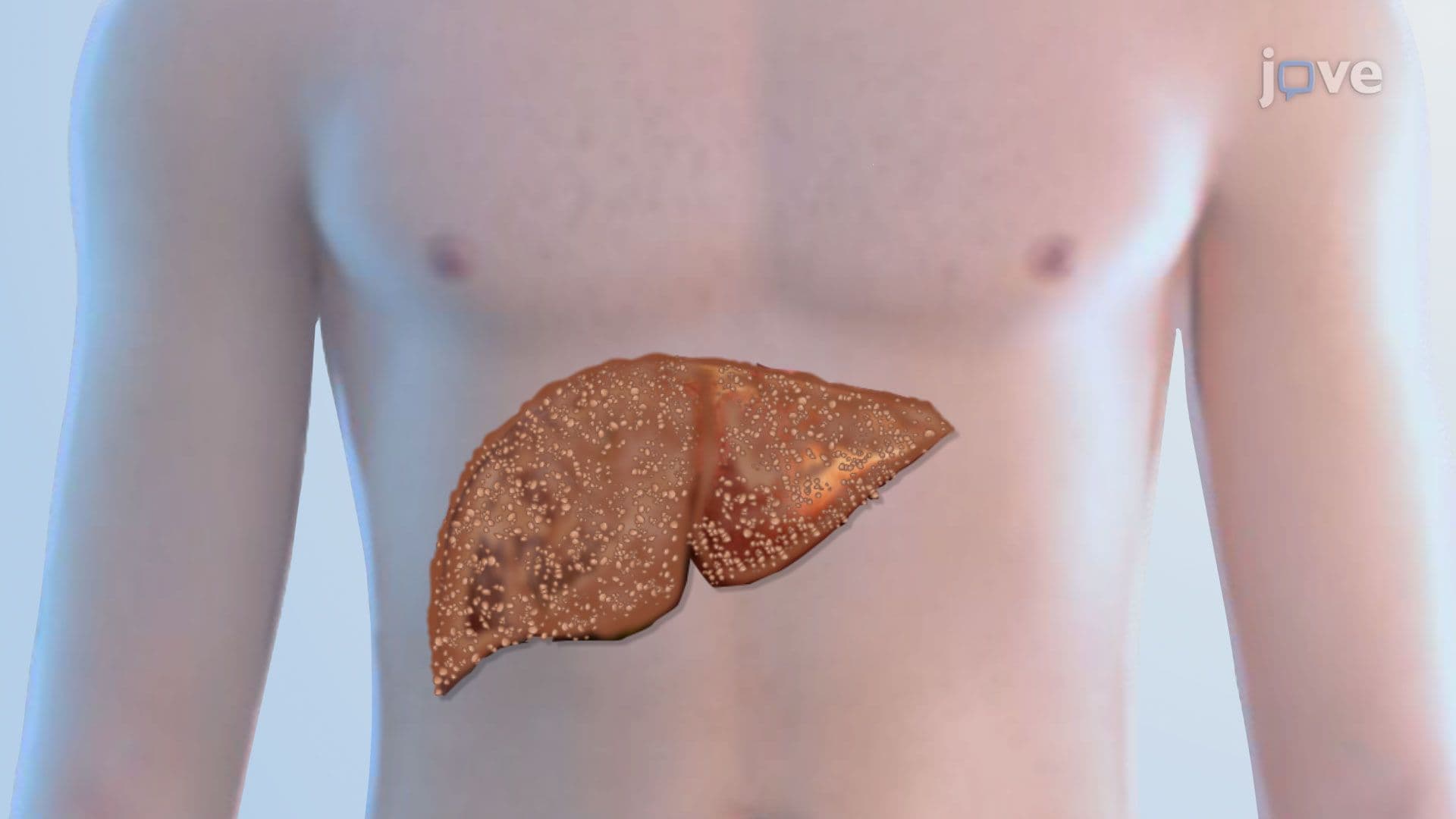
Chronic hepatitis B infection triggers prolonged inflammation that progressively damages liver tissue. Over years or decades, repeated cycles of injury and repair lead to fibrosis (scarring), and eventually cirrhosis (severe scarring that disrupts liver function). Cirrhosis significantly raises the risk of liver failure and hepatocellular carcinoma (liver cancer), making early detection and treatment critical. In the US, the CDC recommends universal hepatitis B screening for adults, and the hepatitis B vaccine series, typically given starting at birth, remains the most effective preventive tool available.
Hepatitis B pathogenesis is a high-yield topic across multiple US exams. On the MCAT, questions test receptor-mediated endocytosis, immune evasion, and viral replication cycles. AP Biology covers viral structure and host-cell interaction as core content. USMLE Step 1 and NCLEX frequently test HBsAg serology, the difference between acute and chronic infection, and clinical management strategies. College microbiology and pathophysiology midterms commonly ask students to trace the HBV replication cycle or explain why a patient with chronic hepatitis B develops cirrhosis. Mastering the molecular details here, surface antigens, nucleocapsid transport, and immune evasion, gives students a powerful conceptual framework applicable across multiple disciplines.
Related Micro-courses