Loading subject page…

2,059 views

Video Summary: What Is Influenza
Every fall, millions of Americans line up for flu shots, but what exactly is influenza, and why does it keep coming back? Influenza is an acute viral respiratory disease driven largely by the Influenza A strain, including the infamous H1N1 subtype behind the 2009 pandemic. Two surface proteins, hemagglutinin and neuraminidase, control how the virus invades cells and spreads. Watch the full video on JoVE Coach to master this concept with expert-led visuals and step-by-step explanations.
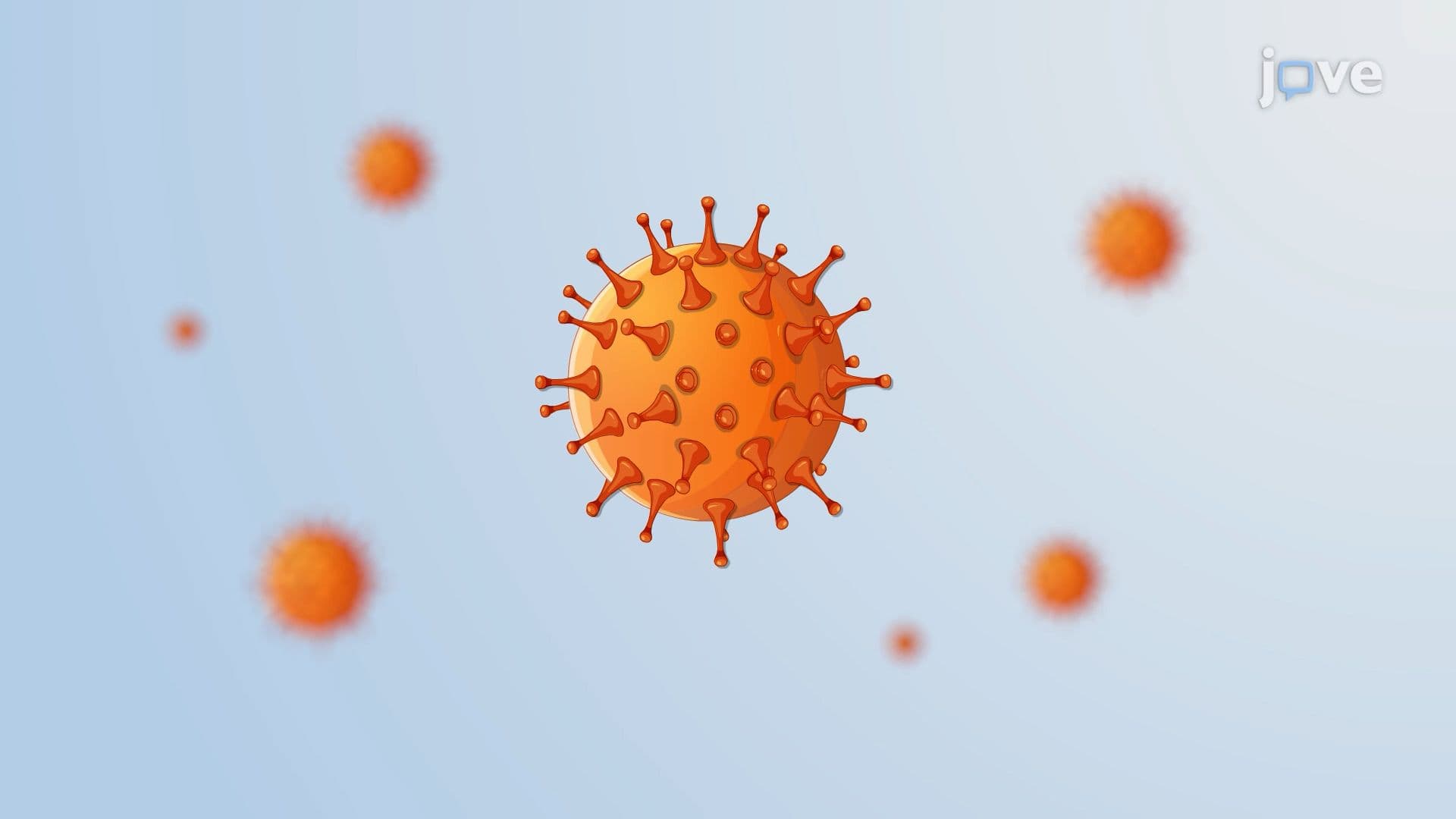
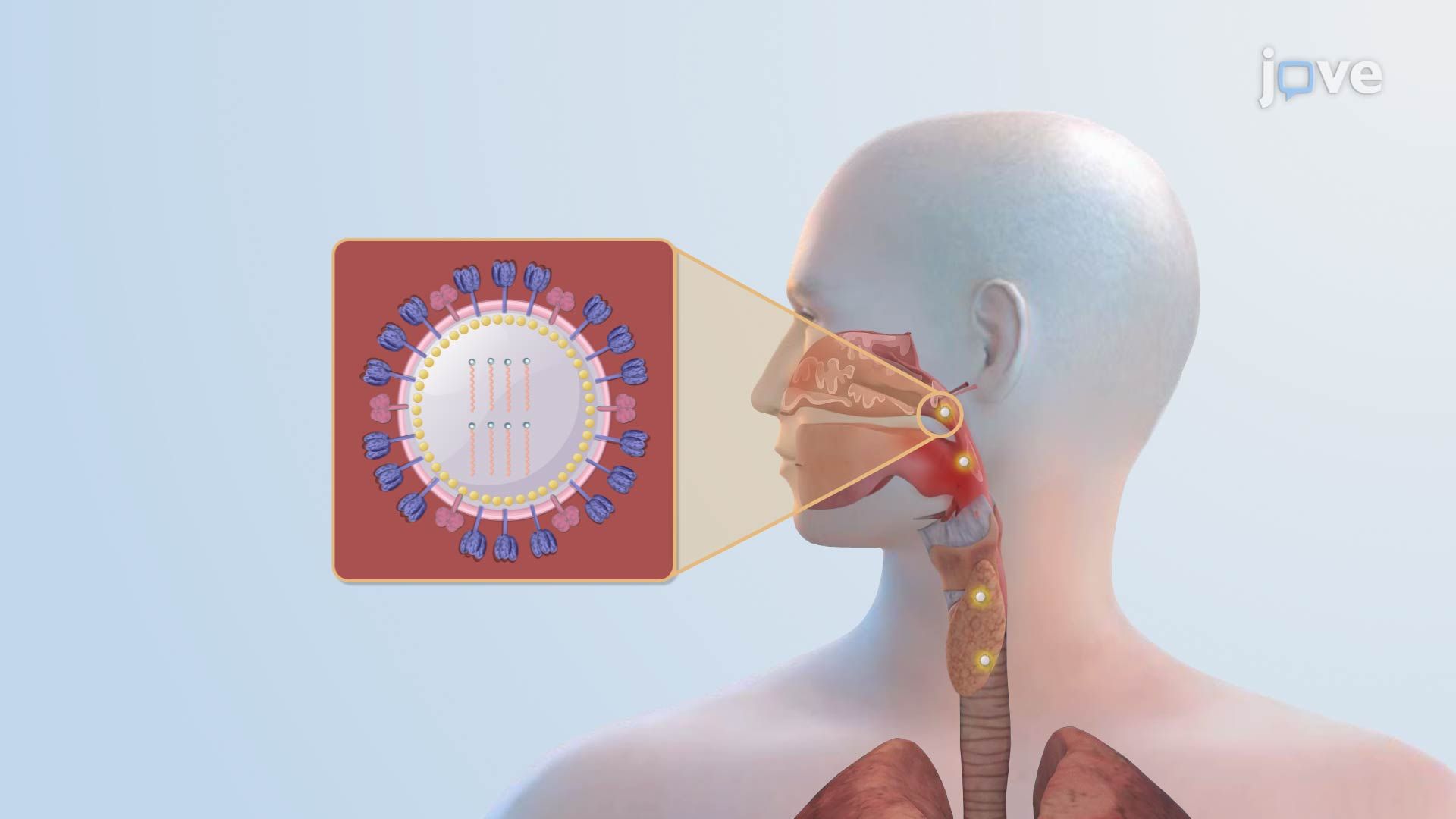
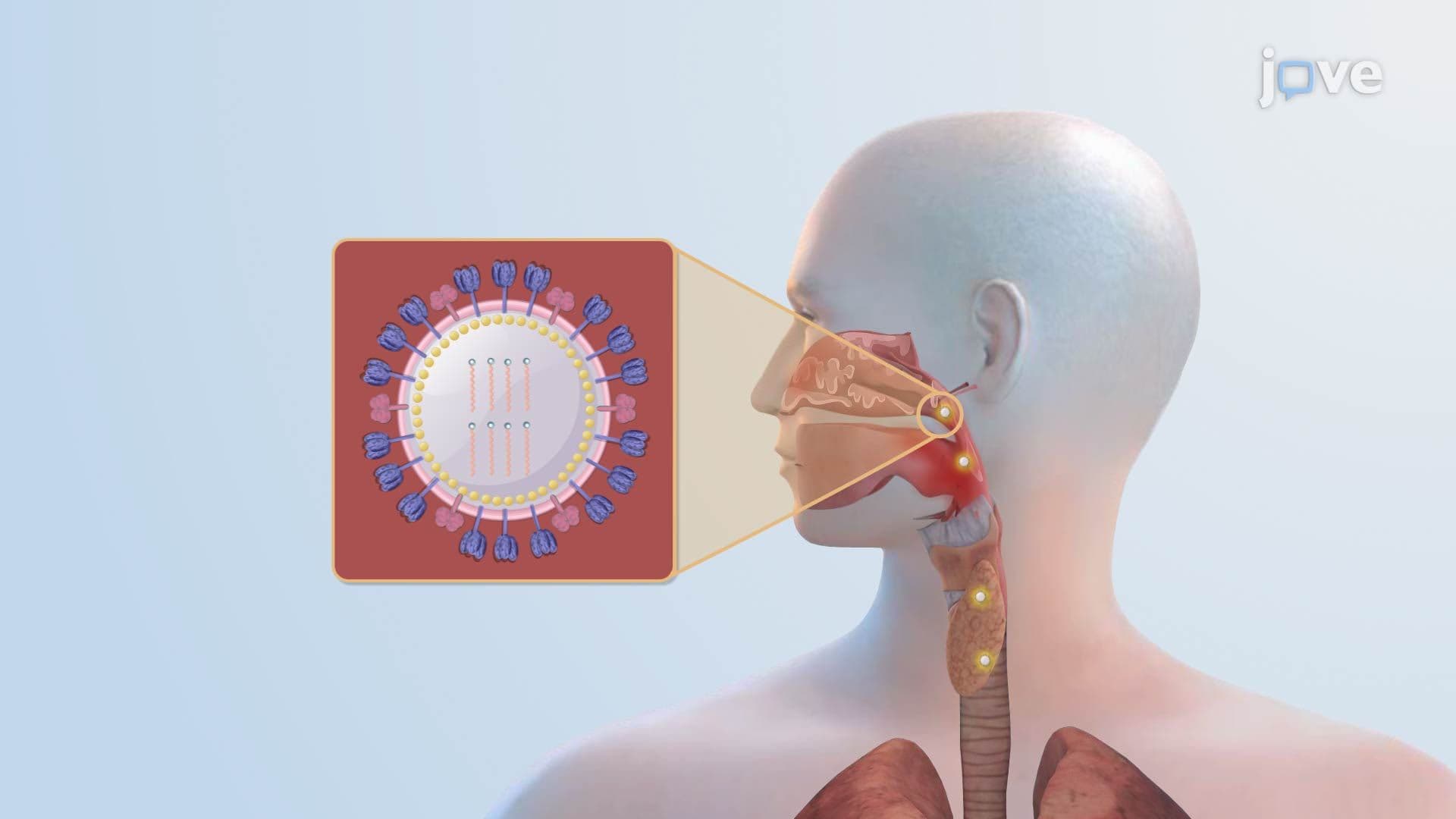
Influenza is far more than the common cold. It is an acute, highly contagious viral disease primarily targeting the upper respiratory tract, caused by influenza viruses belonging to the Orthomyxoviridae family. While several types exist, A, B, C, and D, Influenza A is the most clinically significant and epidemiologically dangerous. It is responsible for seasonal epidemics across the United States every year and, historically, for global pandemics such as the 1918 Spanish flu and the 2009 H1N1 pandemic, which infected an estimated 60 million Americans according to the CDC.
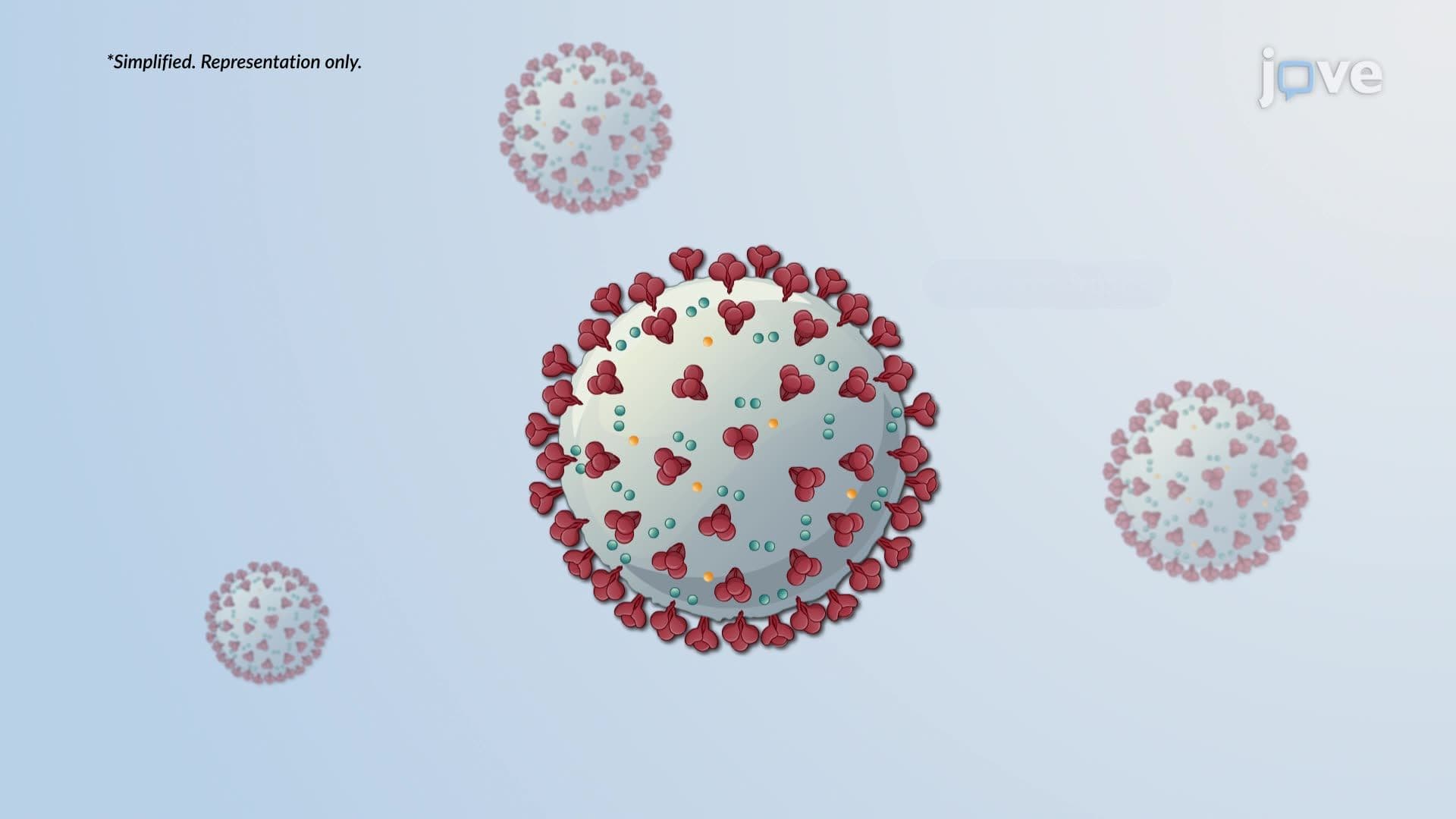
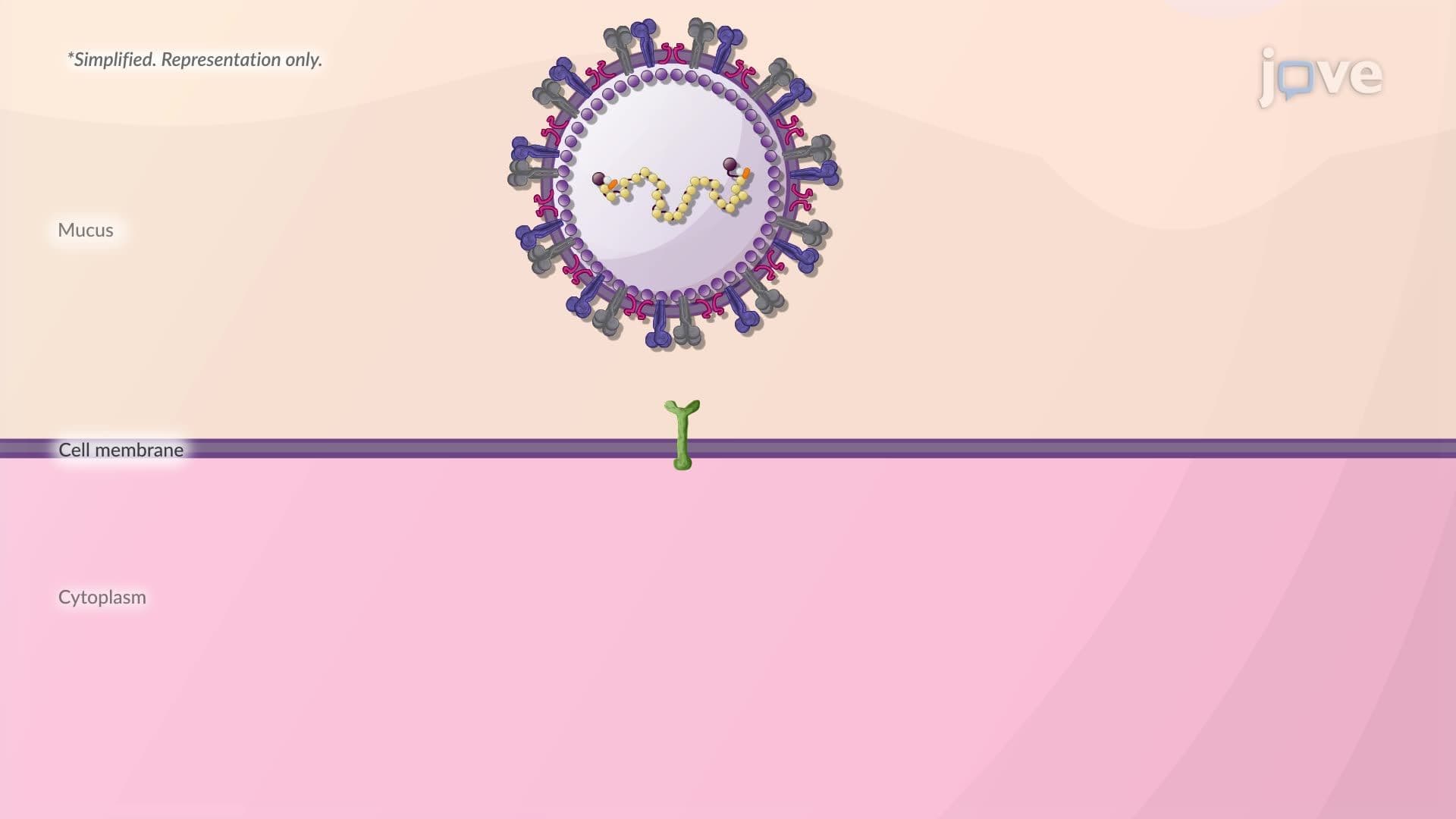
Influenza A viruses are classified by two surface proteins: hemagglutinin (H) and neuraminidase (N). The H1N1 subtype, one of the most studied strains in modern virology, carries 18 possible hemagglutinin variants and 11 neuraminidase variants. Hemagglutinin acts like a molecular key, binding to sialic acid receptors on the surface of respiratory epithelial cells lining the nose, throat, and lungs. This binding event is the critical first step of infection. Without it, the virus cannot gain entry. Neuraminidase, on the other hand, acts at the end of the viral life cycle, cleaving sialic acid bonds to release newly assembled virus particles from the host cell surface so they can infect neighboring cells. Understanding these two proteins is central to viral pathogenesis and forms the foundation for antiviral drug design.
Once hemagglutinin locks onto its sialic acid receptor, the host cell engulfs the virus through a process called receptor-mediated endocytosis, enclosing it within an endosome. Inside the endosome, the low pH environment triggers a conformational change in hemagglutinin, the protein physically reshapes itself, causing the viral envelope to fuse with the endosomal membrane. This releases the viral RNA segments directly into the cytoplasm. These RNA segments then travel into the host cell nucleus, where they are replicated using the virus's own RNA-dependent RNA polymerase. New viral proteins are synthesized in the cytoplasm, and all components migrate to the cell membrane, where budding occurs and new virions are assembled. Neuraminidase finalizes this process, freeing each new virus particle to continue the cycle of infection.
For students in AP Biology, college-level Microbiology, or anyone preparing for the MCAT or USMLE, understanding influenza's replication cycle is not just textbook knowledge, it is directly testable and clinically applicable. Neuraminidase inhibitors like oseltamivir (Tamiflu) and zanamivir (Relenza), both FDA-approved and widely used across US hospitals and clinics, work by blocking neuraminidase activity, effectively trapping new virus particles on the host cell surface and halting further spread. This is a perfect real-world example of how molecular-level knowledge of viral pathogenesis translates into drug development. Additionally, the concept of antigenic drift, small mutations in hemagglutinin and neuraminidase that allow the virus to evade immune recognition, explains why the US flu vaccine must be reformulated annually by the CDC and FDA. Recognizing the difference between a virus and a bacterium (viruses lack cellular machinery and require a host to replicate, while bacteria are independent living organisms) is another foundational concept frequently tested in AP and college exams that influenza study reinforces naturally.
Related Micro-courses