Loading subject page…


2,059 views

Video Summary: What Is Rabies
Every year, rabies kills nearly 59,000 people worldwide, yet it remains almost entirely preventable. Rabies basics start with understanding a bullet-shaped RNA virus that hijacks your nervous system, traveling from a bite wound all the way to your brain. In the US, bat exposures account for the majority of human rabies cases annually. What is Rabies? It's one of the deadliest viral diseases known to medicine. Watch the full video on JoVE Coach to master this concept with expert-led visuals and step-by-step explanations.
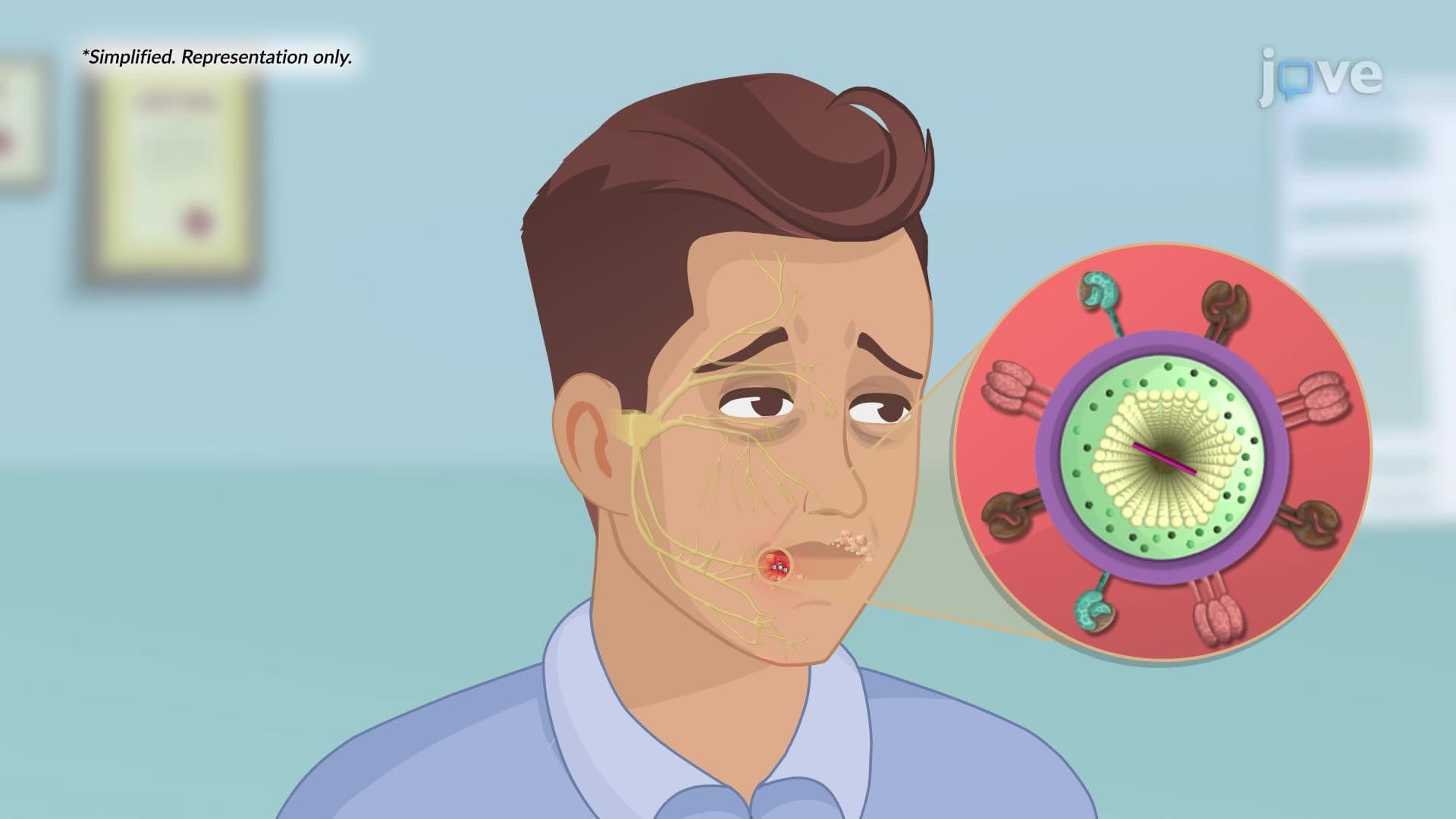
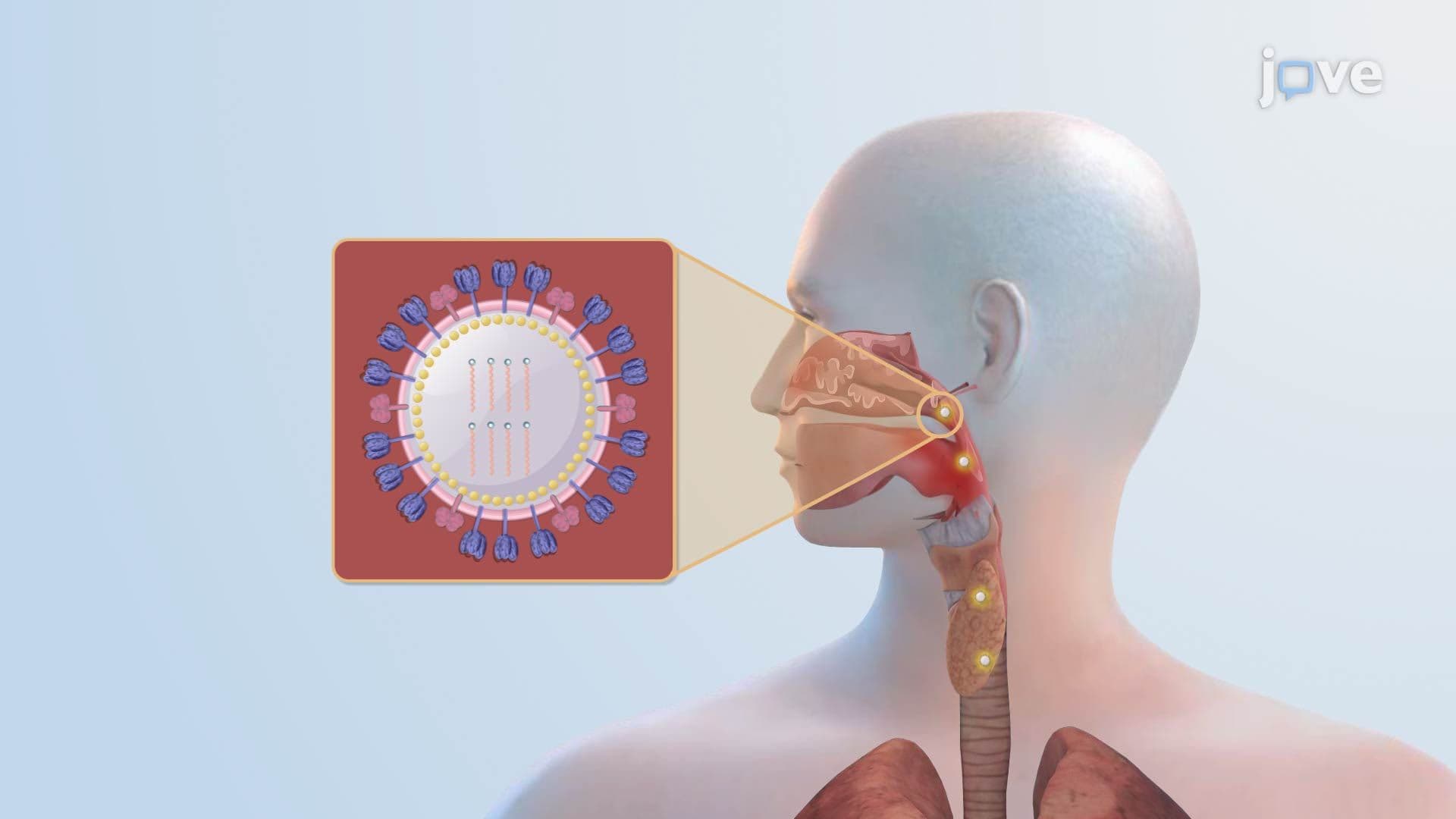
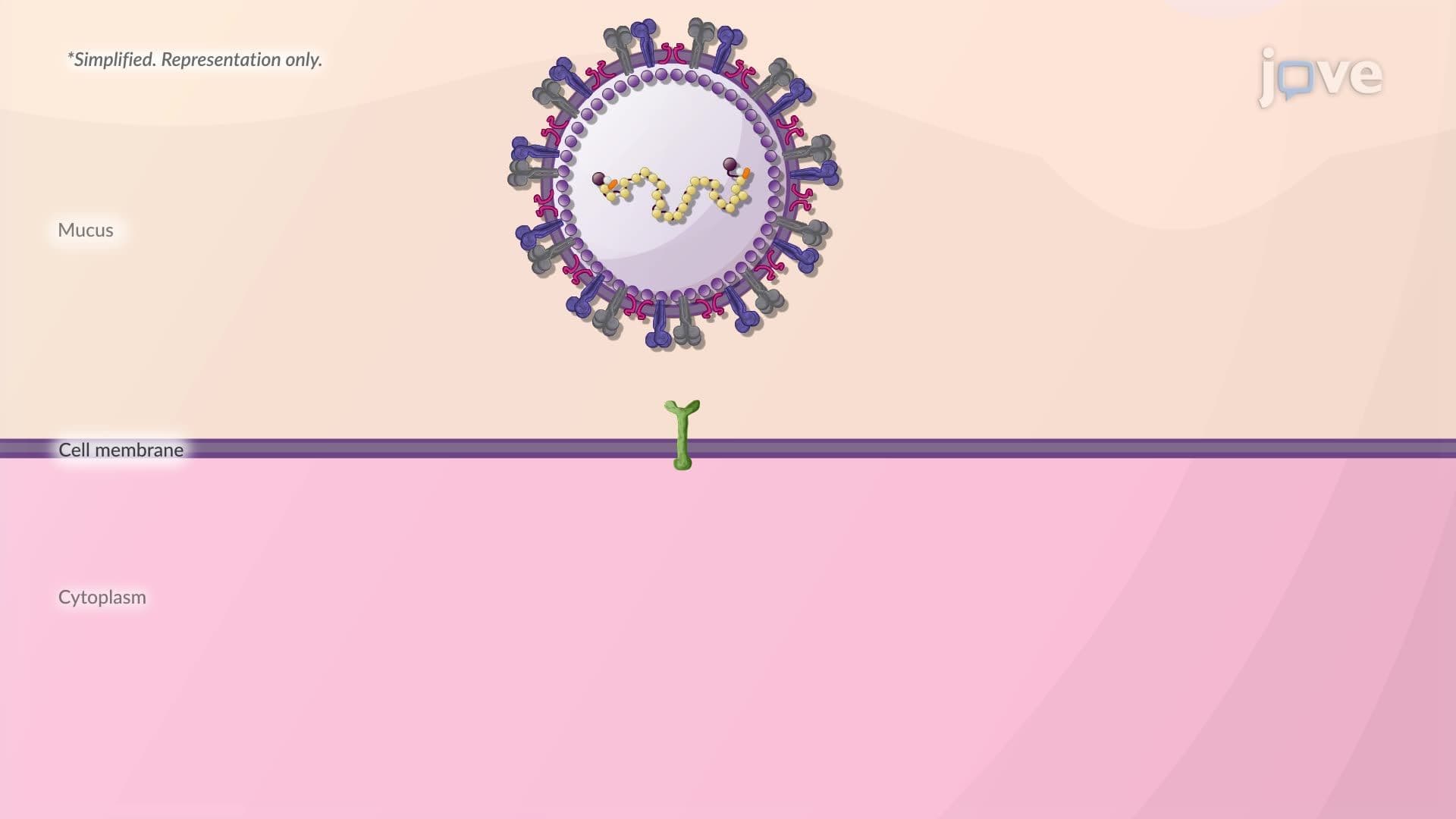
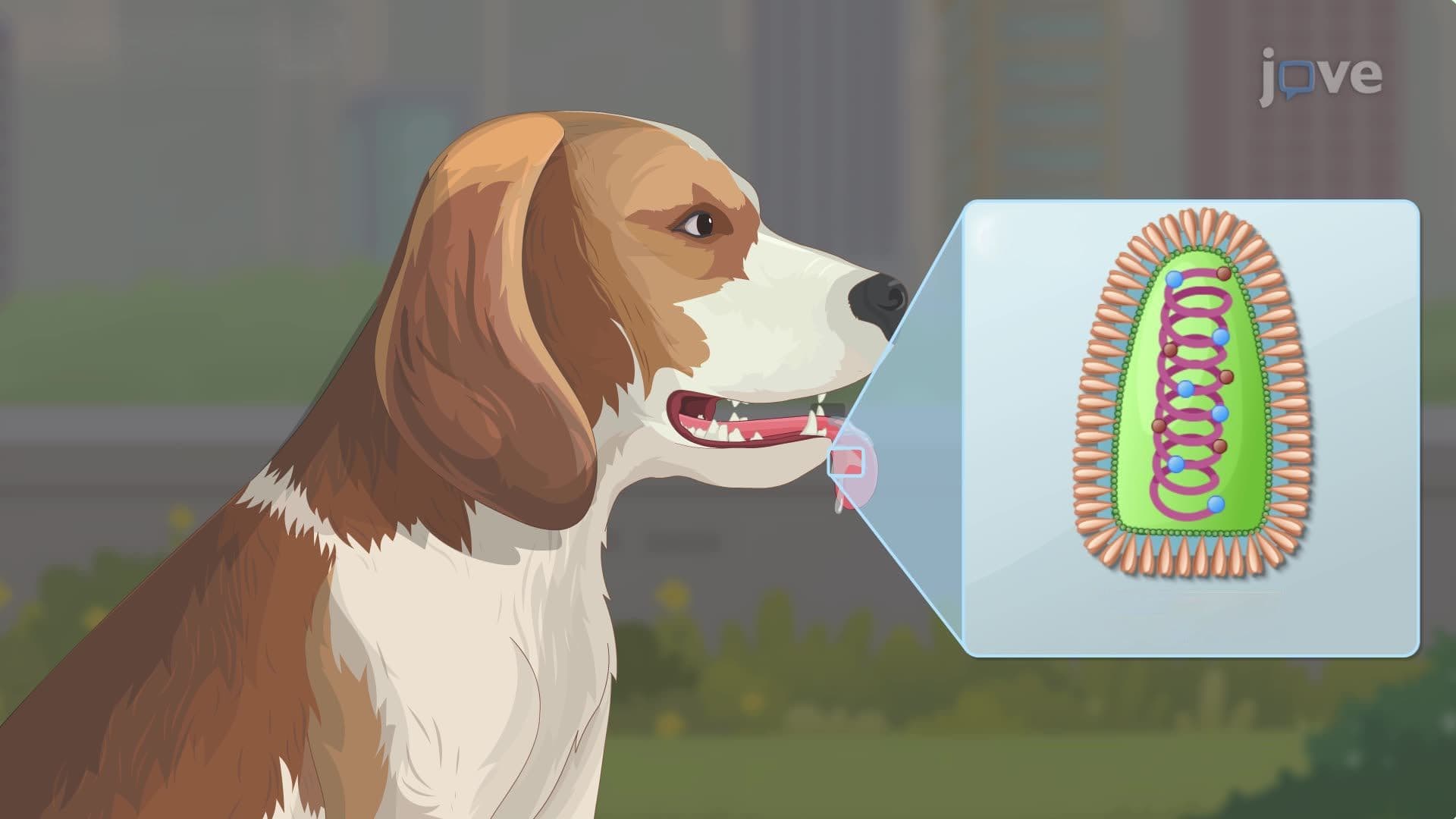
Rabies is caused by a bullet-shaped, enveloped virus classified under the genus *Lyssavirus*, family *Rhabdoviridae*. Its genome is composed of negative-sense, single-stranded RNA, meaning the viral RNA must first be converted into a readable form before proteins can be synthesized. This makes rabies fundamentally different from bacterial infections, which are caused by living, single-celled organisms that reproduce independently and can often be treated with antibiotics. Viruses like rabies, by contrast, are not alive in the traditional sense, they depend entirely on host cell machinery to replicate. This distinction is a foundational concept in AP Biology and college-level Microbiology courses.
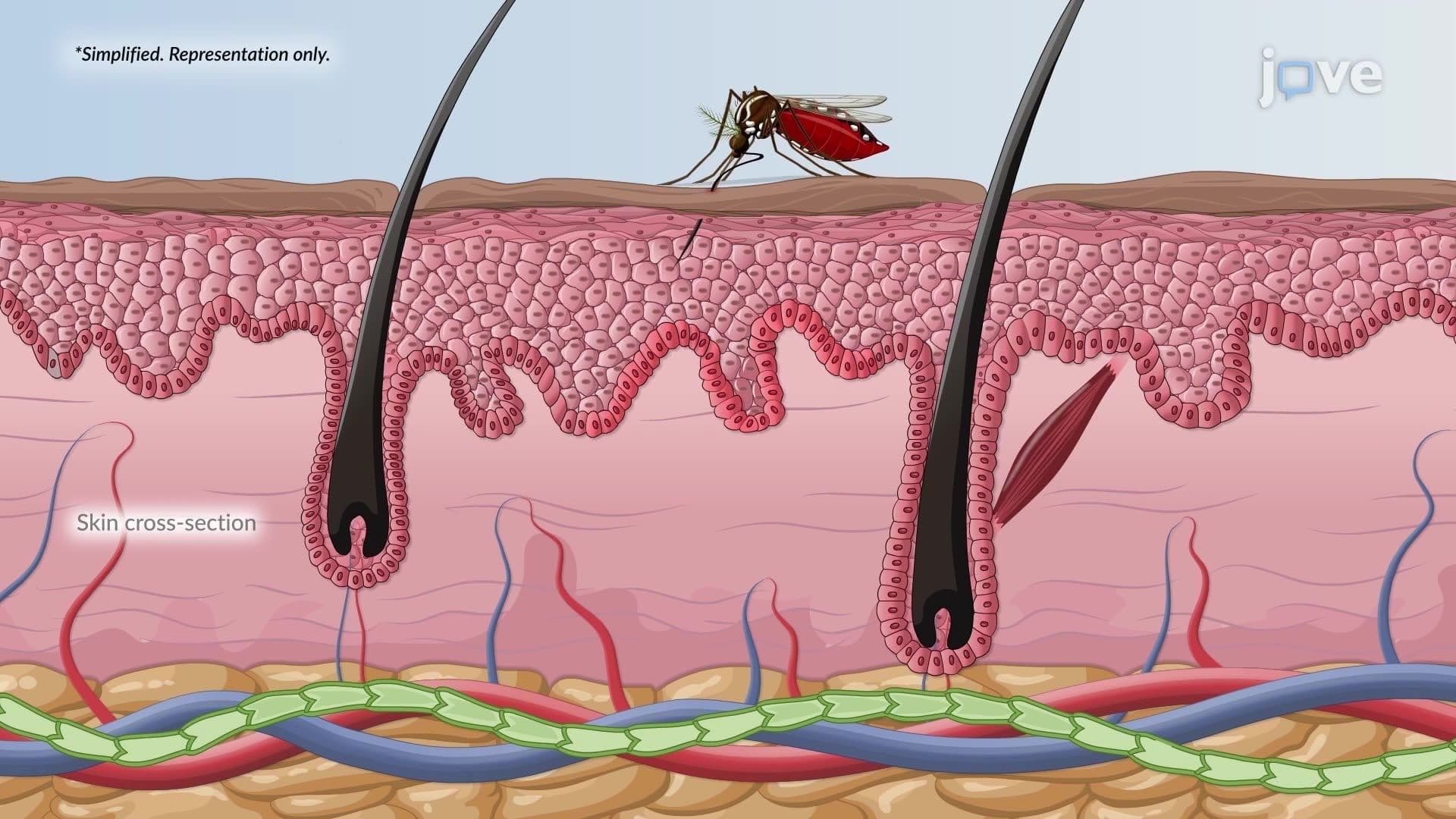
Transmission occurs when infected animal saliva contacts broken skin, a bite wound, or mucous membranes such as the eyes or mouth. In the United States, the CDC identifies bats, raccoons, skunks, and foxes as the most common wildlife reservoirs. Once deposited in tissue, the rabies virus enters muscle cells via receptor-mediated endocytosis, a process in which the virus binds to specific surface receptors and is drawn into the cell inside a membrane-bound vesicle. Inside the muscle cell, the virus replicates slowly, giving little initial warning to the immune system.
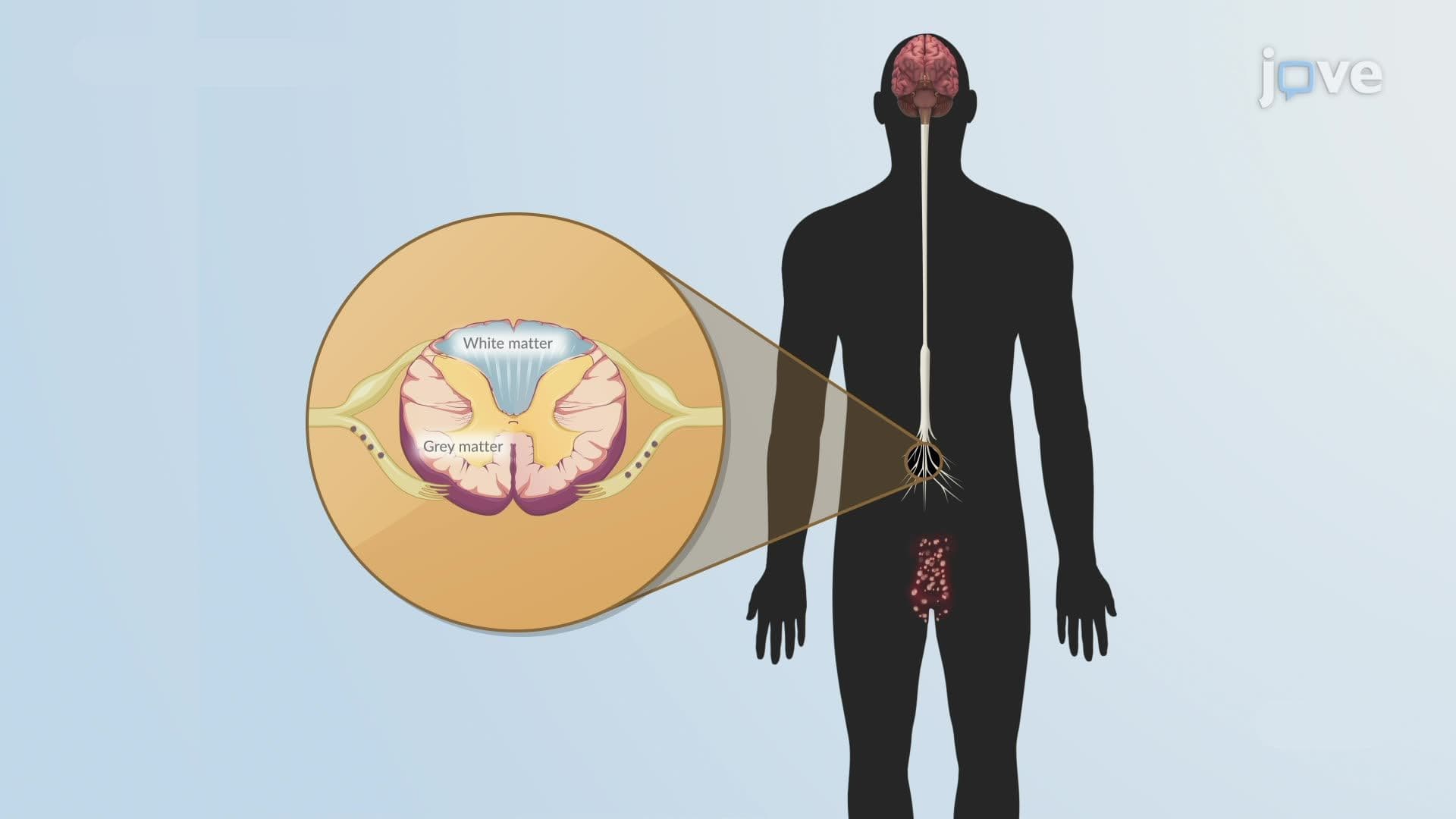
One of the most remarkable, and dangerous, features of rabies pathogenesis is its ability to avoid early immune detection. The viral genome encodes a phosphoprotein that actively suppresses type I interferon signaling, which is the body's first major antiviral alarm system. By dampening this response, the virus buys critical time to replicate and escape. It then binds to neuronal receptors at the neuromuscular junction and enters motor neurons. From there, it exploits retrograde axonal transport, the natural process neurons use to move materials from the axon tip back to the cell body, to travel toward the spinal cord and brain. This biological "hijacking" is a key topic tested on the MCAT under nervous system function and viral pathogenesis.
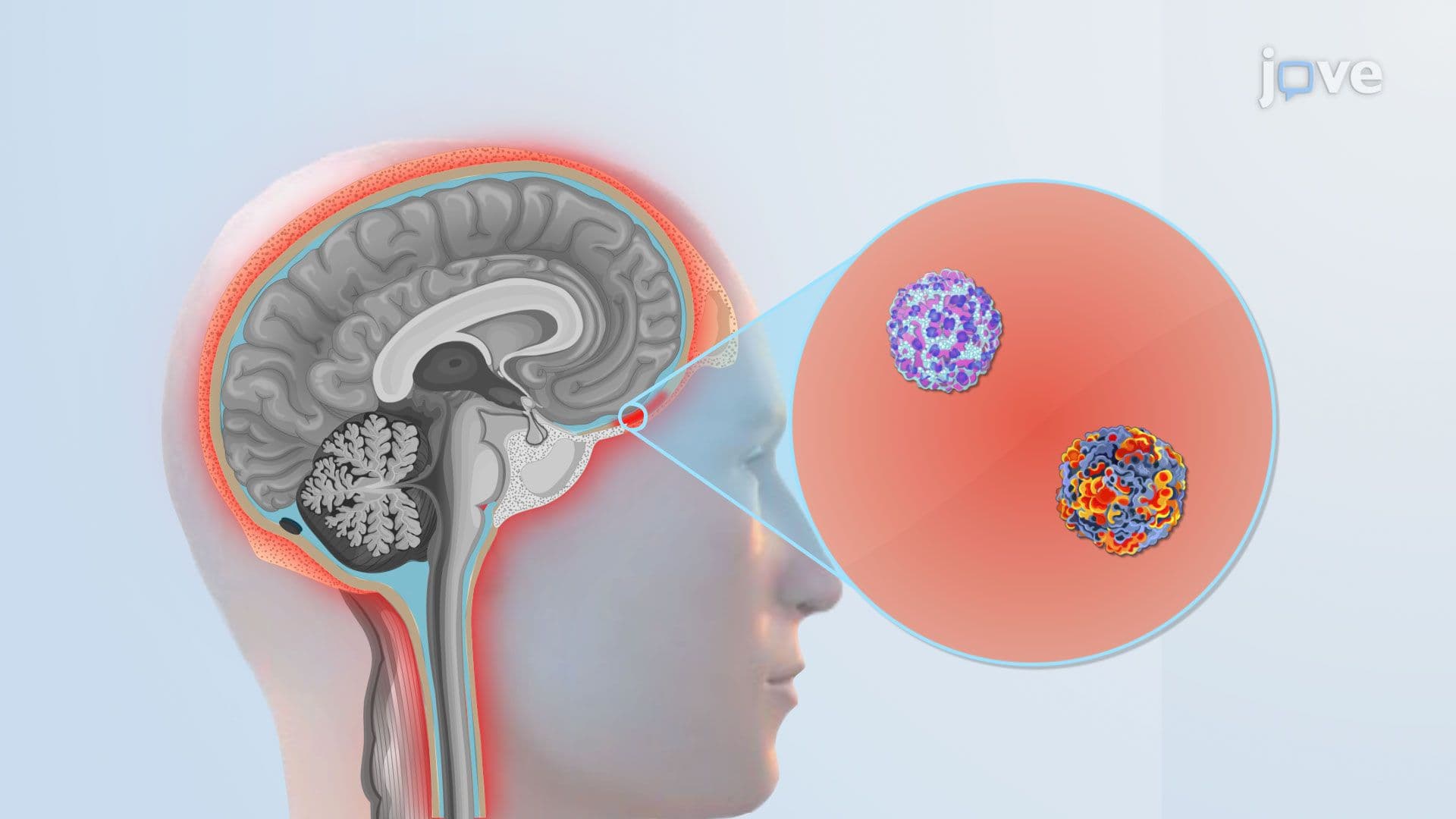
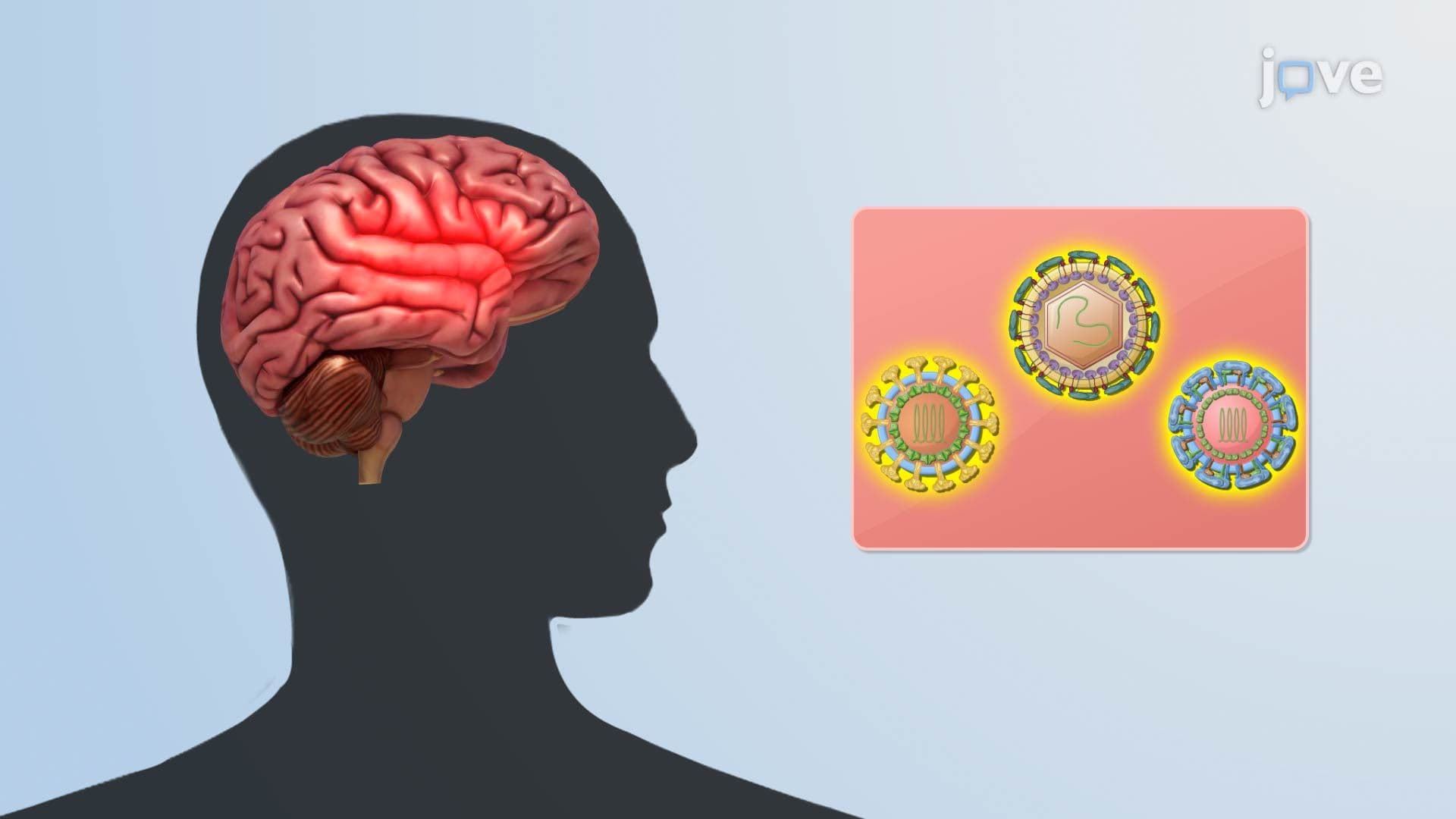
Once rabies reaches the central nervous system, viral replication accelerates dramatically. Infected neurons trigger inflammatory immune responses, but by this stage the viral load is substantial and neurological damage intensifies. Symptoms progress from anxiety and confusion to hallucinations, hydrophobia (fear of water), and paralysis. The virus also spreads via cranial nerves to the salivary glands, a strategically effective route that positions it for transmission to the next host through a bite. Without post-exposure prophylaxis (PEP) administered before symptoms begin, rabies is almost universally fatal. Understanding this full pathogenic sequence, from viral entry to CNS destruction, is essential for AP Biology exams, college Virology courses, and USMLE Step 1 preparation, where viral replication cycles and immune evasion mechanisms are heavily tested.
Related Micro-courses