Loading video…

 14 Concepts
 2.1K views

Video Summary: What Is Yellow Fever
Every year, tens of thousands of people die from a disease named after one of its most visible symptoms. Yellow fever, a viral hemorrhagic illness, earns its name from the jaundice that turns skin and eyes yellow as the liver fails. Travelers from the US heading to sub-Saharan Africa or South America are routinely vaccinated against it. Watch the full video on JoVE Coach to master this concept with expert-led visuals and step-by-step explanations.
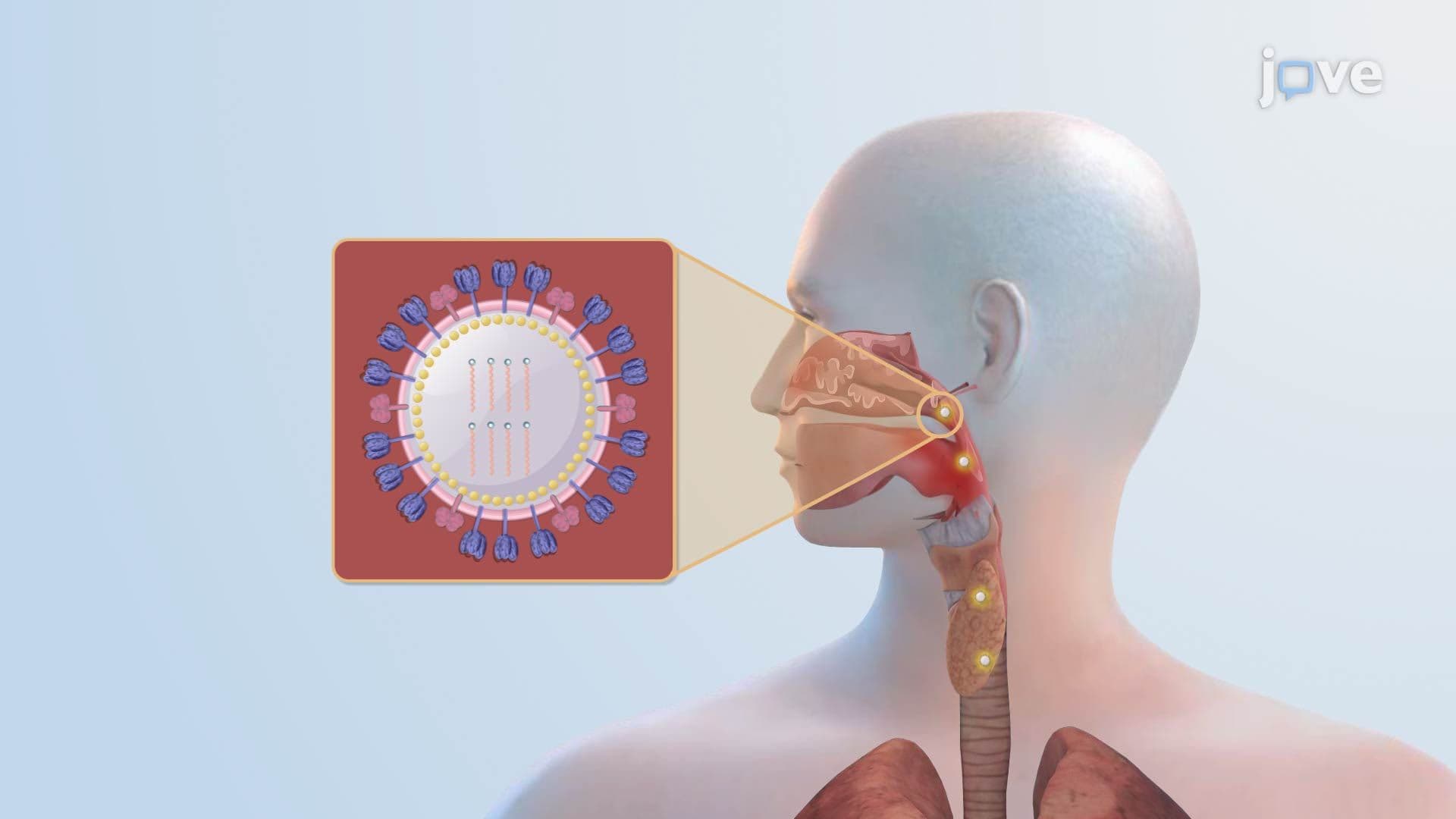
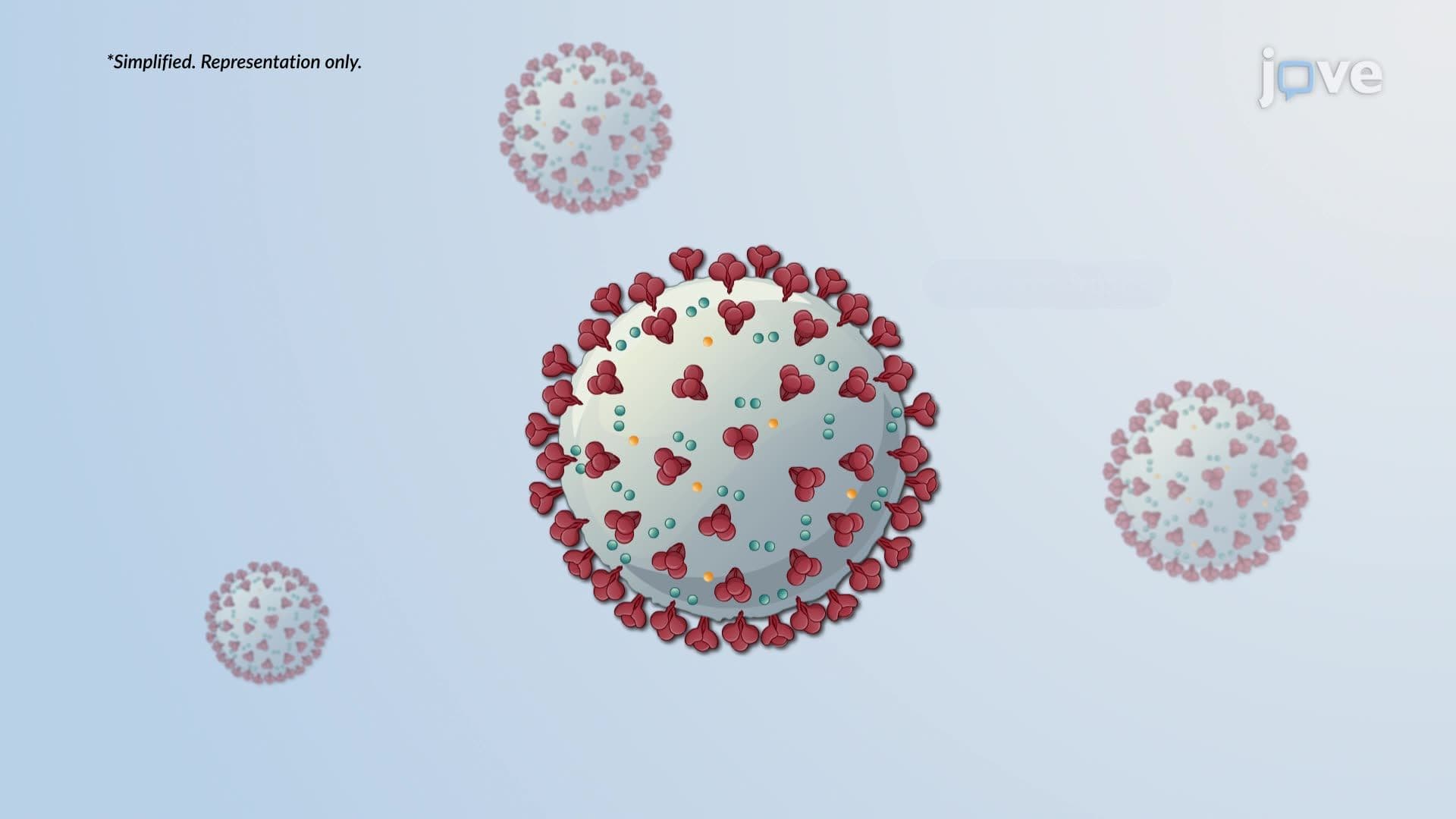
Yellow fever is a viral hemorrhagic disease caused by the yellow fever virus (YFV), a single-stranded RNA virus belonging to the *Flaviviridae* family, the same family as dengue, Zika, and West Nile virus. It is transmitted to humans through the bite of infected *Aedes aegypti* or *Haemagogus* mosquitoes. Despite being vaccine-preventable, yellow fever remains a significant global health threat, with the CDC reporting ongoing endemic transmission in tropical regions of Africa and South America, areas frequently visited by US travelers and aid workers.
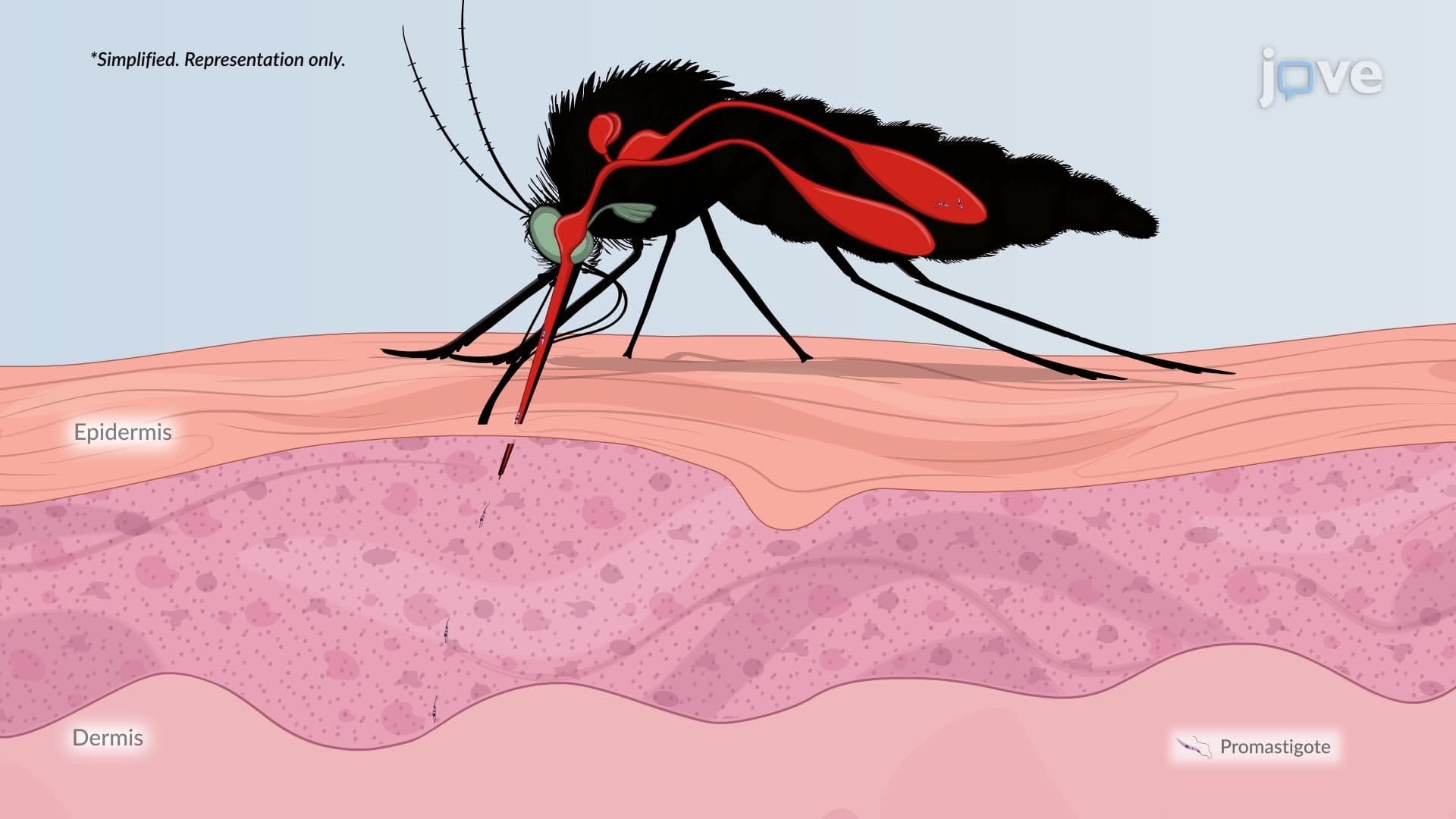
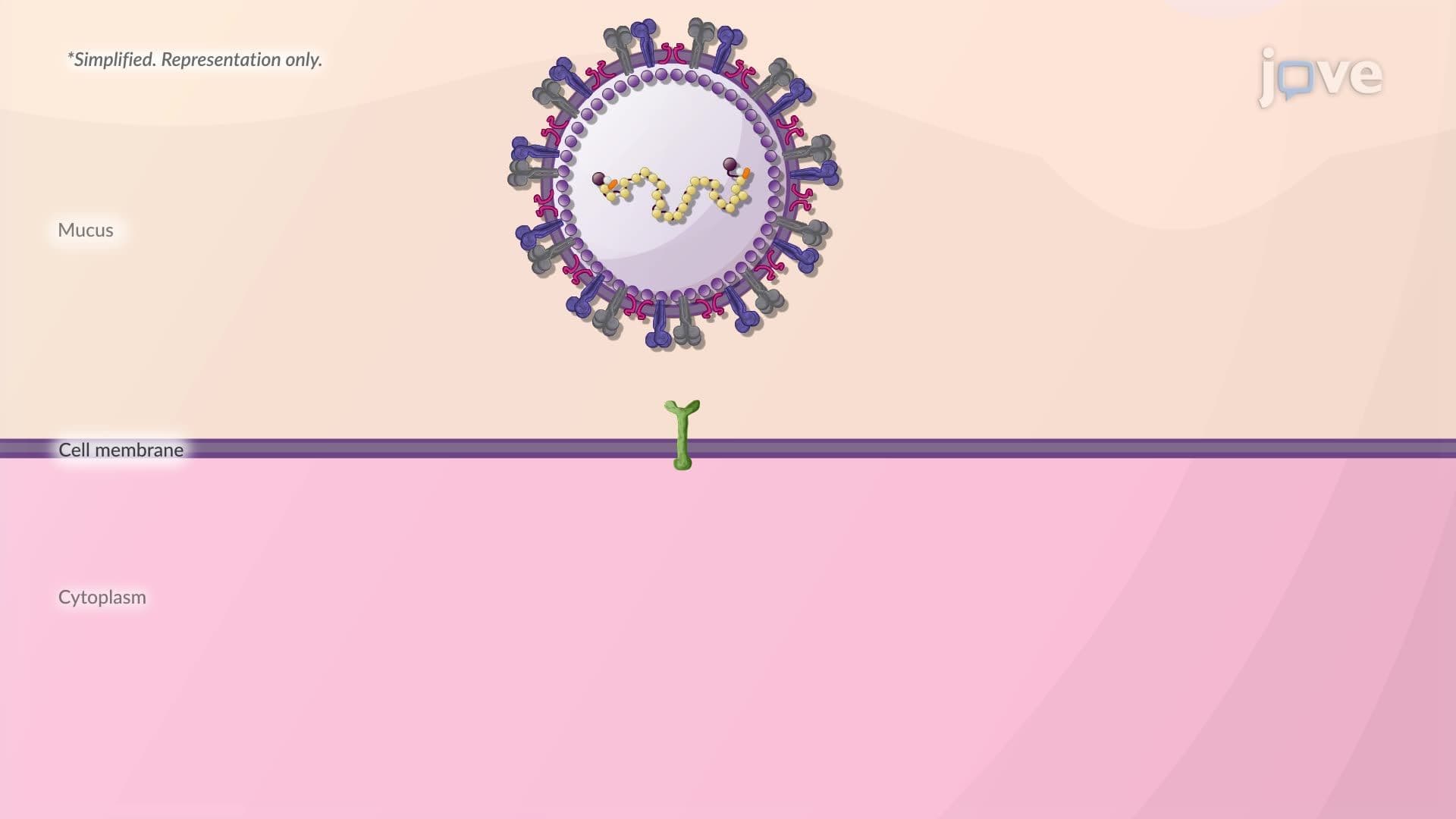
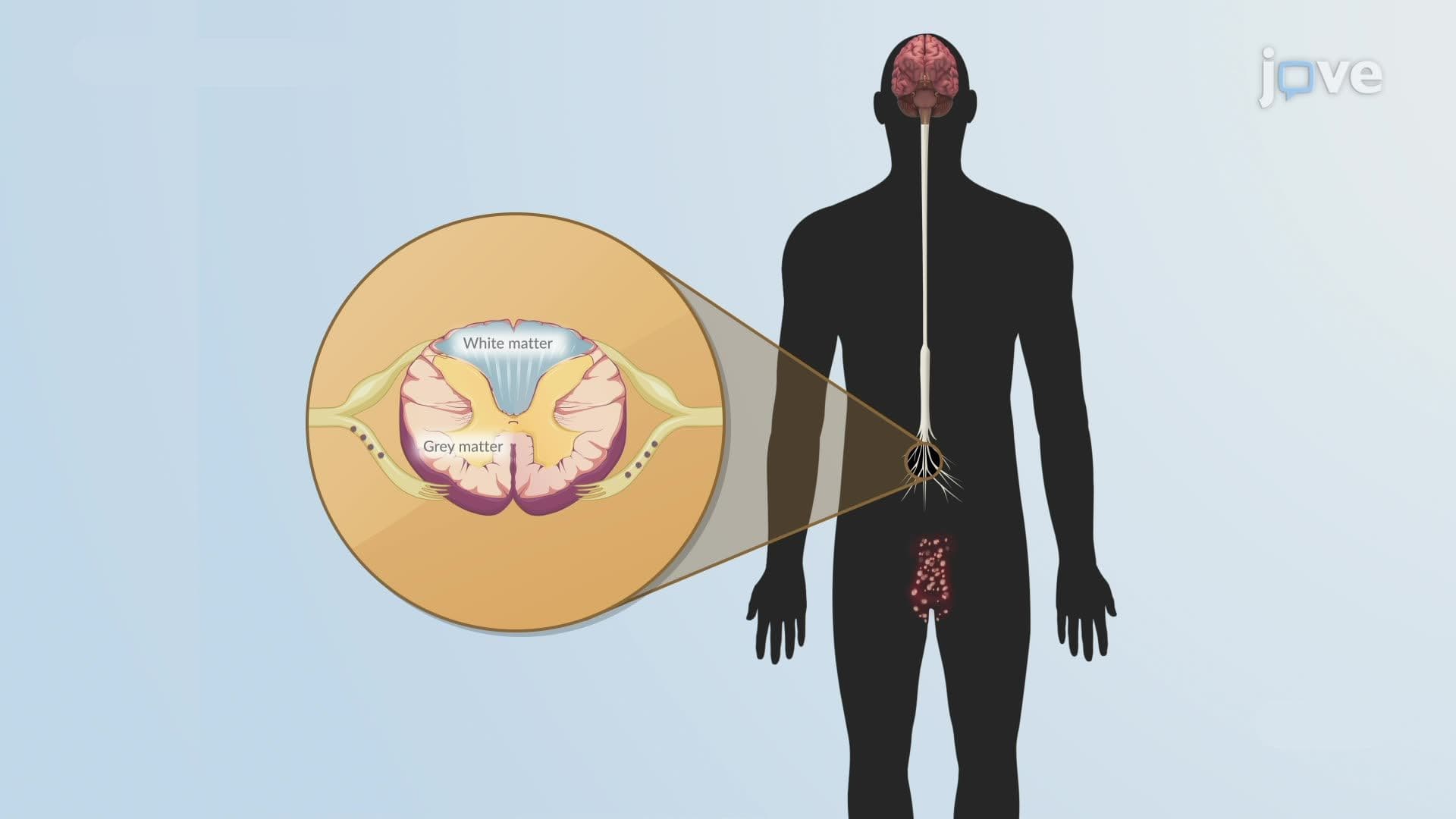
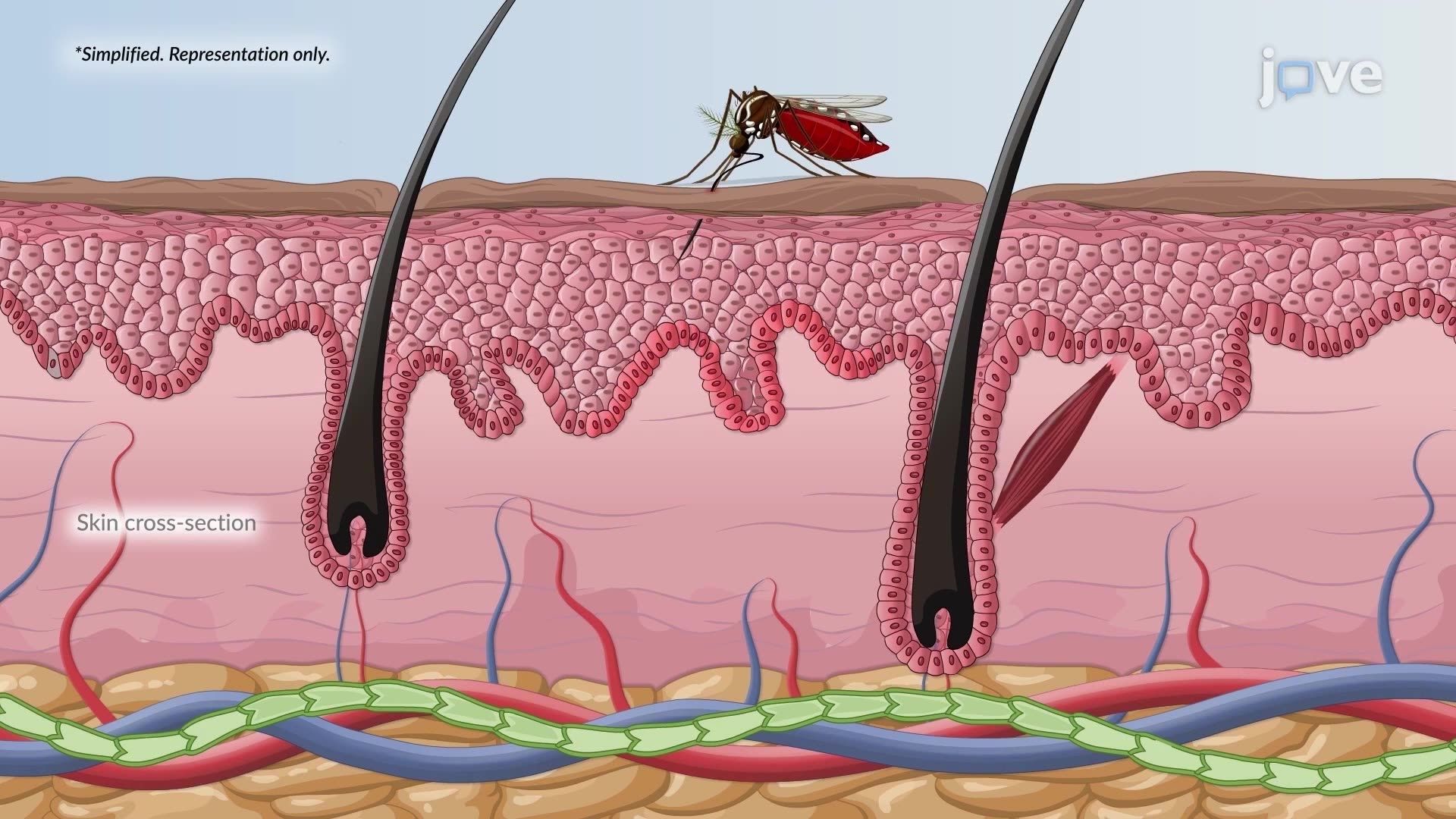
When an infected mosquito bites a human, the virus is deposited into the skin. It quickly infects local dendritic cells and macrophages, the immune system's front-line sentinels. Rather than being neutralized, the virus essentially hijacks these cells, using them as vehicles to travel to regional lymph nodes. This is a key feature of viral immune evasion: exploiting the very cells designed to stop infection.
Inside the lymph nodes, the virus undergoes rapid replication, producing thousands of new viral particles through a process central to the viral replication cycle. These particles bud off from infected cells and enter the bloodstream in a process called viremia. From the blood, the virus disseminates to major organs, most critically the liver.
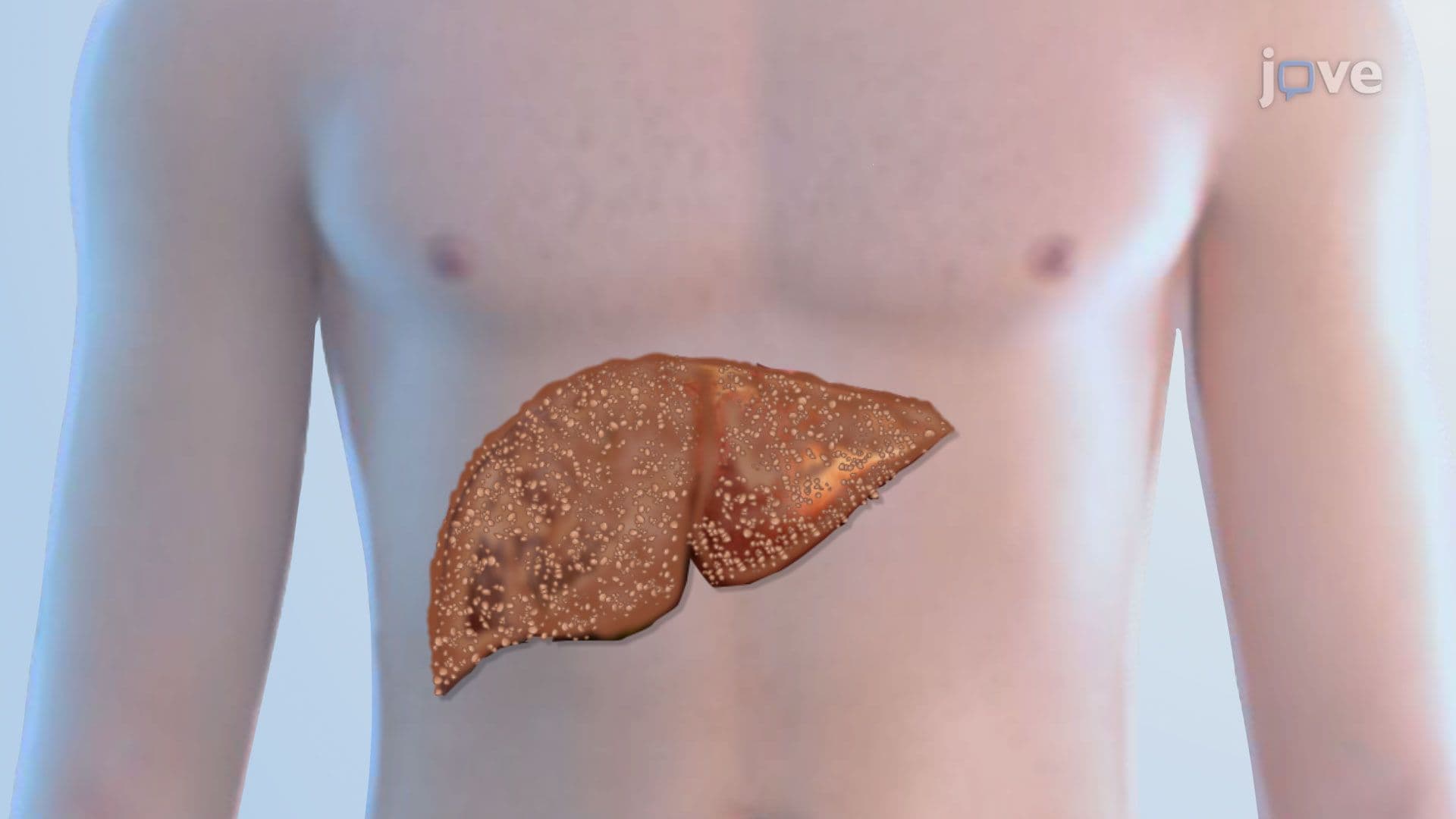
The liver is the primary battleground of yellow fever pathogenesis. Once the virus reaches the liver, it infects hepatocytes, the liver's main functional cells, triggering programmed cell death known as apoptosis. Simultaneously, Kupffer cells (the liver's resident macrophages) detect the infection and release pro-inflammatory cytokines. While this immune response is meant to contain the virus, it also intensifies tissue destruction.
As hepatocytes die and liver function deteriorates, the organ loses its ability to process bilirubin, a yellow pigment produced by the normal breakdown of red blood cells. Bilirubin accumulates first in the liver and then spills into the bloodstream. This condition, called hyperbilirubinemia, causes the yellow discoloration of skin and the whites of the eyes known as jaundice, the defining clinical sign that gave yellow fever its name.
Yellow fever progresses through three recognizable clinical phases, a concept frequently tested in AP Biology, college-level microbiology, and MCAT prep:
1. Febrile Phase: High fever, headache, muscle pain, nausea, and vomiting appear 3-6 days after the mosquito bite. The immune system mounts a strong initial response. 2. Remission Phase: Symptoms temporarily ease, a deceptive lull lasting hours to a day. Most patients recover here, but approximately 15% progress to the most dangerous stage. 3. Toxic Phase: Fever returns alongside jaundice, hemorrhaging (bleeding from multiple sites), acute kidney failure, and cardiovascular instability. Mortality in this phase exceeds 50%.
Understanding these phases helps students connect viral pathogenesis to clinical presentation, a skill essential not only for AP Biology essays but also for USMLE Step 1 and NCLEX-style questions on infectious disease. The yellow fever vaccination (the 17D live-attenuated vaccine) is required for entry into several countries and is routinely administered at US travel health clinics, making this topic directly relevant to real-world public health practice.
Related Micro-courses