Loading video…

 14 Concepts
 2.1K views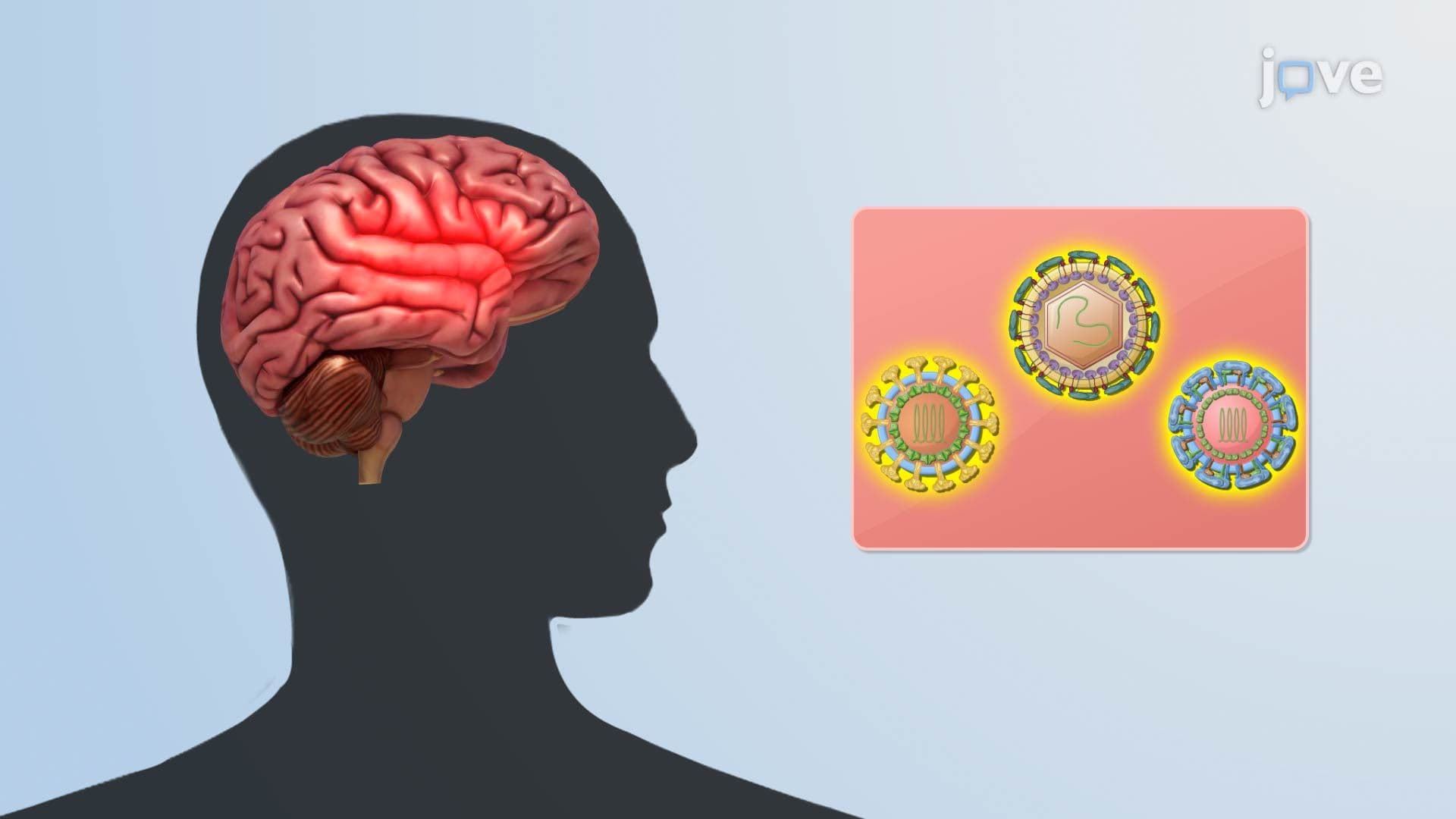

Video Summary: What Is Arboviral Encephalitis
Mosquitoes do more than cause itchy bites, they can deliver brain-damaging viruses directly into your bloodstream. Arboviral encephalitis refers to brain inflammation triggered by arthropod-borne viruses, and it's a growing public health concern across the United States. West Nile virus, detected in all 48 contiguous US states, is the most recognized example. Watch the full video on JoVE Coach to master this concept with expert-led visuals and step-by-step explanations.
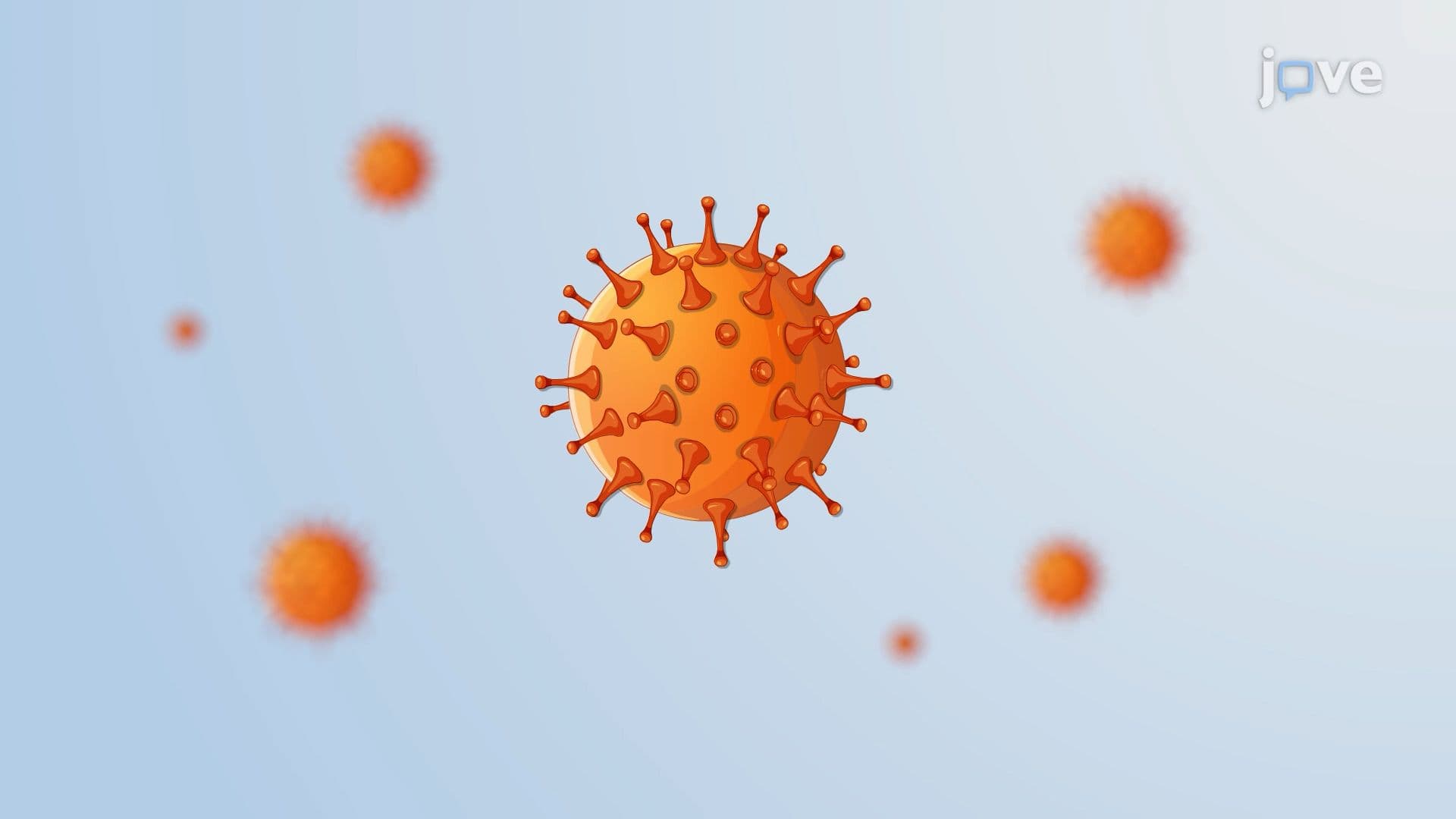
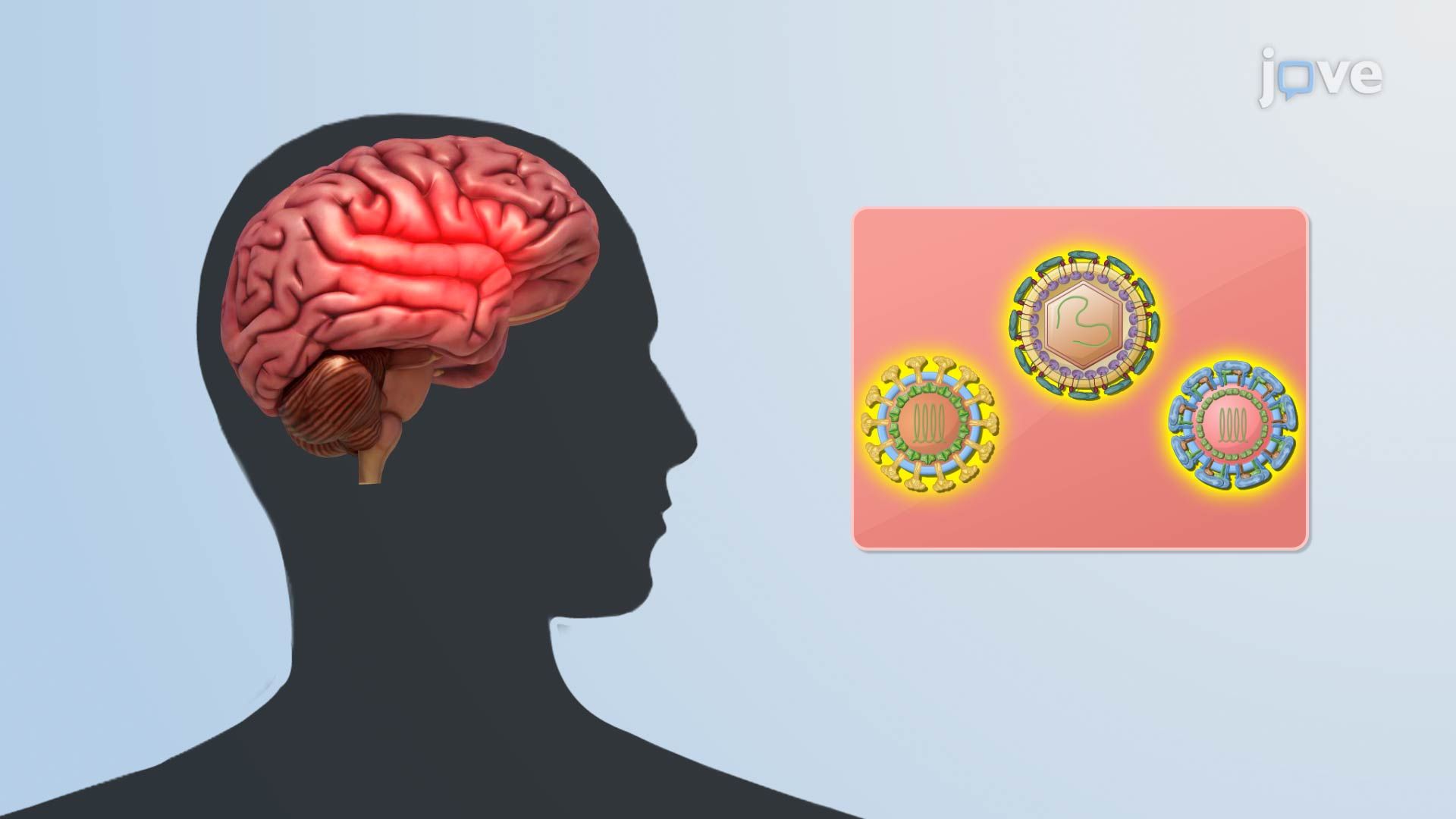
Arboviral encephalitis is a serious neurological condition caused by arboviruses, a category of viruses transmitted through the bites of arthropods such as mosquitoes and ticks. The term "arbovirus" is shorthand for arthropod-borne virus. When these viruses invade the central nervous system and trigger inflammation of the brain, the result is encephalitis, a condition that can cause seizures, cognitive impairment, coma, and even death in severe cases. In the United States, West Nile virus is the most clinically significant example and has been reported in all 48 contiguous states, making it a genuine public health priority that students in AP Biology, college microbiology, and pre-med courses are expected to understand.
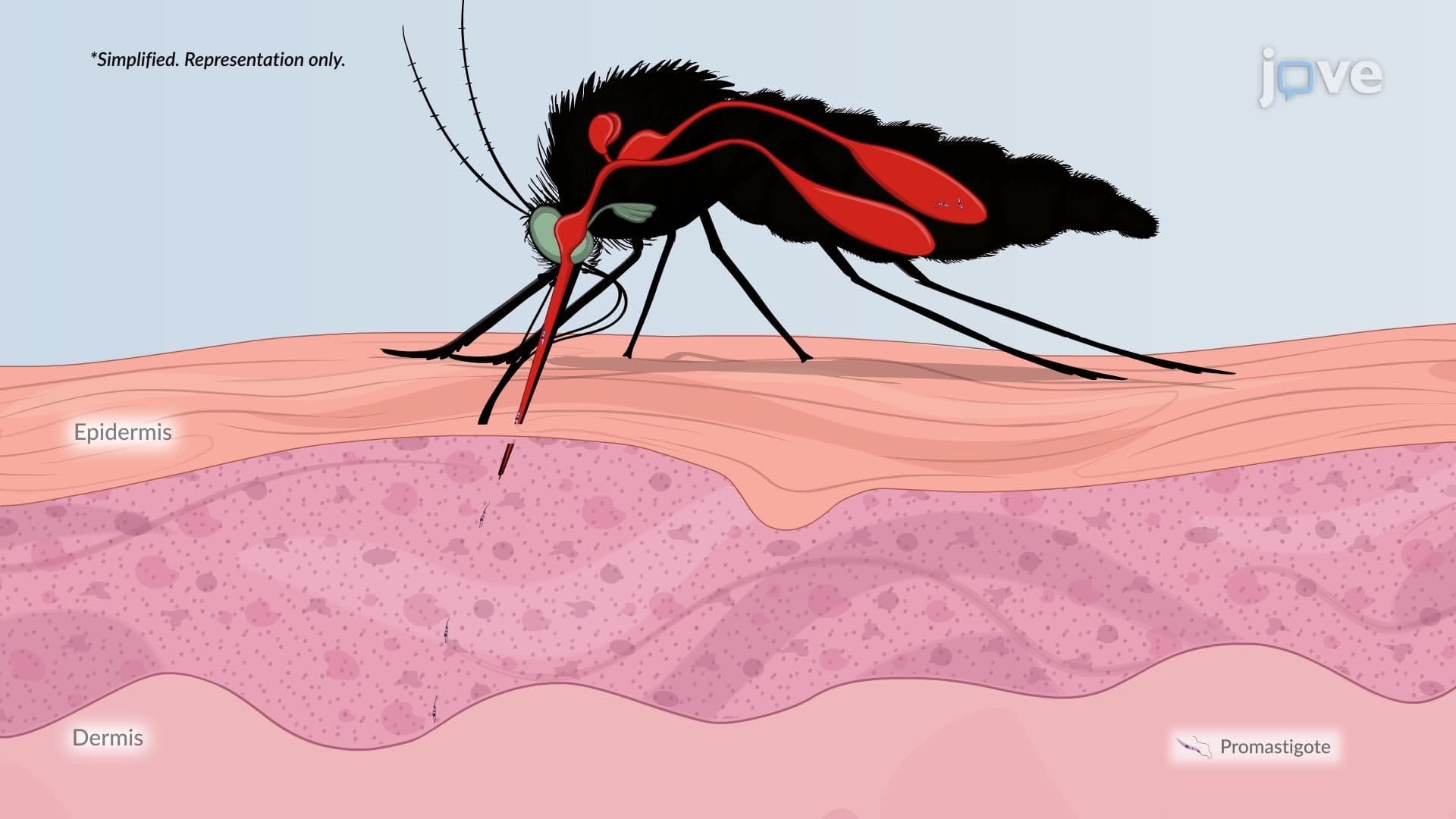
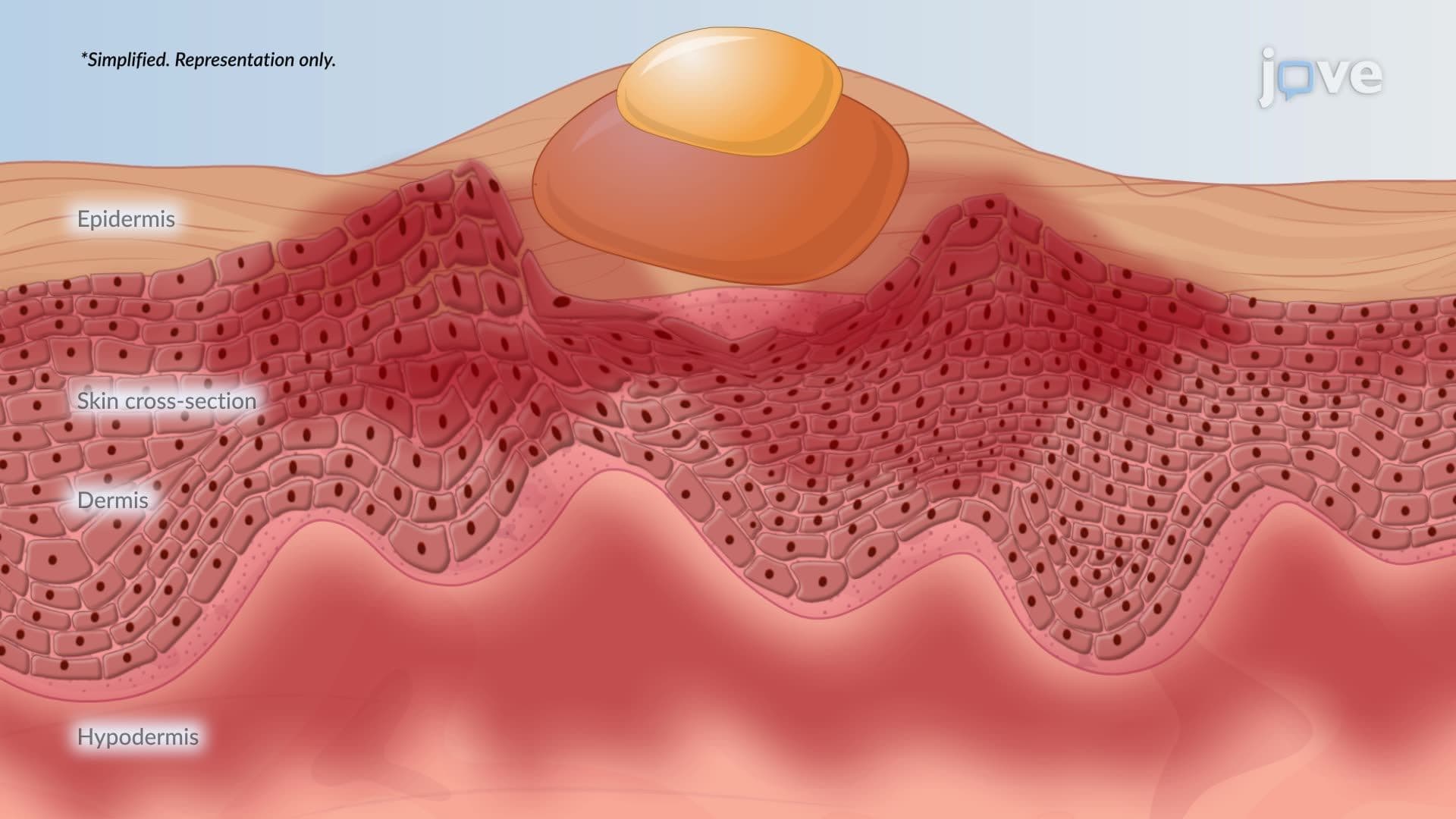
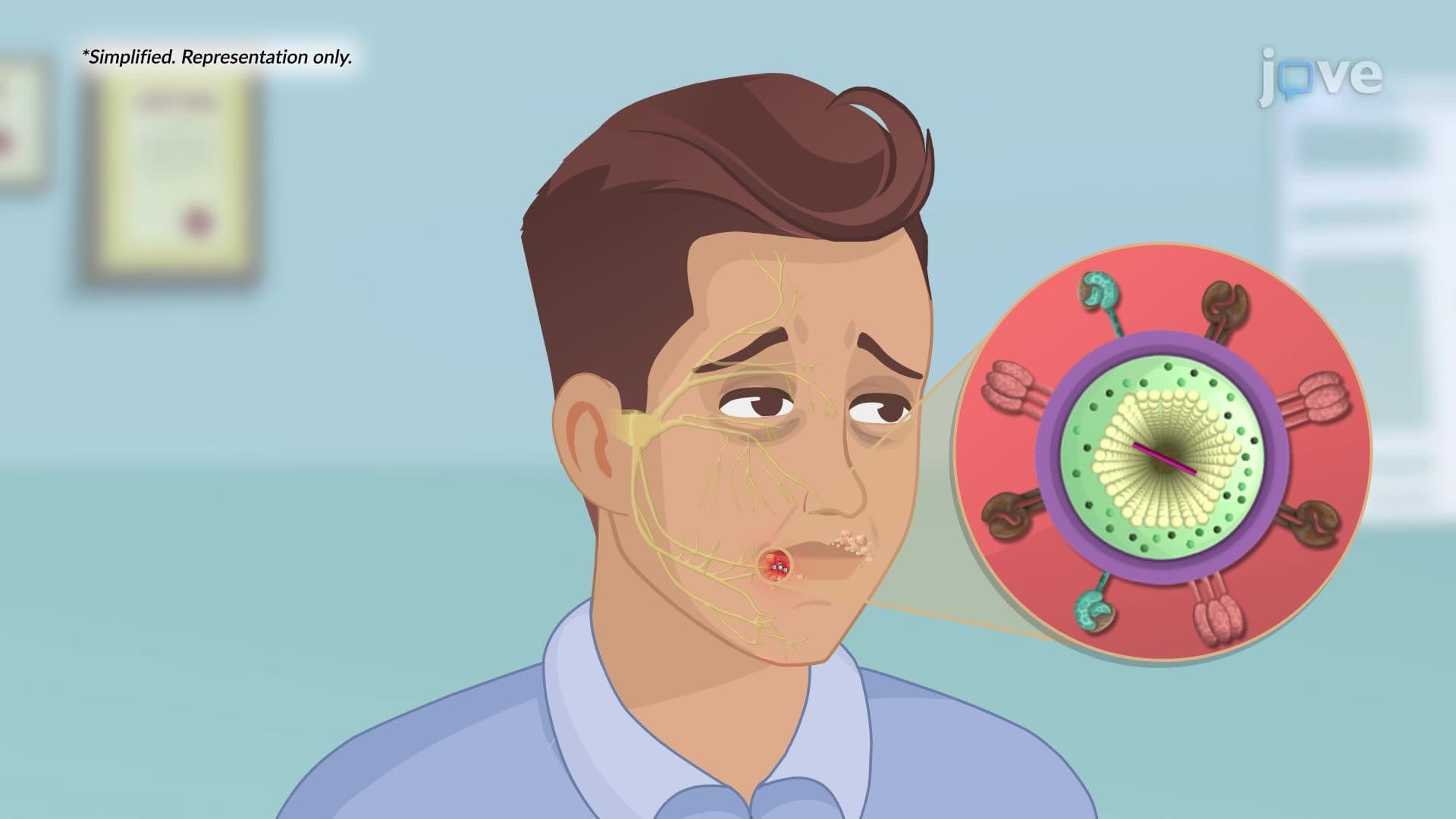
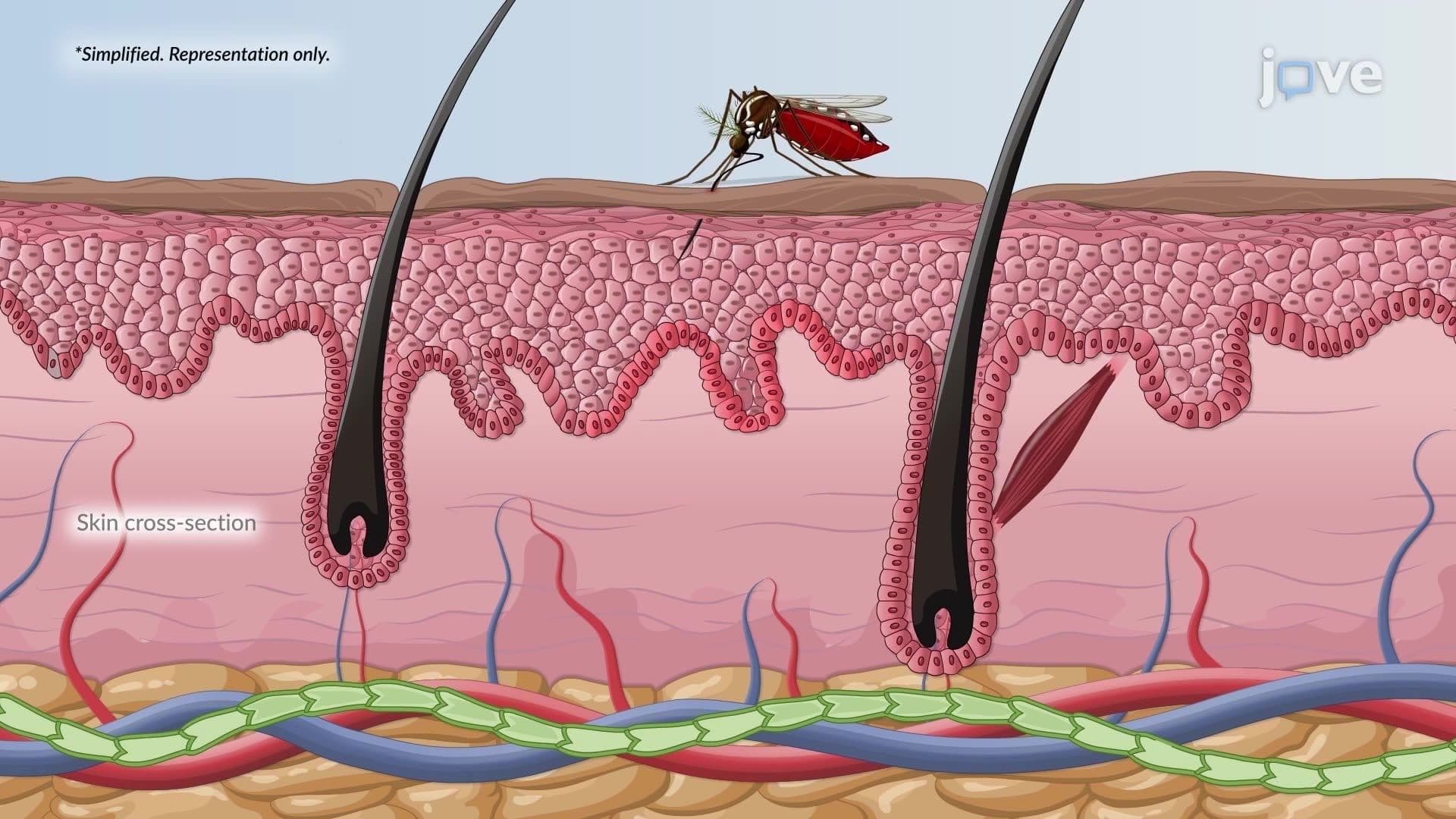
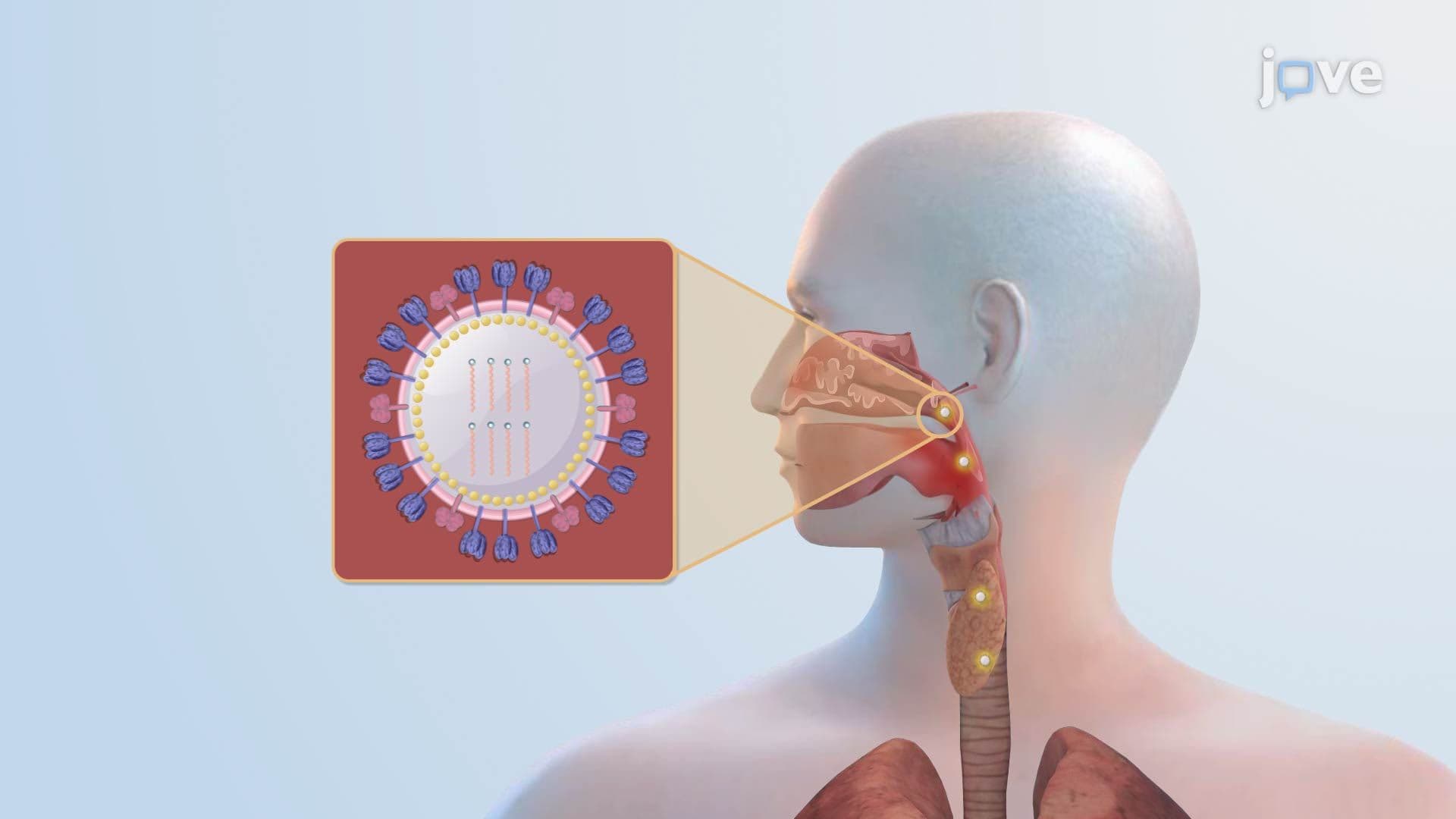
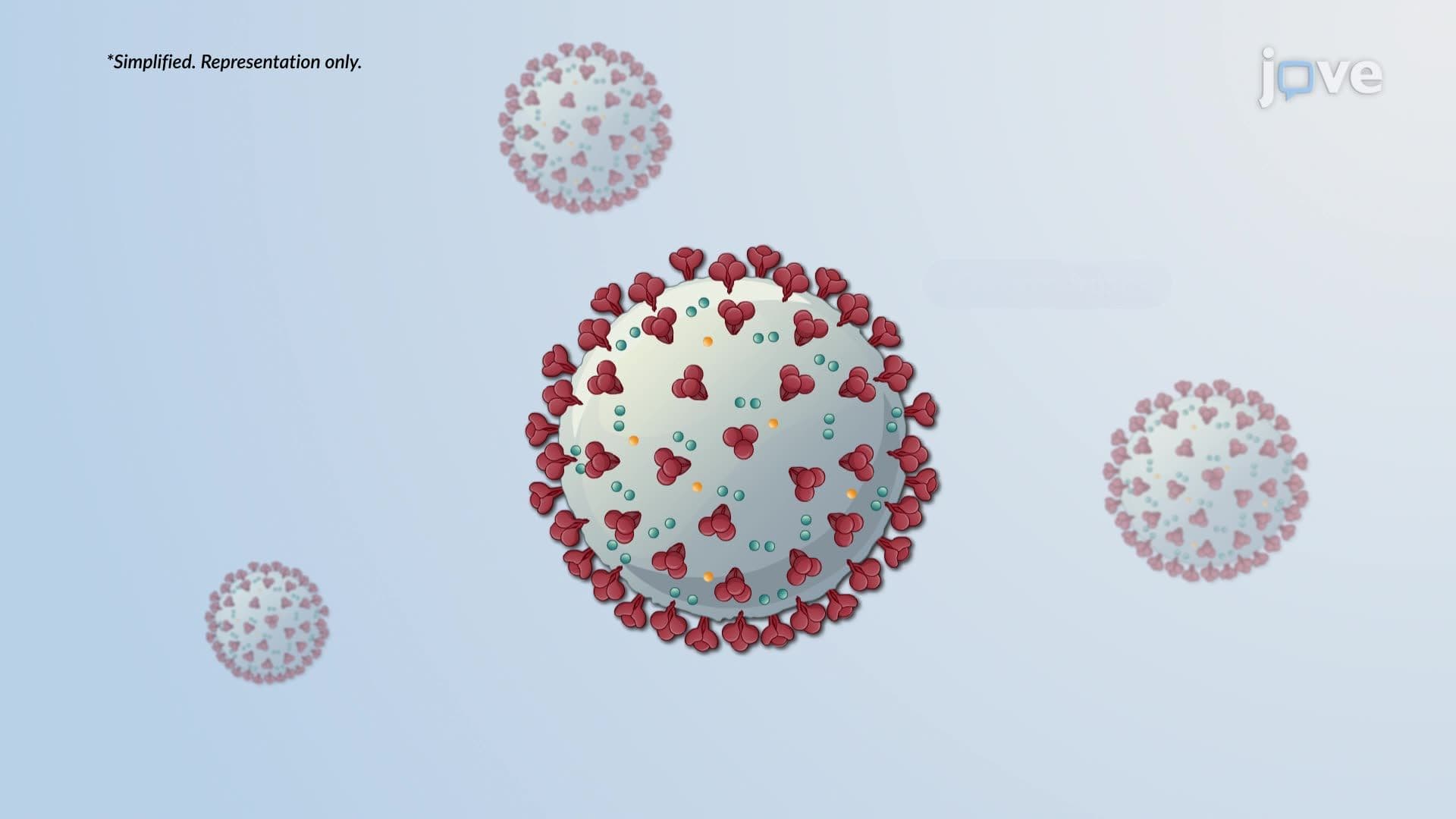
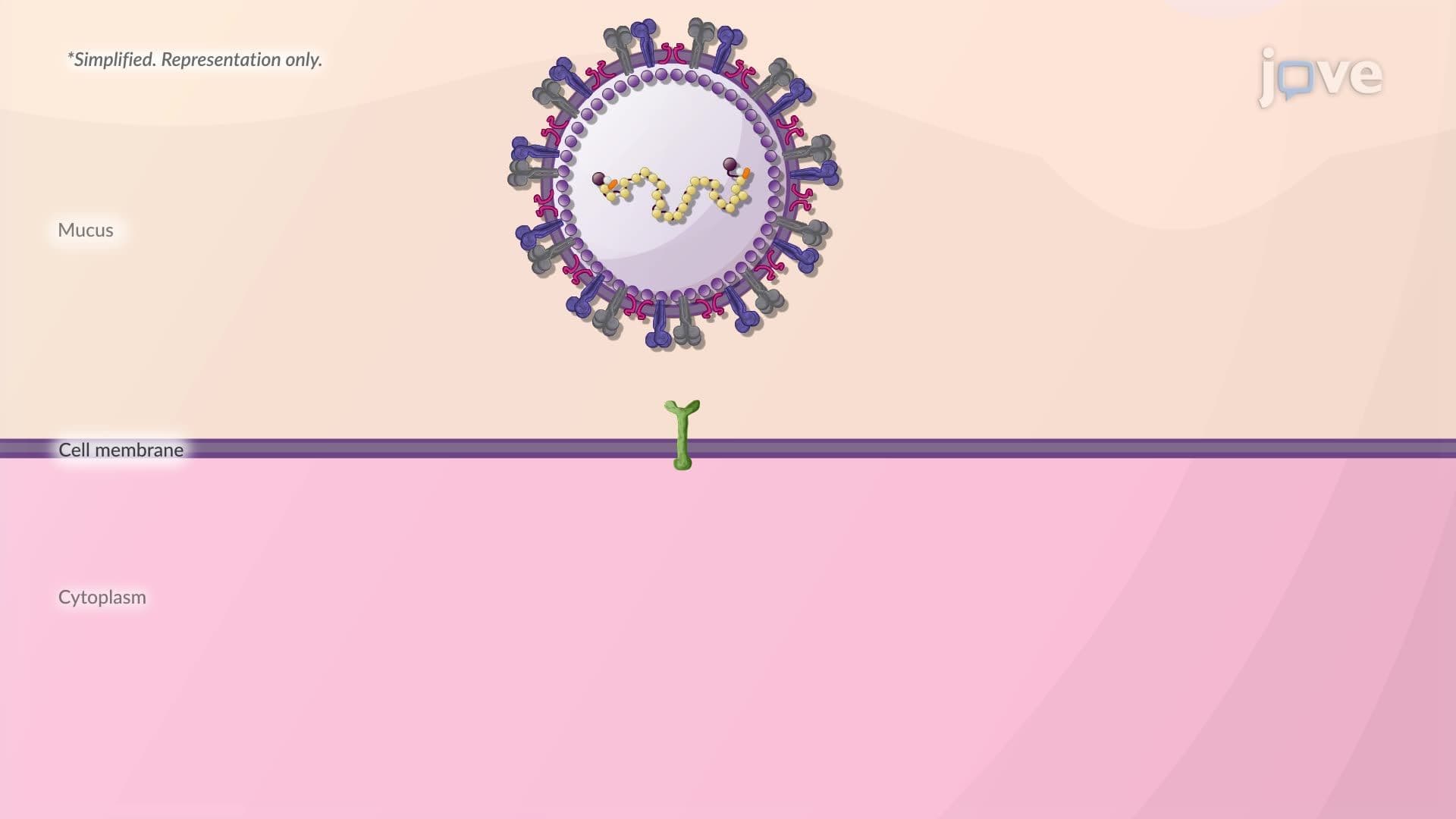
Understanding arboviral pathogenesis begins at the moment of a mosquito bite. The infected mosquito injects virus-laden saliva into the skin, where the virus immediately encounters dendritic cells, sentinel immune cells that patrol peripheral tissues. The virus hijacks these cells through receptor-mediated endocytosis, binding to specific surface receptors and being engulfed into the cell. This is a critical step in the viral replication cycle: once inside, the virus uses the host cell's machinery to replicate, producing copies of itself. West Nile virus, for instance, is an enveloped, positive-strand RNA virus, meaning its RNA genome can be directly translated by host ribosomes, giving it a significant head start in replication efficiency.
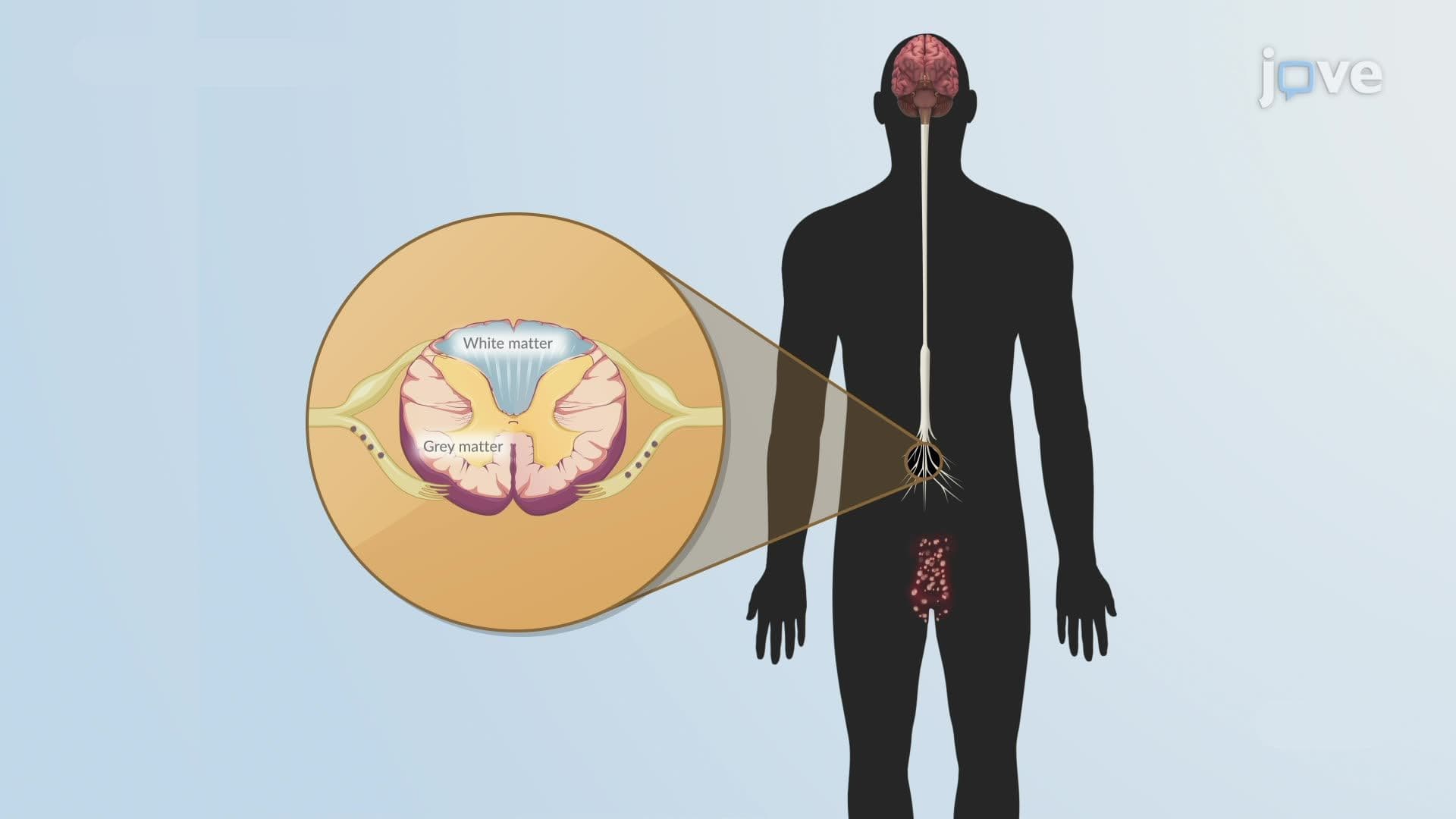
From the skin, the virus spreads to regional lymph nodes, establishing a local infection before entering the bloodstream in a phase called viremia. This systemic spread allows the virus to reach distant organs, including the brain.
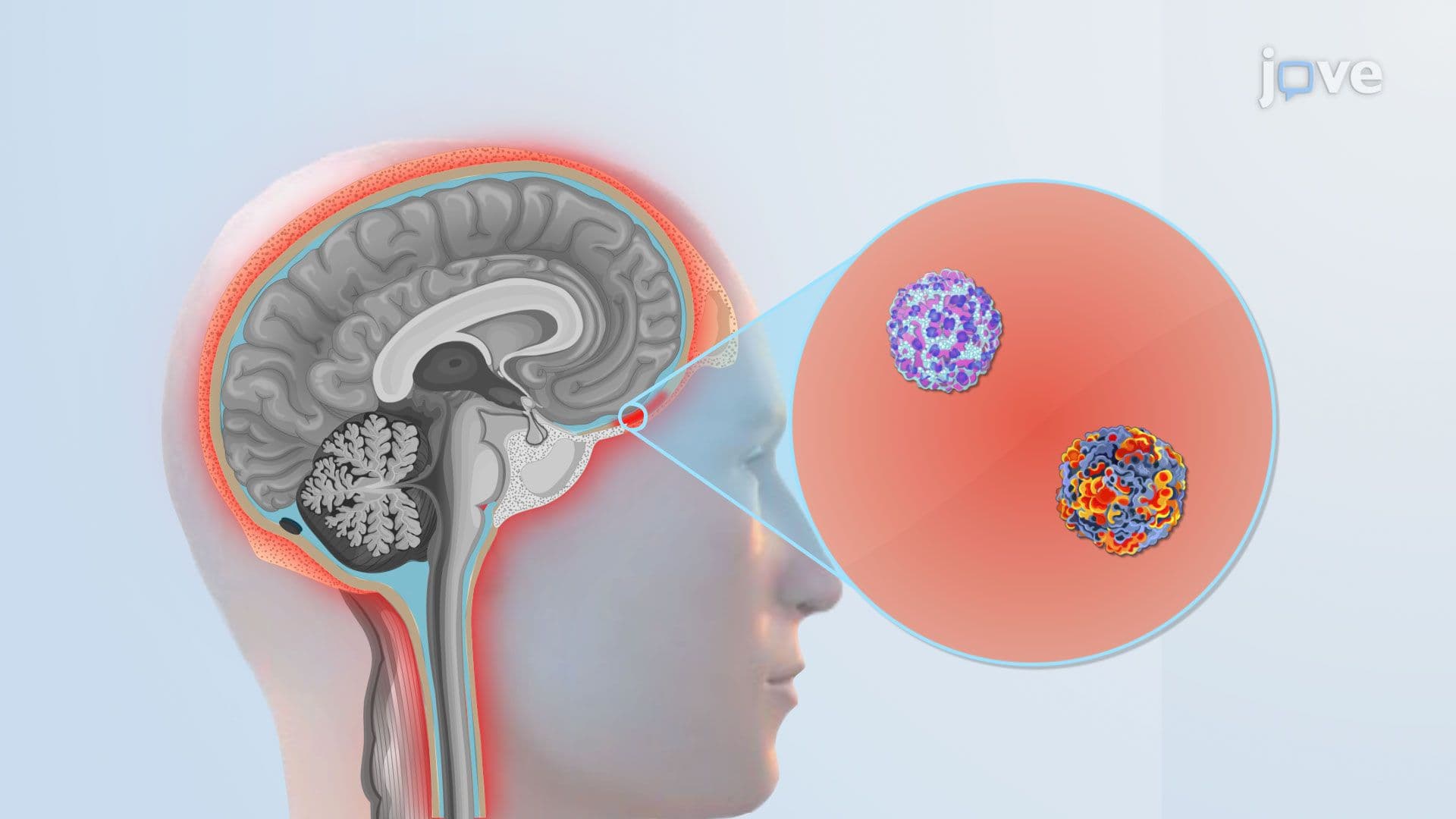
The blood-brain barrier (BBB) is one of the body's most sophisticated defenses, tightly controlling what enters the brain. Yet arboviruses have evolved multiple strategies to breach it. First, the virus can directly infect the endothelial cells lining brain blood vessels, using those cells as replication hubs before releasing new viral particles into brain tissue. Second, viral proteins and inflammatory signals can disrupt tight junctions, the molecular "seals" between endothelial cells, creating gaps through which the virus can leak. Third, in a mechanism called the "Trojan horse" pathway, virus-infected immune cells (such as monocytes) cross the BBB as part of normal immune surveillance, unknowingly carrying the virus into the brain.
Each of these mechanisms is testable on exams such as the MCAT and USMLE Step 1, where viral immune evasion and CNS invasion questions appear regularly.
Once inside the brain, the virus replicates within neurons, triggering two overlapping waves of damage. The first is direct viral cytotoxicity, neurons are physically destroyed by the replicating virus. The second is immunopathology: the immune system, detecting the infection, releases pro-inflammatory cytokines such as TNF-alpha and interleukins. While these cytokines are meant to fight the virus, they simultaneously cause collateral neuronal damage and swelling, worsening the encephalitis.
This dual mechanism, virus killing cells directly while the immune response amplifies destruction, helps explain why arboviral encephalitis can be so severe even in individuals with active immune systems. It also explains why researchers developing antiviral drugs and vaccines must carefully balance viral clearance with immune modulation. In the US, outbreaks of West Nile neuroinvasive disease are tracked annually by the CDC, making this concept directly relevant to understanding emerging viral diseases and public health preparedness.
Related Micro-courses