Loading video…

 13 Concepts
 11K views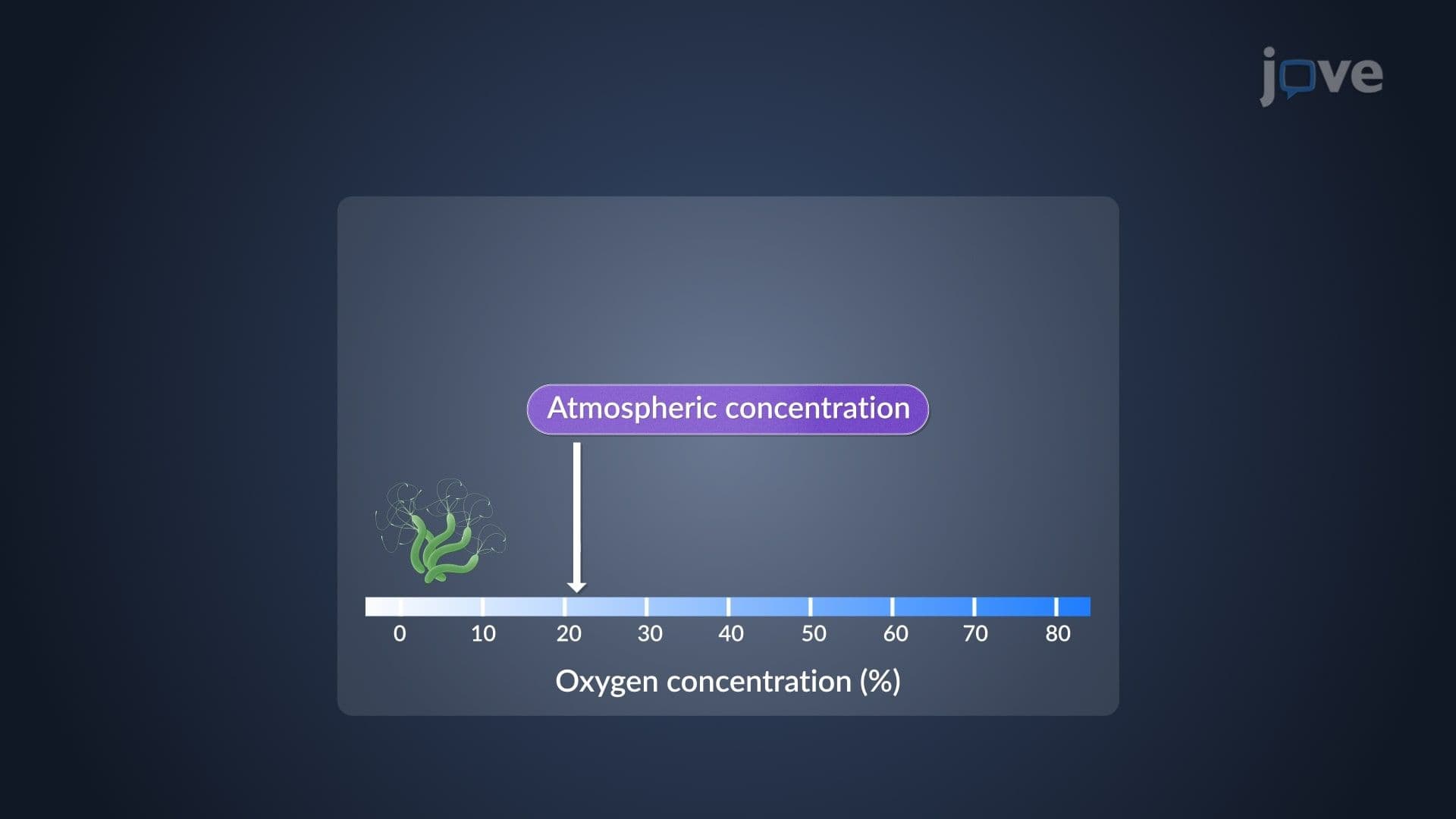

Video Summary: Oxygen Requirements and Growth Patterns Explained
Ever wondered why bread dough rises in open air but wine ferments in sealed containers? Oxygen requirements growth patterns determine how microorganisms survive and thrive in different environments. From *Mycobacterium tuberculosis* causing respiratory infections in US hospitals to *E. coli* switching metabolic strategies in your gut, understanding Oxygen Requirements And Growth Patterns Explained reveals the hidden world of microbial adaptation. Watch the full video on JoVE Coach to master this concept with expert-led visuals and step-by-step explanations.
Microorganisms exhibit remarkable diversity in their relationship with oxygen, ranging from absolute dependence to complete intolerance. This fundamental classification system helps predict microbial behavior in clinical, environmental, and industrial settings across the United States, from hospital laboratories in Boston to food processing facilities in California.
Obligate aerobes require oxygen for survival and growth, utilizing aerobic respiration to generate maximum ATP yields. *Mycobacterium tuberculosis*, responsible for over 7,000 TB cases annually in the US, exemplifies this category. These organisms thrive in oxygen-rich environments like lung tissues but cannot survive in anaerobic conditions.
Obligate anaerobes represent the opposite extreme, where oxygen exposure proves lethal. *Clostridium difficile*, causing approximately 29,000 deaths yearly in US healthcare facilities, demonstrates this pattern. These bacteria rely exclusively on fermentation or anaerobic respiration, making them challenging to culture without specialized equipment.
Facultative anaerobes display metabolic flexibility, switching between aerobic and anaerobic pathways based on oxygen availability. *Escherichia coli*, a common laboratory organism and occasional pathogen, grows faster with oxygen but survives without it-explaining its success in diverse human body sites.
Understanding spatial distribution patterns proves crucial for AP Biology students and pre-med undergraduates studying microbiology. In liquid culture tubes, oxygen creates natural gradients that determine growth zones. This concept frequently appears on MCAT practice exams and college microbiology midterms.
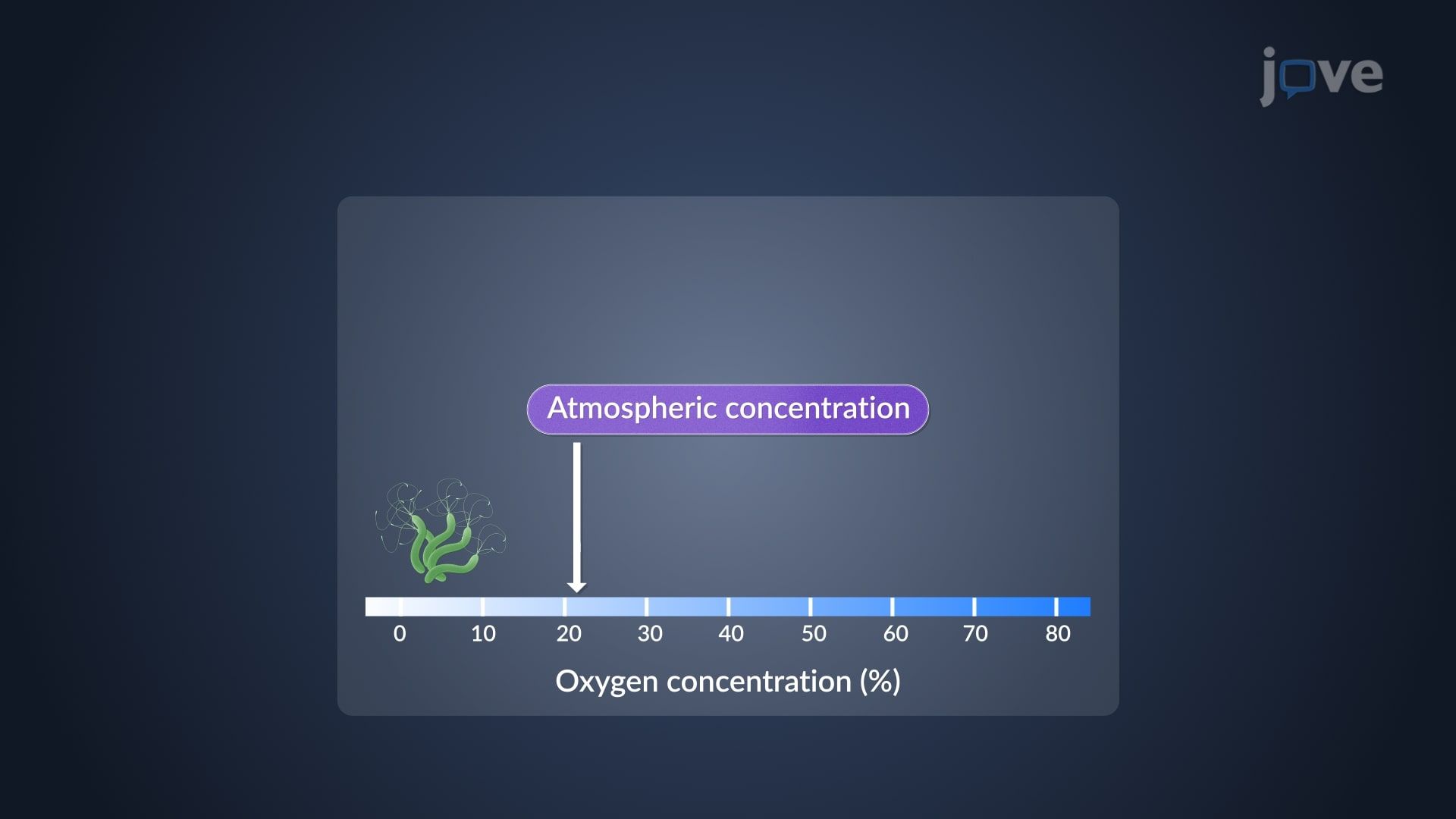
Microaerophiles like *Helicobacter pylori* require reduced oxygen concentrations (5-10% versus atmospheric 21%), forming characteristic subsurface growth bands. This organism, affecting nearly half of the global population, demonstrates how oxygen requirements influence pathogen distribution in the human stomach's varying oxygen environments.
Aerotolerant anaerobes such as *Lactobacillus* species distribute evenly throughout culture media, neither benefiting from nor being harmed by oxygen presence. These bacteria, essential in yogurt and cheese production across US dairy industries, illustrate how oxygen indifference enables widespread distribution.
Oxygen requirement knowledge directly impacts medical treatment decisions. Anaerobic infections require specialized collection techniques and culture conditions, while aerobic pathogens may resist standard antimicrobial therapies in low-oxygen tissue environments. This principle guides wound care protocols in US hospitals and influences pharmaceutical development strategies.
Related Micro-courses