Loading subject page…

10,972 views

Video Summary: Need for Obtaining Pure Cultures Explained
Ever wonder how scientists developed life-saving antibiotics like penicillin or ensured the safety of your morning yogurt? The need for obtaining pure cultures forms the foundation of modern microbiology and biotechnology. Pure cultures contain only one type of microorganism, allowing researchers at institutions like the CDC to study specific bacterial properties without interference from other species. This fundamental technique enables everything from vaccine development to food safety testing across American laboratories. Watch the full video on JoVE Coach to master this concept with expert-led visuals and step-by-step explanations.
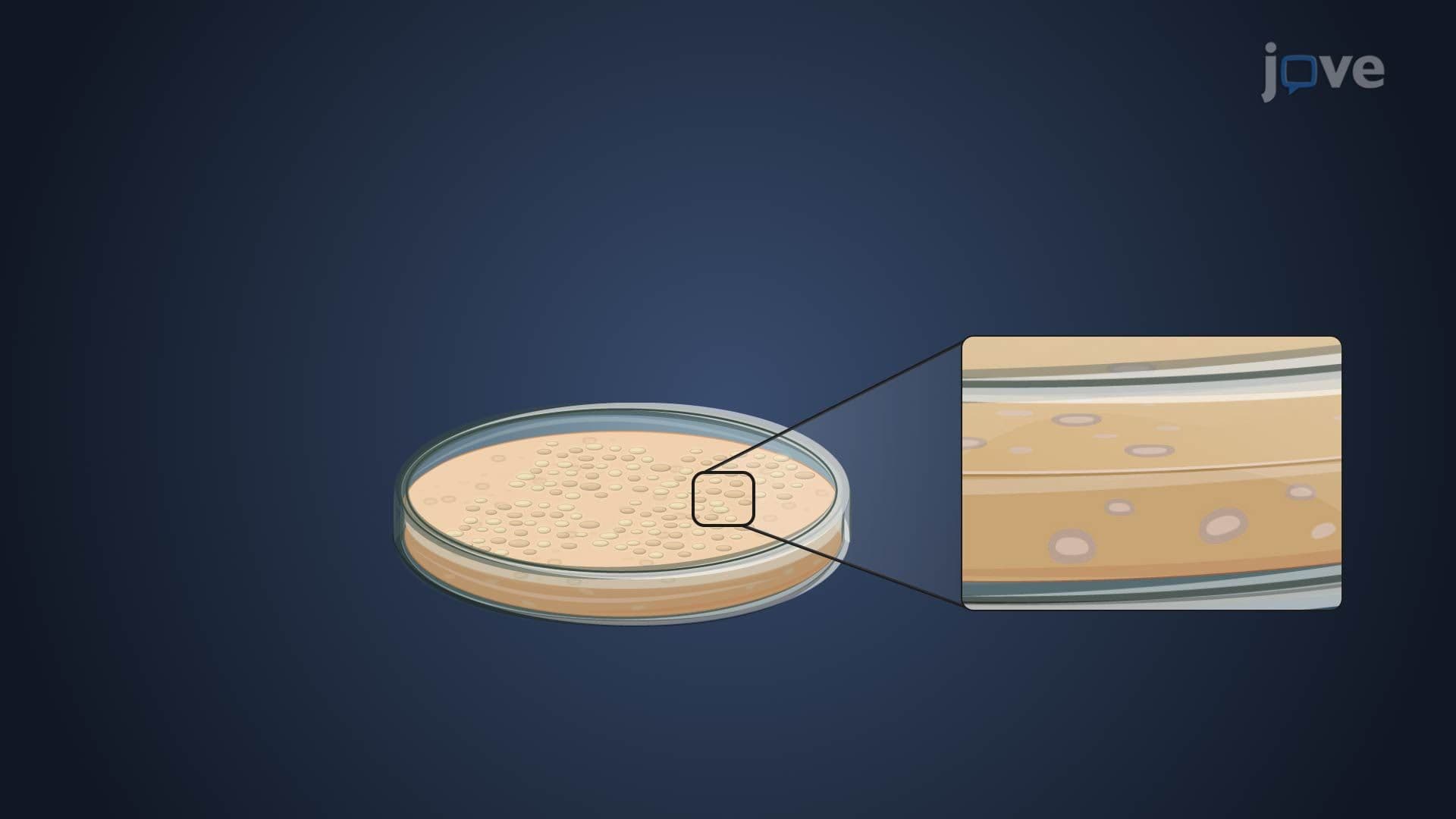
Pure cultures represent one of microbiology's most fundamental concepts, serving as the cornerstone for virtually every advancement in modern biotechnology and medical research. When microbiologists isolate a single species of microorganism from complex environmental samples, they create conditions where every cell shares identical genetic and physiological characteristics. This uniformity eliminates variables that could skew experimental results, making pure cultures indispensable for reproducible scientific research.
The historical significance becomes clear when examining Alexander Fleming's penicillin discovery at St. Mary's Hospital. Fleming's ability to isolate and study pure cultures of *Penicillium notatum* enabled him to identify its antibacterial properties against *Staphylococcus aureus*. Without pure culture techniques, this breakthrough-and countless others-would have been impossible.
In American healthcare systems, pure cultures drive both diagnostic and therapeutic advances. Clinical laboratories nationwide rely on pure cultures to identify pathogenic bacteria causing infections, ensuring patients receive targeted antibiotic treatments rather than broad-spectrum drugs that contribute to resistance. The FDA requires pharmaceutical companies to use standardized pure cultures when testing new antimicrobial agents, maintaining consistency across drug development processes.
Biotechnology companies like Genentech and Amgen utilize specific microbial strains to produce therapeutic proteins, vaccines, and enzymes. These applications demand absolute genetic consistency-achievable only through pure culture maintenance. Similarly, food manufacturers depend on pure cultures for fermentation processes, from craft breweries in Portland to cheese producers in Wisconsin.
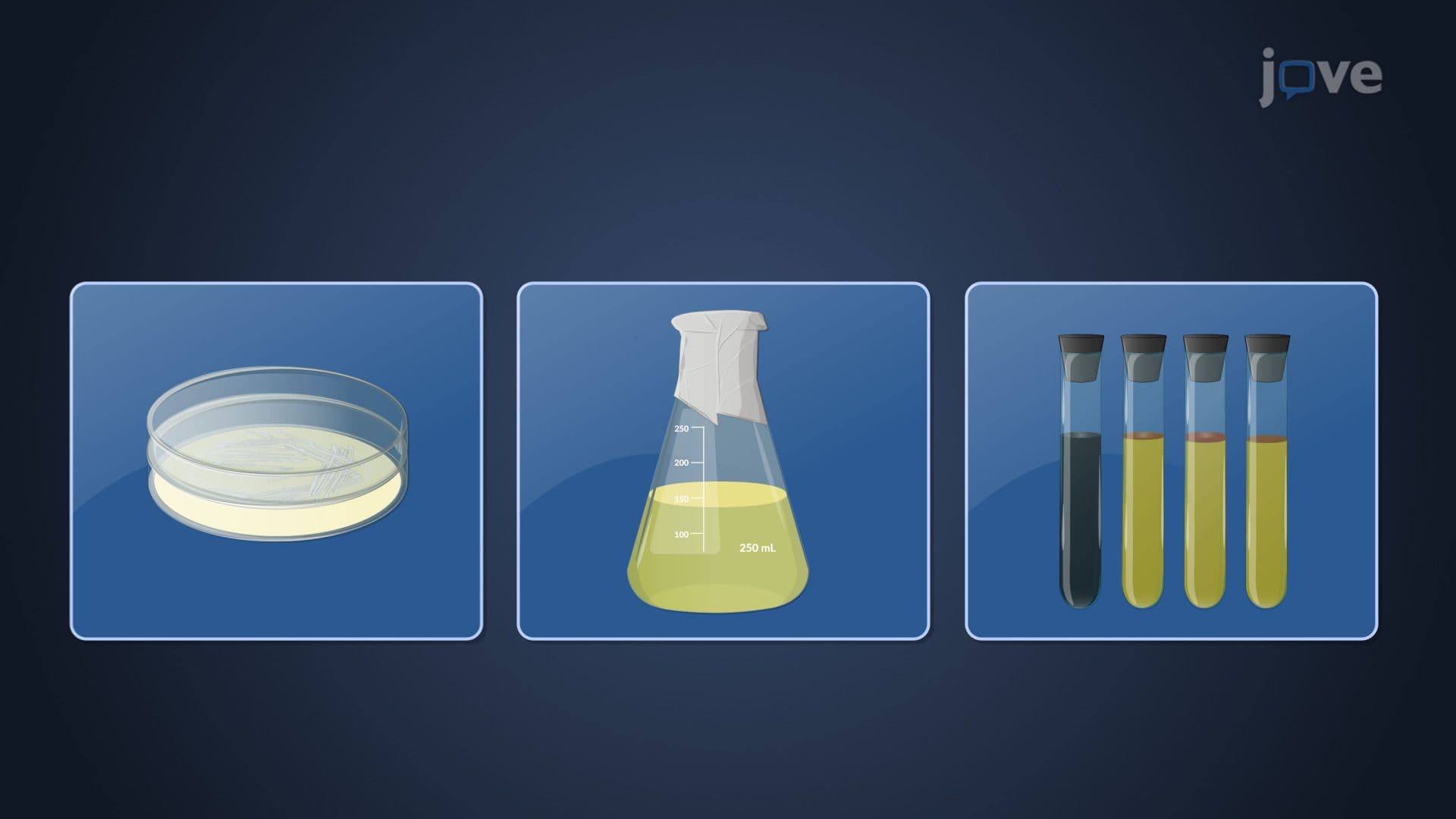
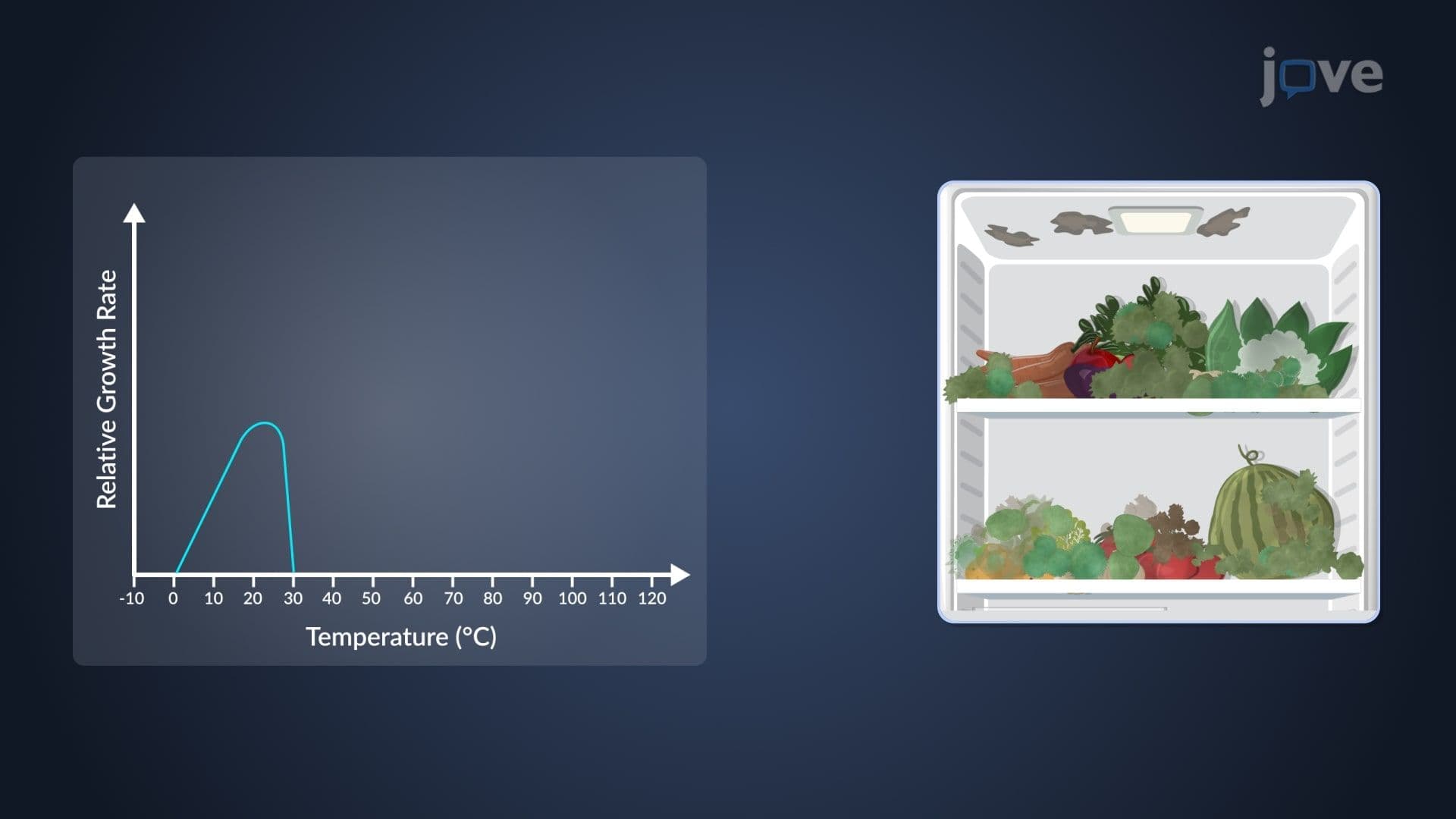
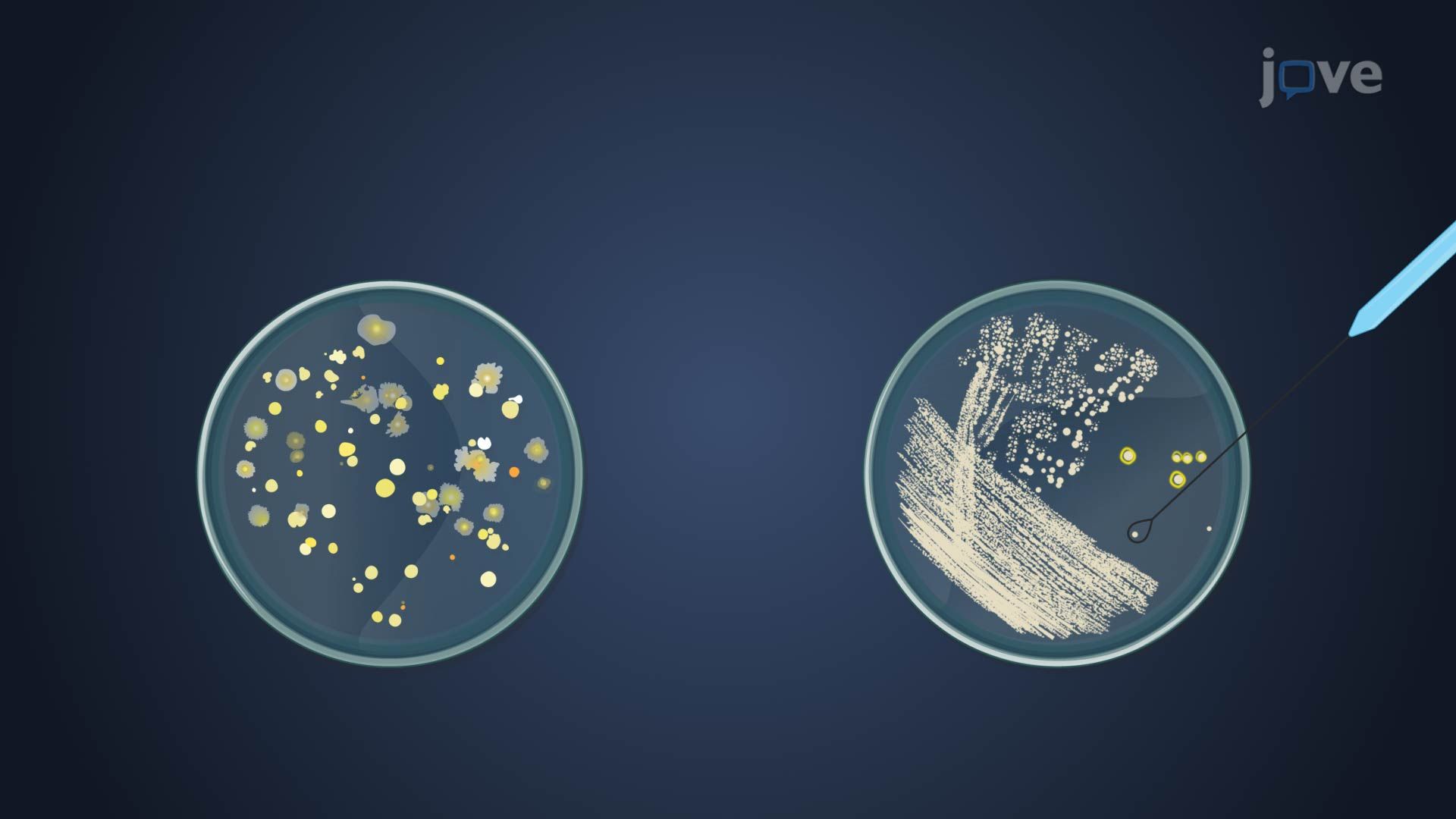
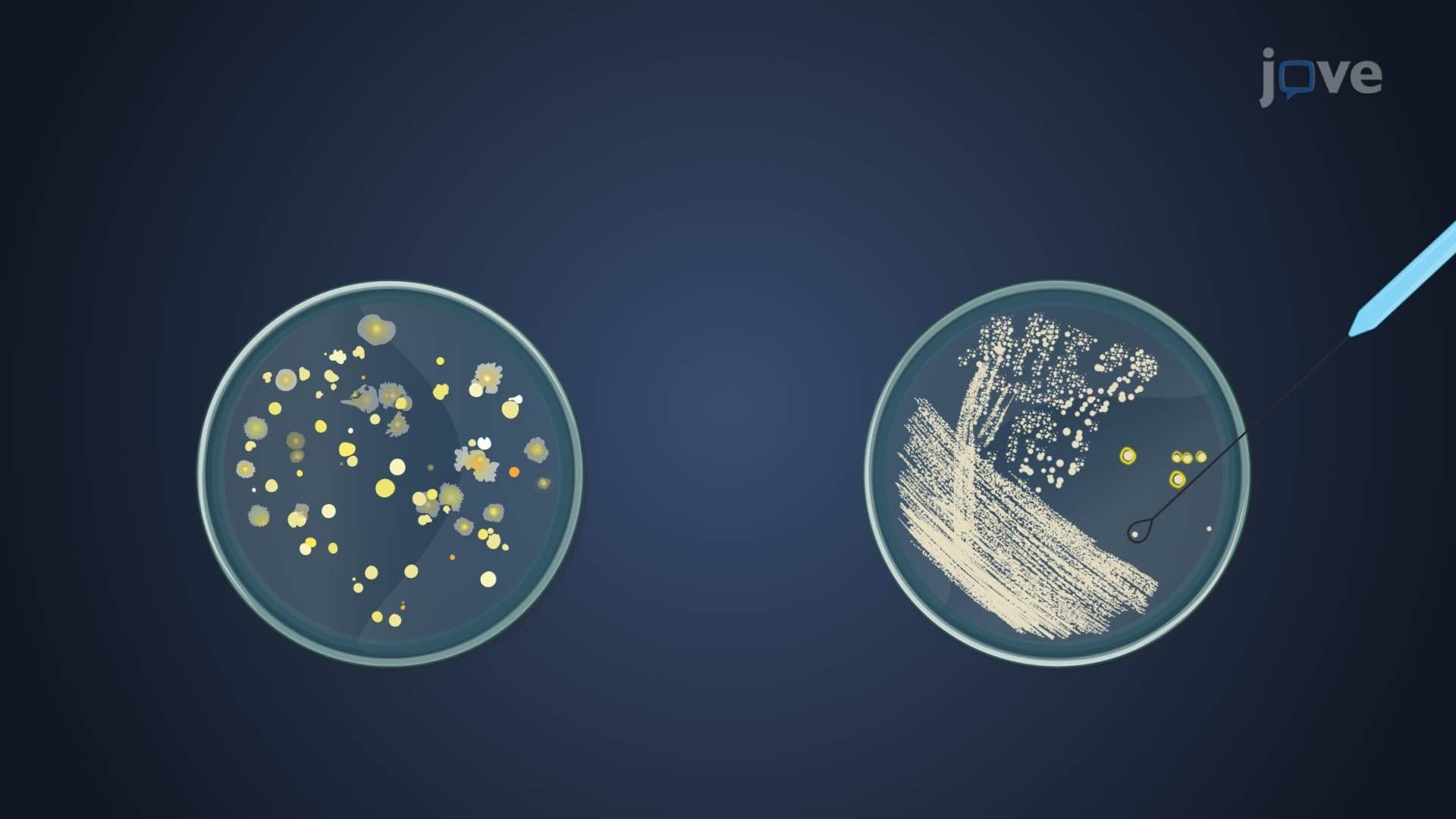
Obtaining pure cultures requires systematic isolation methods, typically beginning with streak plating or pour plating techniques. Researchers inoculate samples onto selective media designed to favor target organisms while inhibiting competitors. Environmental factors-temperature, pH, oxygen availability, and nutrient composition-must be precisely controlled to ensure optimal growth conditions.
Contamination prevention remains paramount throughout the process. American laboratories follow strict protocols involving autoclaved equipment, sterile work surfaces, and laminar flow hoods. These measures prevent introduction of unwanted microorganisms that could compromise culture purity and experimental validity.
Students preparing for AP Biology exams, MCAT sections covering microbiology, or college-level microbiology courses must thoroughly understand pure culture principles. These concepts frequently appear in questions about experimental design, bacterial identification, and biotechnology applications. Understanding pure culture techniques also provides essential background for advanced topics like genetic engineering, fermentation technology, and clinical diagnostics that students encounter in upper-level coursework.
Related Micro-courses