Loading video…

 13 Concepts
 14.7K views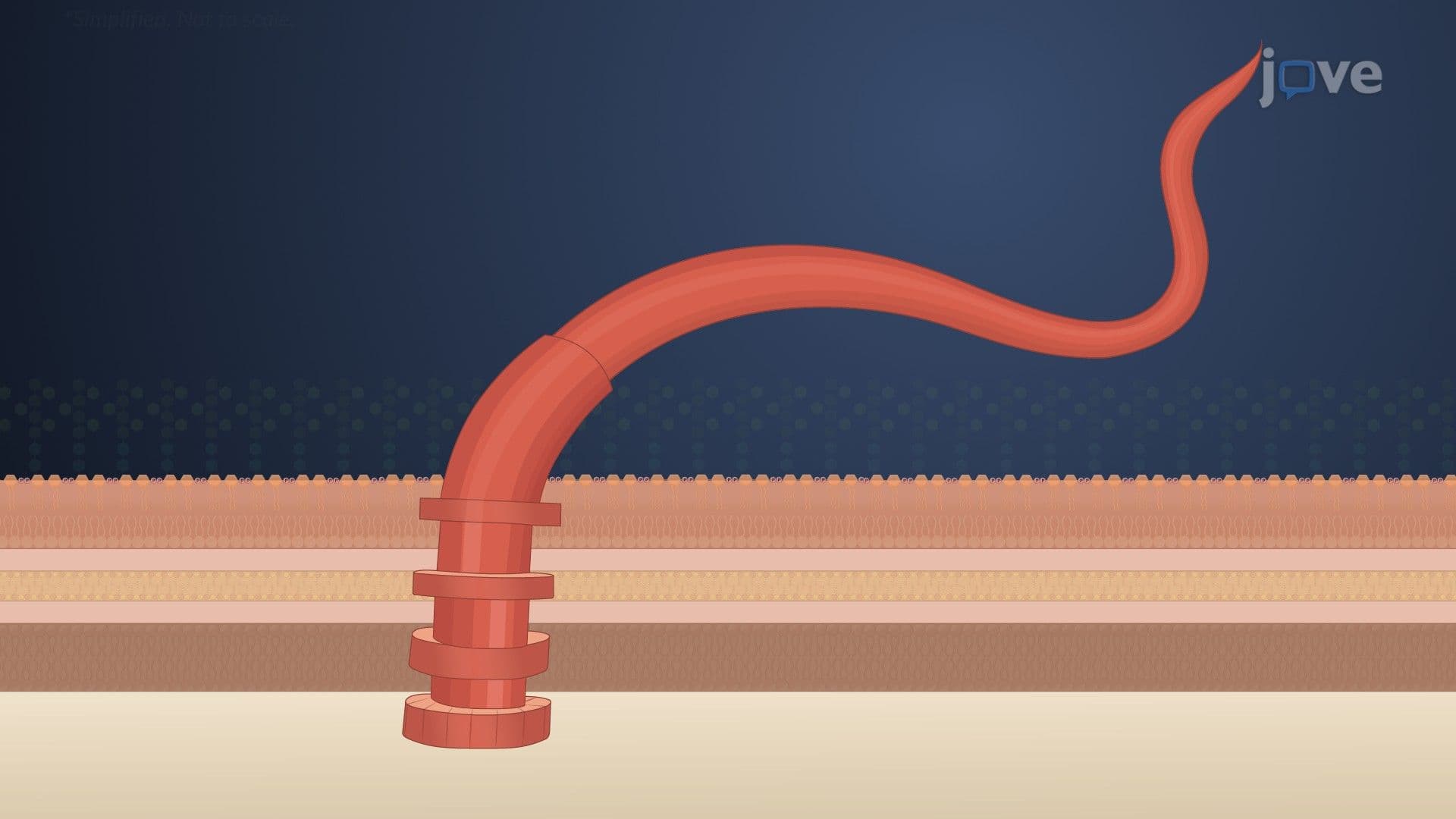

Video Summary: What Is Flagella and Motility
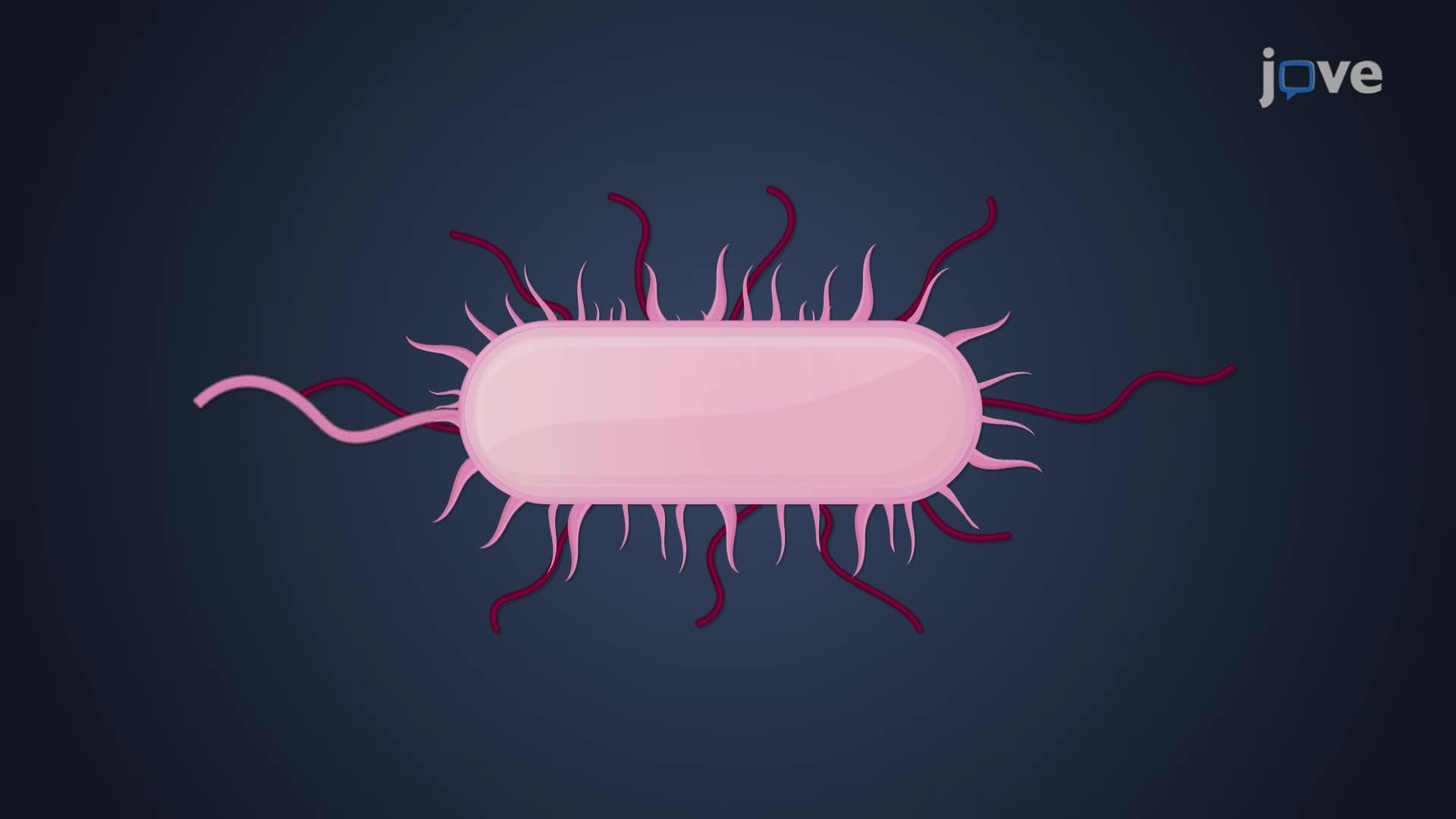
Did you know that bacteria can swim faster than Olympic swimmers relative to their size? Flagella motility allows microscopic bacteria like E. coli (commonly studied in US microbiology labs) to navigate through your intestines at speeds reaching 50 body lengths per second. What is Flagella And Motility involves understanding how these whip-like cellular appendages function as biological motors, enabling bacteria to move, hunt for nutrients, and even cause infections. Watch the full video on JoVE Coach to master this concept with expert-led visuals and step-by-step explanations.
Flagella motility represents one of nature's most efficient microscopic propulsion systems, allowing bacteria to navigate complex environments from hospital surfaces to the human digestive tract. This sophisticated cellular machinery enables pathogenic bacteria like Salmonella (responsible for over 1 million US foodborne illnesses annually) to swim toward infection sites and establish disease.
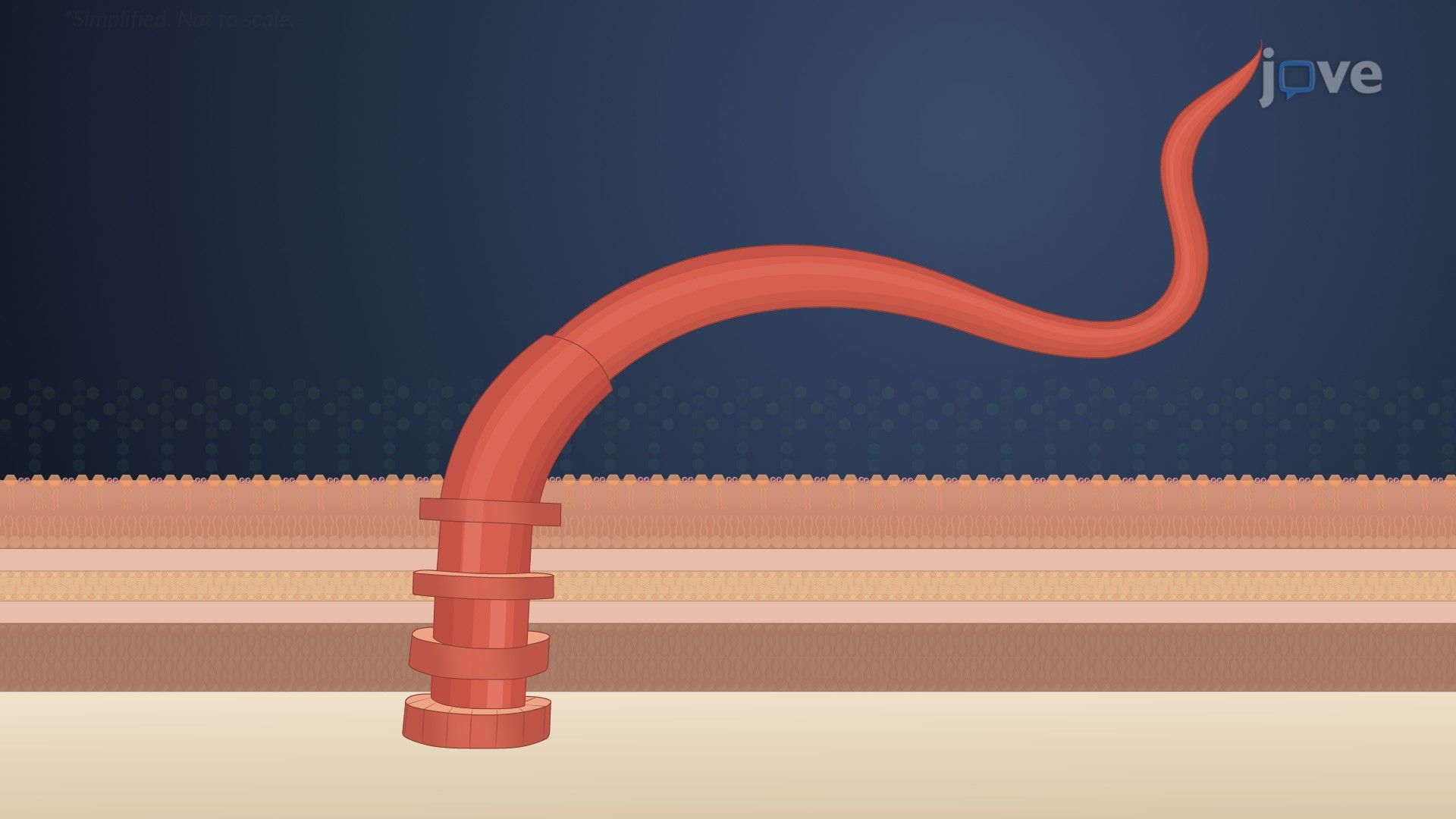
The flagellar apparatus consists of three interconnected components working in perfect coordination. The filament serves as the propeller, constructed from thousands of flagellin protein subunits arranged in helical chains that can extend up to 20 micrometers-nearly twice the bacterial cell length. The hook functions as a universal joint, transmitting rotational force from the motor to the filament while allowing flexible movement. The basal body operates as the actual motor, embedded within the bacterial cell envelope.
Understanding flagellar structure proves crucial for students tackling AP Biology Cell Structure units and college-level microbiology courses. MCAT test-takers frequently encounter questions comparing prokaryotic flagella to eukaryotic cilia and flagella, emphasizing the fundamental differences in construction and energy sources.
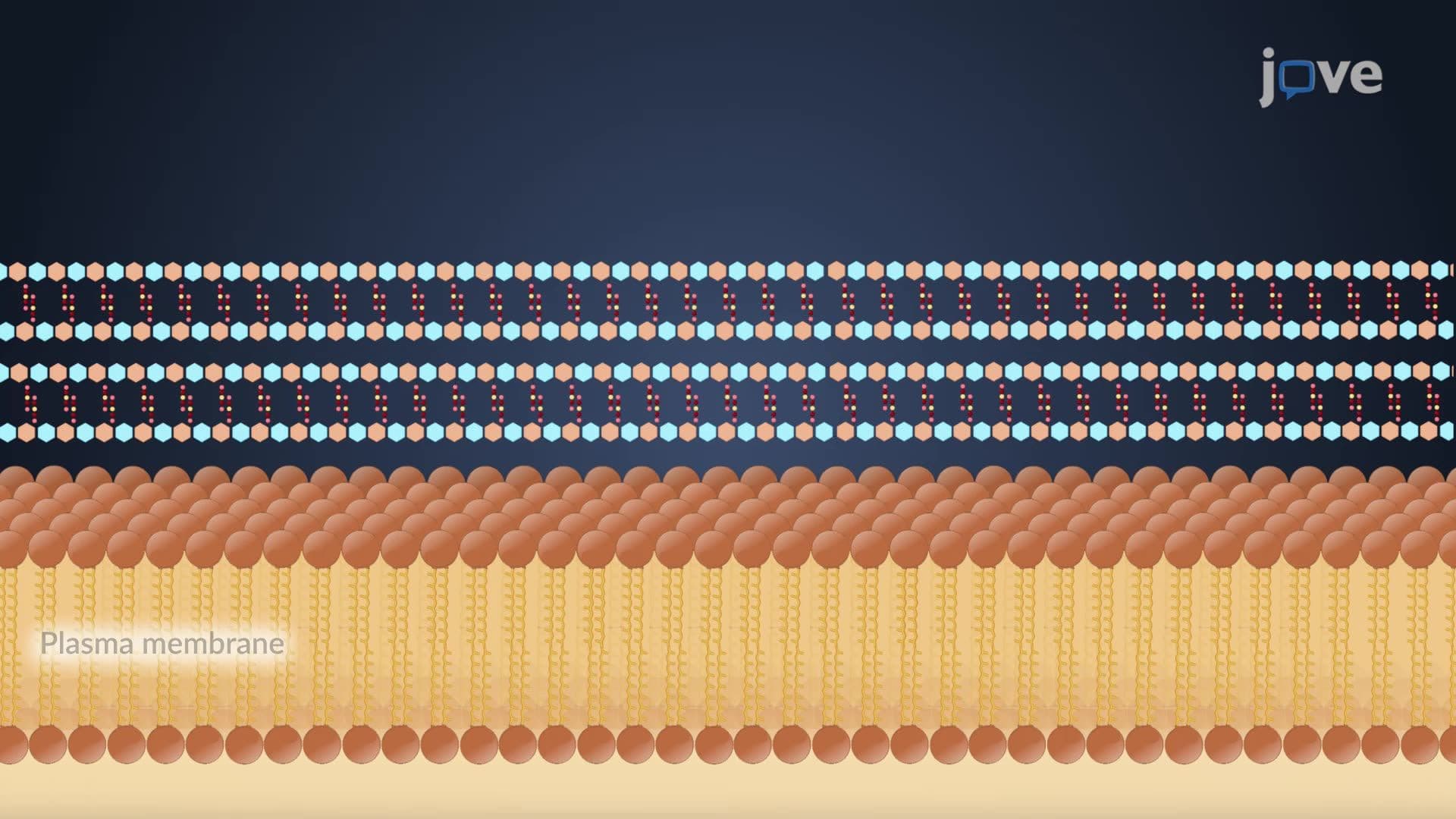
The basal body architecture varies significantly between bacterial types, reflecting their distinct cell wall compositions. Gram-negative bacteria (like E. coli studied in US research labs) possess four protein rings: the L ring anchored in the lipopolysaccharide layer, the P ring embedded in peptidoglycan, and the MS and C rings attached to the plasma membrane and cytoplasm. Gram-positive bacteria (such as Bacillus species) contain only MS and C rings due to their simpler cell wall structure lacking an outer membrane.
The flagellar motor harnesses the proton motive force-the electrochemical gradient across the bacterial membrane-to generate rotation reaching 1,000 rpm. This biological motor converts chemical energy into mechanical work with remarkable efficiency, allowing bacteria to change swimming direction within milliseconds by reversing flagellar rotation.
Related Micro-courses