Loading video…

 13 Concepts
 14.7K views

Video Summary: What Is Nucleoid
Ever wondered how bacteria pack an entire genome into a space 1000 times smaller than a human cell nucleus? The nucleoid is the ingenious solution prokaryotes use to organize their DNA without a membrane-bound nucleus. Unlike the organized chromosomes in our cells, bacteria like *E. coli* (studied extensively at Johns Hopkins University) compress their genetic material into this compact, membrane-free region using specialized proteins. Watch the full video on JoVE Coach to master this concept with expert-led visuals and step-by-step explanations.
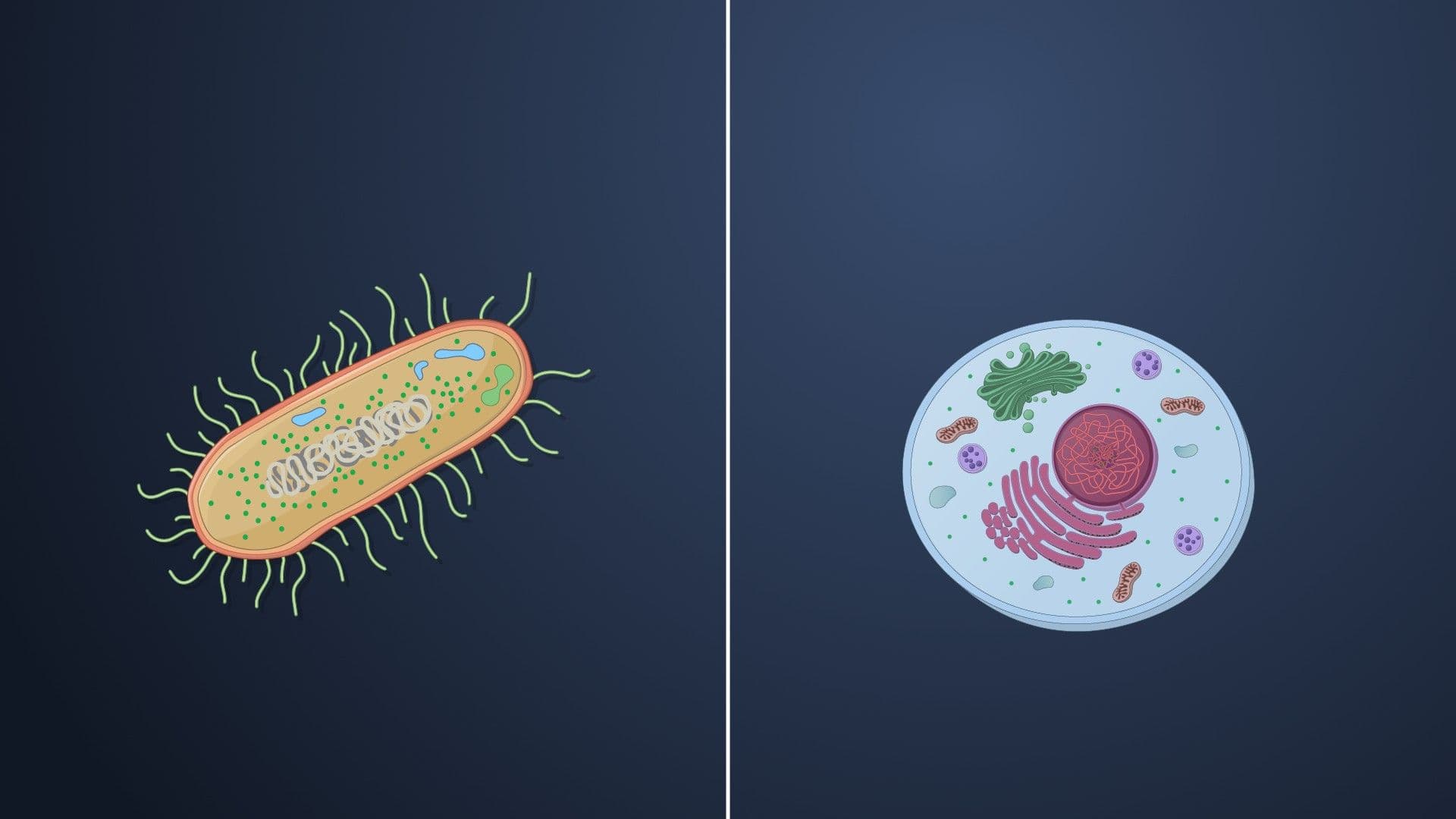
The nucleoid represents one of the most elegant examples of biological efficiency in cellular organization. Unlike eukaryotic cells that compartmentalize their genetic material within a membrane-bound nucleus, prokaryotes have evolved a sophisticated membrane-free system that packs enormous amounts of genetic information into remarkably small spaces. This nucleoid definition encompasses not just the DNA itself, but the entire organizational system that makes prokaryotic life possible.
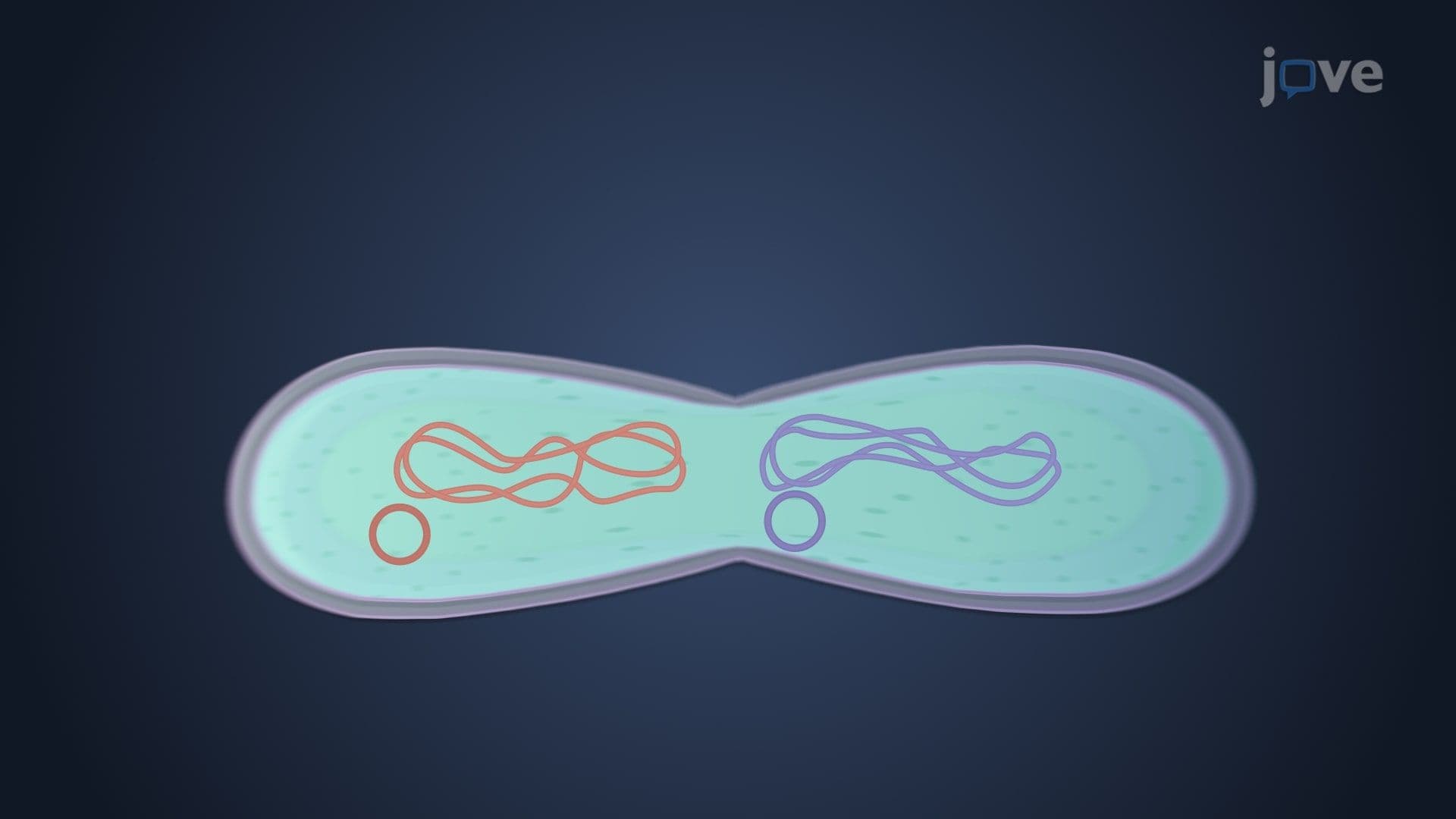
Understanding nucleoid structure requires appreciating the massive scale of DNA compaction involved. The typical bacterial chromosome, if stretched out, would be about 1,000 times longer than the cell itself. This nucleoid overview reveals how supercoiling and specialized proteins achieve this remarkable feat. Nucleoid-associated proteins (NAPs) act as molecular architects, creating organized chromosome interaction domains that maintain both structural stability and functional accessibility.
Research at MIT and Stanford University has demonstrated how these NAPs differ significantly from eukaryotic histones, despite serving similar organizational functions. The supercoiling process, combined with NAP activity, creates a dynamic structure that can rapidly reorganize during DNA replication and cell division, crucial for the rapid generation times that make bacteria so successful.
The nucleoid concept explained becomes more nuanced when examining archaeal systems. Unlike bacterial nucleoids, many archaea employ histone-like proteins that create nucleosome-like structures remarkably similar to eukaryotic systems. However, these archaeal histones can form tetramers and larger complexes, representing an evolutionary middle ground between bacterial and eukaryotic DNA organization.
Species like *Sulfolobus*, studied extensively at UC Berkeley, demonstrate sophisticated nucleoid compartmentalization. The coalescin protein maintains distinct chromosomal regions with different gene expression patterns, allowing precise cellular control over metabolic processes. This nucleoid study guide principle is essential for understanding how archaea thrive in extreme environments like Yellowstone's hot springs.
This nucleoid notes summary emphasizes the practical importance of understanding prokaryotic DNA organization. On the AP Biology exam, students frequently encounter questions about prokaryotic vs. eukaryotic cellular organization, making nucleoid comprehension essential for college-bound high schoolers. MCAT preparation also requires detailed knowledge of how nucleoid structure facilitates rapid bacterial reproduction and antibiotic resistance mechanisms.
The nucleoid's role in antibiotic resistance research at institutions like Harvard Medical School demonstrates its clinical relevance. Understanding how certain antibiotics disrupt nucleoid organization helps explain their bactericidal effects and informs development of new antimicrobial strategies.
Related Micro-courses