Loading video…


 13 Concepts
 14.7K views

Video Summary: What are Microbial Morphologies
Ever wondered why some bacteria cause food poisoning while others help make yogurt? Microbial morphologies, the diverse shapes of microscopic organisms, play a crucial role in determining how these tiny life forms function and interact with their environment. From the spherical Streptococcus bacteria that can cause strep throat to the rod-shaped Lactobacillus used in probiotic supplements across US grocery stores, understanding what are microbial morphologies reveals the fascinating world of microscopic diversity. Watch the full video on JoVE Coach to master this concept with expert-led visuals and step-by-step explanations.
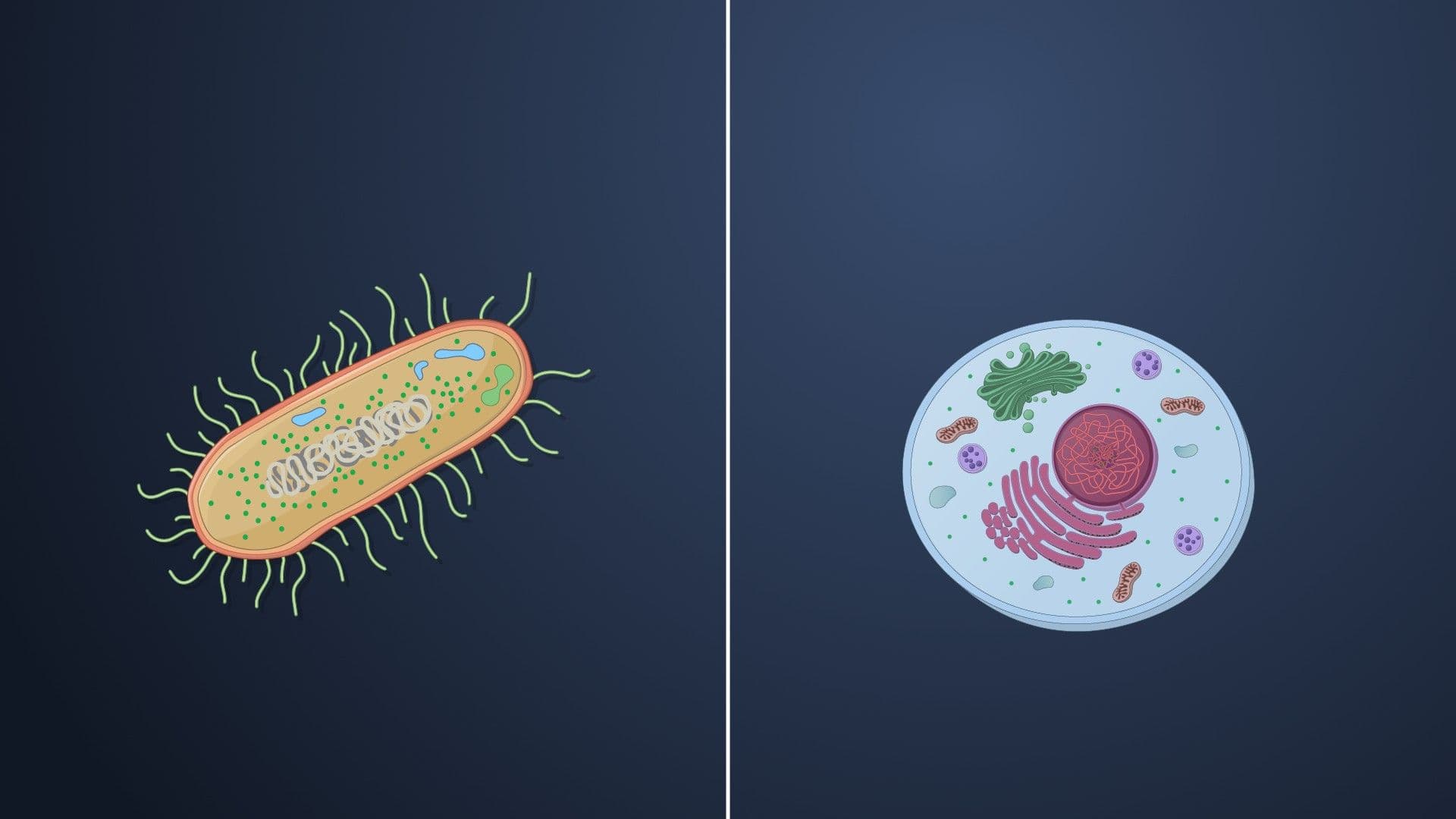
Microbial morphologies represent the diverse structural forms that microscopic organisms adopt to survive and thrive in their environments. These shapes aren't random, they're evolutionary adaptations that maximize efficiency for specific functions like nutrient absorption, motility, and environmental resistance.
Bacterial cells display remarkable diversity in their structural forms. Cocci (spherical bacteria) represent one of the most prevalent shapes, appearing as perfect spheres under microscopic examination. These bacteria can arrange themselves in various patterns: diplococci (pairs) like *Streptococcus pneumoniae* responsible for pneumonia cases treated in US hospitals, streptococci (chains) such as *Streptococcus pyogenes* causing strep throat, staphylococci (clusters) including *Staphylococcus aureus* found in MRSA infections, and tetrads (groups of four).
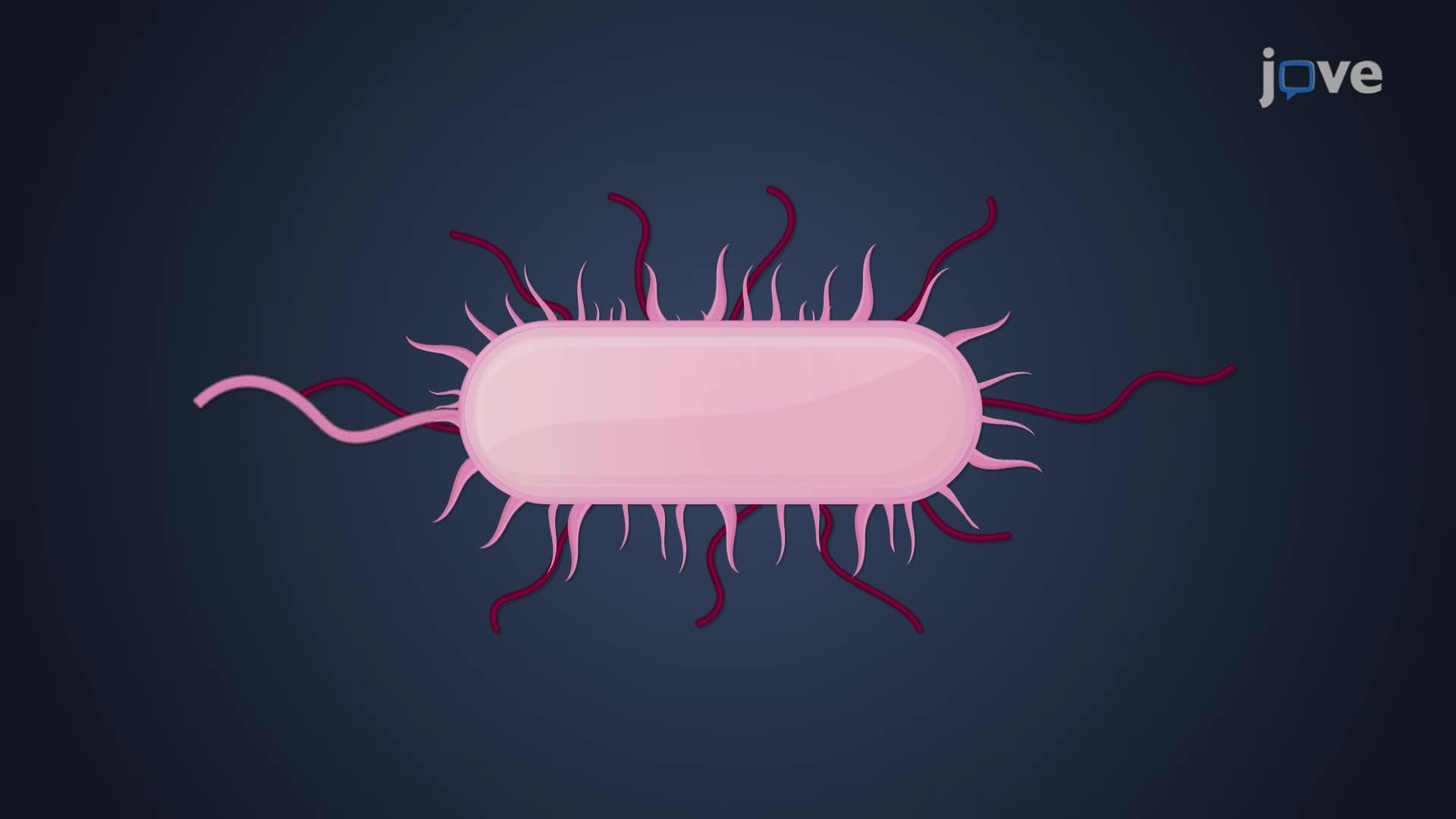
Bacilli or rod-shaped bacteria constitute another major morphological category. These cylindrical organisms include medically significant species like *Escherichia coli*, commonly studied in AP Biology courses and frequently isolated in US clinical laboratories. Bacilli can exist individually, in pairs (diplobacilli), or form chains (streptobacilli).
Spiral-shaped bacteria demonstrate three distinct forms: spirilla (rigid spirals), vibrio (comma-shaped organisms like *Vibrio cholerae*), and spirochetes (flexible spirals such as *Treponema pallidum*, the causative agent of syphilis tracked by the CDC).
Pleomorphic bacteria lack rigid cell walls, enabling them to assume variable shapes depending on environmental conditions. This morphological flexibility challenges traditional identification methods used in US medical laboratories and requires advanced diagnostic techniques covered in MCAT preparation.
Certain bacteria form complex multicellular structures called fruiting bodies, particularly evident in myxobacteria. These sophisticated arrangements represent some of the most complex behaviors observed in prokaryotic organisms and are studied extensively in college-level microbiology courses.
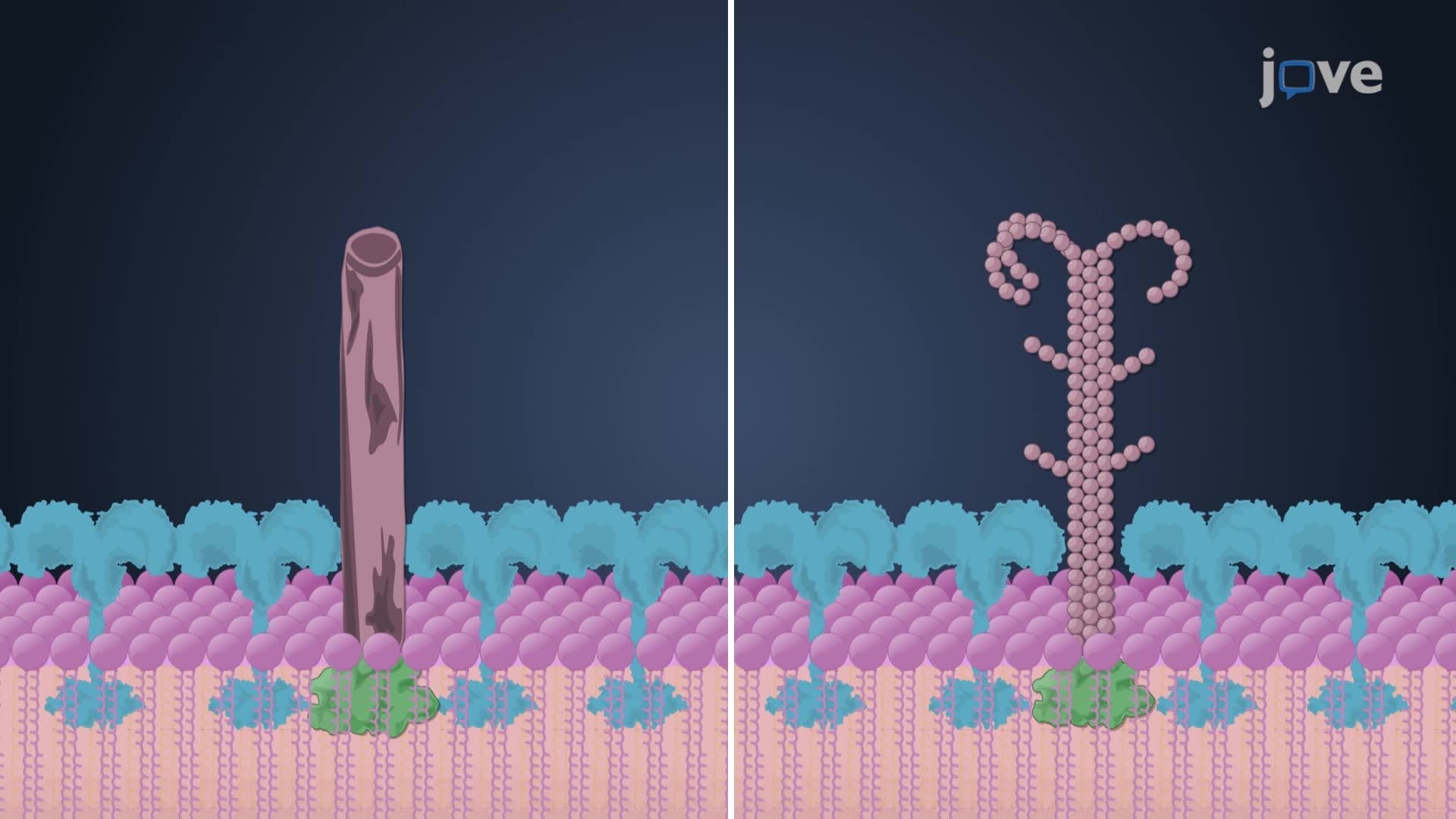
Archaeal cells exhibit unique morphologies adapted to extreme environments, including branched structures and flat, plate-like cells that optimize survival in high-temperature conditions found in Yellowstone National Park's hot springs. These specialized shapes maximize surface area for efficient nutrient uptake under harsh conditions.
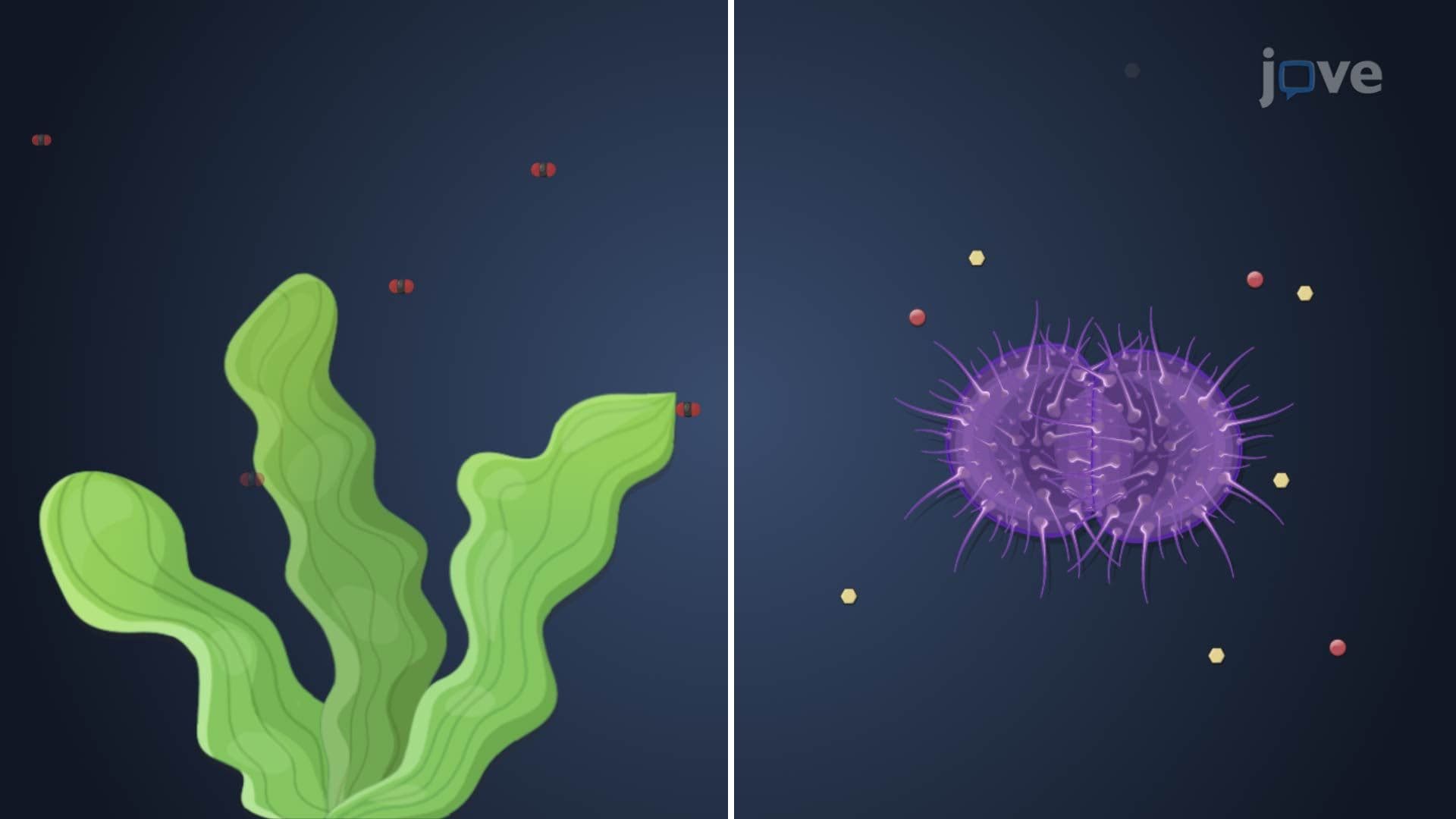
Eukaryotic microorganisms demonstrate even greater morphological complexity due to their internal organelles and diverse ecological niches. Their shapes range from simple spheroids to complex irregular forms, reflecting their adaptation to varied environments from freshwater lakes to marine ecosystems along US coastlines.
Related Micro-courses