Loading subject page…

287 views

Video Summary: What Is Cryptococcal Meningitis
Did you know a common pigeon dropping can trigger a deadly brain infection? Cryptococcal meningitis is a serious fungal disease caused by *Cryptococcus neoformans*, a pathogen found in urban environments across the US, including cities like New York and Chicago. This opportunistic infection primarily threatens immunocompromised individuals, such as HIV/AIDS patients. Watch the full video on JoVE Coach to master this concept with expert-led visuals and step-by-step explanations.
Cryptococcal meningitis is an infection of the meninges, the protective membranes surrounding the brain and spinal cord, caused by the encapsulated yeast *Cryptococcus neoformans*. Unlike bacterial meningitis, which tends to strike otherwise healthy individuals, cryptococcal meningitis is primarily an opportunistic fungal infection, meaning it most commonly targets people with weakened immune systems. In the United States, it remains a leading cause of meningitis-related death among HIV/AIDS patients, organ transplant recipients, and individuals on long-term corticosteroid therapy.
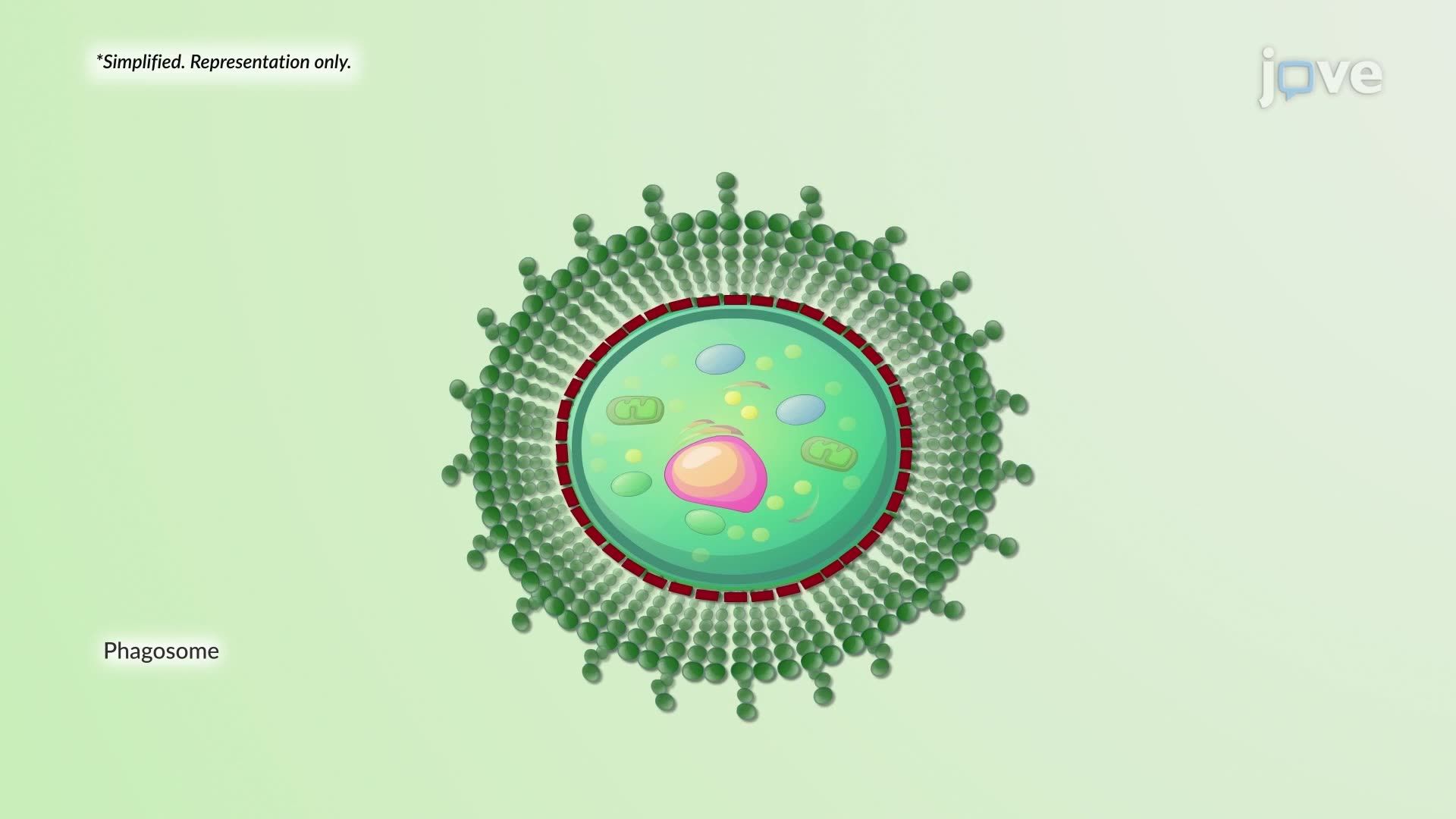
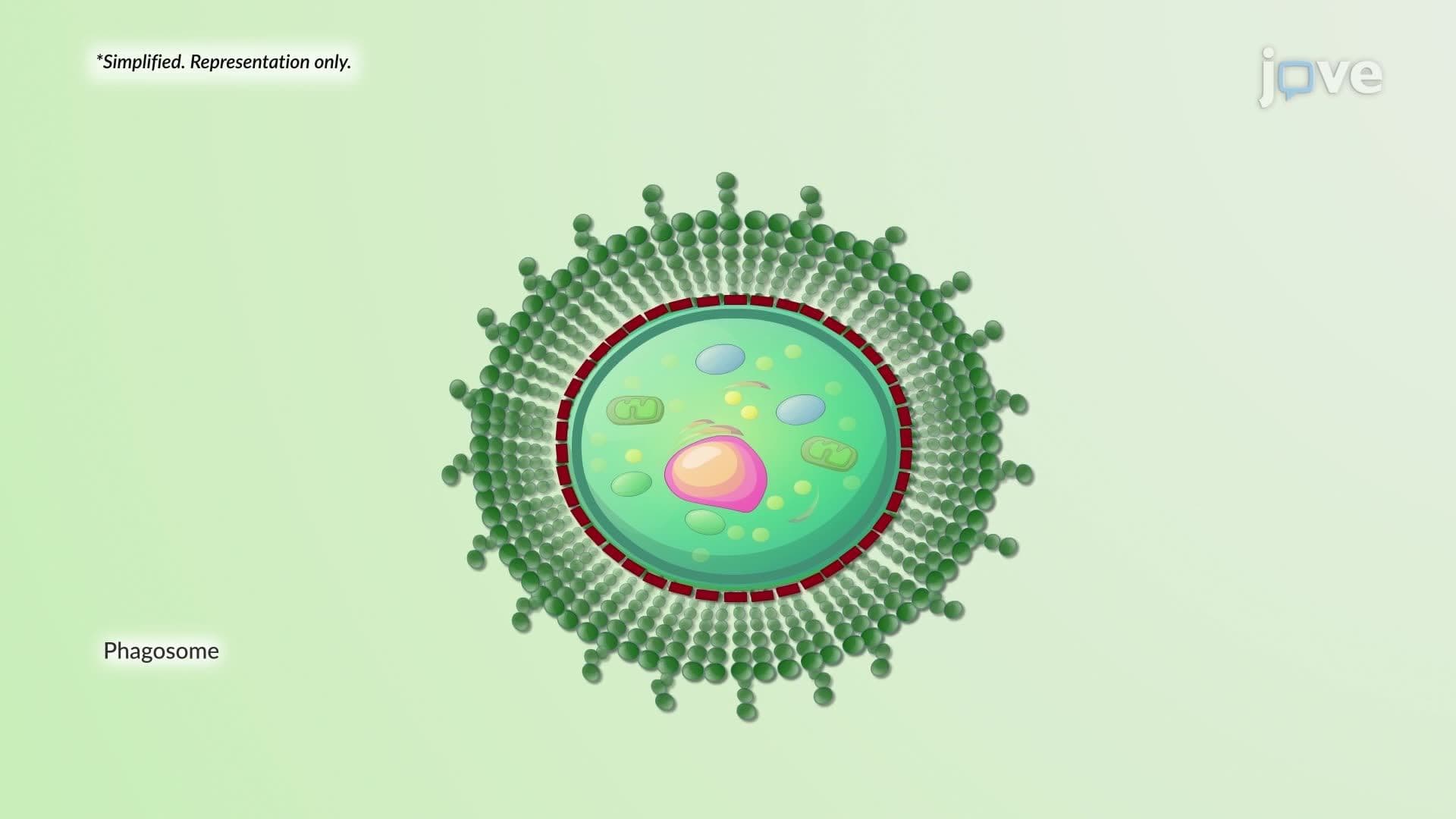
Transmission does not occur person to person. Instead, infection begins when a person inhales microscopic desiccated yeast cells or spores shed from environmental sources, most notably, aged bird droppings, particularly from pigeons. This is especially relevant in dense US urban environments where pigeon populations are large. Once inhaled, spores reach the lung alveoli, where the immune system's first responders, alveolar macrophages, attempt to destroy them through phagocytosis. However, *C. neoformans* is remarkably resilient. Inside macrophages, it enlarges, germinates, and begins producing its most powerful survival tools.
Two major virulence factors make *C. neoformans* especially dangerous. First, the polysaccharide capsule physically shields the yeast from immune recognition, suppressing complement activation and preventing effective phagocytic killing. Second, the fungus produces melanin, a pigment that neutralizes the reactive oxygen species macrophages use to destroy pathogens. Melanin also creates a significant clinical problem: it binds to antifungal agents such as amphotericin B and fluconazole, reducing drug effectiveness. This dual mechanism of immune evasion and drug interference is a favorite topic in college-level microbiology and pharmacology courses, and it frequently appears on MCAT biology sections.
After multiplying inside and escaping macrophages, the fungus enters the bloodstream, a process called fungemia. From there, *C. neoformans* targets the central nervous system using a remarkable molecular strategy. It secretes metalloproteinases, enzymes that degrade the extracellular matrix proteins stabilizing the blood-brain barrier, allowing the pathogen to breach this critical defense and enter the cerebrospinal fluid (CSF). Once inside the CSF, the fungus multiplies aggressively, triggering meningeal inflammation and physically obstructing CSF drainage pathways. The result is a dangerous rise in intracranial pressure, manifesting clinically as persistent and severe headache, high fever, neck stiffness, and progressive visual disturbances.
Understanding the pathophysiology of cryptococcal meningitis is essential preparation for the USMLE Step 1, NCLEX, and upper-level college microbiology or infectious disease coursework. High school AP Biology students benefit from studying this infection as a model of host-pathogen interaction, immune evasion, and the challenges of treating CNS infections. The case also illustrates a broader principle in mycology: fungi that can survive inside immune cells are inherently more difficult to eliminate, making prevention, particularly immune health management in HIV-positive patients, just as critical as treatment.
Related Micro-courses