Loading video…

 9 Concepts
 296 views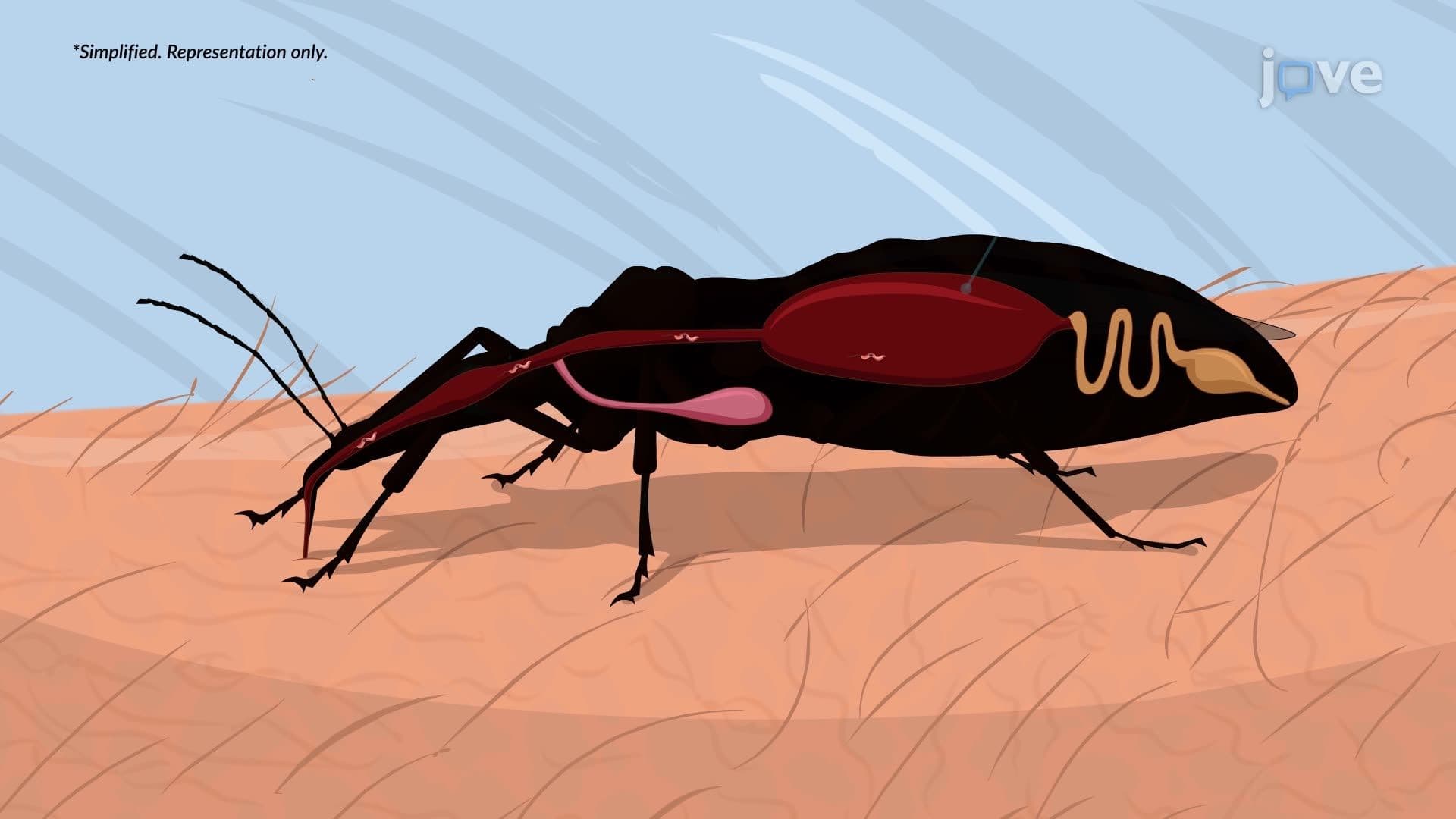

Video Summary: What Is American Trypanosomiasis
Ever wonder how a single bug bite can trigger a disease affecting over 300,000 people in the US alone? American trypanosomiasis, also called Chagas disease, is a parasitic infection caused by *Trypanosoma cruzi* and spread through triatomine "kissing bugs." Understanding American trypanosomiasis basics reveals a fascinating and dangerous life cycle hidden in plain sight. Watch the full video on JoVE Coach to master this concept with expert-led visuals and step-by-step explanations.
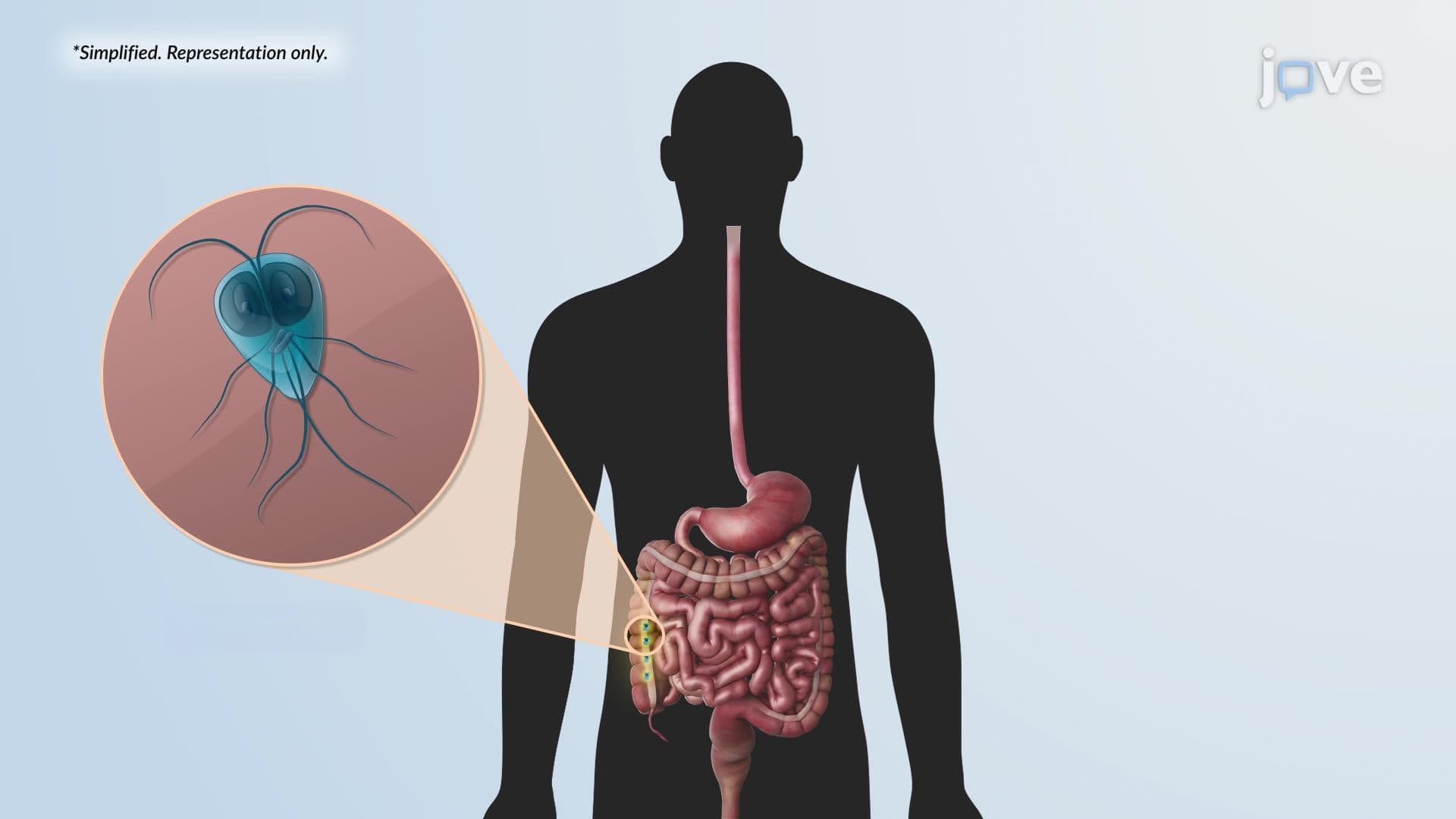
American trypanosomiasis, commonly known as Chagas disease, is a vector-borne zoonotic infection caused by the protozoan parasite *Trypanosoma cruzi*. It belongs to the phylum Euglenozoa and is transmitted primarily through triatomine insects, colloquially called "kissing bugs" because they tend to bite near the face during sleep. While often associated with Latin America, Chagas disease is an active public health concern in the southern United States, with the CDC estimating that roughly 300,000 people in the US are currently living with the infection, many of them undiagnosed.
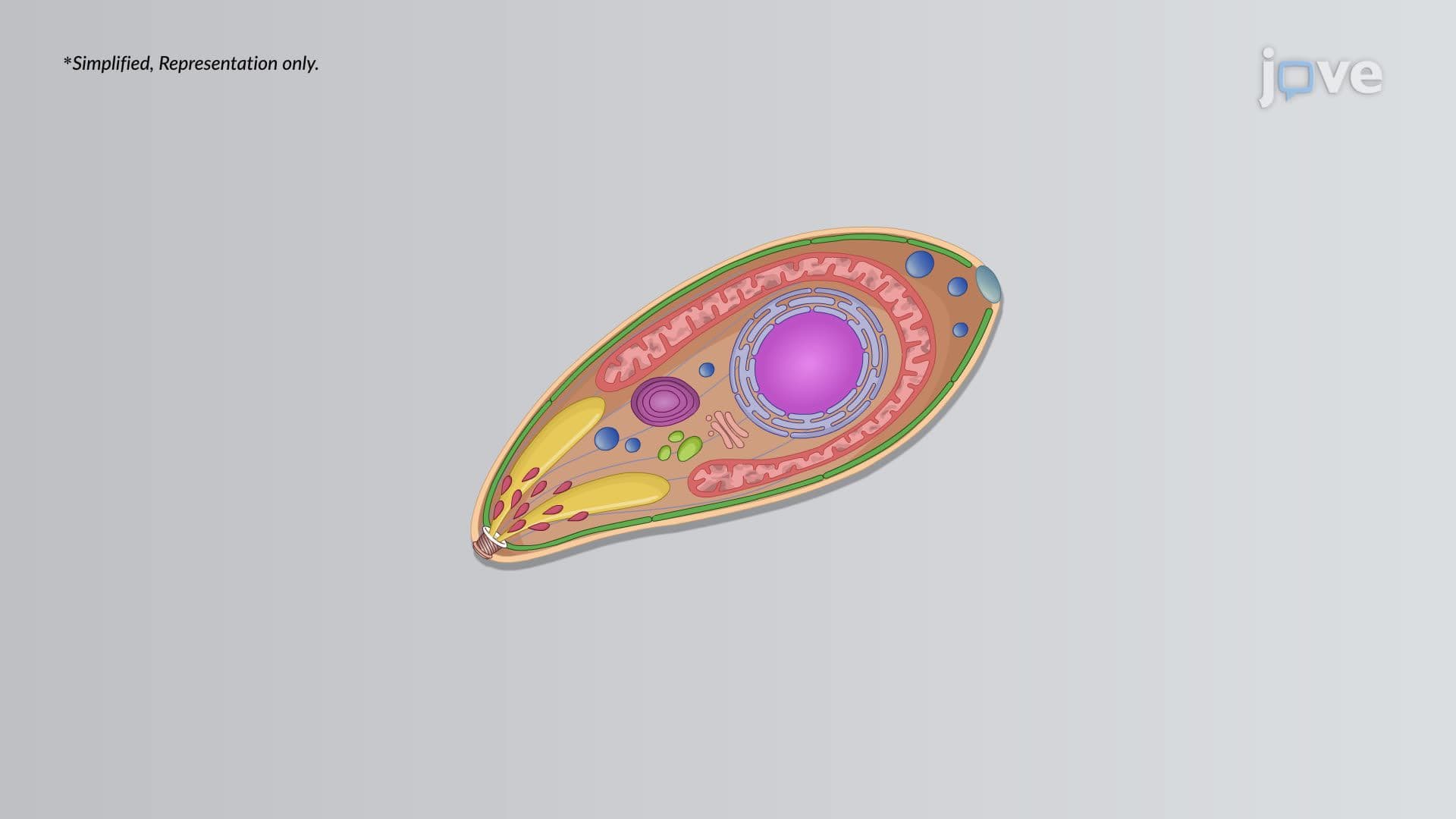
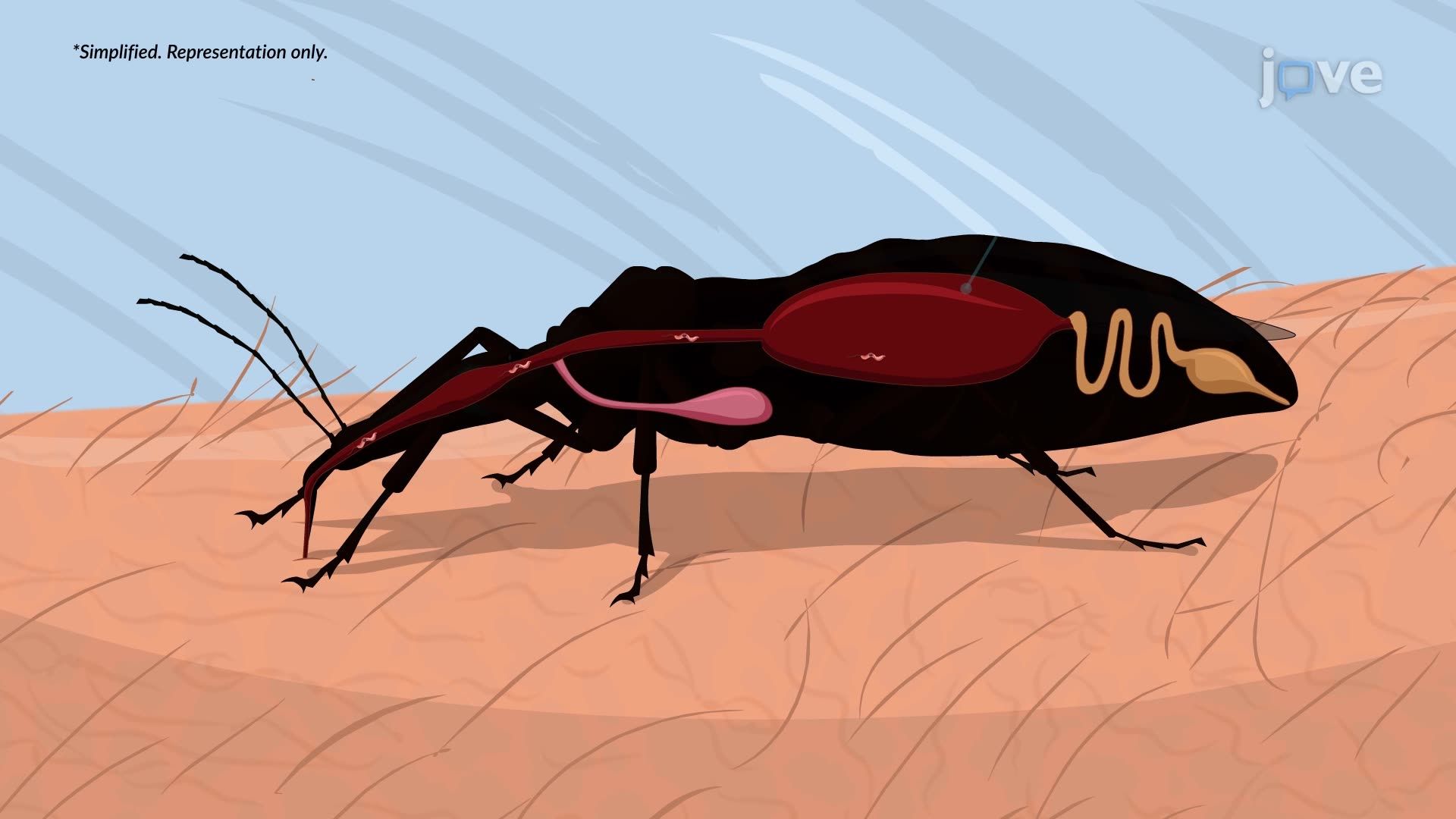
Understanding the life cycle of *T. cruzi* starts inside the triatomine bug itself. When an infected human or animal host is bitten, the bug ingests blood containing circulating trypomastigotes, the slender, flagellated form of the parasite found in the bloodstream. Inside the insect's midgut, these forms differentiate into epimastigotes, which are non-infectious and multiply rapidly through binary fission. As they migrate toward the hindgut, they transform once more into metacyclic trypomastigotes, the highly infectious form shed in the insect's feces.
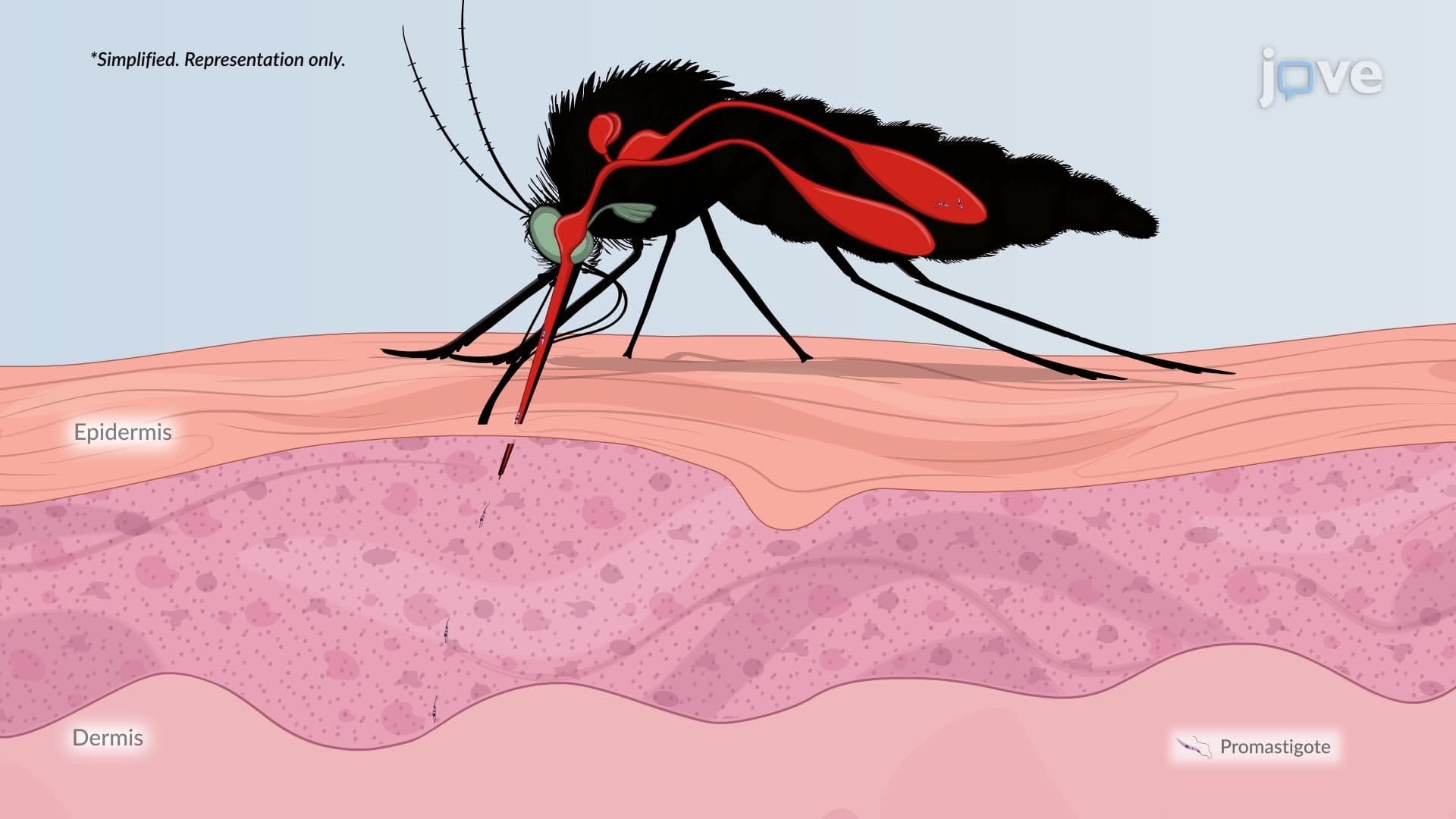
The transmission mechanism here is critically different from mosquito-borne diseases: the bug does not inject the parasite through its bite. Instead, it defecates on the skin near the bite wound, and when the host scratches the area, the fecal matter, loaded with metacyclic trypomastigotes, is rubbed into the broken skin or mucous membranes. This fecal-oral-adjacent route is a common point of confusion on AP Biology quizzes and MCAT passages and is worth committing to memory.
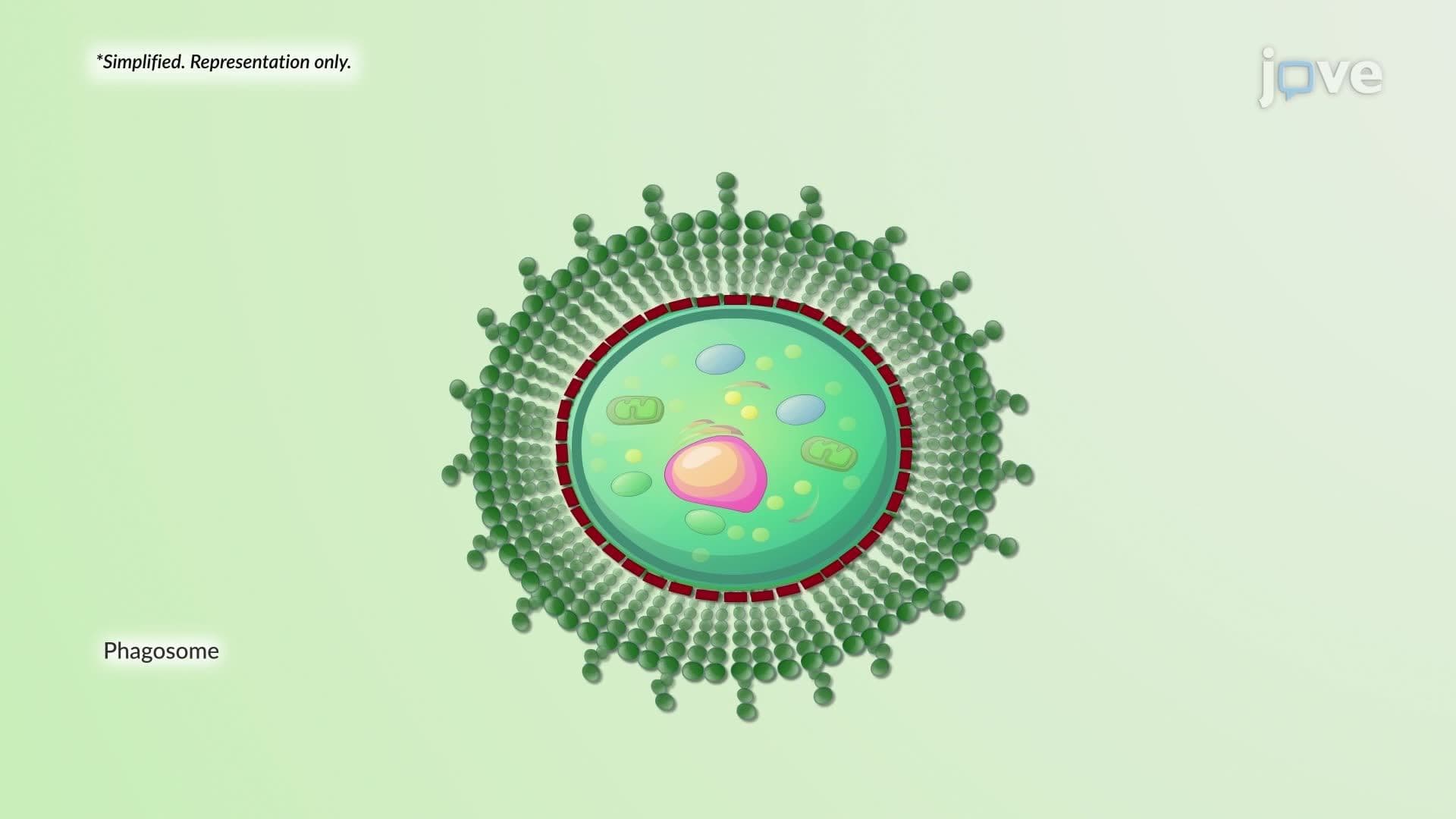
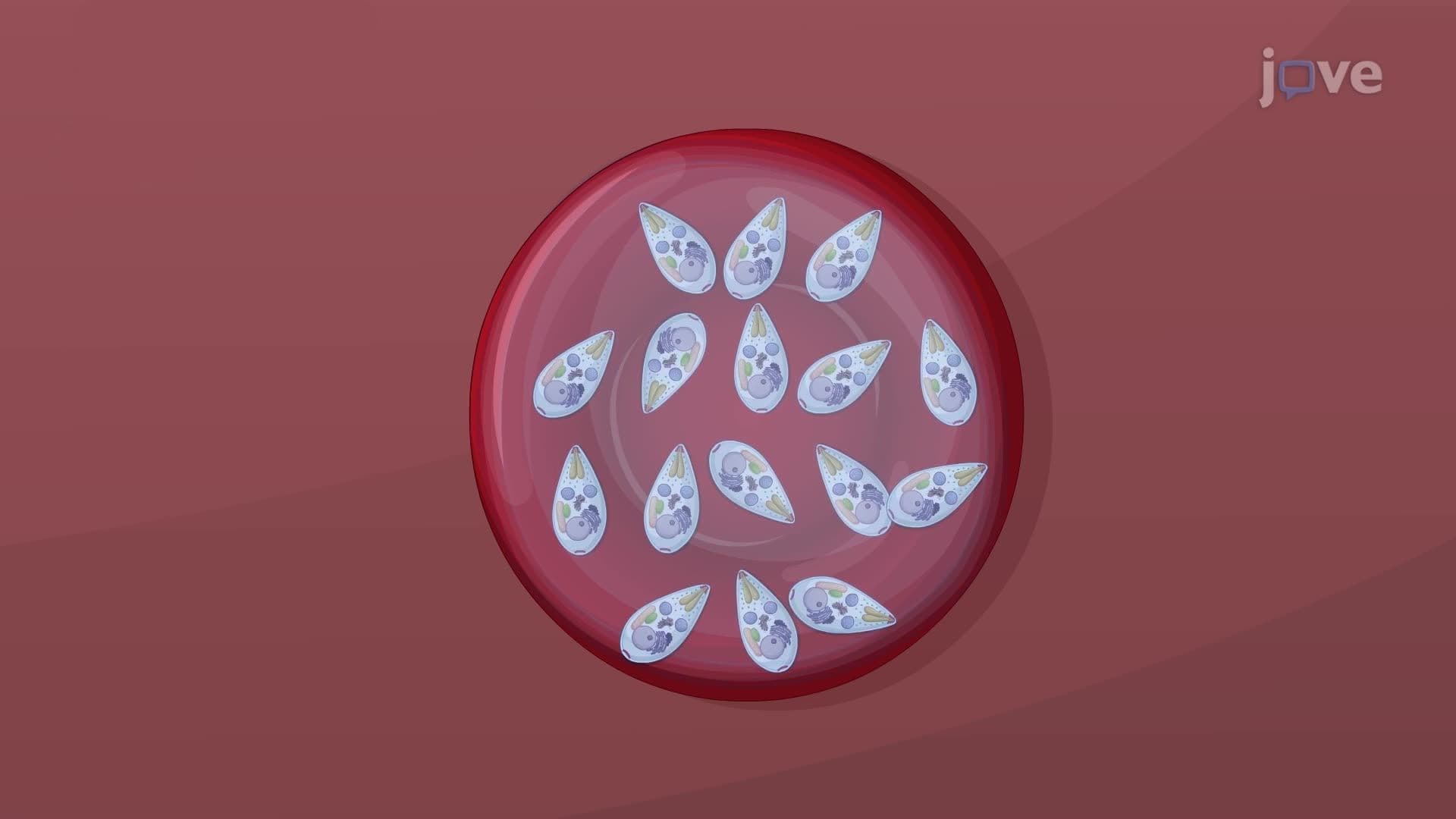
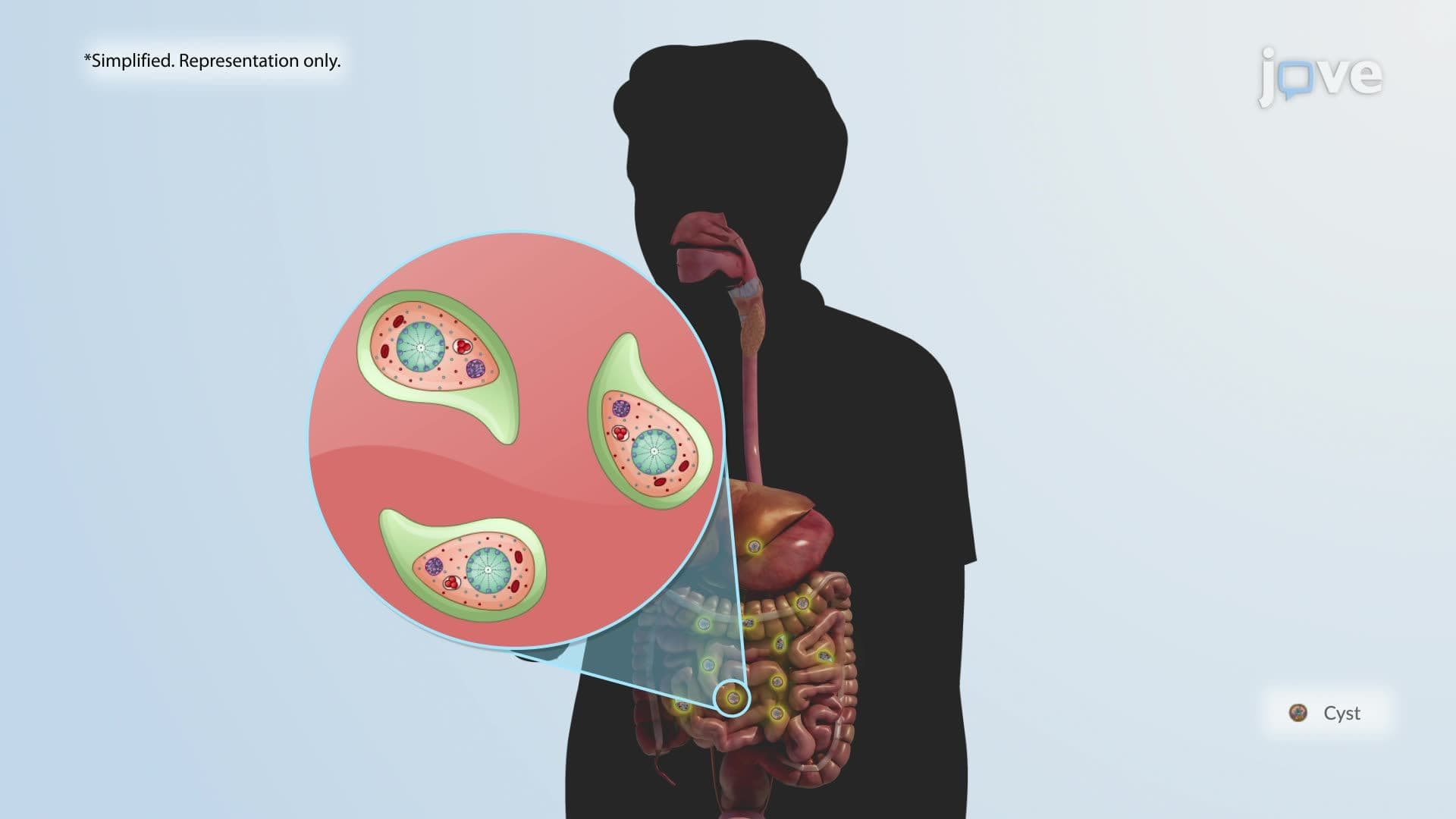
Once inside the human host, the metacyclic trypomastigotes invade cells at or near the entry site, often skin cells or macrophages. Inside the host cell, they transform into amastigotes, a rounder, non-motile intracellular form that replicates by binary fission within the cytoplasm. As amastigotes accumulate, they form dense clusters called pseudocysts. These structures are not true cysts, they lack a protective outer wall, but they pack enormous numbers of parasites into a single cell.
Eventually, the amastigotes differentiate back into trypomastigotes, rupture the host cell, and spill into the bloodstream. This cell-bursting stage is responsible for much of the inflammation and tissue damage seen in Chagas disease. The heart and digestive tract are particularly vulnerable, which is why chronic Chagas disease can cause cardiomyopathy and megaesophagus.
In US college biology, microbiology, and pre-med coursework, American trypanosomiasis frequently appears as a case study in parasitology units. For MCAT test-takers, the life cycle stages, and how they compare to Plasmodium (the malaria parasite), are high-yield material. For AP Biology students, the concept illustrates key themes such as how parasites exploit host cellular machinery and how vector-parasite-host relationships evolve. Unlike opportunistic fungal infections, which typically target immunocompromised patients, *T. cruzi* infects immunocompetent individuals, making it a useful contrast case when studying the spectrum of parasitic versus fungal disease mechanisms.
Related Micro-courses