Loading video…

 9 Concepts
 296 views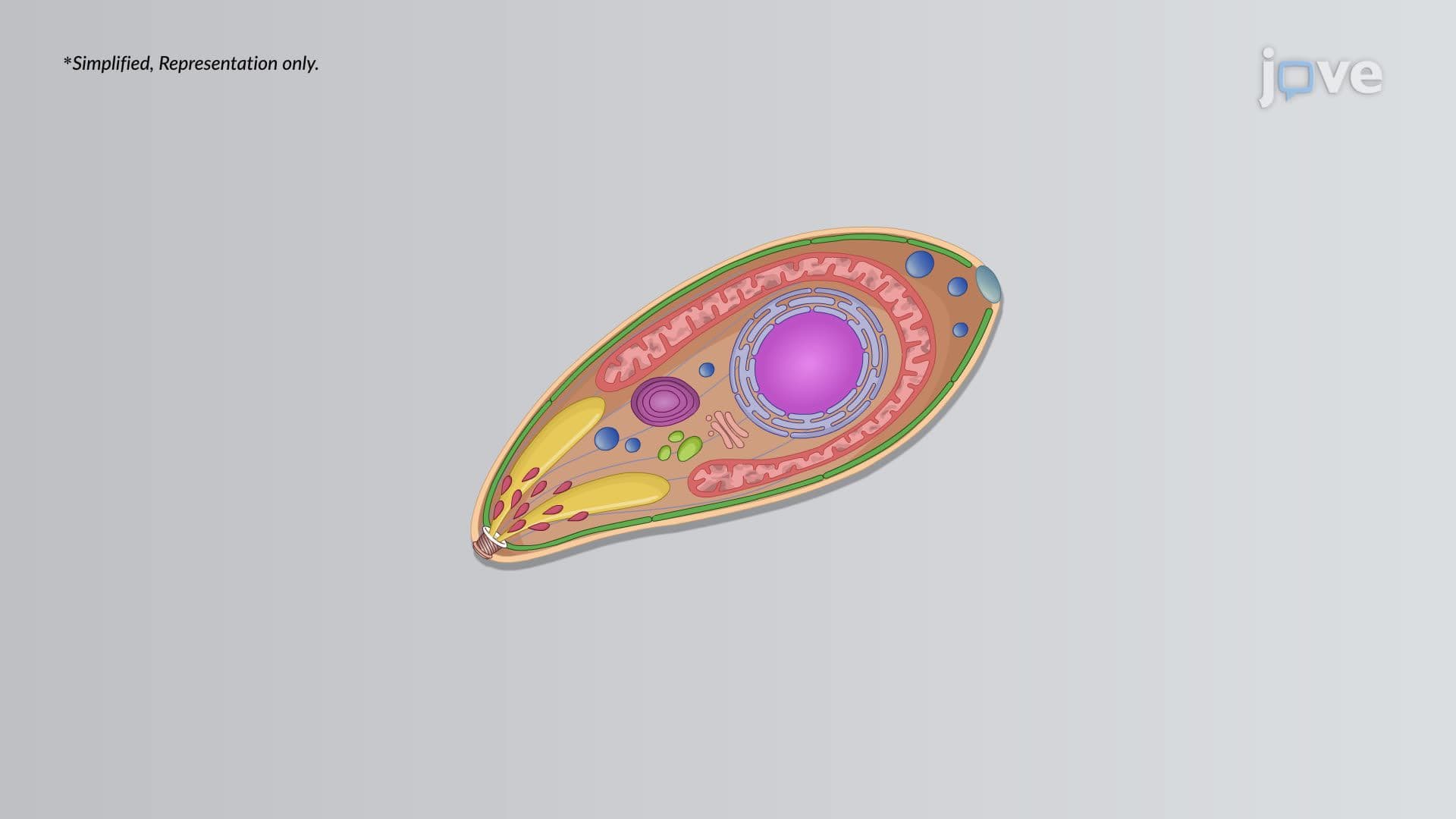

Video Summary: What Is Toxoplasmosis
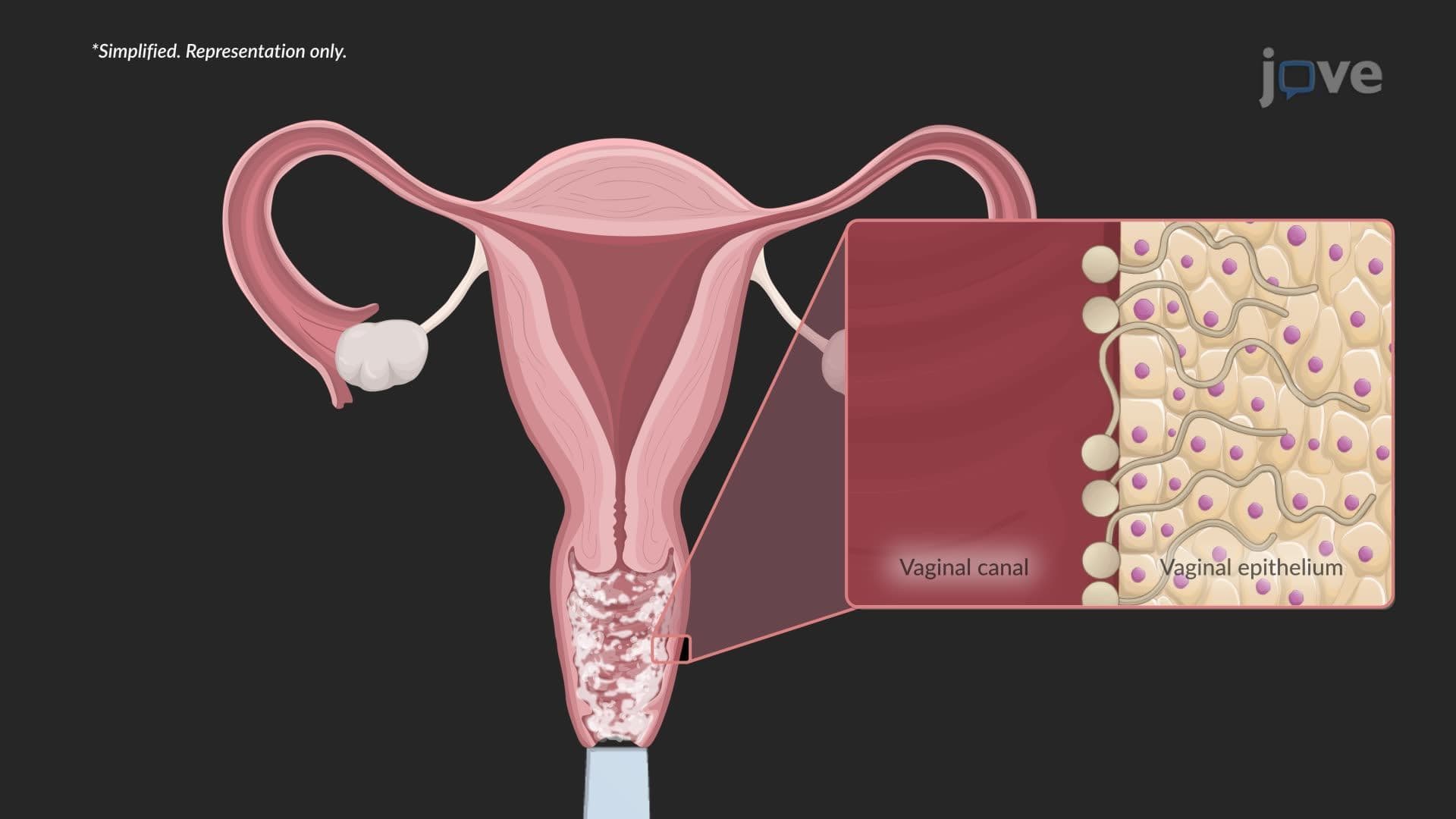
Did you know a common cat parasite might be silently living inside one-third of the global human population? Toxoplasmosis, a parasitic infection caused by *Toxoplasma gondii*, spreads through undercooked meat or contaminated cat litter and usually hides undetected in healthy individuals. In immunocompromised patients, such as HIV/AIDS patients at US hospitals, it can trigger life-threatening brain inflammation. Watch the full video on JoVE Coach to master this concept with expert-led visuals and step-by-step explanations.
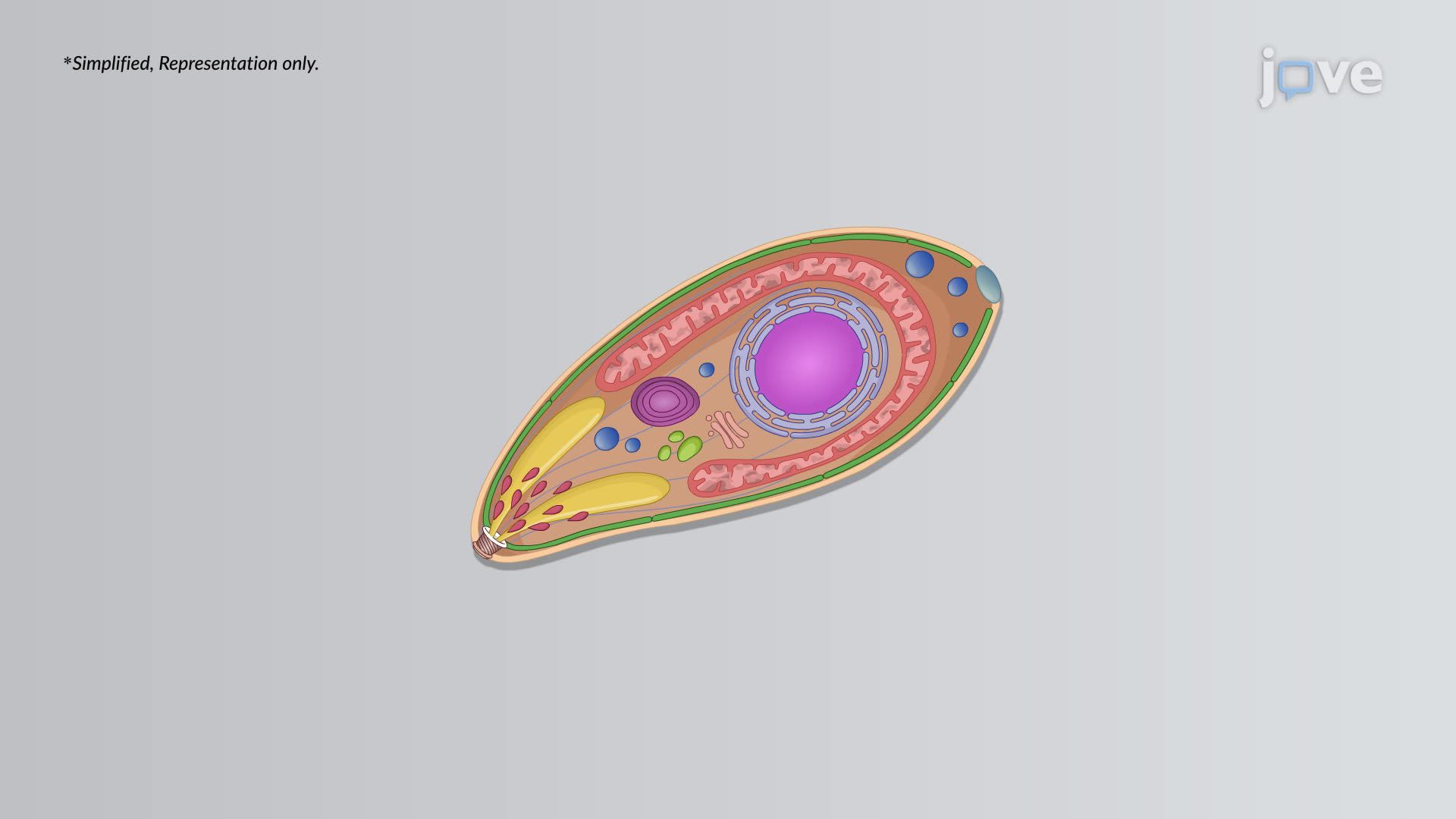
Toxoplasmosis is a parasitic disease caused by *Toxoplasma gondii*, an obligate intracellular protozoan classified within the phylum Apicomplexa, the same group that includes the malaria-causing *Plasmodium* species. It is one of the most widespread zoonotic infections in the world, meaning it naturally circulates between animals and humans. In the United States, the CDC estimates that approximately 11% of the population aged 6 and older has been infected with *T. gondii*, yet most healthy individuals never show symptoms. Understanding this infection is fundamental to courses in parasitology, microbiology, and immunology at both the high school AP Biology level and undergraduate pre-med programs.
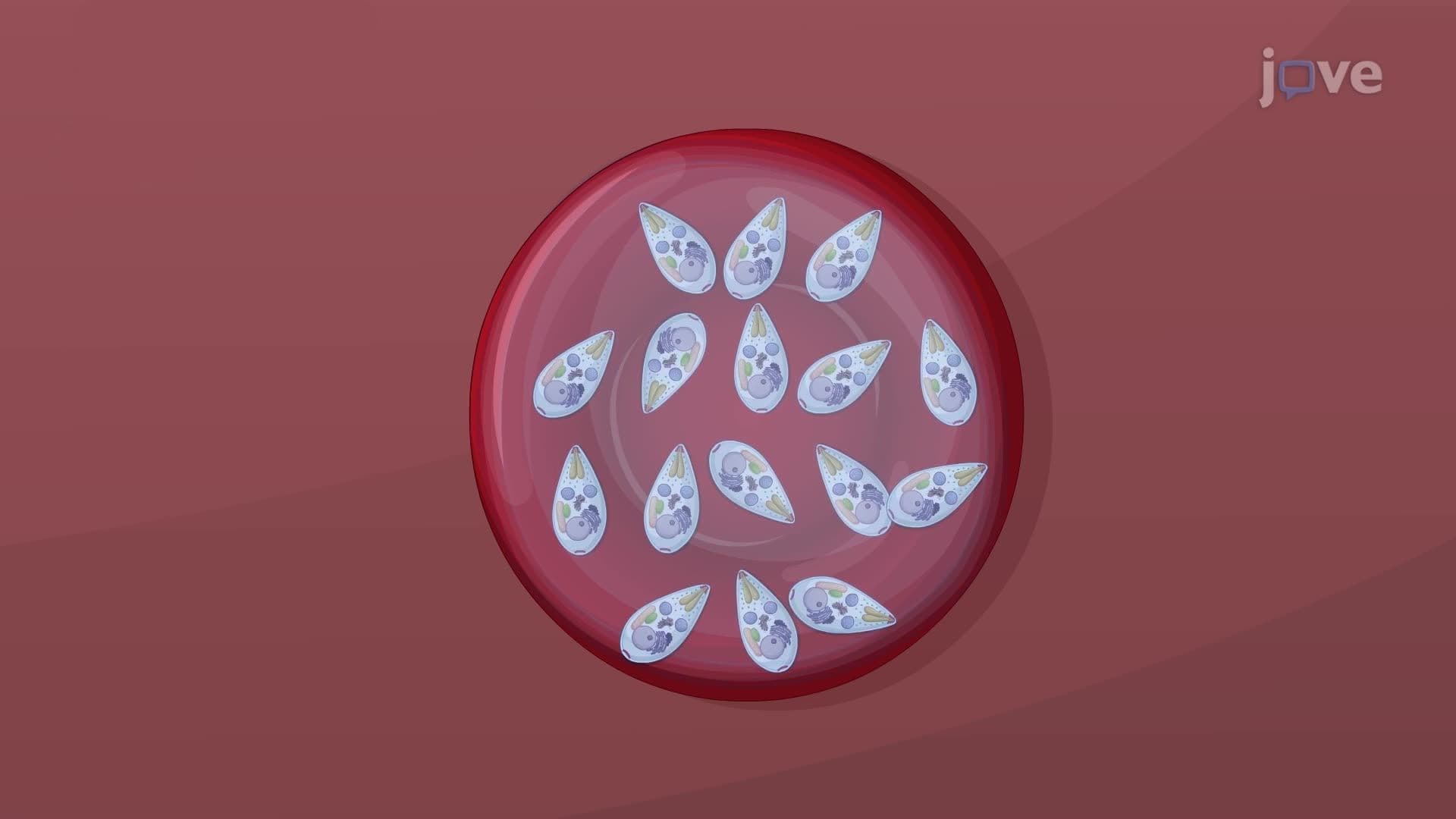
There are two major routes by which humans become infected. First, eating undercooked or raw meat, particularly pork, lamb, or venison, that contains tissue cysts packed with bradyzoites introduces the parasite directly into the digestive system. This is a well-documented concern in the US, where food safety guidelines specifically warn against consuming undercooked meat during pregnancy. Second, cats serve as the definitive host, meaning sexual reproduction of the parasite occurs only in the feline intestine. Infected cats shed oocysts in their feces, which then sporulate in the environment and can contaminate soil, water, and garden vegetables. Humans who accidentally ingest these sporulated oocysts, through unwashed hands, contaminated produce, or contact with litter boxes, can become infected. Pregnant women and immunocompromised individuals are advised by US public health authorities to avoid direct contact with cat litter for exactly this reason.
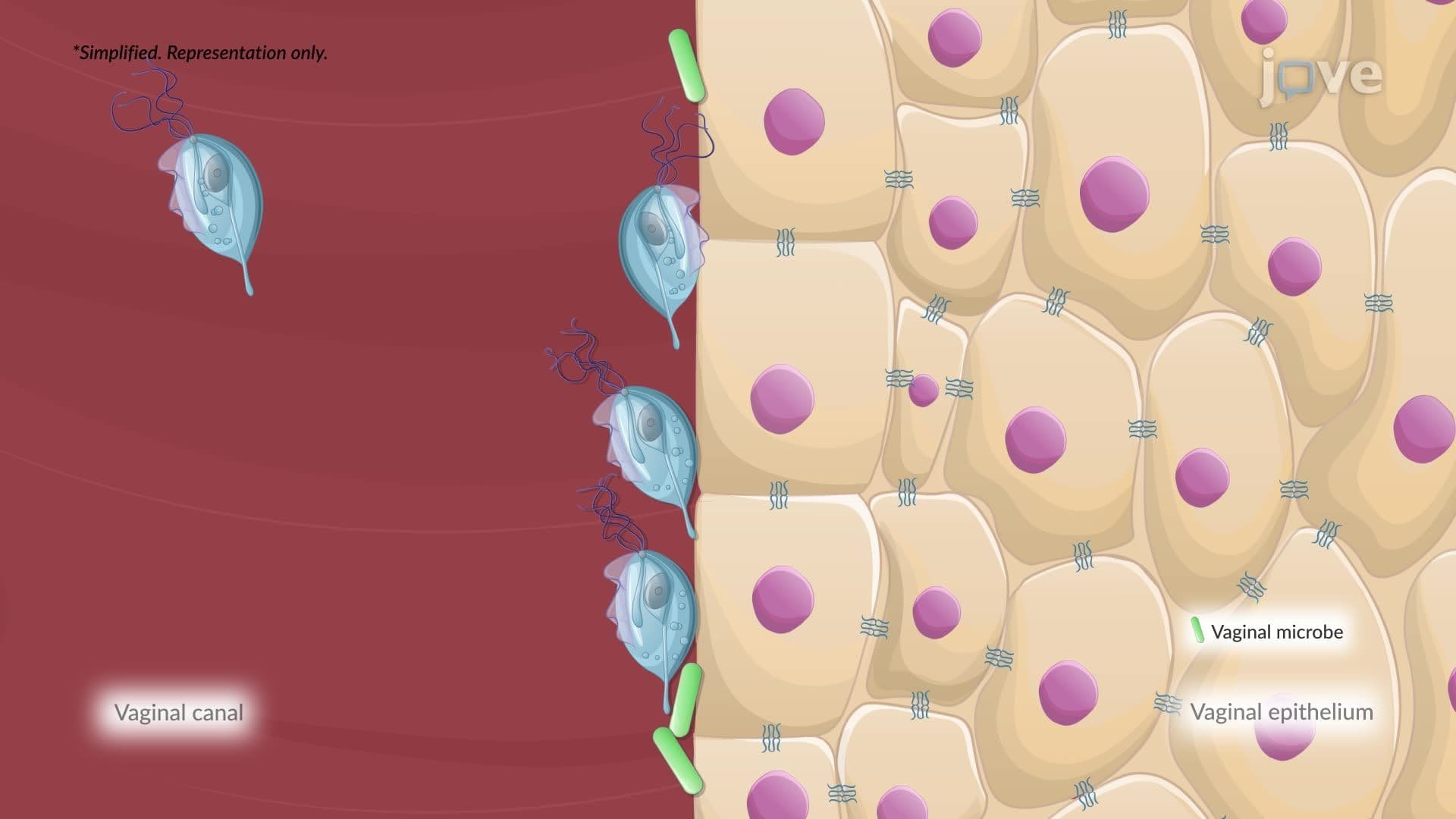
Once ingested, stomach acid and digestive enzymes break down the outer cyst wall, releasing sporozoites into the gut. These sporozoites rapidly invade the intestinal epithelial lining and transform into tachyzoites, fast-replicating forms of the parasite that aggressively invade nearby immune cells, including macrophages and dendritic cells. By hijacking these immune cells, tachyzoites essentially use the body's own defense system as a vehicle, traveling through the bloodstream and crossing the blood-brain barrier into the central nervous system. This stealthy dissemination strategy is a classic example of immune evasion and is commonly tested in college microbiology and MCAT preparation.
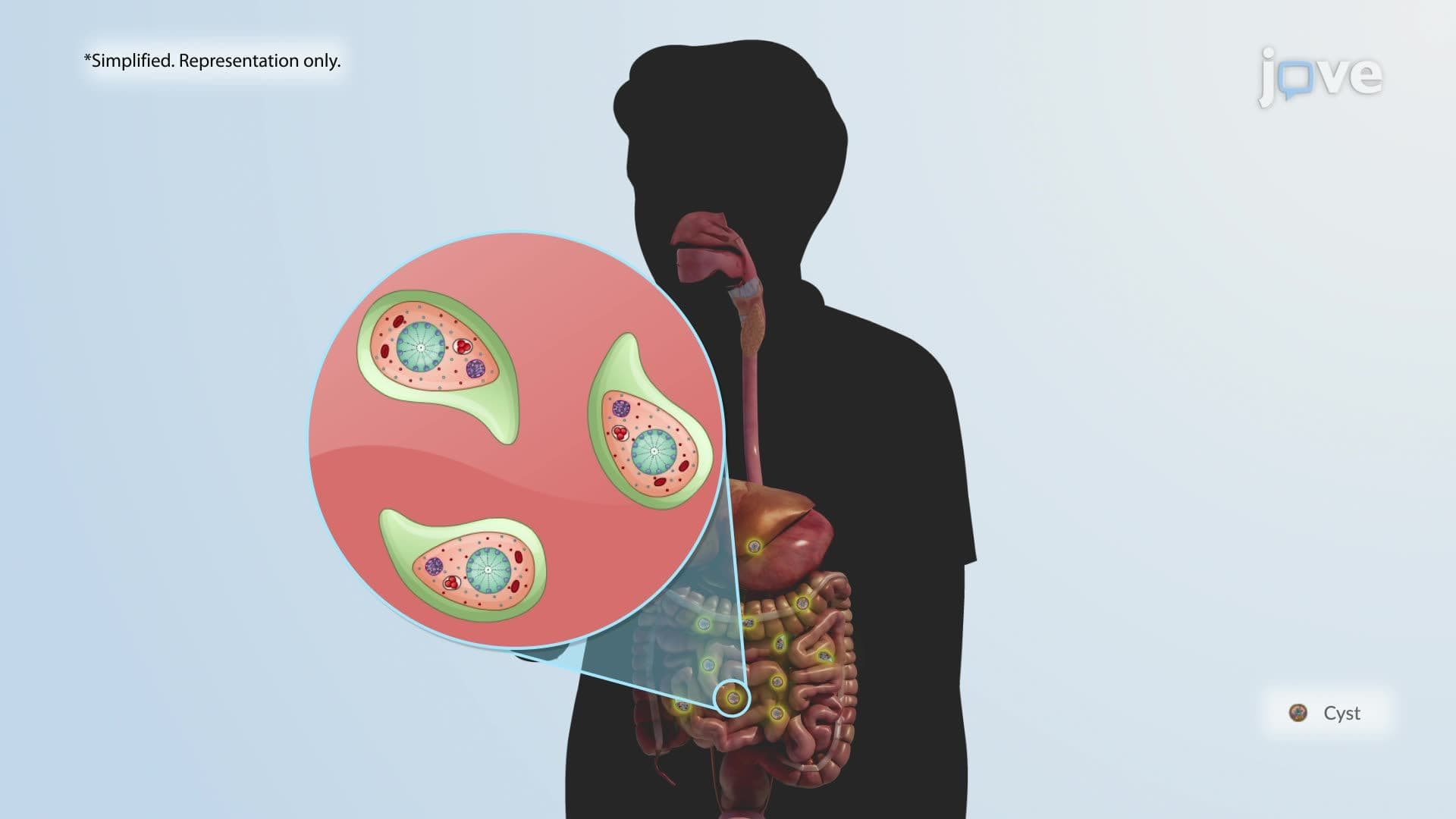
In response to spreading tachyzoites, the immune system releases interferon-gamma (IFN-γ), a key cytokine that limits parasite replication. Under this immune pressure, tachyzoites differentiate into bradyzoites, which form tough-walled tissue cysts primarily in the brain, heart, and skeletal muscle. In immunocompetent individuals, these cysts remain dormant indefinitely, a state of chronic, asymptomatic infection.
Toxoplasmosis becomes life-threatening when immune suppression allows dormant bradyzoites to convert back into fast-replicating tachyzoites. This reactivation most commonly causes toxoplasmic encephalitis, inflammation of brain tissue, seen in patients with advanced HIV/AIDS, organ transplant recipients on immunosuppressive therapy, and individuals receiving chemotherapy. In the US, toxoplasmic encephalitis was one of the leading causes of death in AIDS patients before the widespread use of antiretroviral therapy. Clinically, it presents with headache, confusion, seizures, and focal neurological deficits. On AP Biology exams, MCAT practice questions, and college midterms, students are frequently asked to connect immune suppression to opportunistic infection reactivation, and toxoplasmosis is a textbook example. Understanding the tachyzoite-bradyzoite conversion is also central to evaluating why certain antimicrobial treatments, such as pyrimethamine combined with sulfadiazine, must target the active tachyzoite stage to be effective.
Related Micro-courses