Loading video…

 9 Concepts
 296 views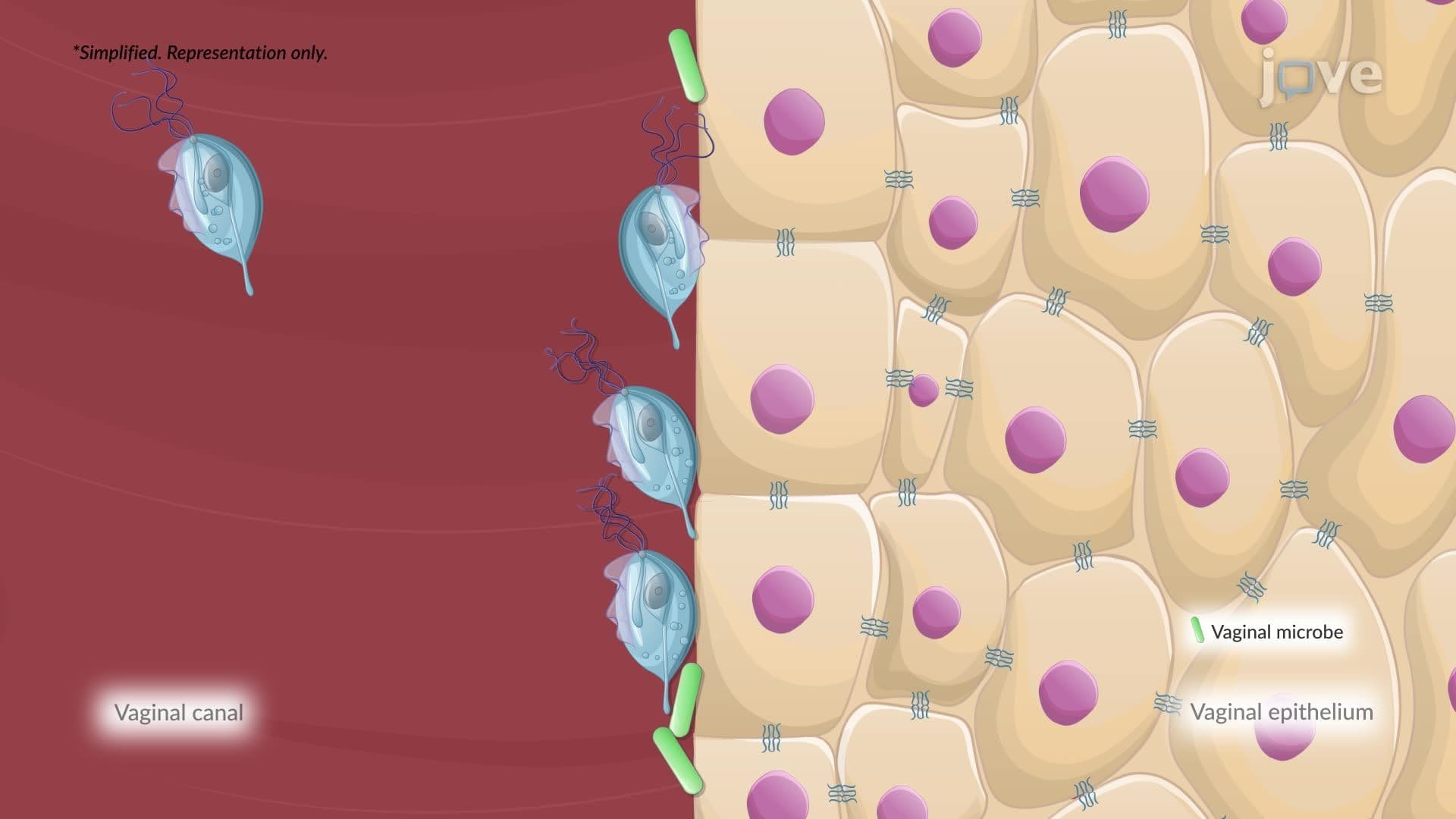

Video Summary: What Is Trichomoniasis
Did you know that trichomoniasis is the most common non-viral sexually transmitted infection in the United States, affecting millions of people yearly, yet most never show symptoms? Trichomoniasis basics start with a microscopic parasite, *Trichomonas vaginalis*, that silently damages reproductive tissue and raises HIV risk. Each year, US college health clinics screen thousands of students for this overlooked infection. Watch the full video on JoVE Coach to master this concept with expert-led visuals and step-by-step explanations.
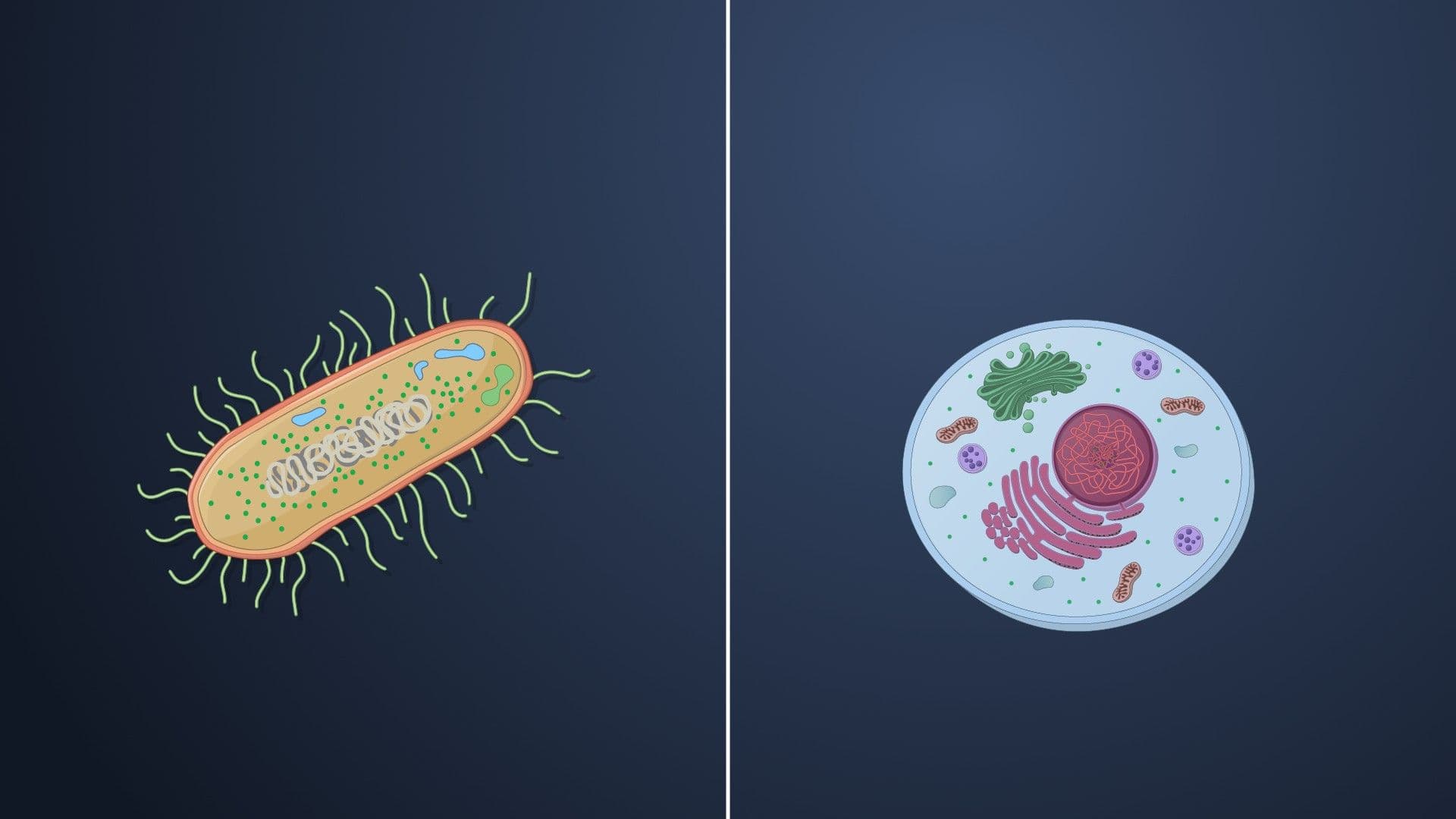
Trichomoniasis is a sexually transmitted infection (STI) caused by *Trichomonas vaginalis*, a single-celled protozoan parasite. Unlike bacterial STIs such as chlamydia or viral STIs like herpes, *T. vaginalis* belongs to the domain of eukaryotic parasites, placing it squarely within the field of parasitology. It is the most common curable non-viral STI in the United States, with the CDC estimating approximately 2.6 million new infections annually. Despite its prevalence, roughly 70% of infected individuals experience no symptoms, making routine screening critically important in US sexual health guidelines.
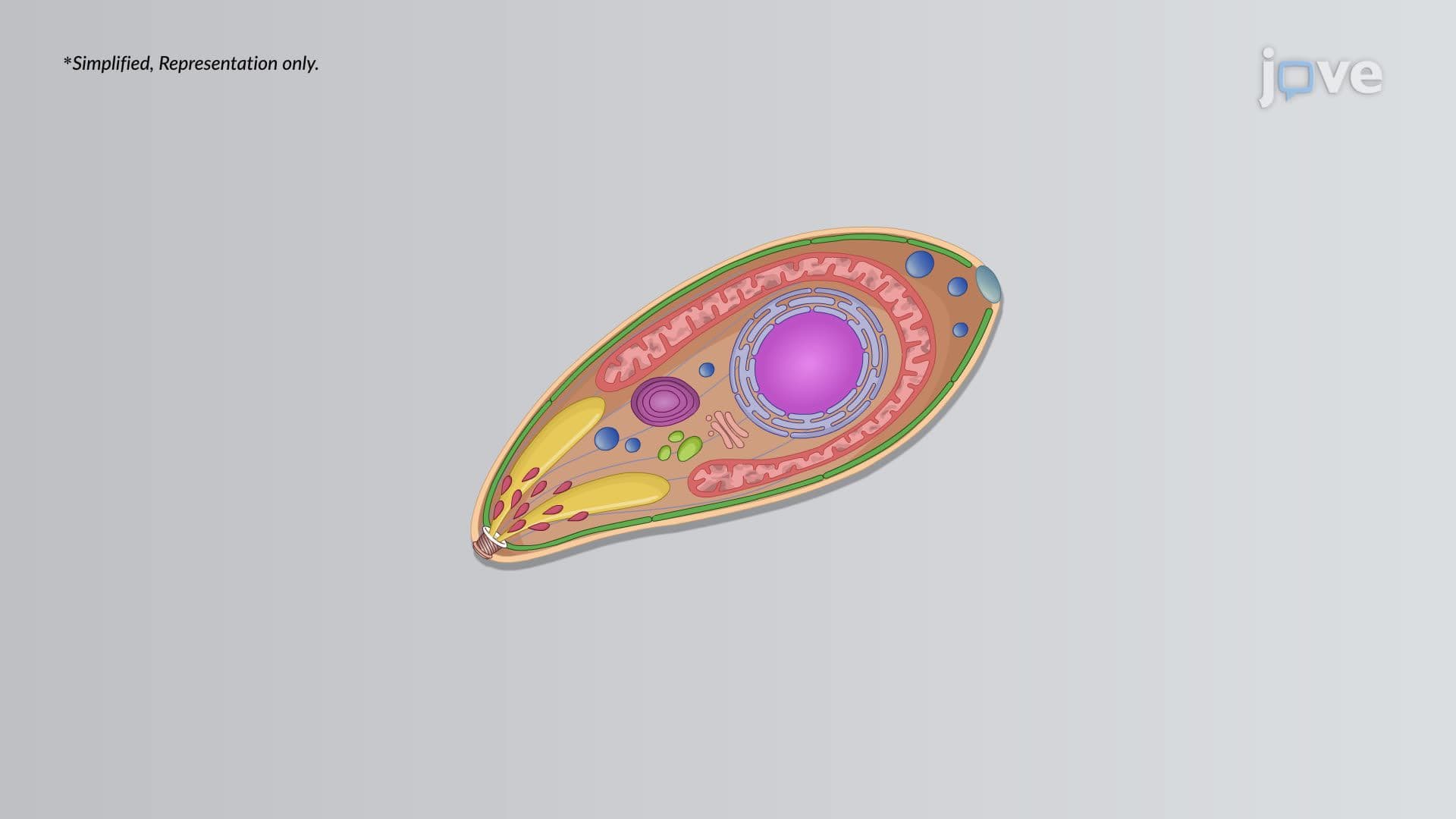
What makes *Trichomonas vaginalis* biologically fascinating, and frequently tested in college biology and MCAT prep, is its unusual cellular architecture. The organism is anaerobic, meaning it thrives in low-oxygen environments. It lacks mitochondria entirely, instead relying on hydrogenosomes, specialized organelles that generate energy through anaerobic metabolism. This feature distinguishes it from most other eukaryotes and is a high-yield detail for exams.
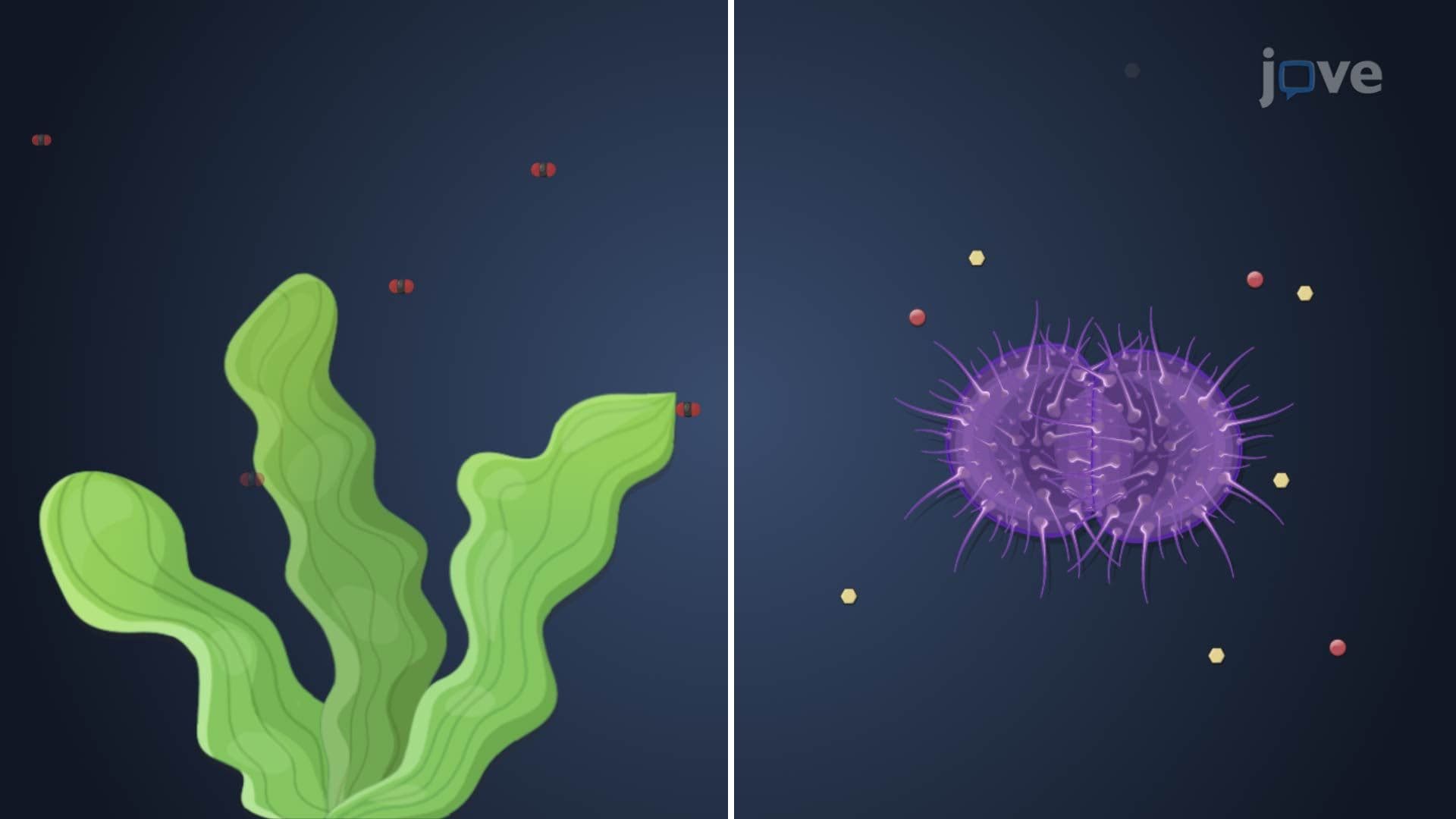
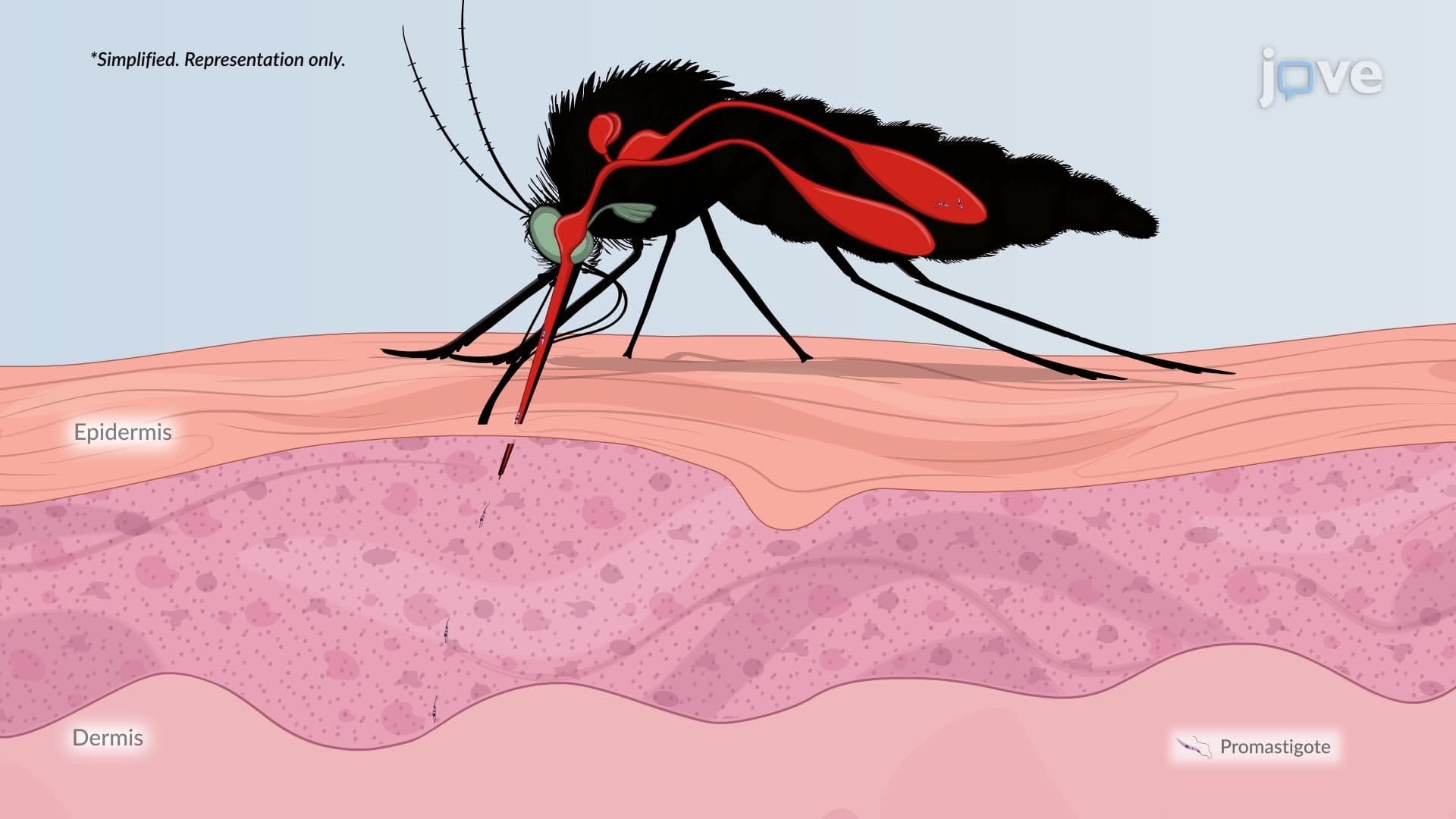
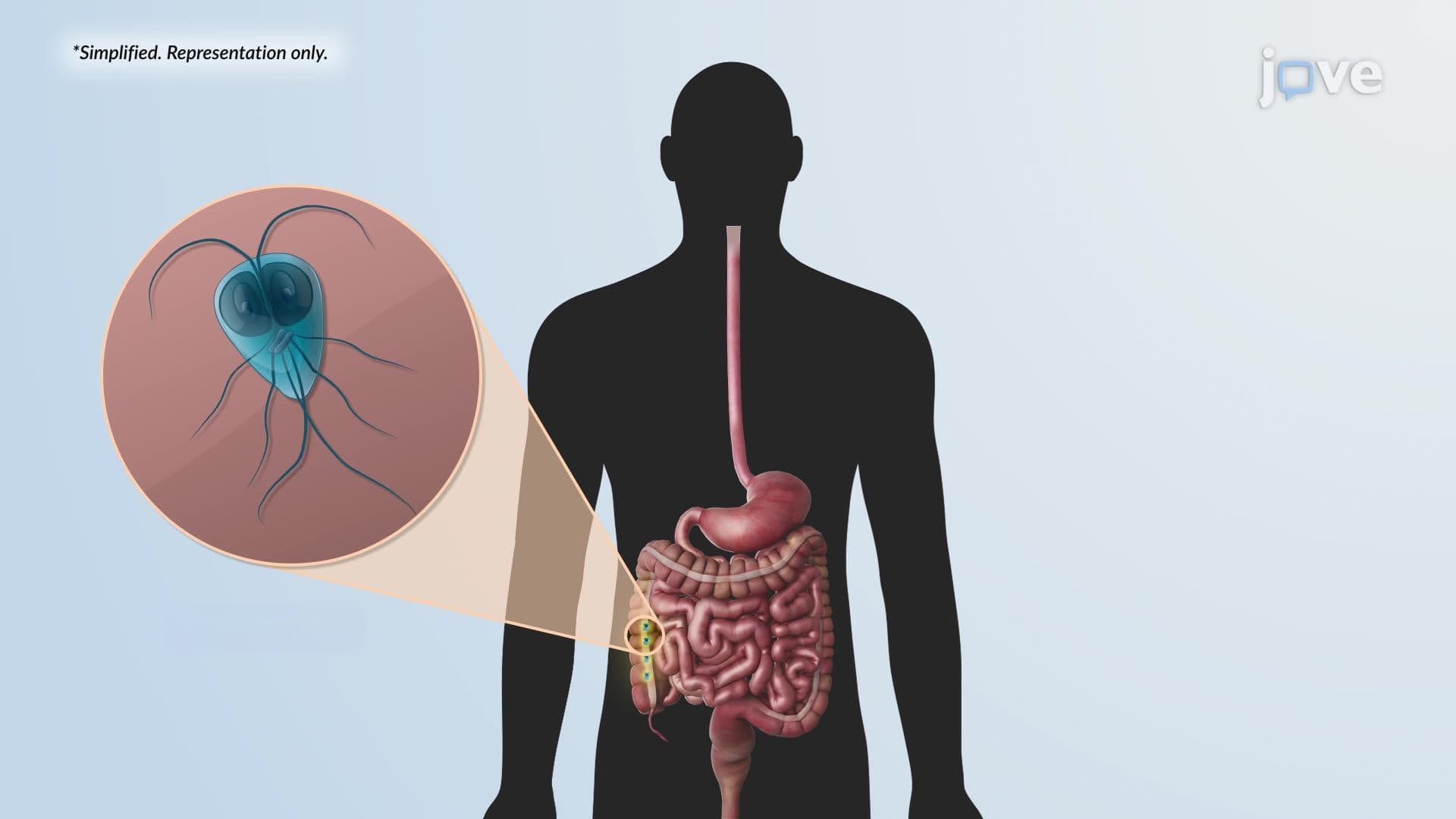
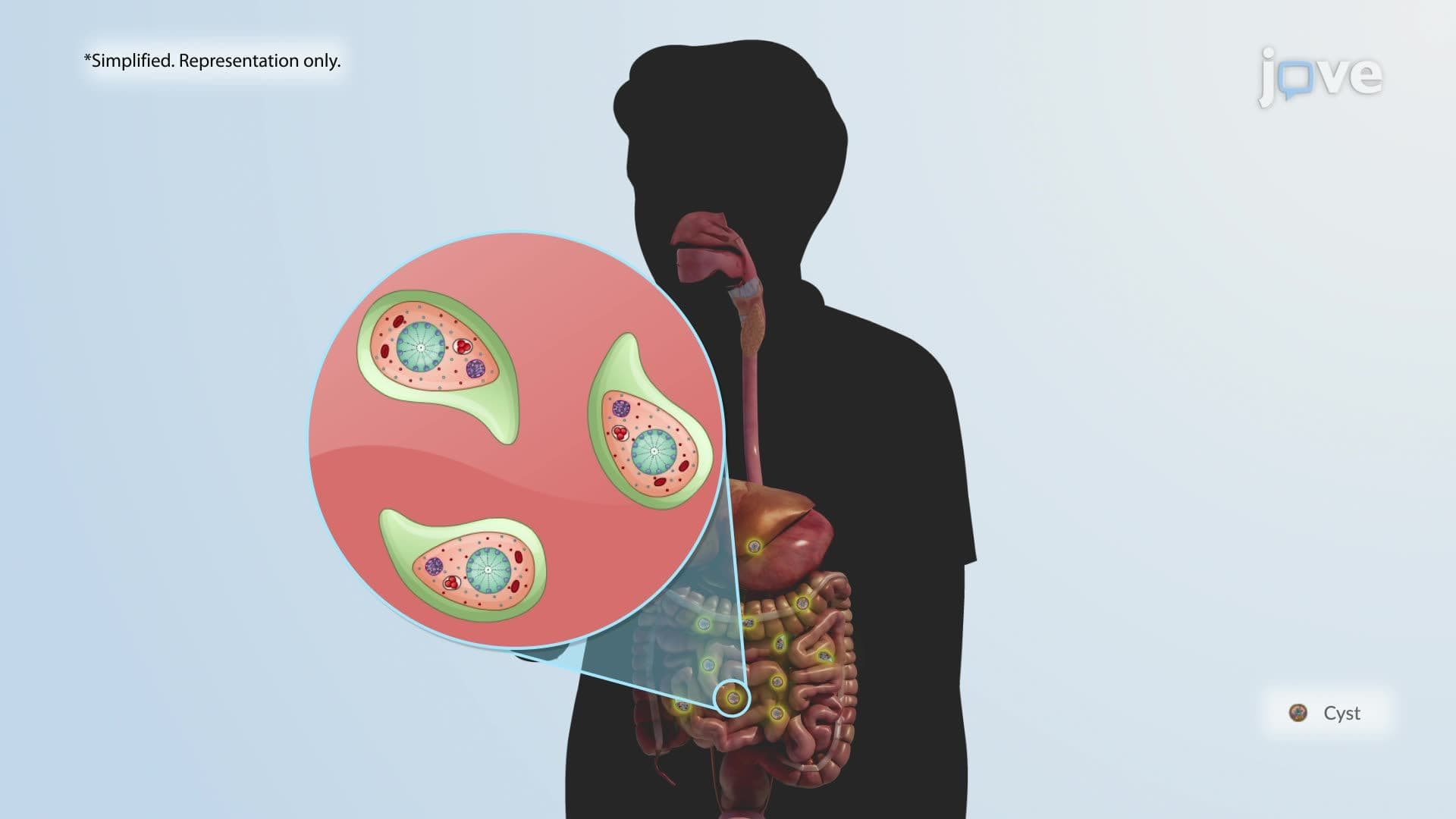
Additionally, *T. vaginalis* exists exclusively in the trophozoite stage, it does not form cysts or undergo the complex multi-stage life cycles seen in parasites like *Plasmodium* (the malaria-causing organism) or *Giardia*. The trophozoite replicates through binary fission, a simple asexual division process. Understanding the life cycle of parasites in comparative terms helps students categorize and remember these distinctions more effectively.
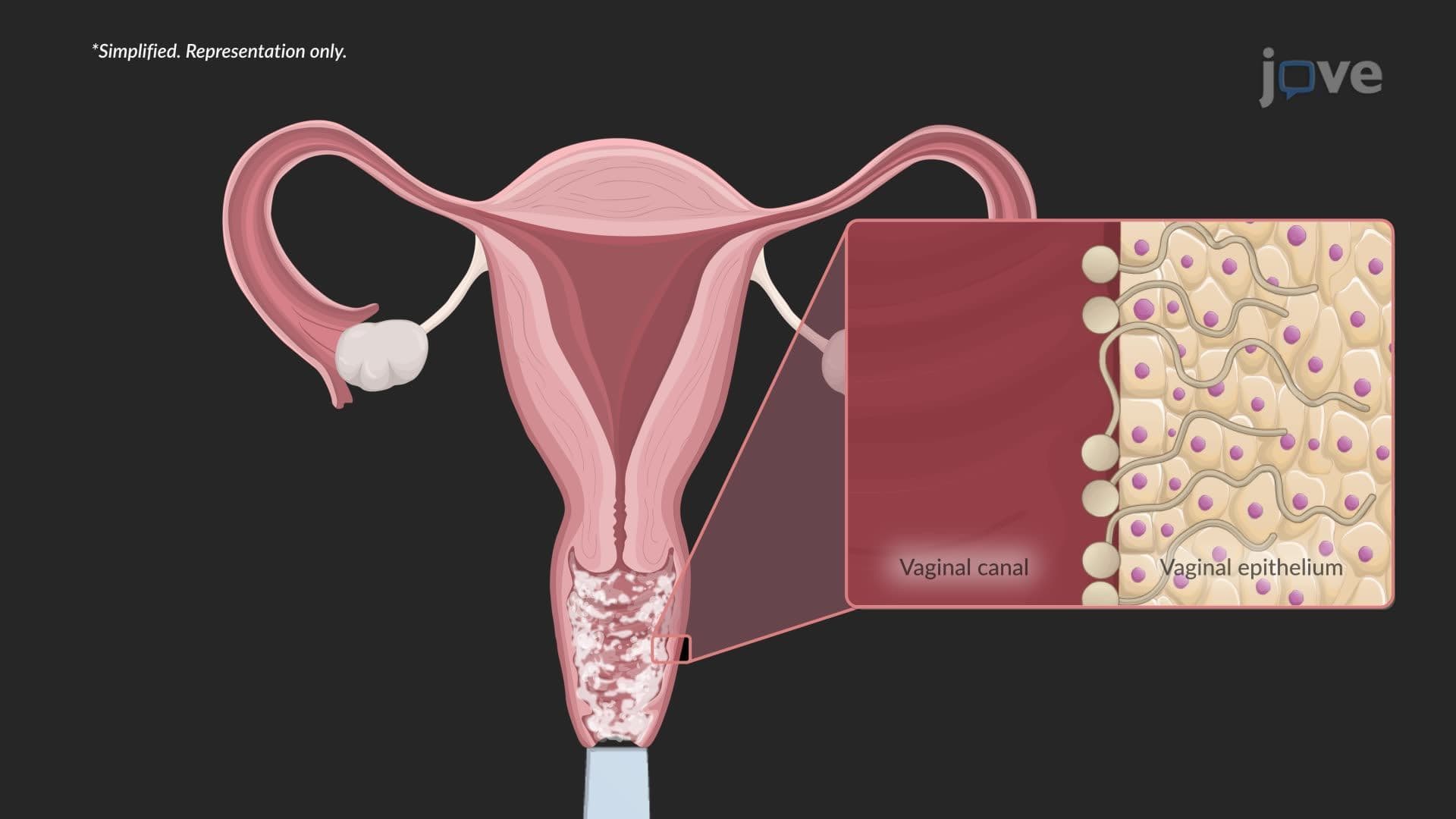
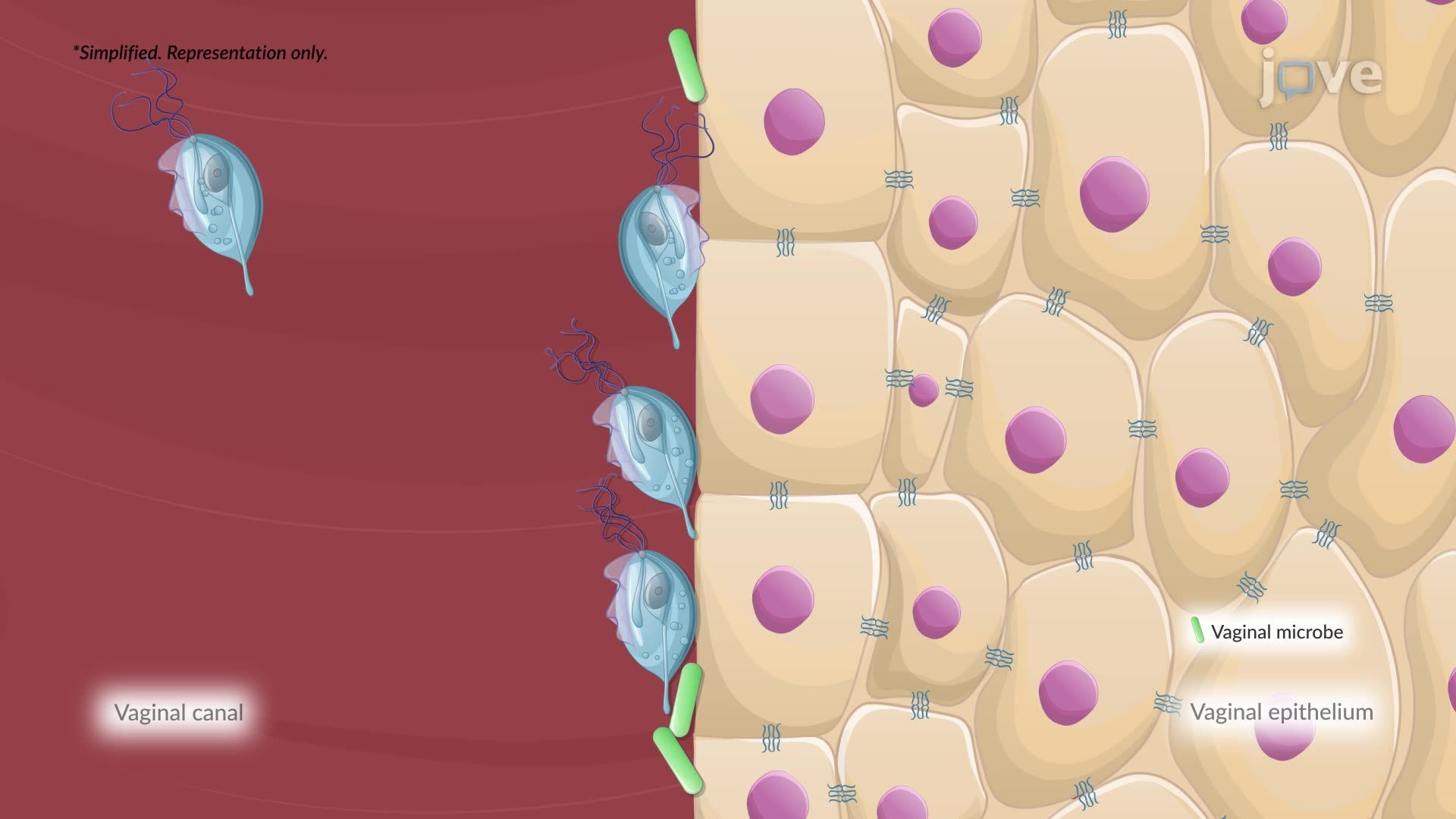
Once transmitted through direct sexual contact, *T. vaginalis* colonizes the lower reproductive tract. In females, trophozoites attach to the vaginal epithelium using surface adhesins, specialized proteins that act like molecular anchors. After attachment, the parasite releases cytotoxic proteins that degrade the tight junctions holding epithelial cells together. This breach triggers cellular apoptosis (programmed cell death) and the physical sloughing of epithelial layers, producing the characteristic mucosal inflammation seen in symptomatic cases.
The parasite also disrupts the vaginal microbiome, displacing beneficial *Lactobacillus* species that normally maintain an acidic, protective environment. This disruption mirrors what is seen in bacterial vaginosis and underscores why microbial ecology matters in reproductive health. For US pre-nursing students studying for the NCLEX or HESI A2, understanding this cascade of tissue damage is essential for grasping clinical presentations and treatment rationale.
One of the most clinically significant consequences of trichomoniasis is its role as a co-infection amplifier. By eroding the mucosal epithelial barrier, *T. vaginalis* substantially increases a host's susceptibility to other STIs, most notably HIV. This connection is heavily emphasized in US public health curricula and appears on standardized exams including the USMLE Step 1 for medical students. In communities where trichomoniasis rates are elevated, HIV transmission risk is correspondingly higher, a real-world relationship that drives CDC screening recommendations for sexually active women under 25 and high-risk populations.
For AP Biology students or undergraduates in introductory microbiology or human sexuality courses at US universities, trichomoniasis serves as a model case for understanding how a single pathogen can amplify broader public health challenges through immune disruption and microbiome dysregulation.
Related Micro-courses