Loading subject page…

287 views

Video Summary: What Is Candidiasis
Did you know that a harmless fungus already living inside your body can suddenly turn into an infection? Candidiasis, a common opportunistic fungal infection, occurs when *Candida* species overgrow and overwhelm the body's natural defenses. Vaginal candidiasis alone affects roughly 75% of American women at least once in their lifetime, making it one of the most widespread fungal conditions in the US. Watch the full video on JoVE Coach to master this concept with expert-led visuals and step-by-step explanations.
Candidiasis is an opportunistic fungal infection caused by fungi belonging to the genus *Candida*, most commonly *Candida albicans*. What makes this infection uniquely fascinating, and clinically relevant, is that the causative organism is not an external invader. It already exists as a normal, harmless resident of the human microbiome. It colonizes the mouth, gastrointestinal tract, skin, and vaginal lining without causing disease under healthy conditions. Candidiasis only develops when the delicate balance between host immunity and microbial populations is disrupted.
Several well-documented factors shift *Candida* from a benign commensal to an aggressive pathogen. Broad-spectrum antibiotic use is one of the most common triggers in the US, antibiotics eliminate competing bacterial populations, such as *Lactobacillus* species in the vaginal microbiota, creating an opening for *Candida* overgrowth. Immunosuppression, whether from HIV/AIDS, corticosteroid therapy, or cancer chemotherapy, significantly increases susceptibility. Hormonal changes associated with pregnancy, oral contraceptive use, or uncontrolled diabetes also alter the vaginal environment in ways that favor fungal proliferation. Understanding these triggers is essential for recognizing high-risk populations in both clinical and academic settings.
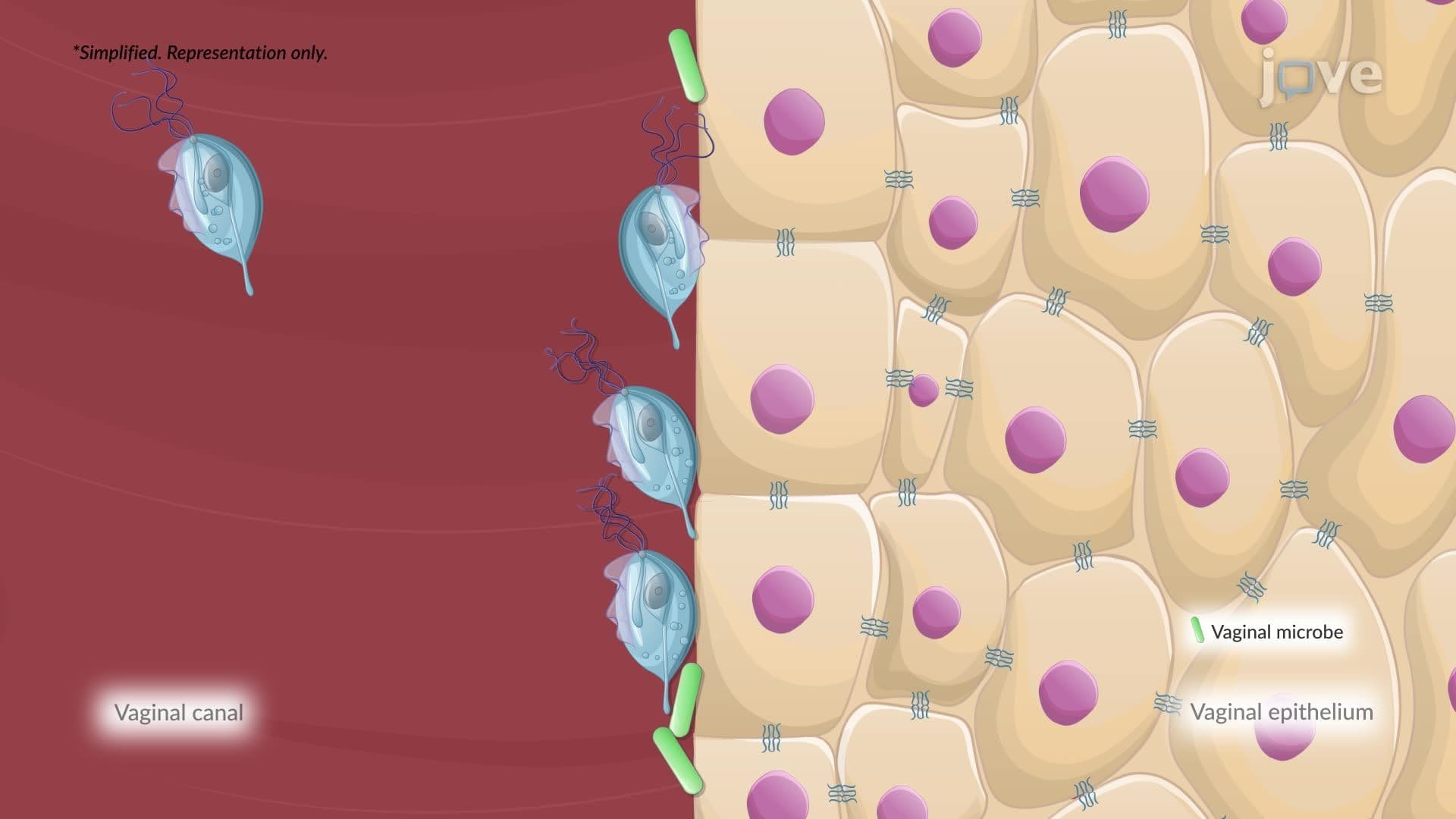
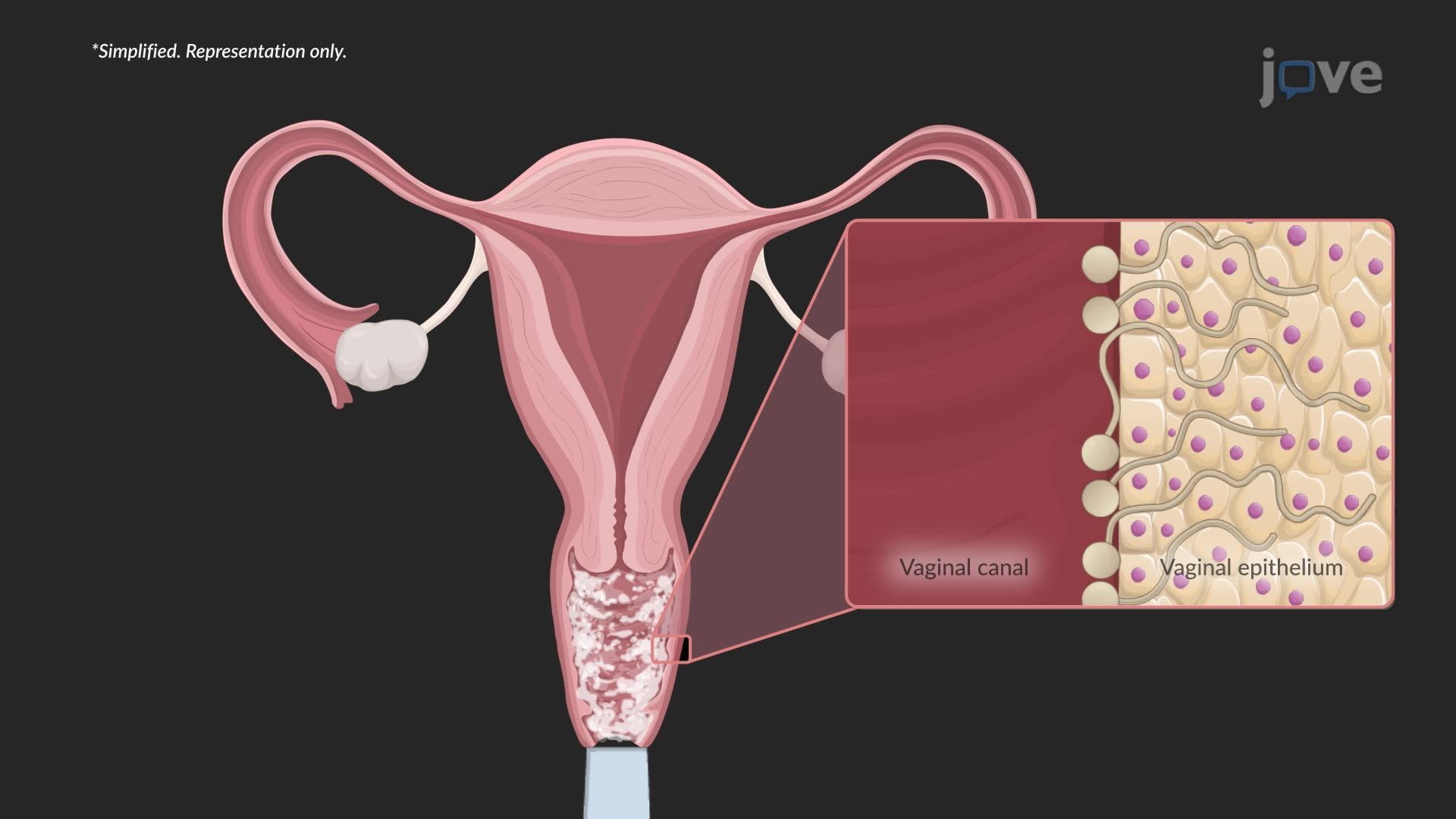
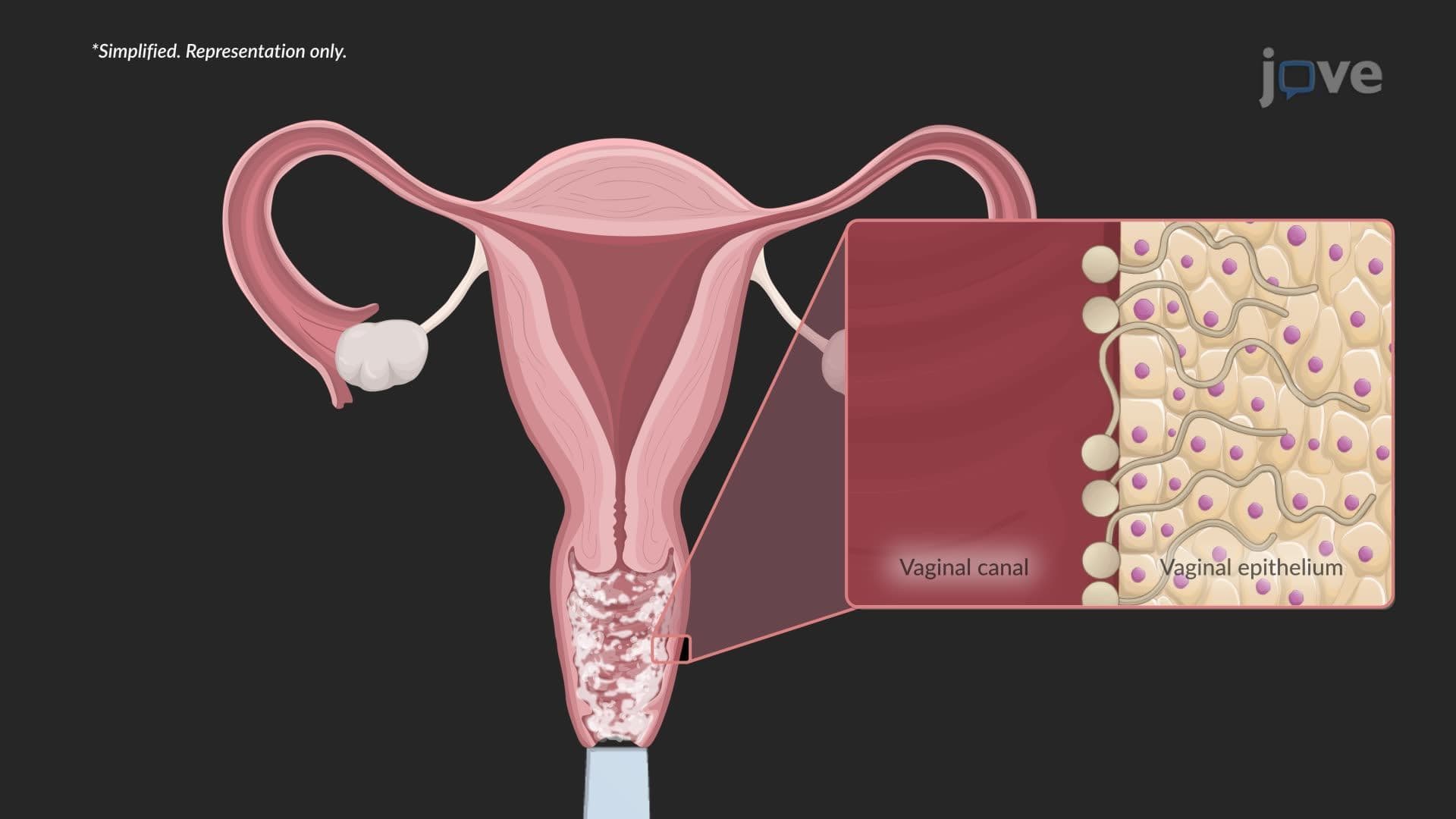
The biology of *Candida* infection involves a striking morphological switch. Under favorable conditions, such as elevated body temperature and a neutral pH, *Candida* transitions from a relatively benign, spherical yeast form into long, filamentous structures called hyphae. This hyphal form is far more invasive. Hyphae physically penetrate epithelial cells and secrete proteinases and lipases, enzymes that break down tissue proteins and lipids to facilitate deeper invasion. *Candida* also constructs biofilms, dense, organized communities of fungal cells enclosed in a protective matrix. Biofilms are particularly problematic in clinical settings because they dramatically reduce the effectiveness of antifungal drugs and help the fungus evade immune surveillance. This is a major reason why recurrent or drug-resistant candidiasis is increasingly studied in US medical research.
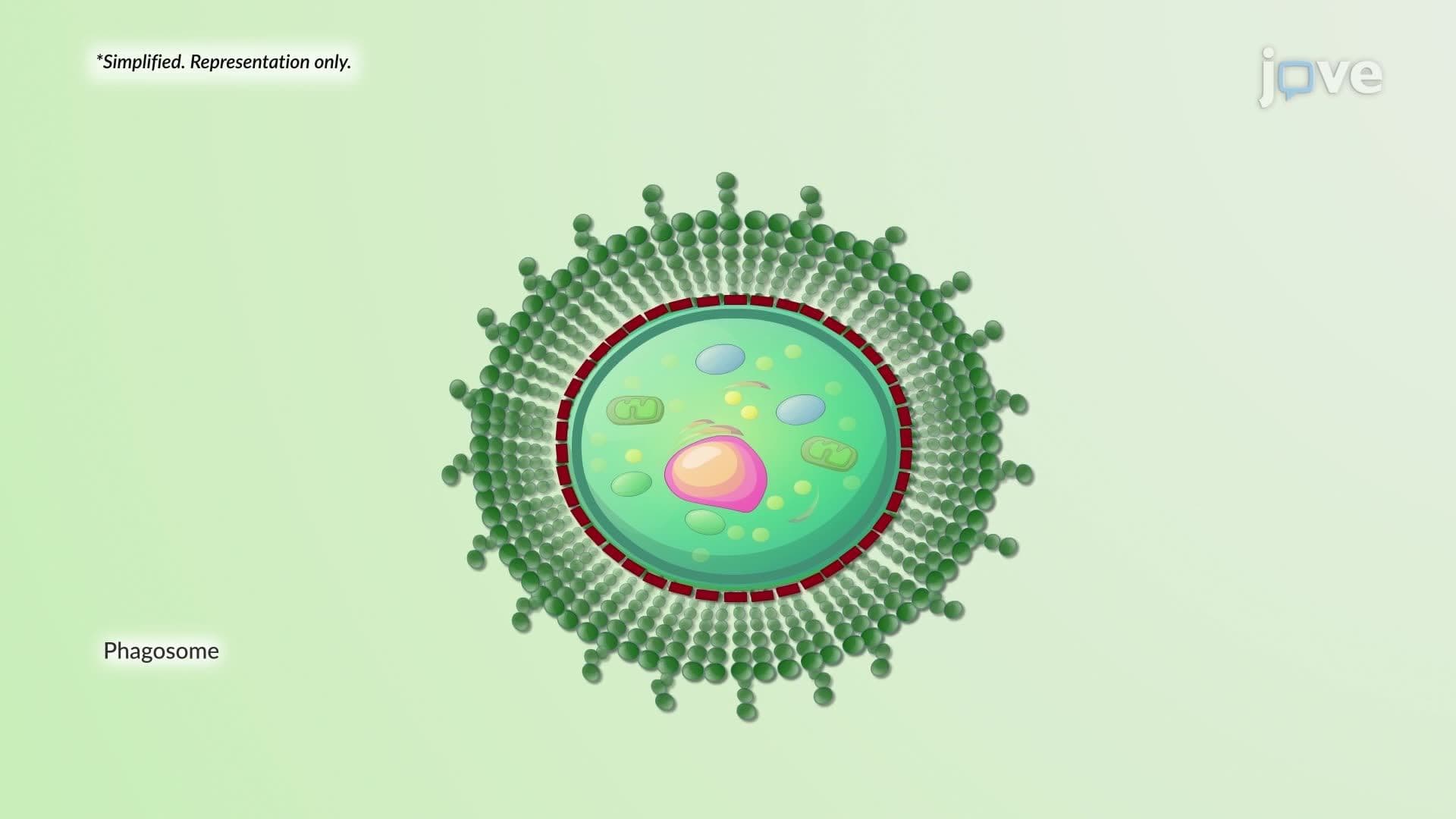
Once *Candida* breaches the epithelial barrier, the host immune system responds vigorously. Damaged tissue cells release signaling proteins called cytokines, which recruit neutrophils and macrophages to the infection site. These immune cells attempt to contain and destroy the fungus through phagocytosis and oxidative attack. However, this very immune activation produces the hallmark symptoms of candidiasis, localized burning, redness, swelling, and, in vaginal candidiasis, a thick, white, odorless discharge often described as cottage-cheese-like. In oral candidiasis, known as thrush, white plaques form on the tongue and inner cheeks, a presentation commonly seen in newborns and immunocompromised patients across US hospital settings.
Candidiasis is a high-yield topic in multiple academic pathways. In AP Biology, it illustrates host-microbiome relationships, immune response mechanisms, and fungal biology. In college microbiology and pathophysiology courses, students are expected to explain the yeast-to-hypha transition, biofilm formation, and innate immune responses in exam essays and case studies. On the MCAT, opportunistic infections and host defense mechanisms appear regularly in the Biological and Biochemical Foundations section. Pre-nursing students preparing for the NCLEX or HESI A2 must understand vaginal and oral candidiasis as common clinical presentations. Mastering candidiasis gives students a concrete, clinically grounded example to anchor broader concepts in mycology, immunity, and microbial pathogenesis.
Related Micro-courses