Loading video…

 31 Concepts
 14.8K views

Video Summary: What Is Horizontal Gene Transfer
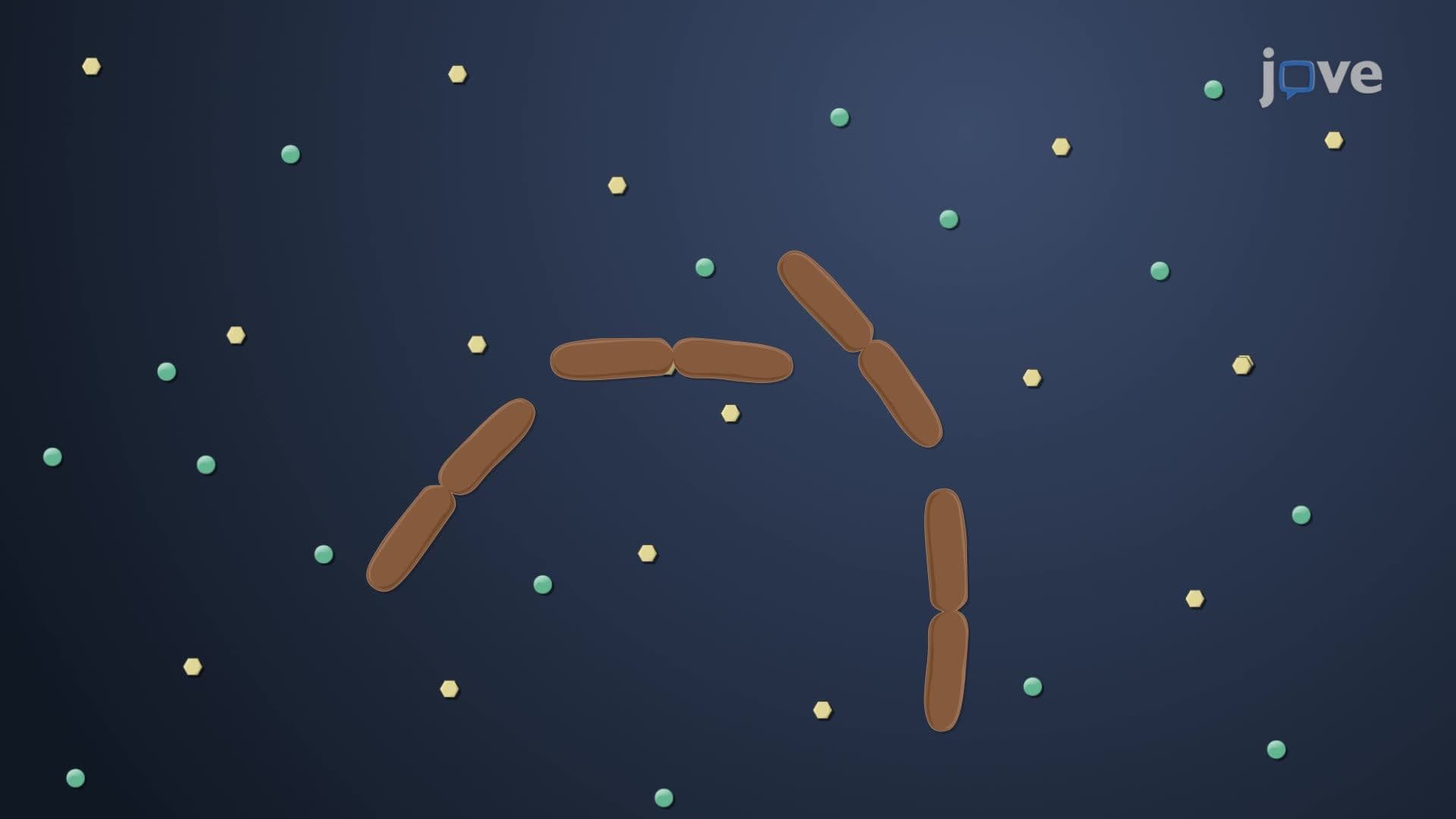
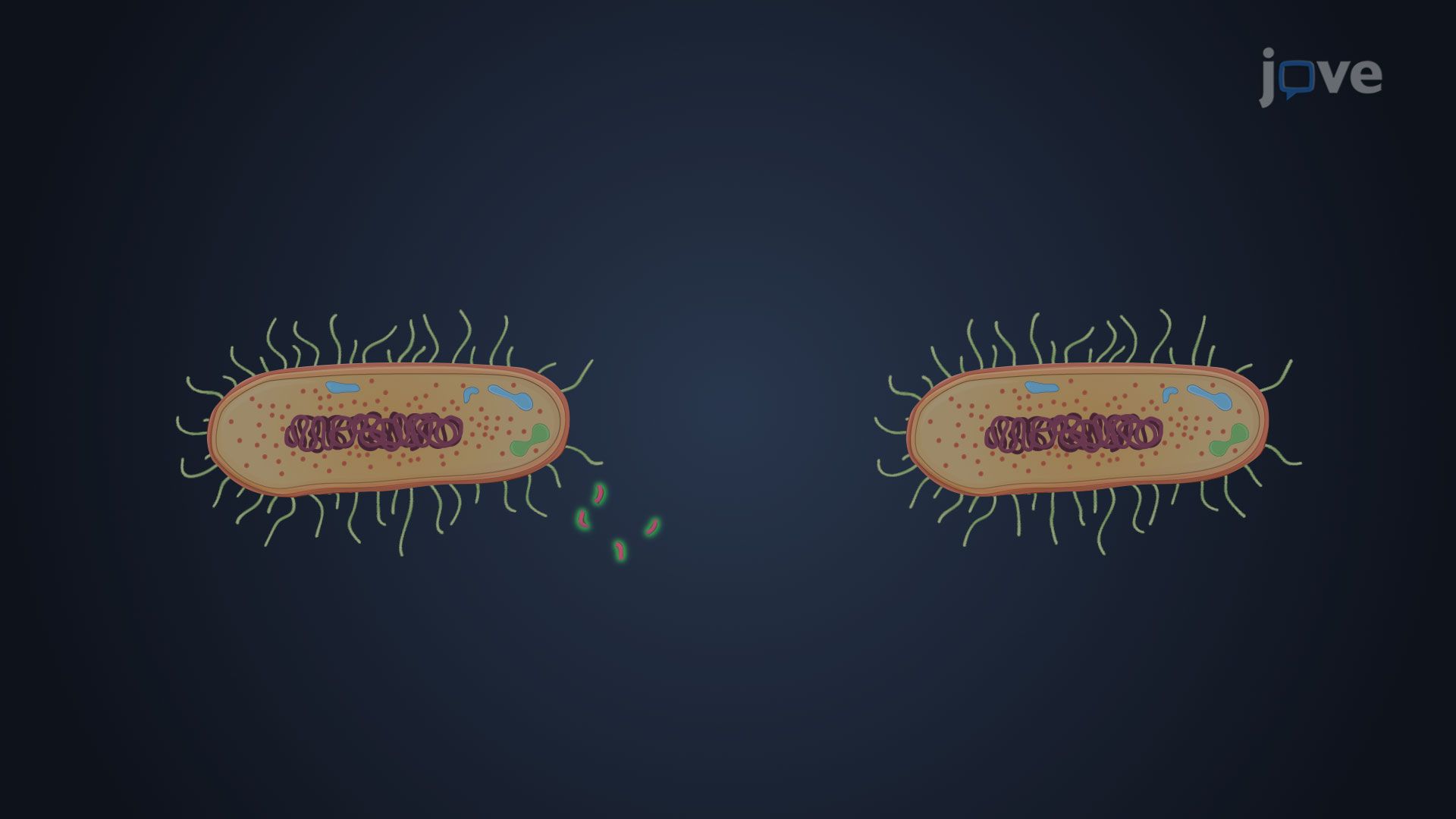
Did you know that bacteria in your gut can literally share their DNA with each other, spreading antibiotic resistance in real-time? Horizontal gene transfer represents one of nature's most fascinating genetic phenomena, where organisms exchange DNA directly rather than passing it to offspring. Consider how MRSA bacteria in US hospitals acquire resistance genes from neighboring microbes, creating "superbugs" that challenge modern medicine. What is horizontal gene transfer and how does this process reshape microbial evolution before our eyes? Watch the full video on JoVE Coach to master this concept with expert-led visuals and step-by-step explanations.
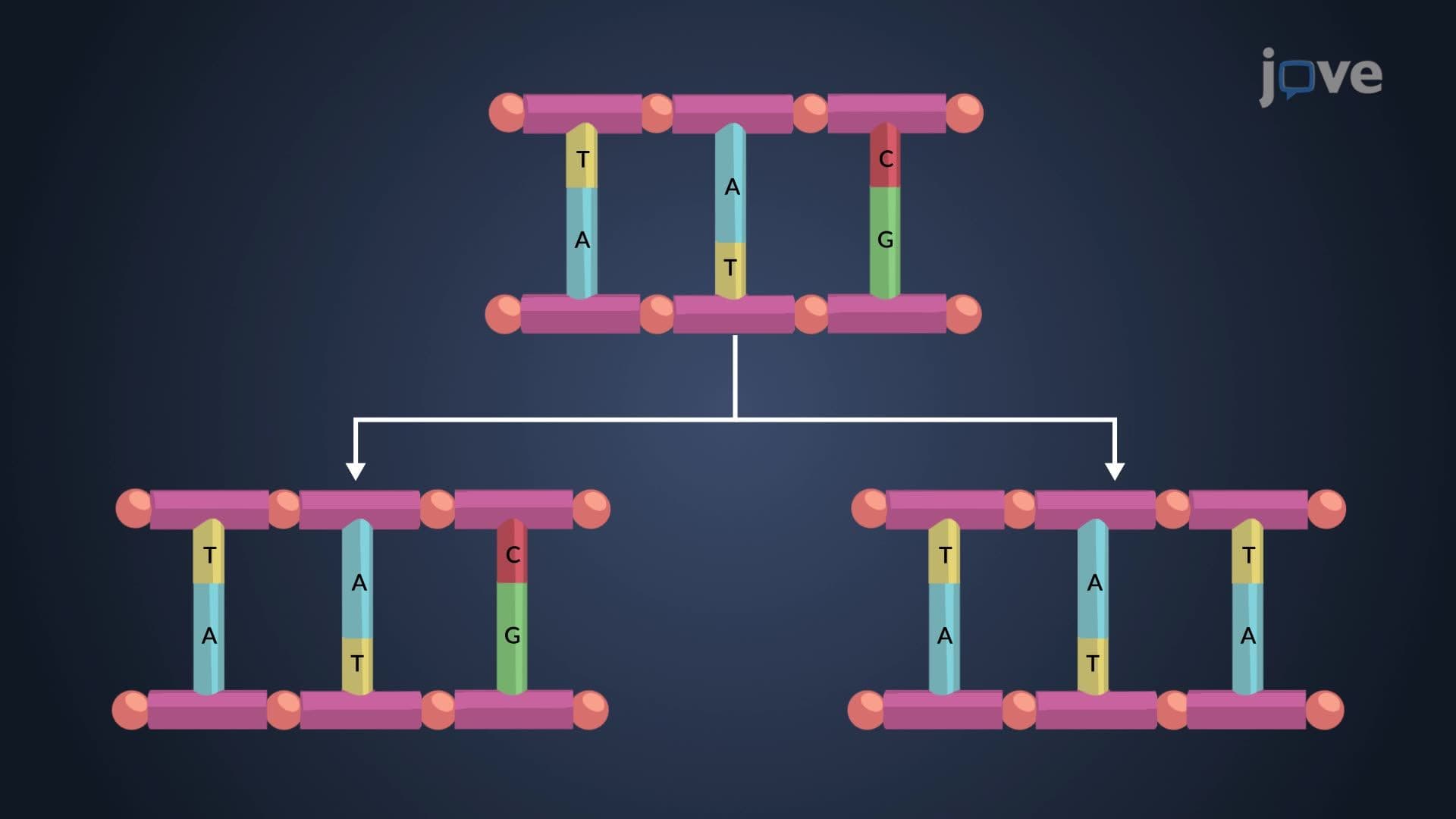
Horizontal gene transfer fundamentally challenges traditional views of genetic inheritance. Unlike the familiar parent-to-offspring DNA transmission we learn about in basic genetics, horizontal gene transfer moves genetic material between organisms of the same generation. This process occurs extensively in microbial communities, from soil bacteria to the complex microbiome inhabiting human intestines.
The distinction between horizontal and vertical gene transfer becomes crucial when studying microbial evolution and antibiotic resistance. While vertical transfer maintains genetic lineages across generations, horizontal transfer creates genetic mosaics-organisms whose genomes contain DNA from multiple sources. This phenomenon explains how bacteria can rapidly acquire new capabilities, such as antibiotic resistance or novel metabolic pathways.
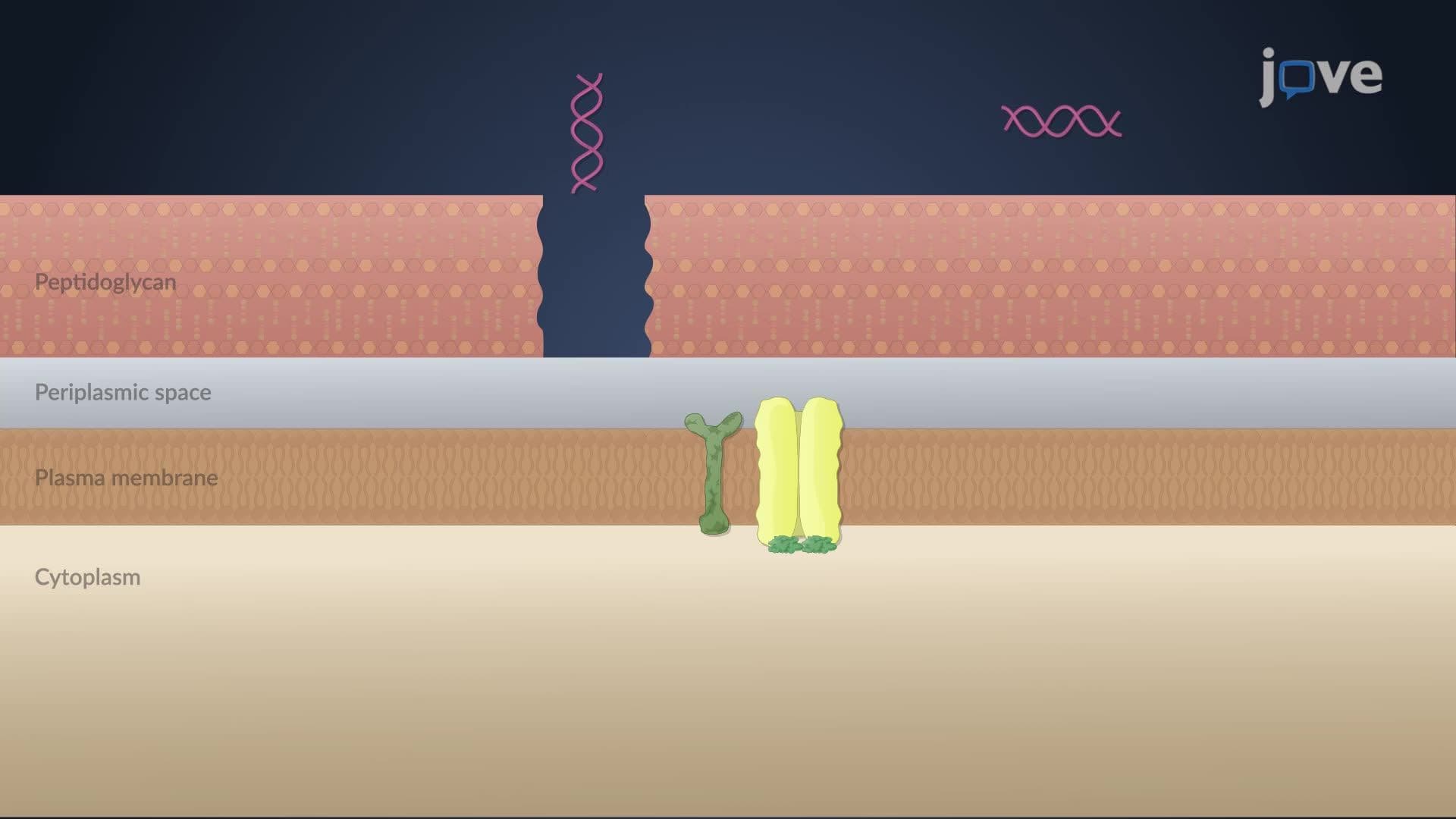
The horizontal gene transfer definition explained encompasses three distinct mechanisms, each with unique characteristics and clinical relevance. Transformation occurs when competent bacterial cells directly uptake naked DNA from their environment. This process happens naturally in species like *Streptococcus pneumoniae*, where dead cells release DNA that living bacteria can incorporate. Laboratory scientists exploit transformation when introducing recombinant plasmids into *E. coli* for protein production.
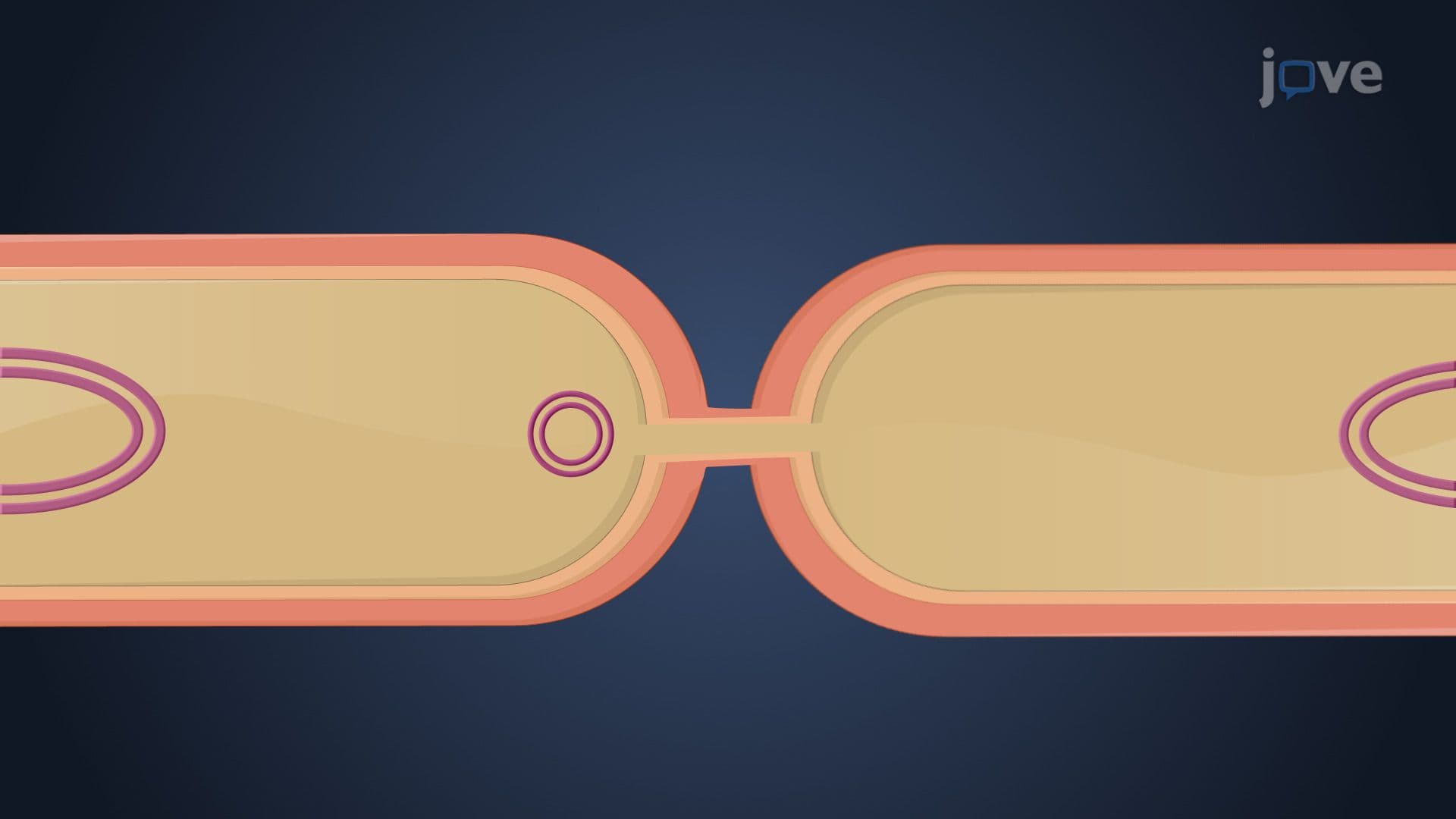
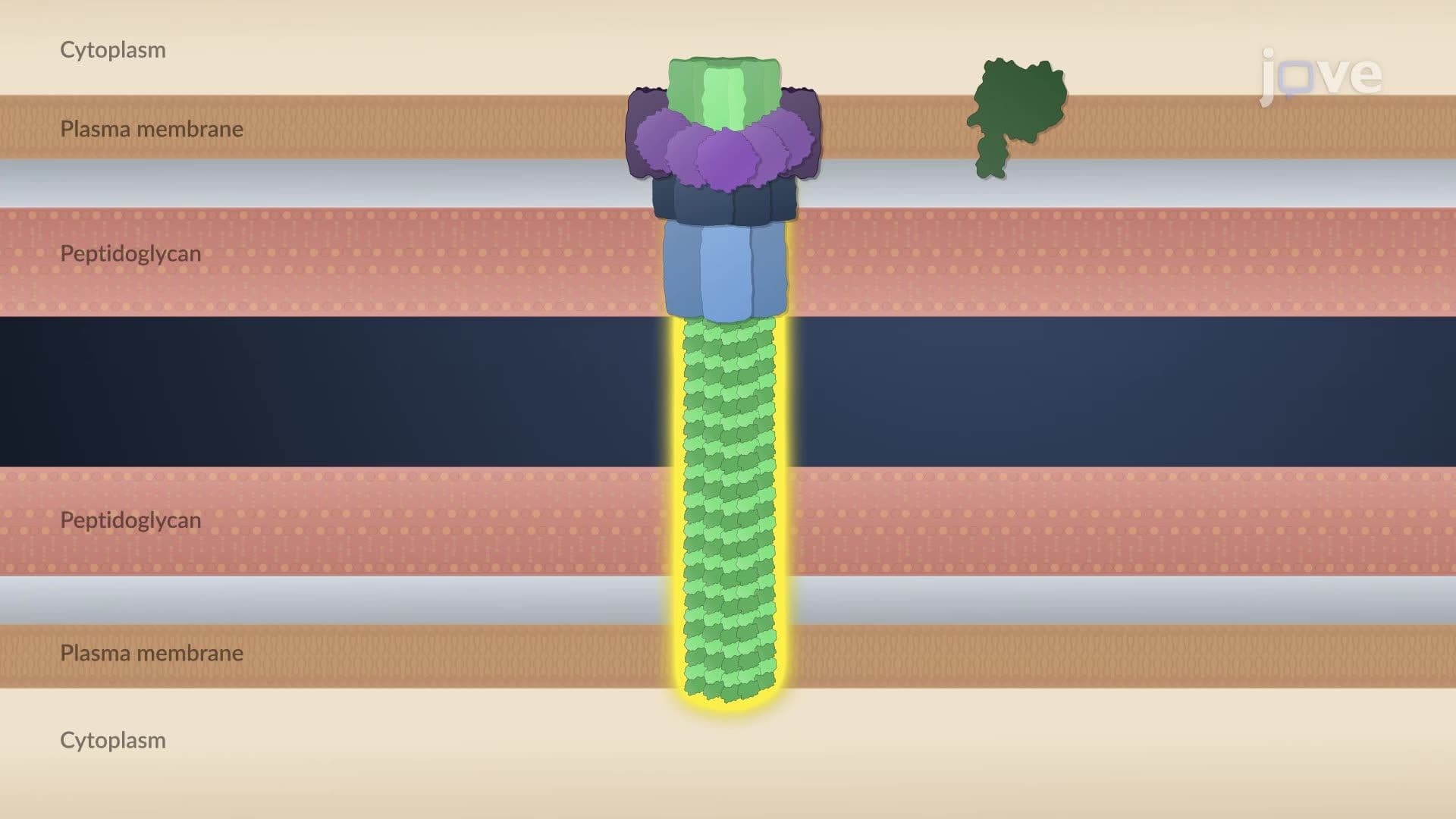
Conjugation involves direct cell-to-cell contact, often called bacterial "mating." The donor cell extends a pilus to connect with the recipient, transferring DNA through this bridge. This mechanism spreads antibiotic resistance genes rapidly through hospital bacterial populations, creating significant public health challenges. The F plasmid in *E. coli* serves as the classic textbook example of conjugative transfer.
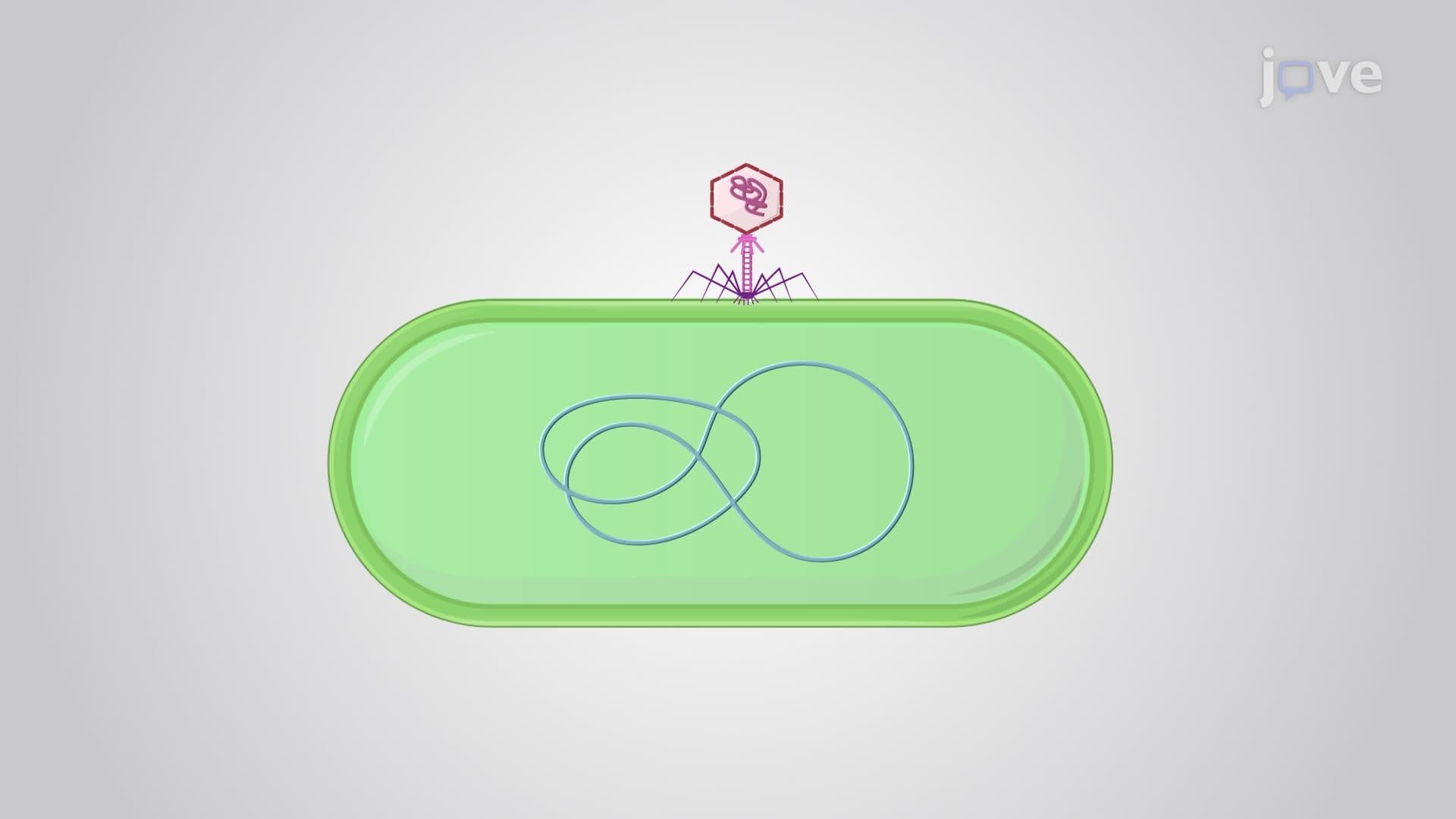
Transduction employs bacteriophages (viruses that infect bacteria) as DNA delivery vehicles. During viral replication, phages occasionally package bacterial DNA instead of viral genetic material. When these mis-packaged phages infect new hosts, they inadvertently transfer genes between bacteria. This mechanism contributes to virulence factor spread among pathogenic bacteria.
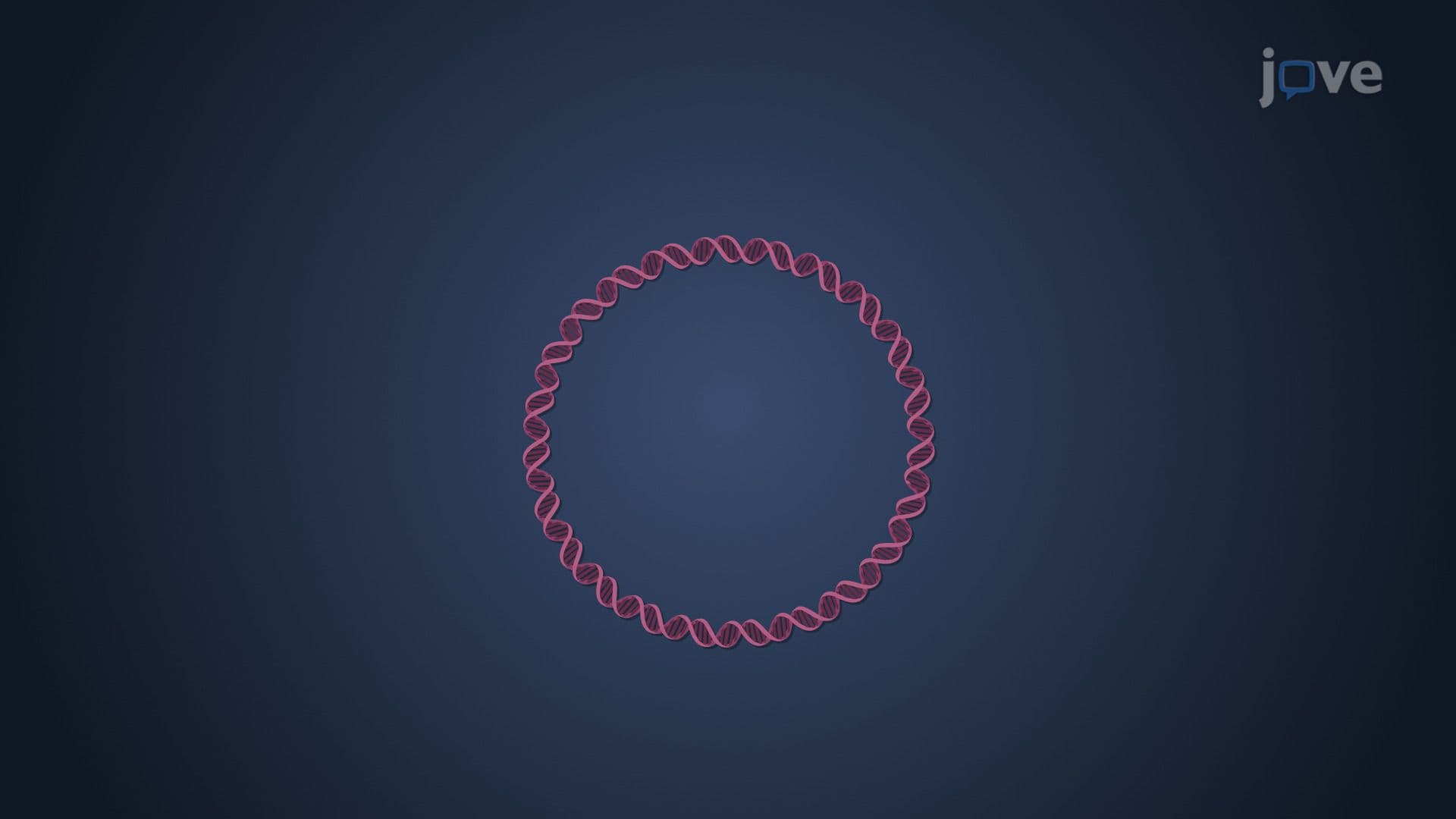
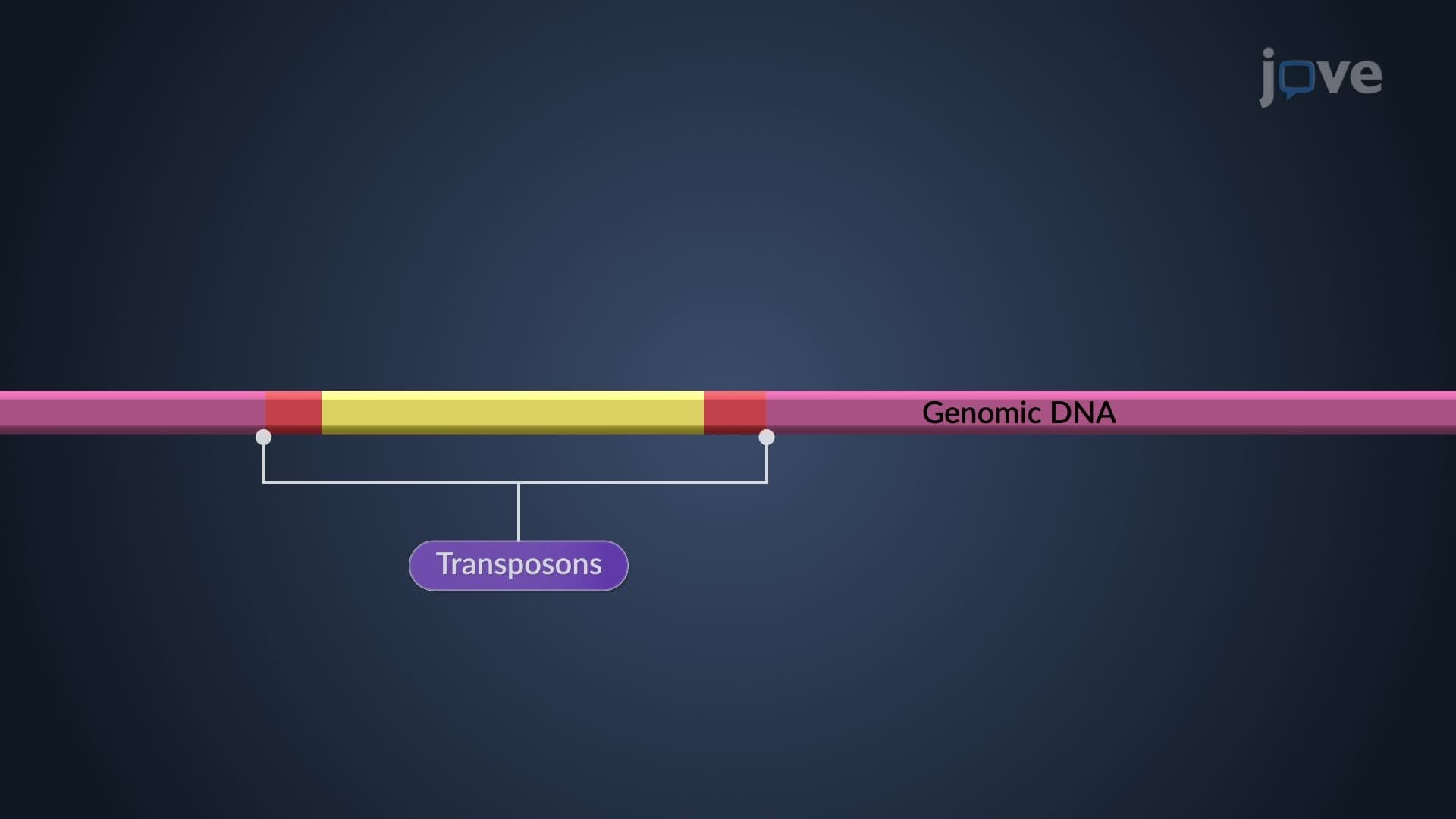
Mobile genetic elements serve as the vehicles enabling horizontal gene transfer. Plasmids function as independent genetic units, often carrying antibiotic resistance genes that can replicate alongside chromosomal DNA. Transposons act as "jumping genes," moving between different DNA locations and facilitating genetic rearrangements. Integrons capture and express gene cassettes, particularly those encoding antibiotic resistance enzymes.
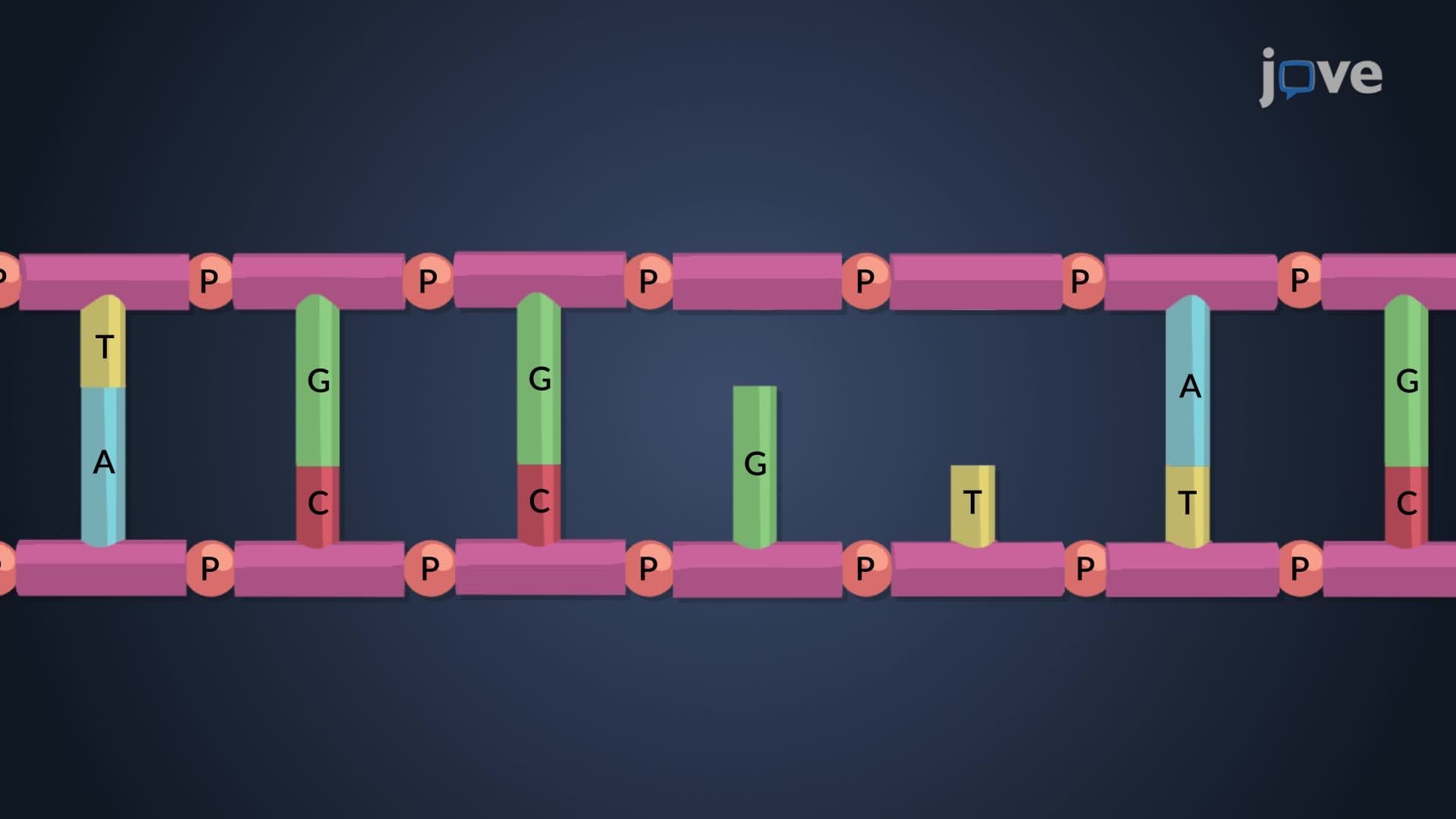
Upon entering recipient cells, foreign DNA must integrate into the host genome to persist. The RecA protein orchestrates this process through homologous recombination, facilitating strand exchange between incoming and resident DNA sequences. This integration creates recombinant organisms with novel genetic capabilities.
Understanding horizontal gene transfer proves essential for pre-med students preparing for the MCAT and healthcare professionals studying for board examinations. The concept explains how pathogens like *Staphylococcus aureus* acquired methicillin resistance, creating MRSA infections that challenge treatment protocols in US hospitals. Similarly, horizontal transfer mechanisms help explain how *Clostridium difficile* develops vancomycin resistance in healthcare settings.
Environmental applications include bioremediation strategies, where scientists introduce degradative genes into bacteria to clean contaminated sites. The horizontal gene transfer overview also encompasses beneficial applications, such as engineering bacteria to produce human insulin or growth hormone for pharmaceutical use.
Related Micro-courses