Loading subject page…

14,827 views

Video Summary: What Is Conjugation
Ever wonder how bacteria share antibiotic resistance so rapidly across hospital settings? Conjugation enables bacteria to transfer genetic material directly between cells, creating new combinations of traits in minutes. This horizontal gene transfer mechanism allows organisms like *E. coli* in US clinical laboratories to rapidly spread resistance genes through bacterial populations. Understanding what is conjugation reveals how microorganisms adapt and survive in changing environments. Watch the full video on JoVE Coach to master this concept with expert-led visuals and step-by-step explanations.
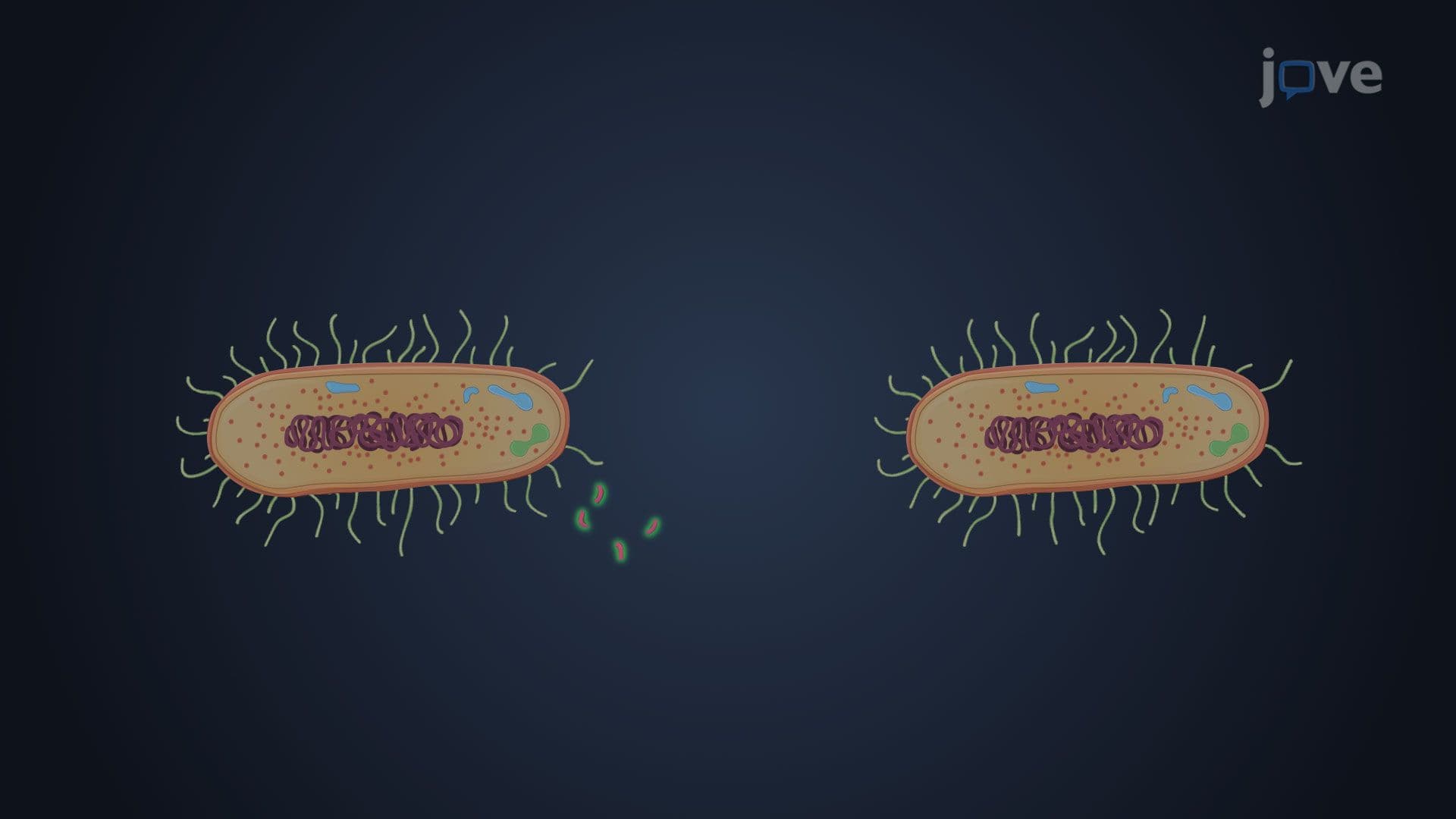
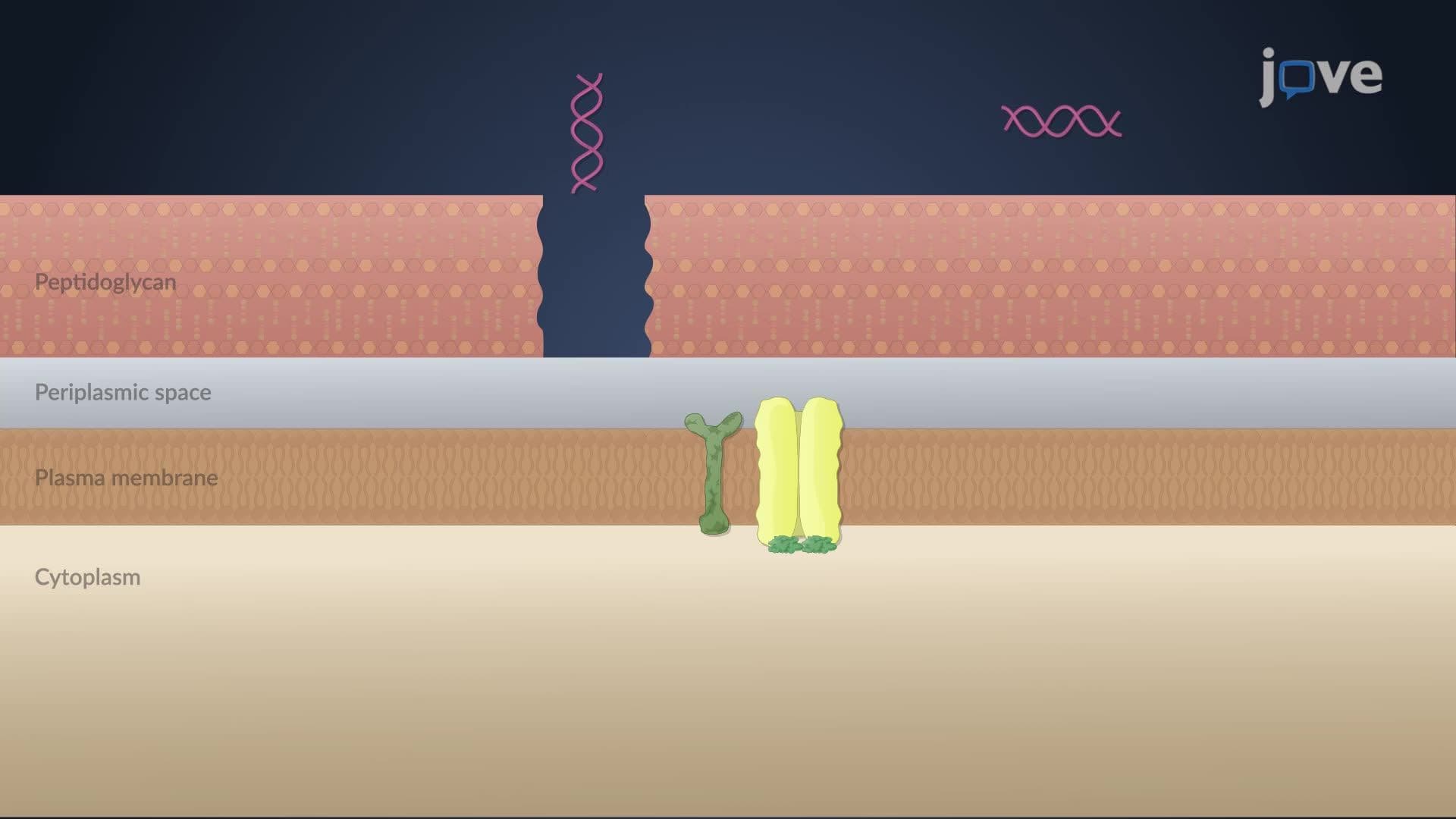
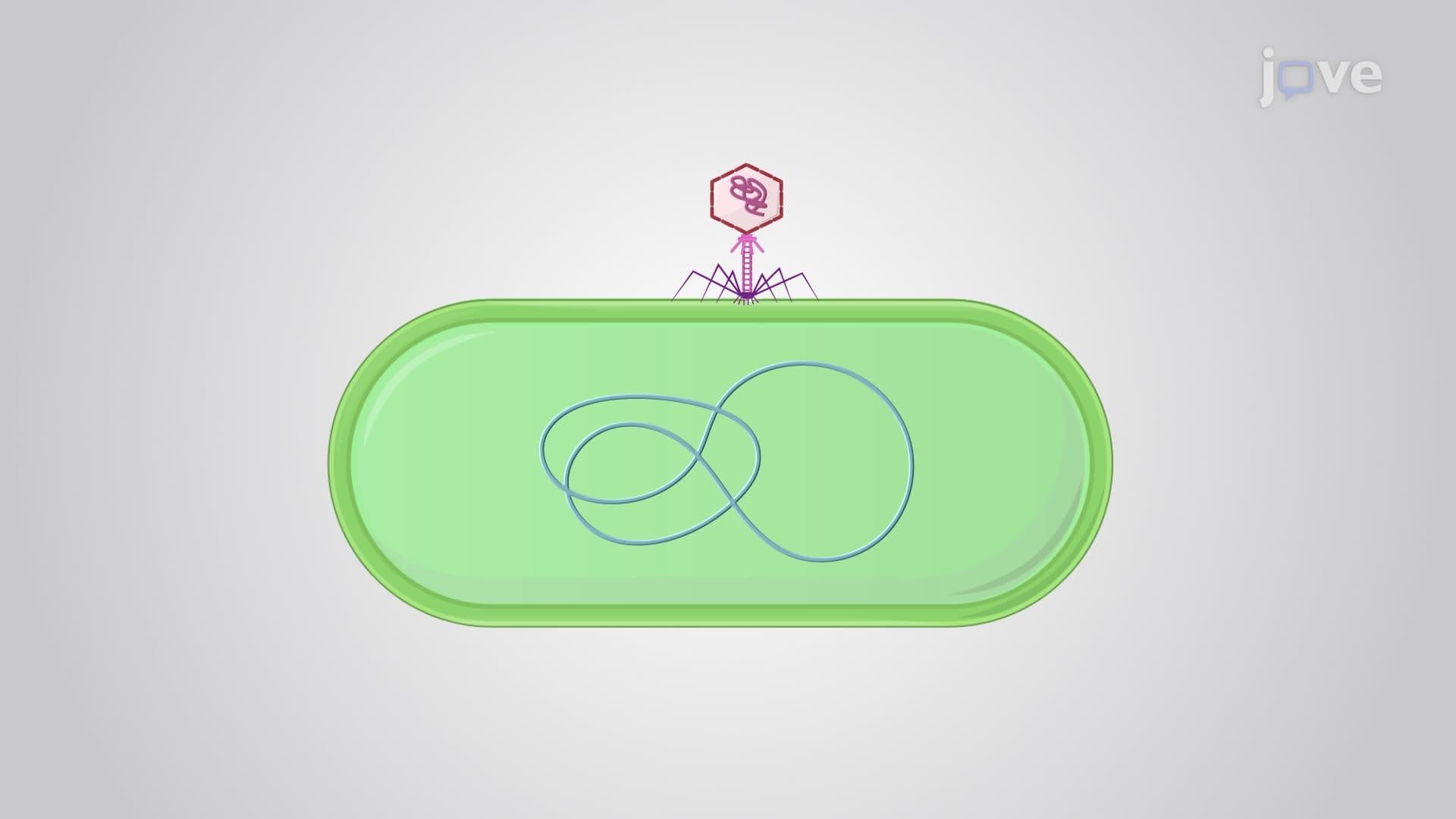
Conjugation represents one of nature's most elegant examples of genetic sharing between single-celled organisms. Unlike sexual reproduction in higher organisms, bacterial conjugation allows direct transfer of genetic material between living cells through physical contact. This process fundamentally differs from transformation (uptake of free DNA) and transduction (virus-mediated gene transfer) because it requires direct cell-to-cell interaction.
The conjugation definition encompasses a sophisticated molecular machinery that bacteria have evolved to share beneficial traits rapidly. When antibiotic-resistant bacteria emerge in US hospitals, conjugation often explains how resistance spreads so quickly through seemingly unrelated bacterial strains.
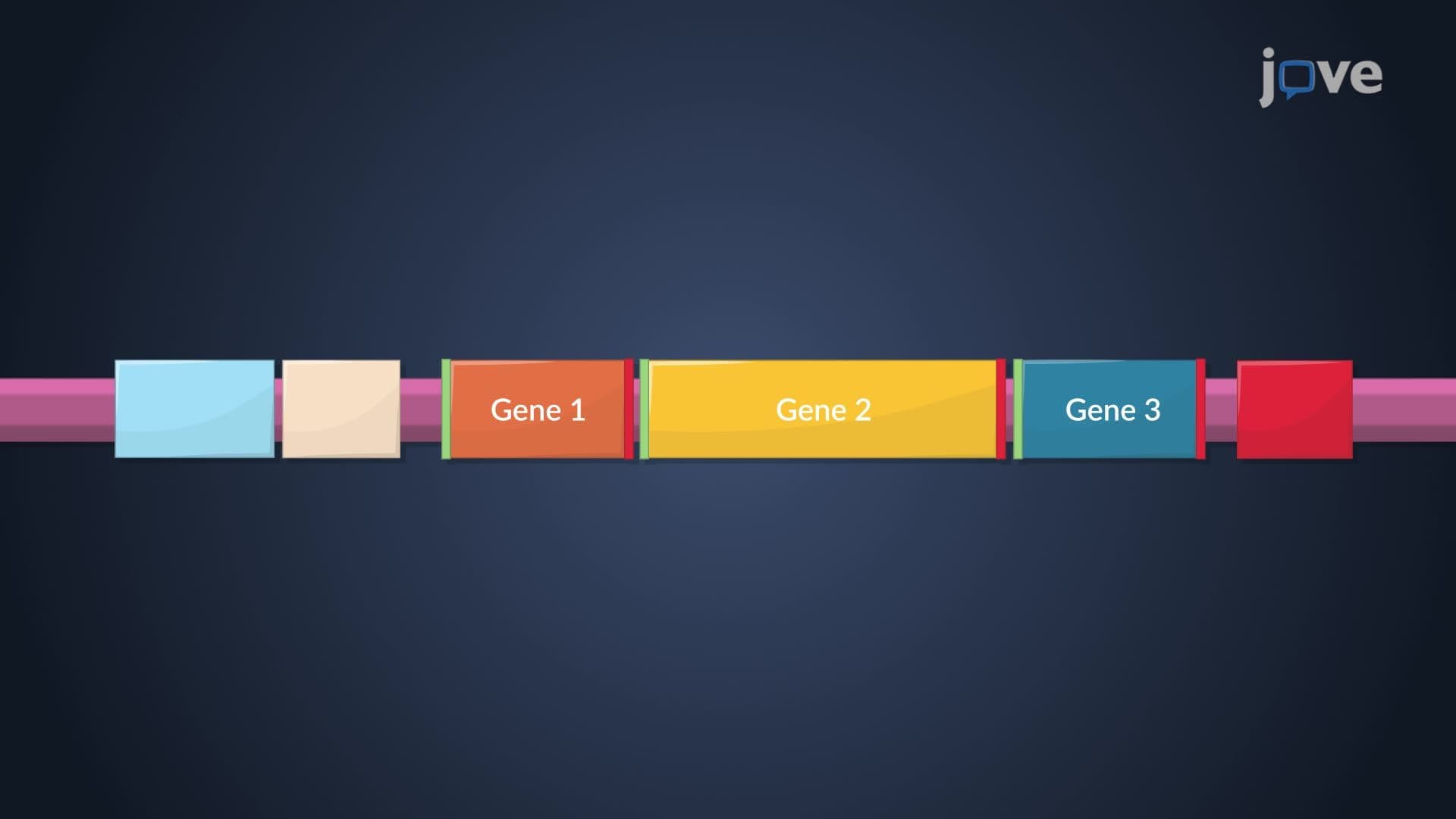
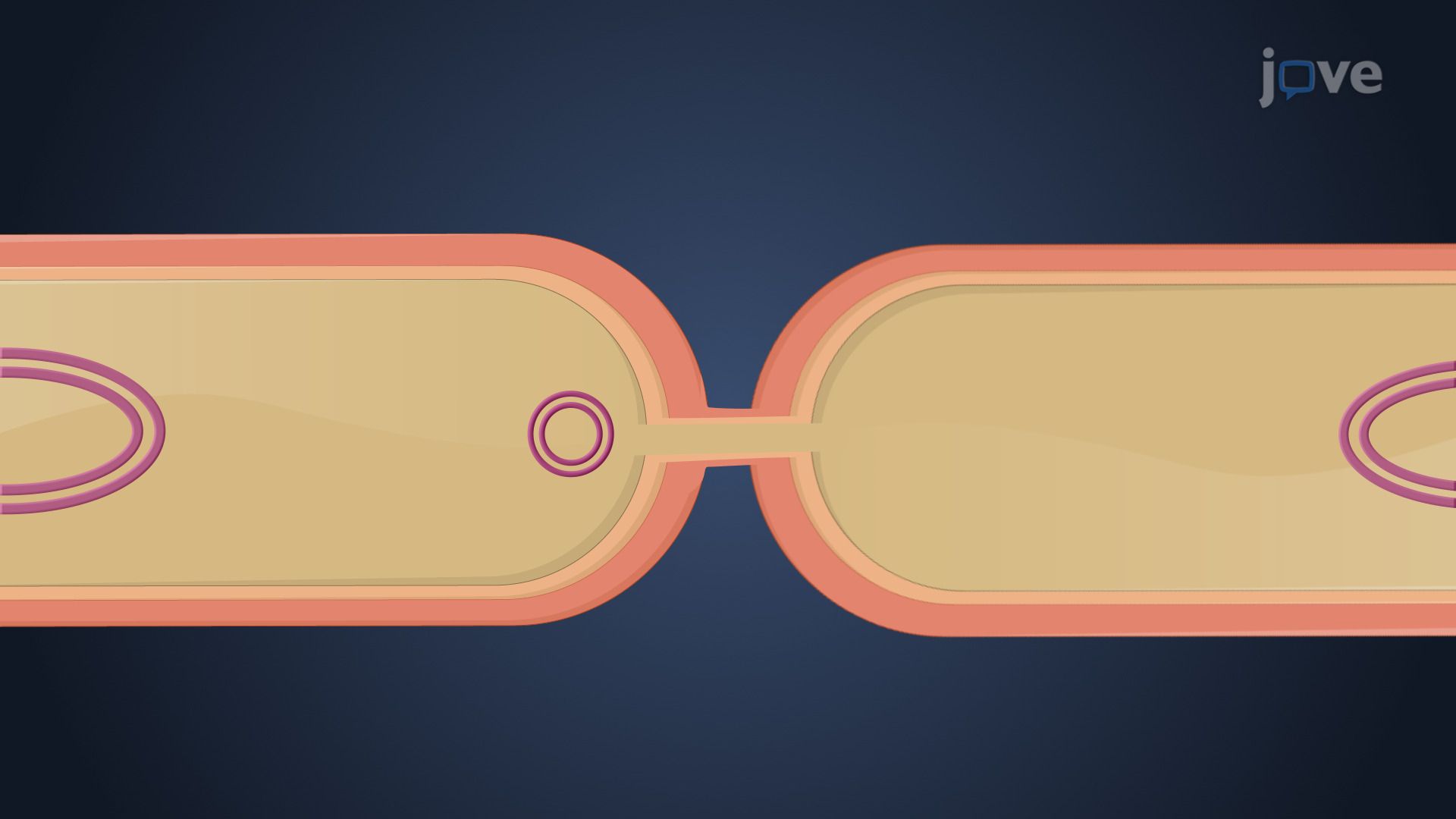
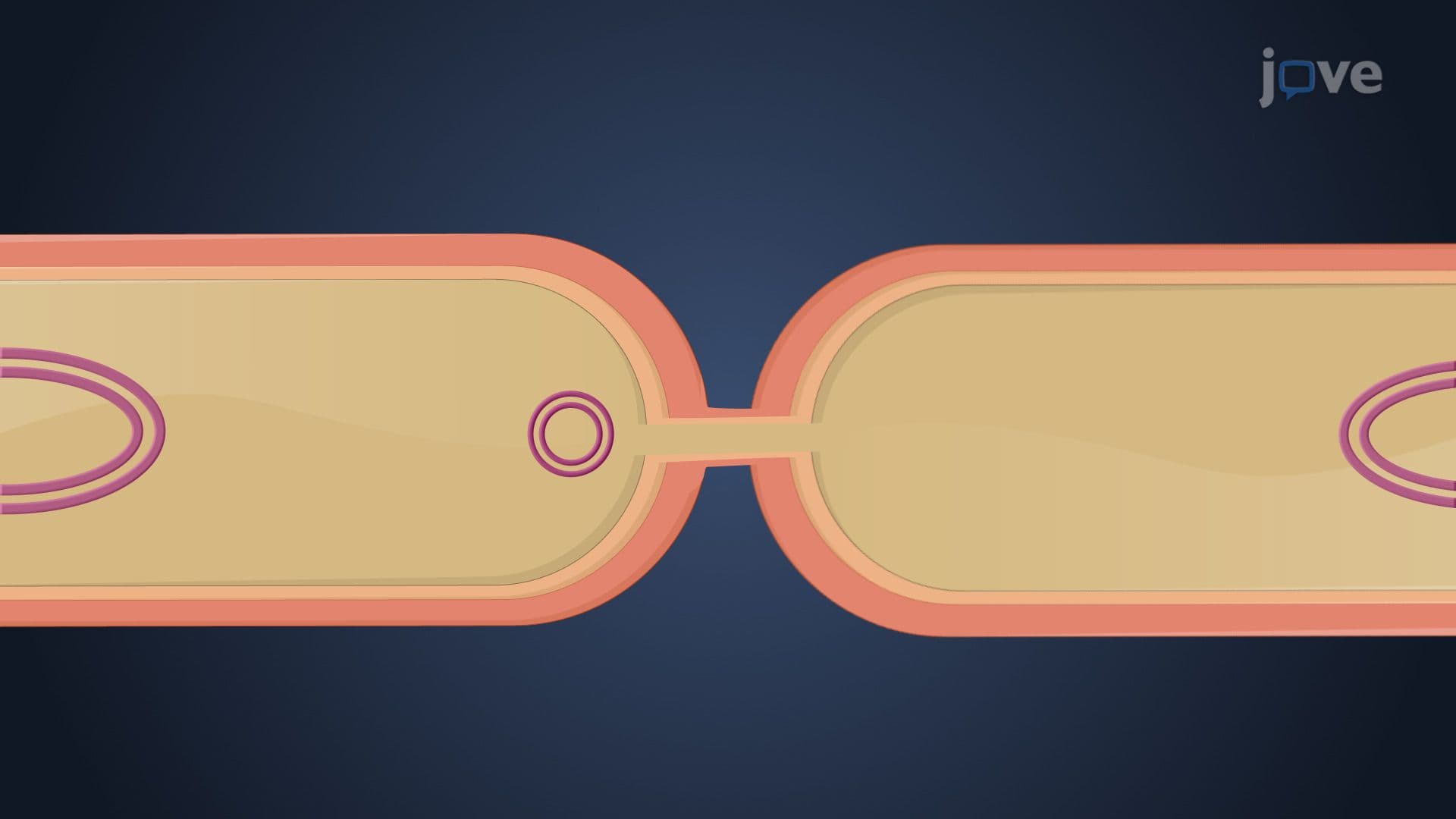
The conjugation process centers around specialized DNA elements called conjugative plasmids. The most studied example, the F (fertility) factor in *Escherichia coli*, serves as the prototype for understanding this mechanism. F+ cells (donors) contain the F plasmid, while F- cells (recipients) lack it. The F plasmid encodes approximately 100 genes, including those necessary for pilus formation and DNA processing.
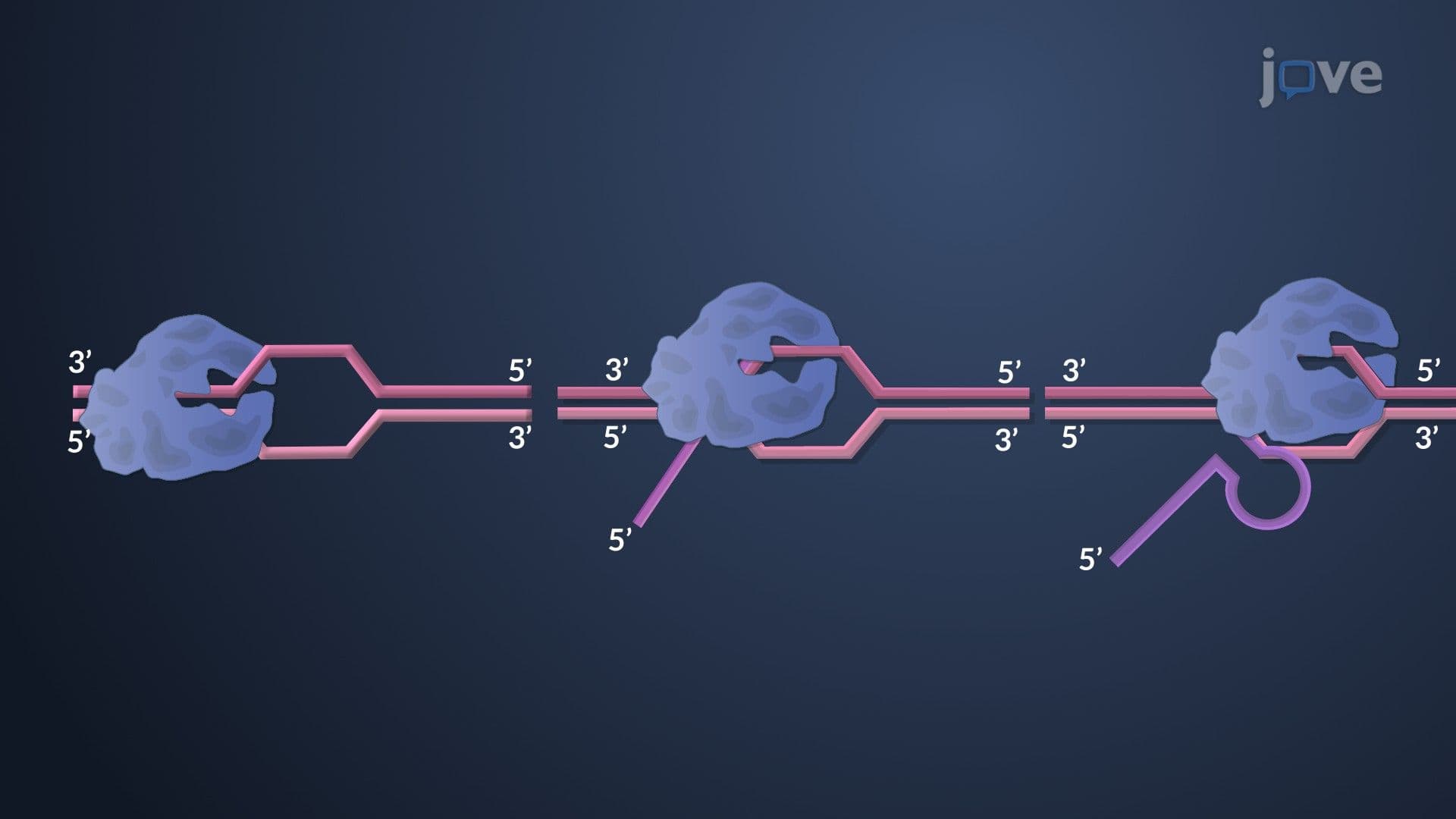
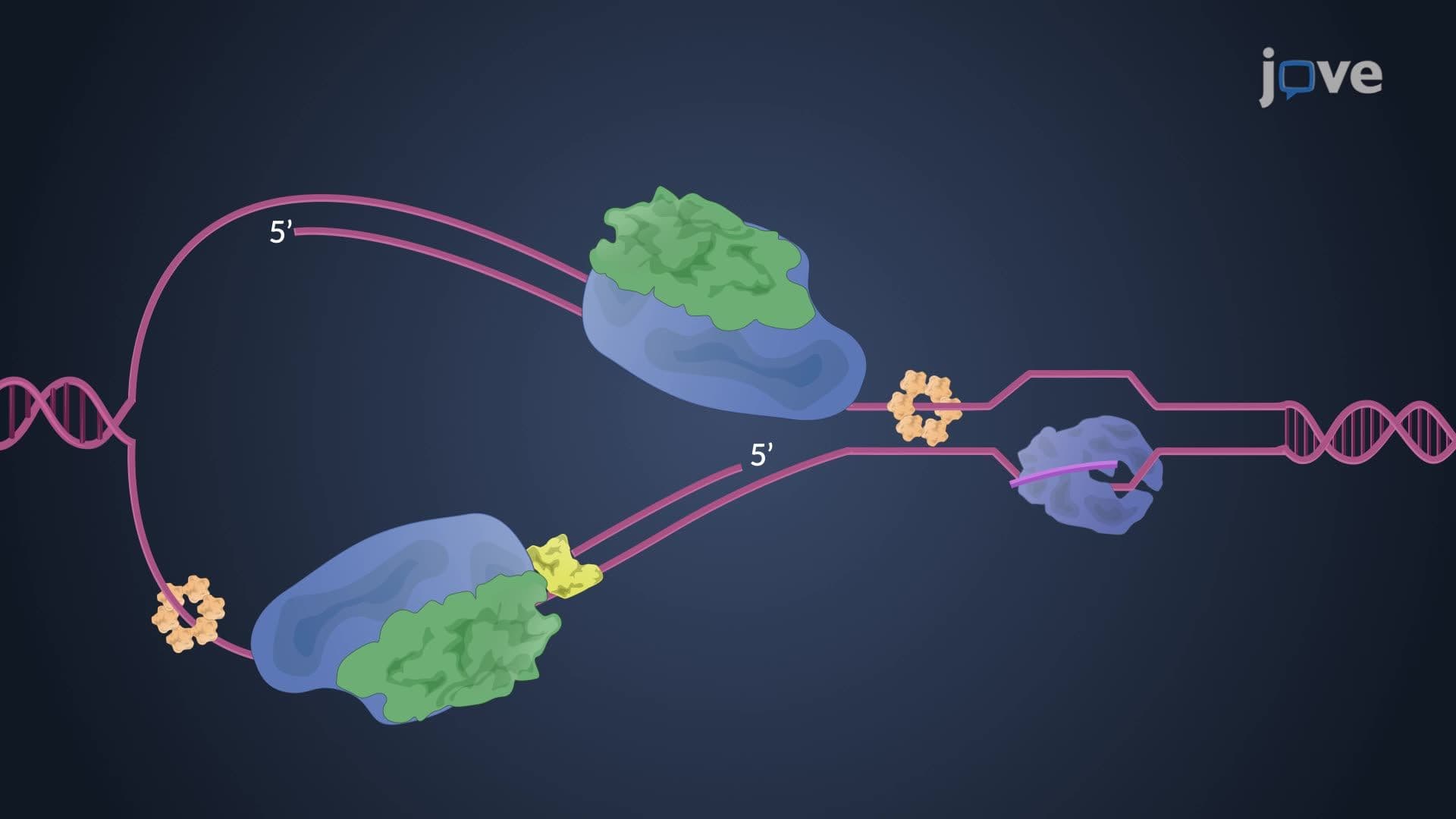
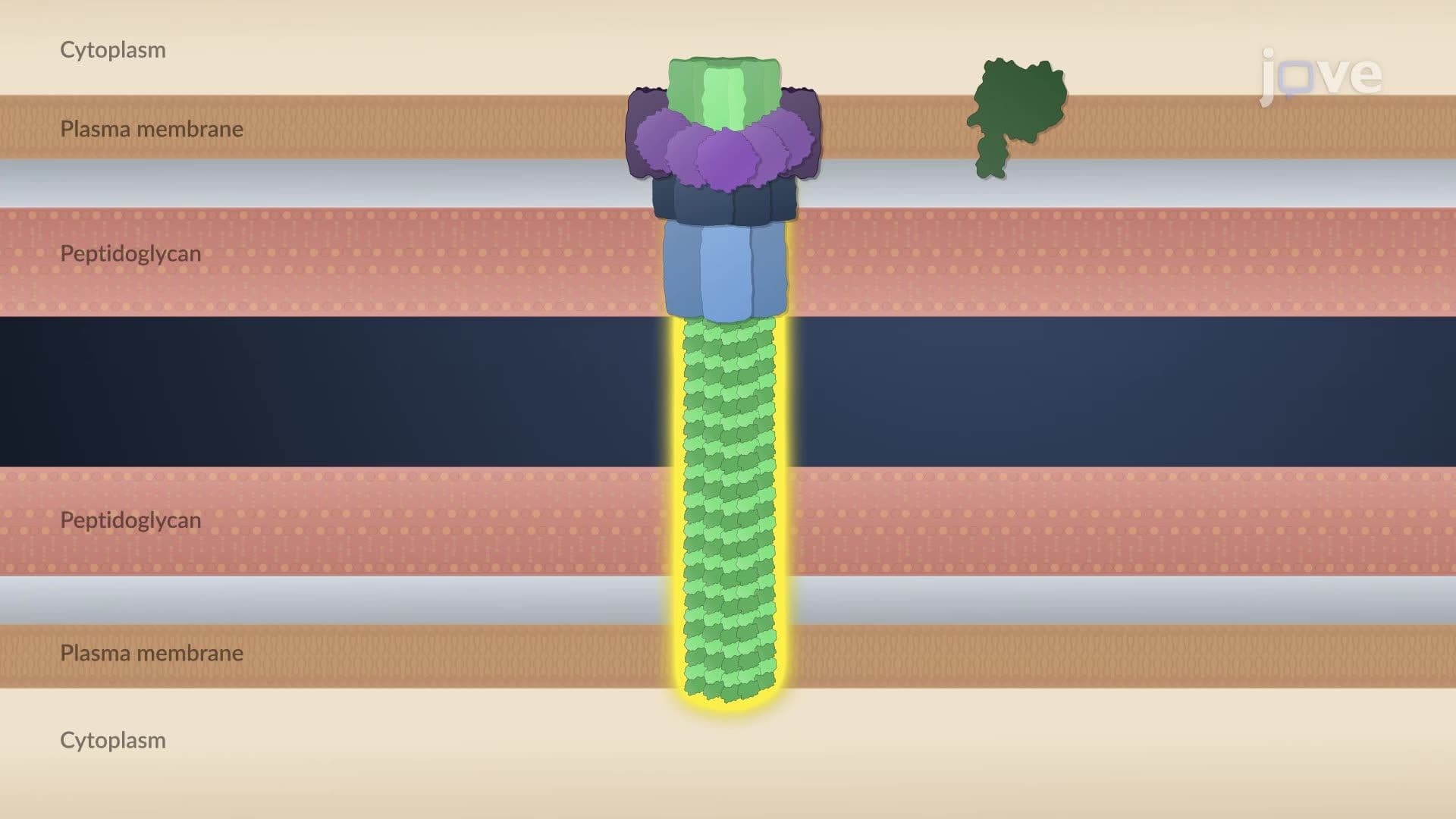
During conjugation, the donor cell extends a hollow protein bridge called a sex pilus to contact the recipient. This structure, resembling a microscopic tunnel, facilitates the transfer of a single-stranded copy of the plasmid DNA. The process typically takes 60-90 minutes and converts the F- recipient into an F+ donor capable of further conjugation events.
Advanced conjugation scenarios involve Hfr (high frequency of recombination) strains, where the F factor integrates into the bacterial chromosome. Hfr conjugation allows transfer of chromosomal genes in a time-ordered fashion, making it invaluable for genetic mapping studies conducted at institutions like Harvard Medical School and Stanford University.
F' (F-prime) plasmids represent another variation, carrying both plasmid and chromosomal genes. When F' donors conjugate with F- recipients, the result is a partially diploid cell containing duplicate copies of certain genes-a phenomenon crucial for understanding gene regulation and dosage effects.
Conjugation plays a critical role in antibiotic resistance dissemination, making it essential knowledge for pre-med students preparing for the MCAT or medical students studying for USMLE Step 1. The CDC estimates that conjugative transfer contributes to over 60% of multi-drug resistant infections in US healthcare facilities.
Students should understand conjugation mechanisms for AP Biology exams, where questions often focus on comparing genetic exchange methods in prokaryotes versus eukaryotes. College microbiology courses frequently include conjugation experiments, and understanding the underlying principles helps students design and interpret results from bacterial mating studies.
Related Micro-courses