Loading subject page…

- Analytical Chemistry
- Advanced Nuclear Magnetic Resonance Spectroscopy
- 2D NMR: Heteronuclear Single-Quantum Correlation Spectroscopy (HSQC)
Micro-course: Advanced Nuclear Magnetic Resonance Spectroscopy
11,655 views
Learn key concepts and earn your certificate.




2D NMR: Heteronuclear Single-Quantum Correlation Spectroscopy (HSQC)


00:00
01:19
Video Summary: 2d Nmr Heteronuclear Single Quantum Explained
Ever wondered how pharmaceutical companies at Pfizer determine the exact structure of new drug molecules? HSQC NMR explained through 2D spectroscopy reveals direct carbon-hydrogen bonds in complex organic compounds with remarkable precision. This powerful analytical technique, called 2D NMR Heteronuclear Single Quantum, creates detailed molecular "fingerprints" by correlating proton and carbon-13 chemical shifts across single bonds. Watch the full video on JoVE Coach to master this concept with expert-led visuals and step-by-step explanations.
- Understand how 2D NMR Heteronuclear Single Quantum correlation spectroscopy maps direct C-H bond connections in organic molecules
- Identify cross-peak patterns in HSQC spectra that indicate specific proton-carbon relationships
- Analyze chemical shift correlations between F1 (carbon-13) and F2 (proton) axes in two-dimensional NMR plots
- Compare HSQC sensitivity advantages over traditional 1D NMR techniques for structural determination
- Evaluate HSQC spectral data to assign specific carbon and proton signals in unknown organic compounds
- Apply heteronuclear single quantum coherence principles to solve structural elucidation problems
- Recognize the absence of diagonal symmetry as a key characteristic distinguishing HSQC from homonuclear 2D experiments
- Explore practical applications of HSQC in pharmaceutical research and organic chemistry laboratories
Understanding 2D NMR Heteronuclear Single Quantum Fundamentals
HSQC NMR explained begins with recognizing that traditional 1D NMR spectra often produce overlapping signals that complicate structural analysis. The heteronuclear single quantum coherence technique solves this problem by spreading spectral information across two dimensions, dramatically improving resolution and interpretability.
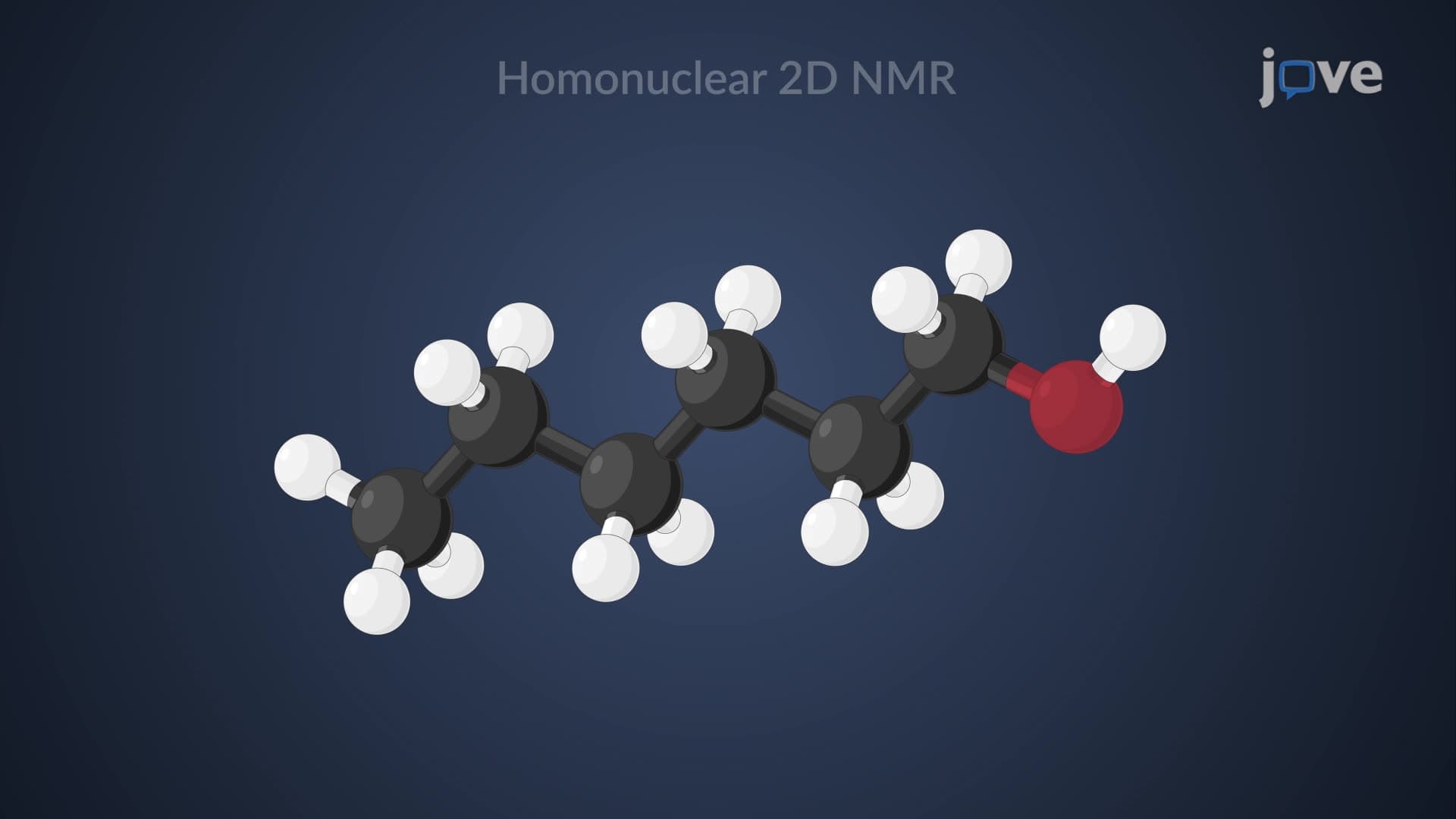
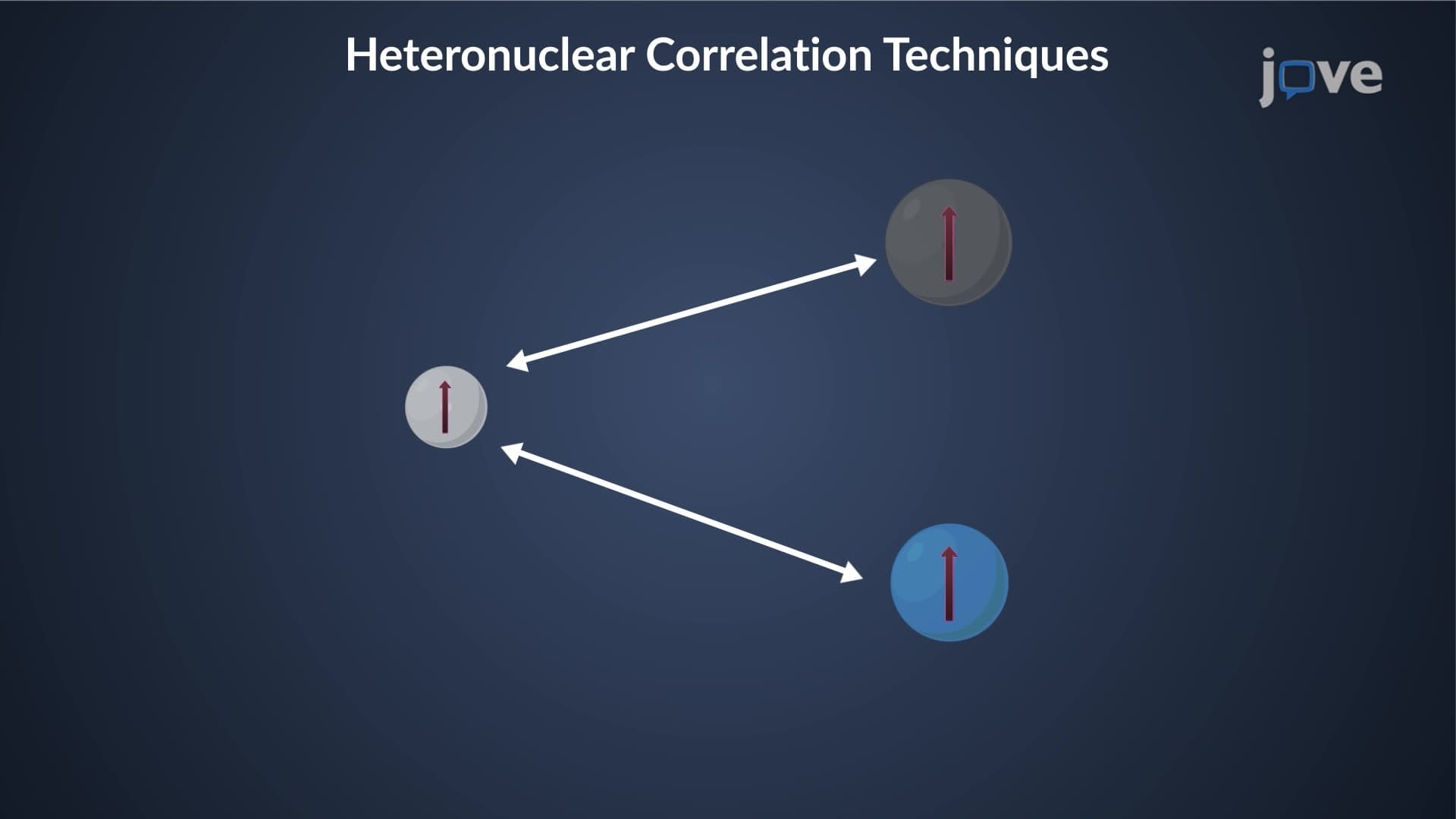
Unlike homonuclear experiments that correlate identical nuclei, HSQC creates correlations between different nuclear types-specifically protons (¹H) and carbon-13 (¹³C) atoms. This heteronuclear approach provides direct information about which carbons are bonded to which protons, making it invaluable for structural determination.
How HSQC 2D NMR Works in Structure Analysis
The HSQC pulse sequence utilizes J-coupling interactions between directly bonded C-H pairs. During the experiment, magnetization transfers from protons to carbons and back again, creating correlations that appear as cross-peaks in the resulting 2D spectrum. The horizontal axis (F2) displays proton chemical shifts, while the vertical axis (F1) shows carbon-13 chemical shifts.
Each cross-peak represents a direct C-H bond, providing unambiguous connectivity information. This one-bond correlation capability makes HSQC particularly powerful for identifying functional groups, determining substitution patterns, and confirming molecular frameworks.
HSQC Carbon Proton Assignment in Practice
Students preparing for the MCAT or advanced organic chemistry courses should understand that HSQC spectra lack diagonal symmetry-a key distinguishing feature from homonuclear experiments like COSY. This asymmetry occurs because we're correlating different nuclear types with different chemical shift ranges.
Consider a pharmaceutical research scenario at Merck: chemists synthesizing new antibiotics use HSQC to verify that synthetic intermediates match expected structures. The technique rapidly identifies unexpected byproducts or confirms successful synthetic transformations.
HSQC Chemical Shift Correlation Applications
Major universities like MIT and Stanford incorporate HSQC interpretation into their organic chemistry curricula because it bridges fundamental NMR principles with real-world analytical challenges. Students learn to correlate shielding effects with chemical shift positions, understanding why methyl groups appear upfield compared to carbons adjacent to electronegative atoms.
The high sensitivity of modern HSQC experiments allows analysis of small sample quantities, making it practical for studying precious synthetic intermediates or natural products isolated in limited amounts. This sensitivity advantage has revolutionized natural product chemistry and pharmaceutical development timelines.
Frequently Asked Questions
HSQC is a powerful 2D NMR technique that creates direct correlations between protons and carbons connected by single bonds. This method spreads complex spectral information across two dimensions, dramatically improving resolution compared to 1D NMR. It's essential for determining molecular structures in organic chemistry and pharmaceutical research.
MCAT questions often present HSQC spectra alongside molecular structures, asking students to identify specific C-H correlations or predict spectral patterns. College midterms typically focus on interpreting cross-peak positions to determine functional groups and connectivity patterns. Practice with real pharmaceutical examples strengthens analytical skills.
HSQC detects direct one-bond C-H correlations, while HMBC identifies longer-range multiple-bond correlations (typically 2-3 bonds). HSQC provides immediate connectivity information, whereas HMBC reveals how molecular fragments connect together. Both techniques complement each other in complete structural determination workflows.
Companies like Johnson & Johnson use HSQC to verify synthetic intermediate structures during drug manufacturing. The technique quickly confirms that chemical reactions proceeded correctly and identifies impurities that could affect drug safety. This application saves time and resources in pharmaceutical development pipelines.
While HSQC involves sophisticated concepts, motivated AP Chemistry students can grasp the basic principles. Focus on understanding that cross-peaks indicate direct C-H bonds rather than memorizing complex pulse sequences. Many successful pre-med students first encounter HSQC in high school research programs.
Practice with known molecular structures first, predicting where cross-peaks should appear based on chemical shifts. Use pharmaceutical examples to make learning relevant, and always correlate HSQC data with other NMR techniques. Create flashcards linking functional groups to their typical chemical shift ranges.
HSQC serves as the foundation for understanding more complex experiments like HMBC, NOESY, and TOCSY. Master HSQC principles first, then explore how these techniques provide complementary structural information. This progression mirrors how professional chemists approach unknown structure elucidation projects.
Advanced organic chemistry, instrumental analysis, and physical chemistry courses at universities like UCLA and University of Michigan include comprehensive HSQC coverage. Graduate-level spectroscopy courses delve deeper into pulse sequence design and optimization parameters for research applications.
Related Micro-courses


19 Concepts

14 Concepts