Loading subject page…


11,655 views

Video Summary: H Nmr Labile Protons and Temporal Resolution
Why do some proton NMR signals appear as sharp peaks while others show up as mysterious broad bumps? Labile protons NMR reveals how rapidly exchanging protons like OH groups in alcohols create shifting chemical environments that challenge standard spectroscopic analysis. In pharmaceutical labs across the US, chemists routinely encounter this phenomenon when analyzing drug compounds containing hydroxyl groups. Understanding ¹H NMR: Labile Protons and Temporal Resolution is crucial for interpreting these dynamic molecular behaviors. Watch the full video on JoVE Coach to master this concept with expert-led visuals and step-by-step explanations.
Labile protons NMR represents one of the most dynamic aspects of nuclear magnetic resonance spectroscopy. Unlike stable carbon-bound hydrogens, labile protons-primarily those attached to oxygen, nitrogen, or sulfur-undergo rapid chemical exchange with their surroundings. This exchange fundamentally alters how these protons appear in NMR spectra, creating a direct connection between molecular motion and spectroscopic observation.
When examining how labile protons behave in H NMR spectroscopy, the key lies in understanding temporal resolution. NMR instruments operate on specific timescales, typically detecting events that occur slower than milliseconds. If proton exchange happens faster than this detection threshold, the instrument cannot distinguish between different chemical environments, resulting in averaged signals.
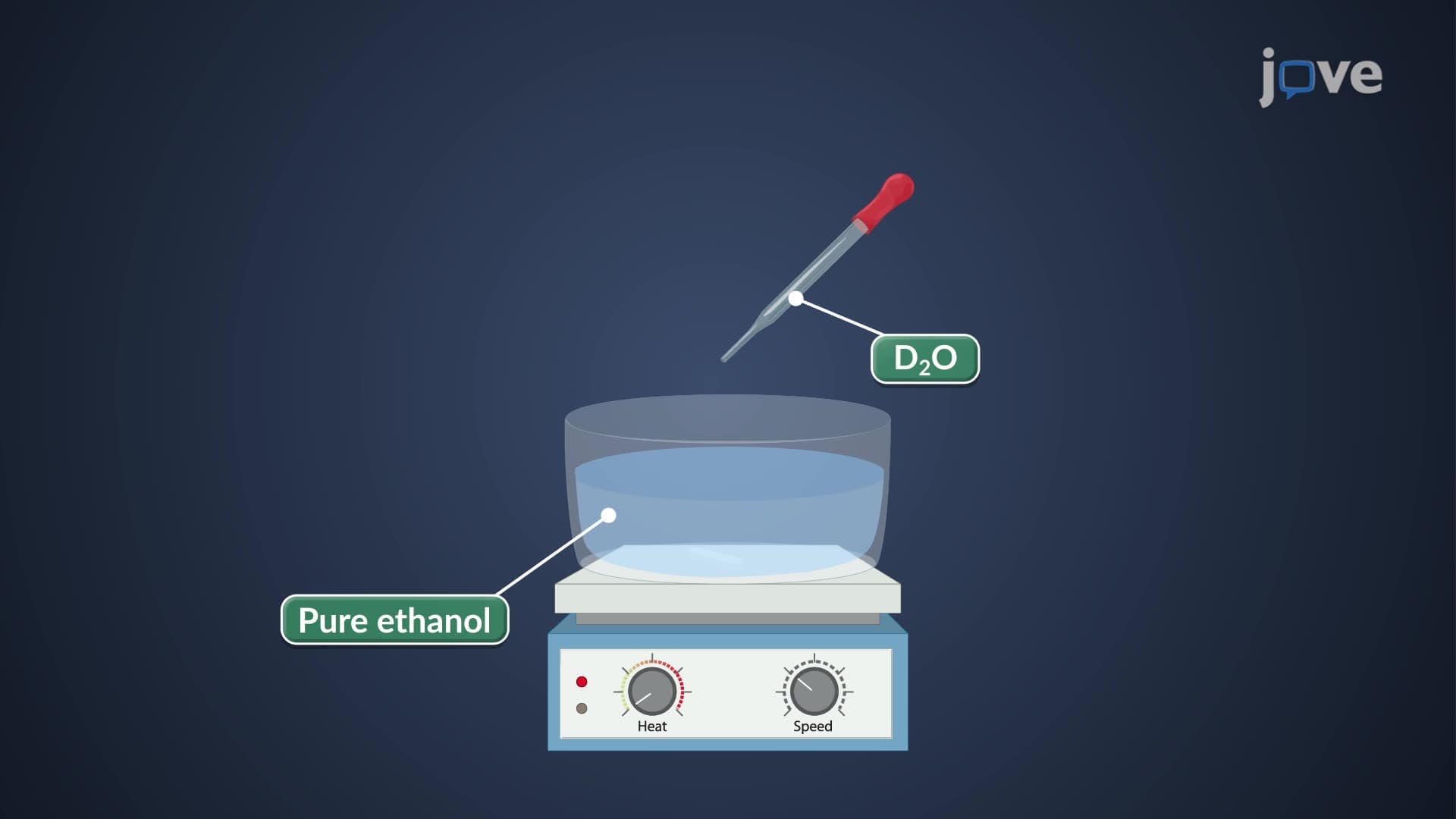
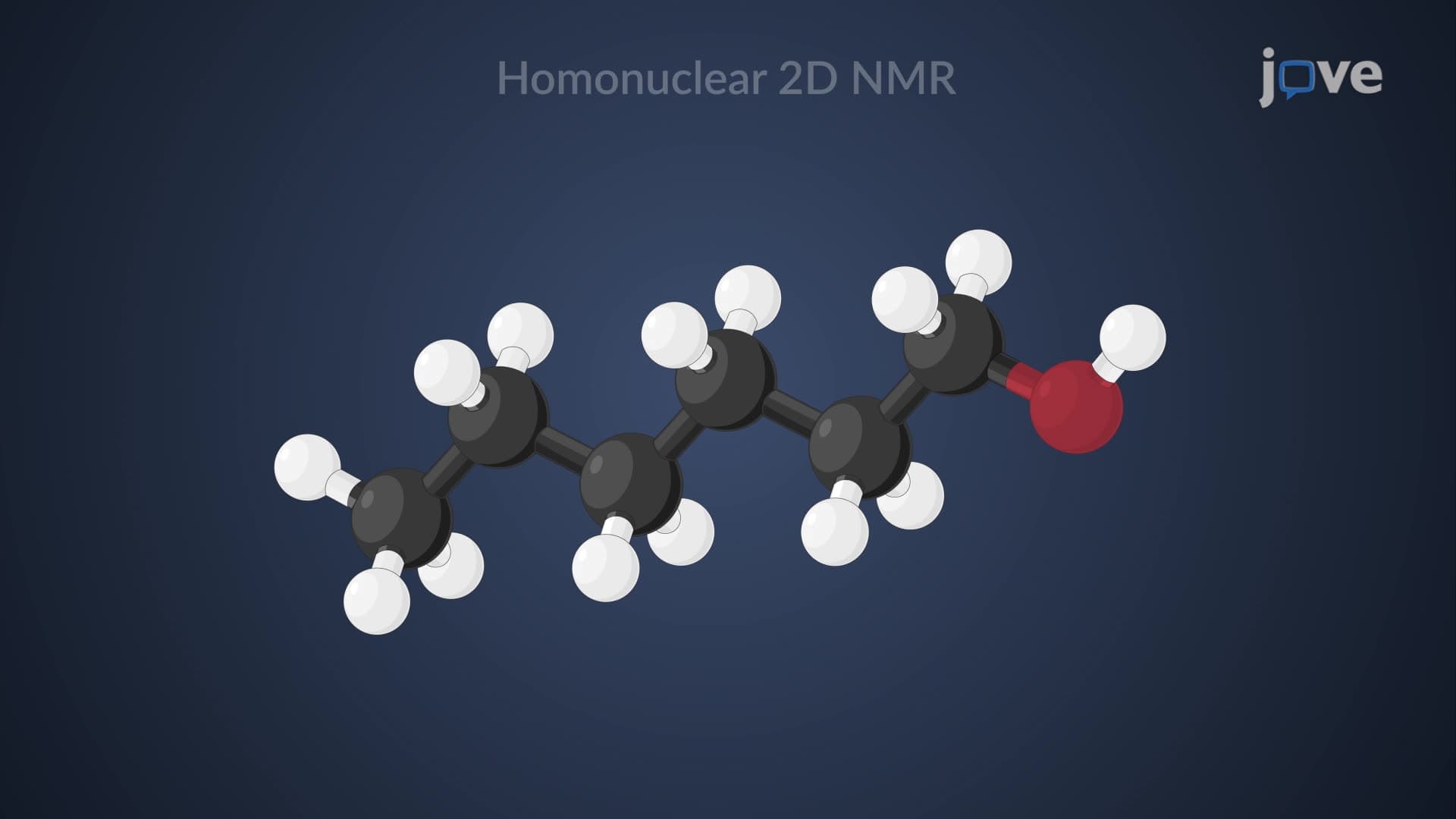
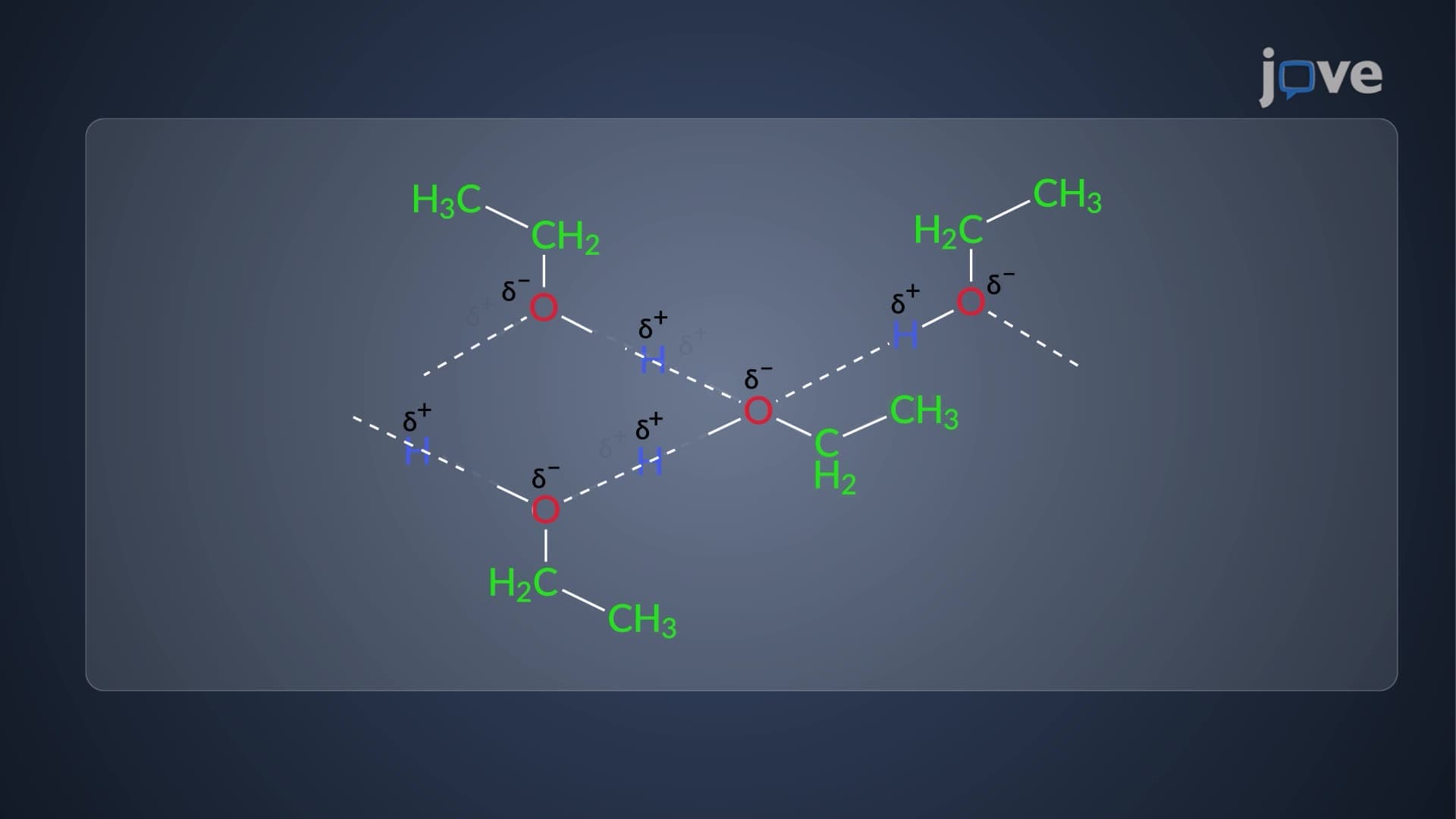
Consider ethanol analysis in a typical undergraduate organic chemistry lab at universities like UCLA or MIT. In ultra-pure, dry ethanol samples, the OH proton exchanges slowly enough that it couples with neighboring CH2 protons, producing a characteristic triplet. However, add even trace amounts of hydrochloric acid-as little as one drop in 10 mL-and the exchange rate accelerates dramatically. The temporal resolution NMR exchange becomes too fast to observe, collapsing the triplet into a broad singlet.
The phenomenon of labile proton signal broadening extends far beyond academic exercises. Pharmaceutical companies analyzing drug compounds routinely encounter this challenge. When Pfizer or Johnson & Johnson chemists analyze alcohol-containing drug intermediates, they must carefully control sample conditions to obtain interpretable spectra.
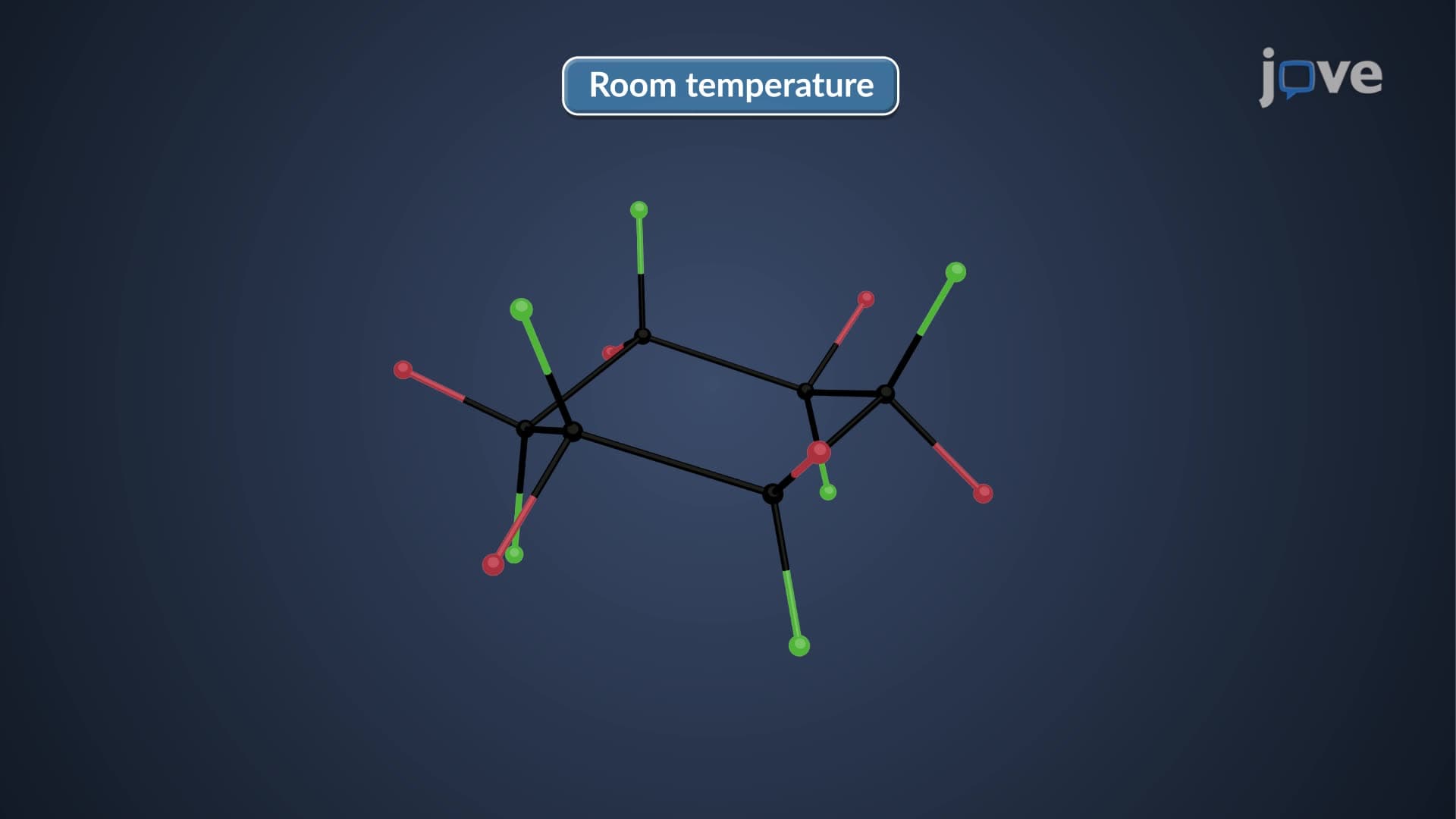
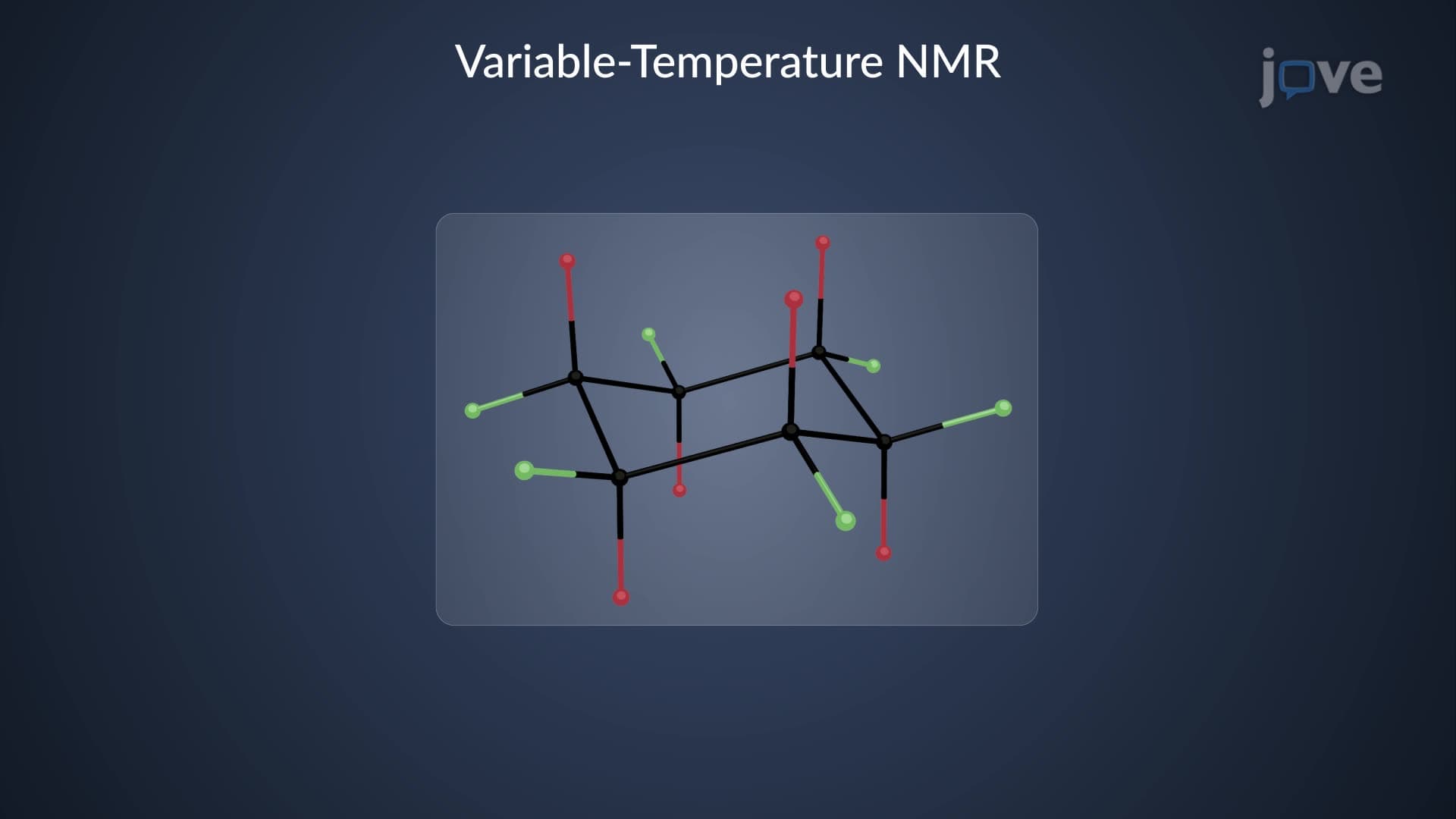
Temperature plays a crucial role in proton exchange rate NMR. Cooling samples to -40°C can slow exchange enough to restore coupling patterns, while heating accelerates exchange further. This temperature dependence proves particularly important in MCAT preparation, where students must understand how environmental factors influence spectroscopic results.
For AP Chemistry students preparing for advanced coursework, understanding OH NH labile NMR concepts provides essential foundation for organic chemistry success. College-level courses at institutions like Stanford and Harvard extensively cover these principles, particularly in advanced spectroscopy classes.
The concept frequently appears on standardized exams. MCAT questions often present NMR spectra where students must identify why certain signals appear broad or why expected coupling patterns are absent. Recognizing labile proton behavior can distinguish between answer choices and demonstrate deep conceptual understanding rather than mere memorization.
Related Micro-courses