Loading subject page…


11,655 views

Video Summary: What are Double Resonance Techniques
Did you know that pharmaceutical companies like Pfizer use double resonance NMR techniques to determine the exact structure of new drug molecules in just minutes? These powerful analytical methods manipulate two different nuclear spins simultaneously, allowing chemists to selectively "turn off" unwanted signal interference while observing specific atoms. What are double resonance techniques? They're sophisticated NMR methods that use precisely timed radiofrequency pulses to enhance signal clarity and reveal molecular details invisible with standard NMR. Watch the full video on JoVE Coach to master this concept with expert-led visuals and step-by-step explanations.
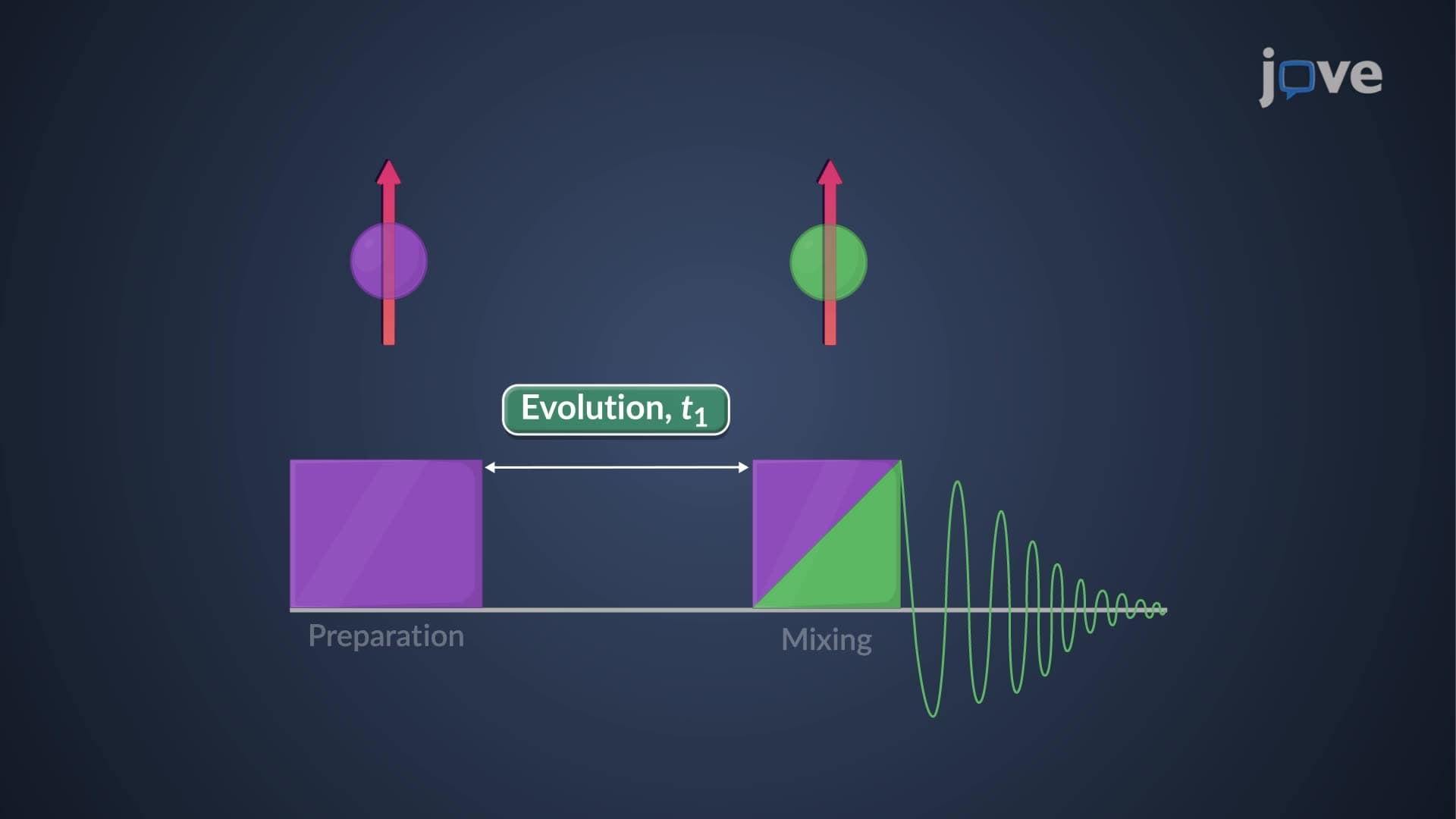
Double resonance NMR techniques represent a sophisticated advancement in nuclear magnetic resonance spectroscopy that revolutionized molecular analysis. These methods simultaneously apply two different radiofrequency fields-one for observation and another for irradiation-to manipulate distinct nuclear spins within the same molecule. This dual-frequency approach allows scientists to selectively enhance or suppress specific NMR signals, revealing structural information that would otherwise remain hidden in complex spectra.
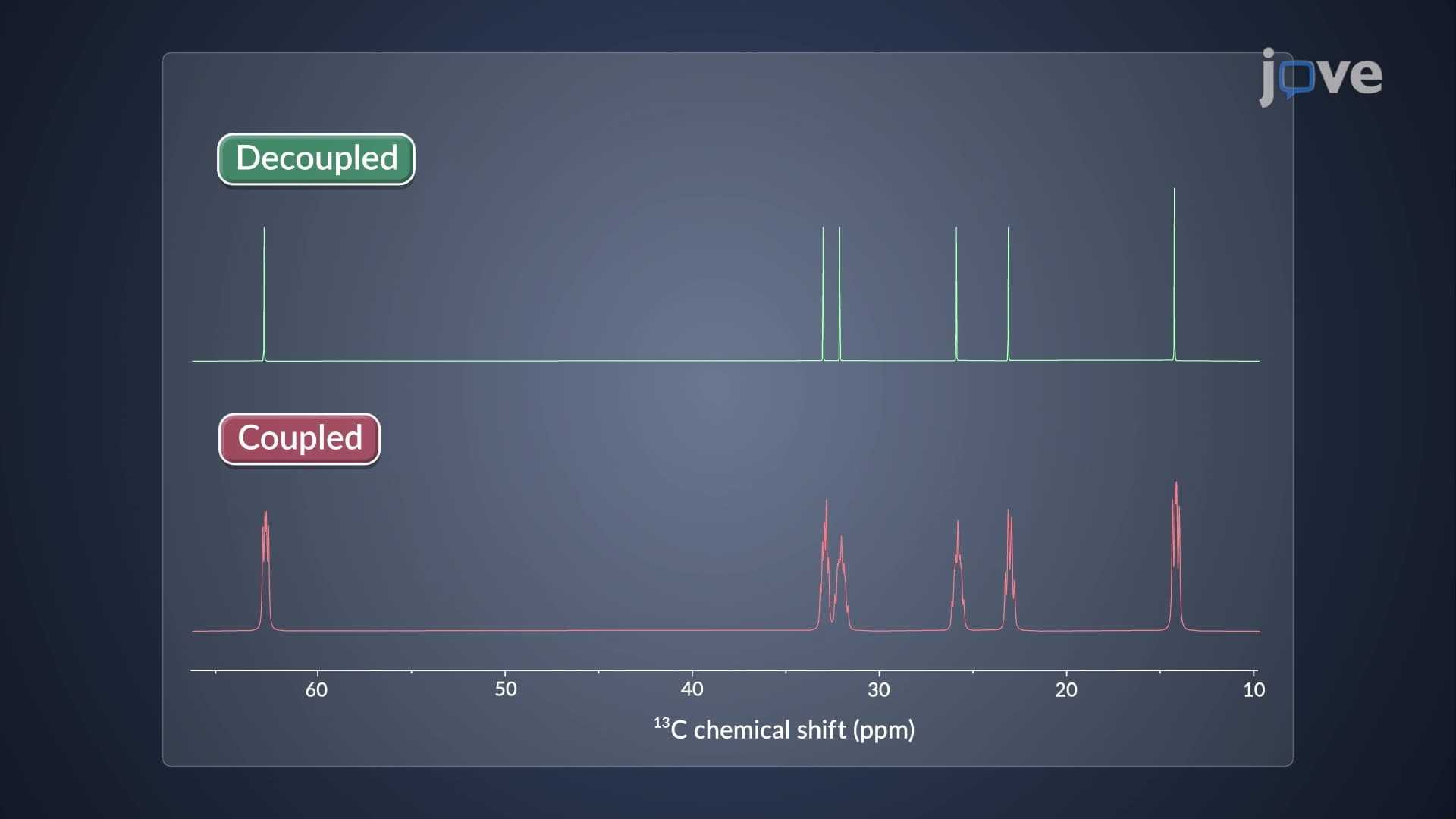
Spin decoupling NMR forms the cornerstone of double resonance methodology. In this process, researchers apply a second radiofrequency field to eliminate unwanted coupling interactions between nuclei. For example, when analyzing organic compounds at major US research institutions like MIT or Stanford, chemists routinely use proton decoupling to simplify carbon-13 NMR spectra. This technique removes the complex splitting patterns caused by carbon-hydrogen coupling, producing clean singlet peaks that are much easier to interpret for structural determination.
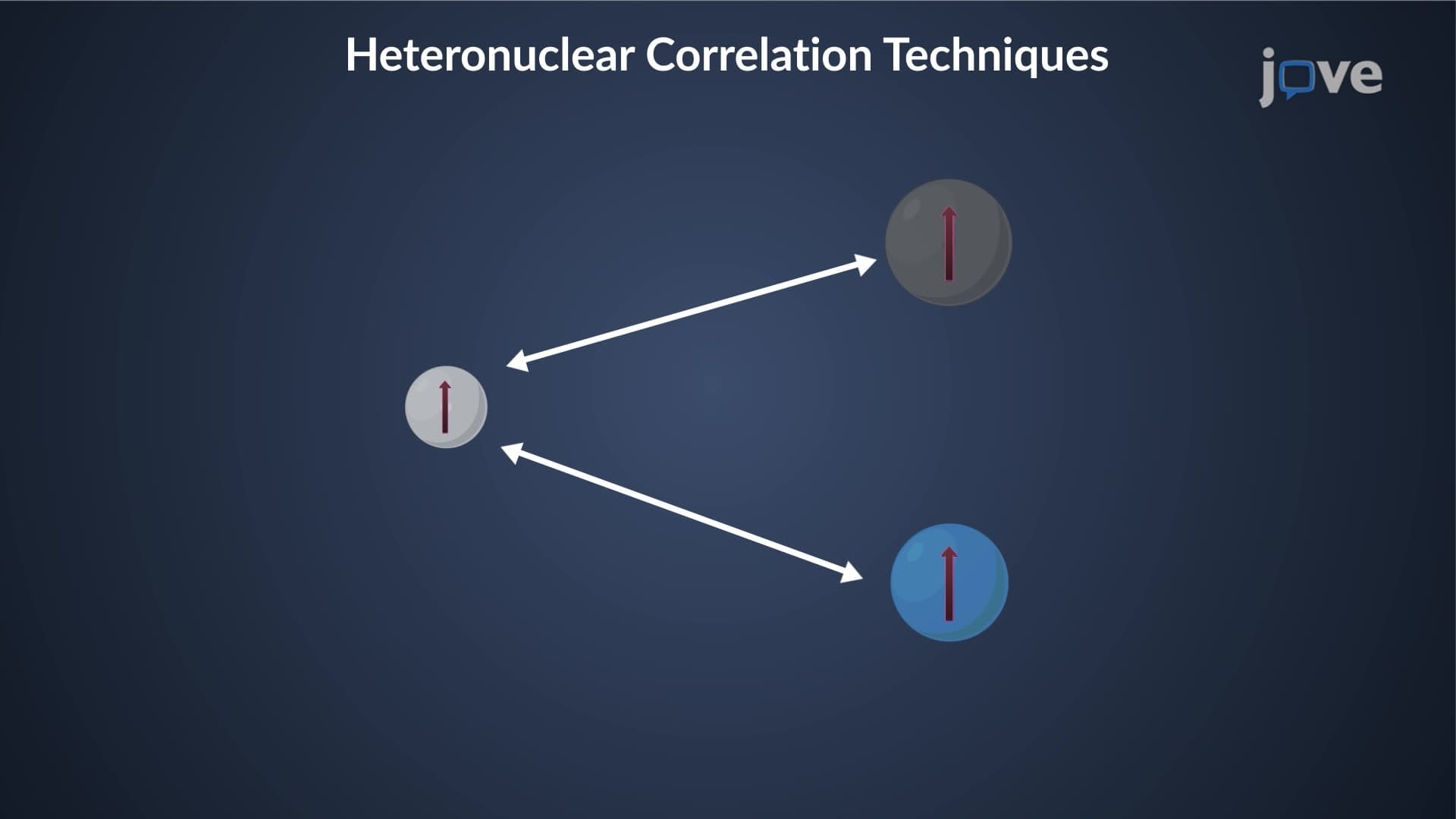
The distinction between selective and nonselective decoupling proves crucial for different analytical goals. Selective decoupling NMR targets specific nuclei, allowing researchers to determine which protons couple with particular carbons. Conversely, nonselective heteronuclear decoupling broadly eliminates all coupling with one type of nucleus, such as removing all proton-carbon interactions simultaneously.
Contemporary NMR double resonance methods explained reveal significant technological advances over early continuous irradiation techniques. Traditional methods required constant high-power radiofrequency irradiation, which generated excessive heat that could damage thermally sensitive biological samples or decompose unstable compounds. This limitation particularly affected pharmaceutical research and biochemical studies conducted at institutions like the National Institutes of Health.
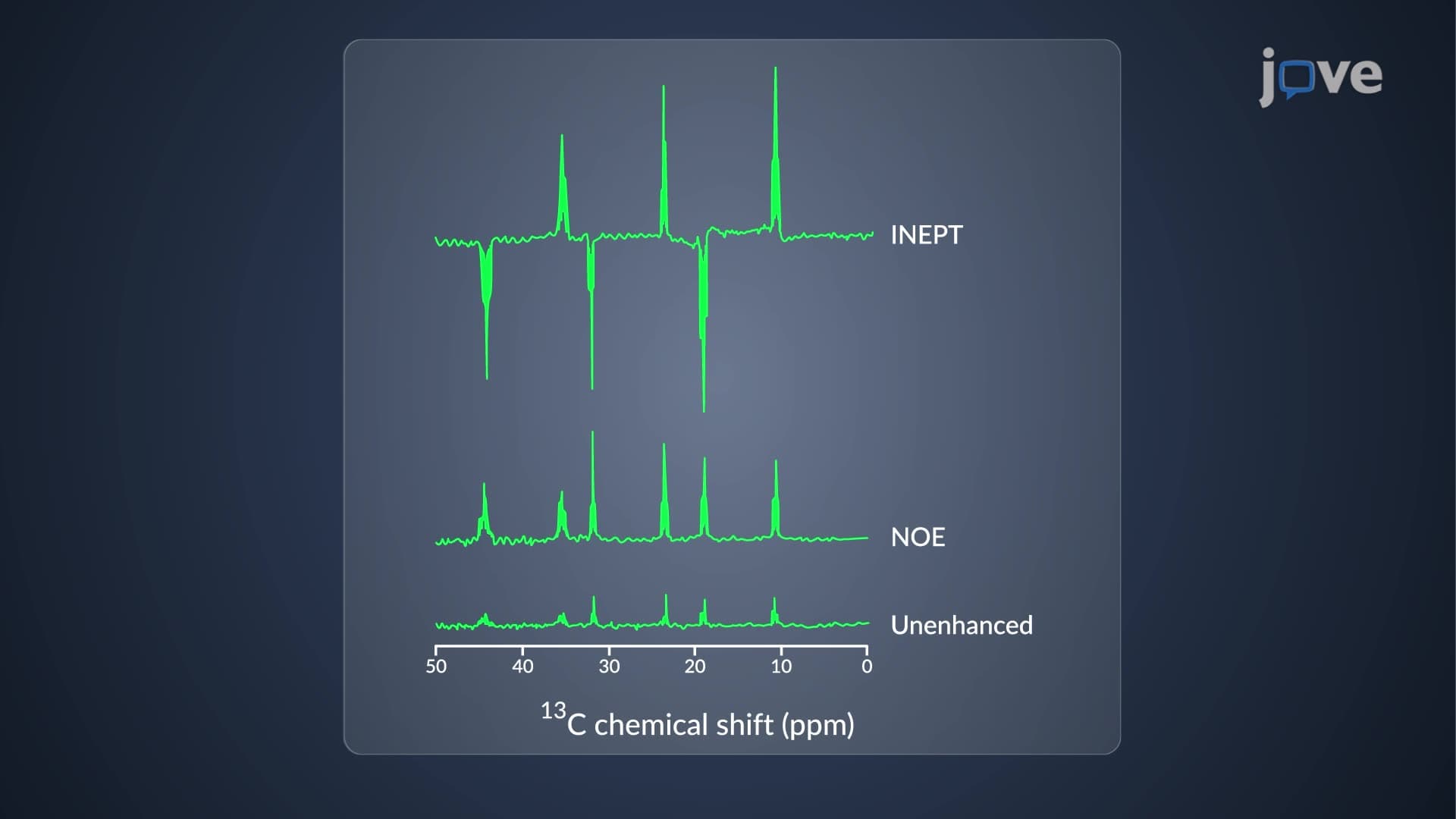
Modern instruments employ sophisticated pulsed sequences, such as J-modulated spin echo techniques, that achieve superior decoupling while minimizing thermal stress. These methods use precisely timed pulse sequences with strategic delays, allowing samples to cool between irradiation periods. Additionally, these advanced techniques often incorporate NOE double resonance effects, where the Nuclear Overhauser Effect enhances signal intensity through space-based interactions between nearby nuclei.
The attached proton test (APT) exemplifies practical double resonance techniques in NMR applications. In this experiment, carbon atoms display different signal phases depending on their hydrogen substitution: carbons bonded to an even number of protons (including zero) appear with opposite phase compared to those bonded to odd numbers of protons. This technique proves invaluable for distinguishing between methyl (CH₃), methylene (CH₂), methine (CH), and quaternary (C) carbons in organic molecules.
Students preparing for advanced placement chemistry exams, MCAT sections, or undergraduate organic chemistry courses should understand how external magnetic field strength affects decoupling requirements. Higher field strengths demand more powerful irradiation across broader frequency ranges, influencing both instrumental costs and experimental design at academic and industrial laboratories across the United States.
Related Micro-courses