Loading subject page…


11,656 views


Video Summary: What Is Nuclear Overhauser Enhancement Noe
Did you know that pharmaceutical companies use Nuclear Overhauser Enhancement NOE to determine the exact 3D shape of new drug molecules? This powerful NMR technique reveals spatial relationships between atoms that aren't chemically bonded, working like molecular GPS within 4 angstroms. The FDA relies on NOE data when approving medications, as it confirms whether drug molecules have the correct stereochemistry for therapeutic activity. Watch the full video on JoVE Coach to master this concept with expert-led visuals and step-by-step explanations.
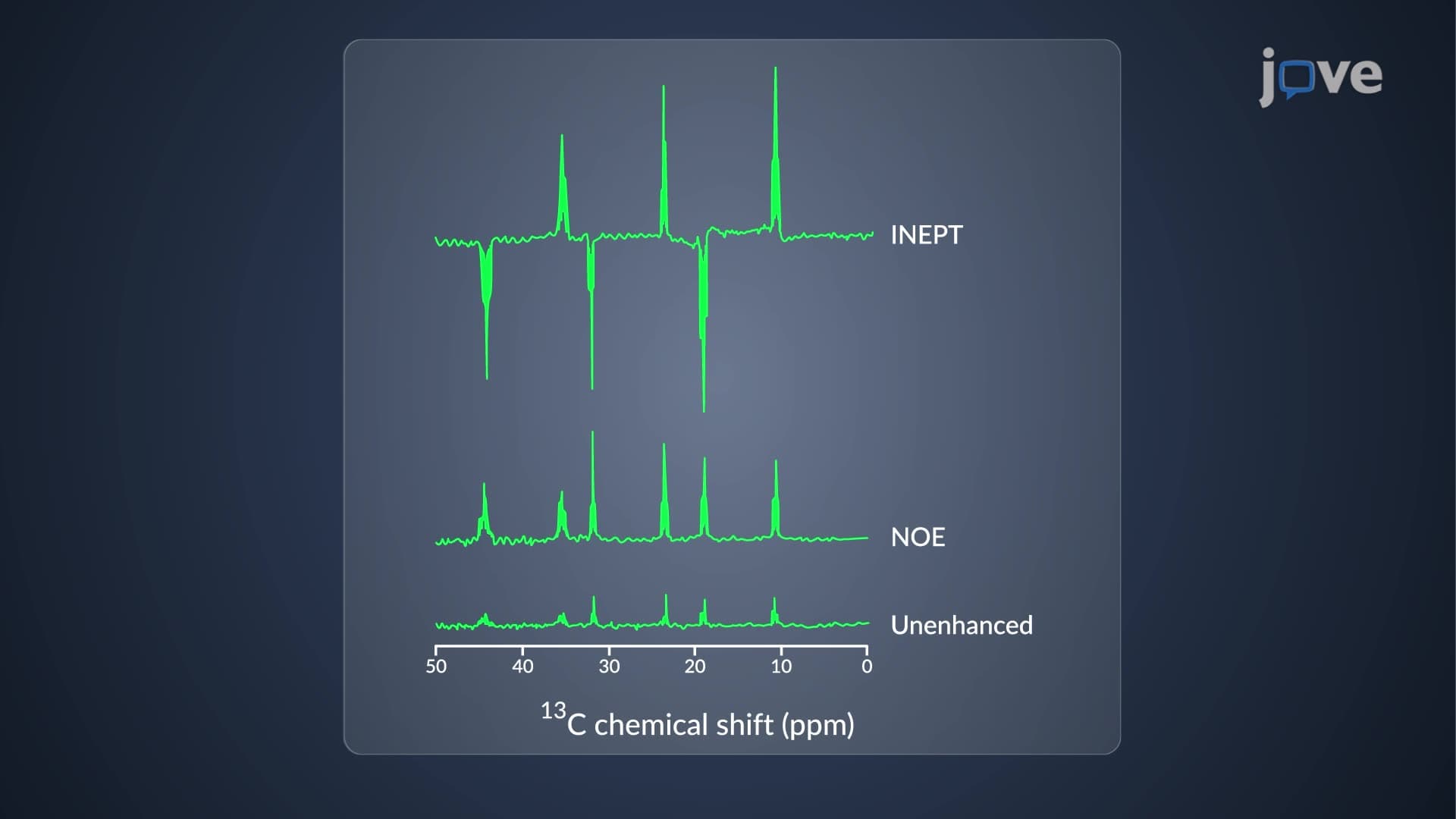
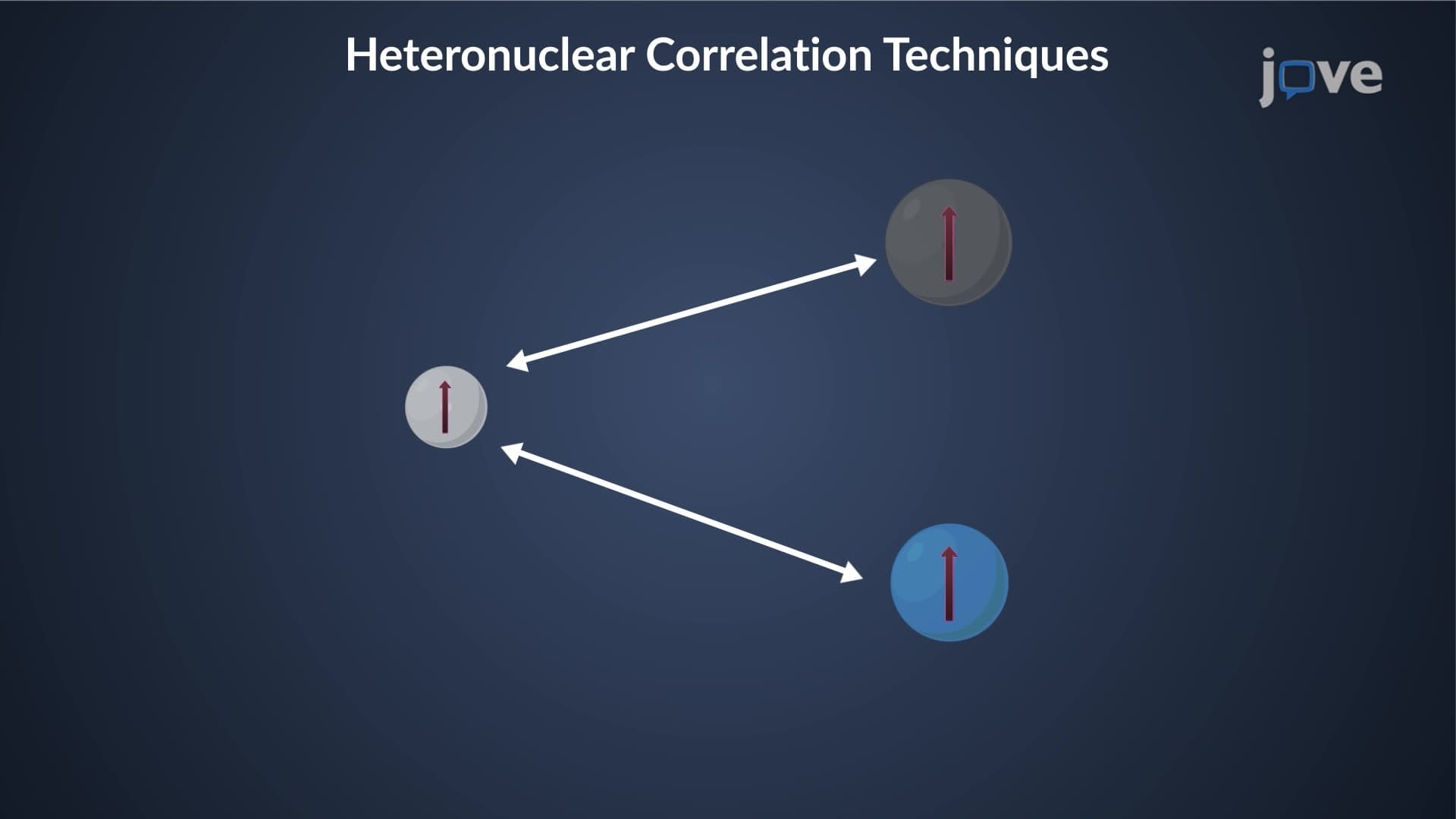
Nuclear Overhauser Enhancement NOE represents a breakthrough in understanding molecular structure through space rather than through bonds. Unlike traditional NMR coupling that occurs through chemical bonds (J-coupling), NOE operates via through-space dipolar interactions between nuclei. This phenomenon occurs when irradiating one nucleus affects the signal intensity of nearby nuclei, even when they're not directly connected by covalent bonds.
The underlying mechanism involves nuclear spin polarization transfer through dipole-dipole interactions. When you irradiate a specific proton, energy transfers to neighboring protons within approximately 4 angstroms, either increasing (positive NOE) or decreasing (negative NOE) their signal intensities. This distance dependence follows an inverse sixth power relationship (r^-6), making NOE extremely sensitive to small changes in internuclear distance.
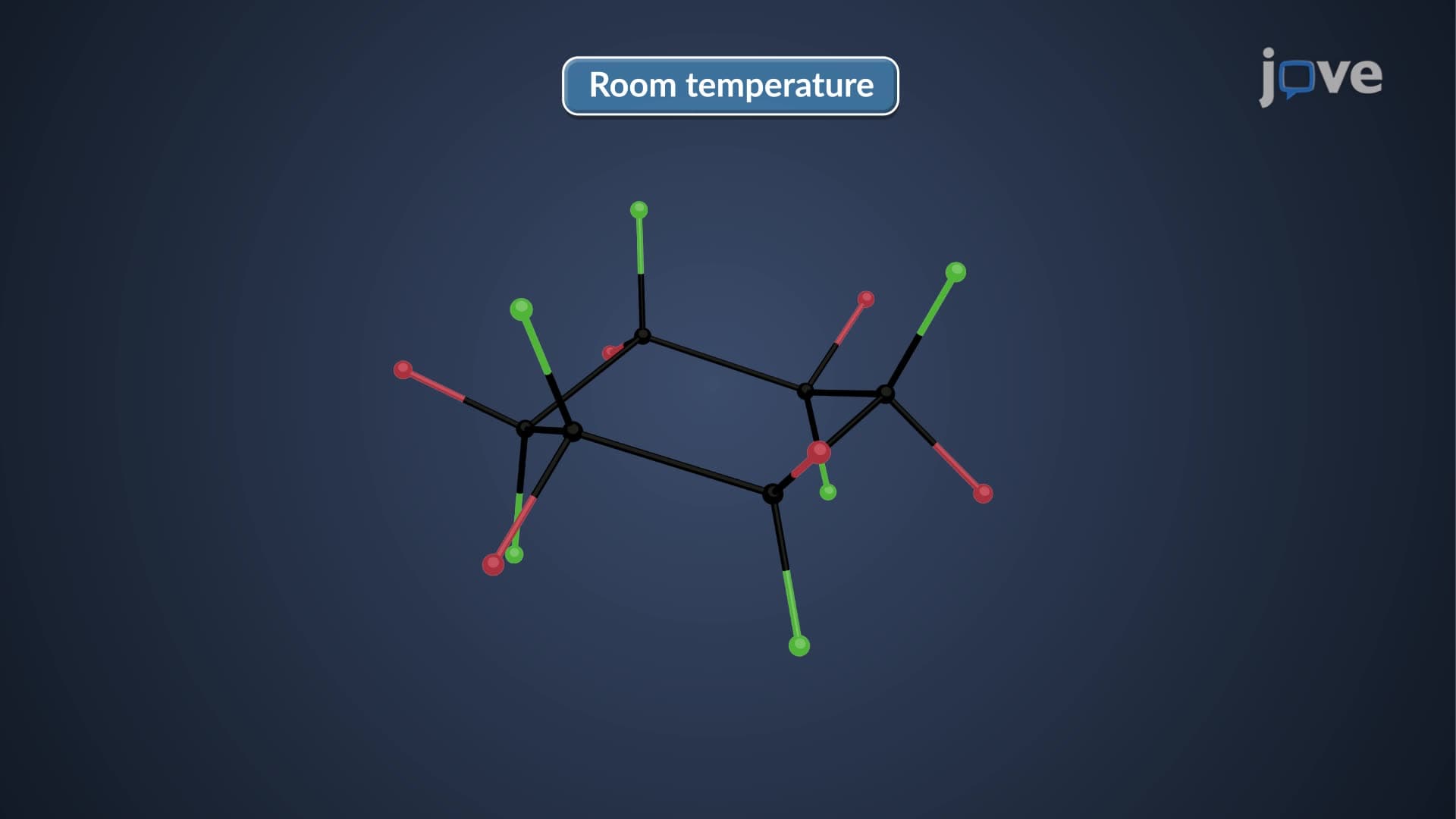
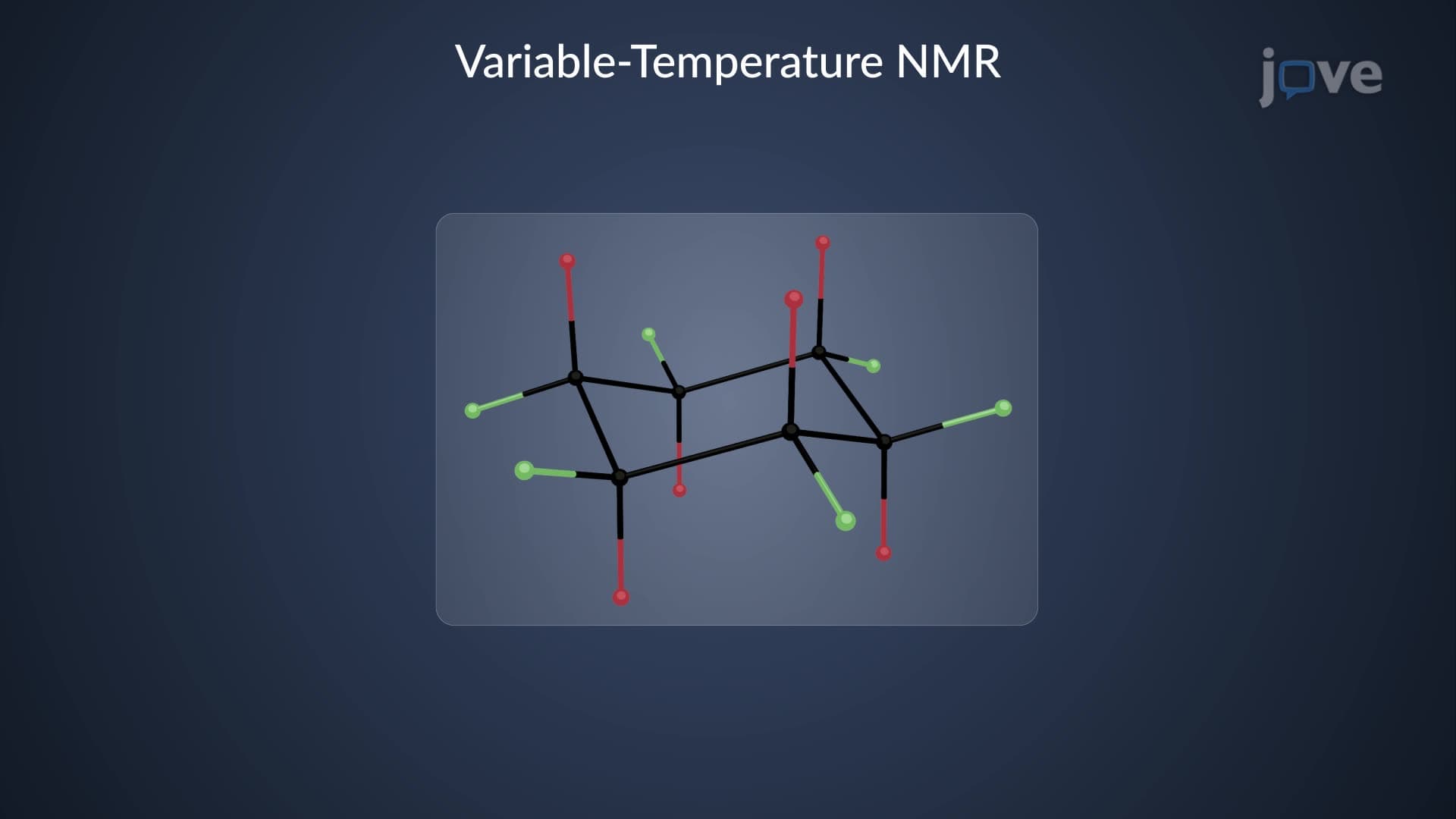
The 4-angstrom distance limit makes NOE invaluable for determining local molecular structure. In organic chemistry courses at universities like UC Berkeley and MIT, students learn to use NOE data to distinguish between stereoisomers. For example, in cyclohexane derivatives, NOE can confirm whether substituents are axial or equatorial by detecting close spatial contacts.
Pharmaceutical companies extensively use NOE for drug design. When Pfizer develops new medications, NOE data helps confirm that synthetic compounds have the correct three-dimensional structure for biological activity. The FDA requires detailed structural proof, including NOE studies, before approving new pharmaceuticals.
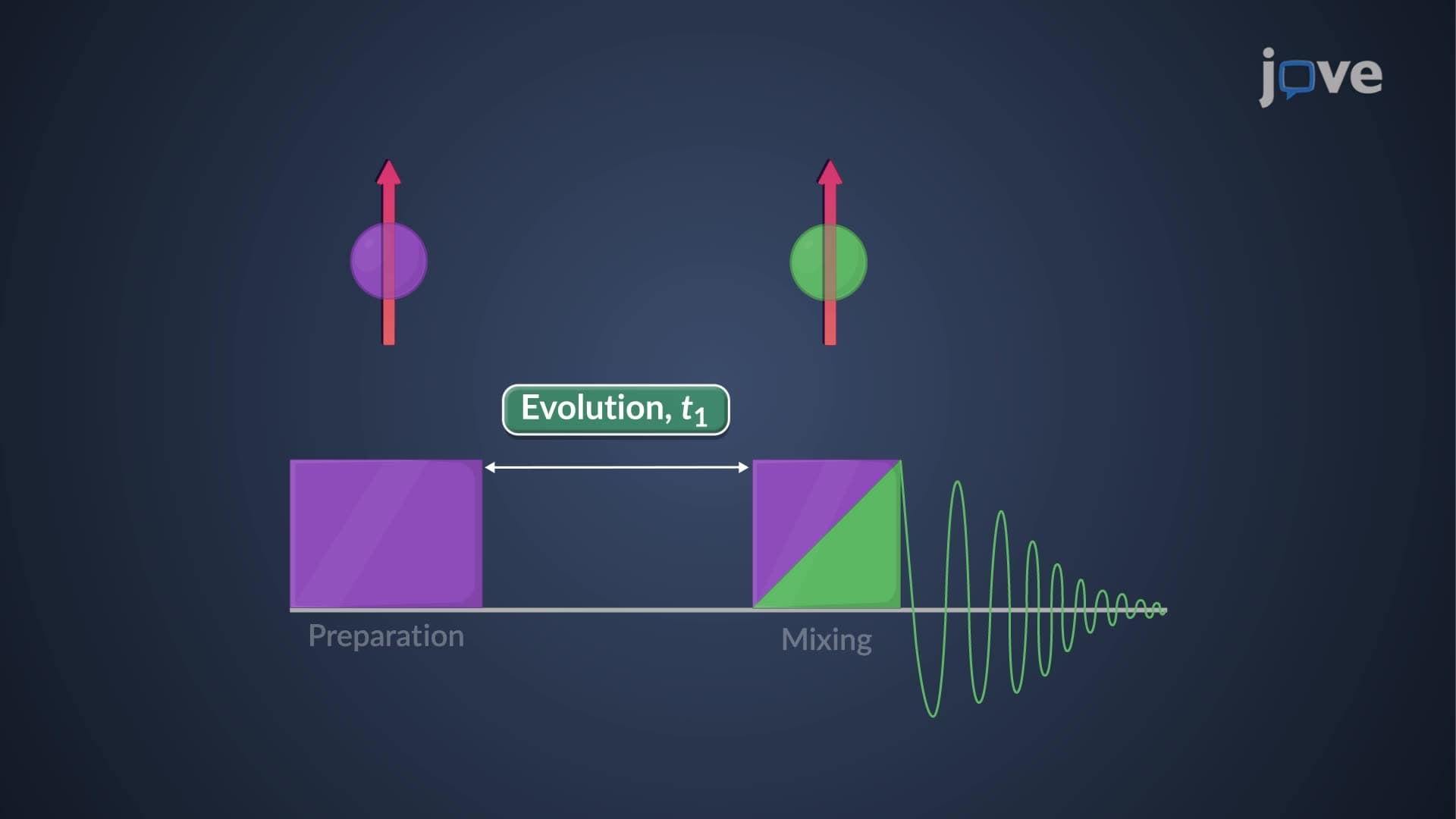
Two-dimensional NOESY (Nuclear Overhauser Effect Spectroscopy) experiments expand NOE capabilities by mapping all spatial relationships simultaneously. This technique appears frequently on MCAT examinations, where students must interpret 2D spectra to determine molecular structure.
In protein research at institutions like Stanford and Johns Hopkins, scientists use NOE to determine protein folding patterns. The technique reveals which amino acid residues are spatially close, enabling researchers to map protein structures crucial for understanding diseases like Alzheimer's and developing targeted therapies.
Related Micro-courses