Loading subject page…

- Analytical Chemistry
- Chemical Equilibria
- Chemical Equilibria: Redefining Equilibrium Constant
Micro-course: Chemical Equilibria
22,525 views
Learn key concepts and earn your certificate.










Chemical Equilibria: Redefining Equilibrium Constant

00:00
01:20
Video Summary: Chemical Equilibria Redefining Equilibrium Constant Explained
Why do road salt treatments become less effective in extremely concentrated brine solutions? The answer lies in how the equilibrium constant redefined through thermodynamic principles reveals the true behavior of ionic solutions. When chemical equilibria redefining equilibrium constant explained properly, we discover that traditional concentration-based calculations fail in high ionic strength environments, requiring activity-based corrections for accurate predictions in applications from water treatment plants to pharmaceutical manufacturing. Watch the full video on JoVE Coach to master this concept with expert-led visuals and step-by-step explanations.
- Understand how chemical equilibria redefining equilibrium constant explained through thermodynamic principles accounts for real solution behavior beyond ideal conditions
- Identify when concentration-based equilibrium constants fail and thermodynamic equilibrium constants become necessary for accurate calculations
- Analyze the relationship between ionic strength, activity coefficients, and equilibrium constant accuracy in sparingly soluble salt systems
- Compare ideal versus real solution behavior using activity-based equilibrium expressions for multiply charged ions
- Evaluate the critical ionic strength threshold (0.01 M) where activity corrections become essential for reliable predictions
- Apply thermodynamic equilibrium constant principles to solve problems involving the salt effect and solubility calculations
- Recognize how activity coefficients incorporate partial molar Gibbs energy to correct for non-ideal solution behavior
- Explore the connection between chemical potential, thermodynamic equilibrium constants, and real-world industrial applications
Understanding Chemical Equilibria Redefining Equilibrium Constant Through Thermodynamics
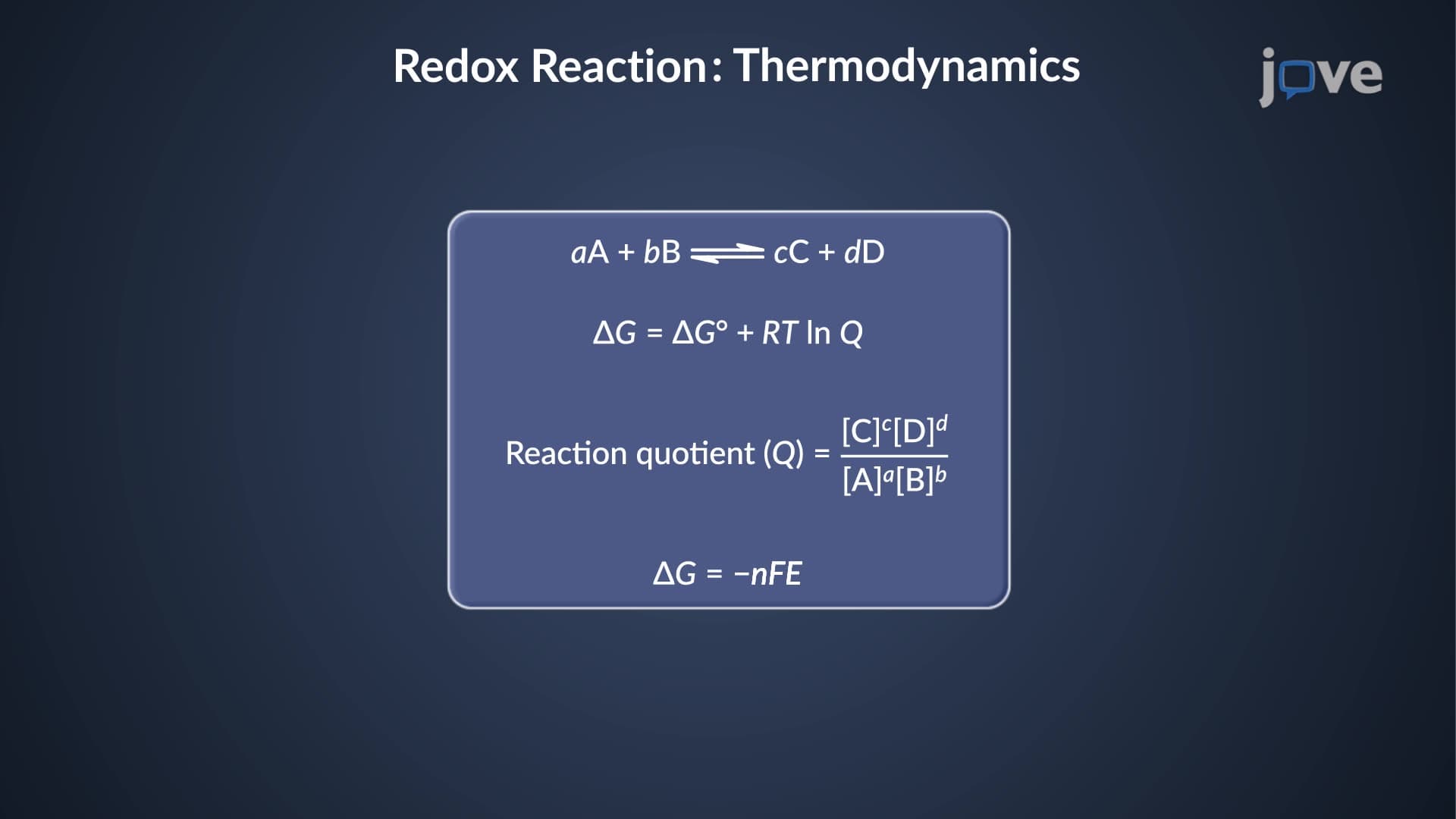
Traditional equilibrium constants work perfectly for dilute solutions, but real-world chemistry often involves concentrated ionic environments where these simple expressions break down. The thermodynamic equilibrium constant represents a fundamental redefinition that accounts for the actual behavior of species in solution, not just their concentrations.
The Activity Concept: Beyond Simple Concentrations
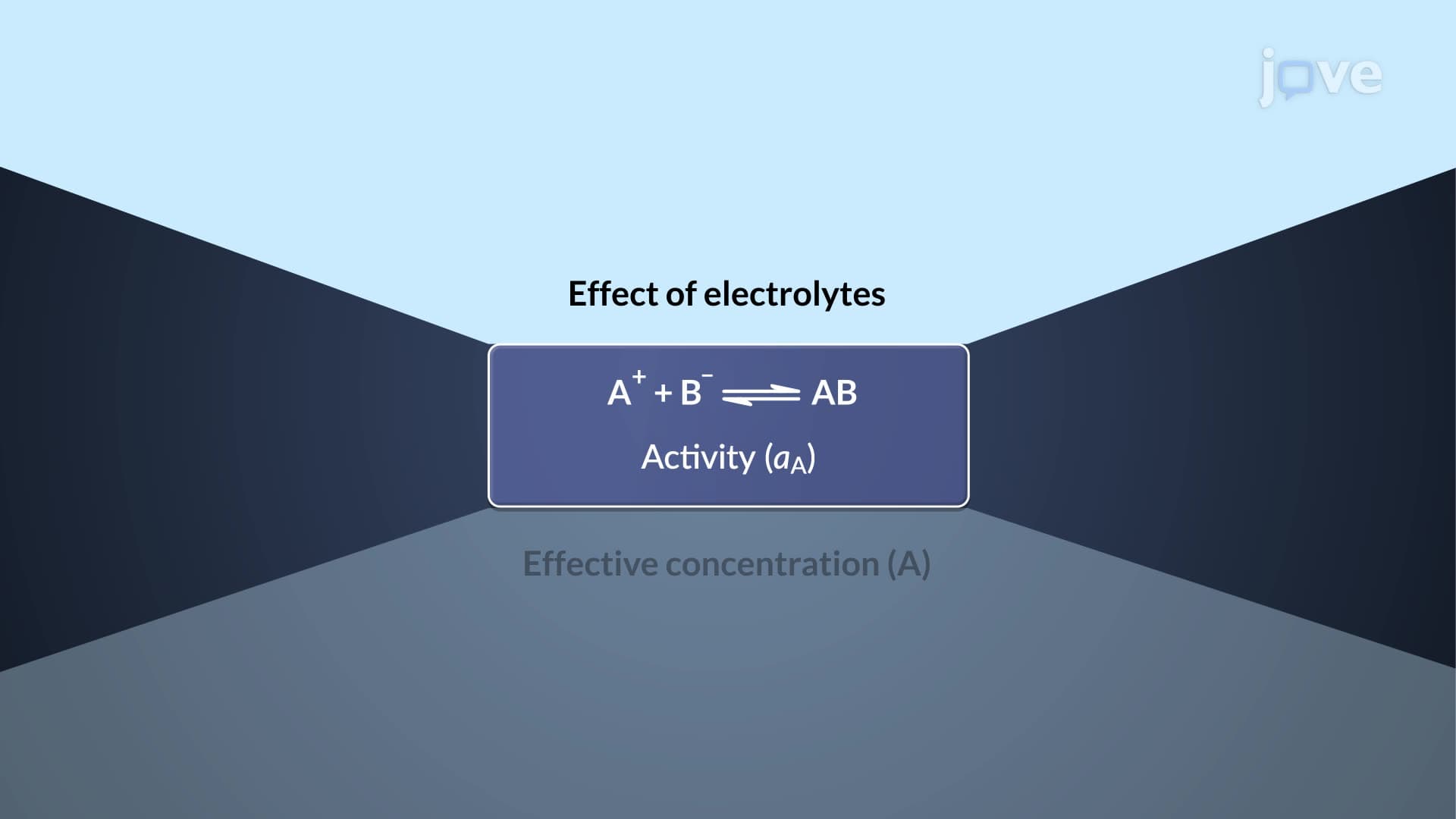
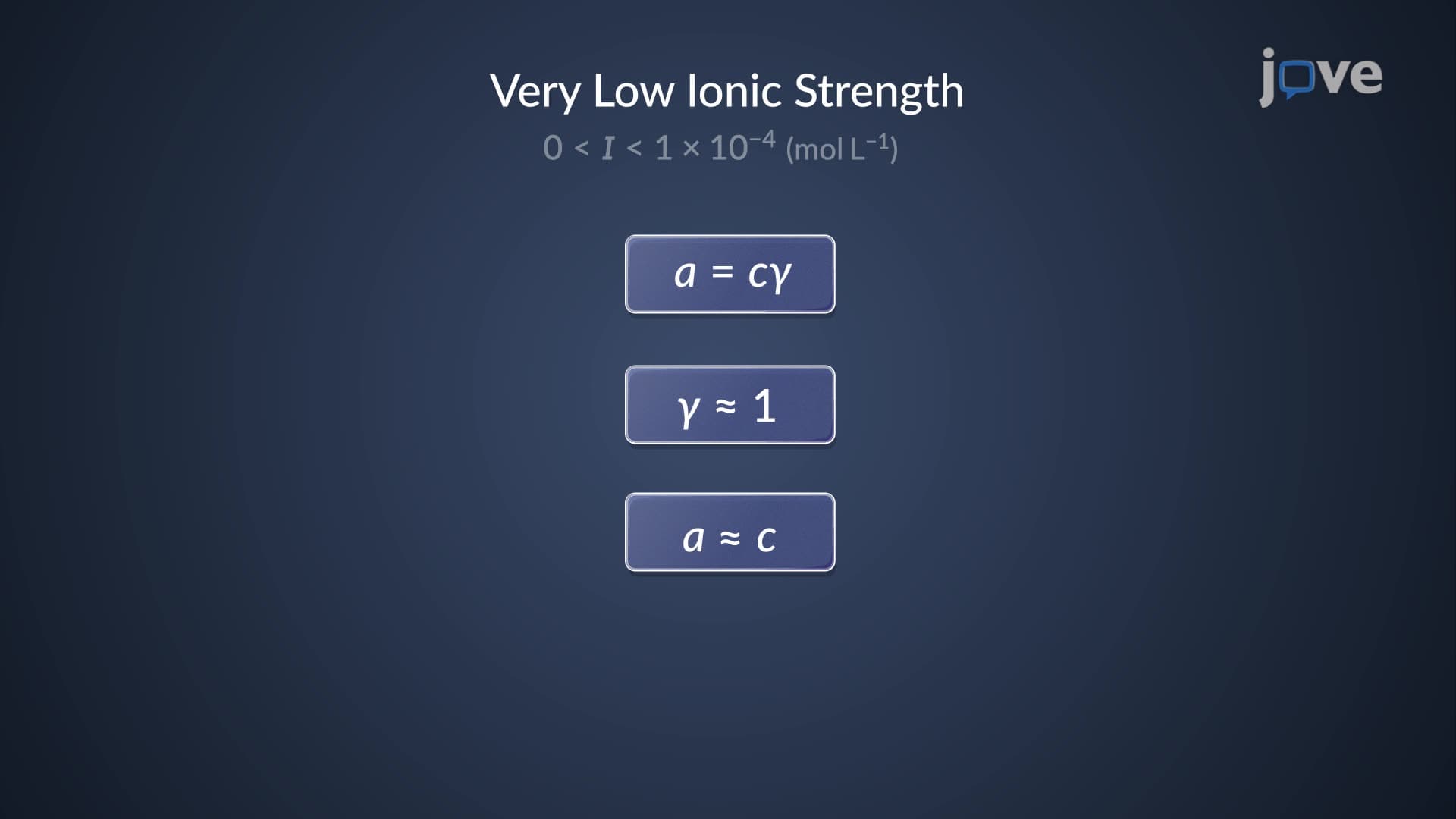
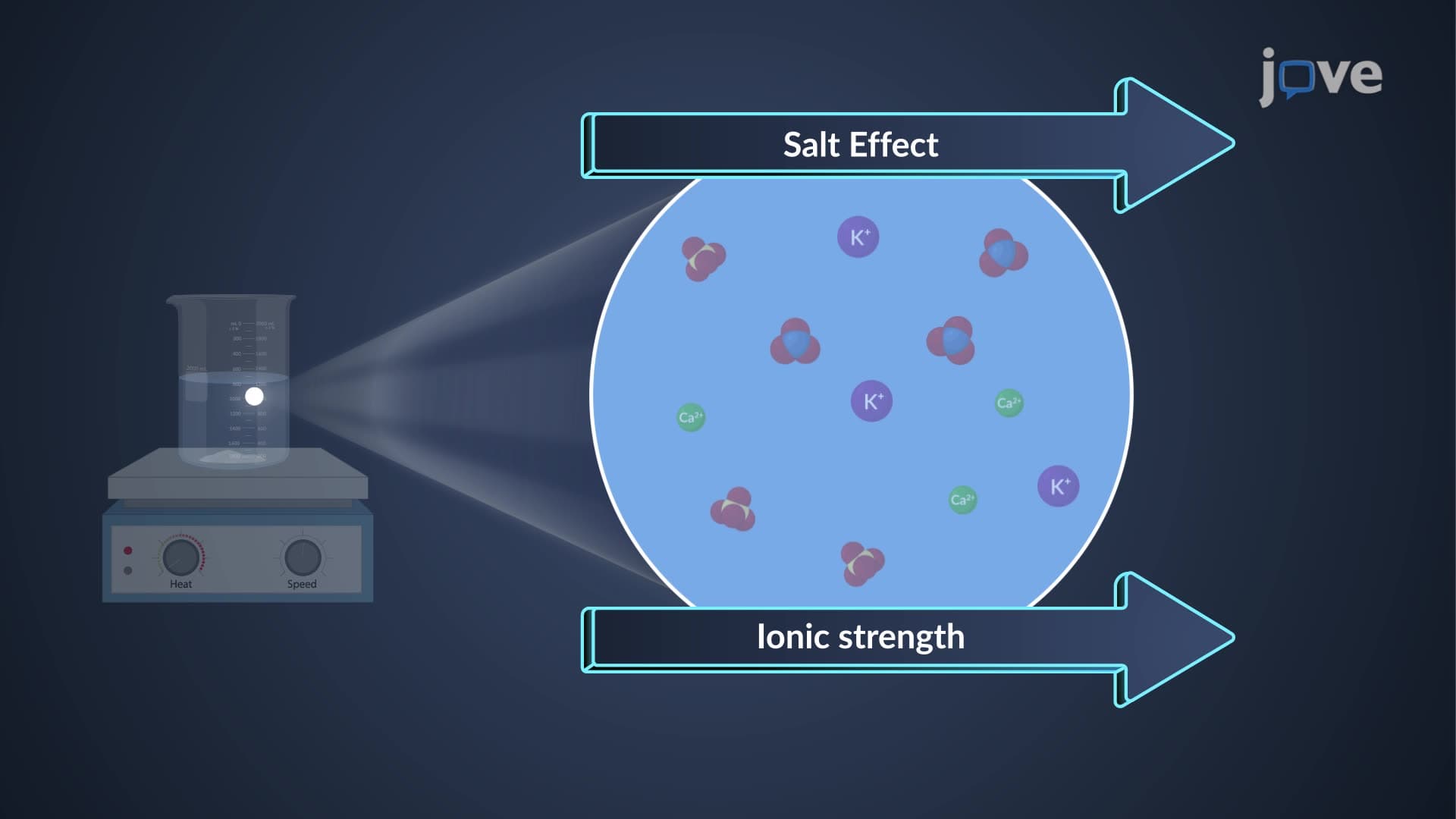
Activity represents the "effective concentration" of a species in solution, incorporating how molecular interactions affect reactivity. In dilute solutions below 0.01 M ionic strength, activity coefficients approach unity, making activities approximately equal to concentrations. However, as ionic strength increases-common in industrial processes like wastewater treatment or pharmaceutical synthesis-these coefficients deviate significantly from one.
Consider silver chloride precipitation in seawater versus distilled water. The high ionic strength of seawater (approximately 0.7 M) creates substantial activity coefficient corrections, making AgCl more soluble than predicted by simple Ksp calculations. This explains why ocean chemistry differs dramatically from textbook predictions.
How Activity Redefines Equilibrium Constant Applications
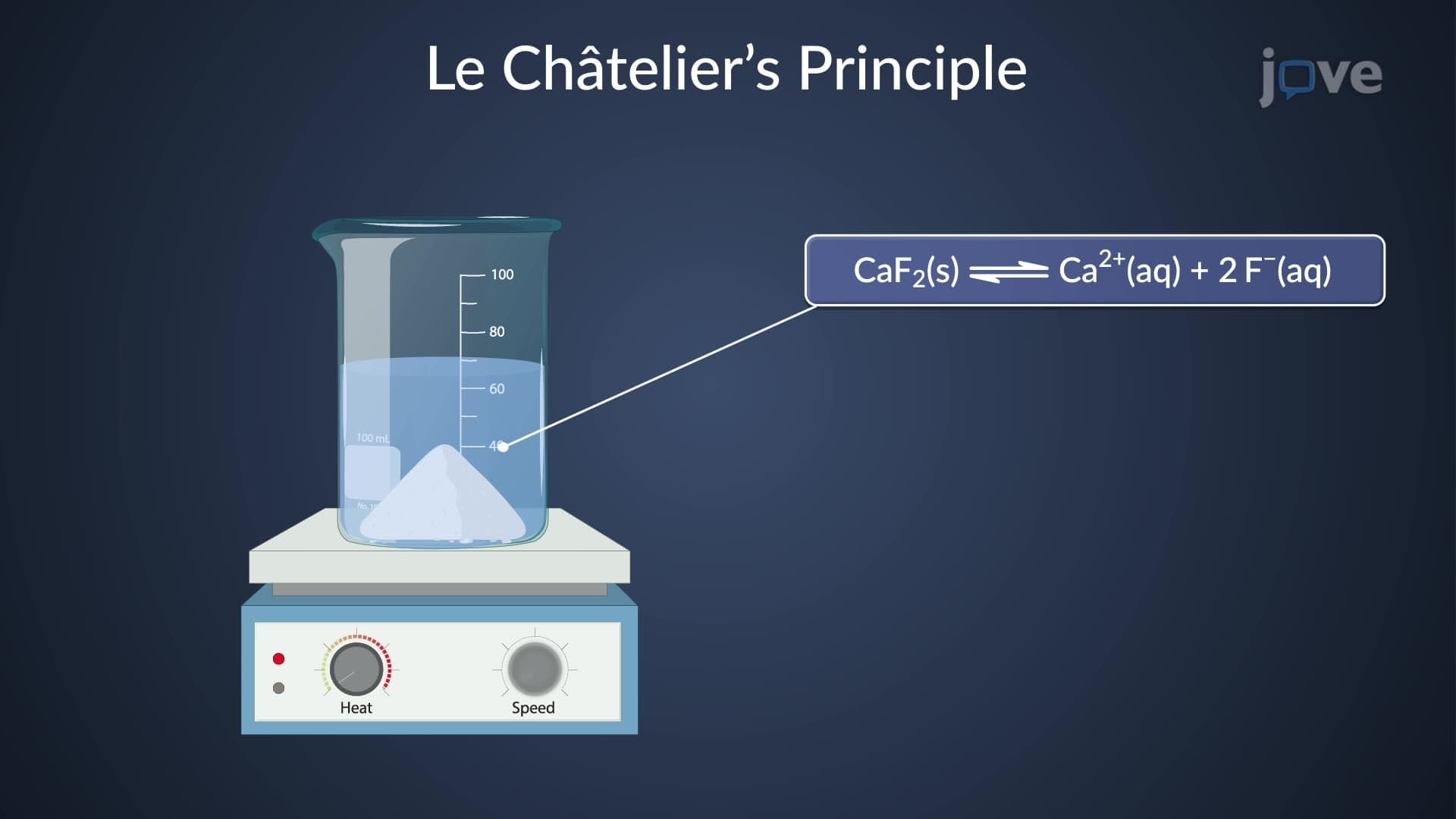
The salt effect demonstrates this principle practically. Adding sodium nitrate to a saturated silver chloride solution increases AgCl solubility despite containing no common ions. The thermodynamic equilibrium constant Ka Kb Ksp thermodynamic expressions account for this through activity coefficients that decrease as ionic strength increases.
For AP Chemistry and college-level courses, students encounter this when studying buffer systems in biological conditions. Blood plasma's ionic strength of approximately 0.15 M requires activity corrections for accurate pH calculations, crucial for understanding physiological chemistry and medical applications.
Practical Implications for US Students and Professionals
This concept appears frequently on the MCAT, particularly in passages involving biological systems or analytical chemistry. Engineering students applying to programs at institutions like MIT or Stanford encounter these principles in environmental engineering, where accurate modeling of ion behavior in contaminated groundwater or industrial effluents requires thermodynamic equilibrium constants.
The ideal vs real equilibrium distinction becomes critical in pharmaceutical development, where drug solubility calculations must account for the high ionic strength environments of biological fluids and manufacturing solutions.
Frequently Asked Questions
The thermodynamic equilibrium constant uses activities instead of concentrations, accounting for how molecular interactions affect species behavior in solution. Unlike concentration-based constants, it remains truly constant regardless of ionic strength, providing accurate predictions for real chemical systems including biological fluids and industrial solutions.
AP Chemistry typically assumes ideal behavior, so activity corrections aren't required for the exam itself. However, understanding this concept helps explain discrepancies between calculated and experimental values, particularly valuable for free-response questions discussing limitations of equilibrium calculations and real-world applications.
MCAT passages often present experimental data showing deviations from ideal behavior, expecting you to recognize when simple equilibrium expressions fail. Questions may involve buffer systems in biological conditions or solubility problems where ionic strength effects explain unexpected results, particularly in biochemistry and general chemistry sections.
At high concentrations, activity coefficients significantly reduce the effective concentration of dissolving species, making the salt less efficient at melting ice. This real-world example demonstrates how industrial applications must consider thermodynamic equilibrium constants rather than simple concentration-based calculations for optimal performance.
No advanced mathematics is required beyond basic algebra and logarithms typically covered in high school chemistry. The key is understanding the conceptual difference between concentration and activity, with numerical calculations following standard equilibrium problem-solving approaches you already know.
Focus on understanding when and why simple equilibrium expressions fail rather than memorizing complex equations. Practice identifying high ionic strength scenarios and connecting activity coefficient corrections to real experimental observations, particularly useful for college chemistry courses and professional school preparation.
Explore electrochemistry and the Nernst equation, where activity corrections become essential for accurate cell potential calculations. Advanced topics include Debye-Hückel theory for calculating activity coefficients and applications in analytical chemistry, particularly relevant for students pursuing chemistry, engineering, or pre-medical tracks.
Related Micro-courses

14 Concepts

17 Concepts
