Loading subject page…

- Analytical Chemistry
- Chemical Equilibria
- Complexation Equilibria: Factors Influencing Stability of Complexes
Micro-course: Chemical Equilibria
22,525 views
Learn key concepts and earn your certificate.



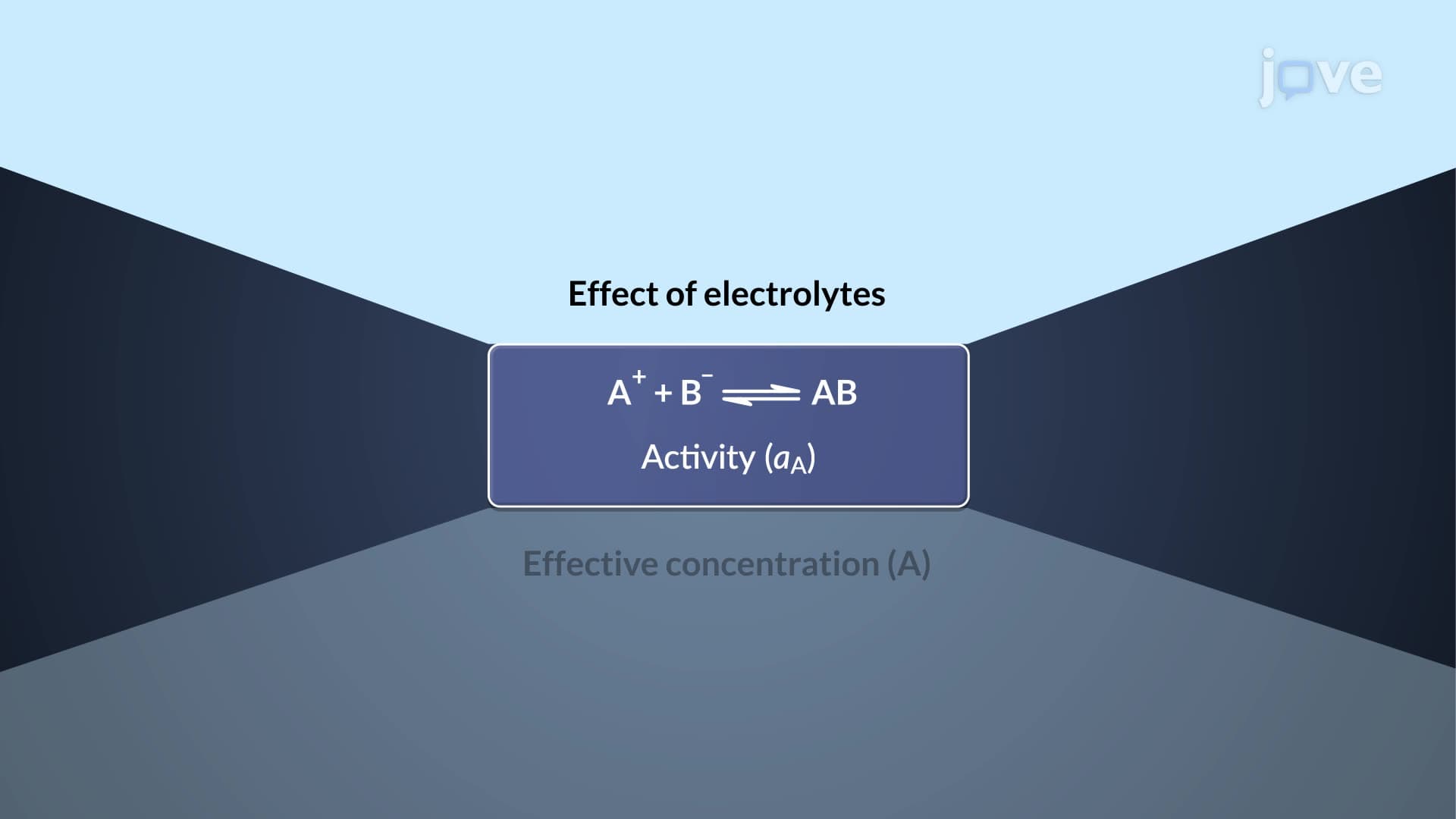
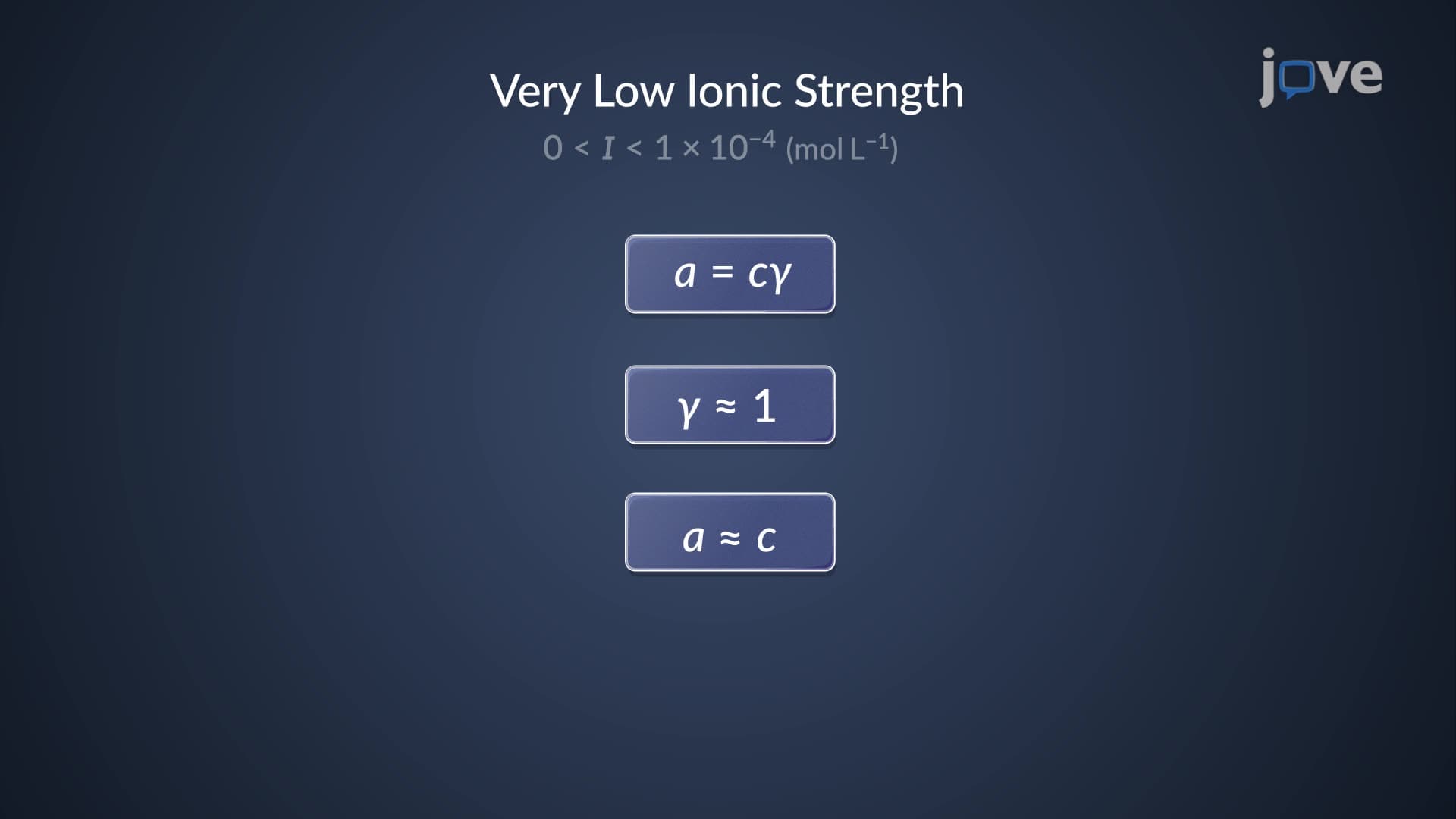
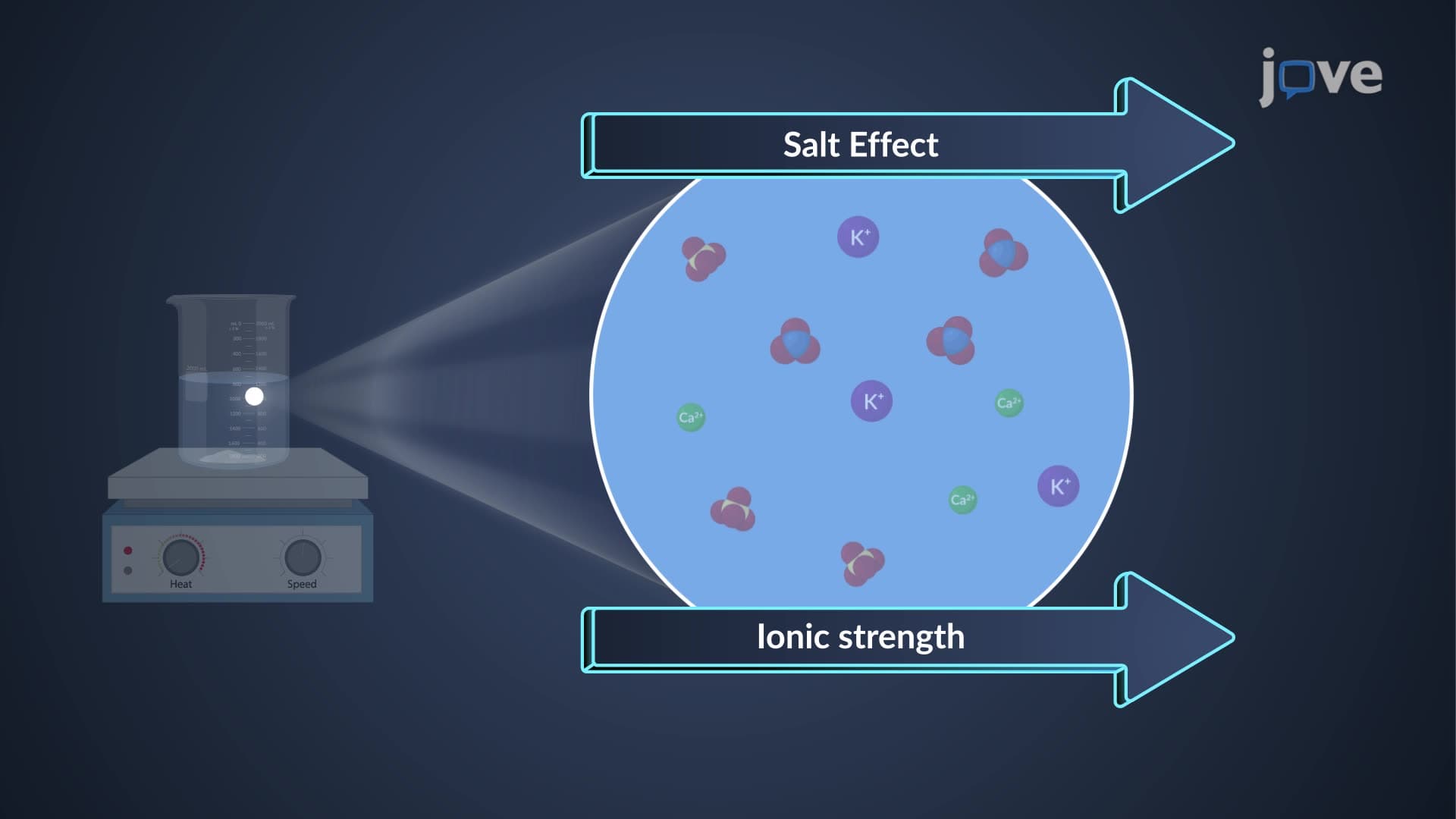


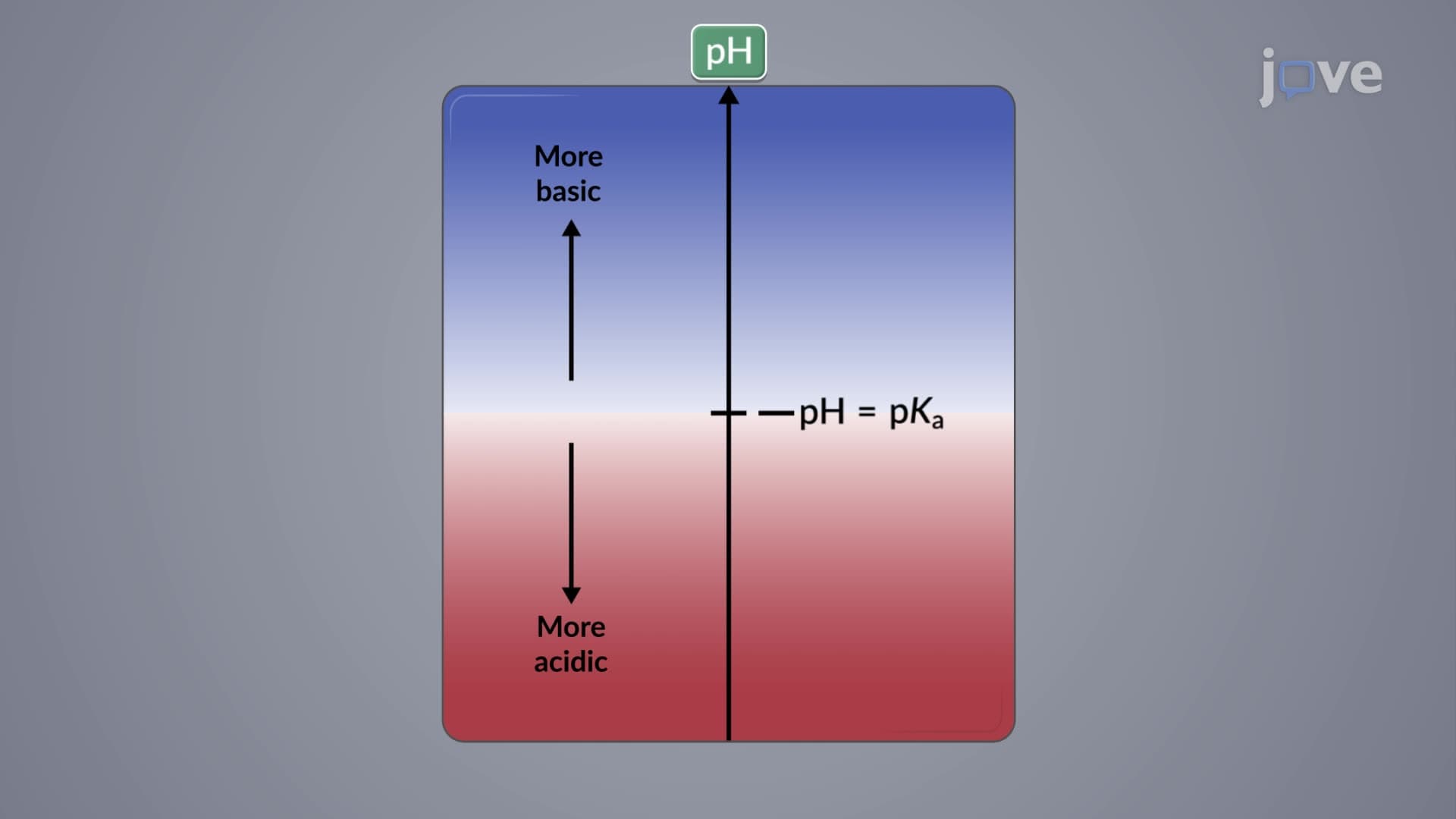





Complexation Equilibria: Factors Influencing Stability of Complexes


00:00
01:09
Video Summary: Complexation Equilibria Factors Influencing Stability Explained
Ever wonder why hemoglobin in your blood holds onto oxygen so tightly, or how water treatment plants remove heavy metals? Complexation stability factors determine which metal-ligand combinations create the strongest bonds in coordination chemistry. The FDA relies on understanding complexation equilibria factors influencing stability explained when approving new chelation therapies for lead poisoning treatment. Watch the full video on JoVE Coach to master this concept with expert-led visuals and step-by-step explanations.
- Understand the fundamental complexation equilibria factors influencing stability explained and how they predict complex formation strength
- Identify the key properties of metal ions (charge, size, electronic configuration) that determine their binding preferences
- Analyze the Hard-Soft Acid-Base (HSAB) theory to predict which metal-ligand pairs form the most stable complexes
- Compare how steric effects versus electronic effects influence metal-ligand bond strength and overall complex stability
- Evaluate the role of chelation and the chelate effect in creating exceptionally stable coordination compounds
- Apply knowledge of pH effects and competing equilibria to predict complex stability under different solution conditions
- Recognize how macrocyclic ligands achieve superior binding through preorganization and reduced entropy loss
- Explore real-world applications in medicine, environmental remediation, and analytical chemistry where complex stability is crucial
Understanding Complexation Equilibria Factors Influencing Stability Explained
The stability of metal complexes-measured by their formation constants-depends on a delicate interplay of electronic, steric, and thermodynamic factors. When a metal ion coordinates with ligands, the resulting stability reflects how well the components "match" each other's chemical preferences. This concept is fundamental to understanding everything from enzyme function to pharmaceutical drug design.
Metal Ion Properties: Charge Density and Electronic Configuration
The most critical factors affecting complex stability center on the metal ion's intrinsic properties. Small, highly charged metal ions like Al³⁺ and Fe³⁺ create intense electric fields that attract ligands strongly, forming stable complexes. This charge-to-size ratio, called charge density, directly correlates with complex stability.
Electronic configuration plays an equally important role. Transition metals with partially filled d-orbitals can form additional covalent bonds through d-orbital overlap with ligand orbitals. For example, Ni²⁺ forms remarkably stable complexes with nitrogen-containing ligands because its d⁸ configuration allows optimal orbital mixing. Students preparing for the AP Chemistry exam should recognize that this electronic factor distinguishes transition metal complexes from main group metal complexes.
HSAB Theory: Matching Hard and Soft Components
The Hard-Soft Acid-Base theory provides a powerful framework for predicting what influences metal complex stability constants. Hard acids (small, highly charged metal ions like Mg²⁺, Al³⁺) preferentially bind hard bases (ligands with small, electronegative donor atoms like F⁻, O²⁻). Conversely, soft acids (larger, lower-charge metals like Ag⁺, Hg²⁺) favor soft bases (larger, more polarizable donors like S²⁻, I⁻).
This principle explains why calcium supplements use oxygen-rich ligands for bioavailability, while mercury detoxification relies on sulfur-containing chelators. The EPA's water quality standards for heavy metals directly reflect these HSAB preferences-understanding which ligands will most effectively sequester specific pollutants.
Steric and Electronic Effects in Ligand Design
Steric effects complexation becomes significant when bulky ligands crowd around the metal center. Large substituents on ligands can prevent optimal metal-ligand orbital overlap, destabilizing the complex. However, strategic use of steric effects can enhance selectivity-designing ligands that preferentially bind target metals while excluding others based on size compatibility.
Electronic effects within the ligand also modulate stability. Electron-withdrawing groups make ligands less basic and weaker donors, while electron-donating groups enhance binding strength. This principle guides pharmaceutical chemists developing metal-based drugs, where precise tuning of ligand electronics determines both efficacy and toxicity.
College students studying for MCAT or advanced inorganic chemistry courses should recognize how these factors combine-successful complex design requires balancing electronic compatibility, geometric constraints, and thermodynamic favorability to achieve desired stability and selectivity.
Frequently Asked Questions
Complexation equilibria factors influencing stability explained refers to the chemical principles that determine how strongly metal ions bind to ligands in coordination compounds. These factors include metal ion charge and size, ligand donor atom properties, steric effects, and thermodynamic considerations like the chelate effect. Understanding these factors allows chemists to predict which metal-ligand combinations will form the most stable complexes.
For AP Chemistry, focus on charge density effects (small, highly charged metals form stronger complexes), HSAB theory basics, and the chelate effect. Practice predicting relative stabilities by comparing metal ion charges and ligand donor atoms. The exam often tests whether you can rank complex stabilities or explain why certain metal-ligand pairs are preferred over others.
MCAT passages frequently feature biological metal complexes like hemoglobin or enzyme active sites. Questions test your ability to predict how pH changes, competing ligands, or metal substitution affect complex stability. Focus on understanding how charge, size, and HSAB principles apply to biological systems, especially metal transport and storage proteins.
Most universities introduce these concepts in General Chemistry II when covering coordination compounds, then expand significantly in Inorganic Chemistry and Advanced Inorganic courses. Some schools include relevant material in Analytical Chemistry when discussing metal ion separations. Biochemistry courses apply these principles to metalloproteins and enzyme mechanisms.
Chelation therapy for heavy metal poisoning relies directly on these principles-EDTA removes lead by forming highly stable complexes that the kidneys can eliminate. MRI contrast agents use gadolinium complexes designed for optimal stability to prevent toxic metal release. Cancer treatments like cisplatin exploit specific metal-ligand binding preferences to target tumor cells while minimizing healthy tissue damage.
Not for introductory understanding-most concepts rely on qualitative reasoning about charge, size, and electronic effects rather than complex calculations. While advanced courses use equilibrium constants and thermodynamic equations, high school and early college students can master the fundamental principles through conceptual learning and pattern recognition.
Create comparison charts organizing metals by HSAB classification and ligands by donor atom type, then practice predicting which combinations give highest stability. Use biological examples like oxygen transport and metal toxicity to make concepts memorable. Focus on understanding the "why" behind stability trends rather than memorizing isolated facts.
Advanced studies explore crystal field theory for electronic effects, kinetics of ligand exchange reactions, and spectroscopic methods for studying metal complexes. Bioinorganic chemistry examines how evolution optimized metal binding sites in proteins. Materials science applies these principles to design metal-organic frameworks and catalysts with precisely controlled properties.
Related Micro-courses

14 Concepts

17 Concepts
