Loading subject page…


22,529 views


Video Summary: Solubility Equilibria Ionic Product of Water Explained
Ever wonder why pure water conducts a tiny amount of electricity? The ionic product of water reveals water's surprising ability to self-ionize, creating hydrogen and hydroxide ions even in distilled water used in pharmaceutical manufacturing across the United States. This fundamental concept explains how water molecules spontaneously break apart and recombine, establishing a critical equilibrium that governs all acid-base chemistry. Watch the full video on JoVE Coach to master this concept with expert-led visuals and step-by-step explanations.
The Solubility Equilibria Ionic Product of Water Explained begins with recognizing water as more than just H₂O molecules. Even pure water contains a small but measurable concentration of ions due to autoionization. This process, also called autoprotolysis, occurs when water molecules act as both acids and bases simultaneously: H₂O + H₂O ⇌ H₃O⁺ + OH⁻.
The equilibrium constant for this reaction, known as Kw (the water dissociation constant), equals [H⁺][OH⁻] = 1.0 × 10⁻¹⁴ at 25°C. This seemingly tiny number has enormous implications for chemistry and biology.
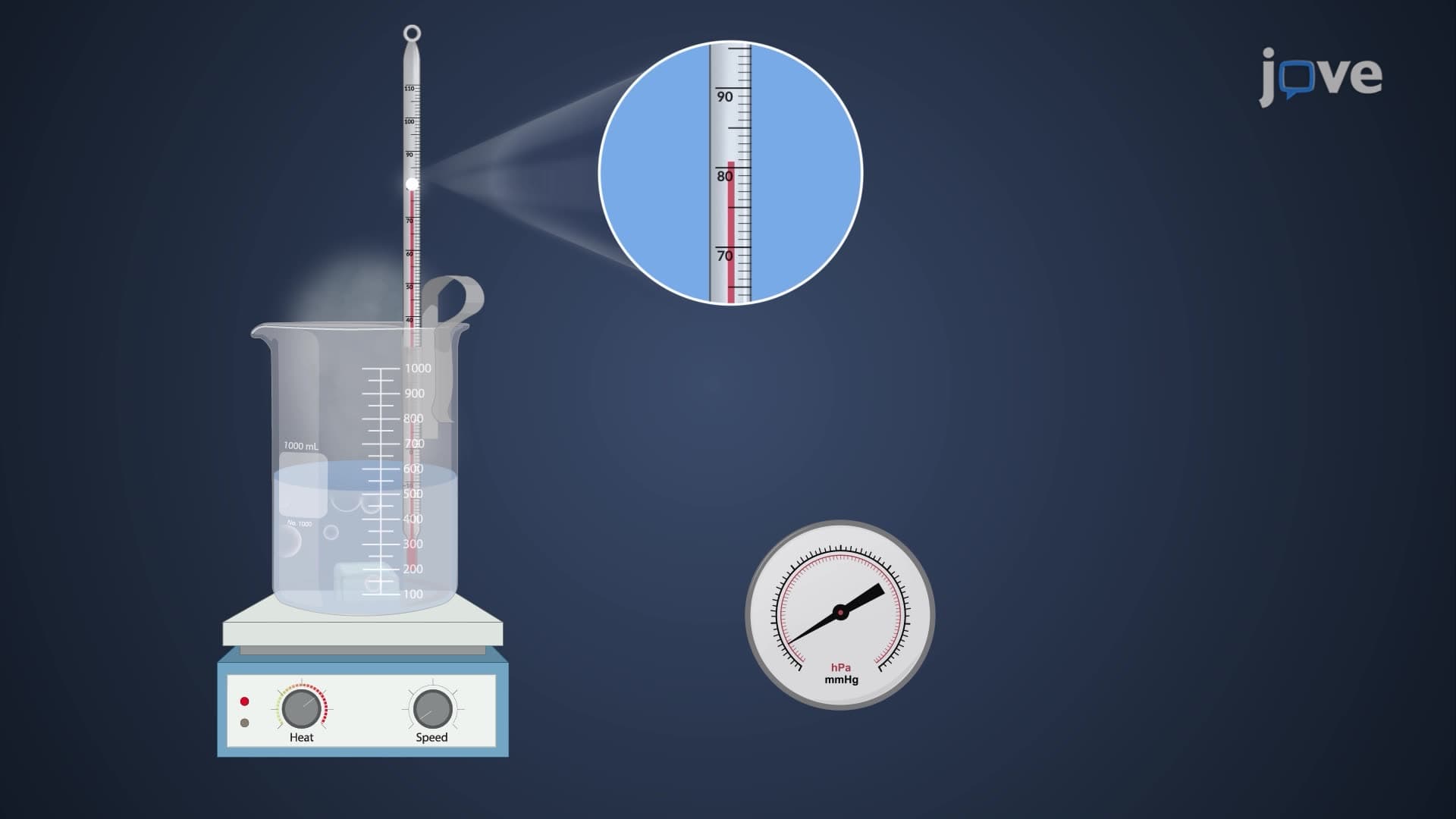
Kw at different temperatures demonstrates water's dynamic nature. As temperature increases, more water molecules gain sufficient energy to ionize, increasing Kw. At body temperature (37°C), Kw rises to approximately 2.4 × 10⁻¹⁴, which affects biological processes in human physiology. This temperature dependence explains why pH measurements in clinical laboratories must account for temperature variations.
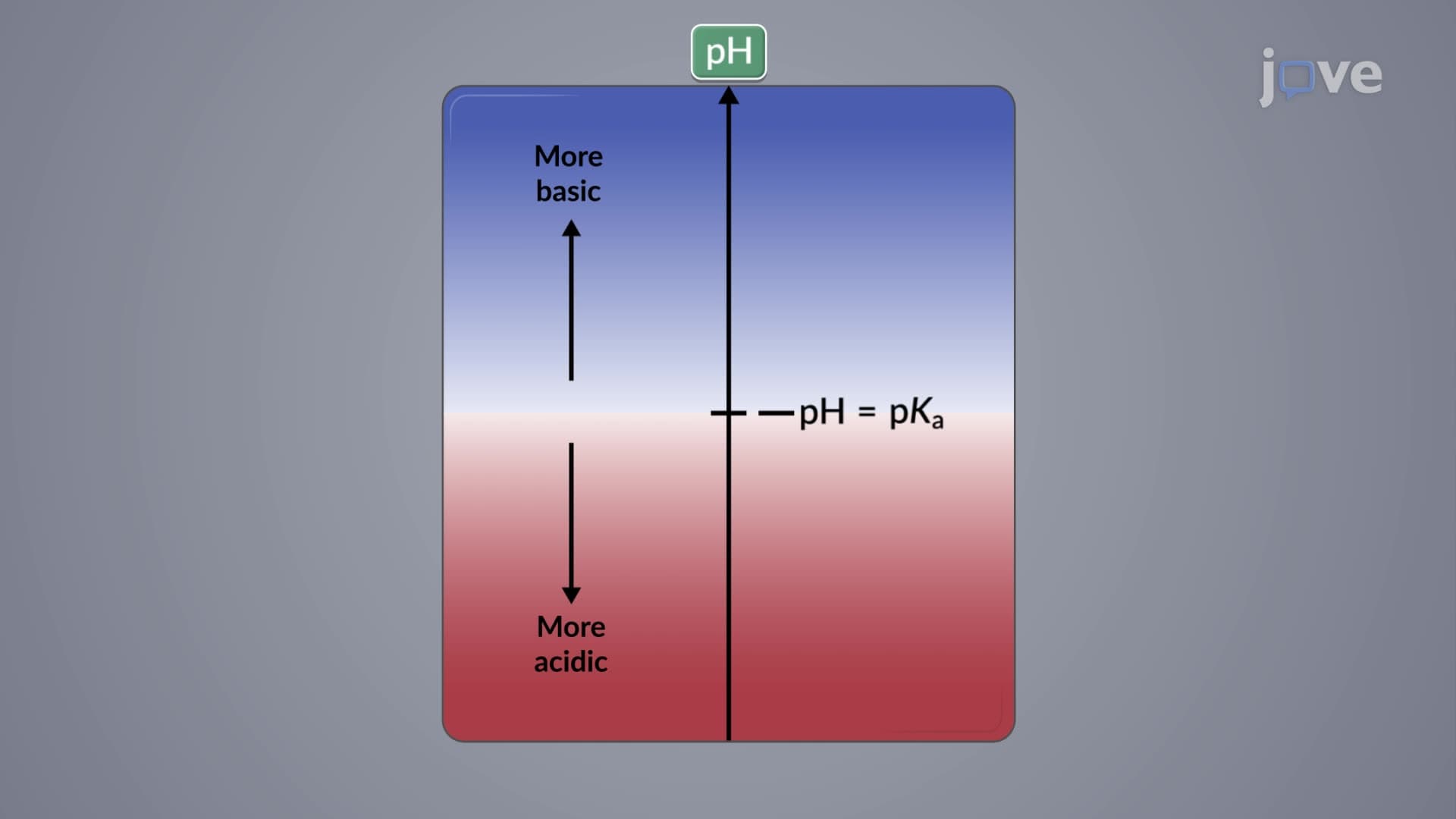
The water autoionization equilibrium establishes the fundamental relationship: pH + pOH = 14.00 (at 25°C). In pure water, [H⁺] = [OH⁻] = 1.0 × 10⁻⁷ M, making the solution neutral with pH = pOH = 7.00. When [H⁺] > 10⁻⁷ M, the solution becomes acidic (pH < 7), while [OH⁻] > 10⁻⁷ M creates basic conditions (pH > 7).
This concept appears frequently on AP Chemistry exams and MCAT practice tests, where students must calculate ion concentrations in various solutions. For example, if [H⁺] = 1.0 × 10⁻³ M in stomach acid, then [OH⁻] = Kw/[H⁺] = 1.0 × 10⁻¹¹ M.
Understanding what is Kw ionic product of water proves essential in numerous US industries. Water treatment facilities monitor ionic product relationships to maintain safe drinking water standards set by the EPA. Pharmaceutical companies use this knowledge to formulate medications with appropriate pH levels, ensuring drug stability and bioavailability. Even food manufacturers rely on water's ionic product when controlling acidity in products like sodas and processed foods to meet FDA regulations.
Related Micro-courses