Loading subject page…

- Analytical Chemistry
- Chemical Equilibria
- Solubility Equilibria: Overview
Micro-course: Chemical Equilibria
22,525 views
Learn key concepts and earn your certificate.








Solubility Equilibria: Overview

00:00
01:09
Video Summary: Solubility Equilibria Principles and Applications
Ever wonder why some medications dissolve instantly while others require sustained release? Solubility equilibria principles govern how substances like calcium fluoride reach a balance between dissolved and solid states in solution. In pharmaceuticals, companies like Pfizer use these principles to design drug delivery systems that control how quickly active ingredients dissolve in your bloodstream. Understanding Solubility Equilibria: Principles and Applications reveals the fundamental chemistry behind dissolution processes and equilibrium constants. Watch the full video on JoVE Coach to master this concept with expert-led visuals and step-by-step explanations.
- Understand the fundamental concepts of Solubility Equilibria: Principles and Applications and how dissolution reaches dynamic equilibrium
- Identify the relationship between solubility product constant (Ksp) and ion concentrations in saturated solutions
- Analyze how Le Chatelier's principle affects solubility when temperature and common ions are present
- Compare dissolution rates versus formation rates at equilibrium for sparingly soluble salts
- Evaluate the impact of pH changes on solubility when dealing with conjugate bases of weak acids
- Apply mathematical calculations using Ksp expressions to determine ion concentrations
- Recognize real-world applications of solubility equilibria in pharmaceuticals and environmental chemistry
- Explore the common ion effect and its practical implications in precipitation reactions
Understanding Solubility Equilibria: Principles and Applications
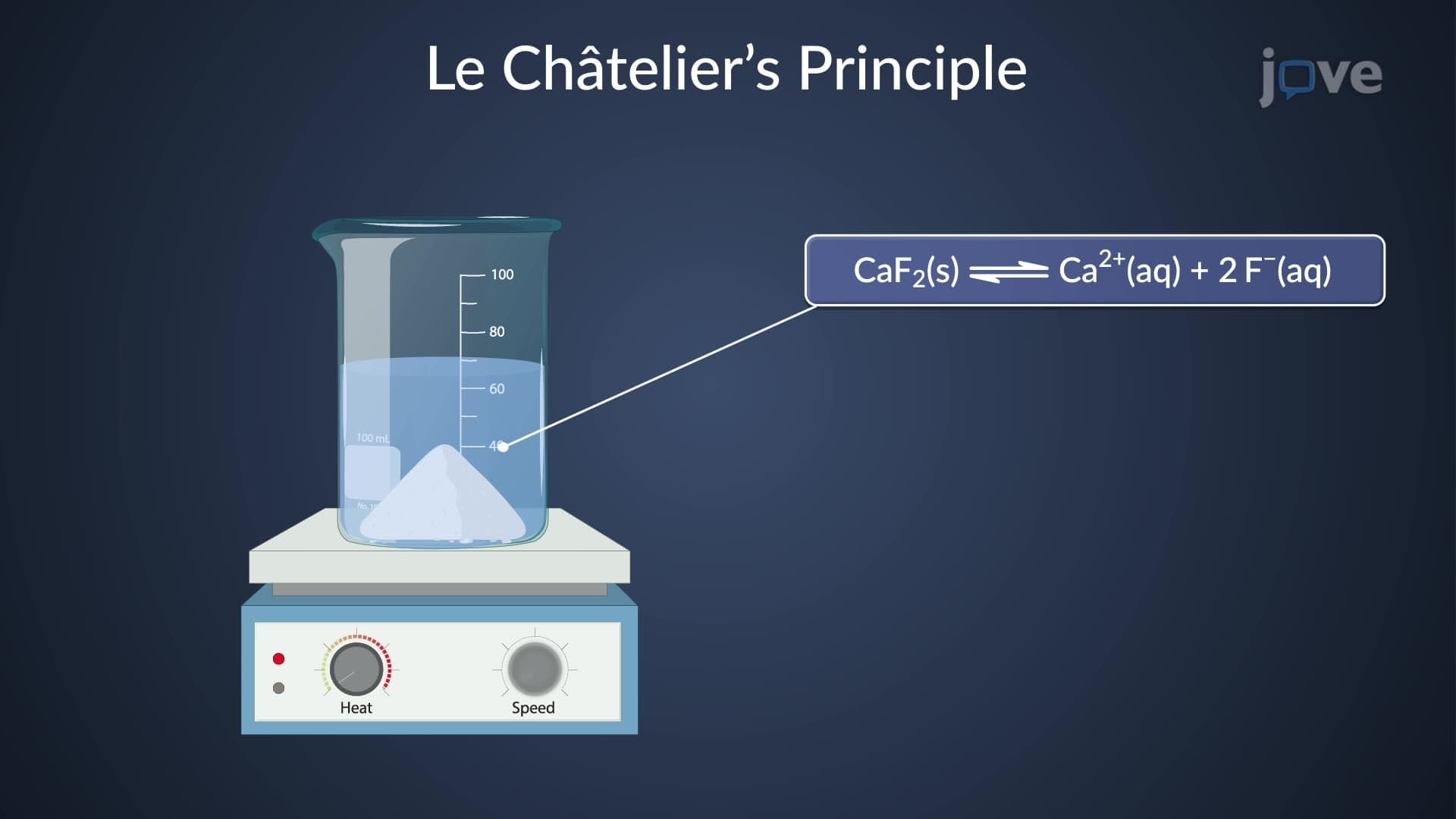
Solubility equilibria principles form the foundation for understanding how ionic compounds behave in aqueous solutions. When a sparingly soluble salt like calcium fluoride (CaF₂) is added to water, it establishes a dynamic equilibrium between the solid phase and dissolved ions. This equilibrium represents a constant battle between dissolution and precipitation, where molecules continuously break apart and reform at equal rates.
The Solubility Product Constant (Ksp)
The Ksp solubility product serves as the mathematical fingerprint for each compound's solubility behavior. For calcium fluoride dissolving according to CaF₂(s) ⇌ Ca²⁺(aq) + 2F⁻(aq), the Ksp expression becomes: Ksp = [Ca²⁺][F⁻]². This equilibrium constant remains fixed at a given temperature, making it invaluable for predicting precipitation in water treatment facilities across the United States. Students preparing for AP Chemistry exams frequently encounter Ksp calculations, as they appear in approximately 15% of free-response questions.
Factors Affecting Solubility: Le Chatelier's Principle in Action
Temperature changes dramatically impact dissolution equilibrium. Most ionic solids follow the pattern of increased solubility at higher temperatures, explaining why hot coffee dissolves sugar more effectively than iced coffee. However, the common ion effect presents a fascinating exception to this trend. When sodium fluoride is added to a calcium fluoride solution, the excess fluoride ions shift the equilibrium toward solid formation, reducing overall solubility.
pH Effects and Acid-Base Relationships
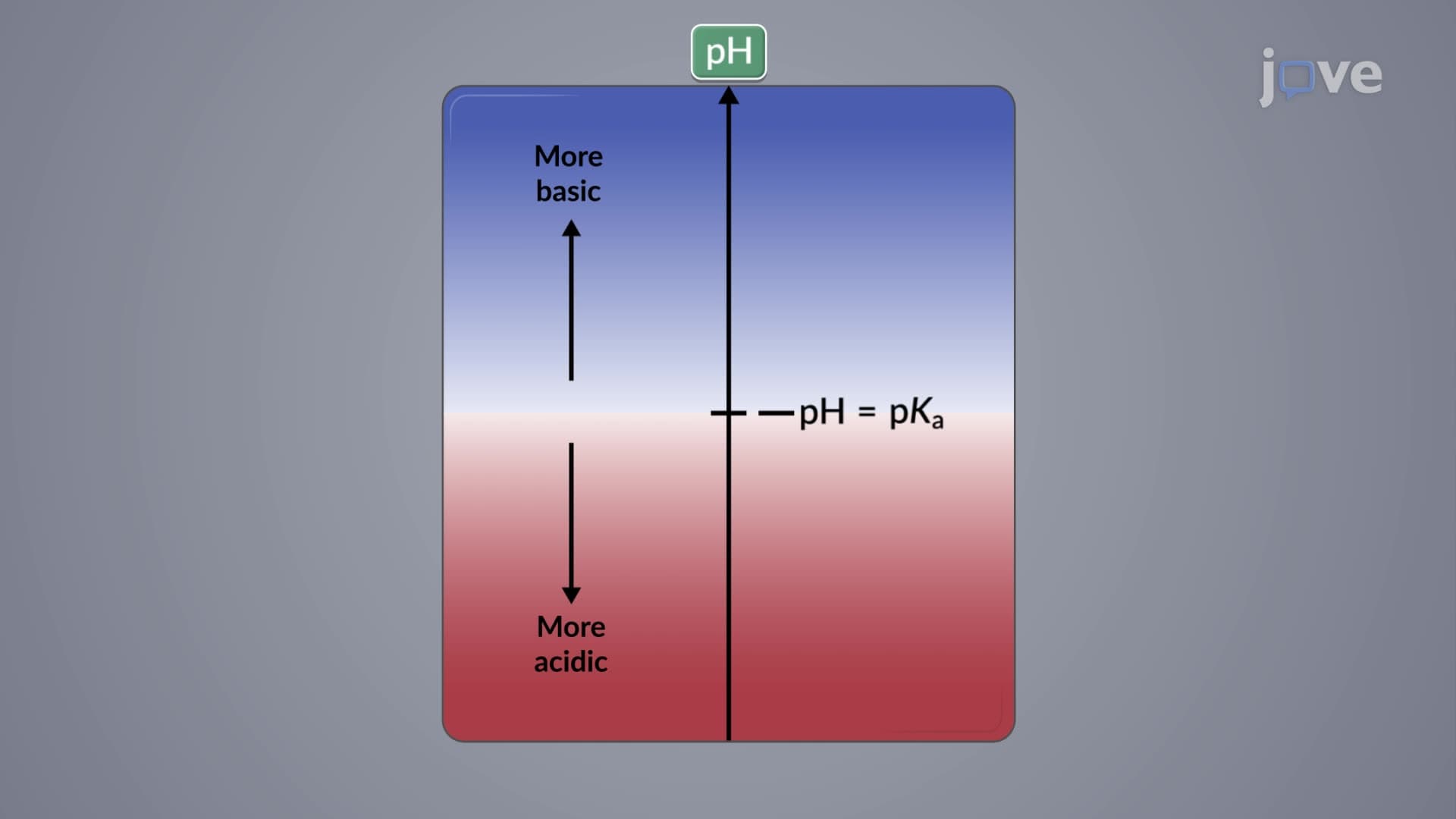
The relationship between pH and solubility becomes critical when dealing with salts containing conjugate bases of weak acids. Calcium carbonate (CaCO₃) demonstrates this principle perfectly in natural cave formation. As groundwater becomes more acidic from dissolved CO₂, carbonate ions react with hydrogen ions, effectively removing them from the equilibrium. This process increases limestone dissolution, creating the spectacular cave systems found in Kentucky's Mammoth Cave National Park.
College students studying for MCAT exams should master these principles of solubility equilibria explained through practice problems involving buffer systems and physiological pH ranges. Understanding how kidney stones form through precipitation processes exemplifies the medical relevance of these concepts.
Frequently Asked Questions
Solubility equilibria principles describe how ionic compounds reach a balance between dissolved and solid states in solution. They're essential for predicting precipitation reactions, designing pharmaceutical formulations, and understanding natural processes like mineral formation. These principles help chemists control when and how much of a substance will dissolve under specific conditions.
AP Chemistry dedicates approximately 8-10% of exam content to equilibrium concepts, including solubility equilibria. Students encounter Ksp calculations, common ion effect problems, and Le Chatelier's principle applications. Free-response questions often combine these topics with acid-base chemistry and require both mathematical calculations and conceptual explanations.
MCAT questions integrate solubility equilibria with biological systems and physiological conditions. Students must apply Ksp concepts to understand kidney stone formation, bone mineralization, and drug absorption. The exam emphasizes real-world applications rather than pure mathematical calculations, requiring deeper conceptual understanding.
Companies like Johnson & Johnson and Merck manipulate solubility equilibria to control drug release rates and bioavailability. They adjust pH, use common ion effects, and modify crystal structures to achieve desired dissolution profiles. This ensures medications dissolve at the right rate for optimal therapeutic effects.
Basic algebra and logarithm skills from high school mathematics are sufficient for most solubility equilibria problems. The key is understanding the conceptual relationships between ion concentrations and equilibrium constants. Students with strong problem-solving skills in chemistry typically adapt quickly to Ksp calculations.
Focus on practicing diverse problem types that combine Ksp calculations with Le Chatelier's principle and common ion effects. Create concept maps linking solubility to pH changes and temperature effects. Work through past exam questions and time yourself to build confidence with multi-step calculations.
Municipal water treatment facilities use precipitation reactions to remove heavy metals and adjust water hardness. Understanding solubility equilibria helps environmental engineers predict when harmful substances will precipitate out of groundwater. These principles also explain natural processes like scale formation in pipes and mineral deposits in geothermal areas.
Build on solubility equilibria by exploring complex ion formation, which modifies simple Ksp predictions. Study electrochemistry to understand how redox reactions affect solubility, and investigate thermodynamics to learn why temperature changes impact equilibrium constants. These connections prepare students for advanced inorganic and physical chemistry courses.
Related Micro-courses

14 Concepts

17 Concepts
