Loading subject page…


22,529 views

Video Summary: Thermodynamics Chemical Potential and Activity Explained
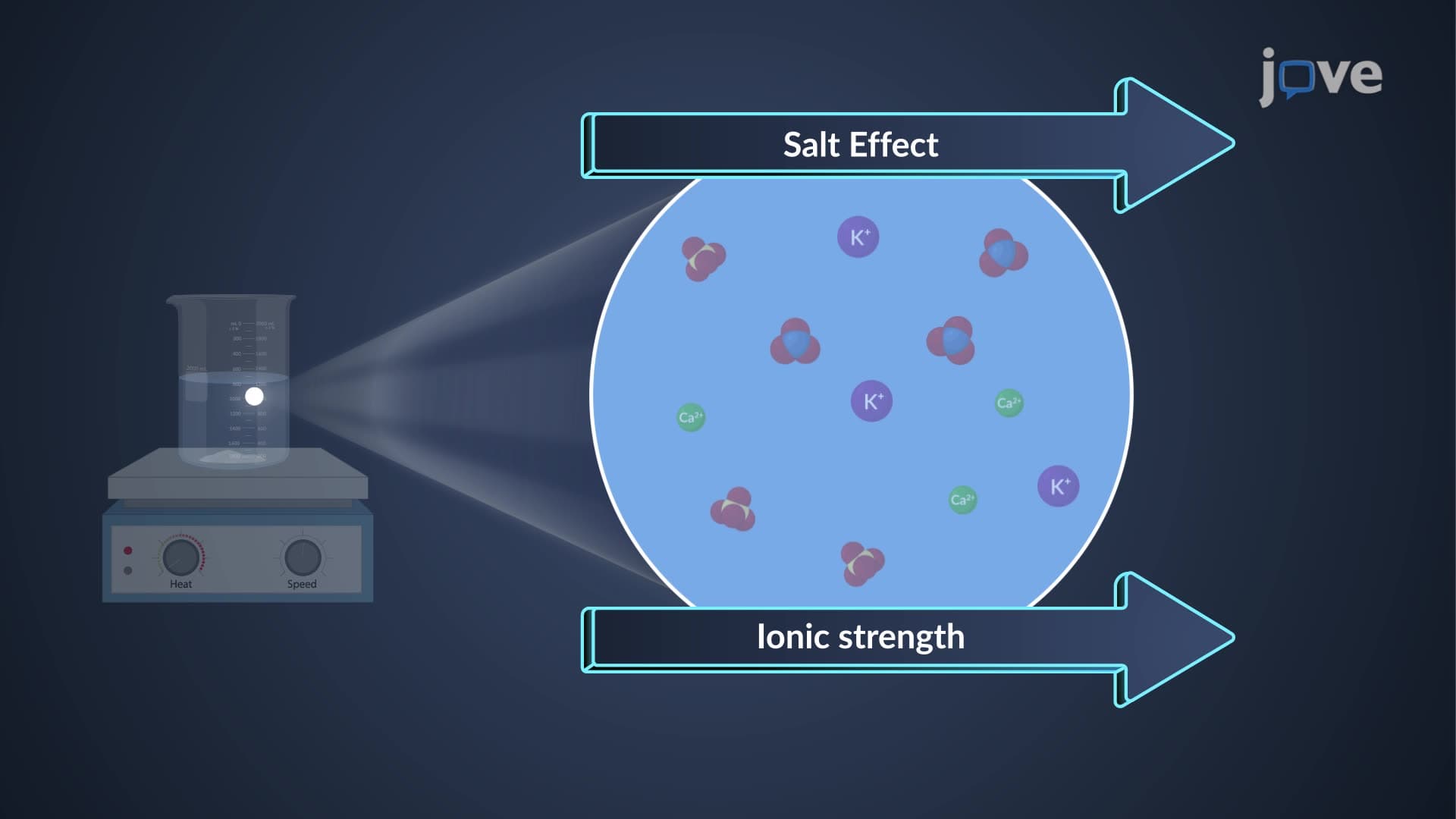
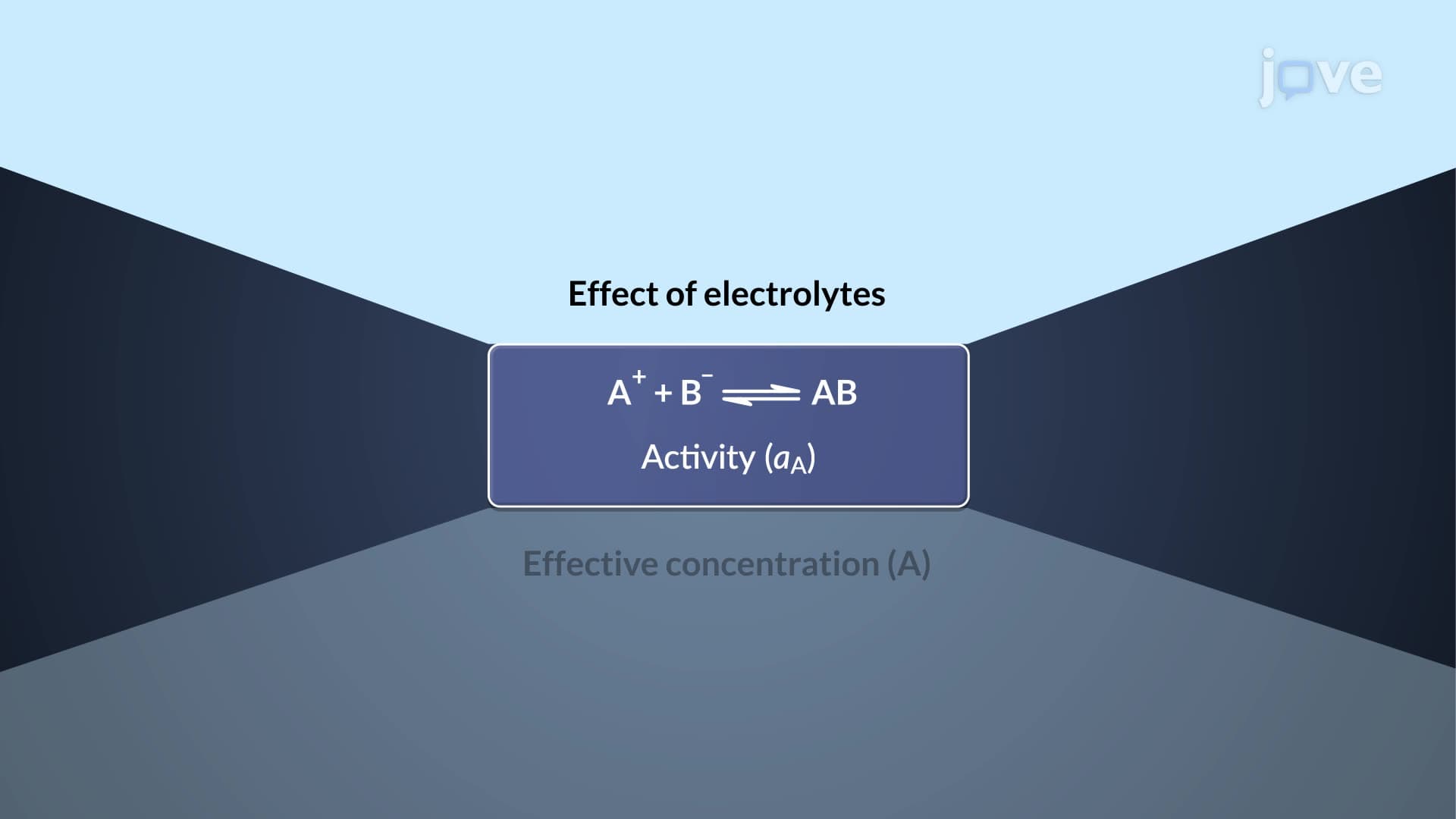
Ever wonder why salt water conducts electricity better than pure water? The answer lies in chemical potential activity, how molecules and ions behave differently in real solutions compared to ideal conditions. In chemical potential thermodynamics, activity measures effective concentration by accounting for molecular interactions that pure concentration calculations miss. Consider how sodium chloride dissociates in IV saline solutions used in US hospitals, where ion interactions significantly affect drug delivery rates. Watch the full video on JoVE Coach to master this concept with expert-led visuals and step-by-step explanations.
Chemical potential activity represents one of chemistry's most powerful tools for predicting real-world chemical behavior. Unlike simple concentration measurements, activity accounts for the complex molecular interactions that occur in actual solutions, making it essential for accurate thermodynamic calculations.
Chemical potential thermodynamics defines chemical potential as the partial molar Gibbs free energy, essentially the energy contribution per mole of a specific substance in a mixture. This concept answers what is chemical potential in chemistry: it's the thermodynamic force that drives molecules to move, react, or change phase.
In practical terms, chemical potential determines reaction spontaneity. When the chemical potential of reactants exceeds that of products, reactions proceed forward. US pharmaceutical companies rely on these principles when formulating medications, ensuring drug stability and bioavailability.
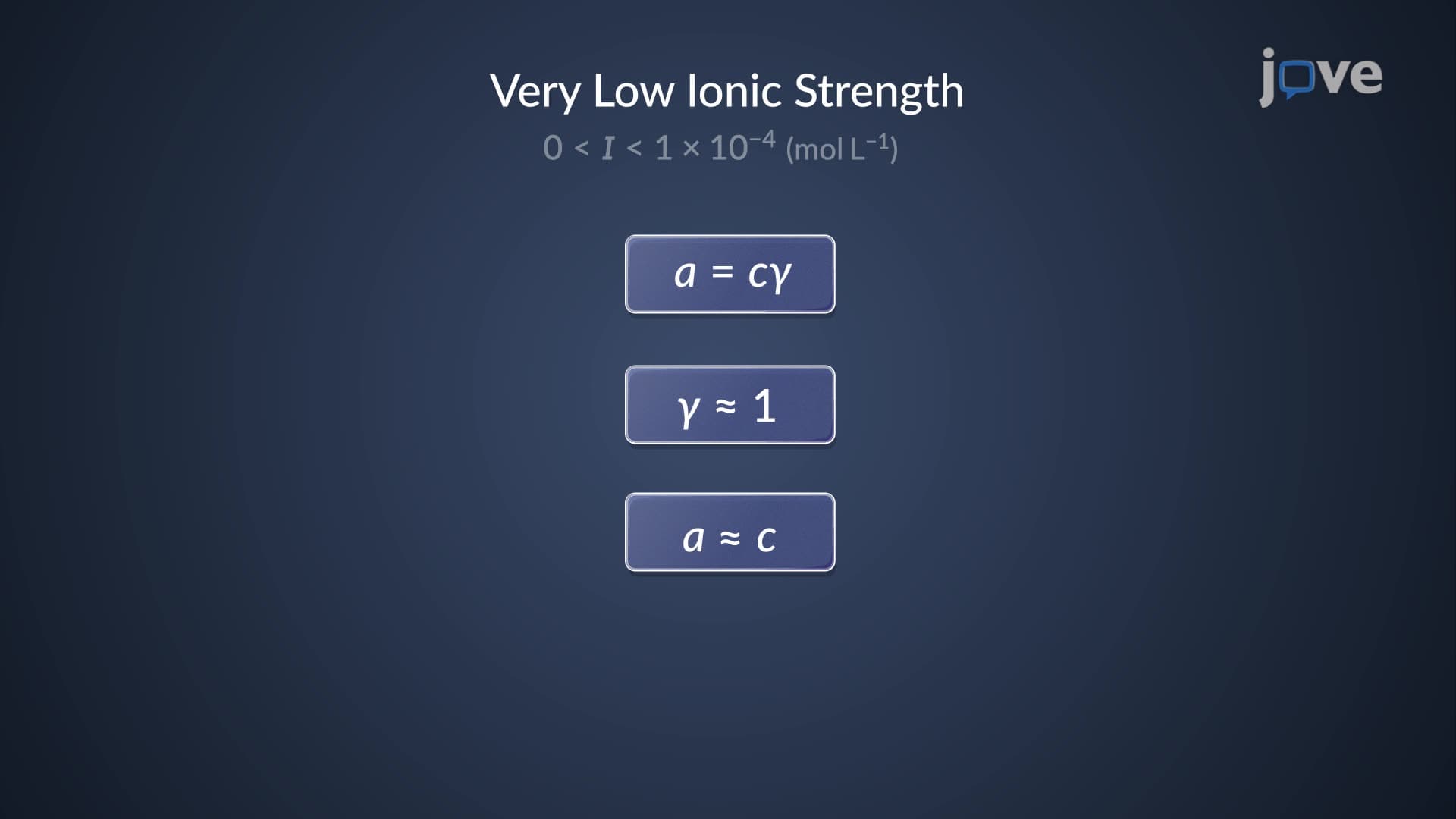
The thermodynamic activity definition reveals why activity surpasses simple concentration in accuracy. Activity equals concentration multiplied by an activity coefficient that corrects for molecular interactions. For example, in the electrolyte solutions used in US clinical laboratories, ion-ion interactions significantly alter effective concentrations.
Consider sodium chloride in blood plasma. While the molar concentration might be 0.15 M, the activity differs due to interactions with proteins, other ions, and water molecules. This difference becomes crucial when calculating chemical equilibrium potential for physiological processes.
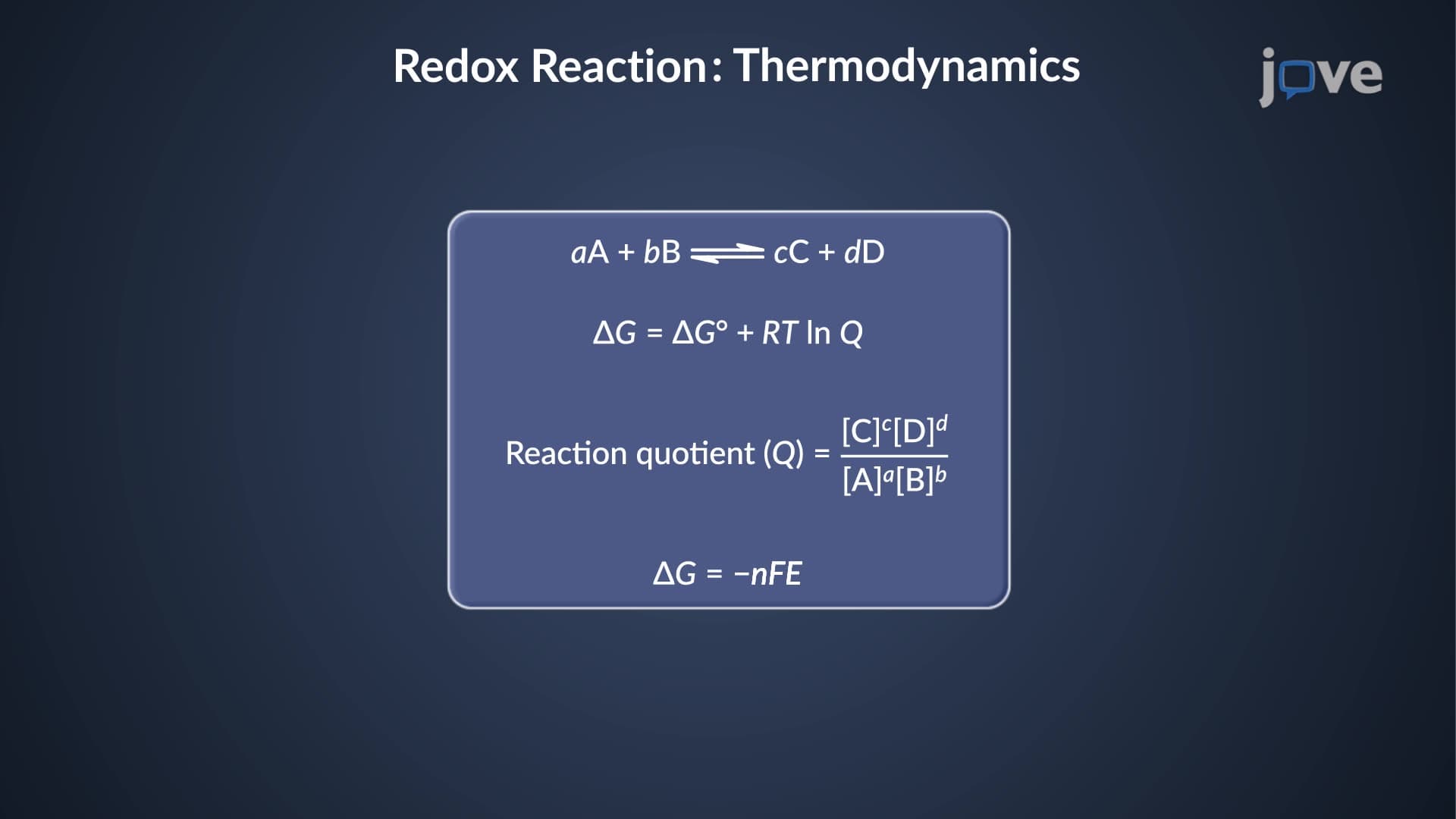
Gibbs free energy chemical potential connections appear frequently on AP Chemistry exams and college thermodynamics courses. The relationship ΔG = Σ(products)μ - Σ(reactants)μ allows students to predict reaction spontaneity using chemical potentials.
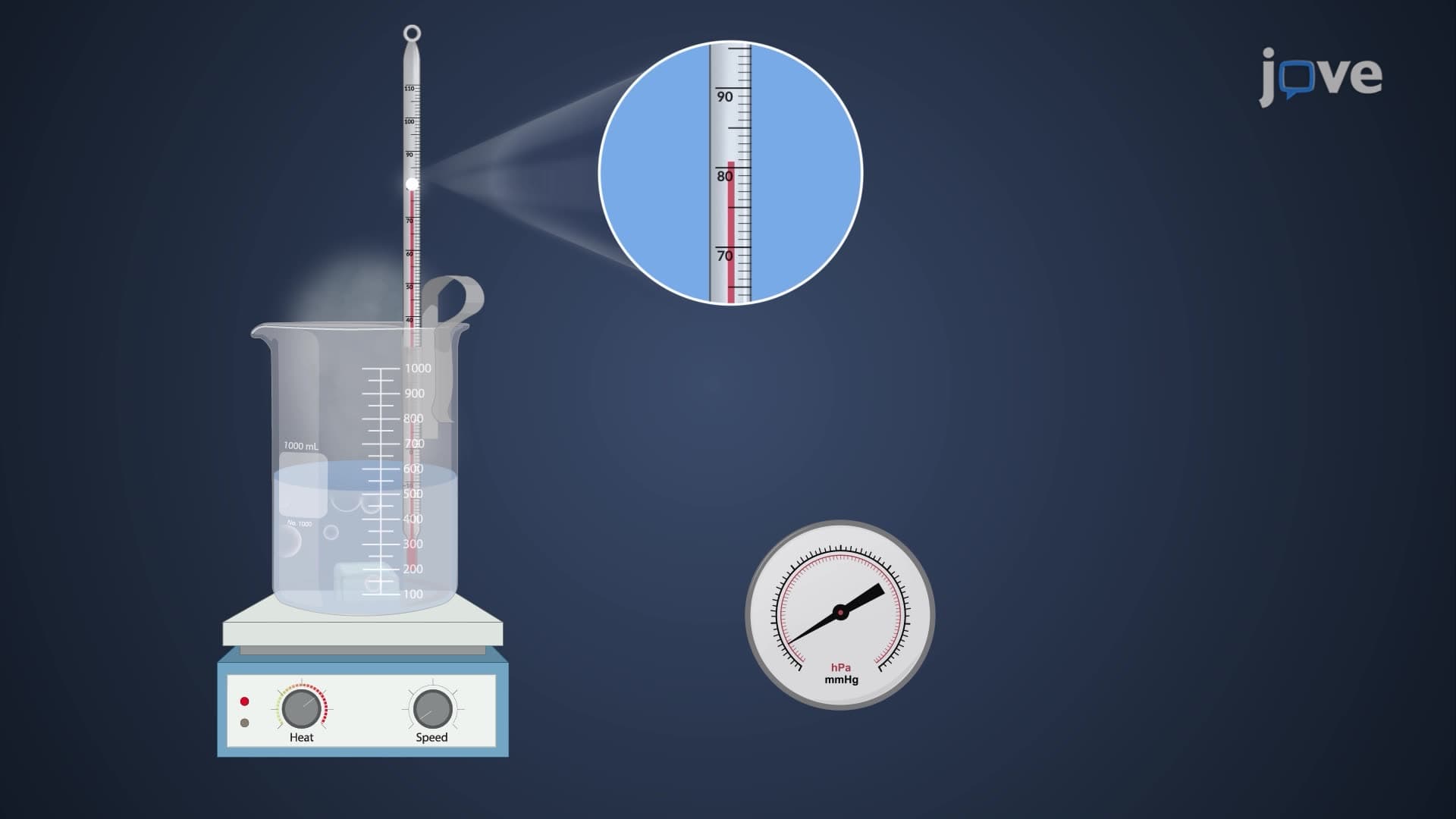
The standard chemical potential serves as a reference point, typically measured at 1 bar pressure and 298 K. US engineering programs emphasize these calculations for designing chemical processes, from refinery operations in Texas to pharmaceutical manufacturing in New Jersey.
Chemical potential calculations guide numerous US industrial processes. Petroleum refineries use activity coefficients to optimize distillation columns, while biotechnology companies in California apply these principles to protein purification. Understanding how composition affects partial molar properties enables engineers to maximize efficiency and minimize costs.
Related Micro-courses