Loading subject page…

- Analytical Chemistry
- Chemical Equilibria
- Titrimetric Methods: Types and Commonly Used Strategies
Micro-course: Chemical Equilibria
22,525 views
Learn key concepts and earn your certificate.










Titrimetric Methods: Types and Commonly Used Strategies

00:00
01:08
Video Summary: Titrimetric Methods Types and Commonly Guide
Ever wondered how chemists at the FDA determine if your prescription medication contains the exact amount of active ingredient listed on the bottle? This titrimetric methods guide reveals the precise analytical techniques that make this quality control possible. From measuring vitamin C in orange juice to analyzing the purity of aspirin tablets, titrimetric methods serve as the backbone of quantitative chemistry across industries. Watch the full video on JoVE Coach to master this concept with expert-led visuals and step-by-Step explanations.
- Understand the fundamental principles of titrimetric methods guide and their role in quantitative analytical chemistry
- Identify the three main types of titrimetric methods: volumetric, gravimetric, and coulometric titrations
- Analyze the differences between direct titration, back titration, and displacement titration strategies
- Compare volumetric analysis methods with other quantitative analytical techniques
- Evaluate which titration classification types work best for specific analytical scenarios
- Apply titrimetric procedure guide principles to solve real-world chemistry problems
- Recognize common titrimetric analysis methods chemistry used in pharmaceutical and environmental testing
- Explore how analytical titration methods connect to advanced topics in physical and organic chemistry
Understanding Titrimetric Methods: The Foundation of Quantitative Analysis
Titrimetric methods represent one of the most fundamental and widely-used approaches in analytical chemistry, providing precise quantitative measurements across countless applications. These techniques have revolutionized quality control in industries from pharmaceuticals to food production, making them essential knowledge for any chemistry student preparing for AP Chemistry, college coursework, or professional careers in STEM fields.
Types of Titrimetric Methods: Three Distinct Approaches
The world of volumetric analysis methods encompasses three primary categories, each with unique advantages. Volumetric titrations, the most common type, measure the volume of a standardized solution (titrant) needed to completely react with the analyte. Picture a pharmaceutical chemist at Pfizer determining the exact concentration of acetaminophen in Tylenol tablets, they'll likely use an acid-base volumetric titration to achieve FDA-required precision.
Gravimetric titrations take a different approach, focusing on the mass of precipitate formed when titrant and analyte react. These methods prove invaluable when dealing with metal ions or when extreme precision is required. Environmental chemists at the EPA frequently employ gravimetric techniques when analyzing heavy metal contamination in water supplies.
Coulometric titrations represent the most modern approach, measuring electrical charge rather than volume or mass. These electrochemical methods excel in analyzing trace amounts of substances, making them perfect for forensic laboratories or semiconductor manufacturing quality control.
Titration Classification Types: Strategic Approaches to Analysis
Beyond the basic types of titrimetric methods, chemists employ various strategic approaches depending on the specific analytical challenge. Direct titration provides the most straightforward path, simply adding titrant until the endpoint is reached. This approach works perfectly for analyzing the acetic acid content in vinegar or determining chloride levels in drinking water.
However, when reactions proceed too slowly or no suitable direct reaction exists, back titration becomes the preferred strategy. This technique involves adding an excess of standard solution, then titrating the unreacted excess with a second standard solution. Pharmaceutical companies often use back titration when analyzing complex drug formulations where direct methods prove inadequate.
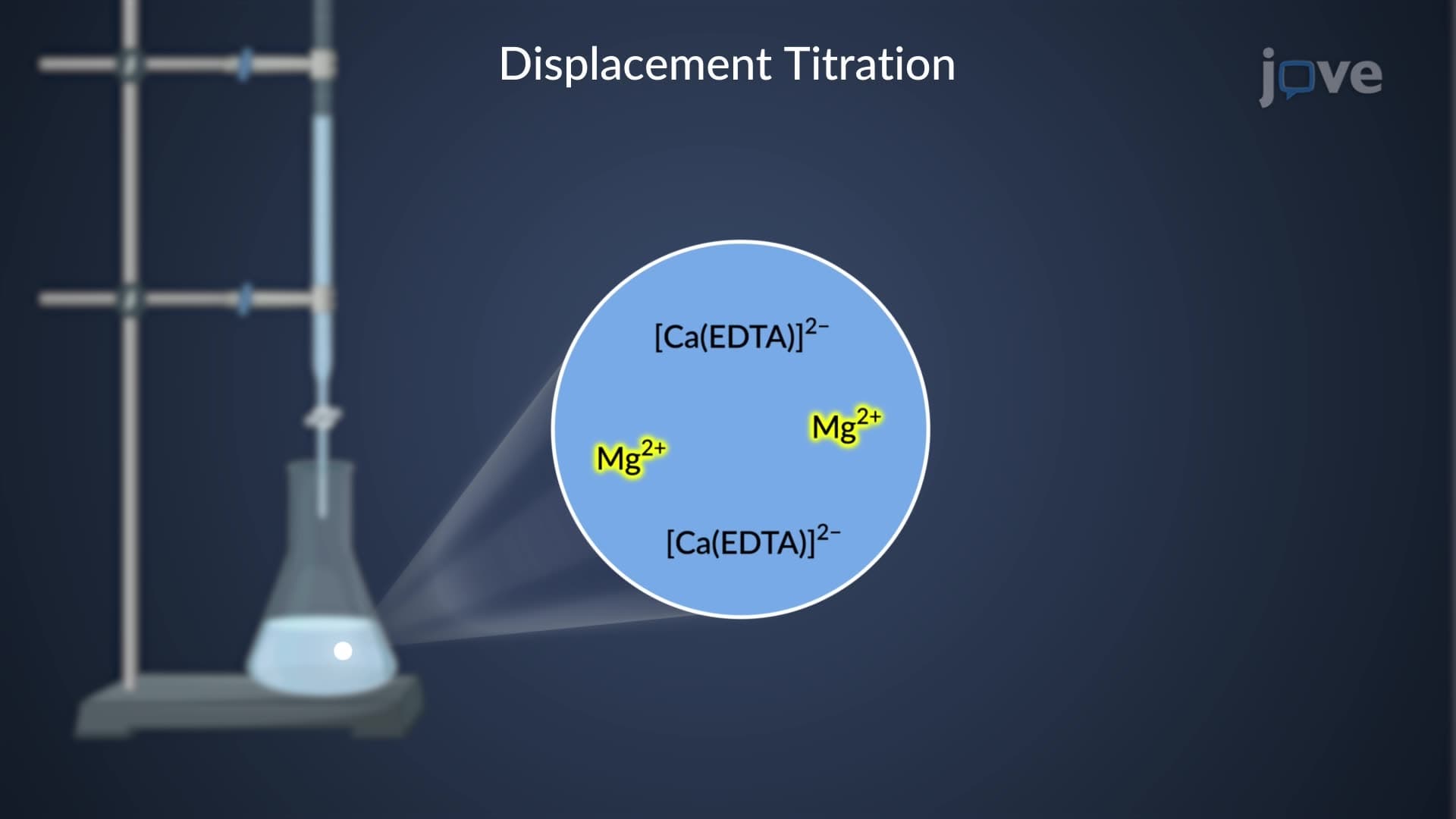
Displacement titration offers yet another strategic option, particularly useful when the analyte can displace a group from a complex compound. The displaced group is then determined through conventional titration methods, providing an indirect but highly accurate measurement of the original analyte concentration.
Applications in Academic and Professional Settings
These titrimetric procedure guide principles appear frequently on standardized exams, from AP Chemistry to the MCAT. Students should expect questions involving endpoint calculations, molarity determinations, and strategic selection of appropriate titration methods. Understanding these concepts thoroughly not only ensures exam success but also prepares students for advanced coursework in physical chemistry, biochemistry, and analytical chemistry.
Frequently Asked Questions
Titrimetric methods are precise quantitative analytical techniques that determine the concentration of substances through controlled chemical reactions. They're essential because they provide accurate, reproducible results needed for quality control in pharmaceuticals, environmental monitoring, and research. These methods form the backbone of analytical chemistry and appear frequently on AP Chemistry exams and college coursework.
Volumetric titrations offer excellent precision for most routine analyses and are fastest to perform. Gravimetric titrations provide the highest accuracy but require more time and careful technique. Coulometric titrations excel for trace analysis and don't require standardized solutions, making them ideal for specialized applications like semiconductor manufacturing.
Expect calculations involving molarity, normality, and endpoint determinations, plus conceptual questions about selecting appropriate titration strategies. The MCAT often includes passage-based questions linking titrations to biological systems. AP Chemistry focuses on acid-base titrations, buffer calculations, and interpreting titration curves with pH indicators.
Pharmaceutical companies use these methods for quality control at every production stage. For example, Merck uses volumetric titrations to verify active ingredient concentrations in blood pressure medications, ensuring each pill contains exactly the labeled amount. Environmental labs employ similar techniques to monitor water quality and pollution levels for EPA compliance.
Basic algebra and stoichiometry skills are sufficient for most titrimetric calculations. The key is understanding mole relationships and unit conversions rather than complex mathematics. Students who master dimensional analysis and chemical equation balancing typically succeed with titration problems in high school and introductory college chemistry.
Practice with real titration curves and work through diverse problem sets covering all titration types. Create concept maps linking different methods to their applications, and memorize key indicators and their pH ranges. Focus on understanding when to use each strategy rather than just memorizing formulas.
Consider exploring instrumental analysis methods like chromatography and spectroscopy, which complement titrimetric techniques in modern analytical laboratories. Physical chemistry concepts like thermodynamics and kinetics also enhance understanding of why different titration strategies work. These topics frequently appear in upper-level college courses and graduate school preparation.
Related Micro-courses

14 Concepts
17 Concepts
