Loading subject page…

- Analytical Chemistry
- Chemical Equilibria
- Factors Affecting Activity Coefficient
Micro-course: Chemical Equilibria
22,526 views
Learn key concepts and earn your certificate.







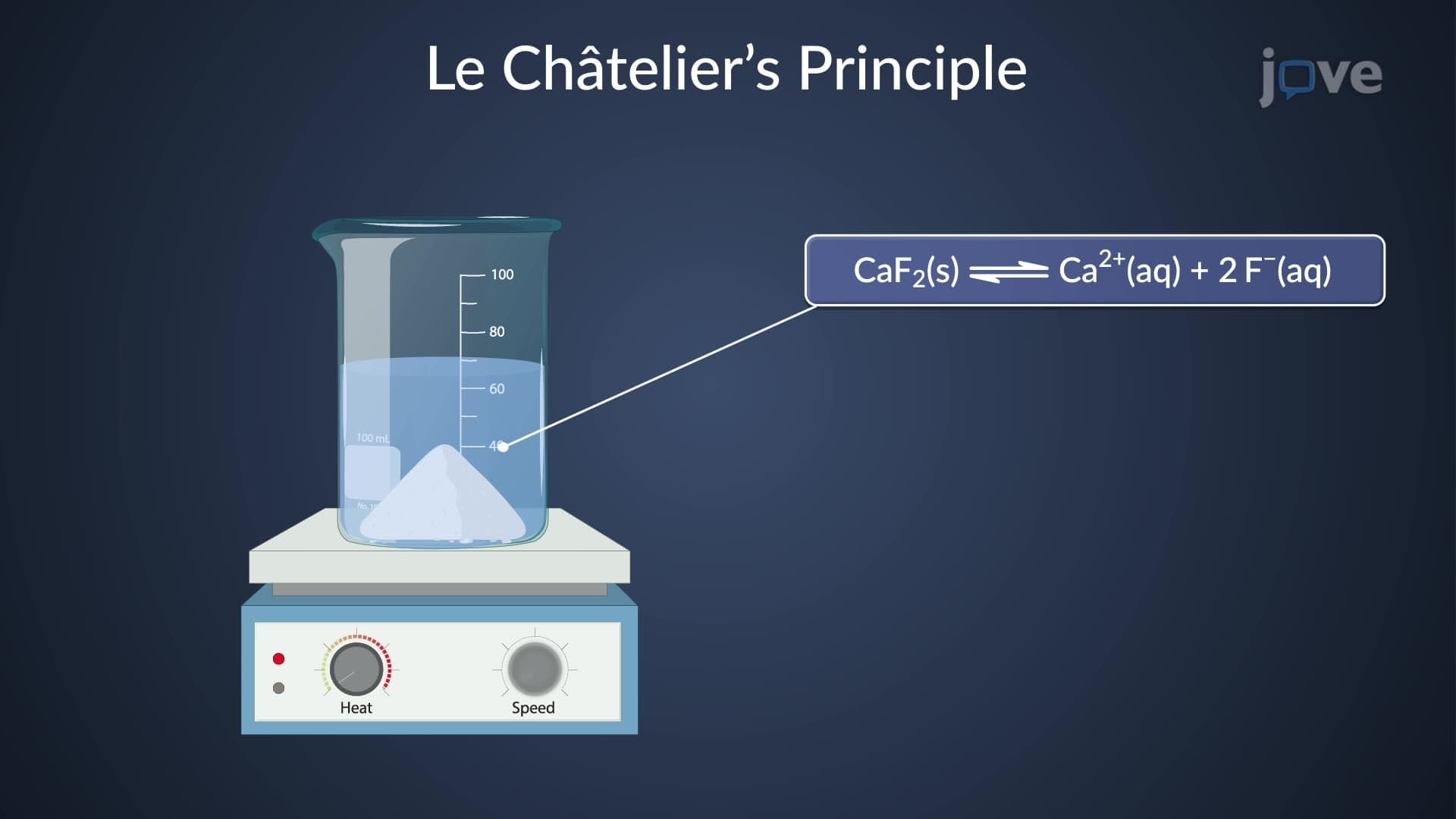


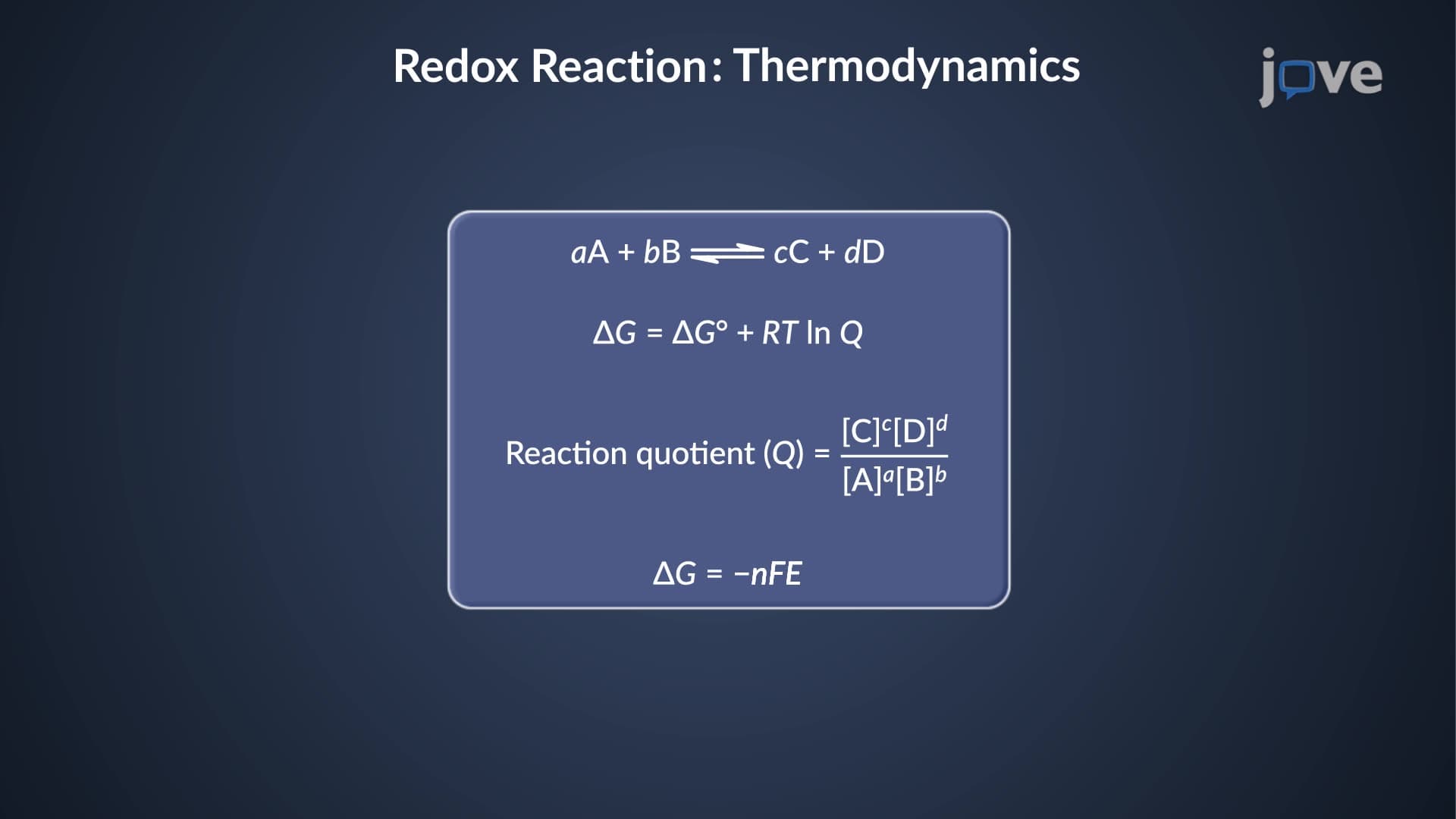
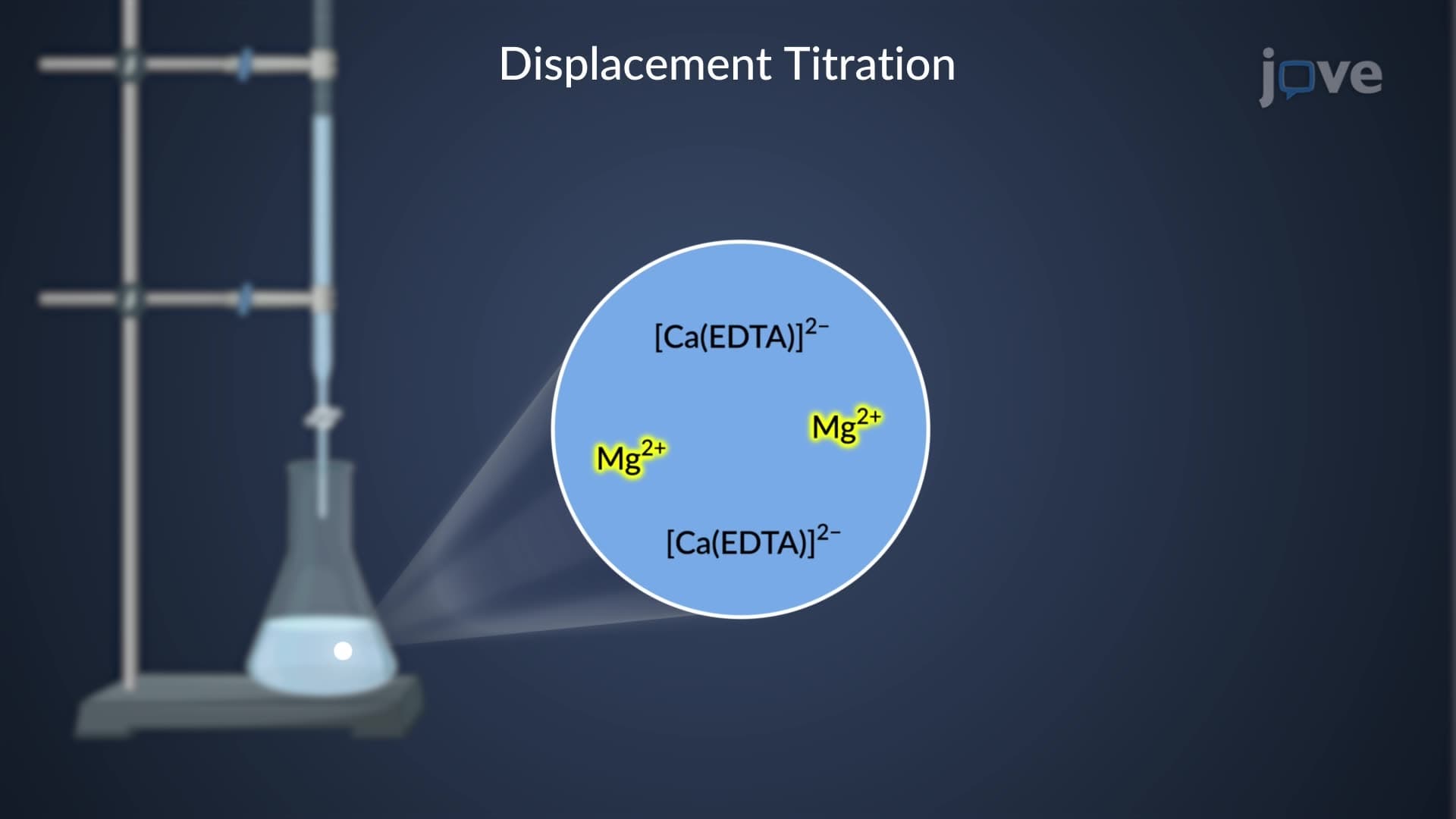

Factors Affecting Activity Coefficient


00:00
01:17
Video Summary: What are Factors Affecting Activity Coefficient
Ever wondered why salt dissolves differently in your swimming pool than in a laboratory beaker? The activity coefficient factors that govern ion behavior in solutions determine everything from water treatment processes to pharmaceutical formulations across American industries. Understanding what are factors affecting activity coefficient reveals how ionic strength, ion charge, and molecular size create the complex chemistry behind everyday solutions from Gatorade to IV fluids used in US hospitals. Watch the full video on JoVE Coach to master this concept with expert-led visuals and step-by-step explanations.
- Understand what are factors affecting activity coefficient and how these parameters influence solution behavior in both laboratory and industrial settings
- Identify the relationship between ionic strength and activity coefficient values using the Debye-Hückel theoretical framework
- Analyze how ion charge magnitude directly impacts activity coefficient deviation from ideal solution behavior
- Compare activity coefficient values for ions with identical charges at specific ionic strength conditions
- Evaluate the role of effective ion diameter in determining hydrated ion behavior and solution non-ideality
- Apply knowledge of factors influencing activity coefficient to predict solution behavior in pharmaceutical and environmental applications
- Recognize the concentration-dependent nature of activity coefficients in real solution systems
- Explore how temperature and solvent properties modify ionic interactions in practical applications
Understanding What are Factors Affecting Activity Coefficient
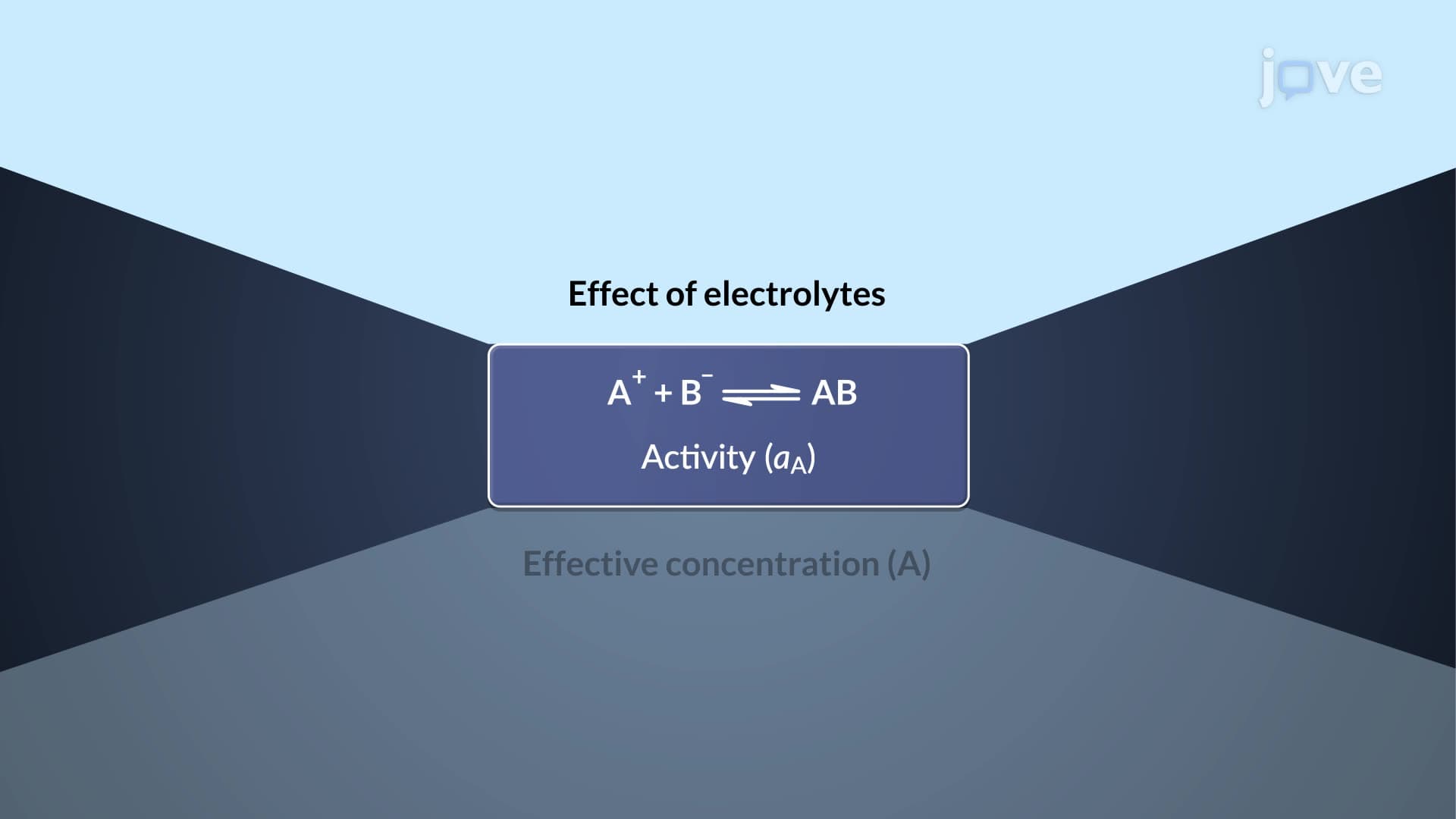
Activity coefficients represent the deviation of real solutions from ideal behavior, making them crucial for accurate chemical calculations in industries ranging from pharmaceutical manufacturing to environmental remediation. Activity coefficient factors become particularly important when working with electrolyte solutions, where ionic interactions significantly impact solution properties.
Ionic Strength: The Primary Driver
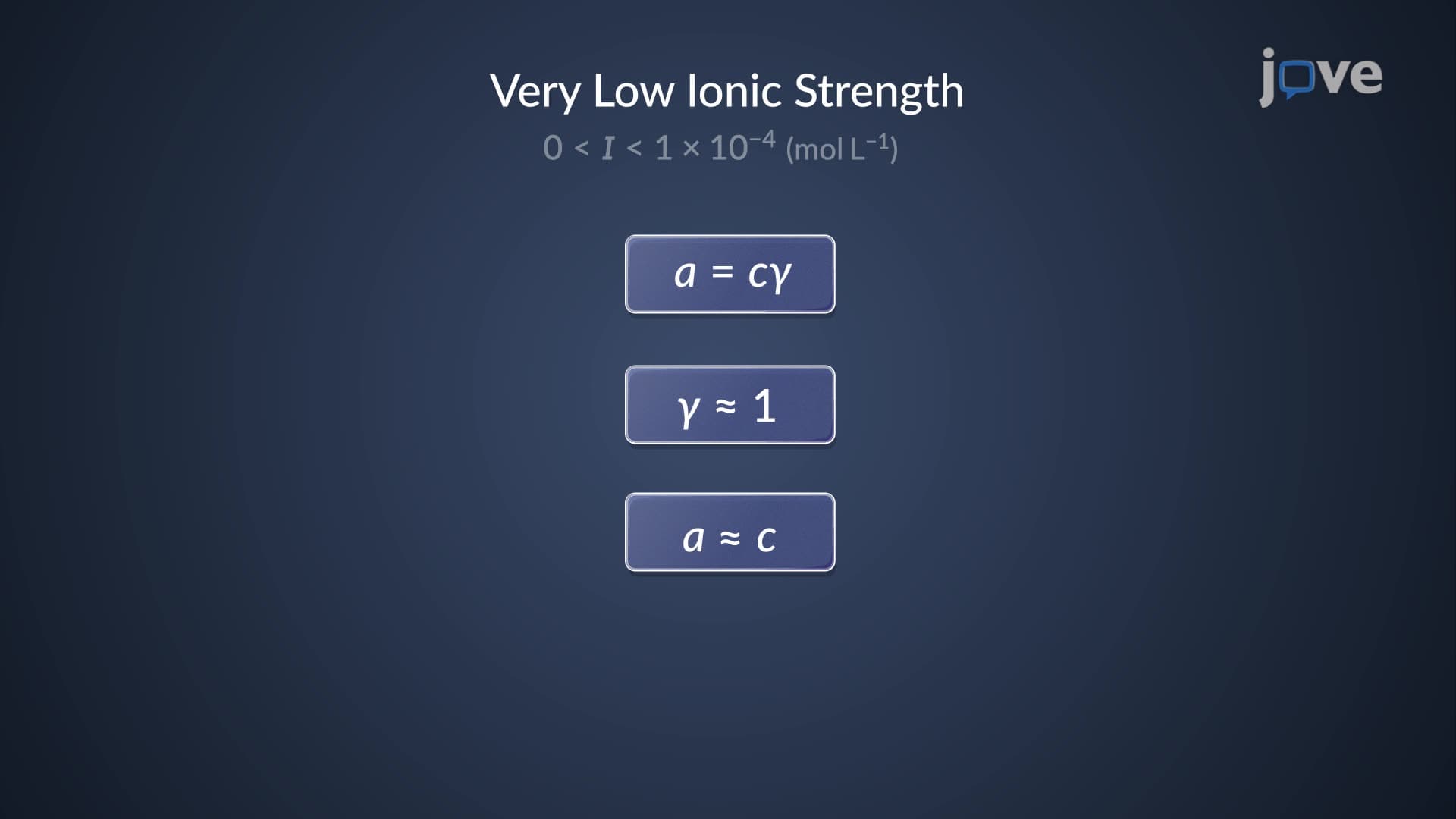
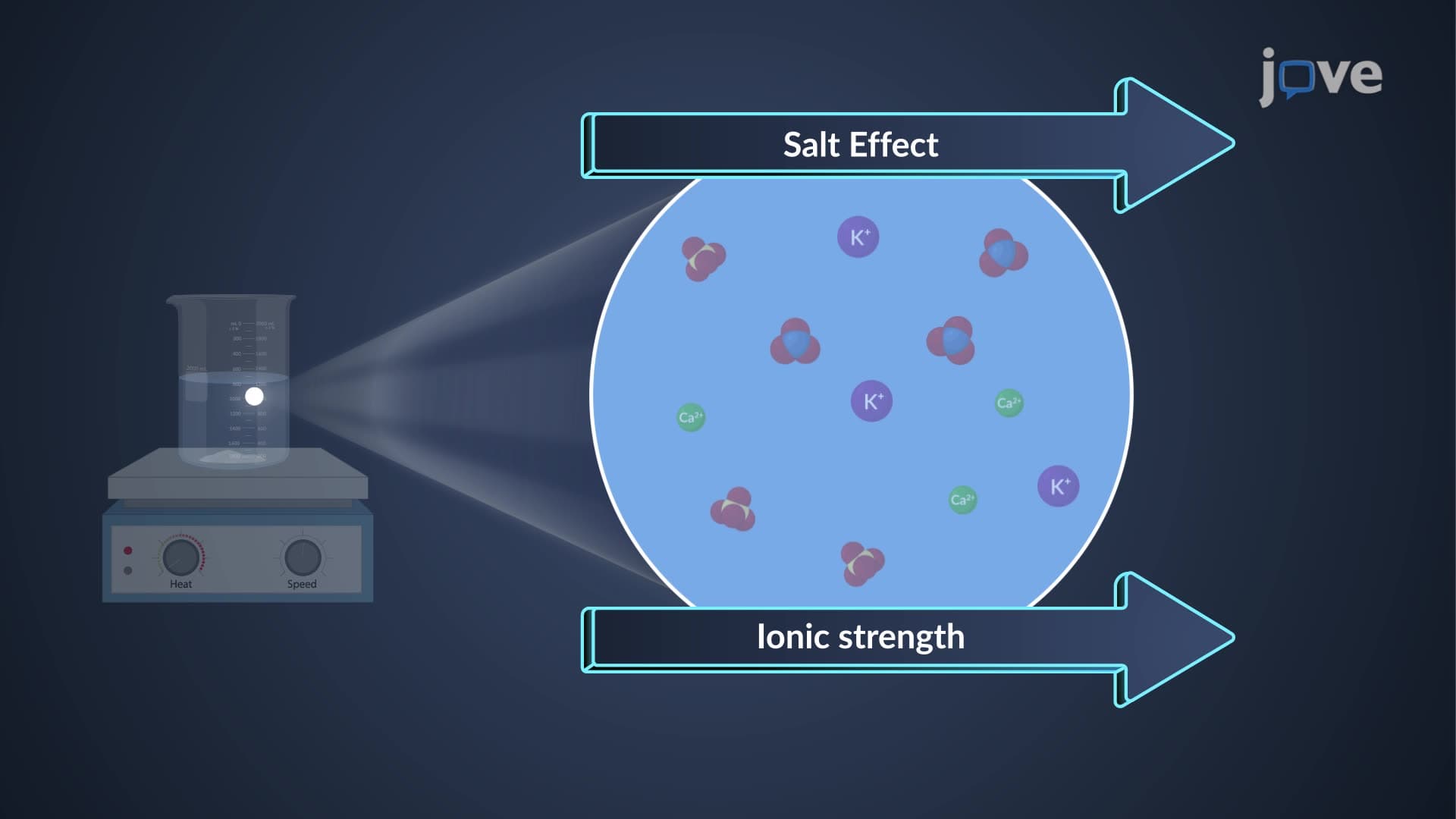
Ionic strength activity coefficient relationships follow predictable patterns described by the Debye-Hückel limiting law. At very low ionic strengths (approaching zero), solutions behave nearly ideally with activity coefficients near unity. As ionic strength increases to approximately 0.1 M, activity coefficients typically decrease due to increased ionic interactions and electrostatic shielding effects. However, above 0.1 M, many systems show increasing activity coefficients as ion-ion associations and excluded volume effects become dominant.
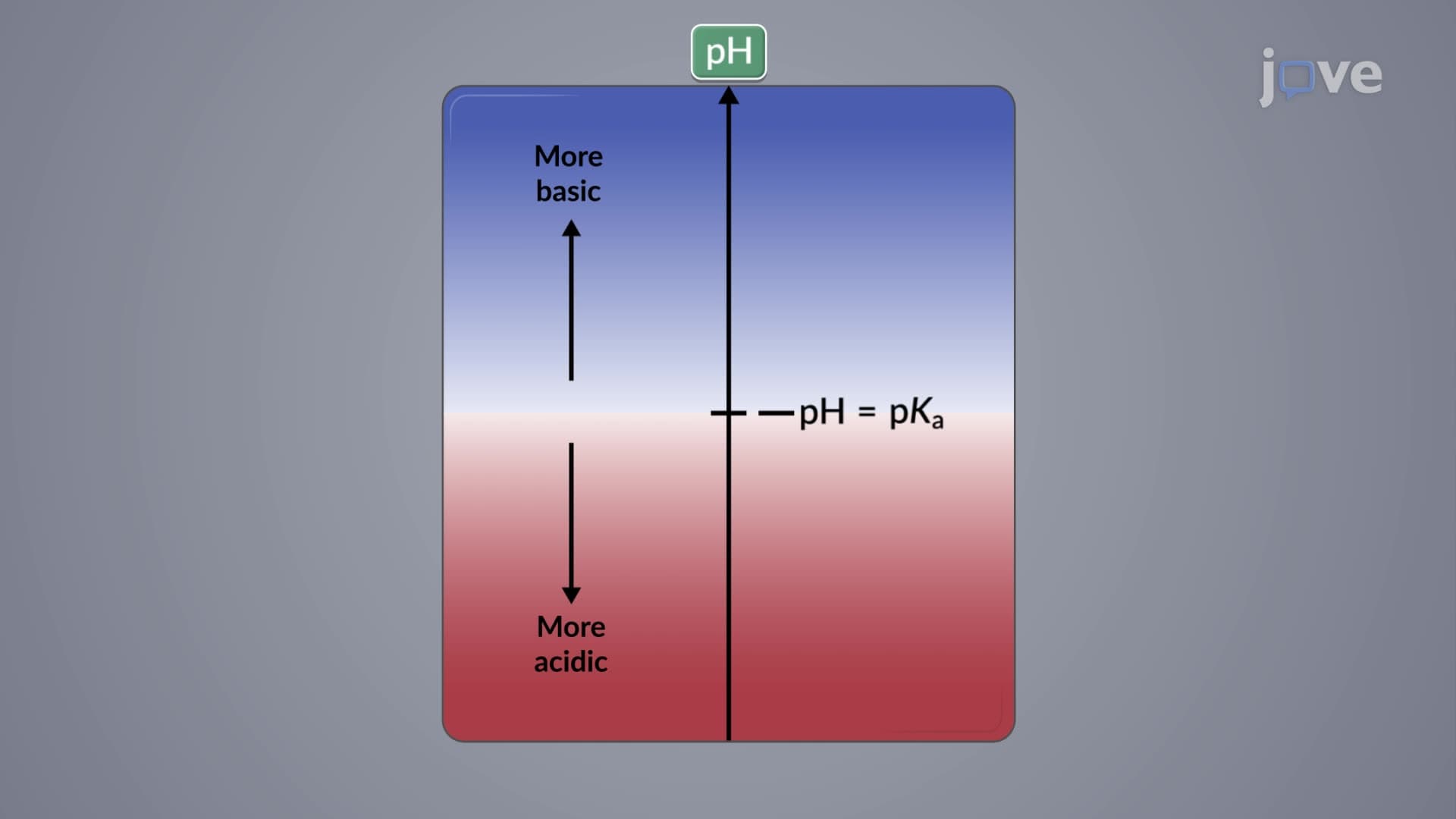
This behavior is critical for AP Chemistry students studying colligative properties and appears frequently on college general chemistry exams. For example, when calculating the pH of buffer systems used in biochemical research at institutions like Johns Hopkins or Stanford, accurate activity coefficient corrections ensure precise results.
Ion Charge Effects
The charge on an ion dramatically influences its activity coefficient behavior. Highly charged ions like Al³⁺ or PO₄³⁻ show more pronounced deviations from ideality compared to singly charged species like Na⁺ or Cl⁻. This occurs because electrostatic interactions scale with the square of the charge, making multivalent ions more sensitive to factors influencing activity coefficient.
Ion Size and Hydration Effects
What affects activity coefficient in solution includes the effective diameter of hydrated ions. Smaller, highly charged ions like Li⁺ create larger hydration spheres than bigger ions like Cs⁺, affecting their mobility and interactions in solution. This concept appears on MCAT physical chemistry sections and helps explain why lithium-ion batteries perform differently than sodium-ion alternatives in American energy storage systems.
Temperature and Solvent Considerations
Temperature effect activity coefficient relationships become important in industrial processes. Higher temperatures generally increase thermal motion, affecting ion-solvent interactions and modifying activity coefficients. Similarly, solvent effects activity determine how ions behave in mixed solvent systems used in pharmaceutical formulations approved by the FDA.
Frequently Asked Questions
The main factors include ionic strength, ion charge magnitude, effective ion size, temperature, and solvent composition. These parameters determine how much real solutions deviate from ideal behavior, which is crucial for accurate chemical calculations in laboratory and industrial settings.
AP Chemistry tests often include problems requiring activity coefficient corrections for pH calculations, equilibrium constants, and electrochemical cell potentials. Students typically encounter these concepts when studying acids, bases, and electrochemistry units, particularly in free-response questions involving buffer systems.
The MCAT Physical/Chemical Foundations section tests activity coefficient concepts in solution chemistry, electrochemistry, and thermodynamics passages. These appear in questions about biological buffer systems, membrane potentials, and pharmaceutical solution stability that future medical students encounter in biochemistry courses.
US pharmaceutical companies use activity coefficient data to formulate stable drug solutions, predict drug solubility, and design controlled-release systems. FDA regulations require accurate solution modeling for drug approval processes, making activity coefficient calculations essential for pharmaceutical development.
Basic algebra and understanding of logarithms are sufficient for most applications. High school students can master the concepts using simplified equations, while more advanced mathematical treatments appear in upper-level college physical chemistry courses.
Practice calculating ionic strength, memorize common ion charges, and work through Debye-Hückel equation problems. Focus on conceptual understanding of how ionic interactions affect solution behavior, as professors often test application rather than memorization of complex equations.
Advanced topics include ion pairing theory, specific ion interactions, and non-aqueous solution behavior. These concepts appear in analytical chemistry, physical chemistry, and materials science courses at universities like MIT, Caltech, and other top US institutions.
Related Micro-courses

14 Concepts
17 Concepts
