Loading subject page…


22,529 views


Video Summary: What Is Acid Base Equilibria Activity
Ever wondered why adding table salt to pure water actually changes its pH, even though salt itself isn't acidic? Understanding acid base equilibria activity reveals this surprising chemistry phenomenon. In real solutions like those found in environmental water testing across US laboratories, hydrogen ion activity differs significantly from simple concentration measurements. What is Acid Base Equilibria Activity becomes crucial for accurate pH predictions in non-ideal solutions. Watch the full video on JoVE Coach to master this concept with expert-led visuals and step-by-step explanations.
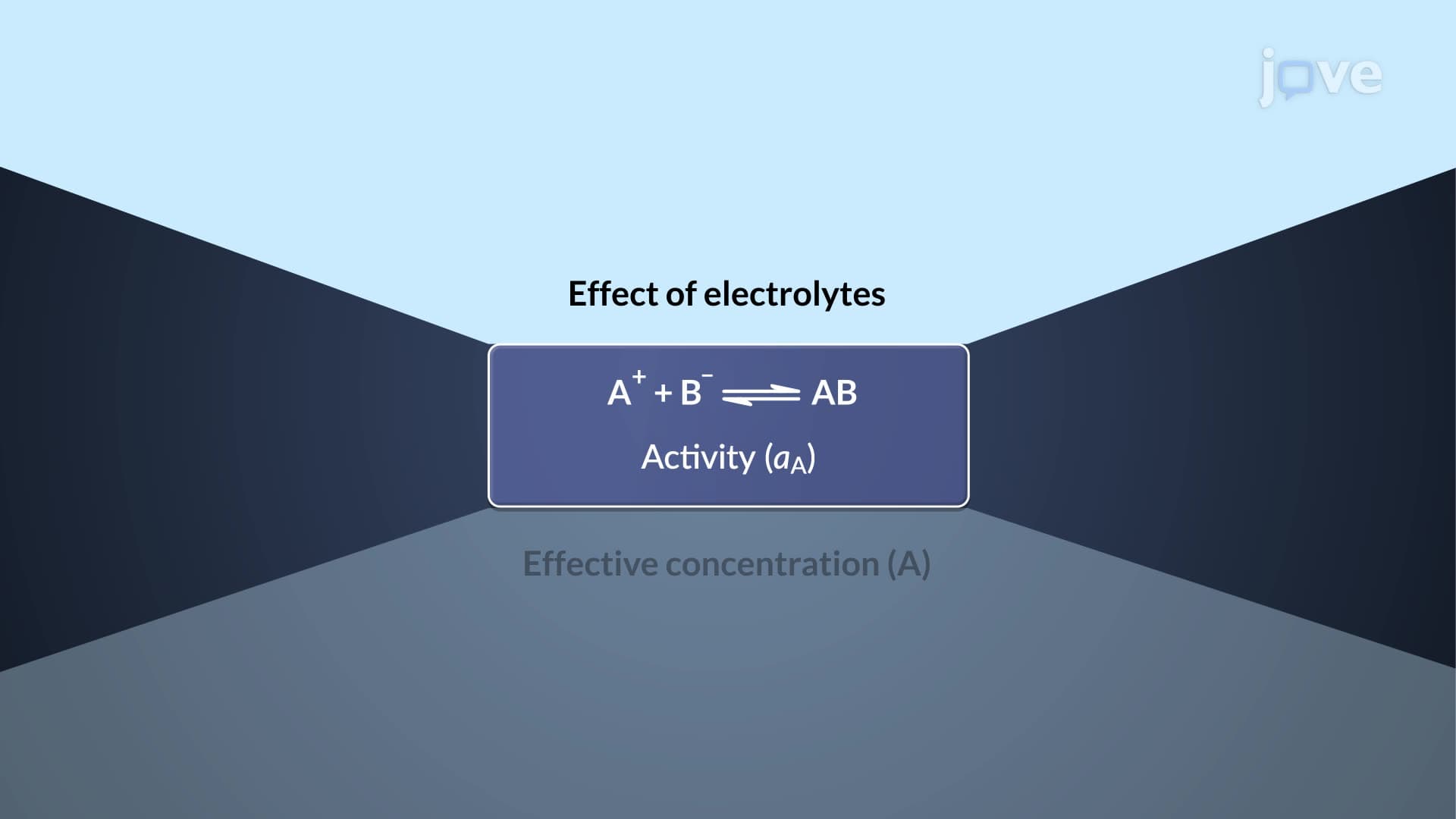
What is Acid Base Equilibria Activity fundamentally addresses the limitations of ideal solution assumptions in chemistry. While introductory courses teach pH as simply the negative logarithm of hydrogen ion concentration, real-world solutions require activity corrections for accurate predictions. Activity accounts for how ions actually behave in solution, considering intermolecular forces and ionic interactions that ideal models ignore.
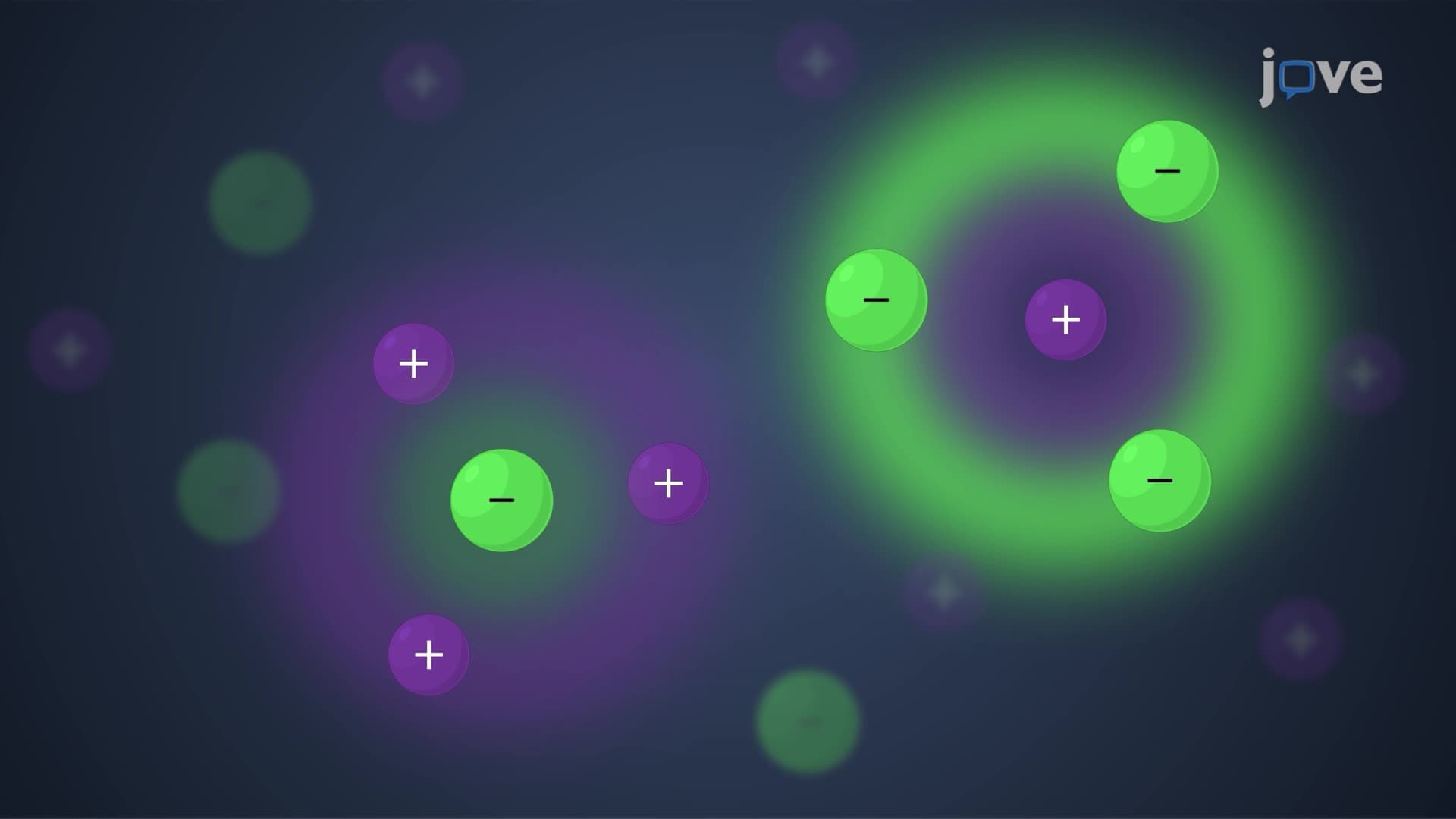
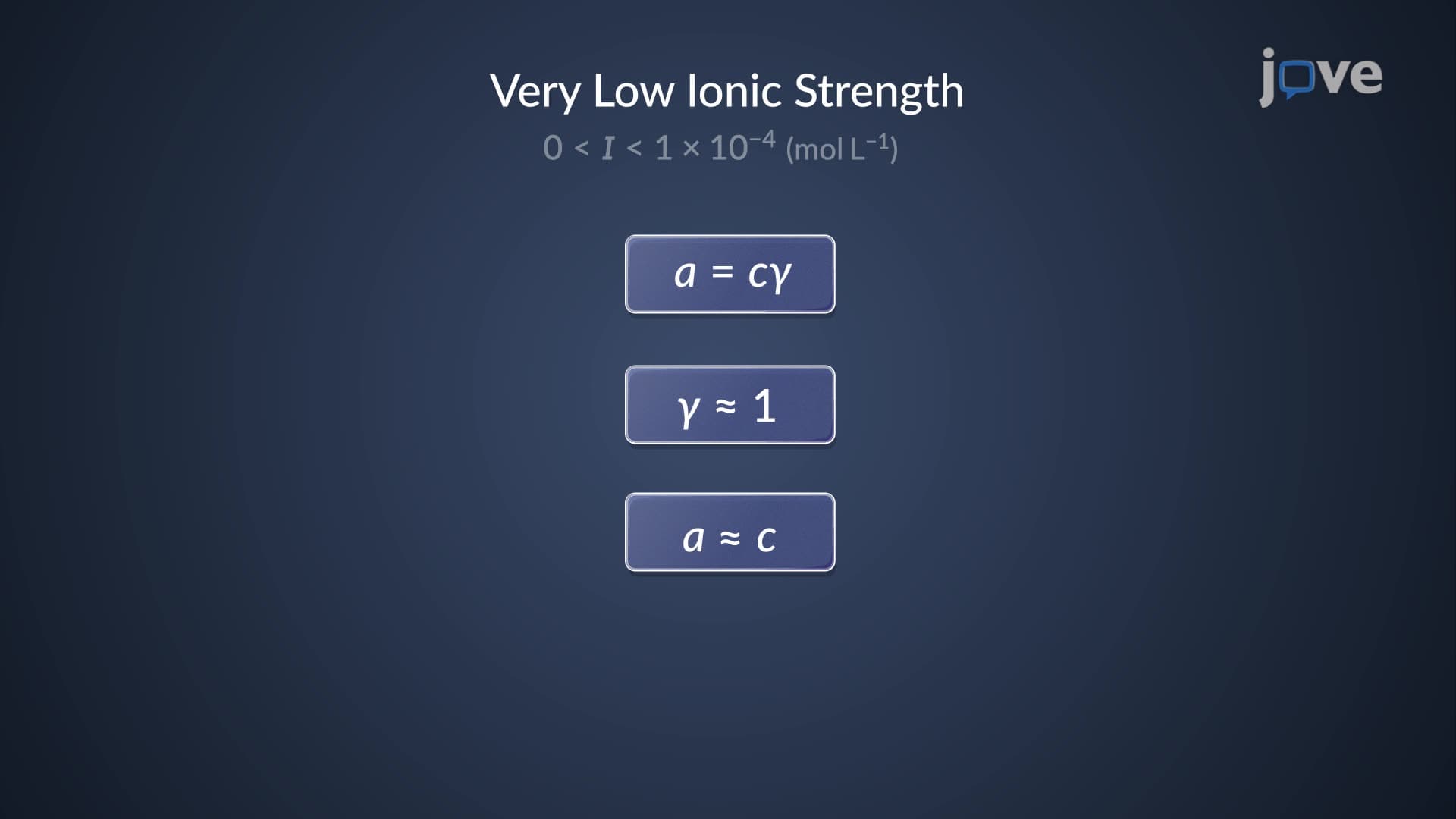
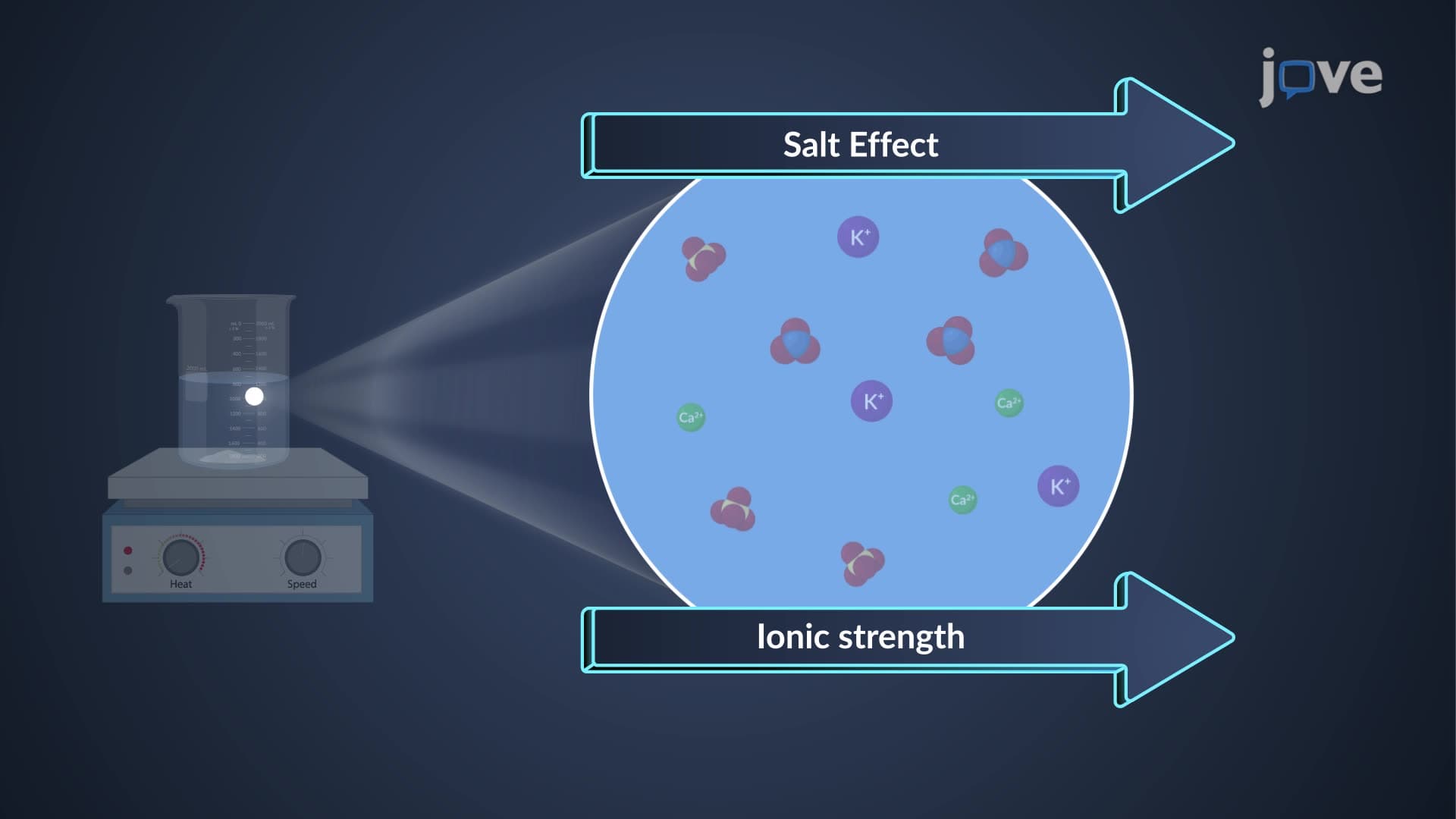
Activity coefficients quantify the deviation from ideal behavior. In pure water at 25°C, these coefficients approach unity because ionic interactions are minimal. However, adding electrolytes like sodium chloride or potassium chloride dramatically increases ionic strength. This creates an "ionic atmosphere" around each ion, effectively reducing its chemical activity below its actual concentration.
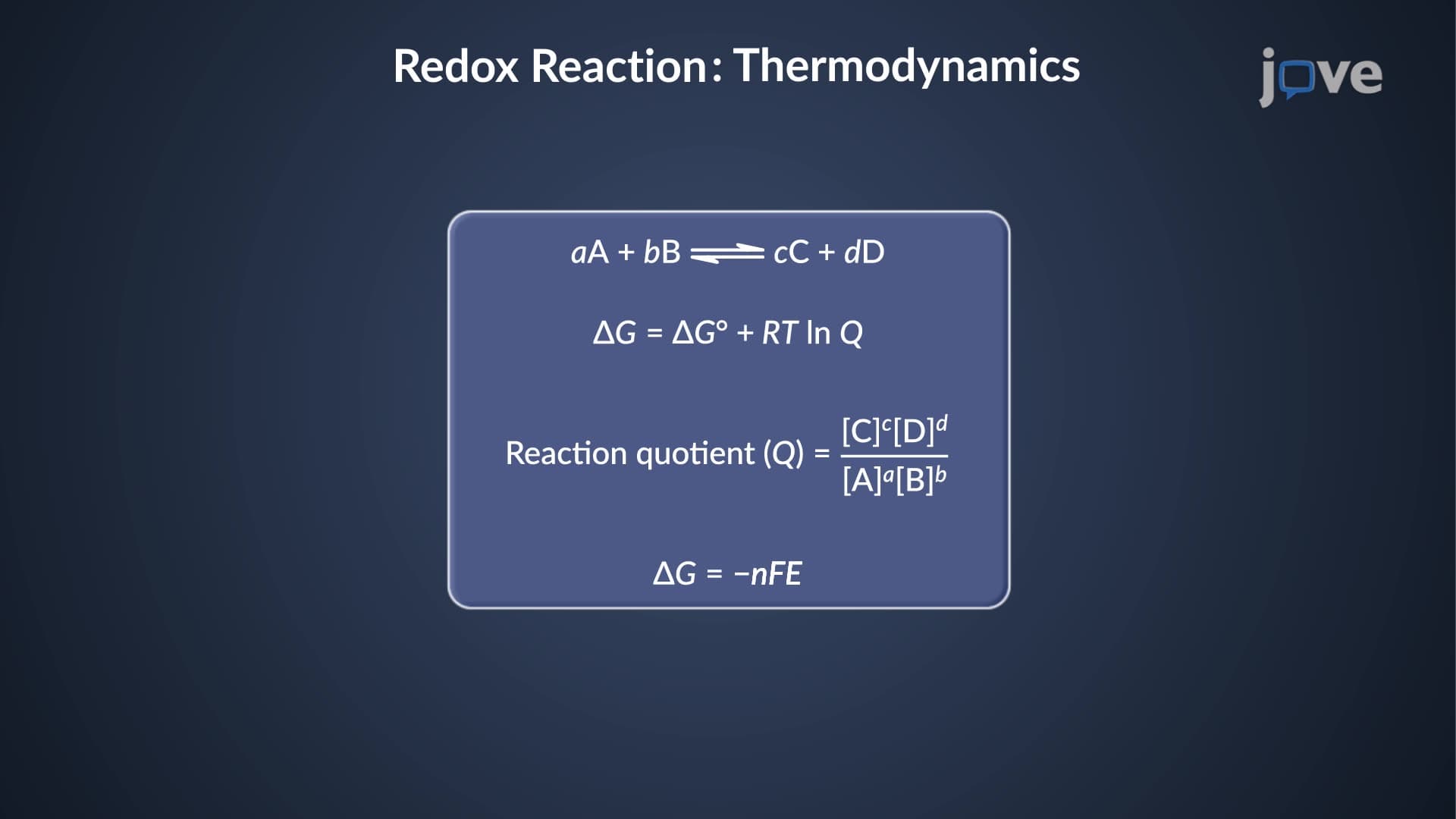
The mathematical relationship becomes: Activity = Concentration × Activity Coefficient. As ionic strength increases, activity coefficients decrease, creating significant discrepancies between measured and predicted pH values. This concept frequently appears on AP Chemistry exams and MCAT questions testing advanced acid-base understanding.
Environmental chemistry laboratories across the United States routinely encounter these activity effects. When analyzing groundwater samples from industrial sites, technicians must account for high ionic strengths from dissolved salts. A water sample might contain 0.001 M hydrogen ions, but the actual hydrogen ion activity could be significantly different due to interference from dissolved minerals.
Similarly, pharmaceutical quality control labs manufacturing medications must consider activity corrections when formulating buffer systems. The FDA requires precise pH control in drug manufacturing, making activity-corrected calculations essential for regulatory compliance.
College chemistry students and pre-med students preparing for the MCAT should recognize activity correction scenarios. Typical exam problems present solutions with added salts and ask for pH predictions. The key insight: adding neutral salts affects pH through activity coefficient changes, not through direct proton donation or acceptance.
Practice identifying when activity corrections matter most: concentrated solutions, high ionic strength conditions, and multi-component electrolyte systems commonly found in biological and environmental contexts.
Related Micro-courses