Loading subject page…

- Analytical Chemistry
- Chemical Equilibria
- Ionic Strength: Overview
Micro-course: Chemical Equilibria
22,524 views
Learn key concepts and earn your certificate.









Ionic Strength: Overview


00:00
01:12
Video Summary: What Is Ionic Strength
Ever wonder why table salt dissolves so differently than Epsom salt in water? The answer lies in ionic strength chemistry, a fundamental concept that explains how charged particles behave in solution. When sodium chloride dissolves in your morning sports drink, the ionic strength determines how effectively the ions interact with each other. This concept is crucial for understanding everything from blood chemistry to water treatment processes across the United States. Watch the full video on JoVE Coach to master this concept with expert-led visuals and step-by-step explanations.
- Understand what is ionic strength and how it quantifies the total ionic environment in aqueous solutions
- Identify the key factors that determine ionic strength: ion concentration and charge magnitude
- Analyze how different electrolyte types (1:1, 2:1, 2:2) contribute differently to solution ionic strength
- Compare ionic strength values between solutions containing ions of varying charges
- Apply the ionic strength formula to calculate values for common laboratory and biological solutions
- Recognize the relationship between ionic atmosphere formation and electrostatic shielding effects
- Evaluate how ionic strength affects ion activity and chemical equilibrium in real systems
- Explore connections between ionic strength and advanced concepts like the Debye-Hückel theory
Understanding What is Ionic Strength in Chemical Solutions
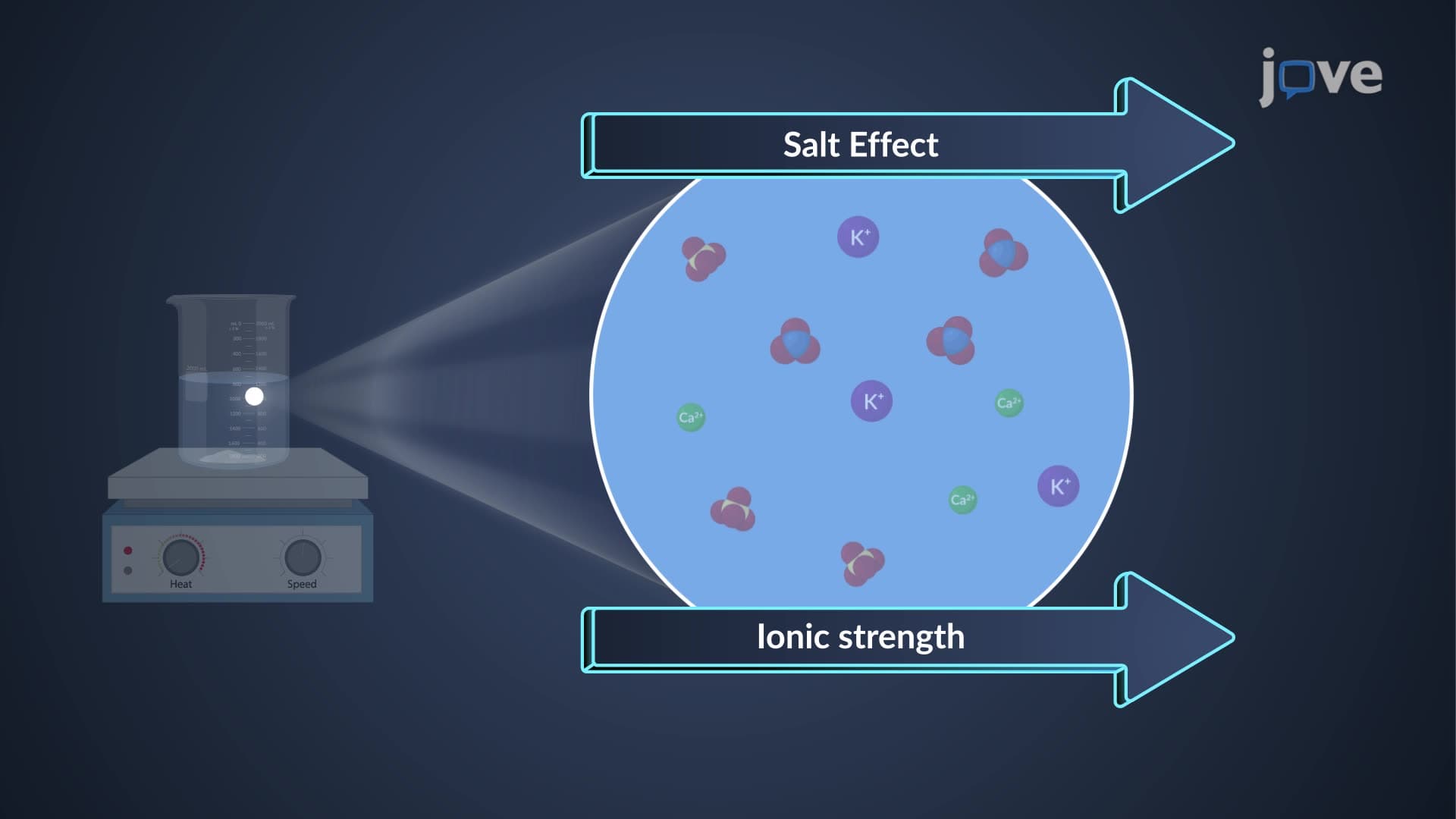
Ionic strength chemistry serves as a cornerstone concept in understanding how dissolved salts affect solution properties. When electrolytes dissolve in water, they create an ionic environment where each ion becomes surrounded by an "ionic atmosphere" of oppositely charged particles. This fundamental principle explains phenomena ranging from protein folding in biological systems to corrosion rates in industrial processes.
The ionic strength definition solution centers on quantifying the total charge environment within a solution. Unlike simple concentration measurements, ionic strength accounts for both the quantity and charge magnitude of all dissolved ions. This distinction becomes critical when comparing solutions of different electrolyte types-a concept frequently tested on AP Chemistry exams and college-level physical chemistry courses.
How to Calculate Ionic Strength: The Mathematical Foundation
Learning how to calculate ionic strength solution requires understanding the fundamental formula: I = 1/2 Σ(ci × zi²), where ci represents the molar concentration of each ion and zi represents its charge. The squared charge term means that multiply-charged ions contribute disproportionately to the overall ionic strength.
Consider practical examples relevant to US students: A 0.1 M sodium chloride solution (like saline used in medical settings) has an ionic strength of 0.1 M because both Na⁺ and Cl⁻ carry single charges. However, a 0.1 M calcium chloride solution (used in food preservation) exhibits an ionic strength of 0.3 M due to calcium's +2 charge contributing four times more than a singly-charged ion.
Real-World Applications and Electrolyte Concentration Effects
Electrolyte concentration effects manifest in numerous US-based applications. In water treatment facilities across America, engineers must consider ionic strength when designing purification systems. Higher ionic strength solutions require different treatment approaches because ion-ion interactions become more significant.
Medical professionals encounter these principles daily. Blood plasma maintains a specific ionic strength around 0.15 M, primarily from sodium chloride and other electrolytes. Deviations from normal ionic strength can indicate serious health conditions-a concept crucial for pre-med students preparing for the MCAT.
Advanced Connections: Debye-Hückel Theory and Activity Coefficients
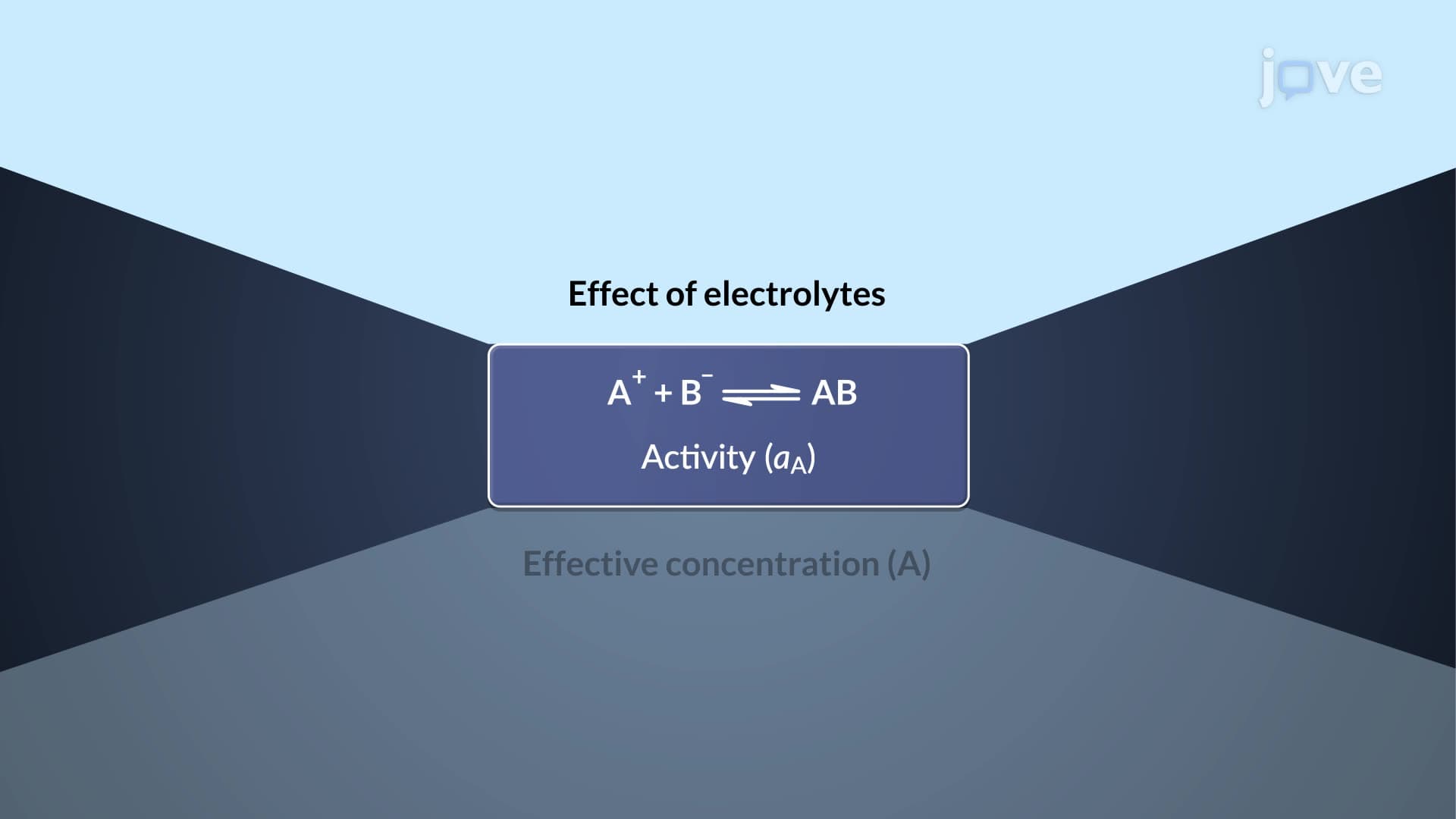
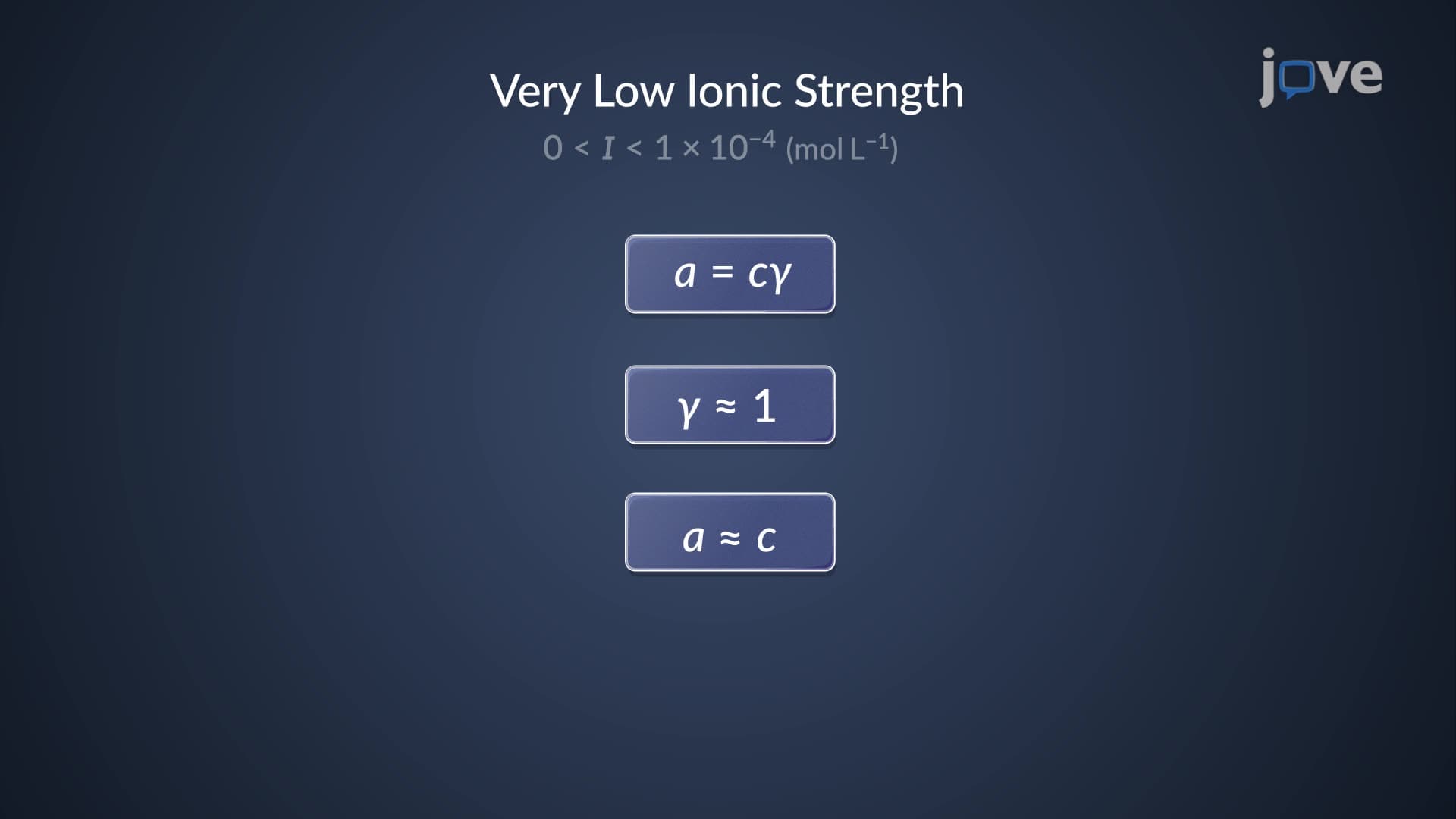
The relationship between ionic strength and activity becomes particularly important in advanced chemistry courses. As ionic strength increases, the effective concentration (activity) of ions deviates from their actual concentration due to increased ion-ion interactions. This principle underlies the Debye-Hückel ionic strength theory, which predicts how electrolyte solutions behave under varying conditions.
Students preparing for graduate programs or advanced placement exams should understand that ionic strength directly influences reaction rates, equilibrium constants, and solubility limits. These concepts frequently appear in analytical chemistry problems and biochemistry applications.
Frequently Asked Questions
Ionic strength measures the total charge environment in a solution, accounting for both concentration and charge of all dissolved ions. It's crucial because it determines how ions interact with each other, affecting everything from reaction rates to protein stability. Understanding this concept helps explain why different salts behave differently in solution, even at the same concentration.
Ionic strength frequently appears in AP Chemistry free-response questions involving solution chemistry and equilibrium. College exams often test calculation skills and conceptual understanding of how ionic strength affects activity coefficients. MCAT passages commonly include ionic strength concepts in biological contexts, particularly regarding enzyme function and cellular processes.
Regular concentration only counts the amount of dissolved substance, while ionic strength considers both the amount and charge of each ion produced. A 0.1 M NaCl solution has 0.1 M ionic strength, but 0.1 M CaCl₂ has 0.3 M ionic strength because the calcium ion contributes more due to its higher charge.
Use the formula I = 1/2 Σ(ci × zi²) systematically: list all ions with their concentrations and charges, square each charge, multiply by concentration, sum everything, then divide by 2. Practice with common electrolytes like NaCl, CaCl₂, and Na₂SO₄ to build confidence for exam situations.
Ionic strength affects water quality in municipal treatment plants, determines proper IV fluid composition in hospitals, and influences soil chemistry for agriculture across America. Swimming pool maintenance also relies on ionic strength principles to ensure proper chemical balance and swimmer safety.
Not at all! While the mathematical formula might seem complex initially, the underlying concept is straightforward: different ions contribute differently based on their charge. Start with simple 1:1 electrolytes like NaCl, then progress to more complex salts. The key is practicing calculations with familiar compounds.
Focus on understanding the conceptual foundation first, then practice calculations with increasingly complex solutions. Create a reference sheet of common electrolyte types and their ionic strength relationships. Work through past AP Chemistry questions and time yourself to build both accuracy and speed.
Ionic strength serves as foundation for studying activity coefficients, Debye-Hückel theory, and solution thermodynamics. It's also essential for understanding buffer systems, protein chemistry, and electrochemical processes. These topics frequently appear in advanced undergraduate courses and graduate school entrance exams.
Related Micro-courses

14 Concepts
17 Concepts
