Loading subject page…


22,529 views

Video Summary: What Is Thermodynamics Activity Coefficient
Ever wonder why salt water behaves so differently from pure water when heated? The activity coefficient thermodynamics concept explains this phenomenon by measuring how real solutions deviate from ideal behavior. In industrial water treatment plants across the United States, engineers use activity coefficient calculations to predict how dissolved ions will behave under different temperature and pressure conditions. What is Thermodynamics Activity Coefficient becomes crucial for understanding why concentrated solutions don't follow simple concentration-based predictions. Watch the full video on JoVE Coach to master this concept with expert-led visuals and step-by-step explanations.
The activity coefficient thermodynamics concept bridges the gap between theoretical ideal solutions and real-world chemical systems. Unlike simple molarity calculations taught in introductory chemistry, activity coefficients account for molecular interactions that cause solutions to behave unpredictably. This dimensionless parameter reveals how much a solution's actual behavior deviates from what we'd expect if molecules and ions didn't interact with each other.
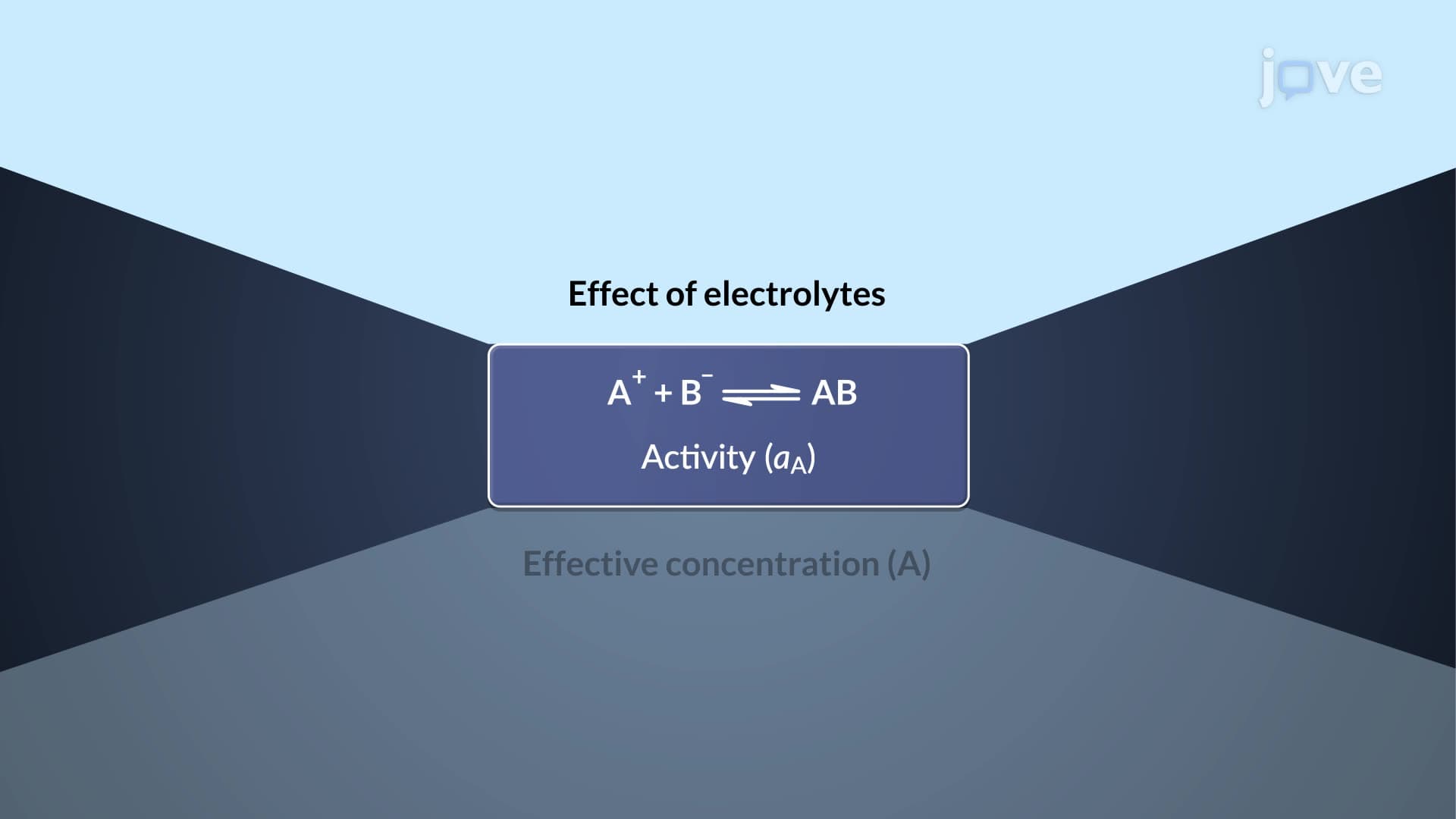
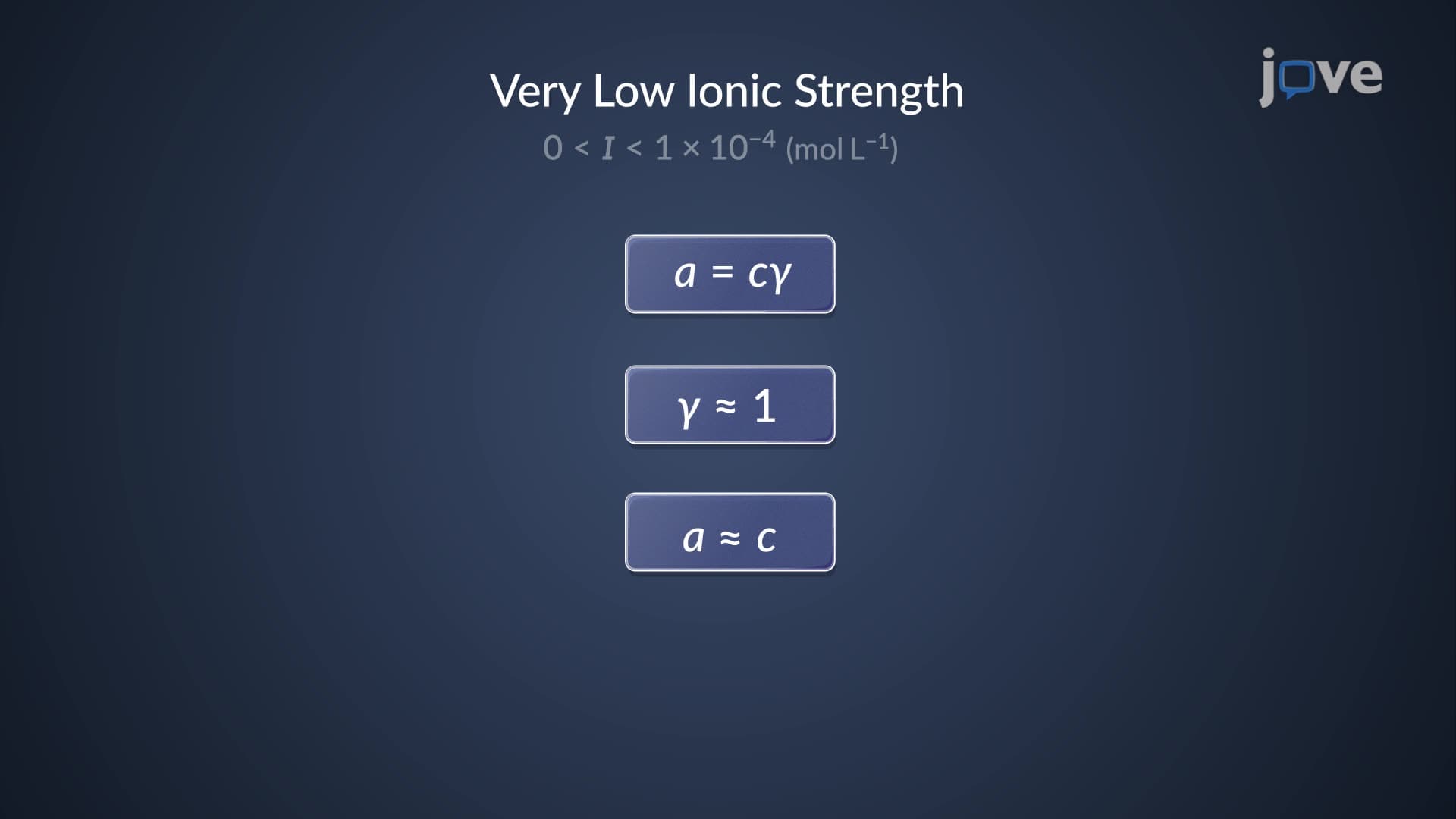
In pharmaceutical manufacturing facilities across states like New Jersey and California, chemists routinely calculate activity coefficients to ensure drug formulations maintain consistent potency. The activity coefficient definition chemistry encompasses both the mathematical relationship (activity = concentration × activity coefficient) and the physical meaning behind molecular interactions in solution.
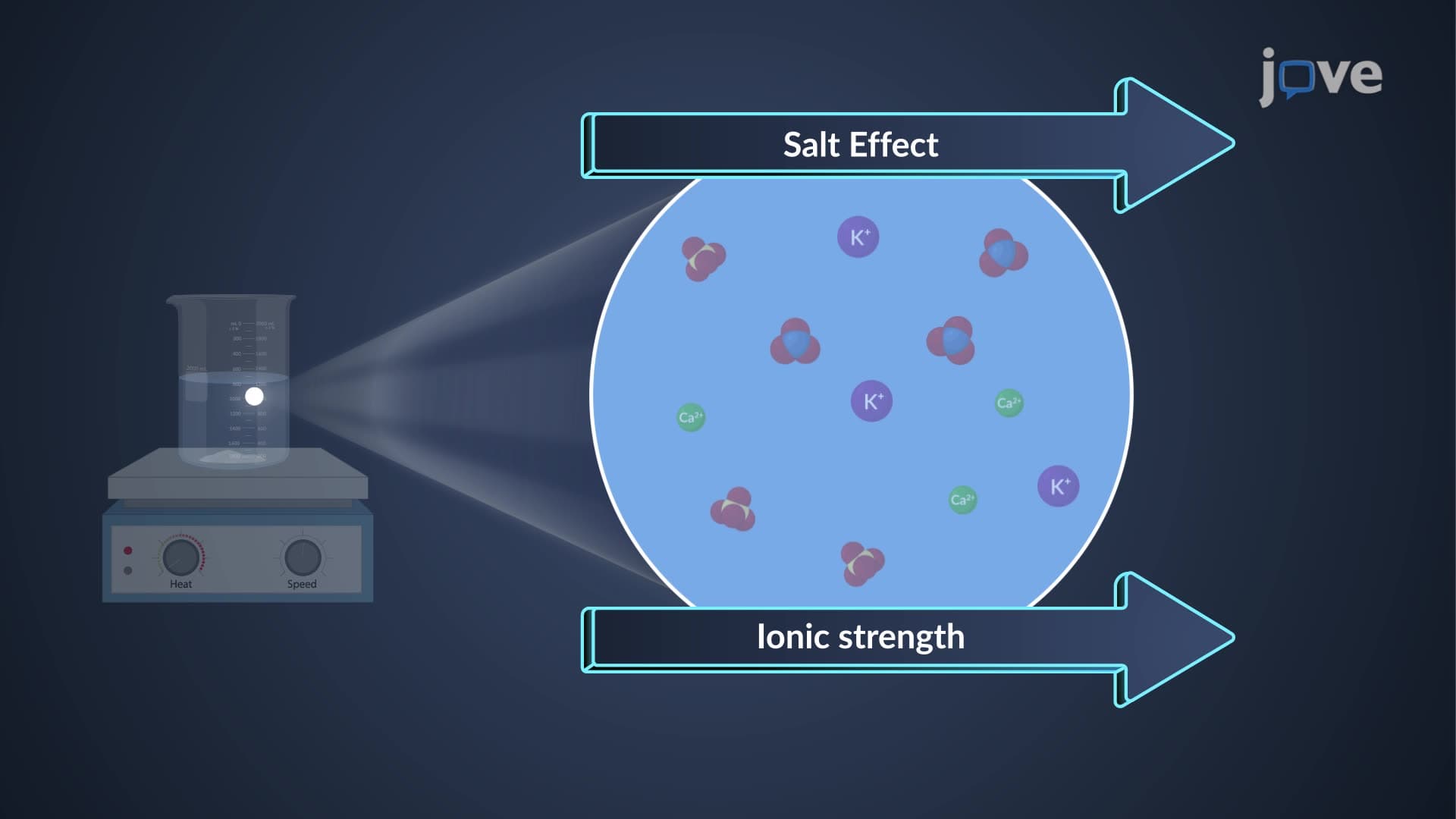
The relationship between ionic strength and activity coefficients follows predictable patterns that appear frequently on AP Chemistry exams and college physical chemistry courses. At very low ionic strengths (below 0.001 M), activity coefficients approach unity, meaning solutions behave almost ideally. However, as ionic strength increases, electrostatic interactions between ions become significant, causing activity coefficients to drop below 1.0.
This behavior has practical implications in environmental chemistry. For example, groundwater treatment facilities in Texas must account for activity coefficient variations when predicting how contaminants will move through different soil layers with varying salt concentrations.
How to determine activity coefficient solution calculations often involves the extended Debye-Hückel equation, which correlates activity coefficients with ionic strength, temperature, and ion size. For extremely dilute solutions, this reduces to the simpler Debye-Hückel limiting law: log(γ) = -A × z² × √I, where γ is the activity coefficient, A is a temperature-dependent constant, z is ion charge, and I represents ionic strength.
Students preparing for the MCAT frequently encounter problems requiring these calculations, particularly in passages about kidney function and blood chemistry. Understanding when to apply the limiting law versus the extended equation becomes crucial for exam success.
Major chemical companies like DuPont and Dow Chemical rely on activity coefficient calculations for process optimization. In petroleum refining, activity coefficients help predict how different hydrocarbon mixtures will separate during distillation. Similarly, in electroplating operations throughout the automotive industry in Detroit, precise activity coefficient values ensure consistent coating quality.
The mean activity coefficient concept becomes particularly important in battery technology development, where companies like Tesla's Nevada Gigafactory must predict electrolyte behavior under varying temperature and concentration conditions.
Related Micro-courses