Loading subject page…


30,224 views

Video Summary: Mass Spectrometry Aldehyde and Ketone Fragmentation Explained
Ever wondered how forensic scientists identify unknown drugs in criminal cases using just tiny molecular fragments? Aldehyde ketone MS fragmentation patterns provide crucial fingerprints that help solve crimes and identify compounds in pharmaceutical labs across the US. Understanding Mass Spectrometry Aldehyde And Ketone Fragmentation Explained reveals how carbonyl compounds break apart predictably through alpha-cleavage, inductive cleavage, and McLafferty rearrangement mechanisms. Watch the full video on JoVE Coach to master this concept with expert-led visuals and step-by-step explanations.
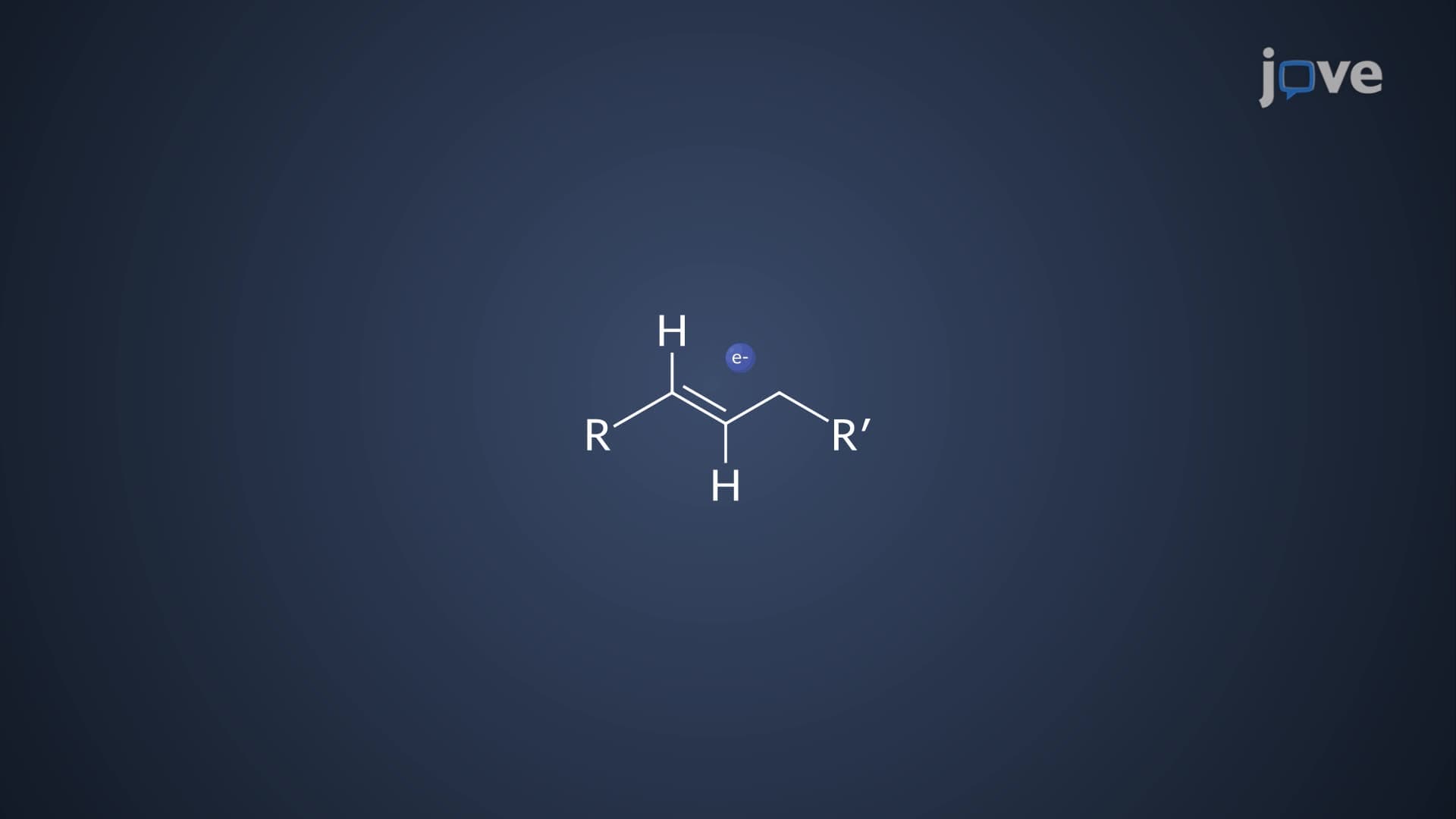
Carbonyl fragmentation mass spectrometry represents one of the most predictable and diagnostically useful aspects of structural analysis. When aldehydes and ketones enter a mass spectrometer's ionization chamber, they undergo electron impact that creates molecular ions with excess energy. This energy drives specific bond-breaking patterns that organic chemists use to identify unknown compounds in pharmaceutical research, environmental monitoring, and forensic investigations across US laboratories.
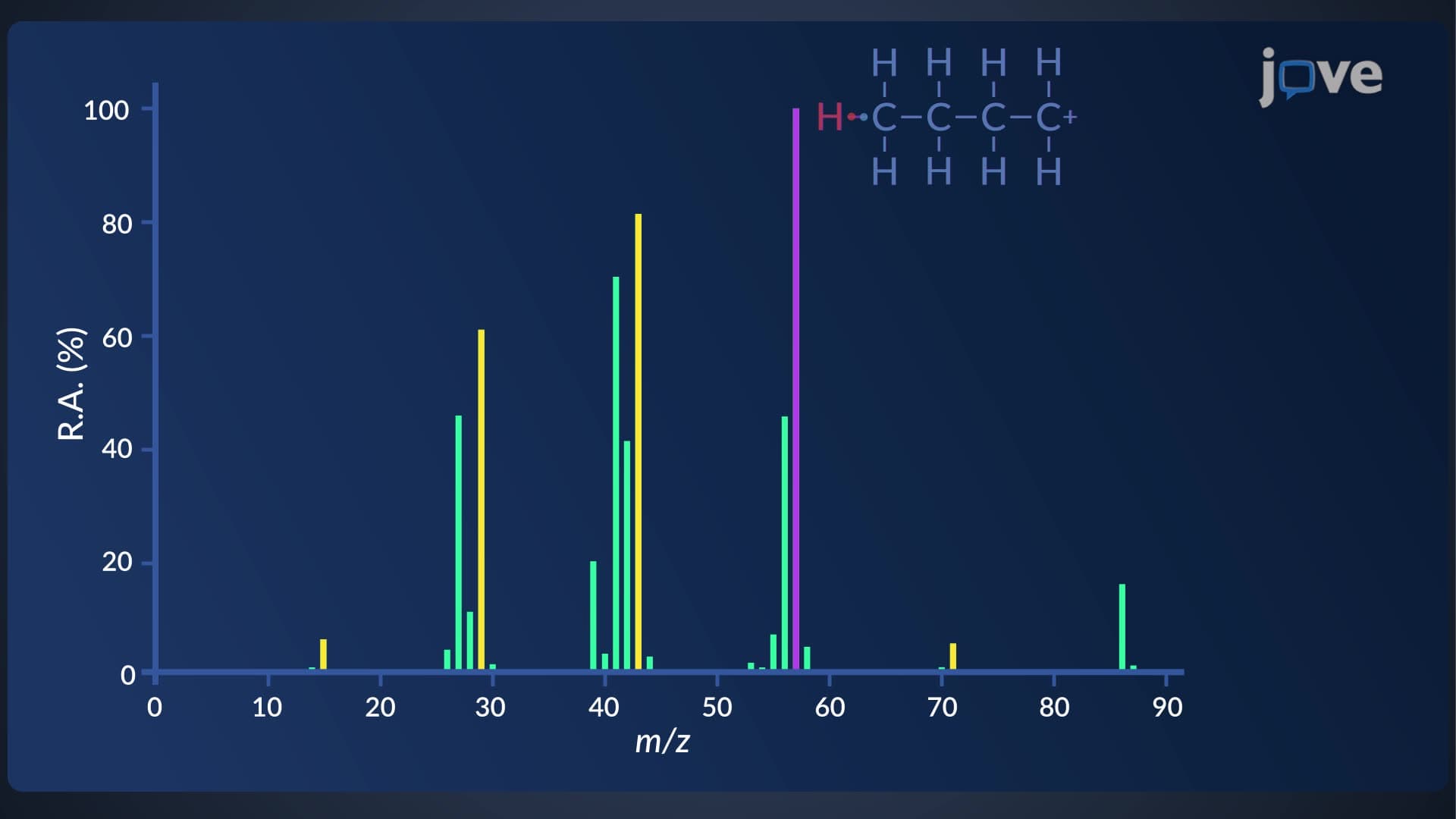
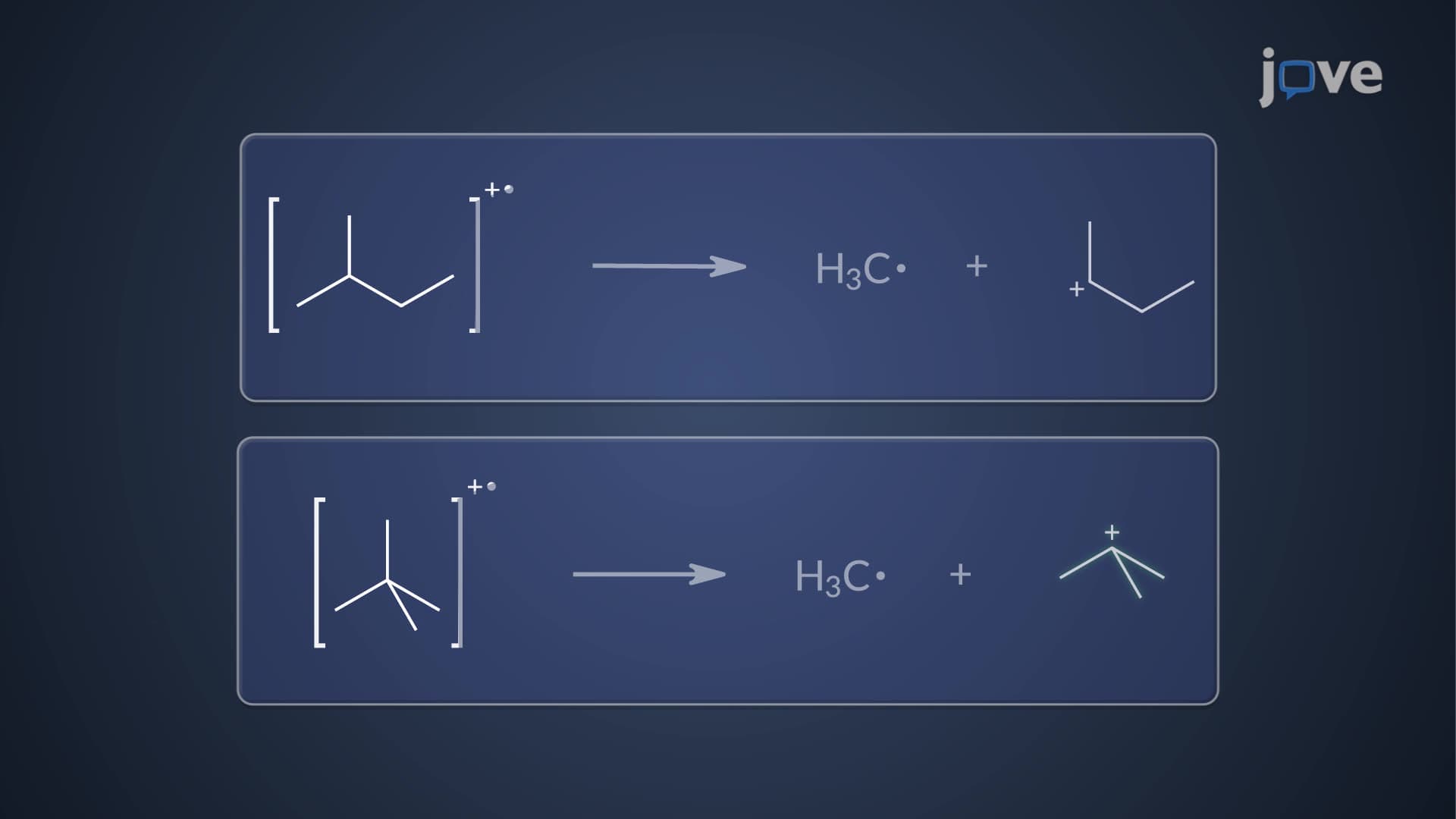
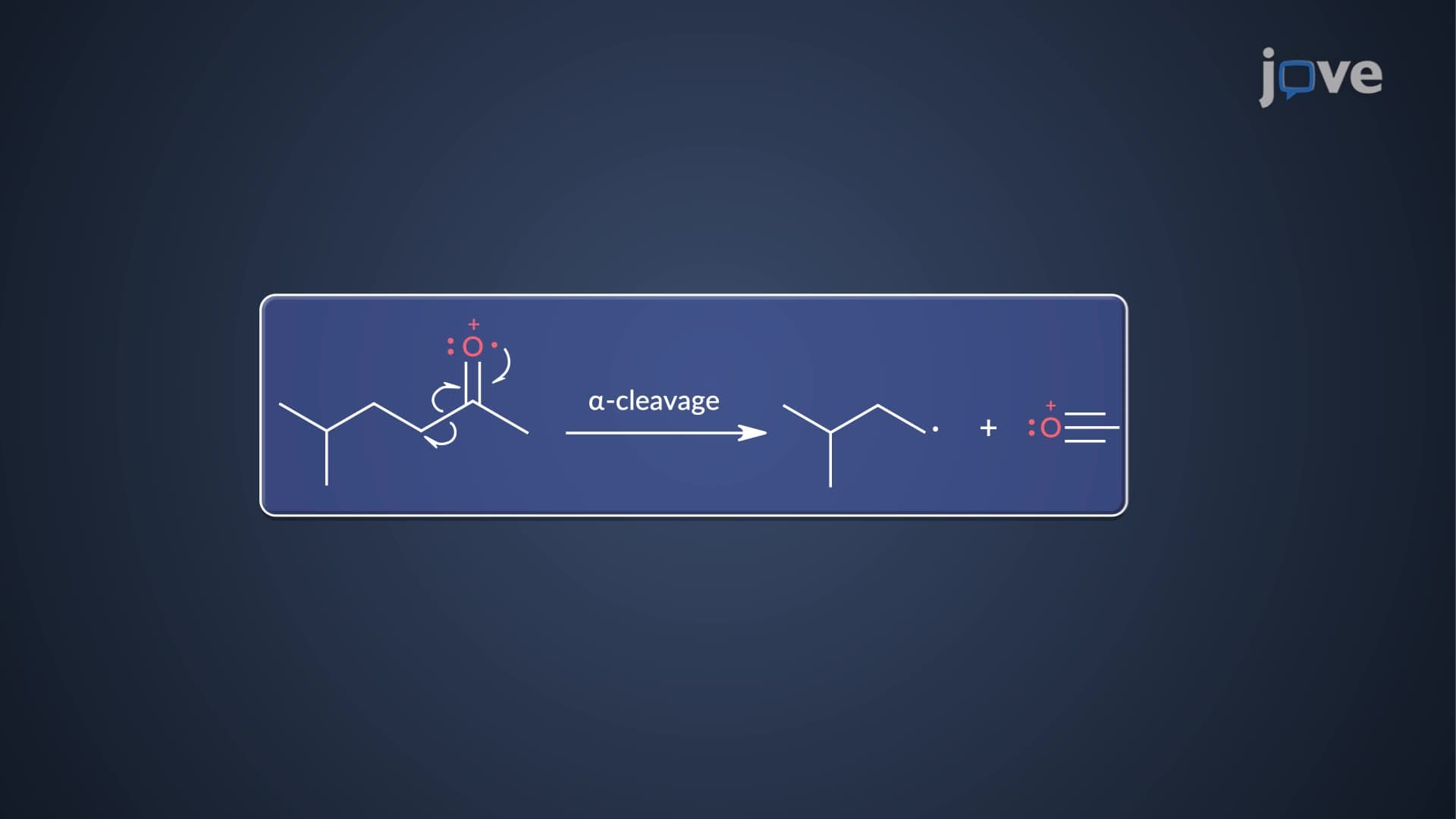
Alpha cleavage carbonyl MS occurs when the carbon-carbon bond adjacent to the carbonyl group breaks, typically producing the most intense peaks in aldehyde and ketone mass spectra. This fragmentation generates an acylium ion fragmentation MS (positively charged) and a neutral alkyl radical. For example, butanone (methyl ethyl ketone) commonly found in paint thinners undergoes alpha-cleavage to produce a characteristic acylium ion at m/z = 57 (C2H5CO+). Students preparing for AP Chemistry or college organic chemistry exams should recognize that alpha-cleavage often creates the base peak-the most intense signal in the spectrum.
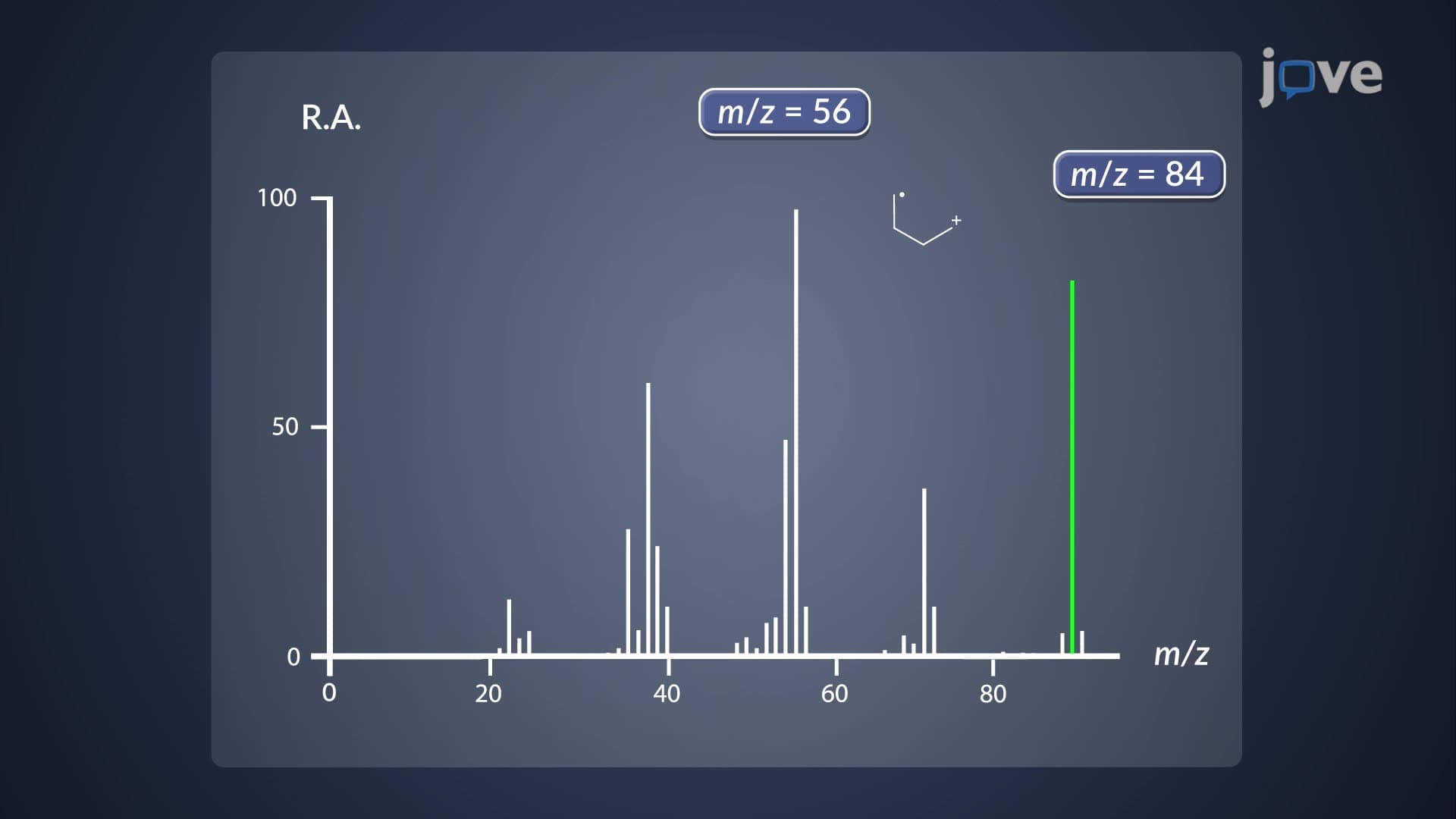
The McLafferty rearrangement carbonyl mechanism involves a six-membered ring transition state where a gamma-hydrogen atom migrates to the carbonyl oxygen, followed by beta-cleavage. This process yields a McLafferty product ion (an enol radical cation) and a neutral alkene molecule. In 2-pentanone analysis, commonly encountered in MCAT organic chemistry sections, McLafferty rearrangement produces an ion at m/z = 58, representing the loss of propene (C3H6). This rearrangement requires at least four carbon atoms in the chain, making it particularly diagnostic for larger carbonyl compounds.
How aldehydes and ketones fragment in MS differs primarily in the aldehyde's ability to lose the formyl hydrogen, creating a characteristic M-1 peak. This diagnostic feature helps US pharmaceutical companies distinguish between aldehyde and ketone isomers during drug development. Additionally, aldehydes typically show prominent peaks at m/z = 29 (CHO+) and m/z = 44 (CO2+), while ketones display stronger acylium ion peaks corresponding to their alkyl substituents.
Related Micro-courses