Loading subject page…

- Analytical Chemistry
- Mass Spectrometry Fragmentation Methods
- Mass Spectrometry: Aromatic Compound Fragmentation
Micro-course: Mass Spectrometry Fragmentation Methods
30,224 views
Learn key concepts and earn your certificate.




Mass Spectrometry: Aromatic Compound Fragmentation

00:00
01:23
Video Summary: Mass Spectrometry Aromatic Compound Fragmentation Explained
Ever wonder how forensic scientists at the FBI identify unknown drugs in crime labs? Aromatic compound MS fragmentation reveals unique molecular fingerprints that make identification possible. When benzene rings break apart under high energy, they create distinctive patterns-toluene fragments predictably at the benzylic carbon, while larger alkyl groups undergo McLafferty rearrangements at m/z 92. Watch the full video on JoVE Coach to master this concept with expert-led visuals and step-by-step explanations.
- Understand how Mass Spectrometry Aromatic Compound Fragmentation creates characteristic molecular ion patterns for different benzene derivatives
- Identify the key fragmentation pathways: benzylic cleavage, tropylium ion formation, and McLafferty rearrangements in aromatic compounds
- Analyze why benzene's molecular ion remains stable while alkyl-substituted benzenes fragment readily at specific carbon positions
- Compare fragmentation patterns between simple alkylbenzenes like toluene and polyalkylated aromatic compounds
- Recognize the tropylium ion peak (m/z 91) and McLafferty rearrangement peak (m/z 92) as diagnostic signals in aromatic mass spectra
- Apply fragmentation knowledge to predict mass spectral patterns for unknown aromatic compounds in laboratory analysis
- Evaluate the limitations of mass spectrometry in distinguishing between structural isomers of disubstituted benzene rings
- Explore how resonance stabilization influences carbocation stability and fragmentation likelihood in aromatic systems
Understanding Mass Spectrometry Aromatic Compound Fragmentation Fundamentals
Aromatic compound fragmentation in mass spectrometry follows predictable patterns that reflect the unique stability of benzene ring systems. Unlike aliphatic compounds that fragment randomly, aromatic molecules break apart at specific weak points, creating characteristic mass spectral signatures. This selectivity stems from the exceptional stability of the benzene ring itself and the resonance stabilization available to certain carbocation intermediates.
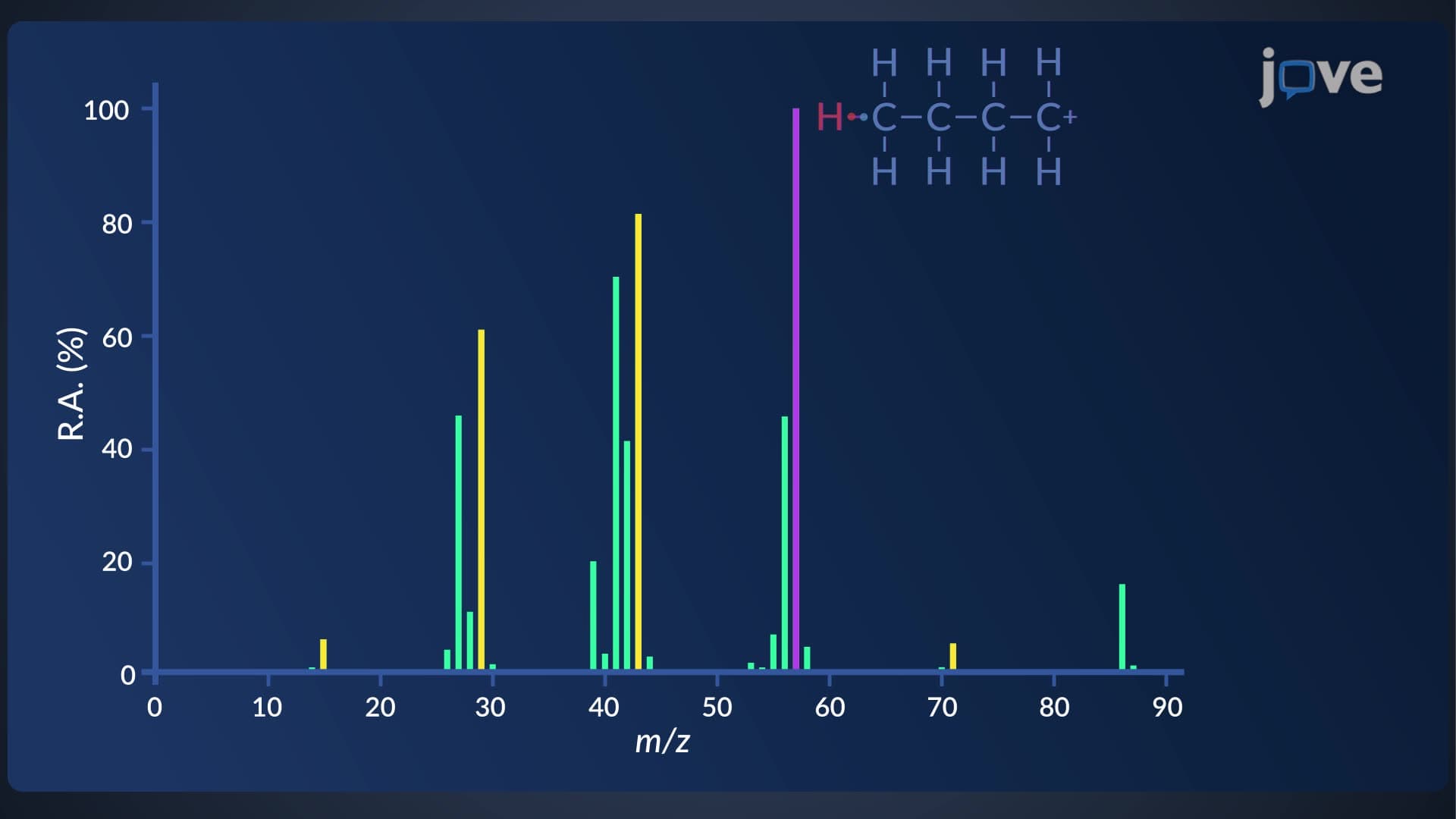
The parent benzene molecule exemplifies aromatic stability-its molecular ion peak dominates the spectrum because breaking the aromatic ring requires enormous energy input. However, when alkyl substituents are present, fragmentation becomes much more favorable at the benzylic position (the carbon directly attached to the benzene ring). This preference creates diagnostic patterns that analytical chemists rely on for structural identification.
Benzylic Cleavage and Tropylium Ion Formation
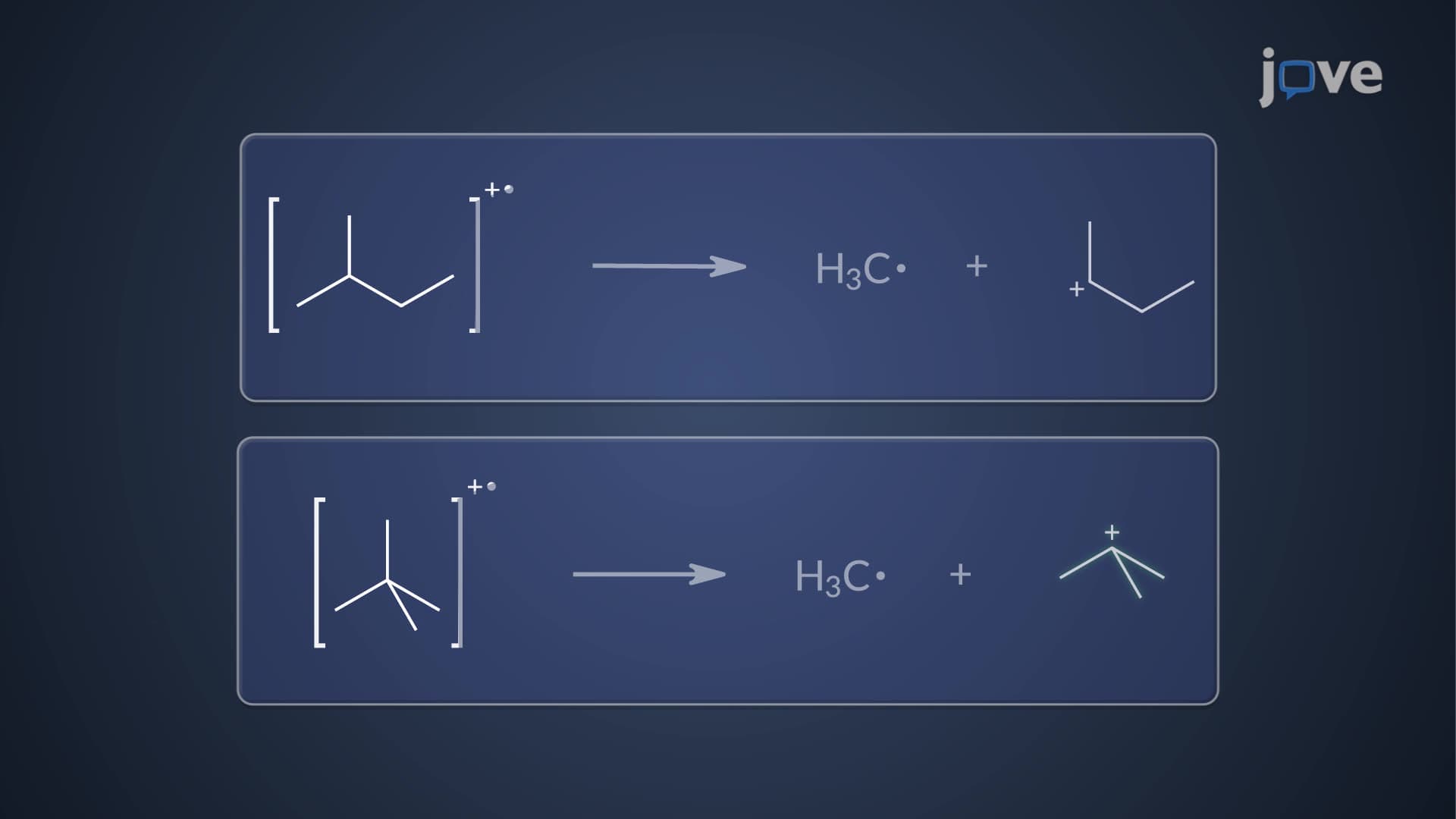
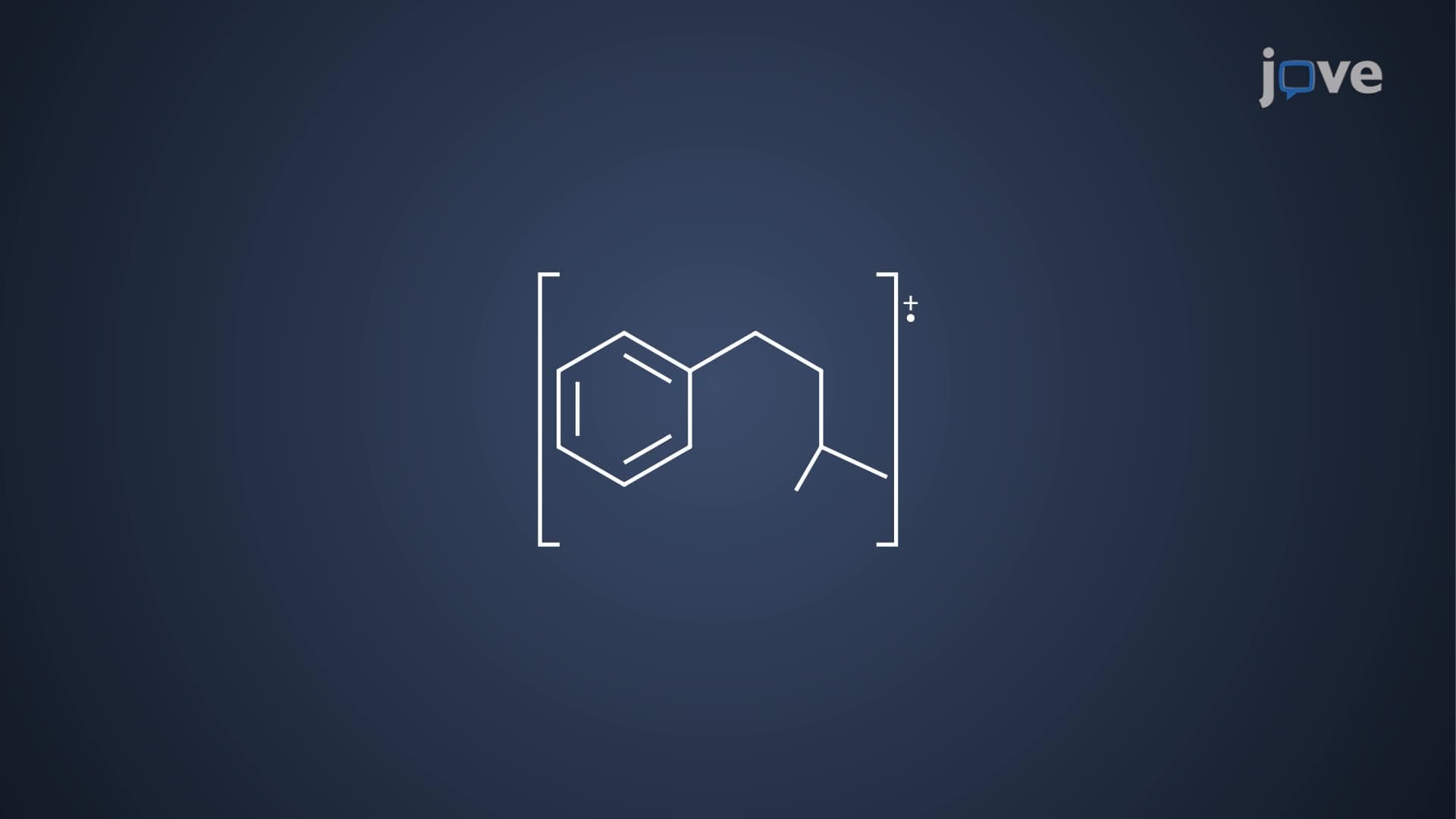
Toluene and other monoalkylated benzenes undergo characteristic benzylic cleavage, losing a hydrogen atom to form a benzyl carbocation (m/z 91). This intermediate doesn't remain static-it rapidly rearranges to form the more stable tropylium ion through ring expansion. The tropylium ion's seven-membered ring distributes positive charge more effectively than the localized benzyl system, explaining why the m/z 91 peak appears so prominently in aromatic mass spectra.
For compounds with longer alkyl chains, fragmentation can occur anywhere along the side chain, but the resulting fragments ultimately converge on the same tropylium ion endpoint. This convergence explains why compounds like propylbenzene and butylbenzene show similar base peaks despite their different molecular weights. Students preparing for the MCAT or AP Chemistry exams should recognize this pattern as a key diagnostic tool.
McLafferty Rearrangements and Advanced Fragmentation Patterns
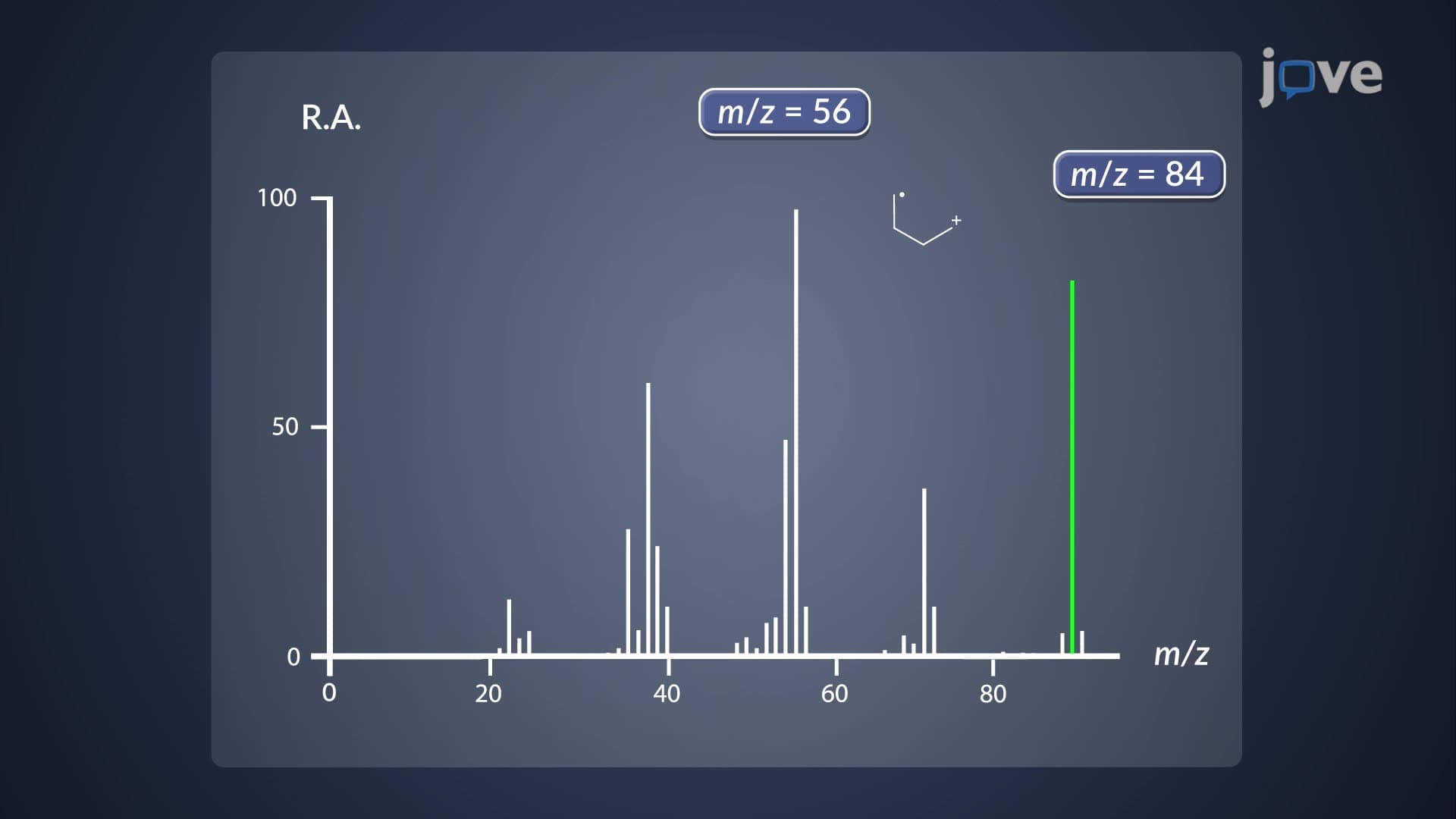
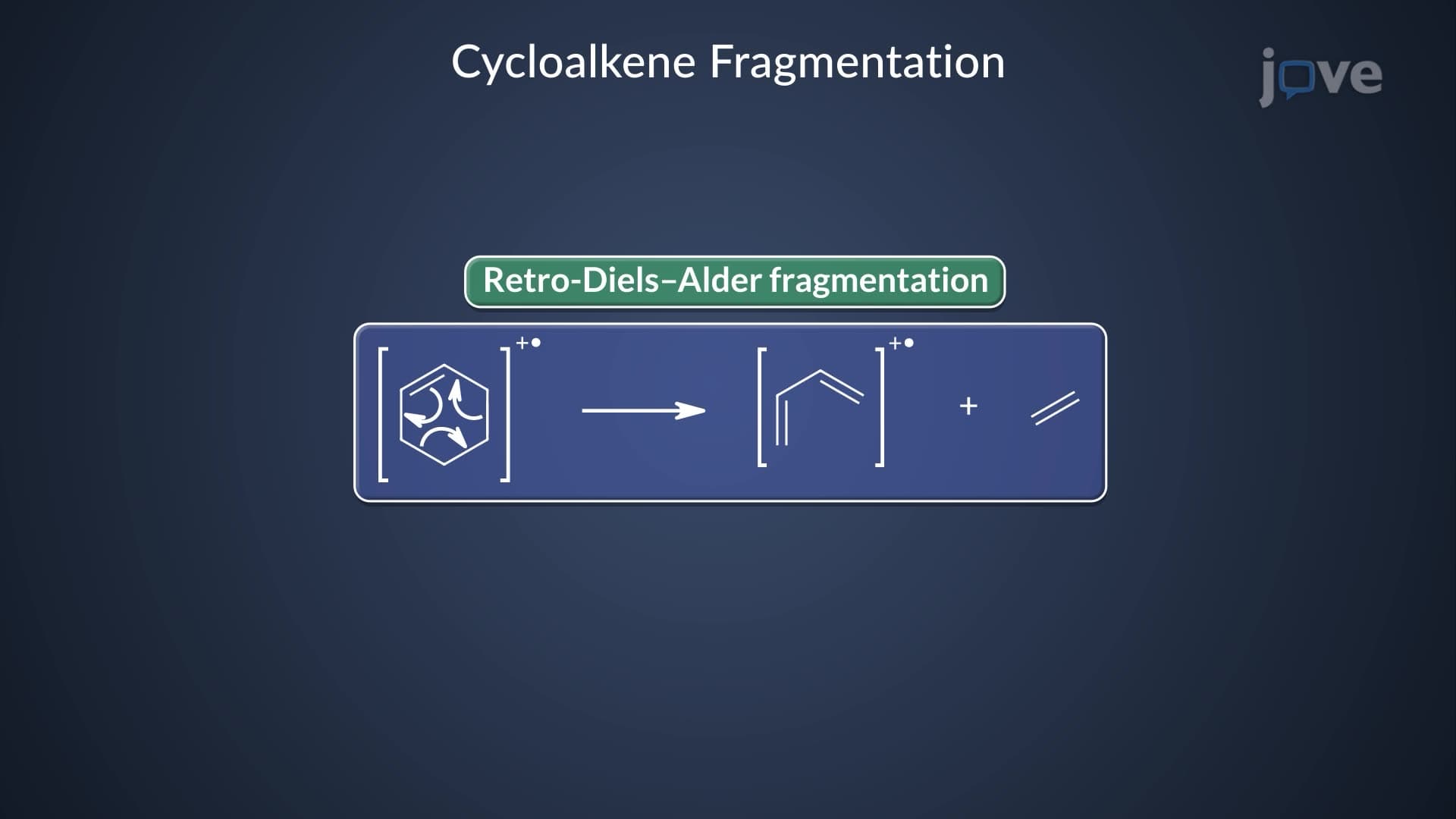
When aromatic compounds contain alkyl chains of three or more carbons with at least one hydrogen on the gamma carbon, McLafferty rearrangements become possible. This six-membered cyclic transition state transfers a hydrogen atom while cleaving the side chain, producing a distinctive m/z 92 fragment. Pharmaceutical companies routinely use this signature to identify drug metabolites and impurities during FDA approval processes.
Polyalkylated aromatics introduce additional complexity through multiple fragmentation pathways. Xylene isomers (ortho-, meta-, and para-dimethylbenzene) demonstrate mass spectrometry's limitation-their identical fragmentation patterns make positional isomer identification impossible using MS alone. This limitation drives the need for complementary techniques like NMR spectroscopy in comprehensive structural analysis, a concept emphasized in advanced organic chemistry courses at universities like MIT and Stanford.
Frequently Asked Questions
Mass Spectrometry Aromatic Compound Fragmentation is the predictable breaking apart of benzene ring derivatives under high-energy ionization conditions. It occurs because alkyl side chains create weak points where bonds can break more easily than the highly stable aromatic ring itself, leading to characteristic fragmentation patterns that help identify unknown compounds.
These exams typically present mass spectra of unknown aromatic compounds and ask students to identify key peaks like m/z 91 (tropylium ion) and m/z 92 (McLafferty rearrangement). Students must recognize fragmentation patterns, predict molecular ion stability, and explain why certain peaks appear more intense than others based on carbocation stability principles.
Absolutely-most college organic chemistry courses include mass spectrometry as a major structural determination tool. Professors often combine MS data with IR and NMR spectra in comprehensive structure elucidation problems, making fragmentation pattern recognition essential for exam success.
DEA and FBI laboratories routinely analyze seized drugs using mass spectrometry to identify synthetic aromatic compounds like methamphetamine precursors and designer drugs. The characteristic fragmentation patterns serve as molecular fingerprints that can definitively identify illegal substances and link them to specific manufacturing sources.
Not necessarily-the basic concepts build on familiar ideas like resonance and carbocation stability from introductory organic chemistry. Students with solid understanding of benzene structure and electron movement can grasp these fragmentation principles, though practice with spectrum interpretation improves recognition skills significantly.
Focus on understanding the "why" behind each pattern rather than pure memorization-tropylium ions form because they're more stable than benzyl cations, McLafferty rearrangements occur through six-membered transition states, and benzylic positions break easily due to resonance stabilization. This conceptual approach makes pattern recognition much more reliable under exam pressure.
Explore how electron-donating and electron-withdrawing substituents affect fragmentation patterns, learn about phenyl cation rearrangements, and study how heteroaromatic compounds like pyridine and furan fragment differently from simple benzene derivatives. These advanced topics appear frequently in graduate-level analytical chemistry courses.
Related Micro-courses


19 Concepts