Loading subject page…


30,224 views

Video Summary: Mass Spectrometry Carboxylic Acid Ester Explained
Ever wondered how forensic scientists identify unknown compounds in criminal investigations? Carboxylic acid ester MS fragmentation creates unique molecular "fingerprints" that help analysts at the FBI crime lab distinguish between similar organic compounds. Understanding Mass Spectrometry Carboxylic Acid Ester Explained reveals how molecules break apart predictably through alpha-cleavage and McLafferty rearrangement pathways, producing characteristic peaks that serve as molecular identification tools. Watch the full video on JoVE Coach to master this concept with expert-led visuals and step-by-step explanations.
Mass spectrometry fragmentation of carboxylic acids and esters follows predictable patterns that organic chemistry students encounter throughout their academic journey, from AP Chemistry to advanced undergraduate coursework. These fragmentation mechanisms provide crucial structural information that helps chemists identify unknown compounds in research laboratories across major US universities like MIT, Stanford, and Harvard.
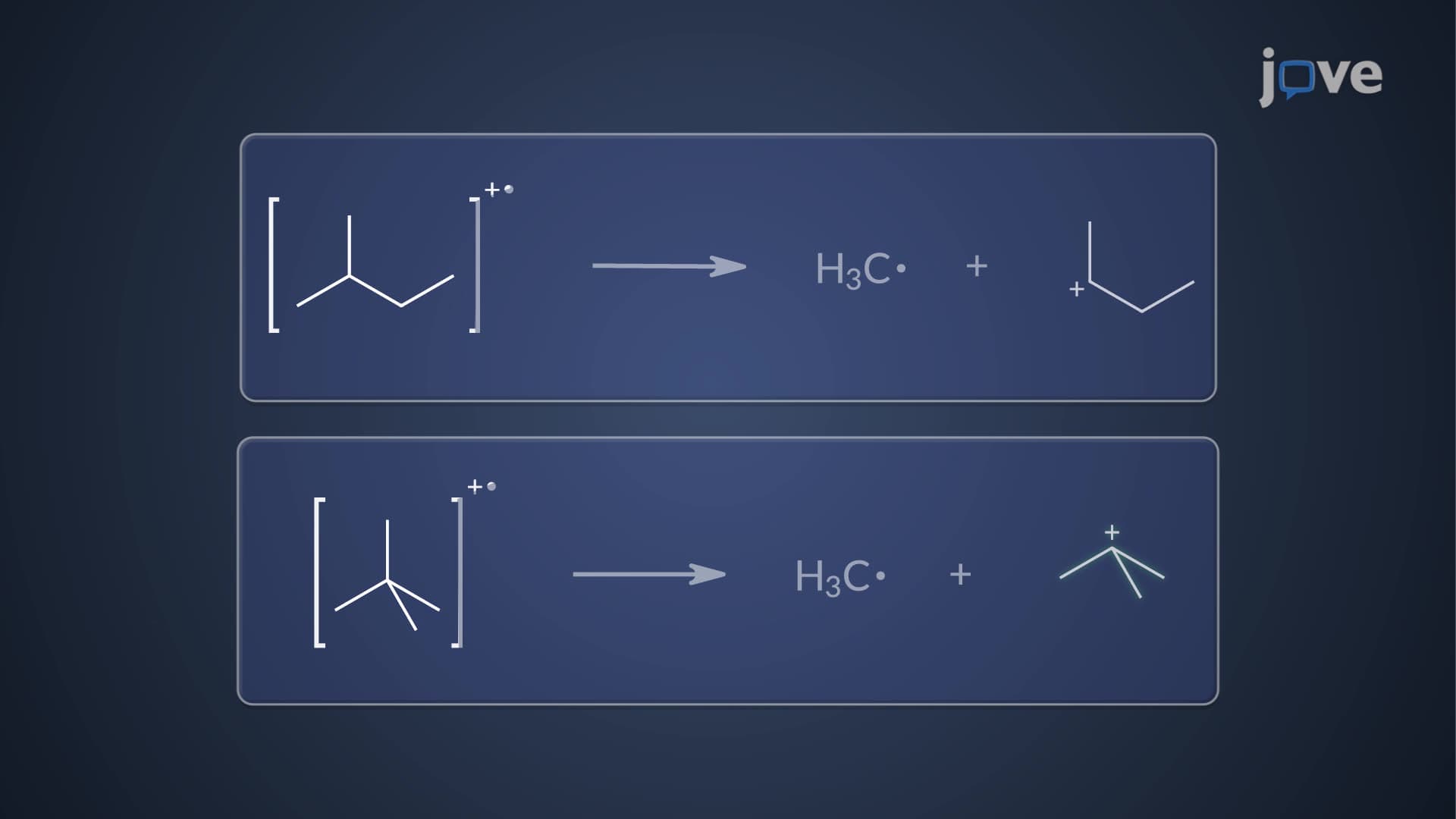
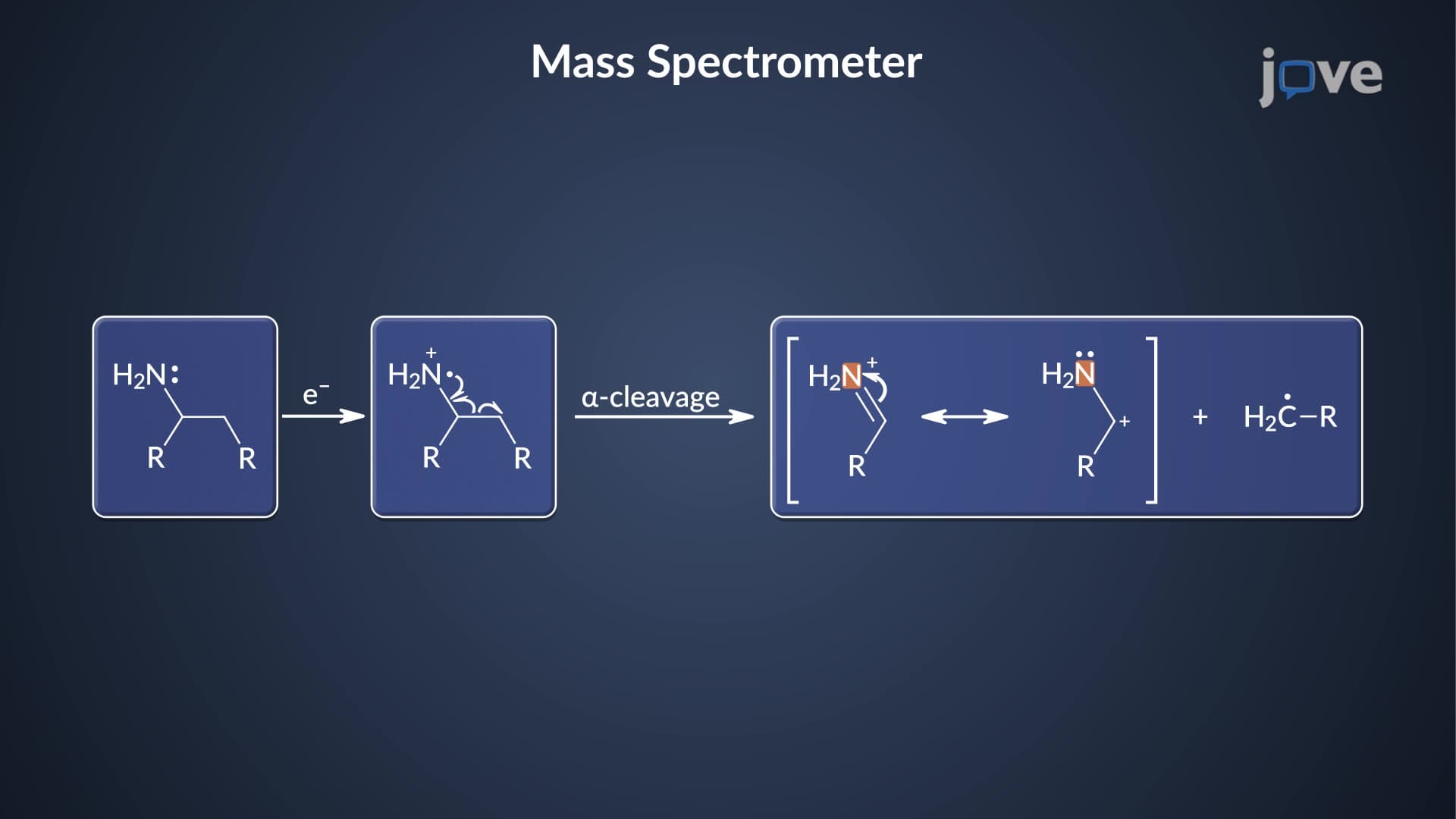
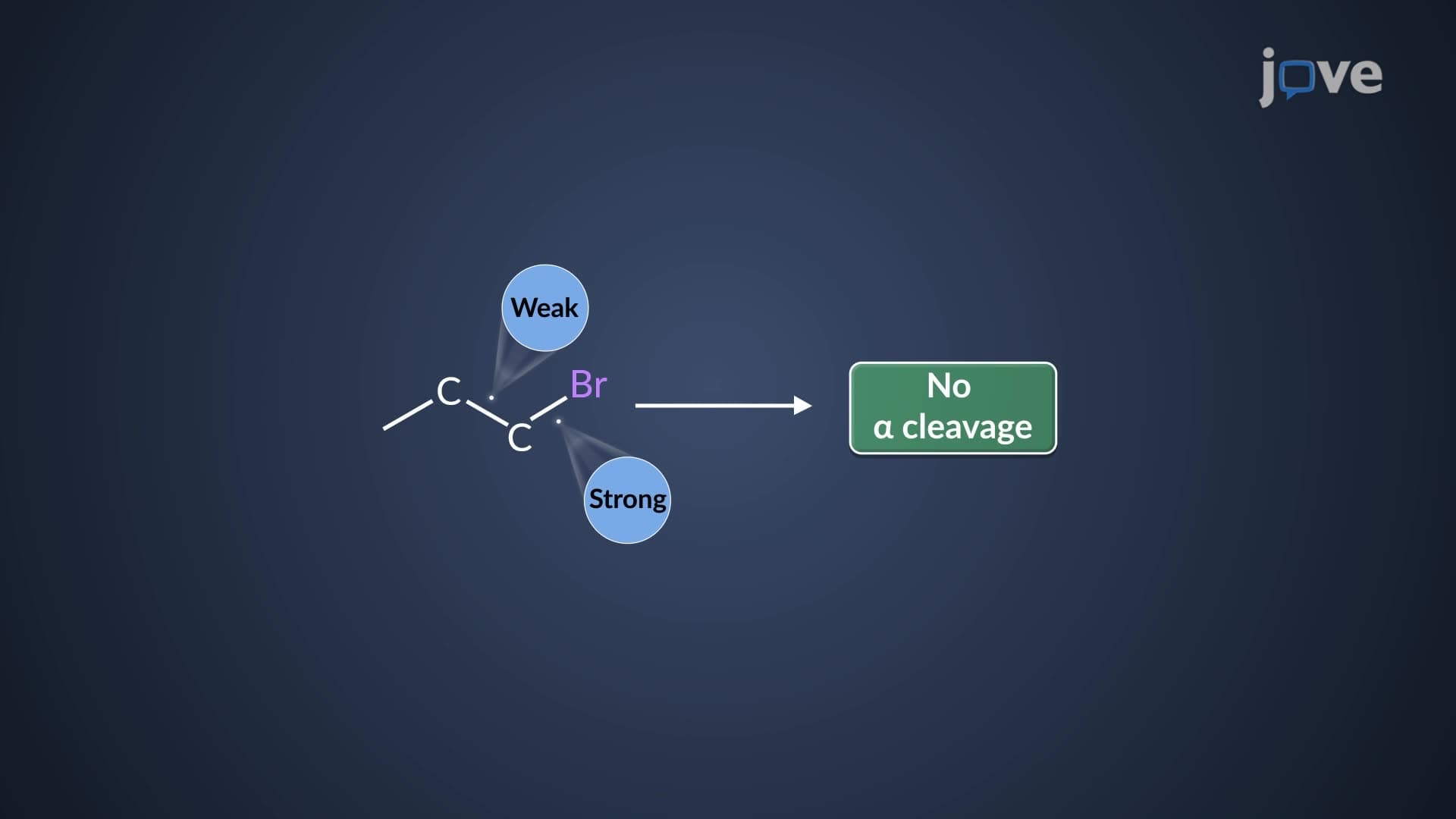
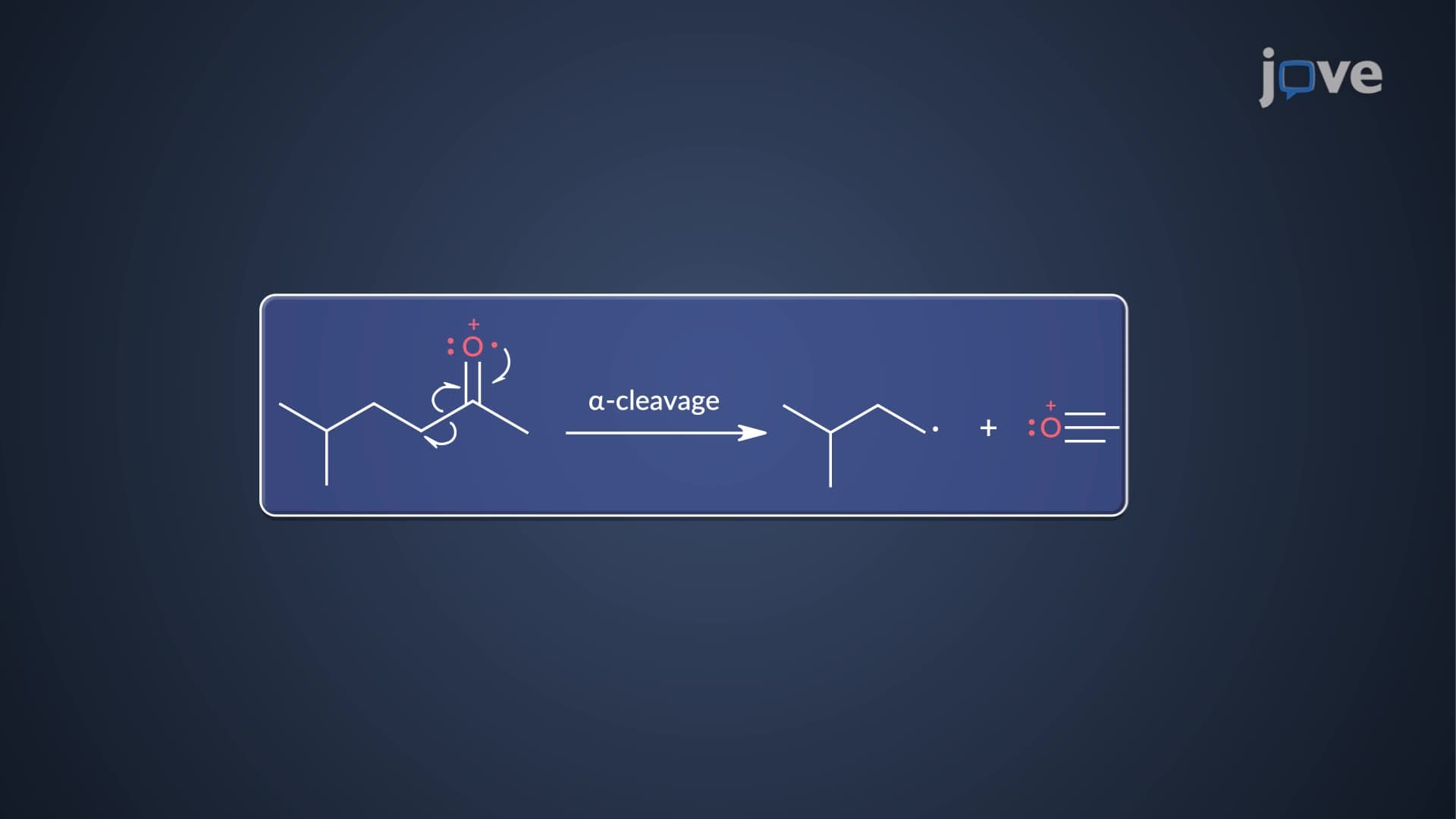
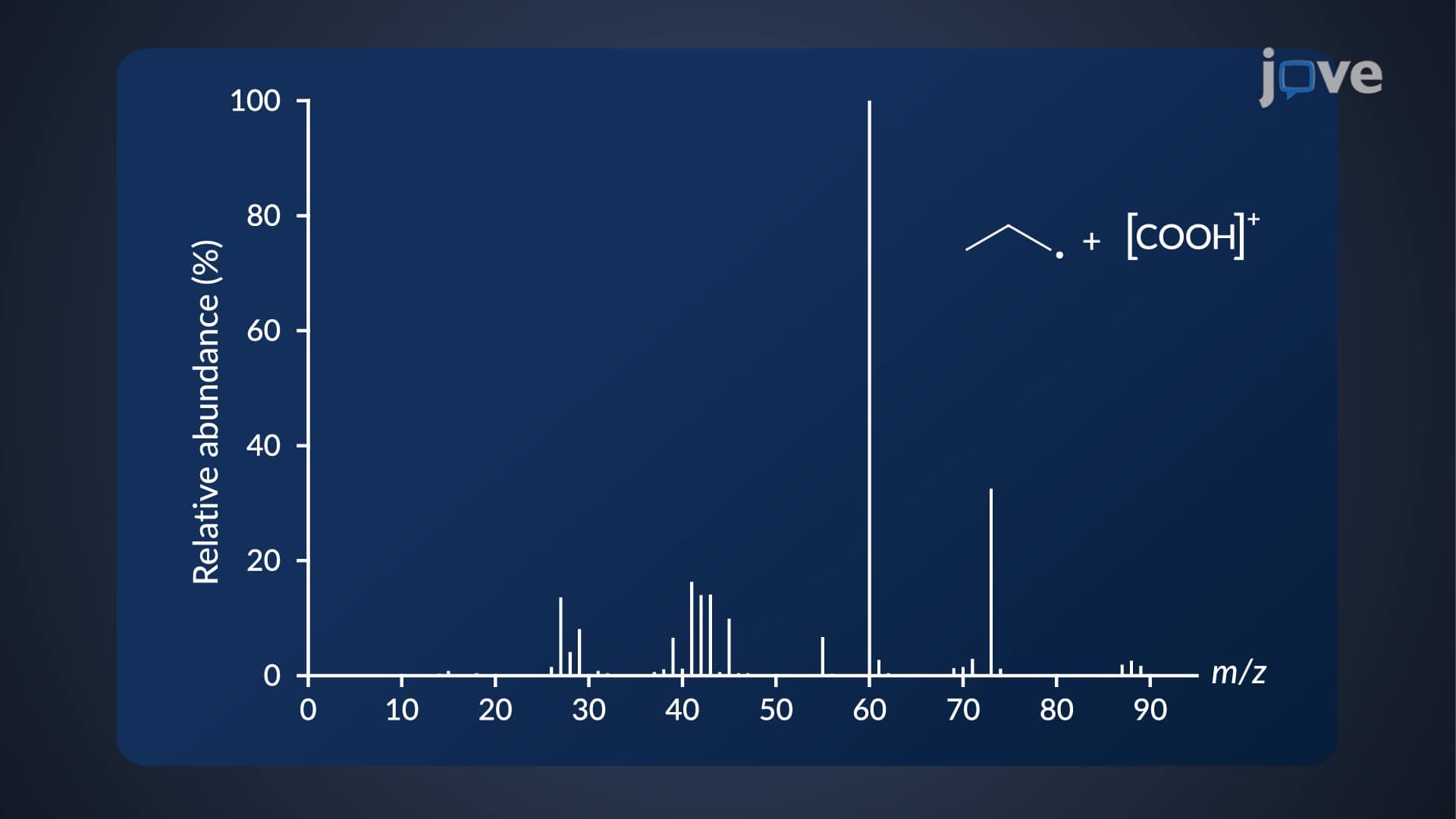
Alpha-cleavage represents the most common fragmentation mechanism for carboxylic compounds. This process involves breaking the bond adjacent to the carbonyl carbon, creating two distinct products: a neutral radical and a positively charged cation. In carboxylic acids, this mechanism reliably produces the characteristic [COOH]+ ion at m/z 45, serving as a diagnostic peak that immediately signals the presence of a carboxylic acid functional group.
For esters, alpha-cleavage occurs at multiple sites, generating different cation fragments depending on the molecular structure. Methyl butanoate exemplifies this behavior, showing prominent peaks at m/z 71 and 59 that result from alpha-cleavage at different carbon-carbon bonds. These predictable fragmentation patterns make mass spectrometry invaluable for pharmaceutical companies developing new drug compounds.
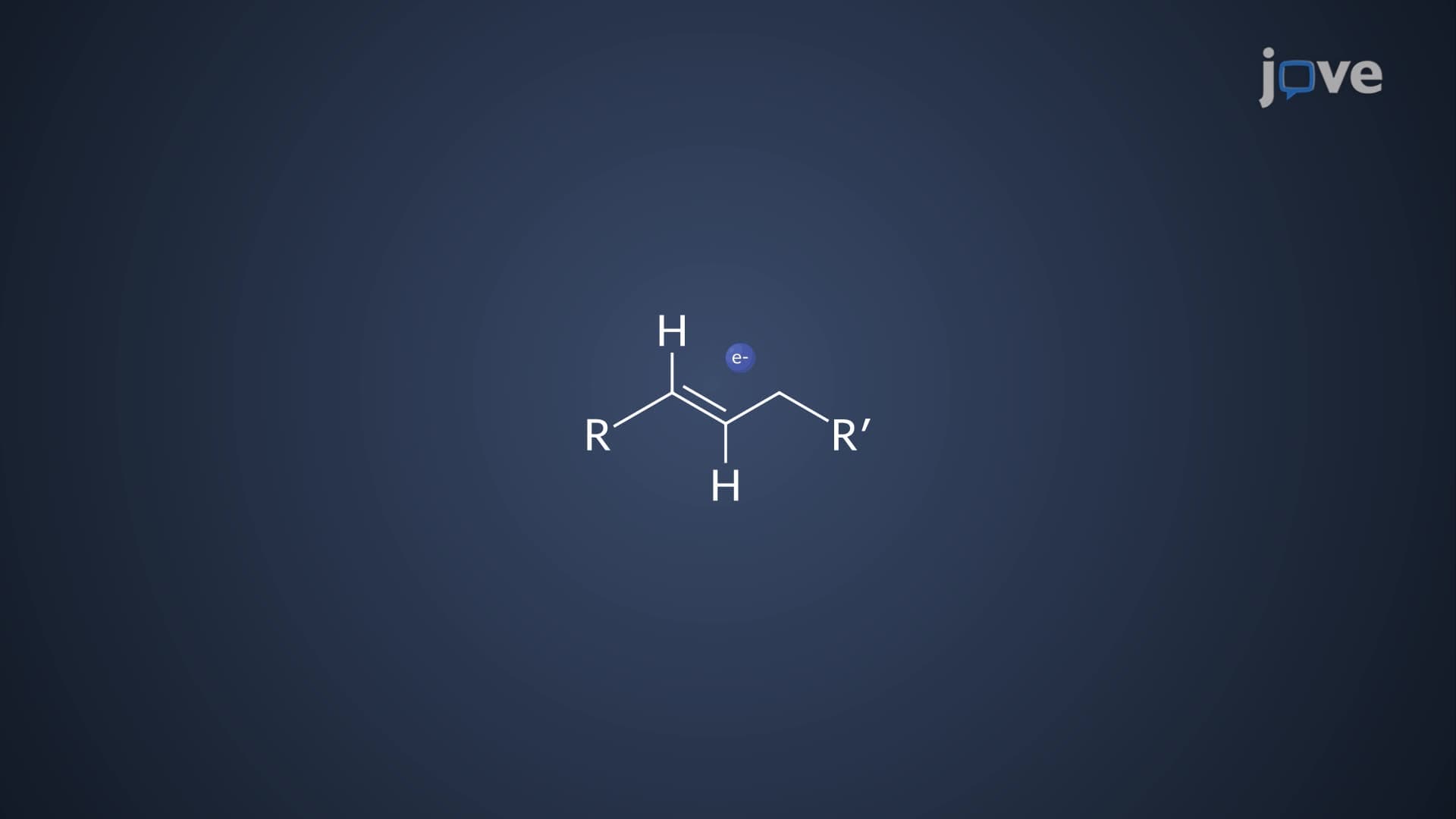
The McLafferty rearrangement represents a more complex fragmentation process involving hydrogen transfer and molecular rearrangement. Unlike simple bond breaking in alpha-cleavage, this mechanism produces an alkene molecule and a radical-cation through a six-membered transition state. This rearrangement often creates the base peak (most abundant ion) in mass spectra, as seen in butanoic acid where m/z 60 dominates the spectrum.
Understanding McLafferty rearrangement proves essential for students preparing for the MCAT, where organic chemistry questions frequently test knowledge of molecular fragmentation patterns. Medical schools emphasize this concept because drug metabolism studies rely heavily on mass spectrometry to track pharmaceutical breakdown products in clinical research.
Major US pharmaceutical companies like Pfizer and Johnson & Johnson utilize these fragmentation principles daily for quality control and drug discovery. Environmental testing laboratories across the United States employ similar techniques to identify pollutants in water systems, while forensic labs use mass spectral databases containing thousands of carboxylic acid and ester fragmentation patterns to solve criminal cases.
Related Micro-courses