Loading subject page…


30,224 views

Video Summary: Mass Spectrometry Long Chain Alkane Fragmentation Explained
Ever wondered why gasoline analysis at petroleum refineries relies on specific fragmentation patterns? Long chain alkane MS fragmentation follows predictable rules that chemists at ExxonMobil use daily to identify fuel components. Mass Spectrometry Long Chain Alkane Fragmentation Explained reveals how molecular ions break apart preferentially at specific carbon-carbon bonds, creating characteristic peak patterns separated by 14 mass units. Watch the full video on JoVE Coach to master this concept with expert-led visuals and step-by-step explanations.
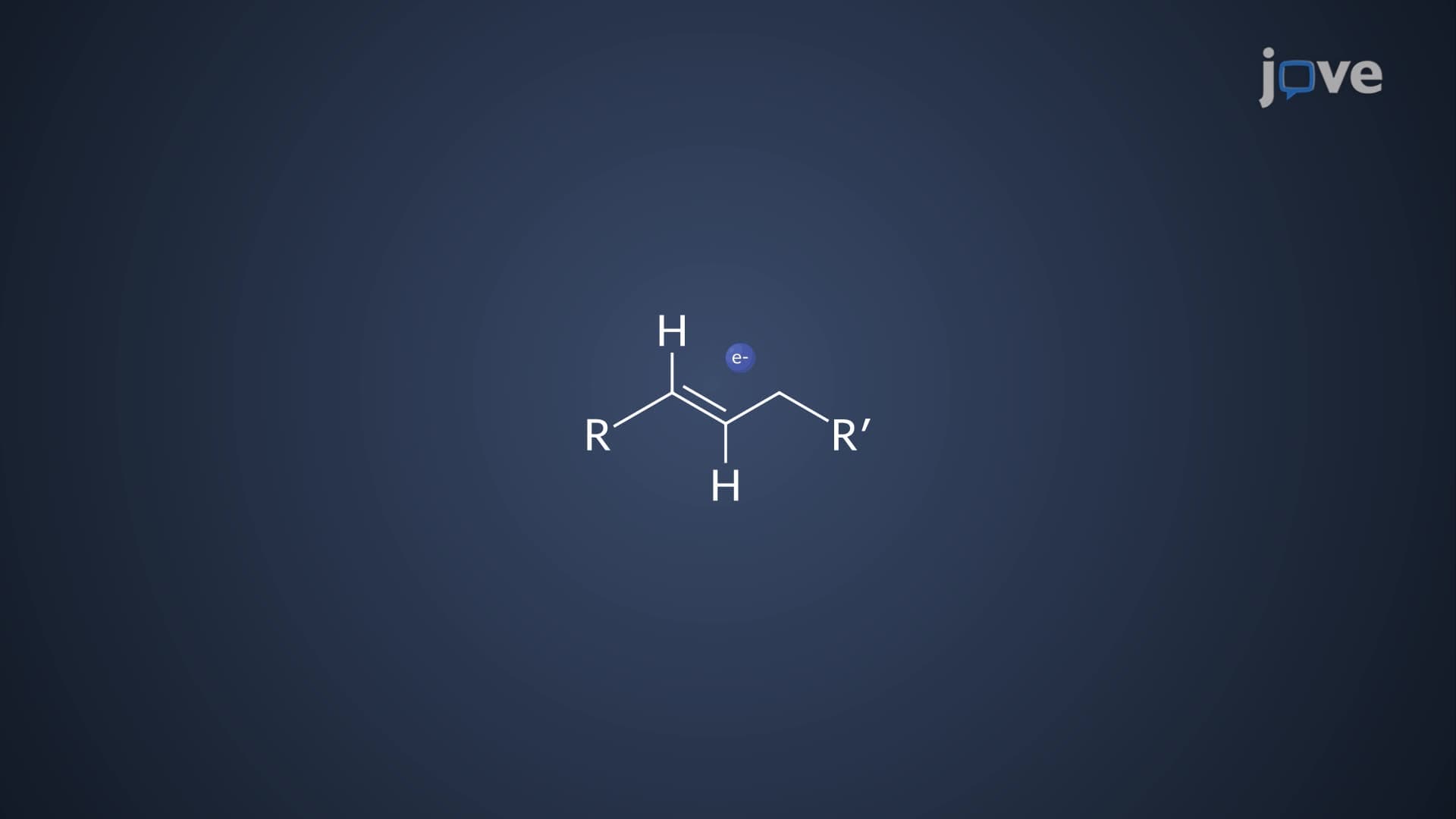
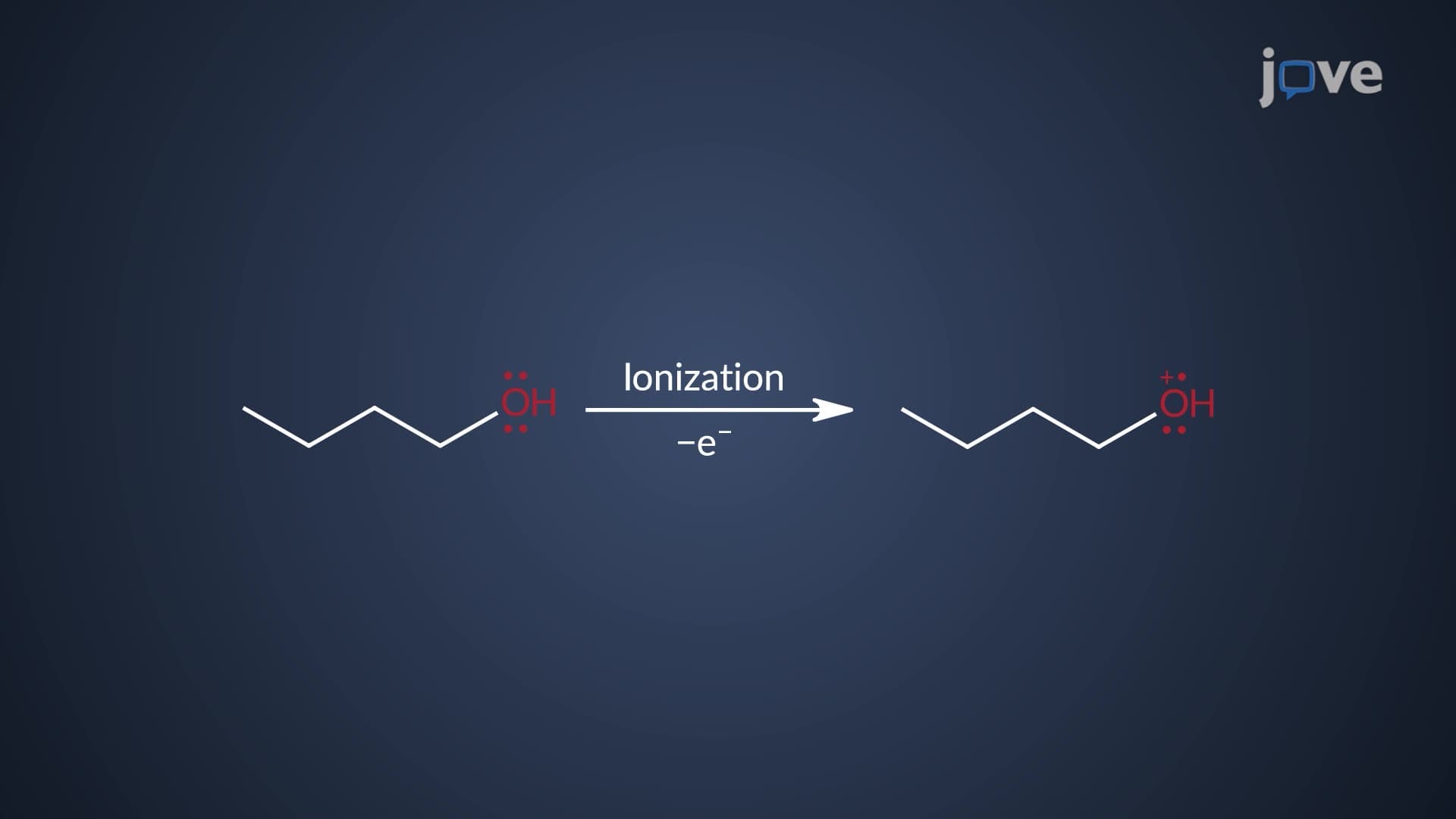
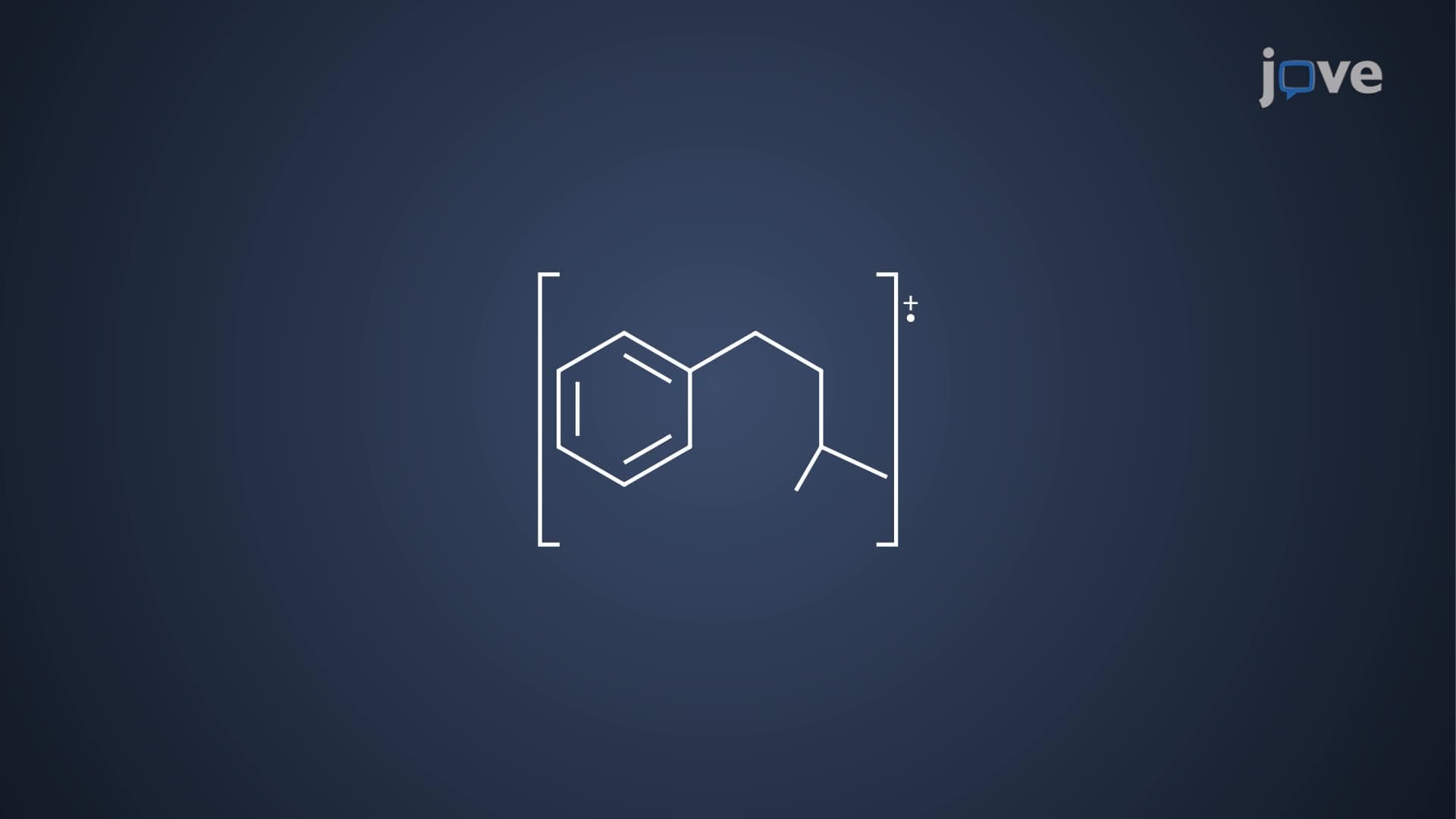
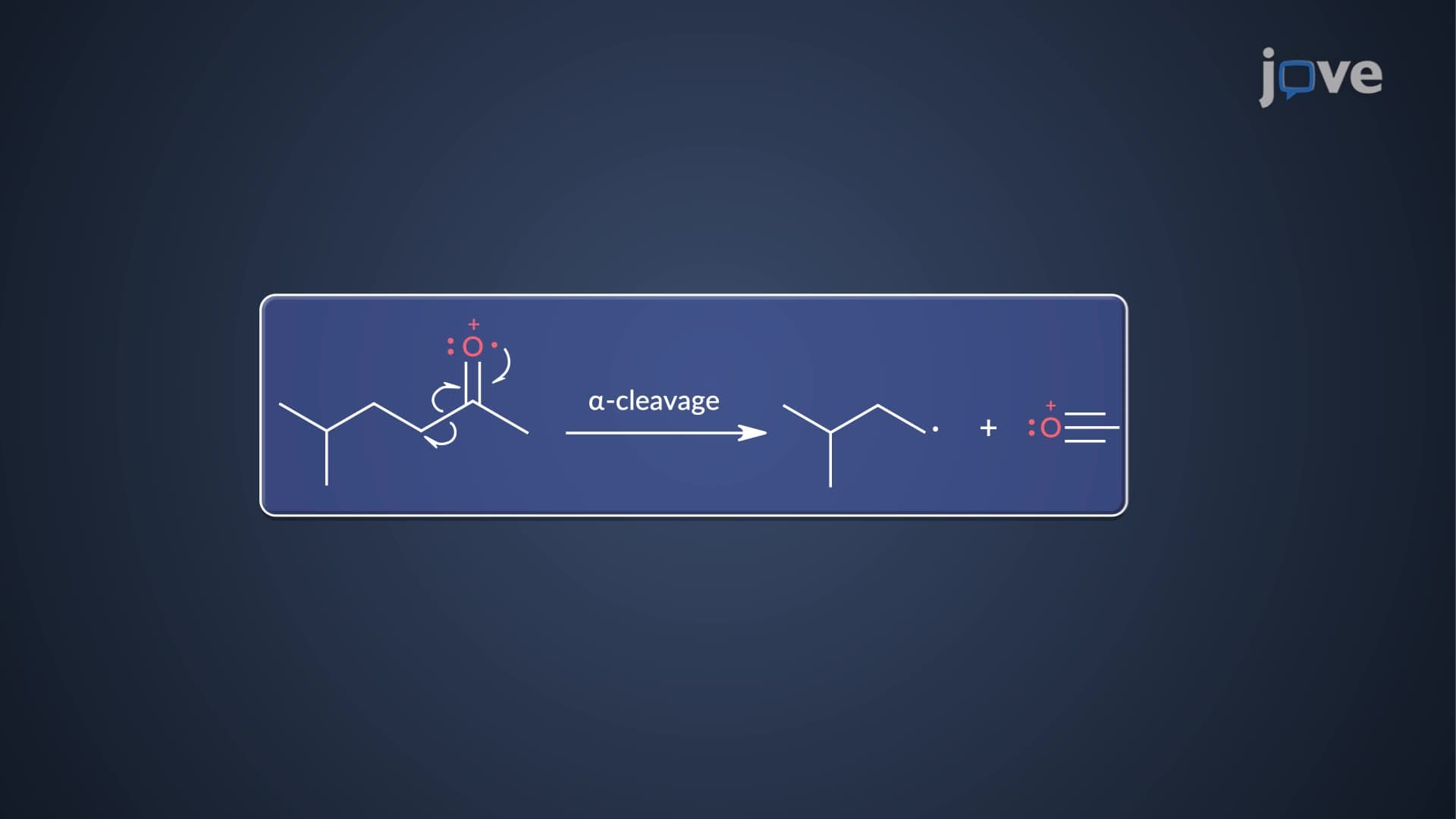
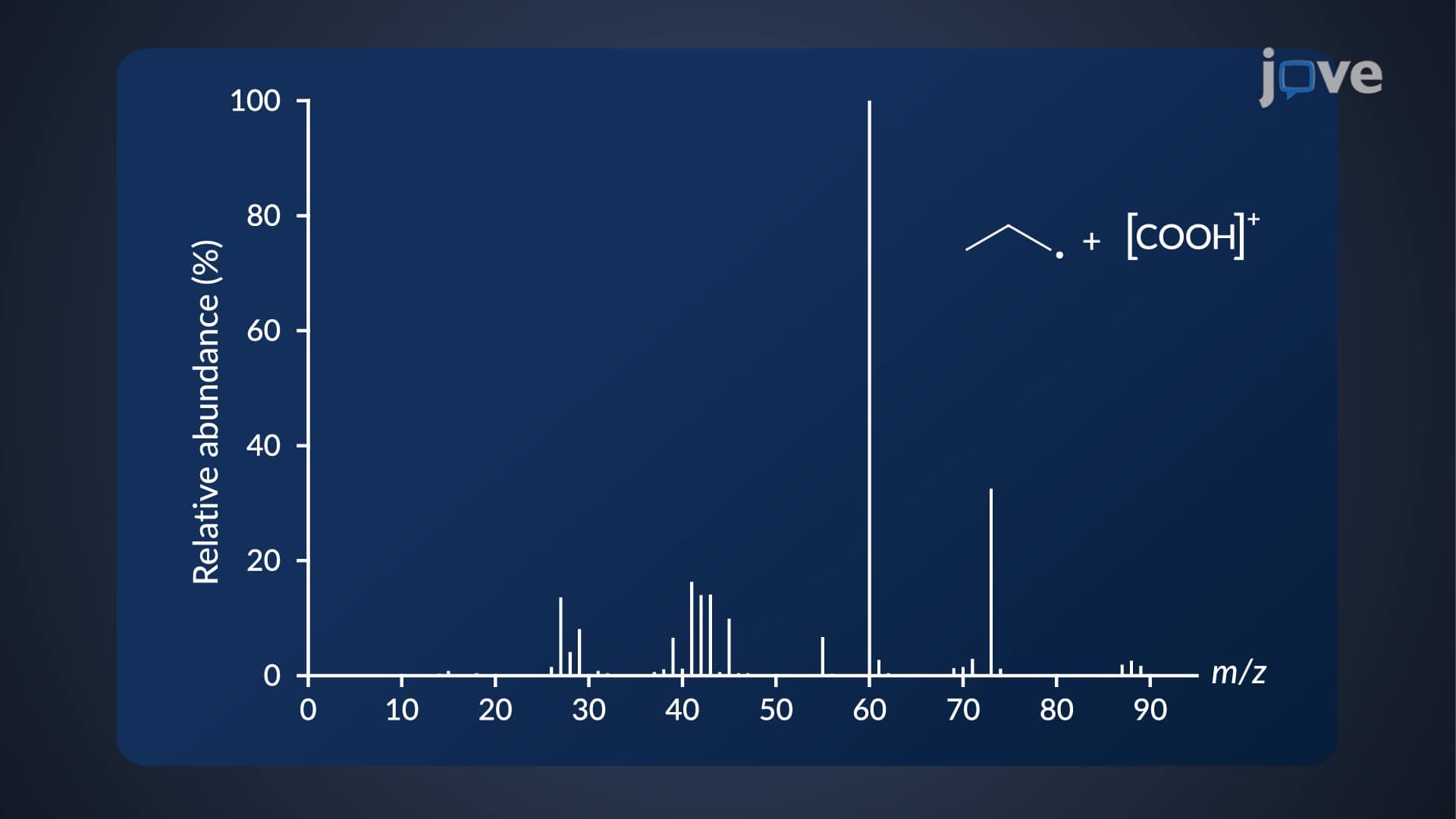
When linear alkanes enter a mass spectrometer, they undergo electron impact ionization, forming radical cations (M•+) that subsequently fragment in predictable patterns. This long chain alkane MS fragmentation follows fundamental principles of carbocation stability and represents one of the most systematic fragmentation processes in organic mass spectrometry.
The key insight lies in understanding that fragmentation preferentially occurs at bonds that generate the most stable products. In petroleum analysis laboratories across Texas refineries, chemists rely on these patterns to identify hydrocarbon mixtures in crude oil samples.
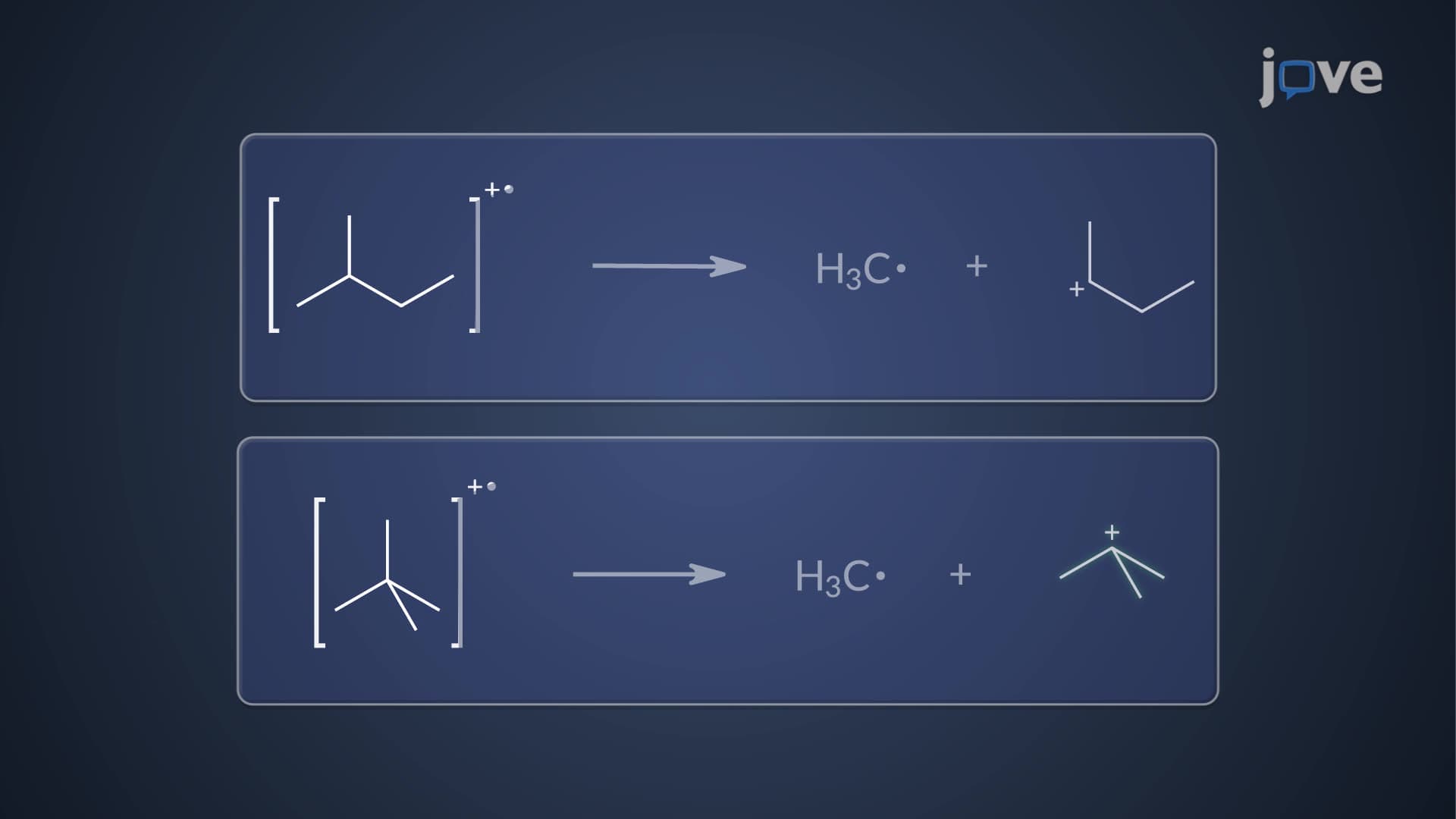
Alkane fragmentation mass spectrometry demonstrates clear preferences for bond breaking based on carbocation stability. Primary carbocations (formed at chain ends) are highly unstable, making terminal fragmentation energetically unfavorable. Instead, fragmentation occurs at internal positions where secondary or tertiary carbocations can form.
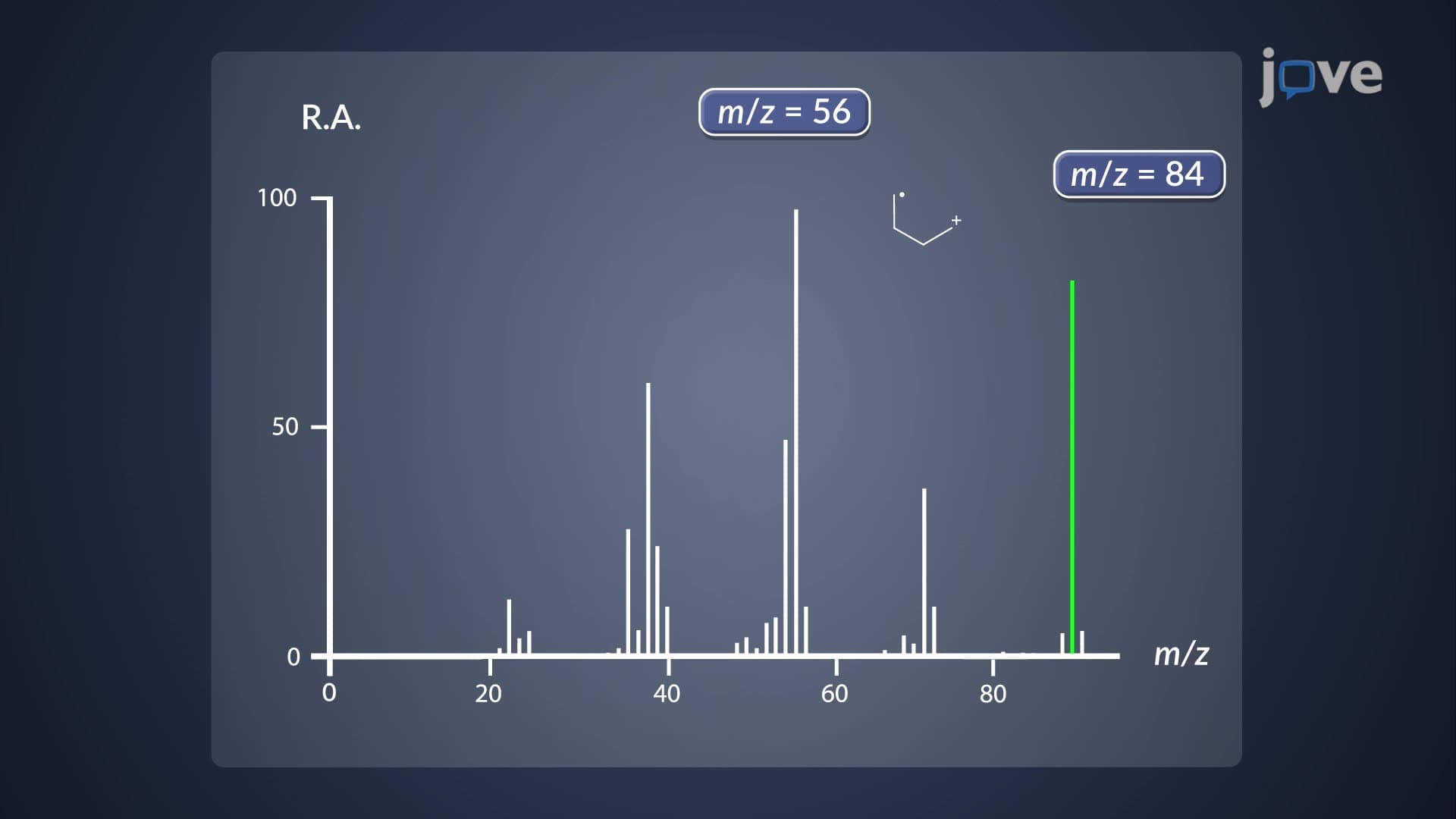
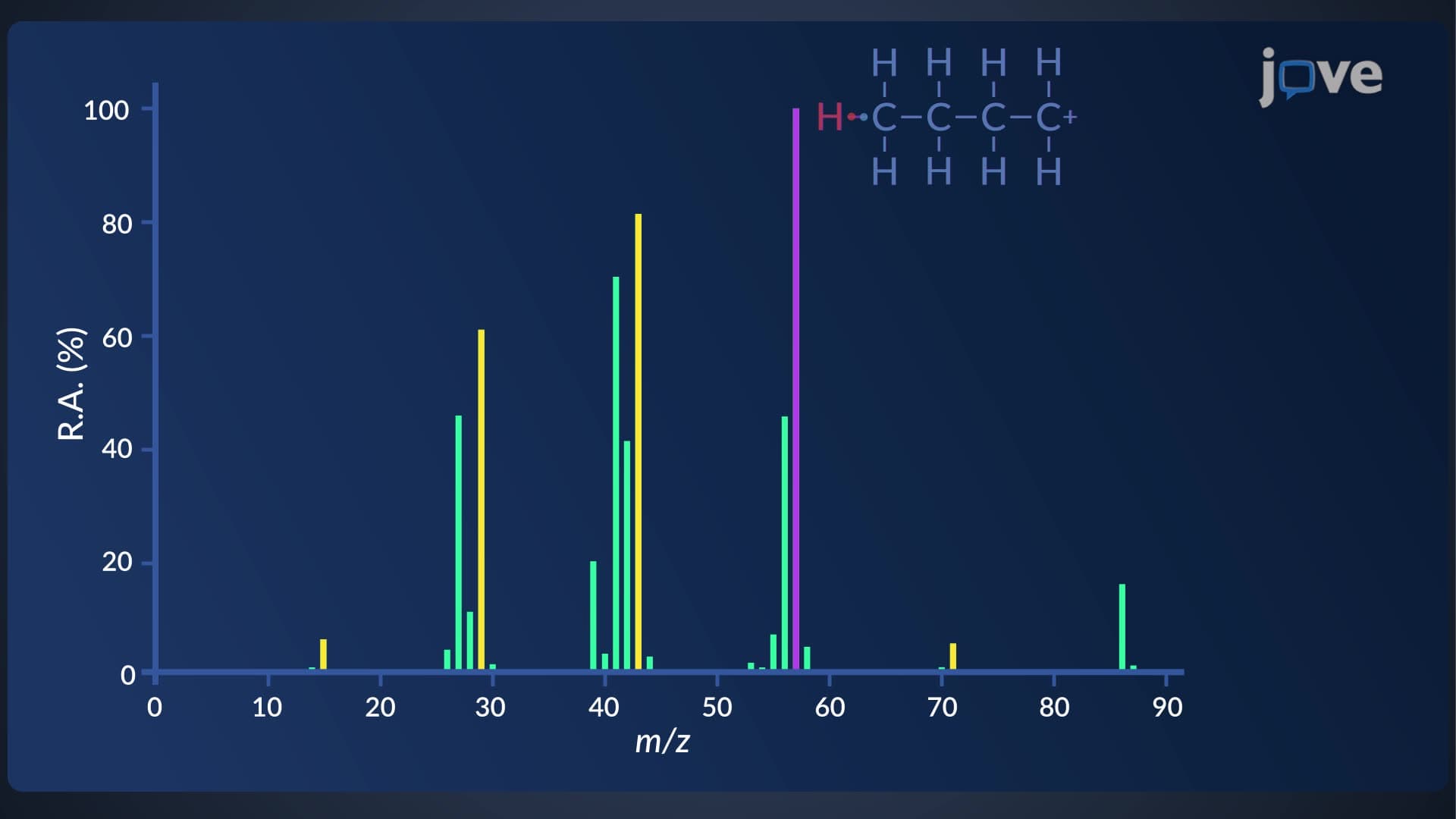
For hexane (C6H14), the molecular ion peak appears at m/z 86, but fragmentation creates peaks at m/z 72 (loss of CH2), m/z 58 (loss of C2H4), m/z 44 (loss of C3H6), and m/z 30 (loss of C4H8). Each represents loss of neutral alkyl radicals while forming corresponding carbocations.
The systematic nature of how long chain alkanes fragment in mass spectrometry creates diagnostic patterns. Peaks separated by 14 mass units (CH2) indicate successive losses of methylene groups. The base peak typically corresponds to the most stable carbocation - often the butyl cation (C4H9+) at m/z 57 for longer alkanes.
Students preparing for AP Chemistry exams should recognize that this 14-unit pattern serves as a fingerprint for alkane identification. The McLafferty rearrangement, though less common in simple alkanes, becomes important in functionalized long-chain compounds.
Understanding alkane mass spectrum patterns proves essential in environmental analysis, where EPA laboratories identify petroleum contamination in groundwater. The CnH2n+1 fragment ion series helps distinguish between different hydrocarbon sources - whether from gasoline, diesel, or natural gas leaks.
College organic chemistry students encounter these concepts in instrumental analysis courses, where mass spectrometry complements NMR and IR spectroscopy for structure determination. The alkane M-15 fragment (loss of methyl) appears consistently but with lower intensity than internal fragmentations, reinforcing the stability hierarchy of carbocations.
Related Micro-courses