Loading subject page…


30,224 views

Video Summary: What Is Mass Spectrometry Alkene Fragmentation
Ever wonder how forensic scientists identify unknown compounds in crime labs across the US? Alkene MS fragmentation patterns serve as molecular fingerprints, helping chemists at the FBI and pharmaceutical companies like Pfizer identify specific alkene structures. What is Mass Spectrometry Alkene Fragmentation reveals how double-bonded carbon compounds break apart predictably when bombarded with electrons, creating characteristic fragment patterns that scientists use for identification. Watch the full video on JoVE Coach to master this concept with expert-led visuals and step-by-step explanations.
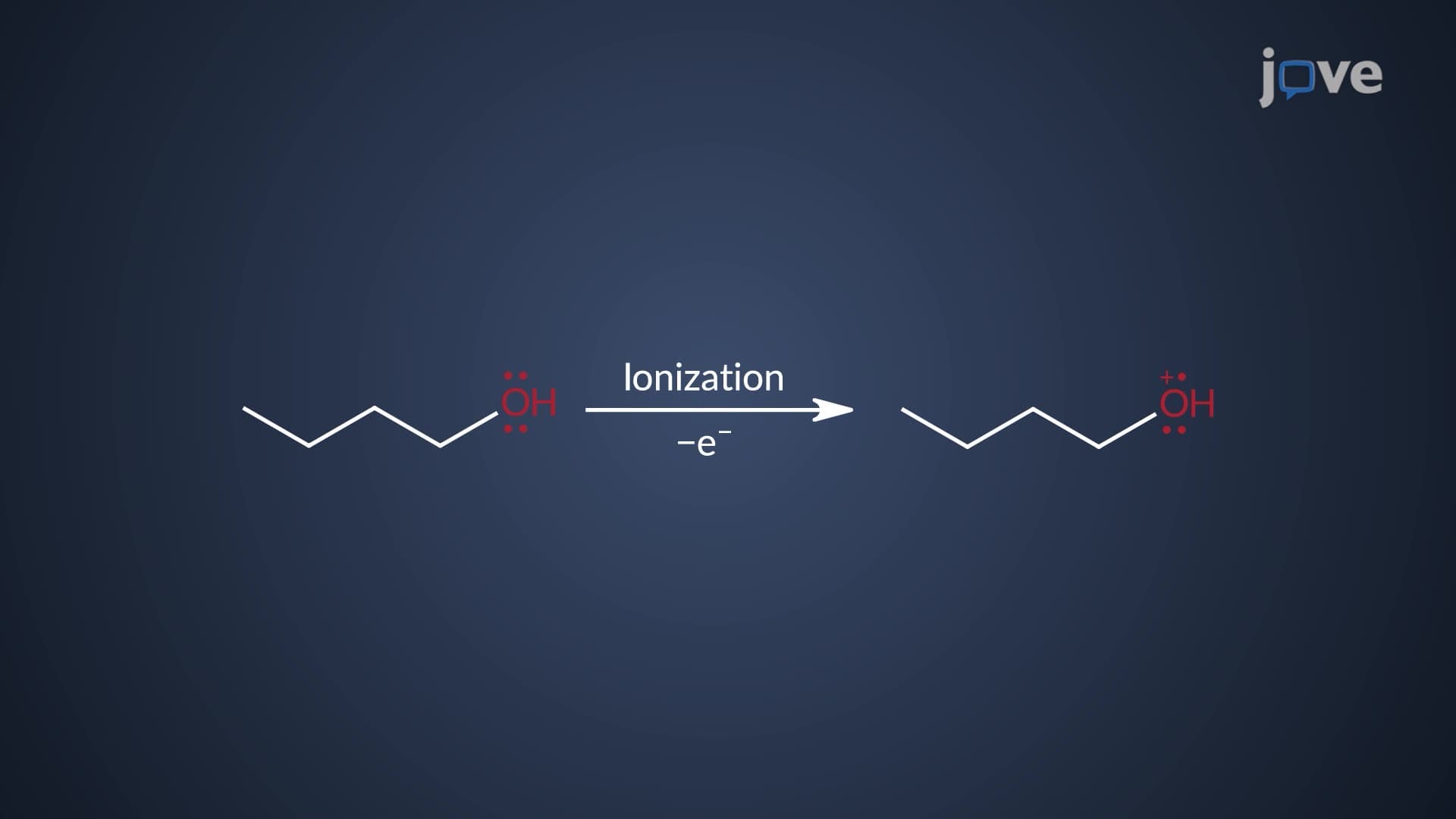
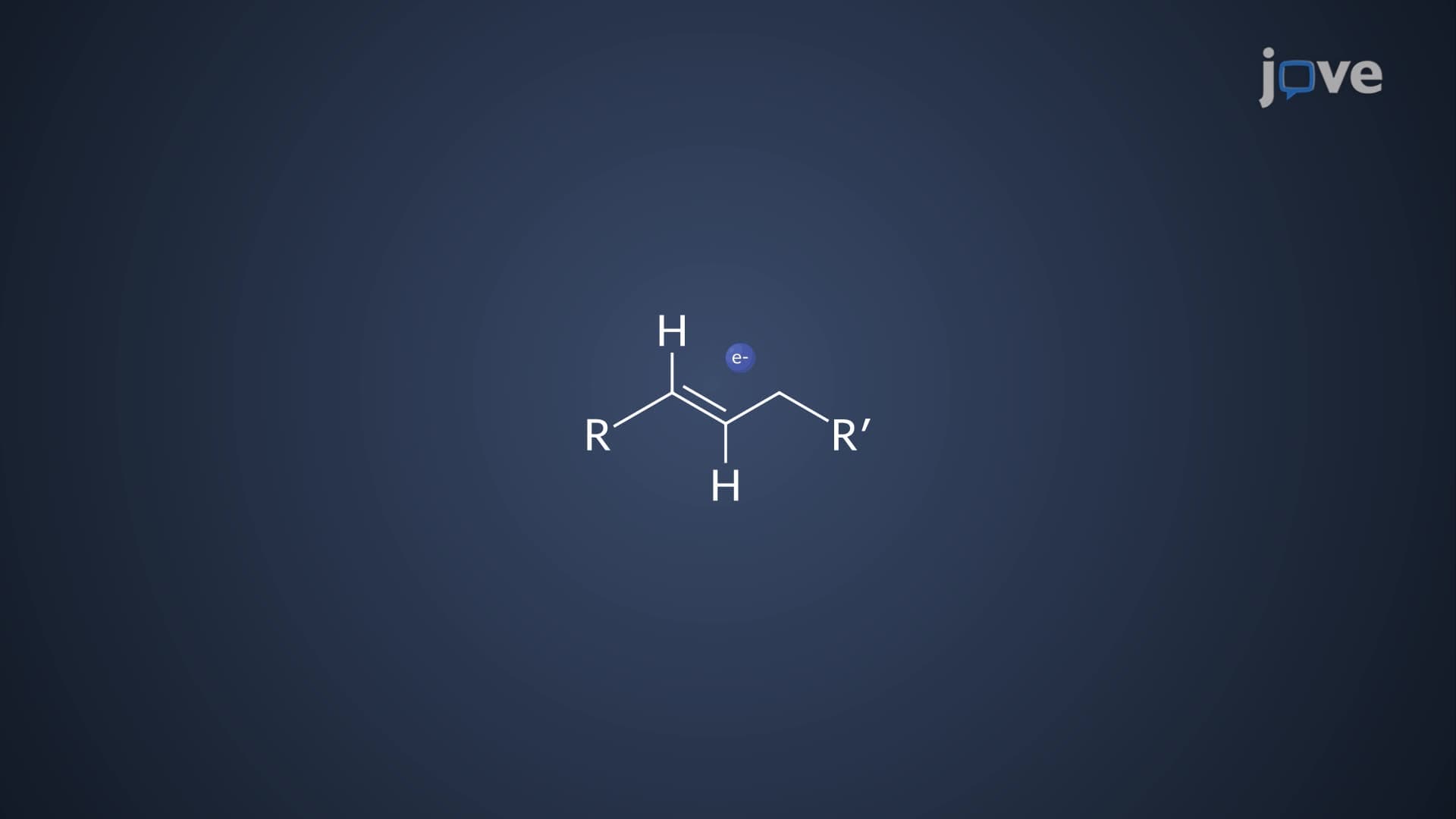
When alkenes enter a mass spectrometer, high-energy electrons knock out one electron from the pi bond, creating a positively charged molecular ion. Unlike saturated hydrocarbons that fragment randomly, alkene fragmentation mass spectrometry follows predictable patterns due to the stabilizing effects of the double bond. This predictability makes alkenes particularly useful for structural identification in analytical chemistry laboratories across pharmaceutical companies, environmental agencies, and university research centers.
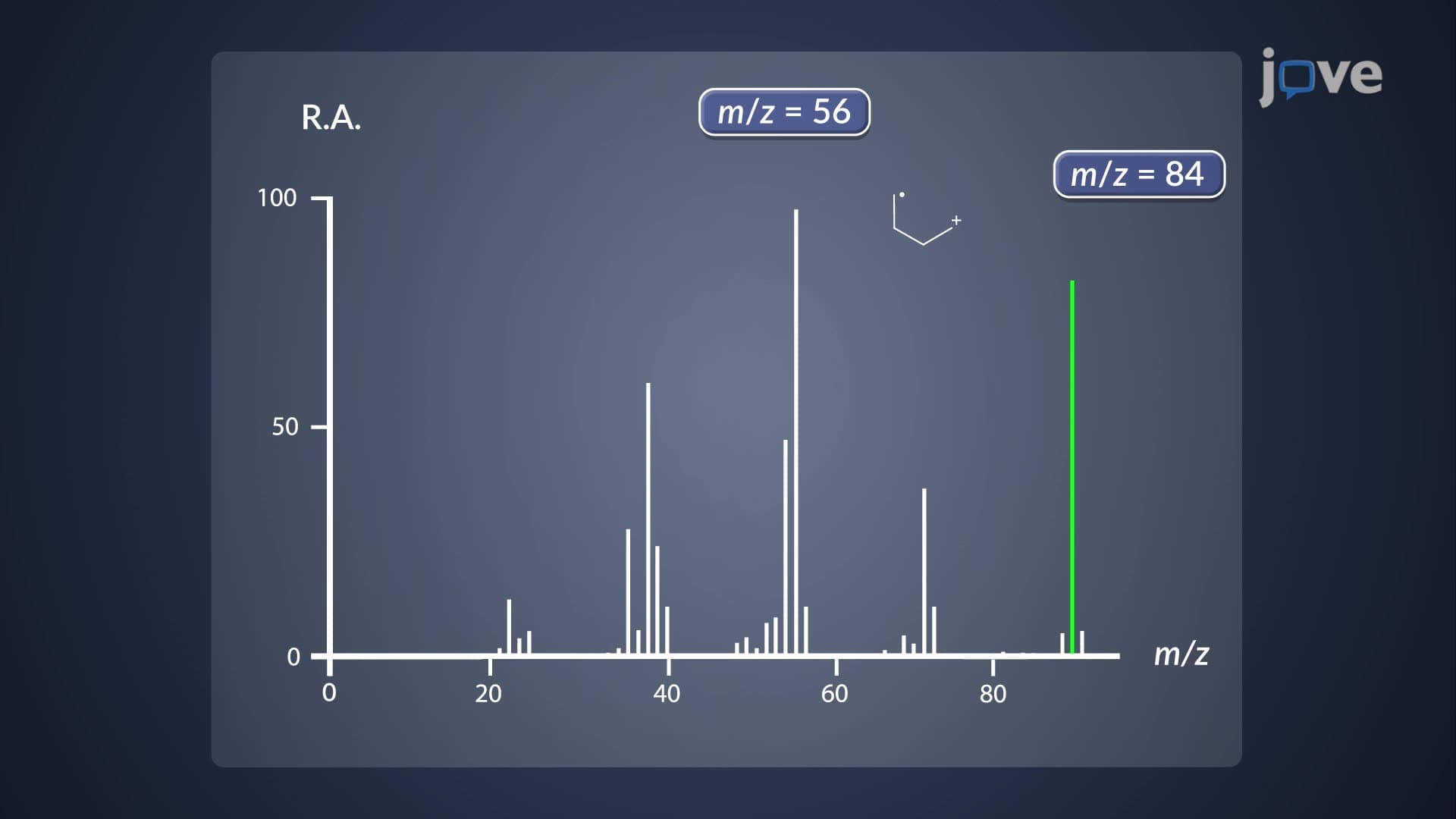
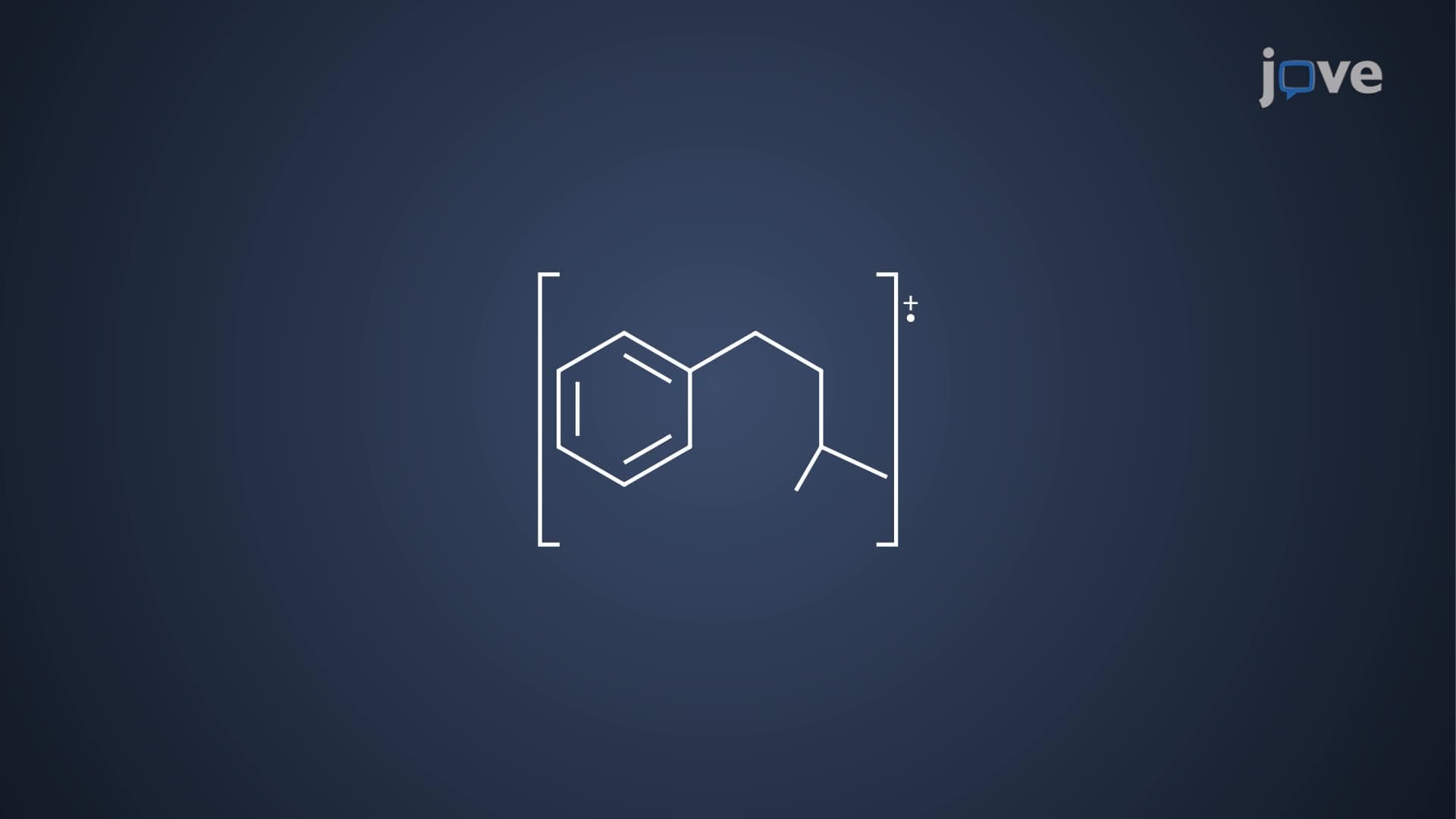
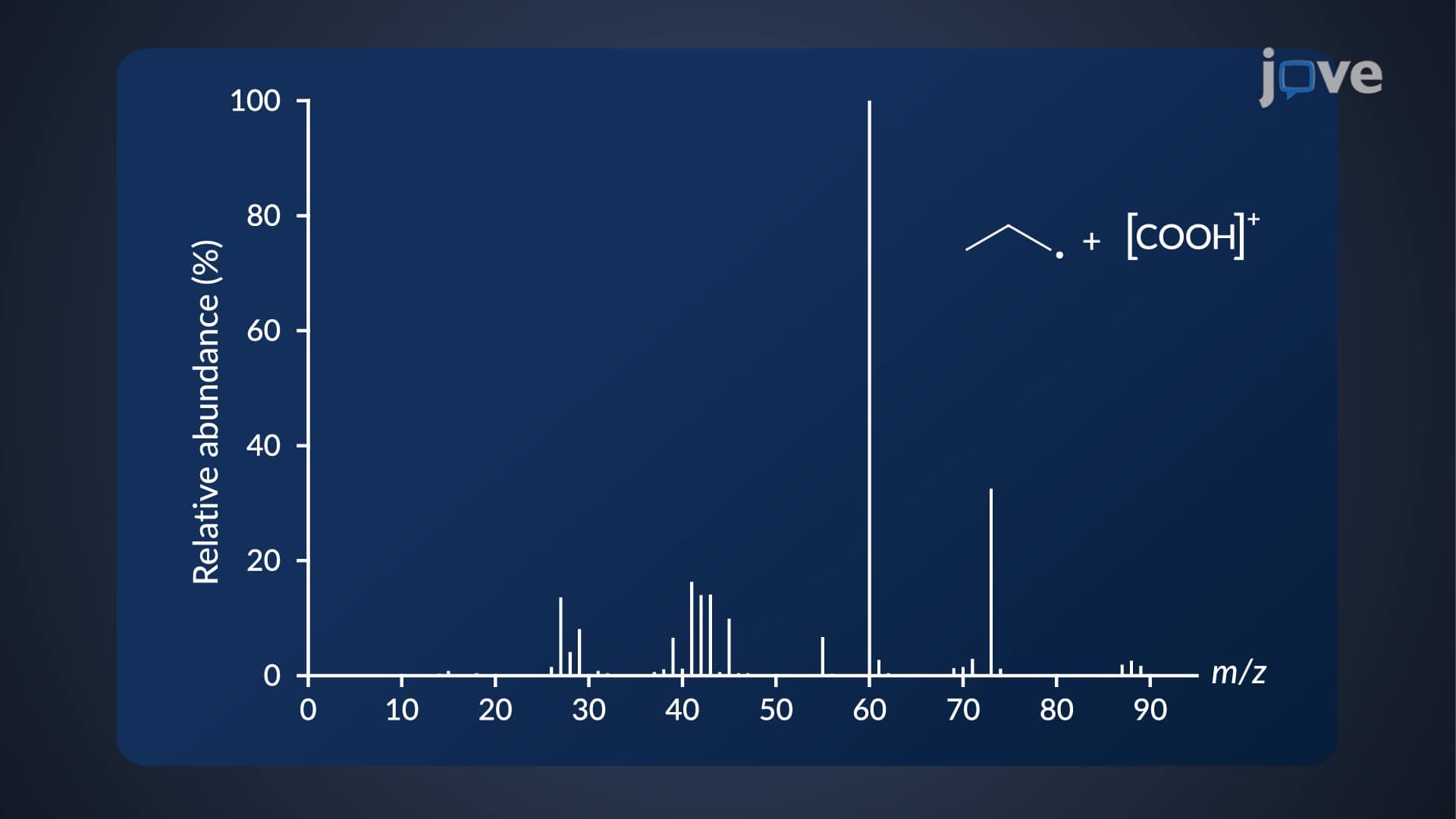
The molecular ion peak for alkenes typically appears prominently in mass spectra, providing the molecular weight information crucial for compound identification. For example, when analyzing air quality samples, EPA scientists rely on these molecular ion peaks to identify specific alkene pollutants from vehicle emissions.
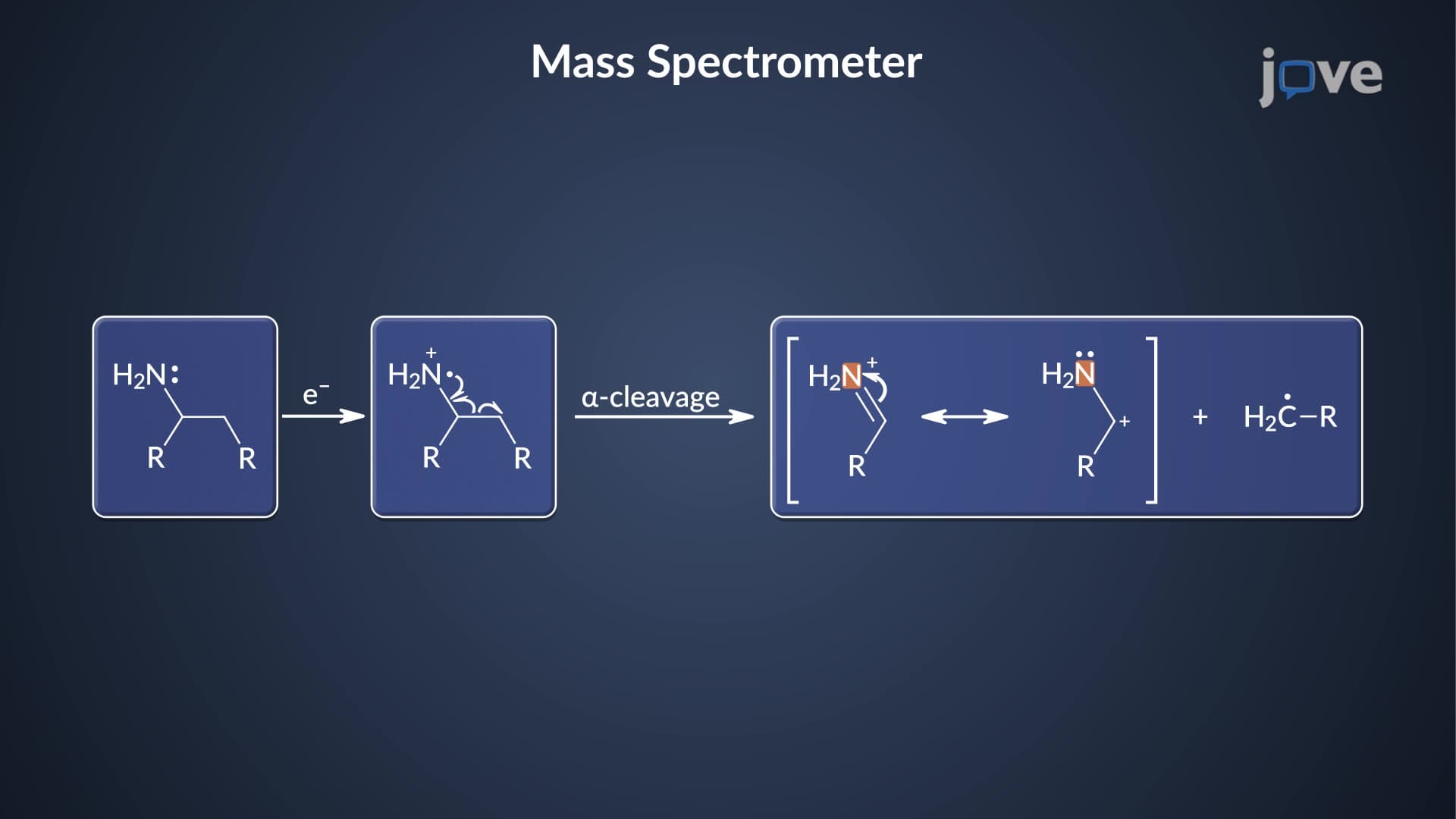
How alkenes fragment in mass spectrometry primarily involves allylic cleavage, where the carbon-carbon bond adjacent to the double bond breaks preferentially. This occurs because the resulting allylic cation gains stability through resonance delocalization-the positive charge can spread across multiple carbon atoms through the pi electron system.
Consider 2-methyl-1-pentene: when it undergoes allylic cleavage mass spec analysis, the fragmentation creates a stable allylic cation that shows up as a prominent peak in the mass spectrum. This pattern appears consistently in alkene mass spectra, making it a reliable diagnostic tool for organic chemistry students preparing for MCAT or AP Chemistry exams.
Double bond MS fragmentation also occurs through carbon-carbon bond cleavage adjacent to the unsaturated bond, producing vinylic ion MS signals and corresponding alkyl radicals. These vinylic carbocations are less stable than allylic cations but still contribute to the overall fragmentation pattern.
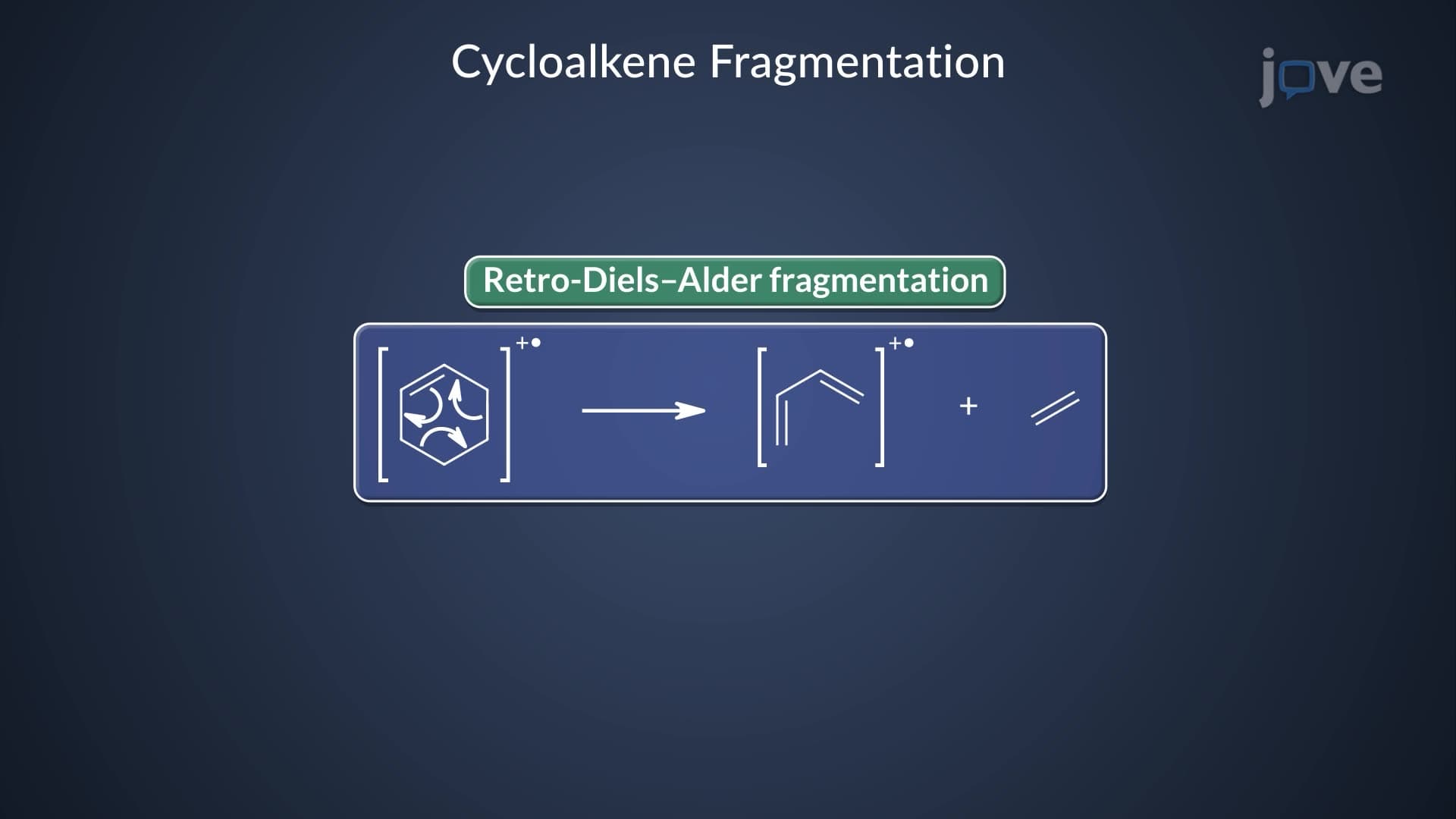
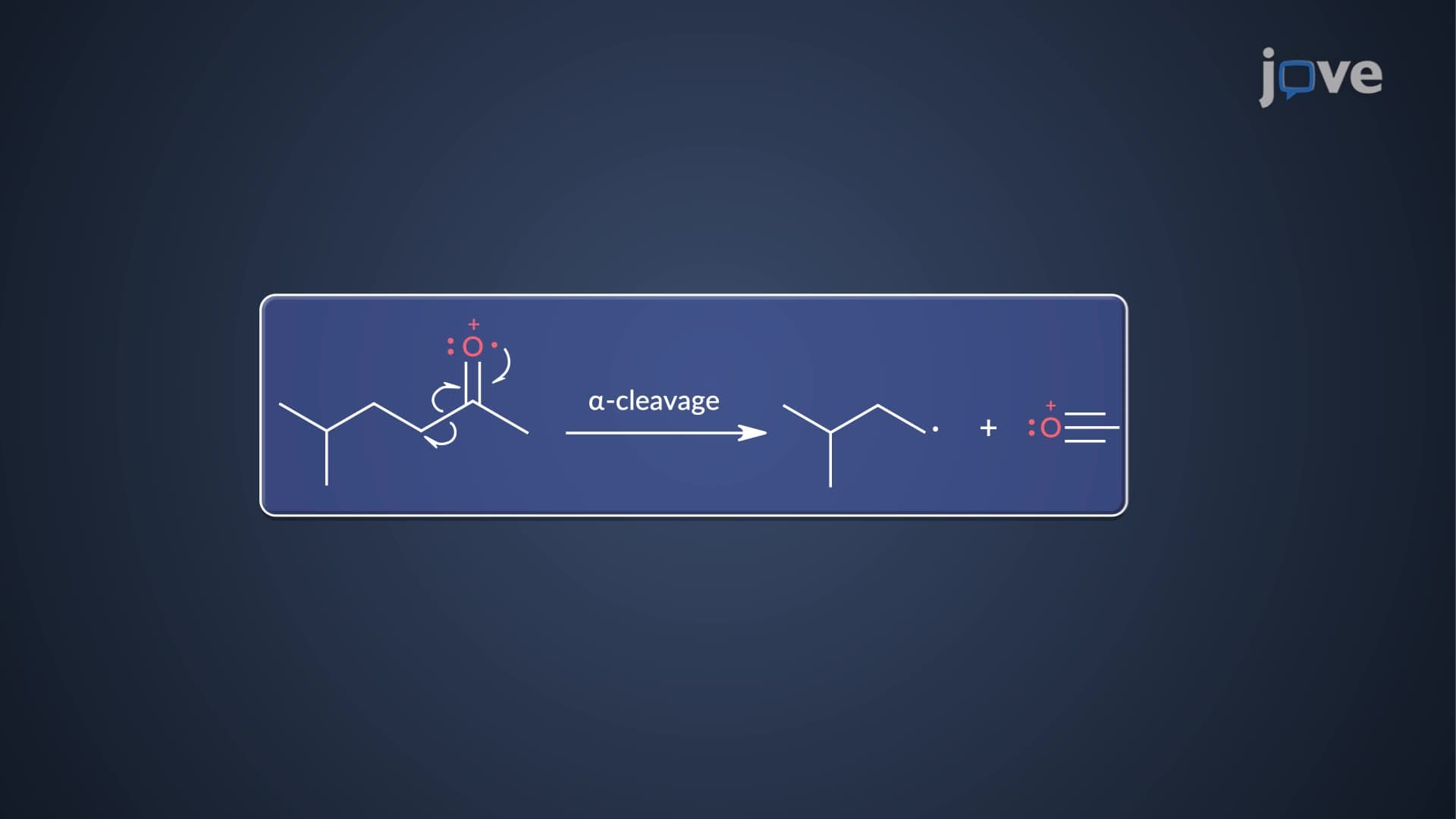
The McLafferty rearrangement represents a more complex fragmentation mechanism specific to alkenes with gamma-hydrogen atoms. This six-membered ring transition state leads to the formation of low molecular weight alkene radical cations plus neutral alkene molecules. Understanding this rearrangement proves essential for advanced organic chemistry courses and graduate-level analytical chemistry programs.
Despite these predictable patterns, distinguishing positional and geometrical isomers remains challenging because they produce nearly identical alkene mass spectrum patterns. This limitation requires complementary techniques like NMR spectroscopy or gas chromatography-mass spectrometry for complete structural determination-a reality that analytical chemists at companies like Merck and Johnson & Johnson encounter daily when developing new pharmaceutical compounds.
Related Micro-courses