Loading subject page…


30,225 views

Video Summary: What Is Mass Spectrometry Cycloalkene Fragmentation
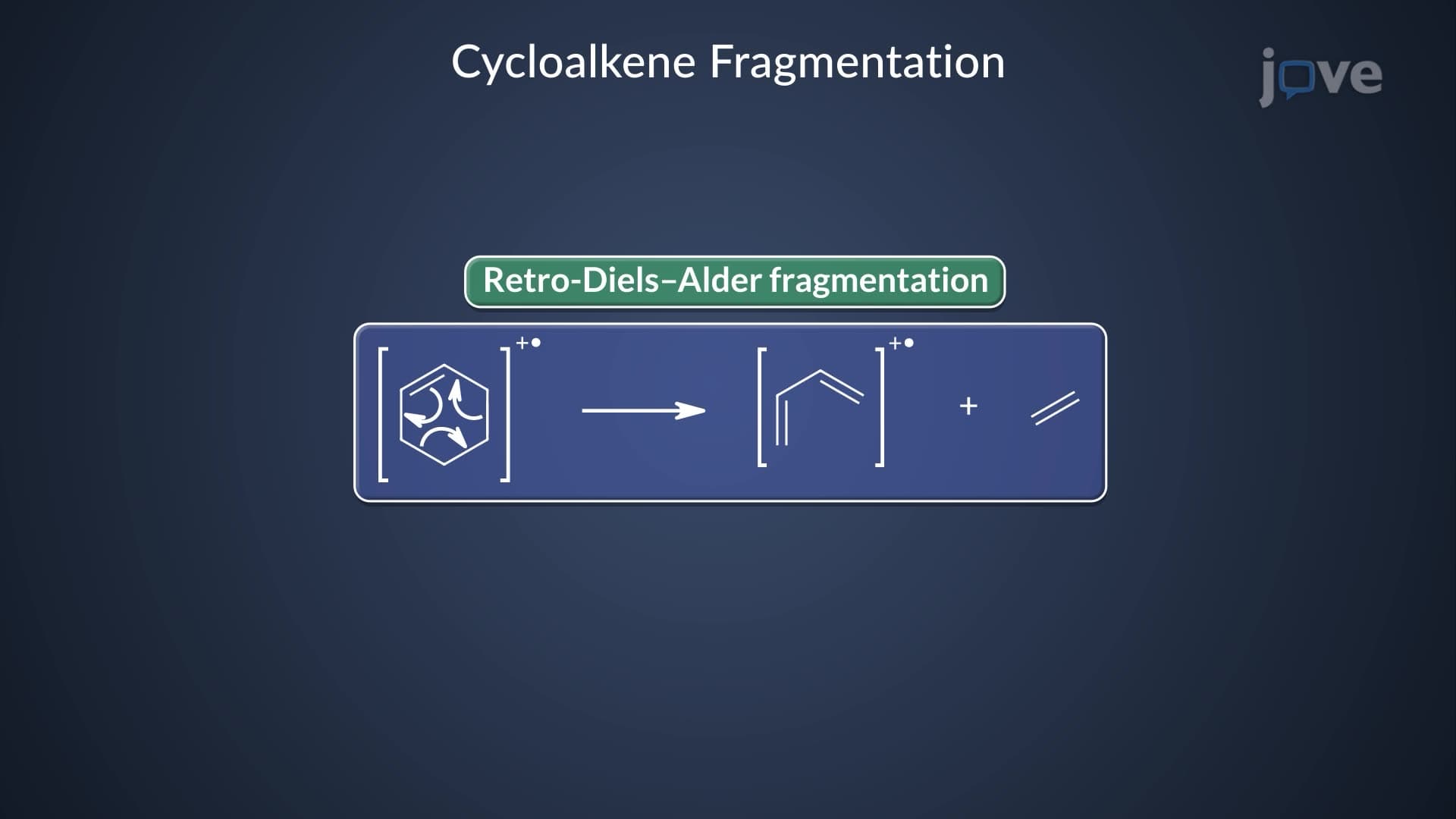
When pharmaceutical companies at Pfizer analyze drug metabolites, they rely on understanding how cyclic molecules break apart under mass spectrometry conditions. Cycloalkene MS fragmentation follows predictable patterns, with cyclic alkenes undergoing retro-Diels-Alder reactions that cleave molecular ions into smaller, identifiable fragments. This cycloalkene fragmentation mass spectrometry process helps chemists determine molecular structures in everything from environmental pollutants to synthetic compounds. Watch the full video on JoVE Coach to master this concept with expert-led visuals and step-by-step explanations.
Cycloalkene fragmentation mass spectrometry represents a fundamental analytical technique where cyclic alkenes undergo characteristic bond-breaking patterns under high-energy conditions. Unlike acyclic alkenes that can rearrange hydrogen atoms during fragmentation, cycloalkenes maintain their structural integrity while cleaving specific bonds through retro-Diels-Alder mechanisms.
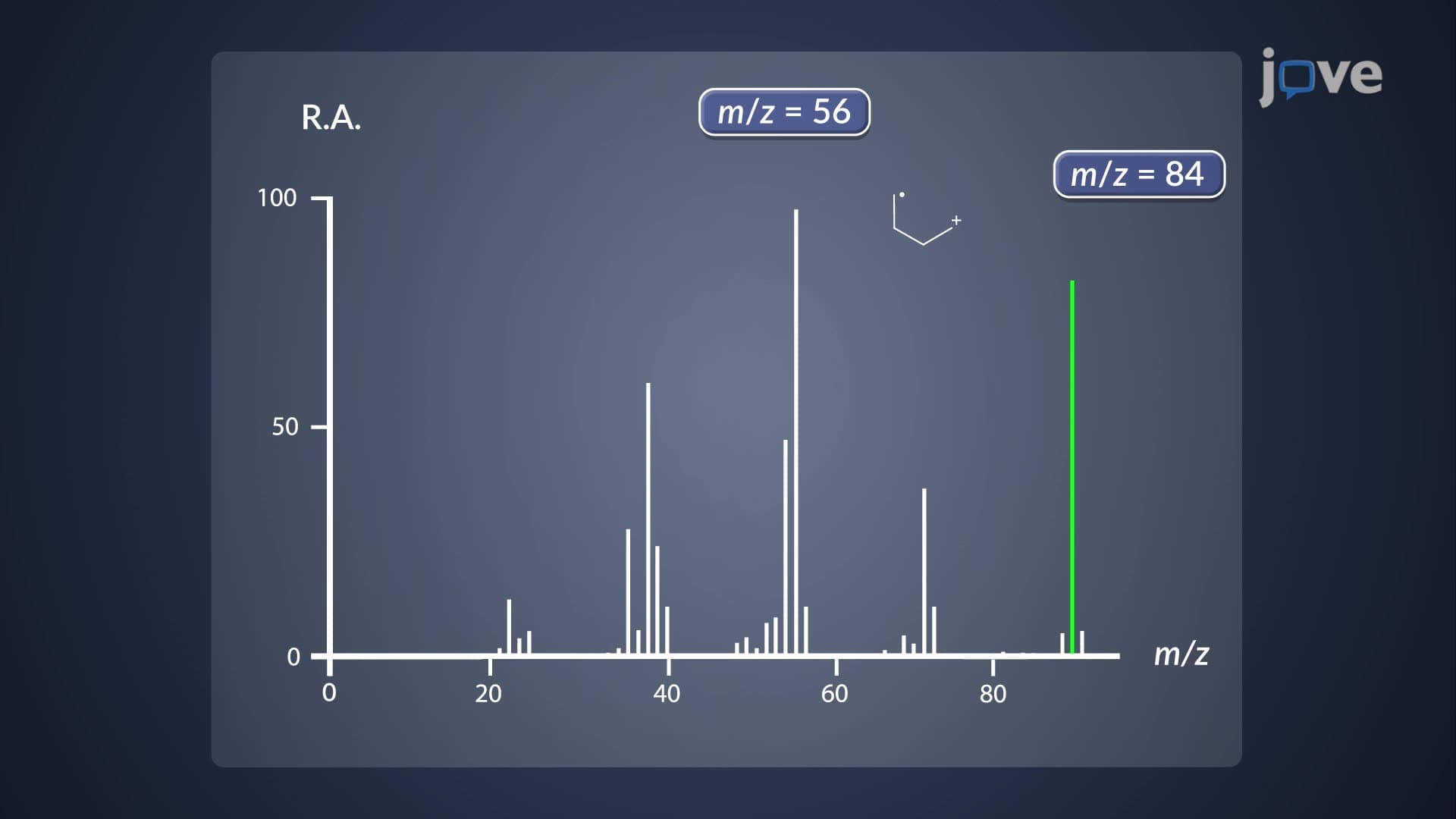
The hallmark of cycloalkene MS fragmentation involves retro-Diels-Alder reactions where molecular ions break apart by reversing the cyclization process. Consider cyclohexene, a six-membered ring commonly found in petroleum products and synthetic intermediates. When ionized in a mass spectrometer, cyclohexene's molecular ion fragments by cleaving two strategic bonds, producing a butadienyl radical cation (m/z 54) and neutral ethene. This predictable fragmentation pattern allows analytical chemists at companies like ExxonMobil to identify hydrocarbon components in complex mixtures.
How cycloalkenes fragment in mass spectrometry differs significantly from acyclic alkene behavior. While both systems produce alkene fragments and radical cations, cyclic systems avoid the hydrogen rearrangements characteristic of McLafferty rearrangements. This distinction proves crucial for students preparing for AP Chemistry exams or college organic chemistry courses, where understanding fragmentation mechanisms helps predict molecular structures from mass spectral data.
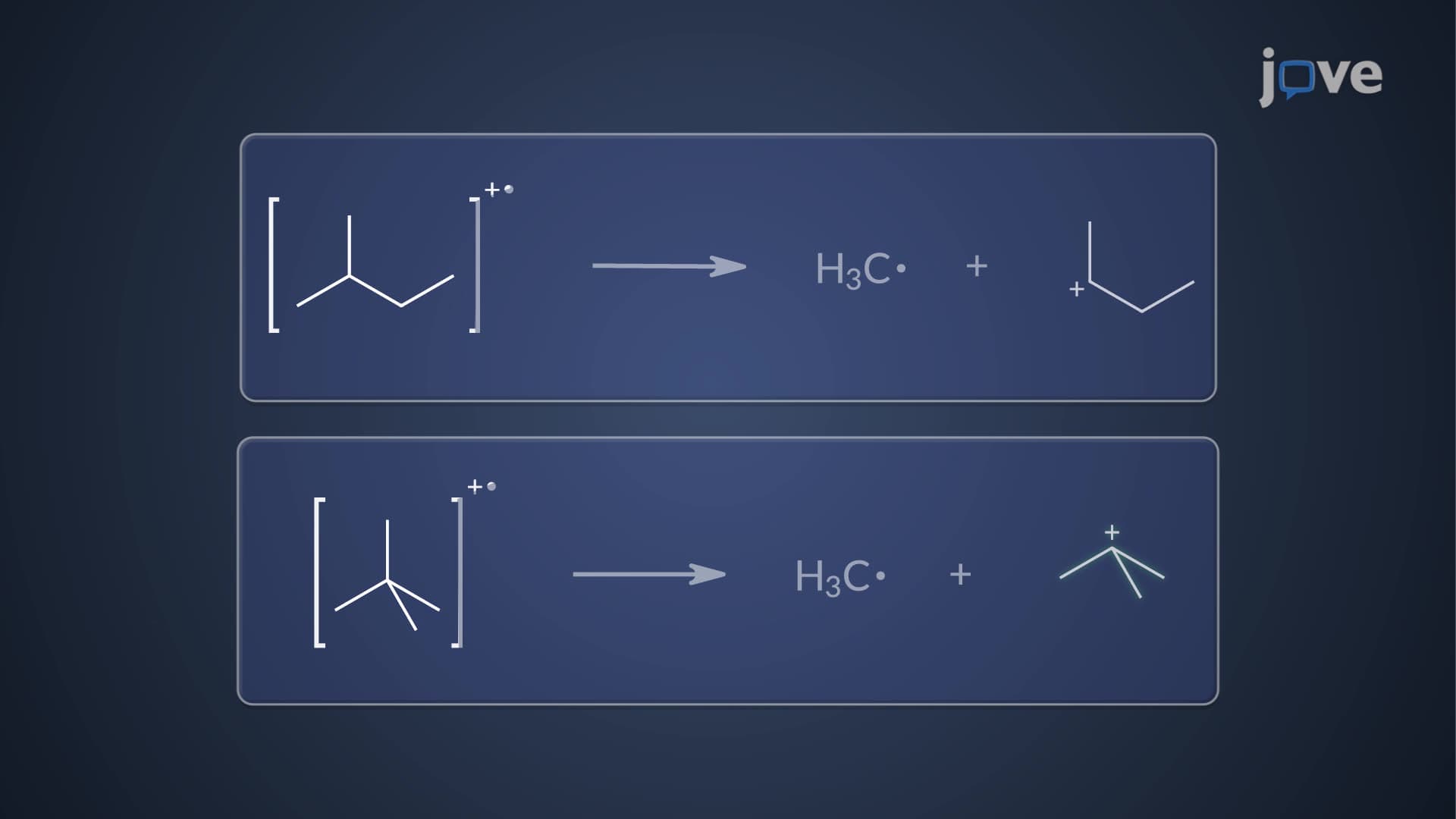
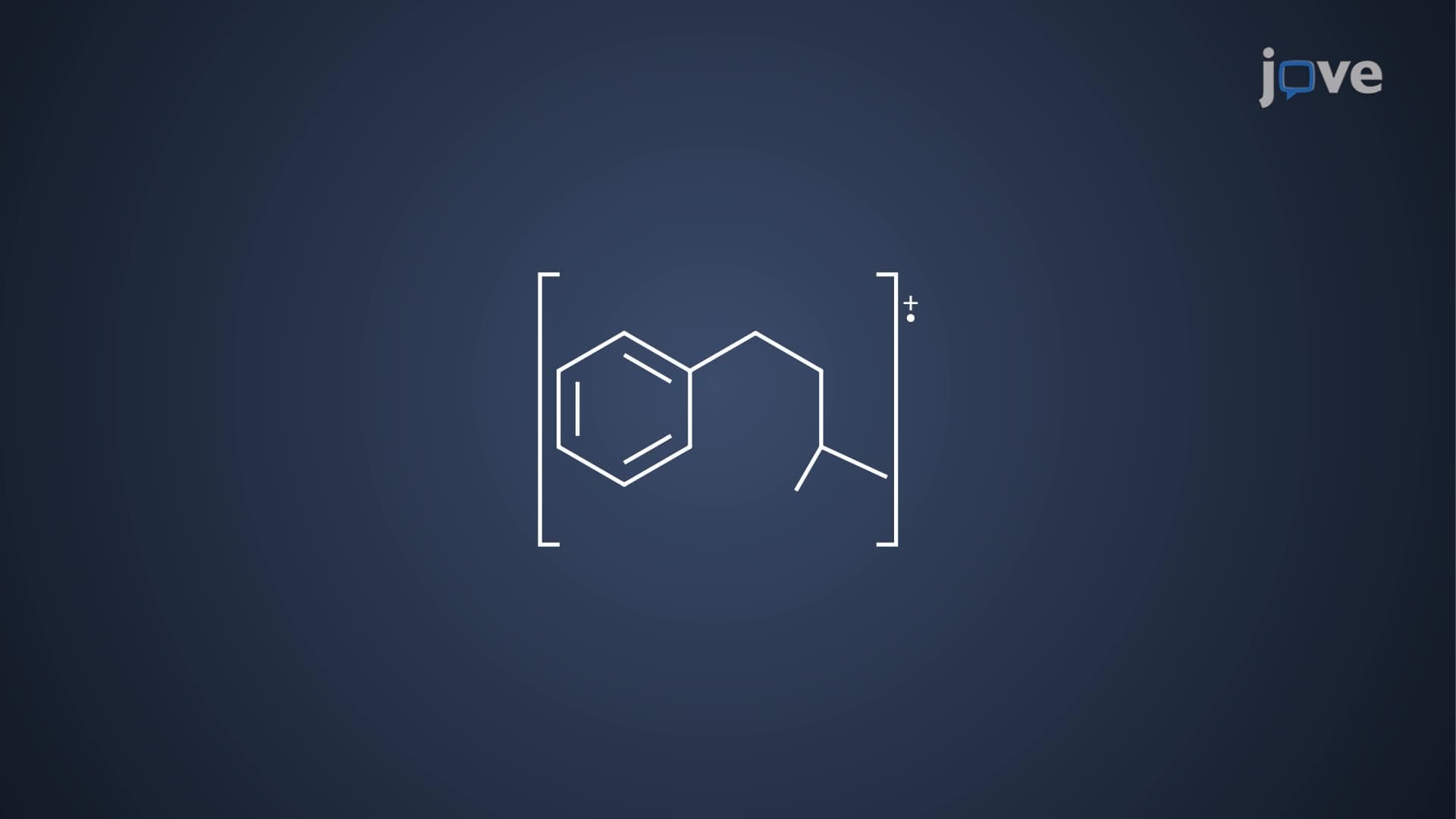
Branched cycloalkenes exhibit additional fragmentation pathways beyond simple retro-Diels-Alder reactions. Side chain loss represents a competing fragmentation mechanism where substituent groups cleave from the ring system, creating characteristic peaks in mass spectra. Environmental analytical laboratories frequently encounter these patterns when analyzing cyclic organic pollutants in water samples, making this knowledge essential for environmental chemistry applications.
Related Micro-courses