Loading subject page…


42,410 views

Video Summary: Gas Chromatography Mass Spectrometry Gc Ms Guide
Did you know that the same GC MS guide analytical technique used to solve forensic crimes at the FBI also helps ensure the safety of your morning coffee? Gas chromatography mass spectrometry explained reveals how this powerful hyphenated technique separates complex mixtures into individual compounds, then identifies each one by its unique molecular fingerprint. From detecting steroids in Olympic drug testing to analyzing pollutants in California's groundwater, this Gas Chromatography Mass Spectrometry GC Ms Guide demonstrates how scientists combine two analytical powerhouses into one instrument. Watch the full video on JoVE Coach to master this concept with expert-led visuals and step-by-step explanations.
Gas chromatography mass spectrometry represents one of analytical chemistry's most powerful hyphenated techniques, seamlessly combining the separation capabilities of gas chromatography with the identification power of mass spectrometry. This GC MS guide analytical approach has revolutionized how scientists analyze complex mixtures, from identifying unknown compounds in crime scene evidence to ensuring pharmaceutical purity in FDA-regulated facilities.
The technique excels at analyzing volatile compounds that can be vaporized without decomposition. When students encounter how GC MS works in analytical chemistry, they discover that success depends on the fundamental principle that different molecules interact uniquely with both the chromatographic stationary phase and the mass spectrometer's ionization process.
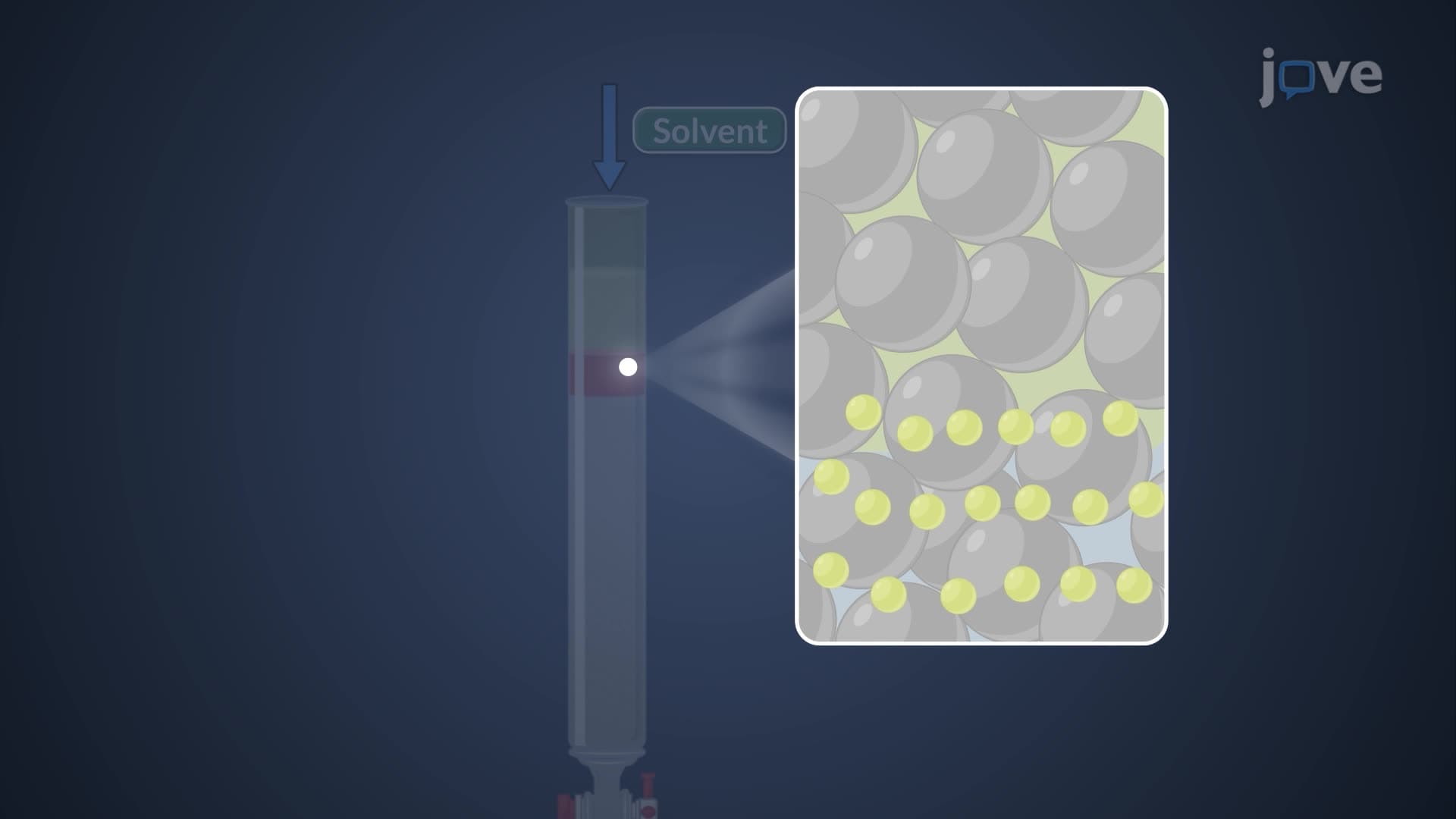
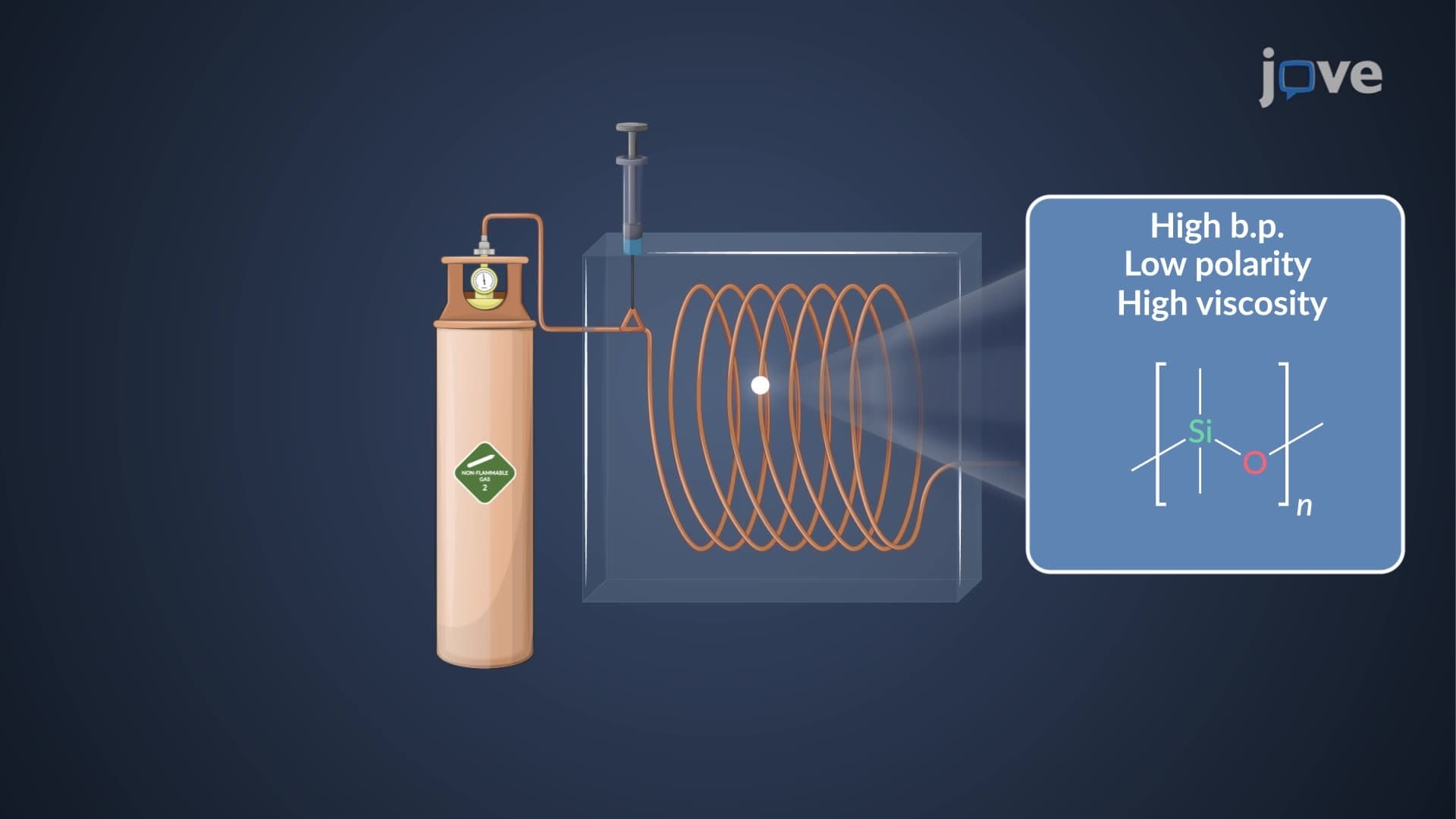
The gas chromatography component operates through a sophisticated separation mechanism housed within a temperature-controlled oven. A narrow capillary column, typically 15-100 meters long and coated with a silicone-based stationary phase, serves as the separation highway. The stationary phase's low polarity and high viscosity create differential interactions with analyte molecules.
During analysis, an inert carrier gas (usually helium or hydrogen) transports vaporized samples through the column. Compounds separate based on their boiling points and affinity for the stationary phase-a process students studying for the AP Chemistry exam should understand as a practical application of intermolecular forces. Lower-boiling compounds with minimal stationary phase interaction elute first, while higher-boiling compounds with stronger interactions remain longer in the column.
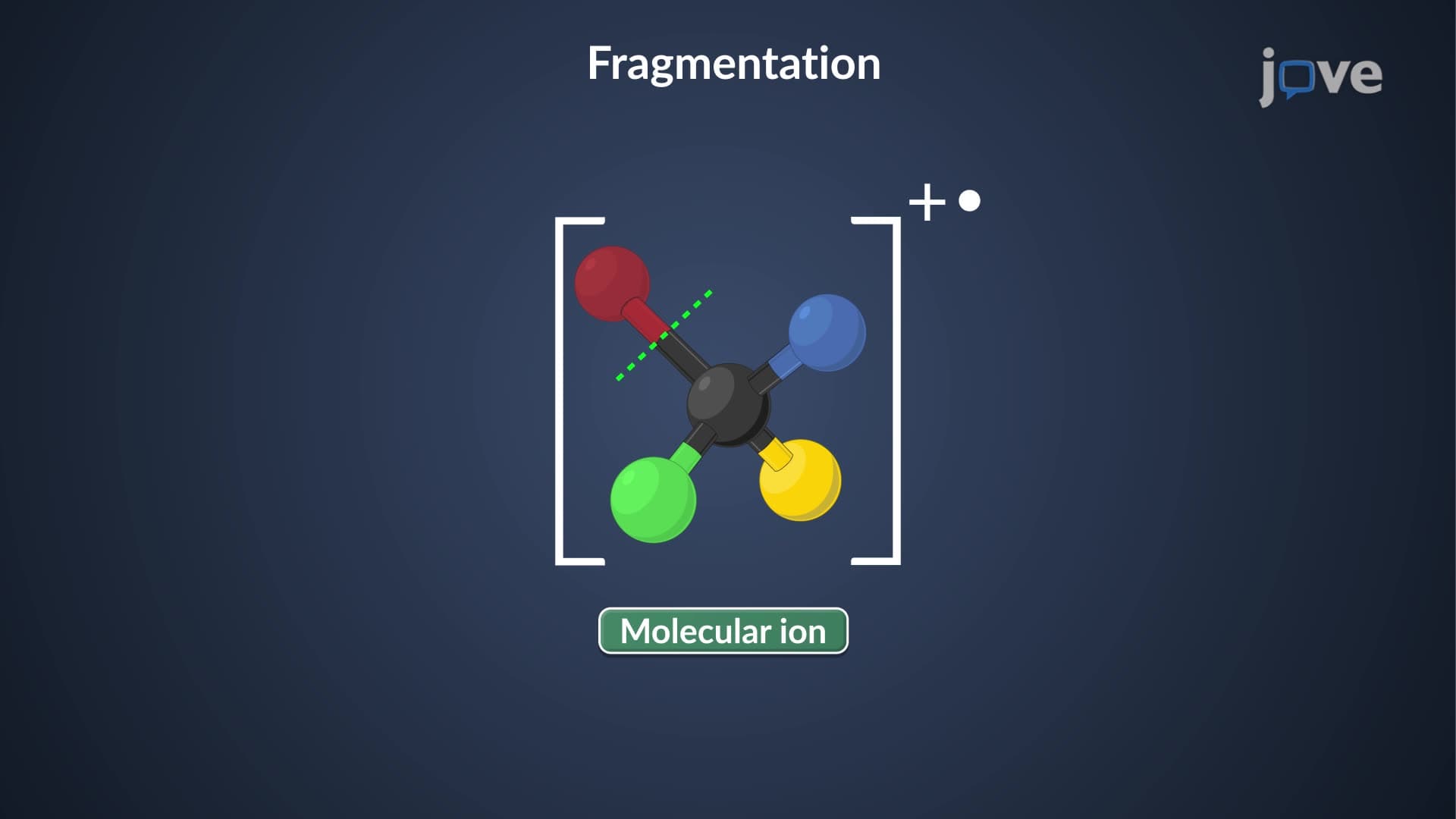
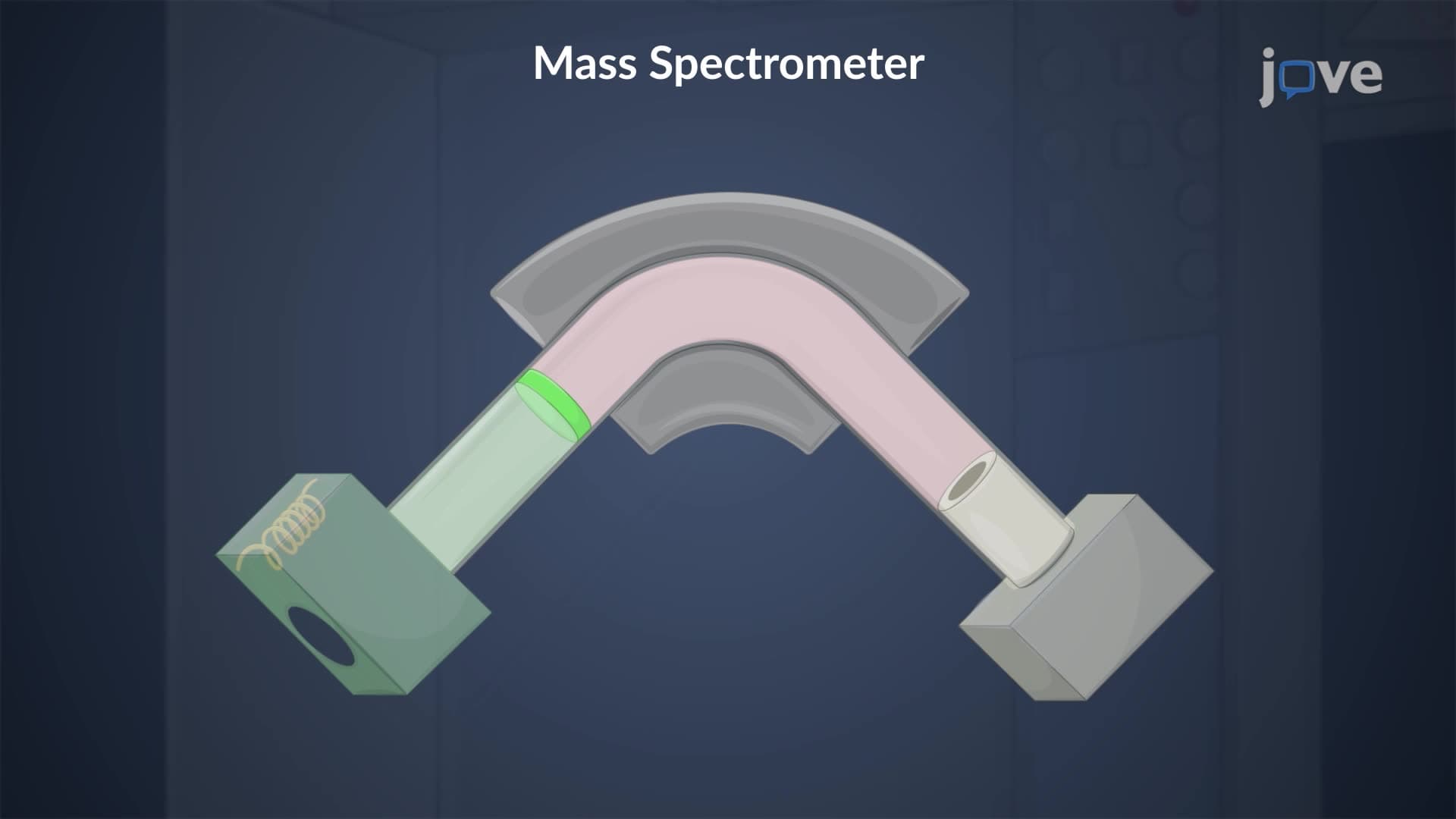
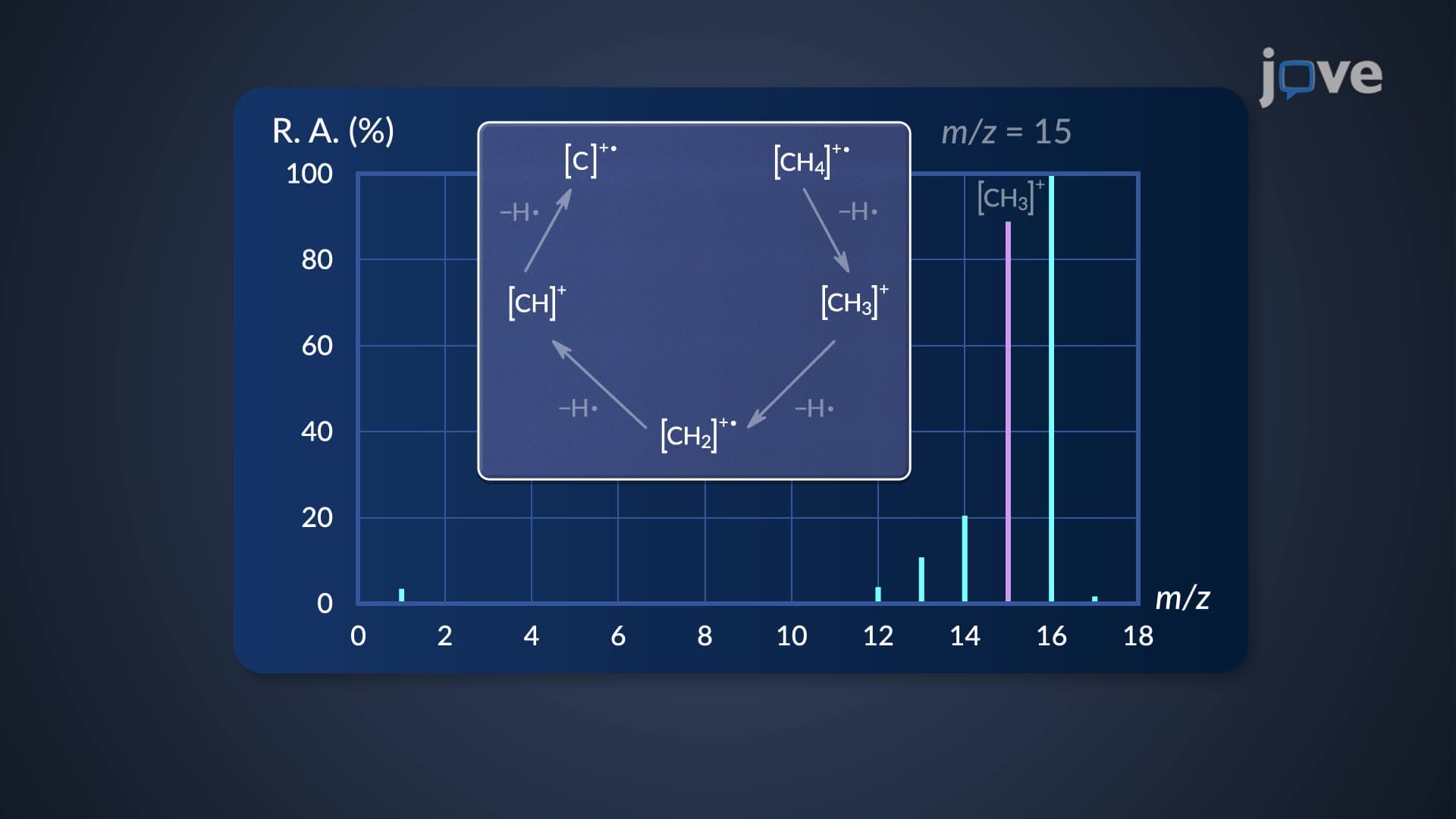
After chromatographic separation, compounds enter the mass spectrometer where electron ionization typically fragments molecules into characteristic patterns. This fragmentation process creates a unique "molecular fingerprint" that scientists compare against comprehensive databases like the NIST Mass Spectral Library, containing over 300,000 reference spectra.
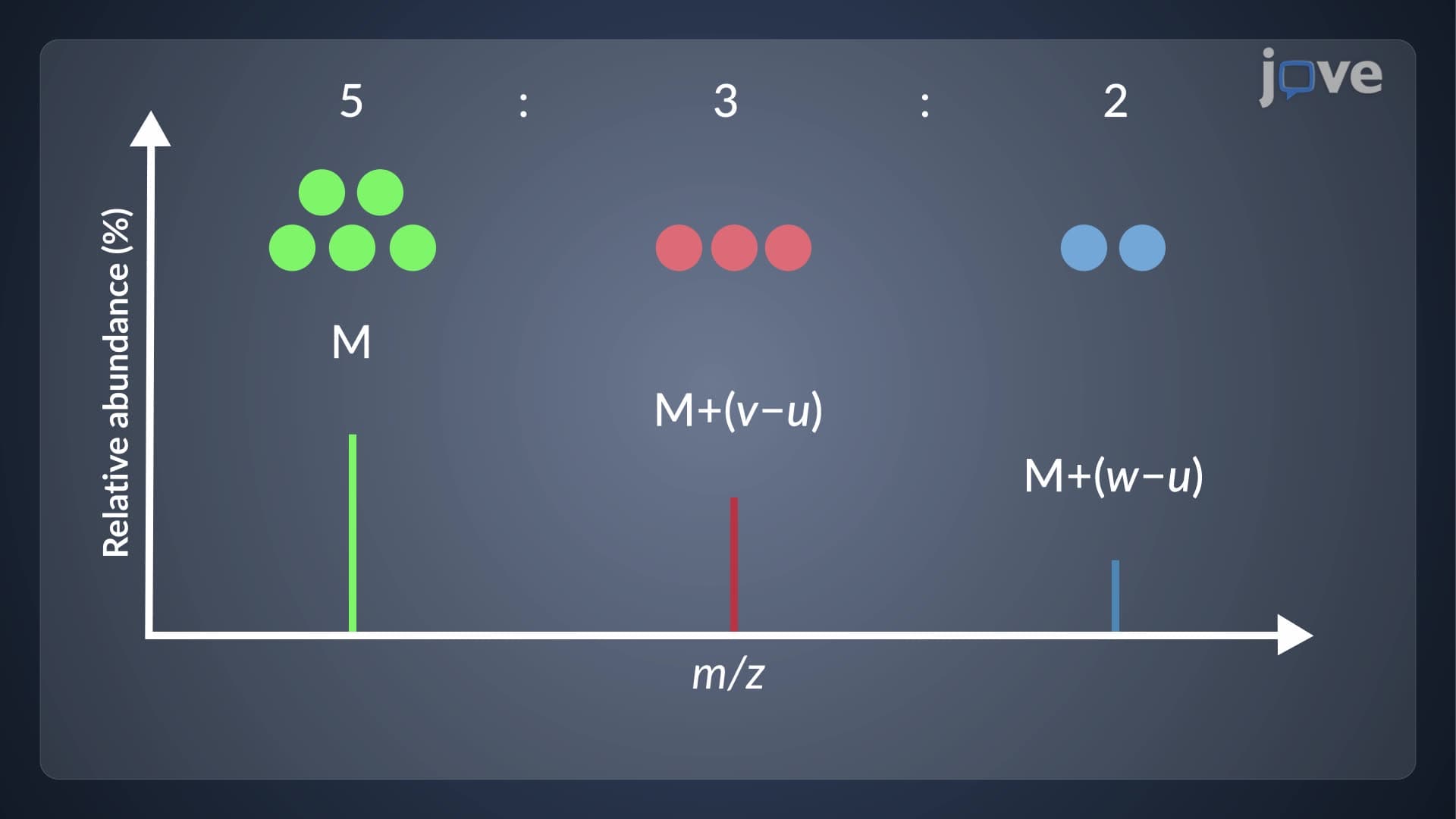
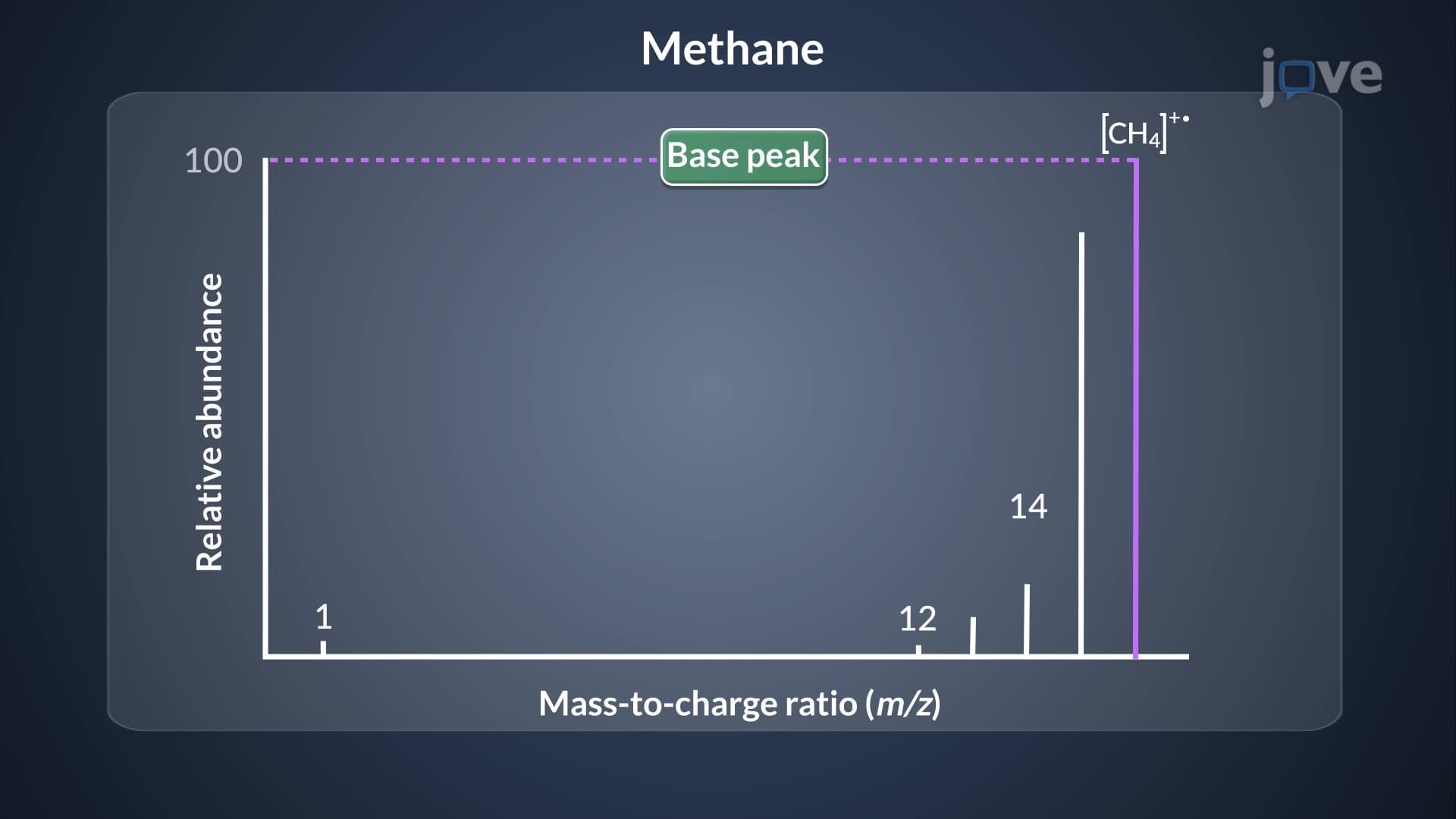
For students preparing for college chemistry courses or the MCAT, understanding that mass spectrometry measures mass-to-charge ratios (m/z) proves crucial. The resulting mass spectrum shows fragment ions that help identify molecular structure, while the molecular ion peak (when present) confirms molecular weight.
GC MS quantitative analysis extends far beyond academic laboratories. The DEA uses this technique for drug identification, while the EPA employs it for environmental monitoring of volatile organic compounds in air and water samples. Pharmaceutical companies rely on GC MS for quality control, ensuring medications meet FDA specifications.
The technique's power lies in combining separation and identification in one analysis. Unlike standalone gas chromatography, which only provides retention time data, GC MS library search capabilities enable definitive compound identification even in complex mixtures-a capability that proves invaluable in forensic investigations and clinical toxicology.
Related Micro-courses