Loading subject page…


42,407 views


Video Summary: High Resolution Mass Spectrometry Hrms Explained
Ever wondered how pharmaceutical companies at Pfizer distinguish between drug molecules that have nearly identical masses? High resolution mass spectrometry (HRMS) can differentiate compounds like cyclopentanone and cyclohexane, which appear identical on standard instruments but have distinct exact masses when measured to four decimal places. This precision technique revolutionizes molecular identification in laboratories across the United States, from university research facilities to FDA testing centers. Watch the full video on JoVE Coach to master this concept with expert-led visuals and step-by-step explanations.
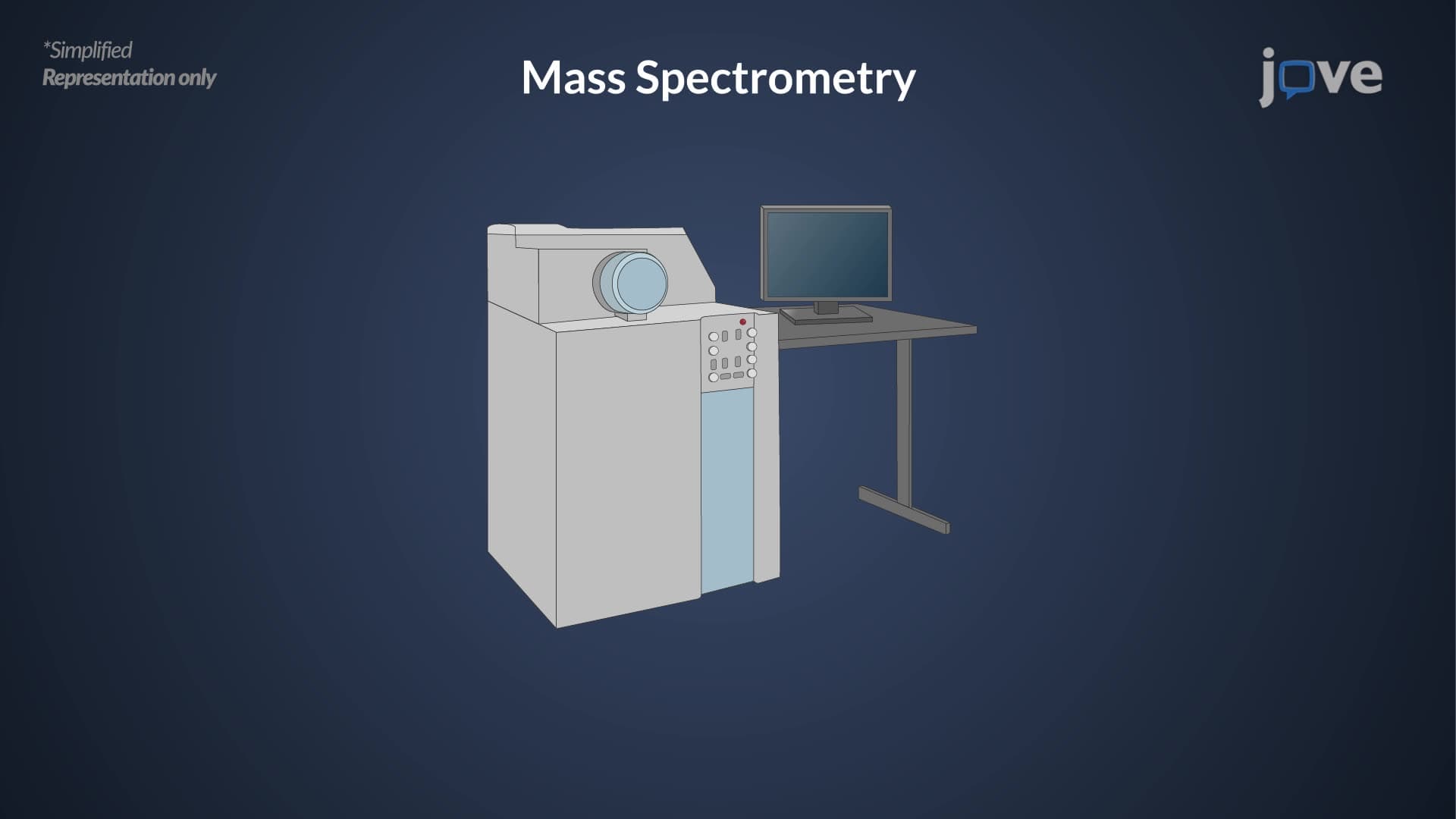
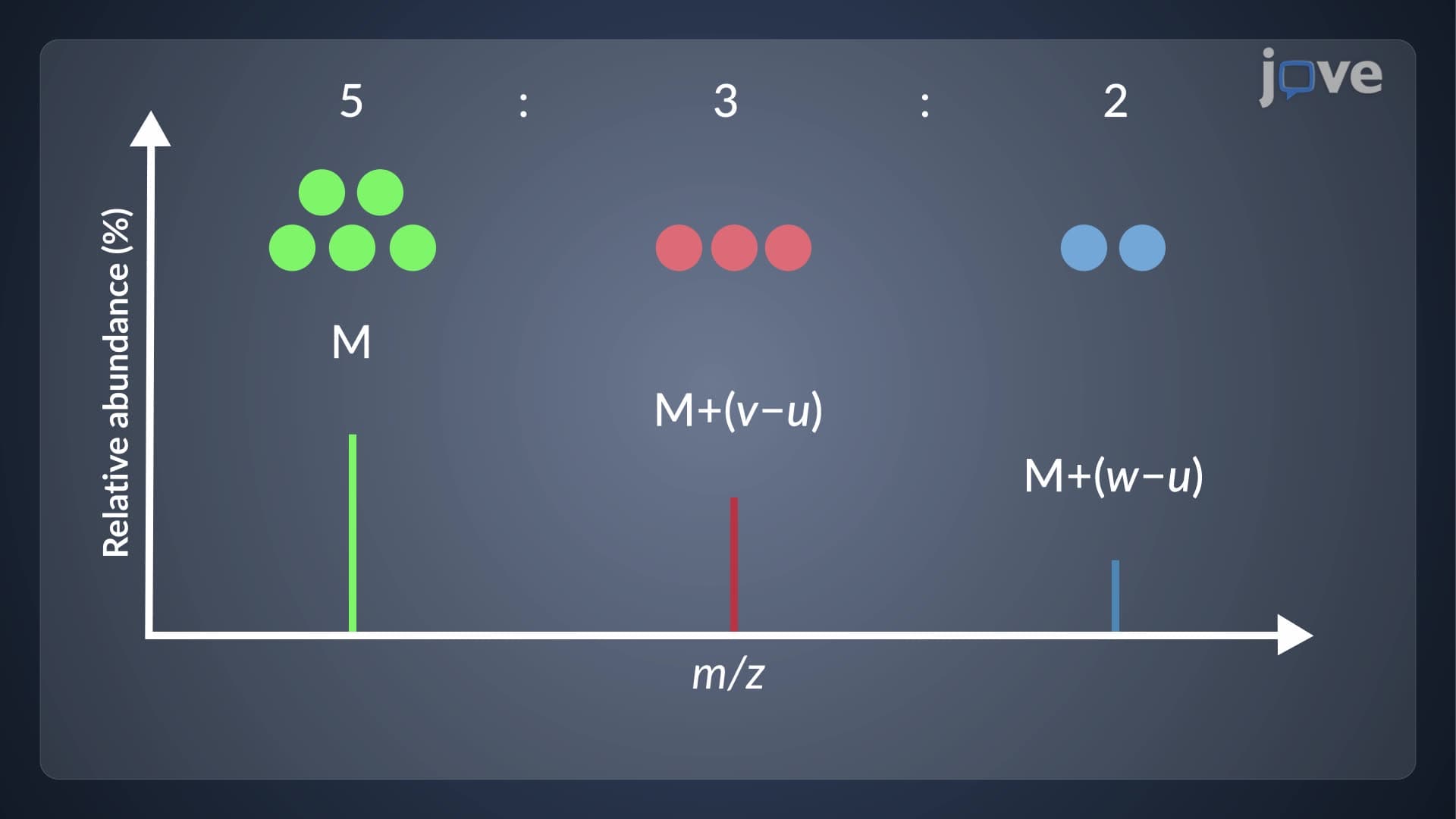
High resolution mass spectrometry represents a quantum leap in analytical precision compared to conventional mass spectrometry techniques. While traditional mass spectrometers round molecular masses to the nearest whole number (nominal mass), HRMS provides exact molecular masses with unprecedented accuracy. This distinction becomes critical when analyzing complex mixtures where multiple compounds share similar nominal masses but possess subtly different exact masses.
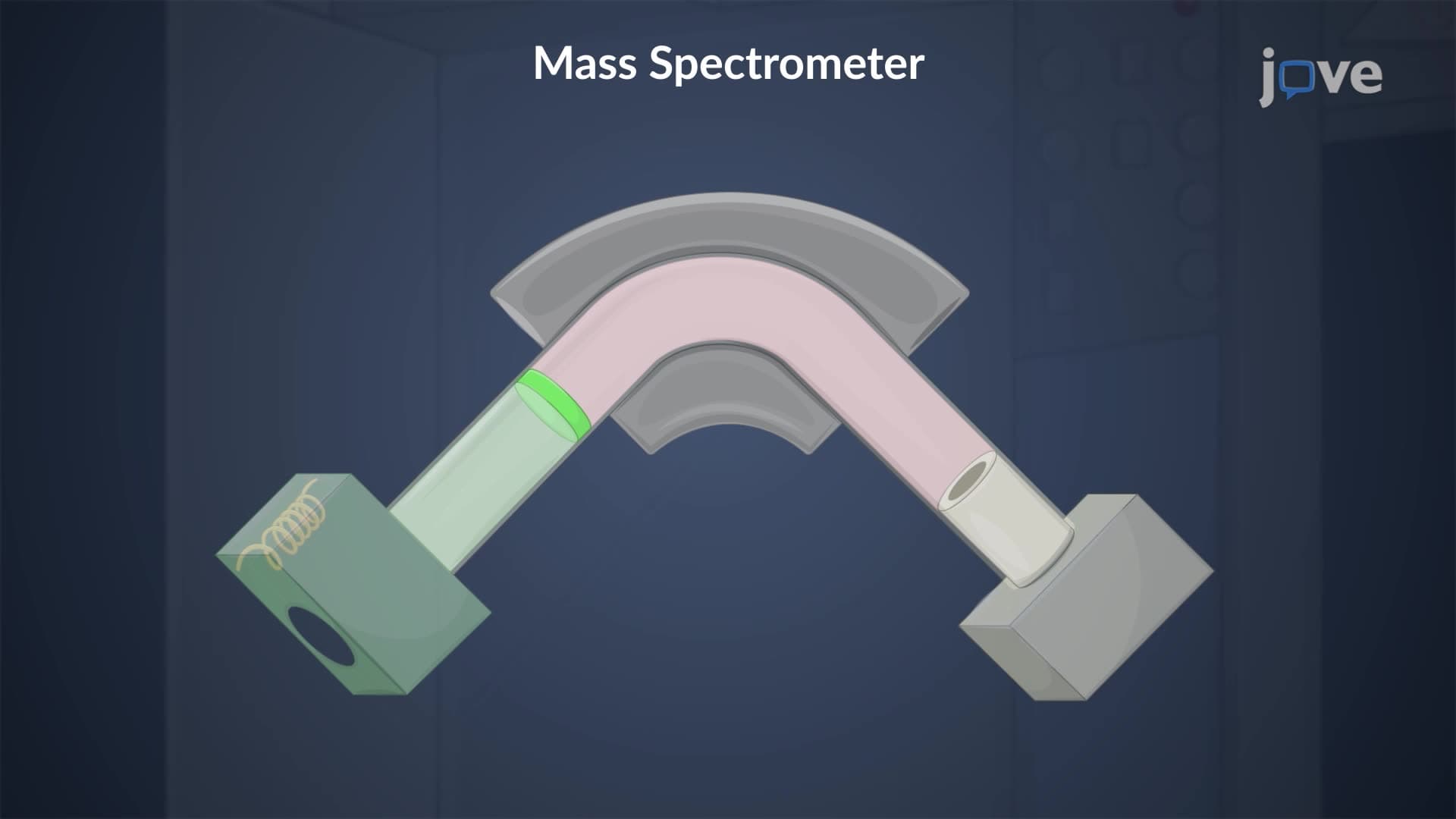
The power of HRMS lies in its ability to measure mass-to-charge ratios with accuracies reaching 0.0001 unified atomic mass units (u). This precision stems from sophisticated instrumentation employing narrow magnetic field stages and advanced ion detection systems. For students preparing for AP Chemistry or college-level analytical chemistry courses, understanding this concept provides insight into how modern laboratories achieve molecular-level identification.
Consider the challenge faced by forensic laboratories analyzing drug samples. Cyclopentanone (C5H8O) and cyclohexane (C6H12) both exhibit a nominal molecular mass of 84 when rounded to the nearest whole number. However, their exact masses differ significantly: cyclopentanone measures 84.0575 u, while cyclohexane measures 84.0939 u. This 0.0364 u difference becomes detectable only through accurate mass spectrometry techniques.
Students encountering this concept on MCAT practice exams should recognize that elemental isotopes contribute to these mass differences. The 12C isotope serves as the reference standard, but naturally occurring 13C, 2H, and other isotopes create unique mass fingerprints for each molecular formula. HRMS capitalizes on these subtle variations to provide definitive molecular identification.
The pharmaceutical industry exemplifies what is high resolution mass spectrometry used for in practical applications. At companies like Johnson & Johnson and Merck, HRMS enables researchers to identify drug metabolites, confirm molecular structures, and detect impurities at trace levels. Environmental testing laboratories use HRMS to monitor pesticide residues in drinking water supplies, while forensic scientists employ the technique to identify unknown substances in criminal investigations.
Elemental composition HRMS analysis becomes particularly valuable in natural product research. University laboratories studying compounds isolated from plants or marine organisms rely on exact mass measurements to propose molecular formulas and guide structural elucidation studies. This application frequently appears in undergraduate organic chemistry laboratory courses and graduate school entrance examinations.
Contemporary high resolution MS applications extend beyond traditional small molecule analysis. Proteomics research utilizes HRMS to identify and quantify proteins in biological samples, supporting advances in personalized medicine. Materials science laboratories employ the technique to characterize polymers and nanomaterials with precise molecular weight distributions.
For students pursuing careers in analytical chemistry, understanding HRMS principles provides competitive advantages in both academic and industrial settings. Graduate programs at institutions like MIT, Stanford, and UC Berkeley incorporate HRMS training into their analytical chemistry curricula, preparing students for careers in pharmaceutical development, environmental monitoring, and academic research.
Related Micro-courses