Loading subject page…


42,408 views

Video Summary: Icp Ms Principles and Instrumentation Overview
Ever wonder how the EPA detects toxic metals in drinking water at parts-per-trillion levels? ICP MS principles instrumentation enables this incredible precision through a sophisticated analytical technique that combines high-temperature plasma with mass spectrometry. The Food and Drug Administration relies on ICP-MS: Principles and Instrumentation Overview to monitor heavy metal contamination in imported seafood and pharmaceuticals. Watch the full video on JoVE Coach to master this concept with expert-led visuals and step-by-step explanations.
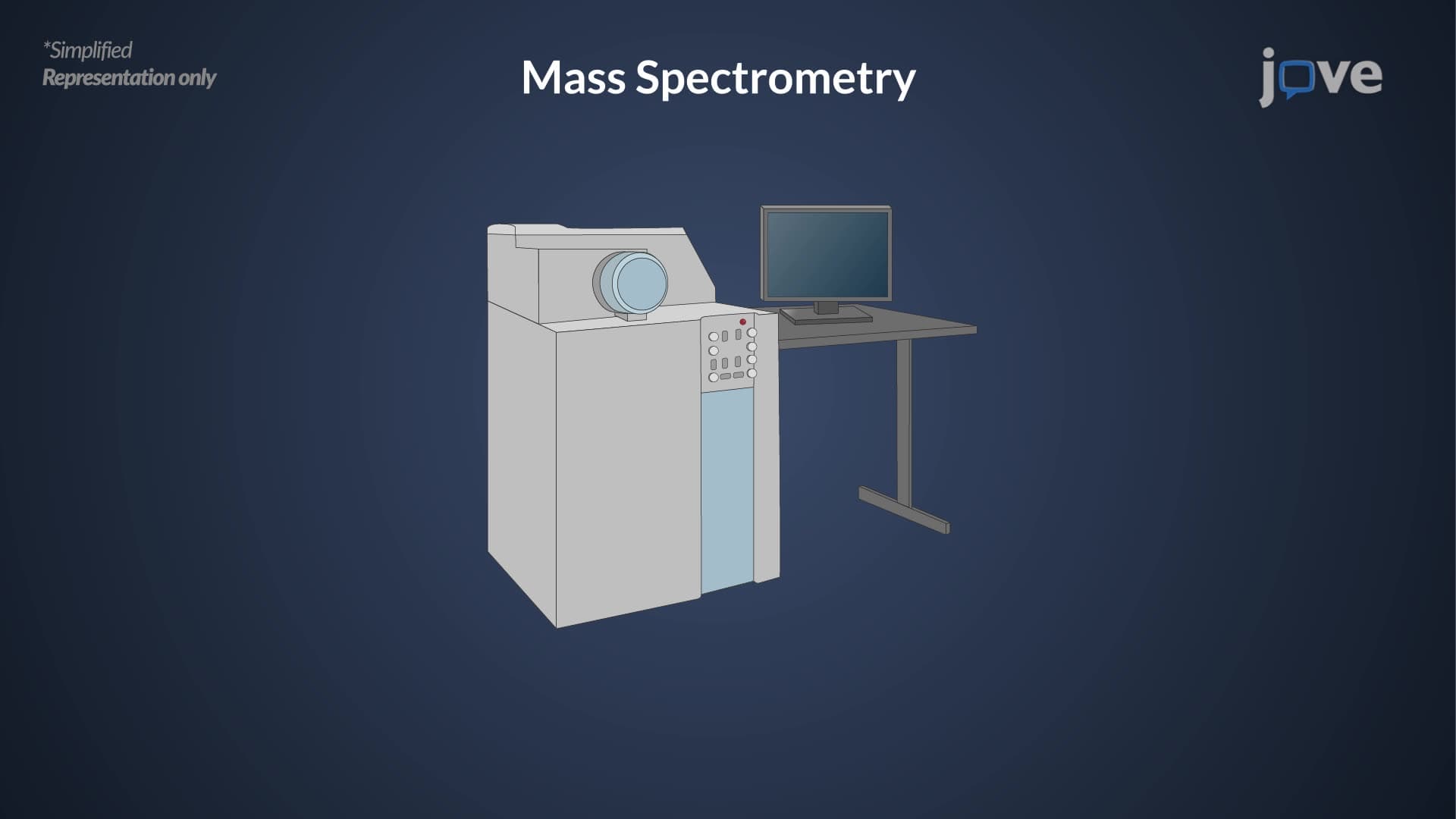
Inductively coupled plasma mass spectrometry represents one of the most powerful analytical techniques available for trace element detection. This sophisticated instrument combines the sample preparation capabilities of high-temperature plasma with the precision of mass spectrometry, enabling scientists to detect elements at concentrations as low as parts per trillion.
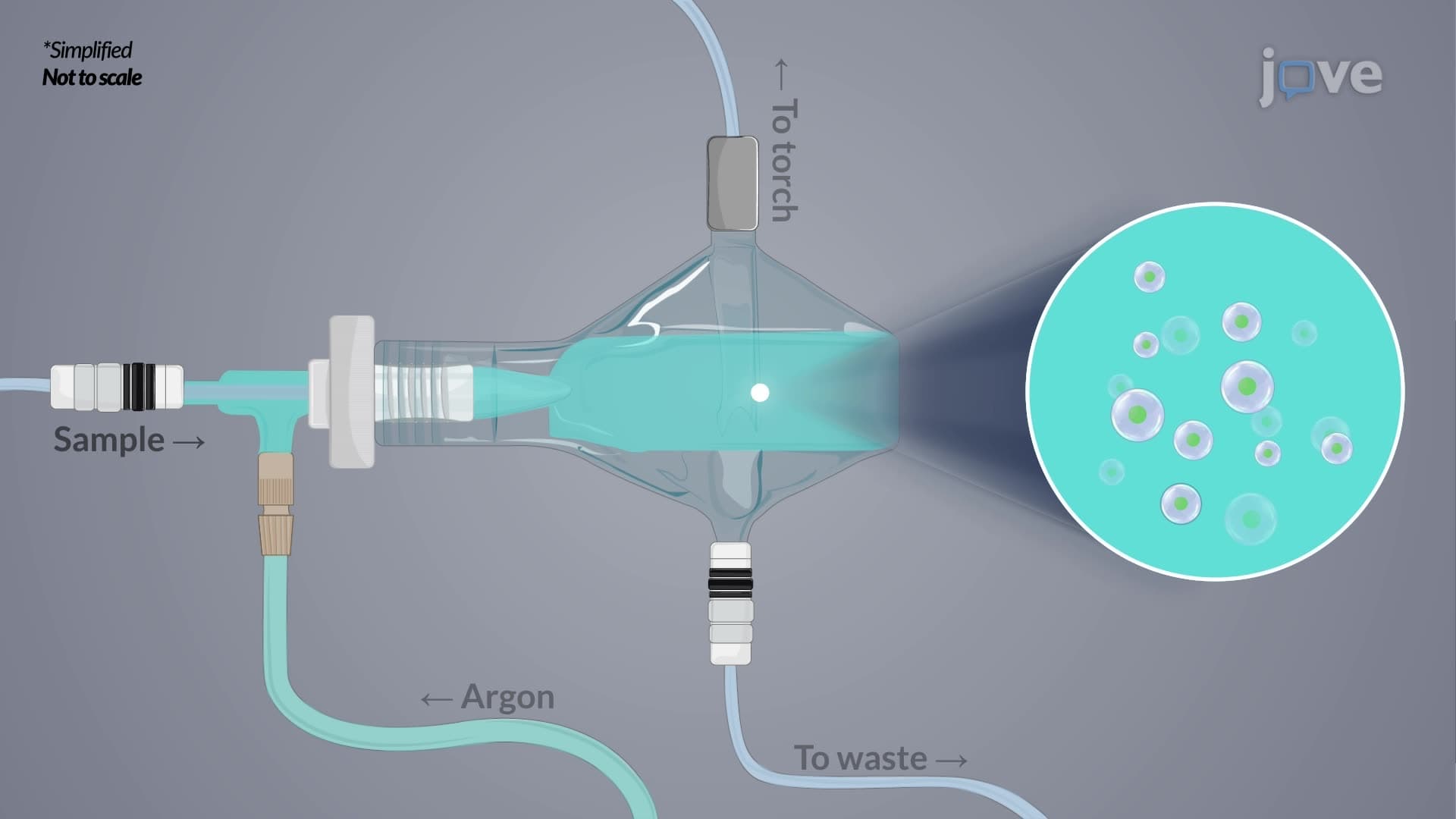
The heart of any ICP-MS system lies in its inductively coupled plasma source, which operates at temperatures exceeding 6,000 Kelvin-hotter than the sun's surface. This extreme temperature environment effectively atomizes and ionizes sample components introduced through nebulization. In typical pharmaceutical applications, liquid samples undergo pneumatic nebulization, creating fine aerosol droplets that enter the plasma torch. The argon plasma's intense energy breaks molecular bonds and strips electrons from atoms, producing the positive ions essential for mass spectrometric analysis.
The transition from atmospheric pressure plasma to high-vacuum mass spectrometer requires sophisticated engineering. The interface region employs two precisely machined metallic cones-the sample cone and skimmer cone-to achieve this pressure reduction. The sample cone, with an orifice typically 1.0-1.2 mm in diameter, allows only a small plasma fraction to enter the first vacuum stage. The skimmer cone, featuring an even smaller 0.4-0.8 mm opening, further restricts flow while extracting the central ion beam. This staged pressure reduction prevents plasma extinguishment while maintaining ion beam integrity.
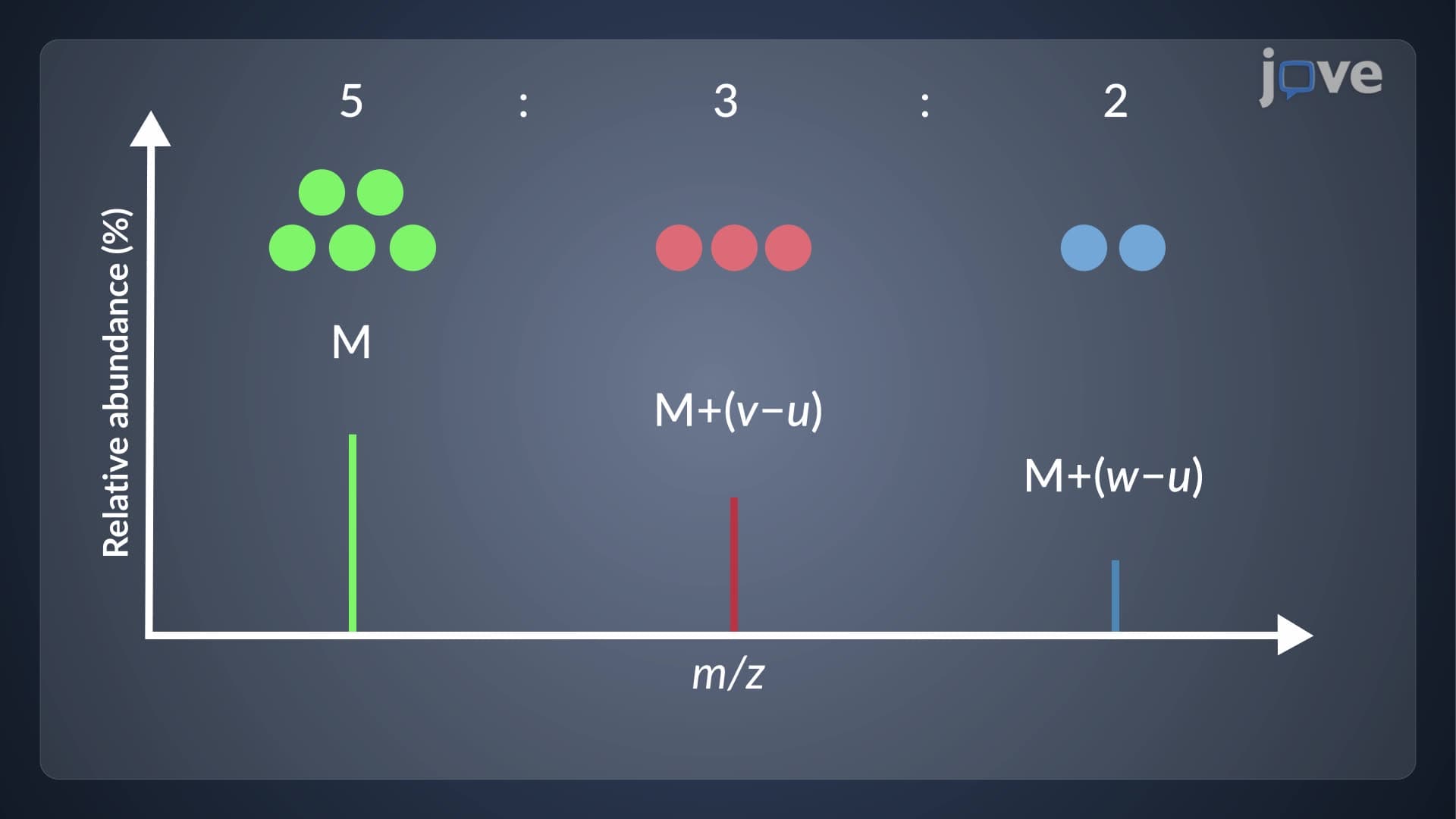
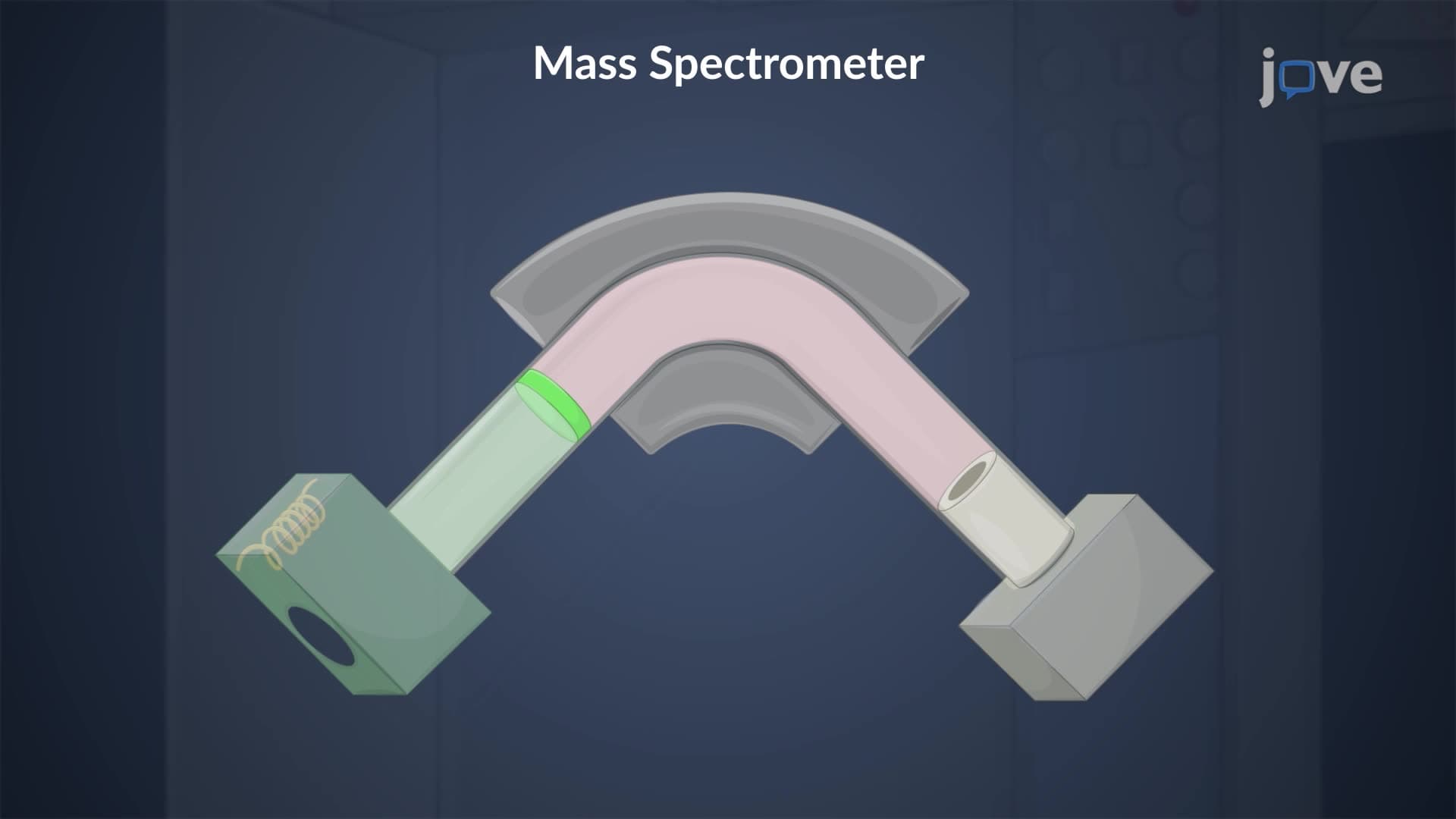
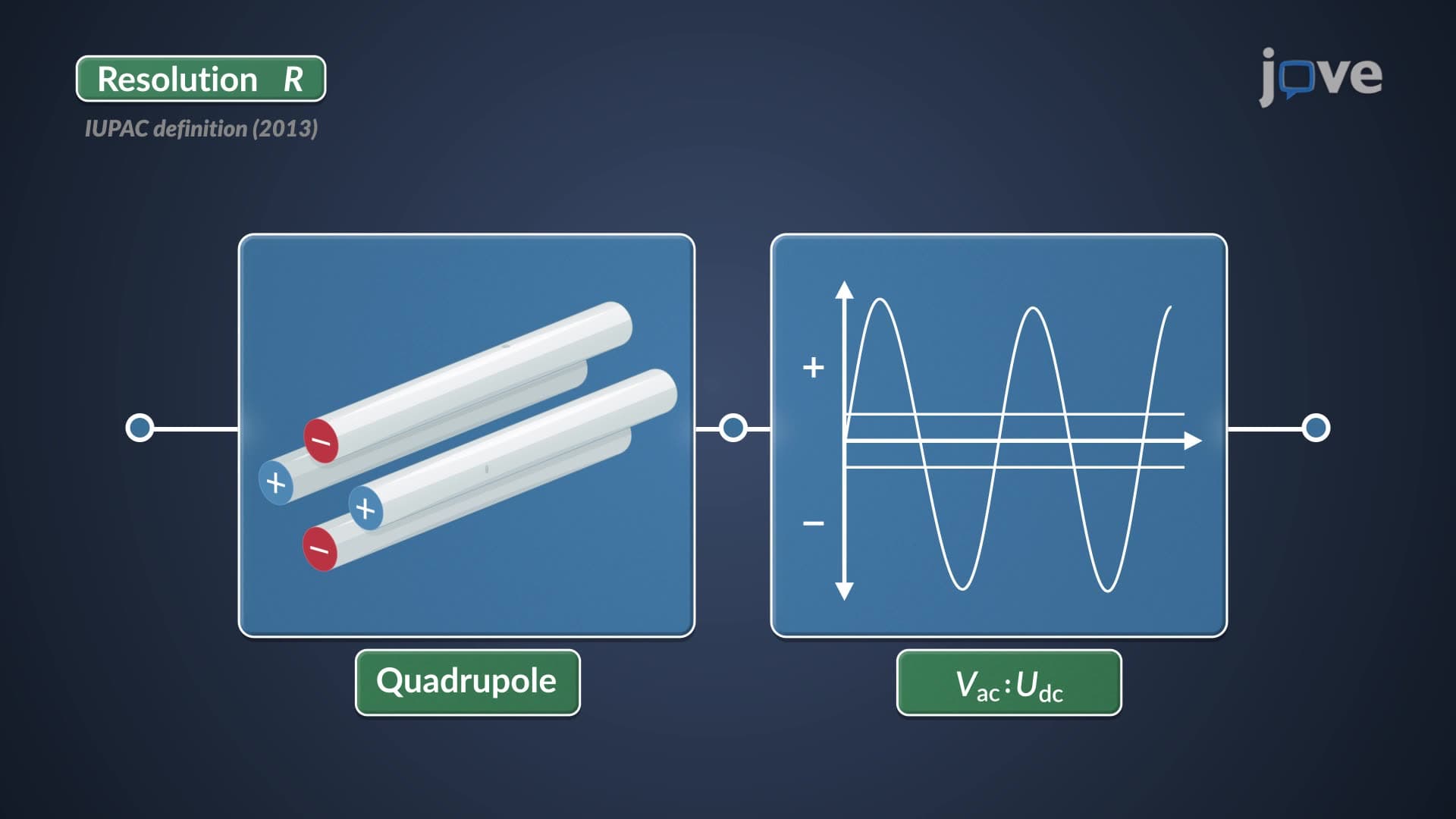
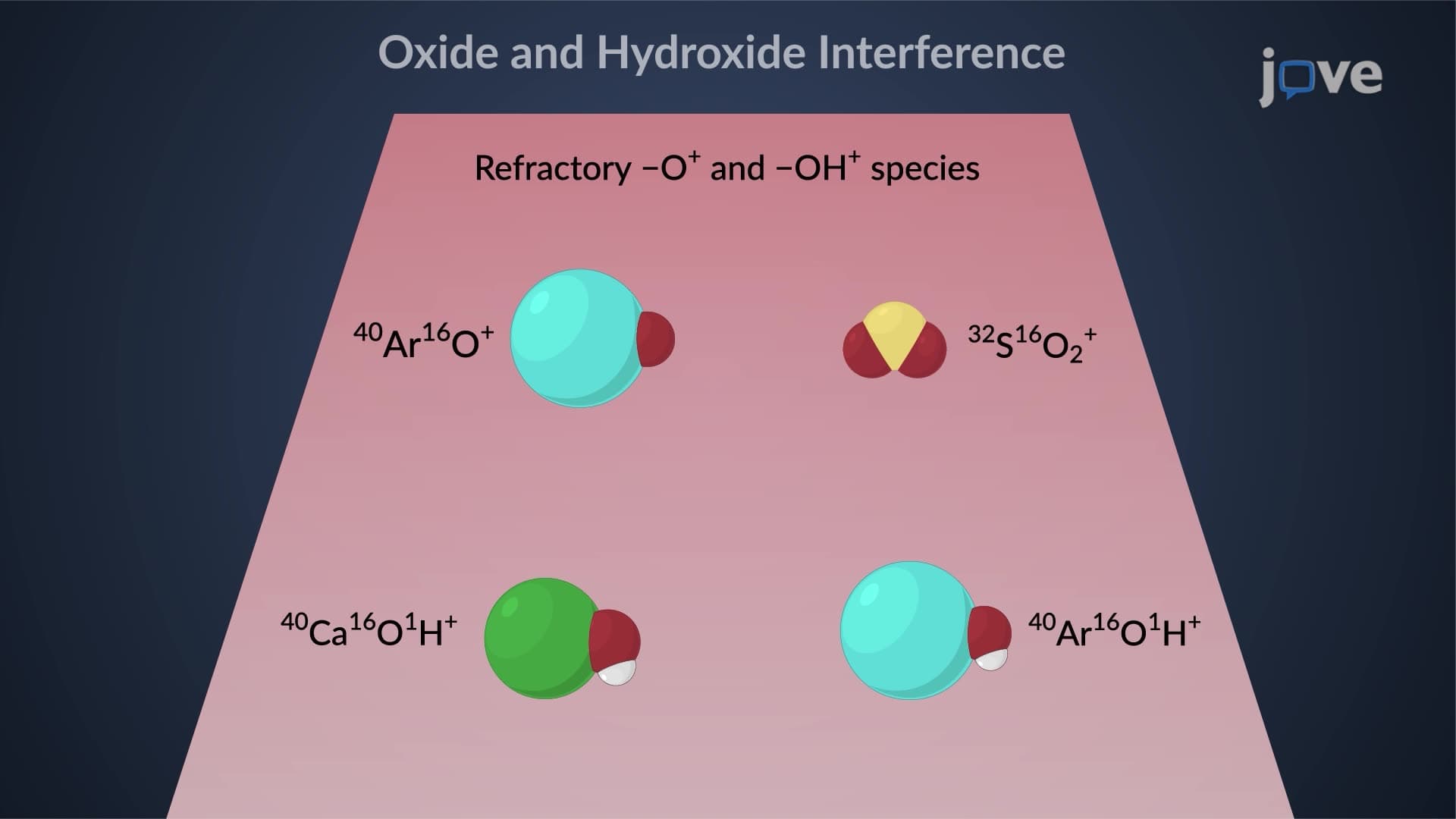
Following extraction, ions pass through electrostatic lenses that focus and accelerate the ion beam toward the collision cell. Modern ICP-MS instruments incorporate collision/reaction cells containing gases like helium or hydrogen to reduce spectroscopic interferences and kinetic energy spread. The quadrupole mass analyzer then separates ions based on their mass-to-charge ratios using oscillating radiofrequency fields. Only ions with specific stability parameters successfully traverse the quadrupole rods to reach the detector, typically an electron multiplier that amplifies the signal for quantification.
Students preparing for AP Chemistry or analytical chemistry courses should recognize that ICP-MS exemplifies principles from multiple chemistry domains: plasma physics, vacuum technology, electromagnetic ion manipulation, and quantitative analysis. This technique appears frequently in advanced placement exams and undergraduate analytical chemistry coursework, particularly in discussions of instrumental methods and detection limits.
Related Micro-courses