Loading subject page…


42,407 views

Video Summary: What are Mass Analyzers
Ever wondered how forensic scientists identify unknown substances in criminal investigations? Mass analyzers explained through their incredible ability to separate and identify ions based on their mass-to-charge ratios, making them essential components in mass spectrometers used by the FBI crime labs across America. What are Mass Analyzers reveals five main types including magnetic sector, quadrupole, and time-of-flight analyzers, each with unique capabilities for ion separation and detection. Watch the full video on JoVE Coach to master this concept with expert-led visuals and step-by-step explanations.
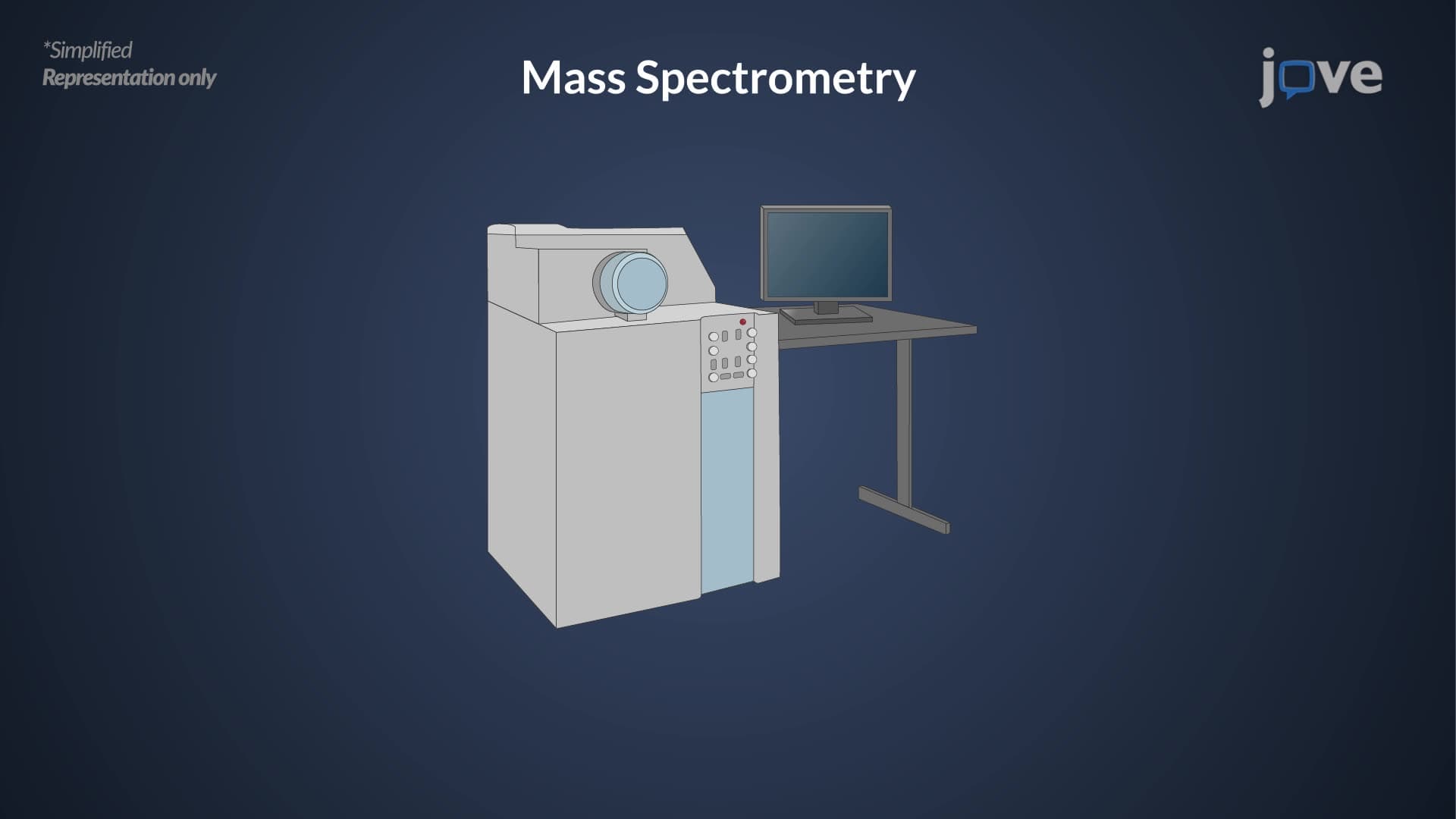
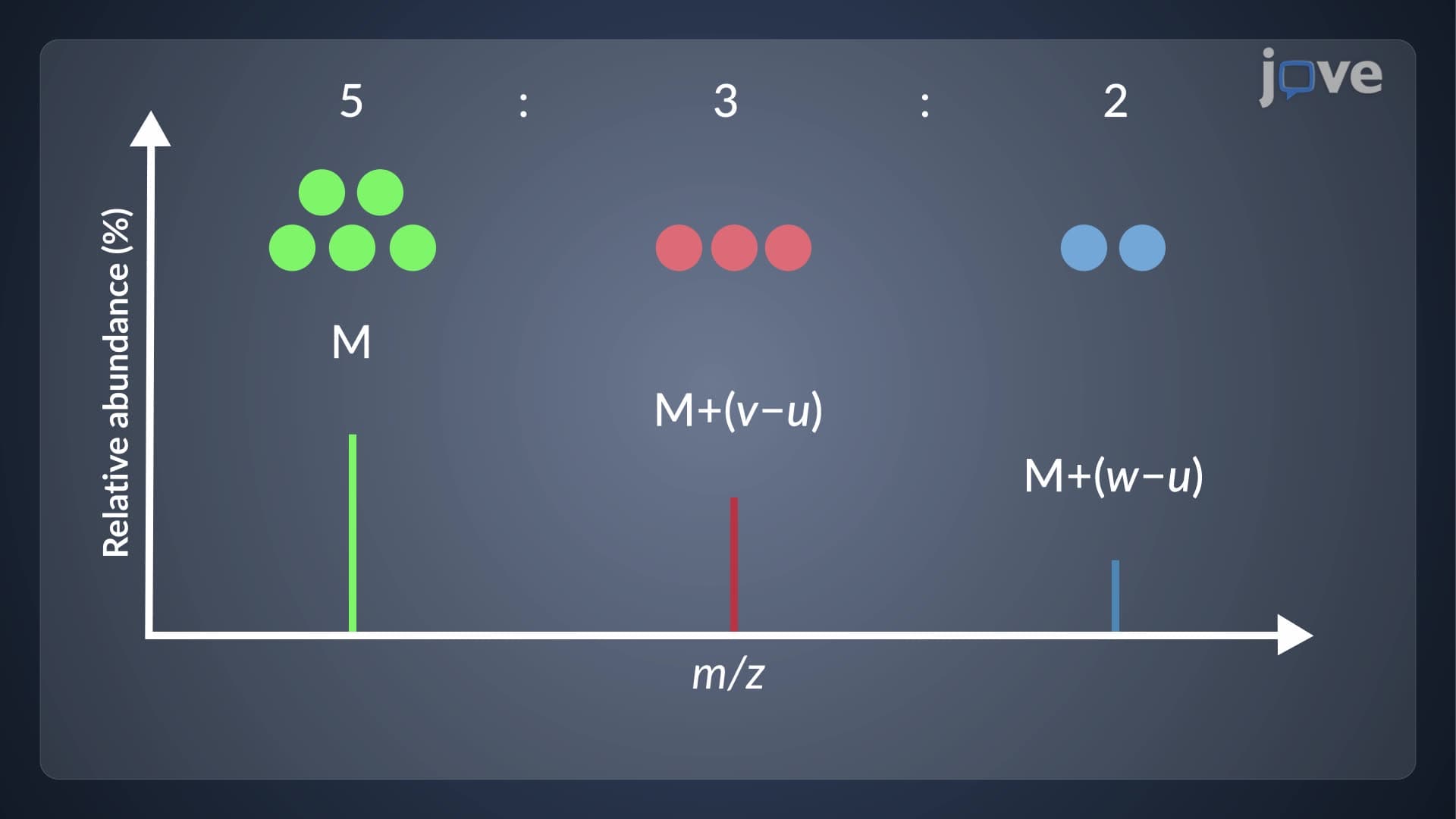
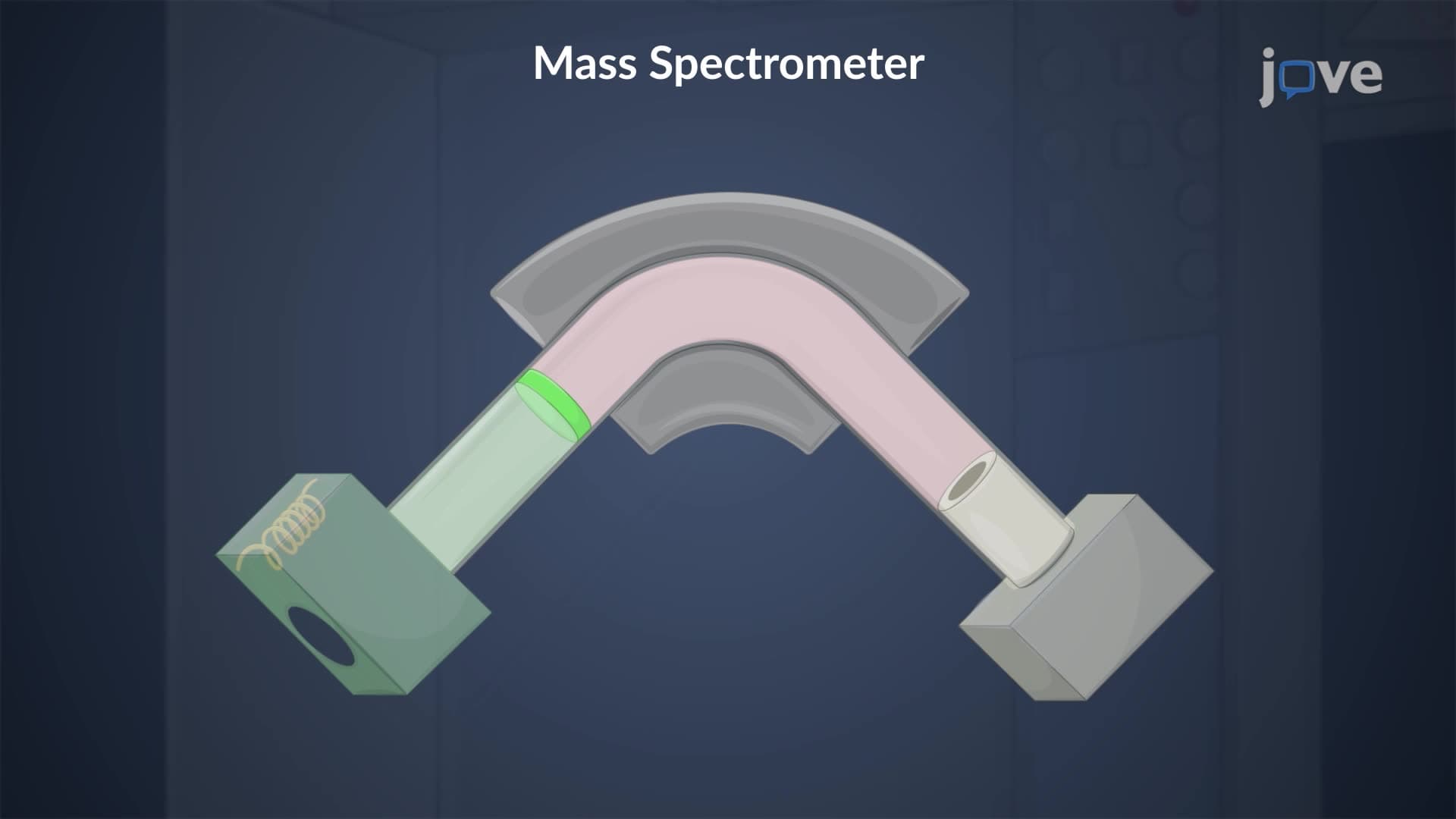
Mass analyzers serve as the heart of mass spectrometers, functioning as sophisticated separation devices that sort ions based on their mass-to-charge (m/z) ratios. These analytical powerhouses enable scientists to identify unknown compounds, quantify specific molecules, and determine molecular structures across diverse fields from drug testing laboratories to NASA's Mars rover missions.
Magnetic sector analyzers represent the classical approach to ion separation. When ions enter a magnetic field, they follow curved trajectories with radii proportional to their m/z ratios. However, these analyzers require ions to possess nearly identical kinetic energies for optimal separation. Even slight energy variations from ionization processes can blur the separation boundaries, limiting resolution capabilities.
Double-focusing analyzers address this limitation by incorporating both magnetic and electric field sectors. The electric sector acts as an energy filter, correcting kinetic energy differences before ions reach the magnetic sector. This dual-stage approach can increase resolution by up to tenfold, making it invaluable for precise molecular weight determinations in pharmaceutical quality control.
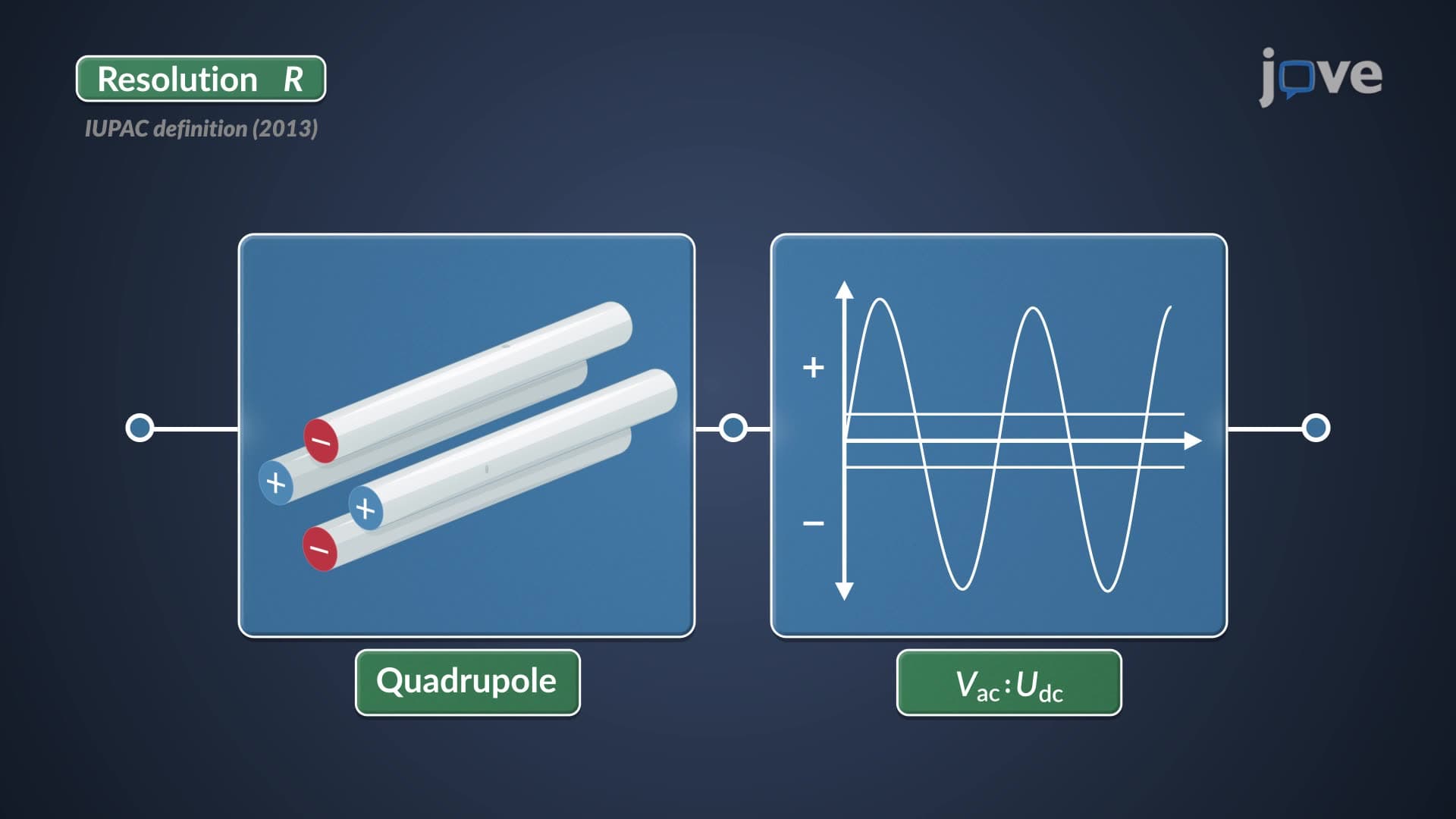
Quadrupole analyzers utilize four parallel rod electrodes with alternating radio frequency and direct current voltages. Only ions with specific m/z ratios maintain stable trajectories through this oscillating electric field, while others are ejected. This selective filtering makes quadrupoles ideal for targeted compound analysis in environmental monitoring.
Resolution quantifies an analyzer's discriminating power, calculated as the ratio of a peak's m/z value to the smallest resolvable difference between adjacent peaks. High resolution proves crucial when analyzing complex mixtures where compounds have similar masses. For instance, distinguishing between cocaine and its metabolites in forensic toxicology requires resolution capabilities that can separate peaks differing by less than one mass unit.
Time-of-flight (TOF) analyzers achieve separation by measuring flight times through a field-free drift region. Lighter ions travel faster than heavier ones, creating temporal separation that translates to mass differentiation. Modern TOF systems can achieve resolutions exceeding 100,000, enabling precise protein characterization in clinical proteomics.
Ion trap analyzers confine ions in three-dimensional electric fields before selective ejection based on m/z ratios. Their ability to perform multiple stages of fragmentation (MS/MS) makes them particularly valuable for structural elucidation in organic chemistry courses and advanced analytical chemistry laboratories.
Students preparing for AP Chemistry exams should focus on understanding how physical principles like electromagnetic forces govern ion behavior in different analyzer types. College-level analytical chemistry courses typically emphasize resolution calculations and analyzer selection criteria for specific analytical challenges.
Related Micro-courses