Loading subject page…


42,408 views
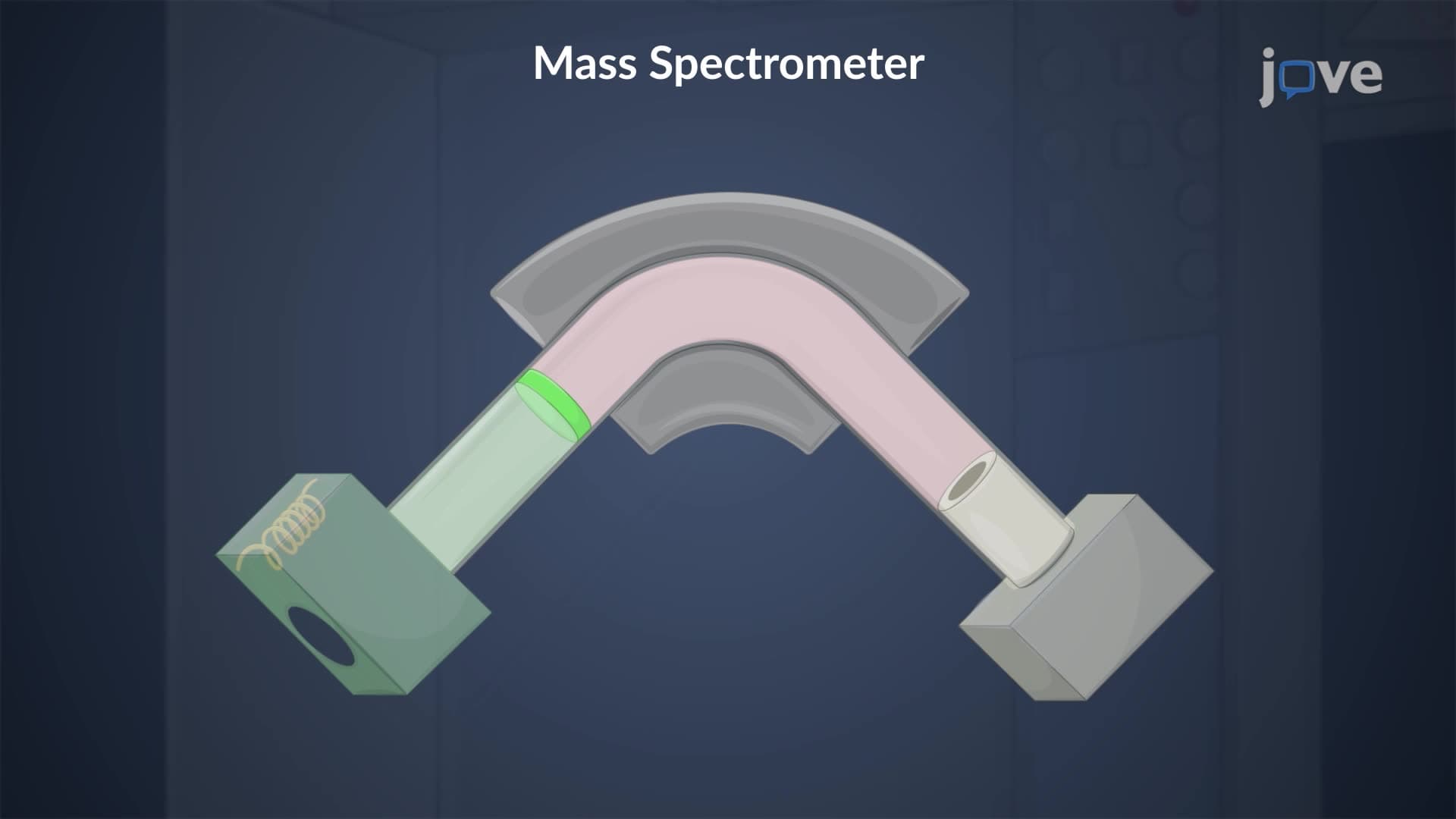

Video Summary: What are Mass Spectrometers
Ever wonder how forensic scientists identify unknown substances in crime labs across America? Mass spectrometers types include powerful analytical instruments that can determine the exact molecular composition of virtually any sample. From detecting performance-enhancing drugs in Olympic athletes to identifying proteins in cancer research at Johns Hopkins University, these sophisticated machines ionize molecules and separate them based on their mass-to-charge ratio. What are mass spectrometers capable of revealing about the molecular world around us? Watch the full video on JoVE Coach to master this concept with expert-led visuals and step-by-step explanations.
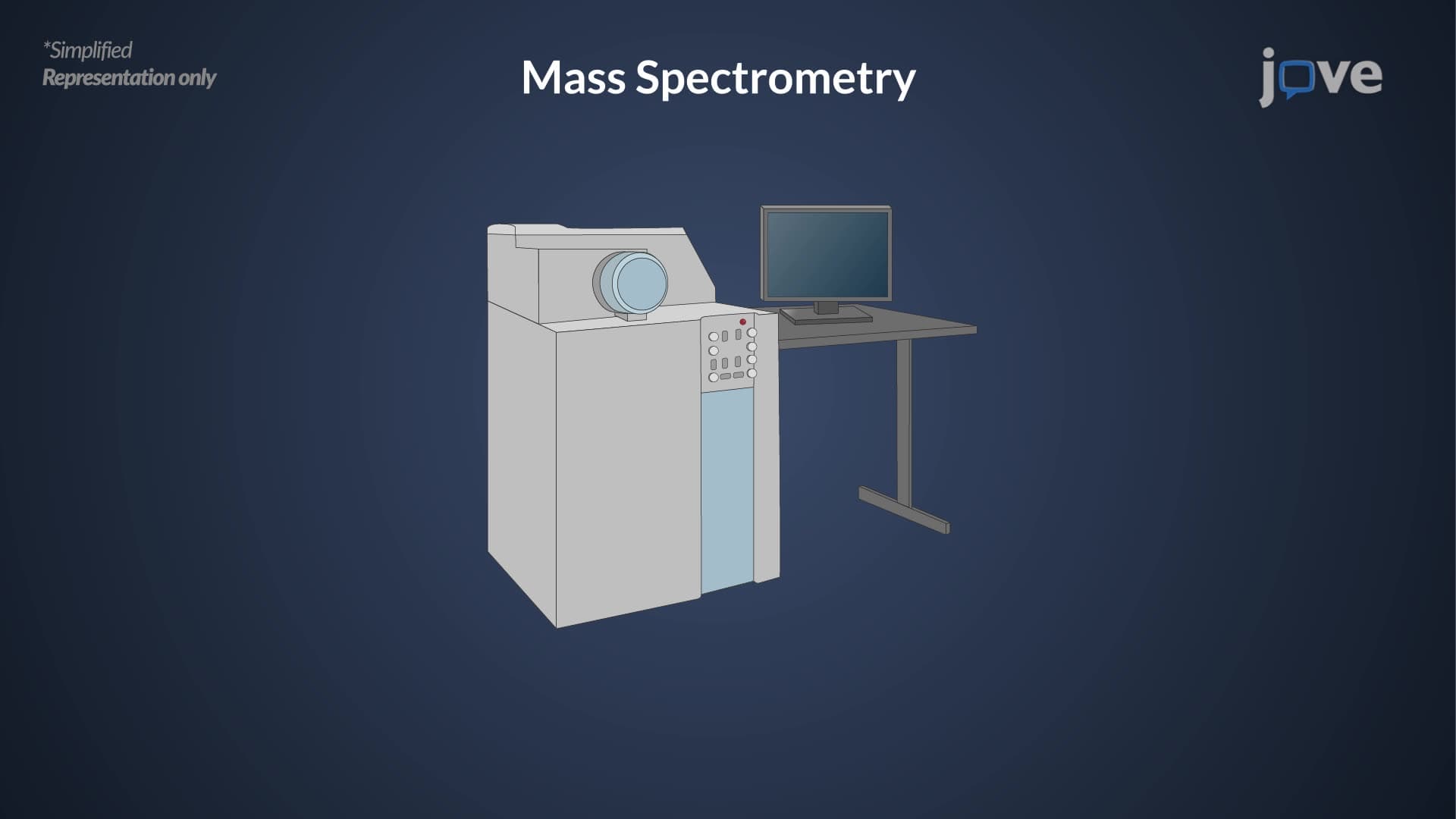
Mass spectrometers are sophisticated analytical instruments that identify and quantify molecules by measuring their mass-to-charge ratio (m/z). These powerful tools have revolutionized fields from drug discovery to environmental monitoring, making them essential equipment in laboratories across the United States. At their core, mass spectrometers operate through three sequential processes: ionization of sample molecules, separation of the resulting ions, and detection of these separated fragments.
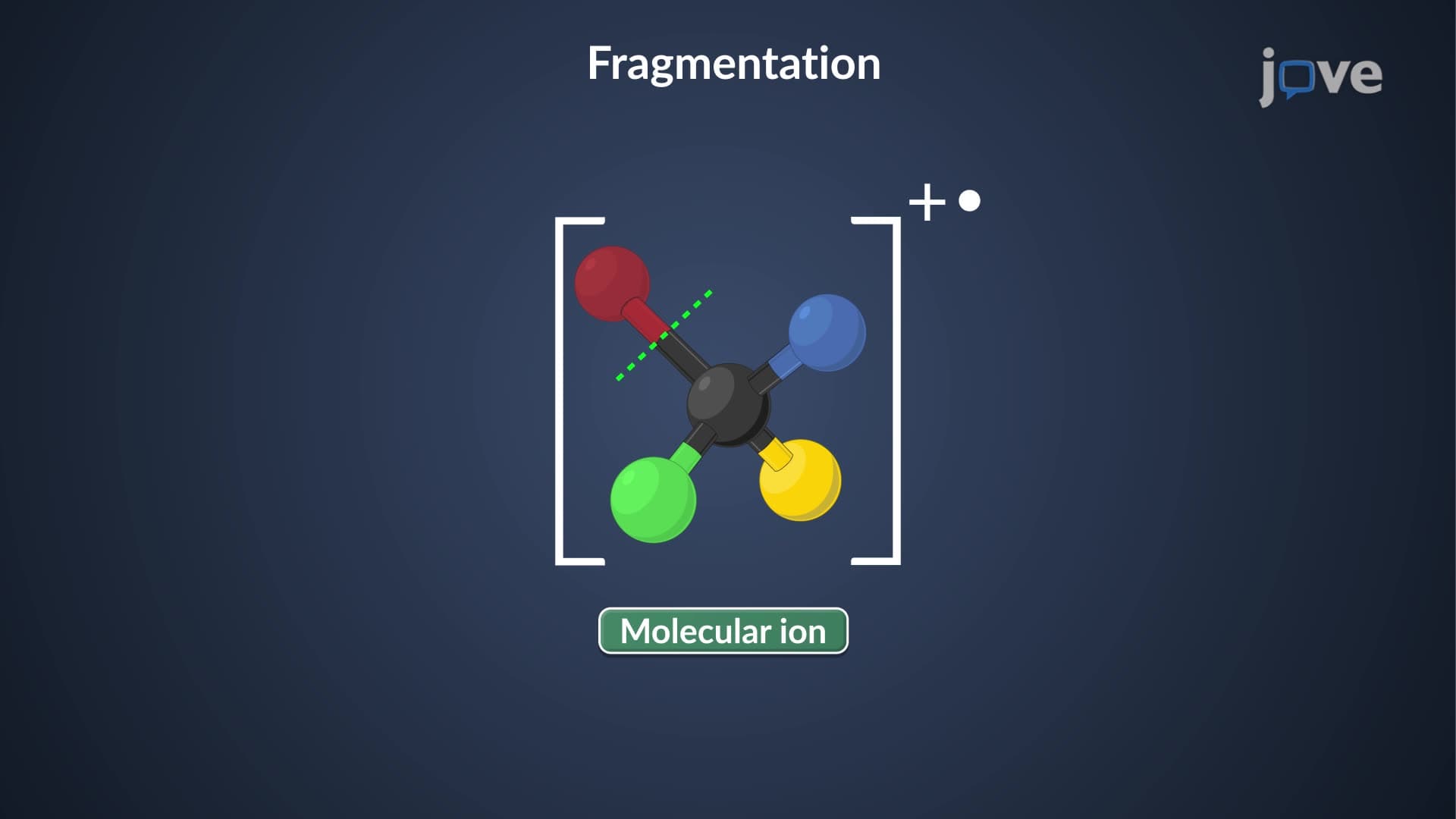
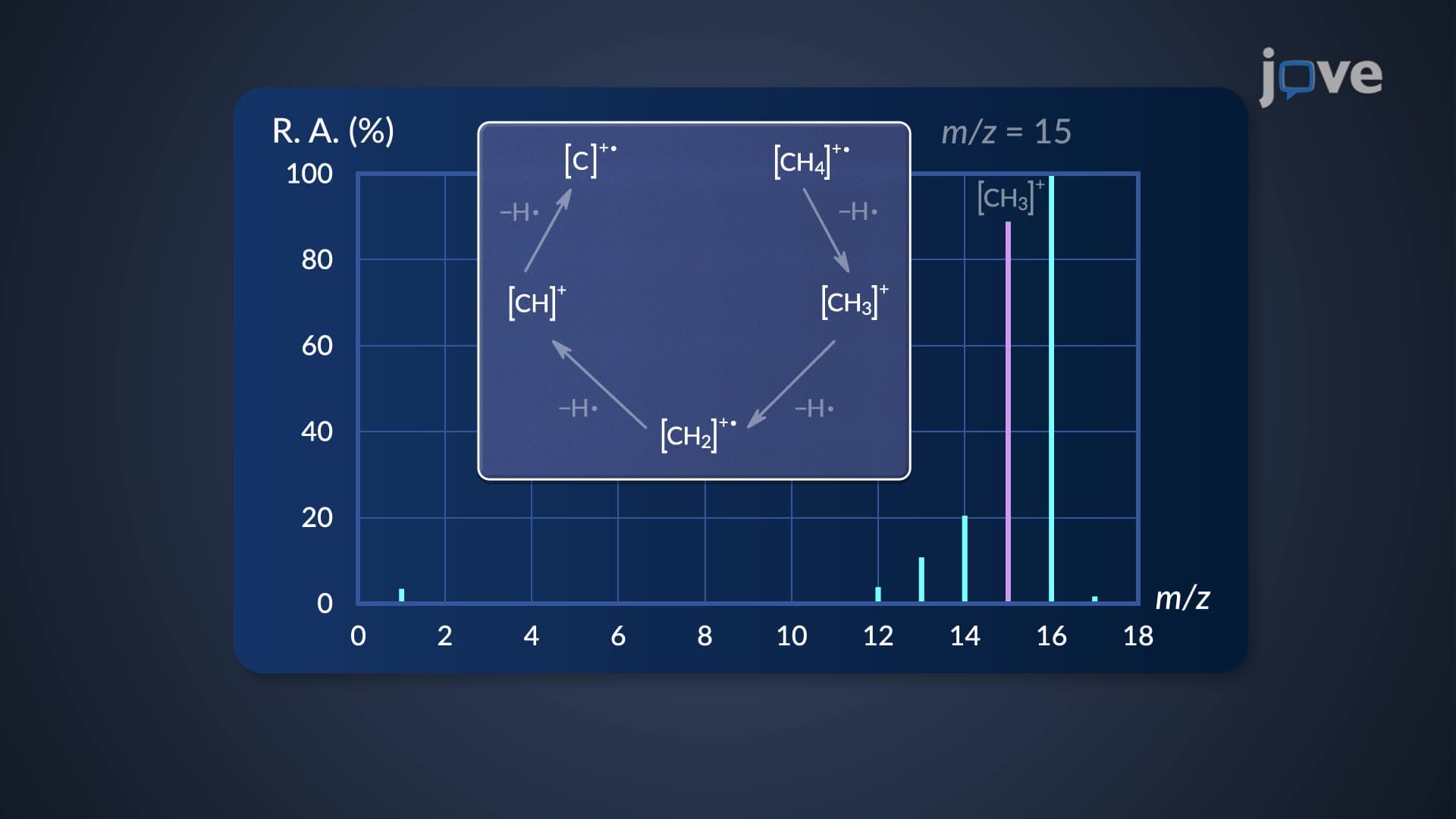
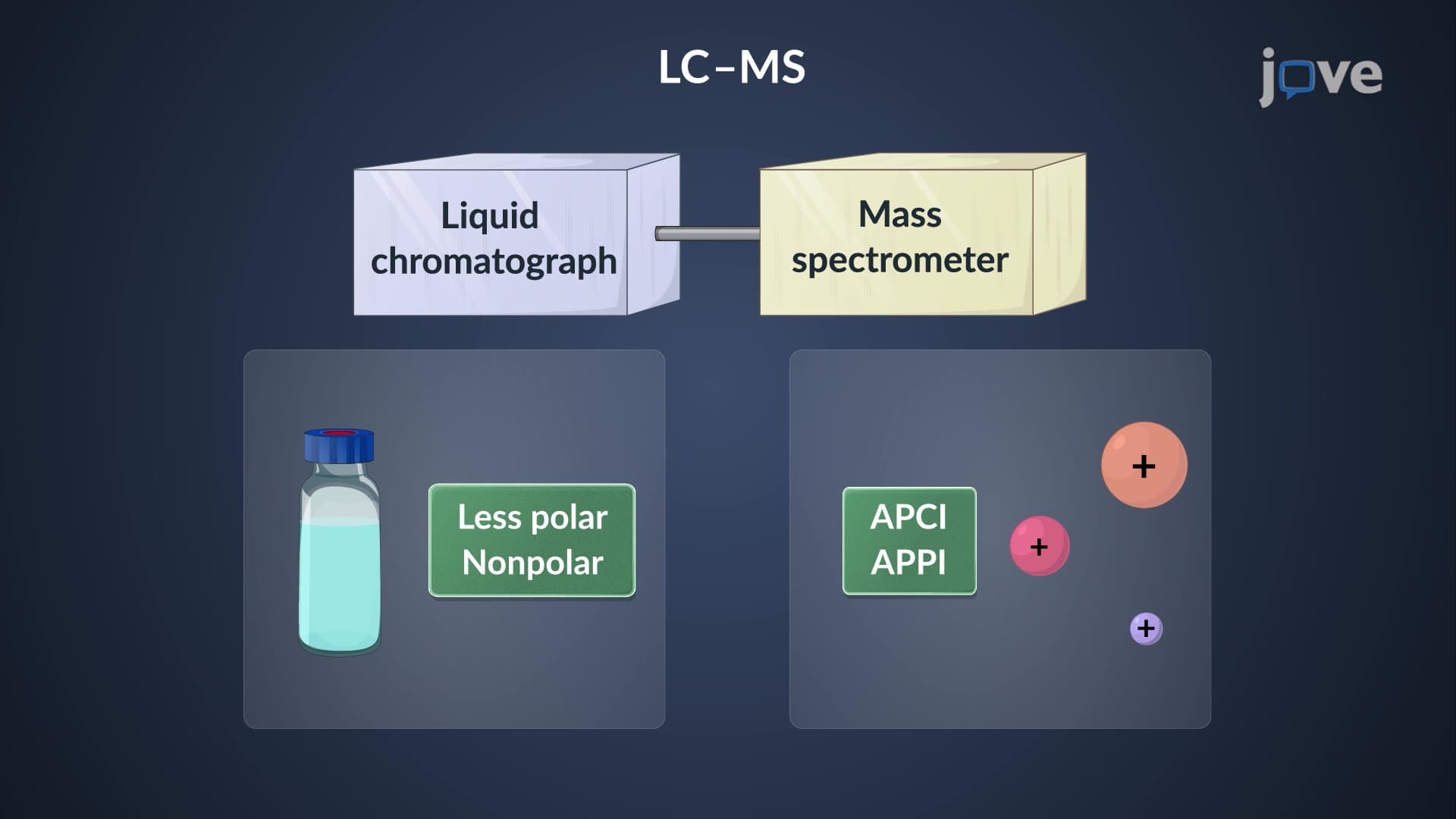
The ionization process varies significantly among different types of mass spectrometers. Electron ionization (EI), the method described in our foundational example, bombards vaporized samples with high-energy electrons, creating radical cations that rapidly fragment. However, modern laboratories employ various ionization techniques depending on their analytical needs. Electrospray ionization (ESI) gently ionizes large biomolecules like proteins without extensive fragmentation, making it ideal for pharmaceutical research. Matrix-assisted laser desorption/ionization (MALDI) uses laser energy to ionize samples embedded in a protective matrix, particularly valuable for analyzing polymers and biological macromolecules.
The heart of any mass spectrometer lies in its analyzer, which separates ions based on their physical properties. Quadrupole mass spectrometers use oscillating electric fields to filter ions, allowing only specific m/z ratios to reach the detector at any given time. These instruments excel in targeted analysis and are commonly found in clinical laboratories testing blood samples. Time of flight mass spectrometers measure how long ions take to travel a fixed distance, with lighter ions arriving at the detector first. This technology offers exceptional mass accuracy and is frequently used in proteomics research at institutions like the National Institutes of Health.
Ion trap mass spectrometers confine ions in three-dimensional space using electric fields, allowing for multiple stages of fragmentation (MS/MS analysis). This capability proves invaluable for structural elucidation in organic chemistry courses and pharmaceutical quality control. Magnetic sector MS instruments use powerful magnets to bend ion paths, providing high resolution and precision for isotope ratio analysis. The newer Orbitrap mass spectrometer technology traps ions in orbital motion around a central electrode, delivering ultra-high resolution data crucial for complex mixture analysis in environmental chemistry.
Students preparing for AP Chemistry exams frequently encounter mass spectrometry in molecular identification problems, while MCAT test-takers must understand how fragmentation patterns relate to molecular structure. In college organic chemistry laboratories, students use mass spectrometry data alongside NMR and IR spectroscopy to confirm compound identities. Professional applications span from quality control in pharmaceutical manufacturing to detecting trace contaminants in drinking water supplies across American cities.
Related Micro-courses