Loading subject page…


42,408 views

Video Summary: What Is Mass Spectrometry
Ever wondered how forensic scientists identify unknown substances in crime labs or how pharmaceutical companies ensure drug purity? Mass spectrometry basics reveal the molecular fingerprint of any compound by measuring its exact weight and structure. This powerful MS analytical technique works by ionizing molecules with high-energy electrons, then separating the resulting fragments by mass-much like how the FBI's crime labs use mass spectrometry to analyze trace evidence from crime scenes. What is Mass Spectrometry? becomes clear when you see how this method reconstructs molecular identity from fragmented pieces. Watch the full video on JoVE Coach to master this concept with expert-led visuals and step-by-step explanations.
Mass spectrometry definition and uses center on a deceptively simple principle: break molecules apart and weigh the pieces to identify the whole. This mass spectrometer principle revolutionized analytical chemistry by providing molecular-level identification with extraordinary precision. Unlike other analytical methods that might only suggest what's present, ionization mass spectrometry definitively identifies compounds by their unique fragmentation patterns-like molecular fingerprints that never lie.
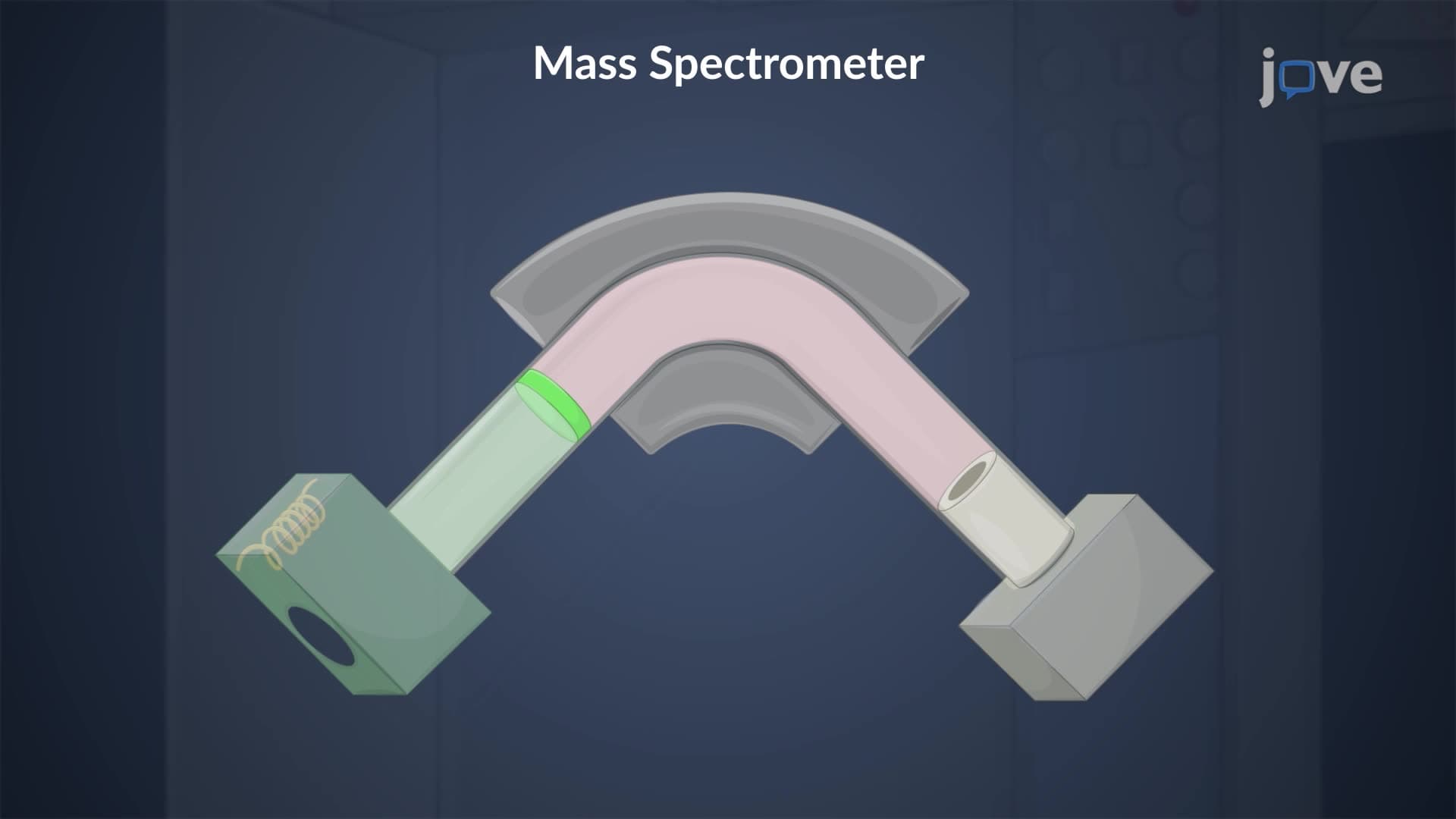
The magic begins with ionization, where neutral molecules transform into charged species that can be manipulated by electromagnetic fields. Molecular weight determination MS starts when high-energy electrons bombard sample molecules, ejecting electrons to create radical cations with a +1 charge. These parent molecular ions retain nearly identical mass to the original molecule since electron mass is negligible-a crucial concept tested on AP Chemistry and MCAT exams.
Alternative ionization methods serve different purposes: chemical ionization provides gentler fragmentation for delicate biomolecules, while electrospray ionization excels with large proteins and polymers. Each method appears frequently in college analytical chemistry coursework and standardized tests.
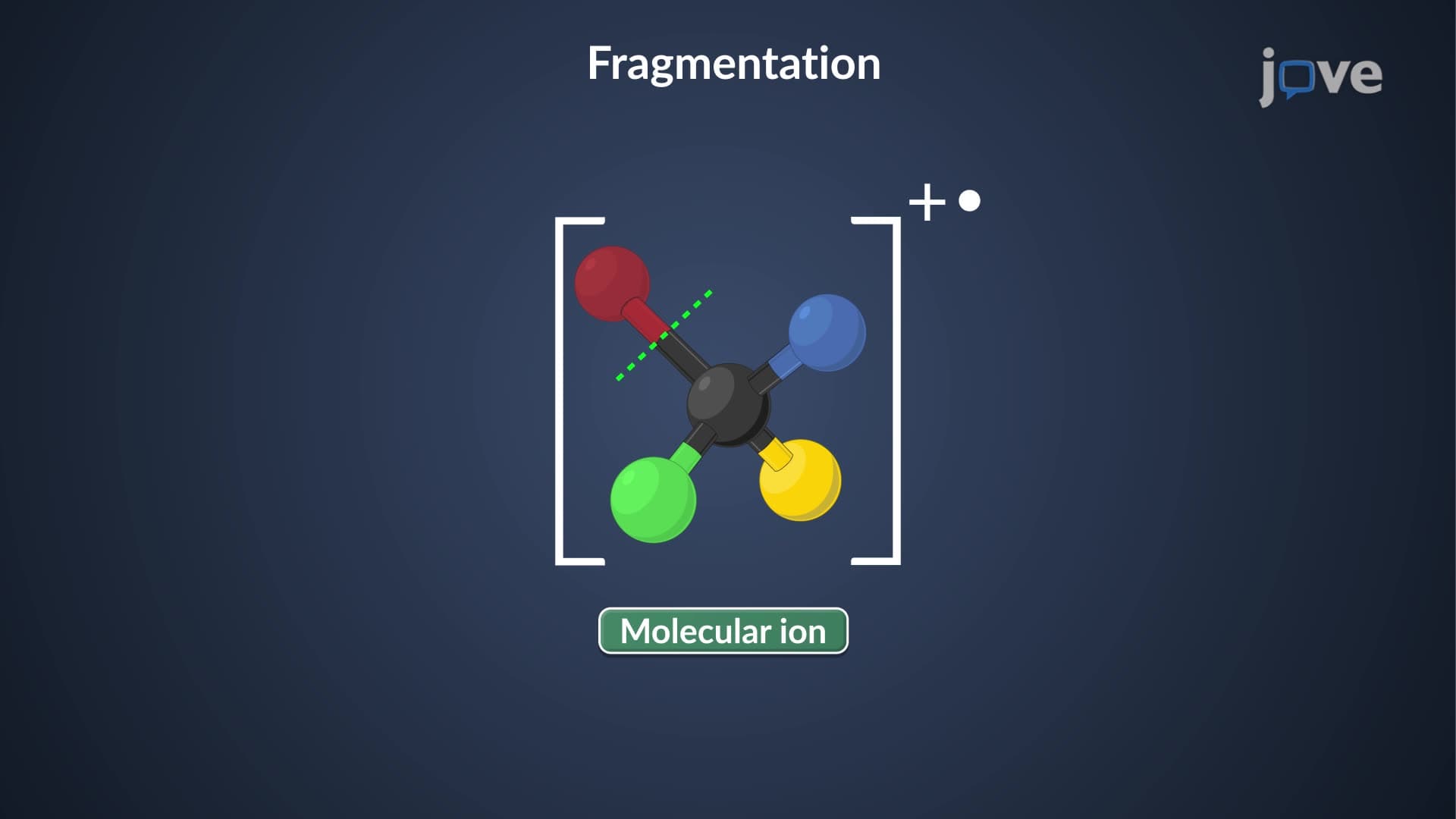
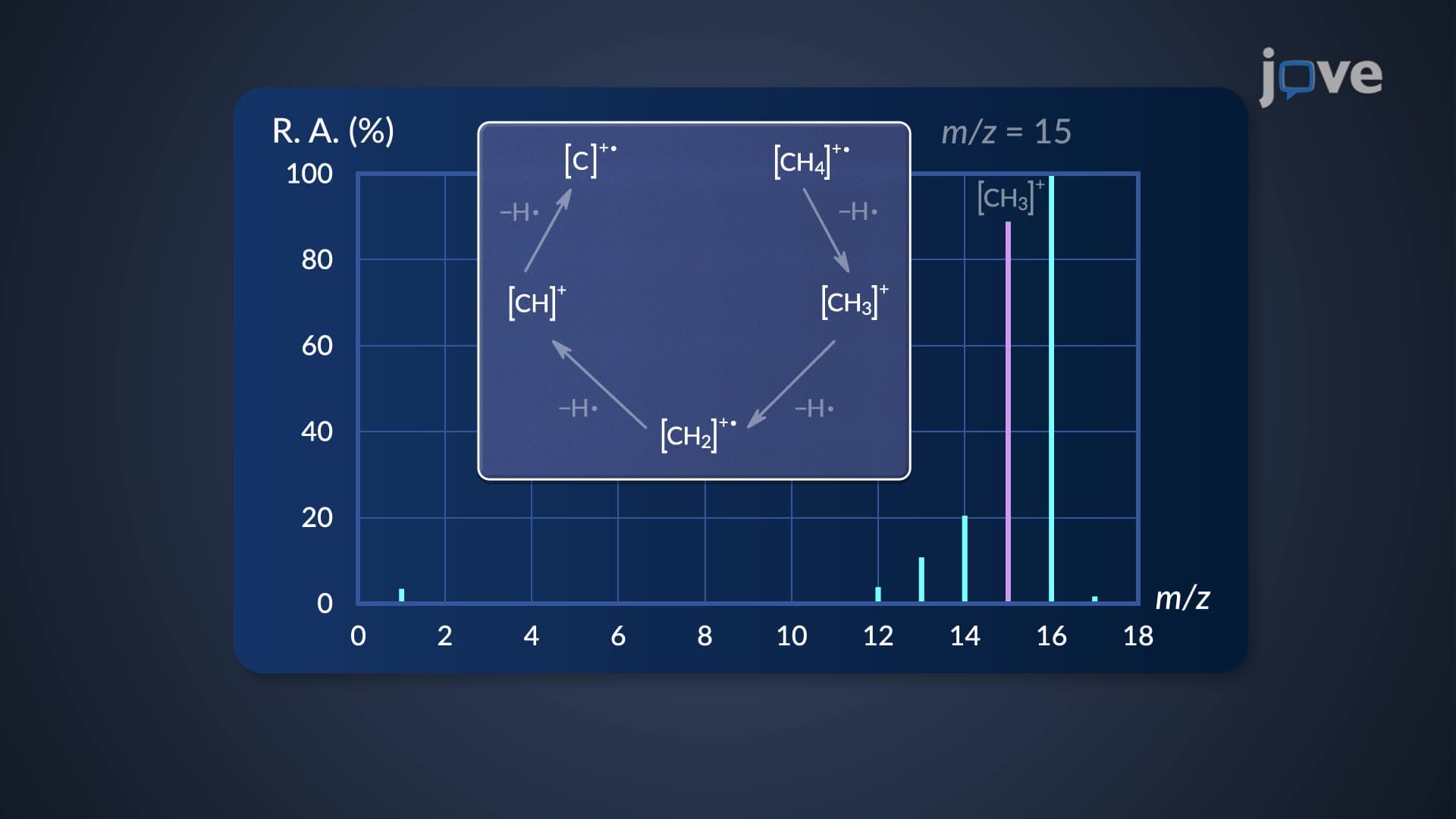
Once ionized, molecular stability decreases dramatically. The electron loss weakens specific bonds, causing predictable fragmentation at the most vulnerable sites. This MS analytical technique exploits the fact that molecules break apart systematically-stronger bonds survive while weaker ones cleave first, producing characteristic fragment patterns.
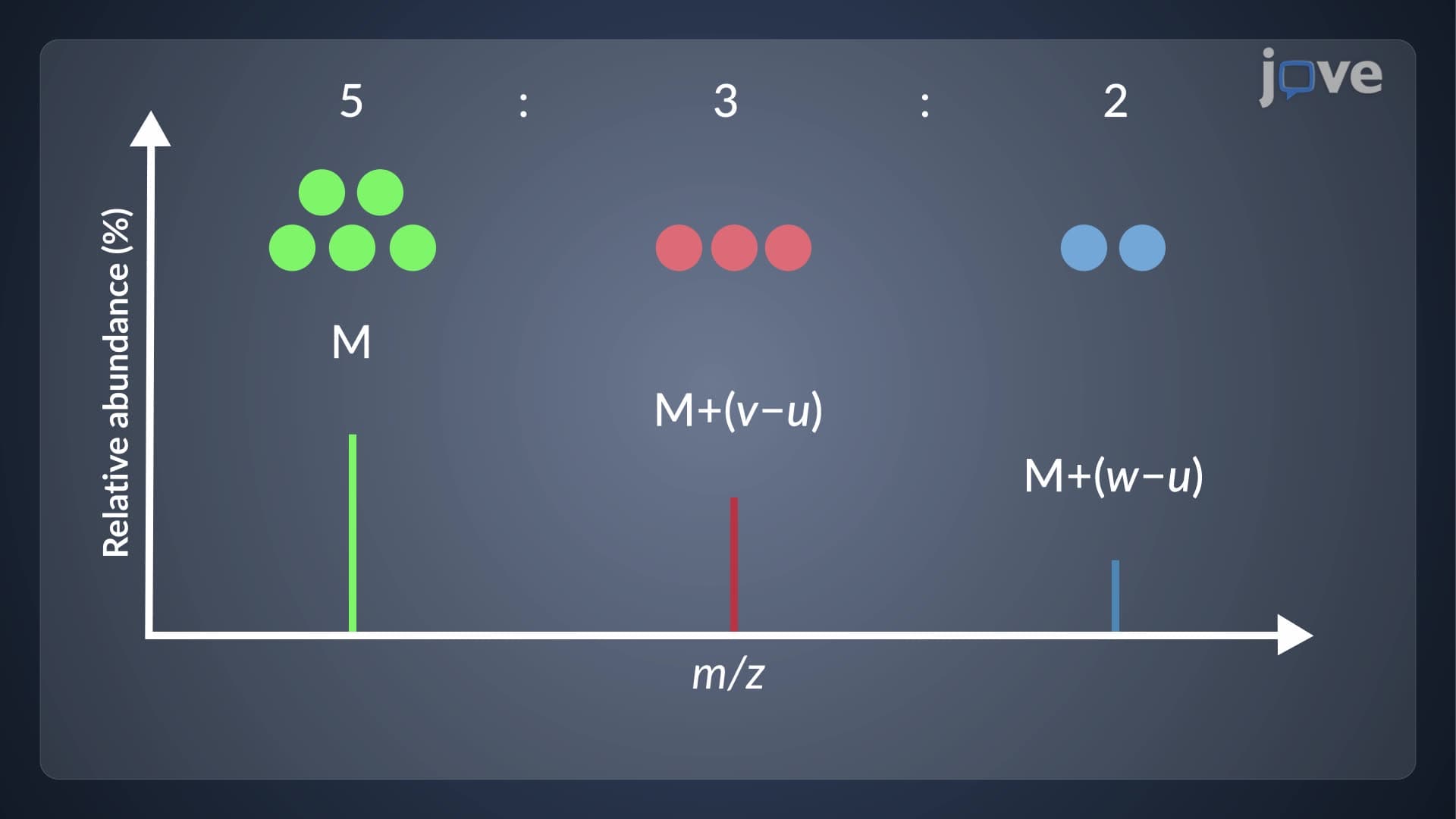
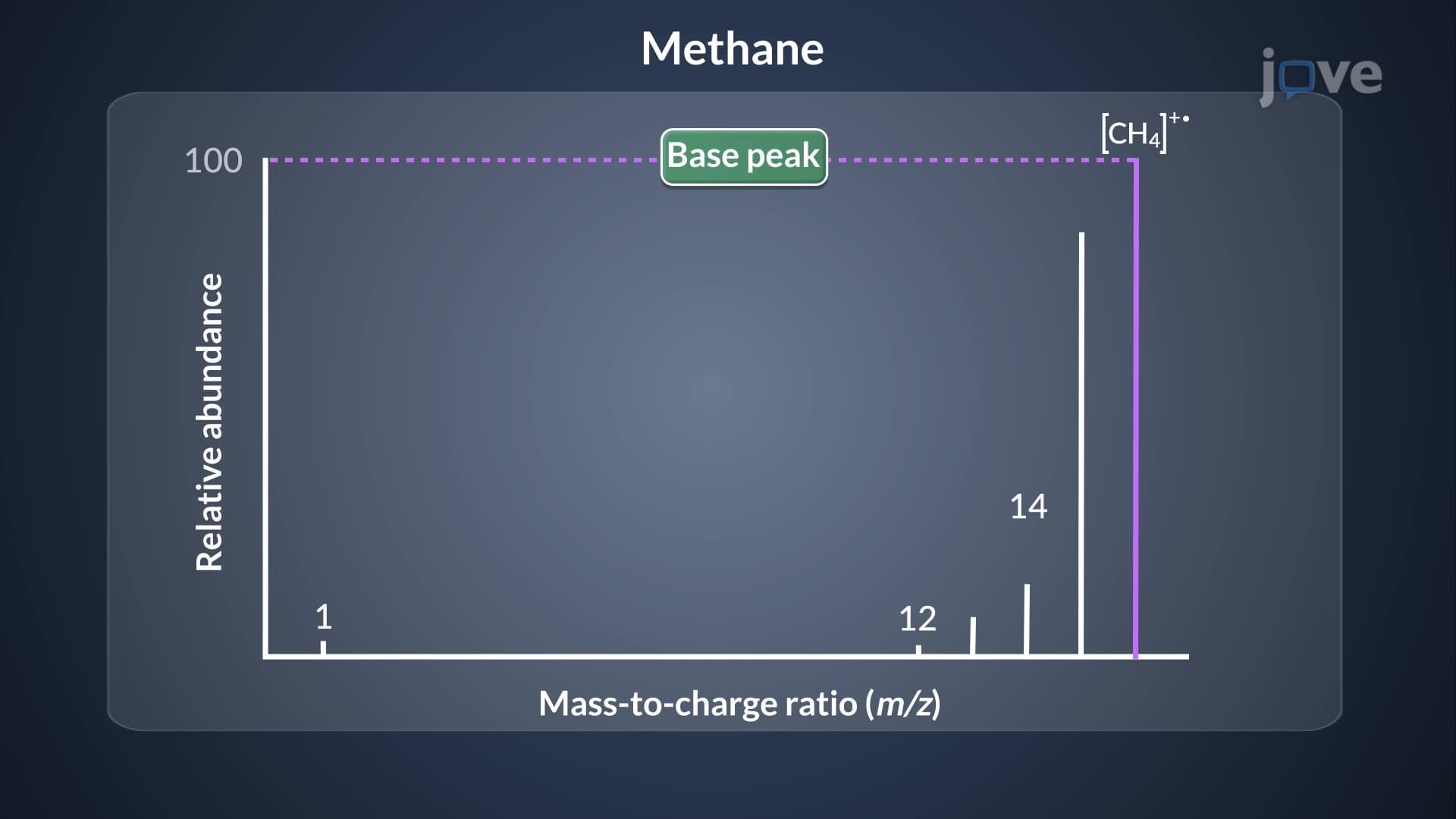
For example, when analyzing pharmaceutical compounds at FDA laboratories, mass spectrometry reveals impurities by comparing actual fragmentation patterns against pure reference standards. Each fragment's mass-to-charge ratio creates a unique spectrum that serves as molecular identification.
Mass spectrometry applications chemistry span from NASA's Mars rover analyzing soil composition to hospital labs identifying unknown toxins in emergency patients. College students encounter these principles in organic chemistry lab courses, where they interpret mass spectra to confirm synthetic product structures. MCAT test-takers must understand how molecular ion peaks relate to structural features-knowledge that directly applies in medical school biochemistry courses.
Related Micro-courses