Loading subject page…


42,407 views

Video Summary: What Is Mass Spectrometry Complex Analysis
Ever wondered how forensic scientists identify unknown drugs in complex crime scene samples? Mass spectrometry complex analysis combines separation techniques with mass spectrometry to decode intricate mixtures that would otherwise be impossible to analyze. The FDA uses these methods daily to ensure pharmaceutical purity and identify contaminants in food products. What is mass spectrometry complex analysis becomes clear when you see how GC-MS, LC-MS, and tandem MS work together to separate and identify thousands of compounds simultaneously. Watch the full video on JoVE Coach to master this concept with expert-led visuals and step-by-step explanations.
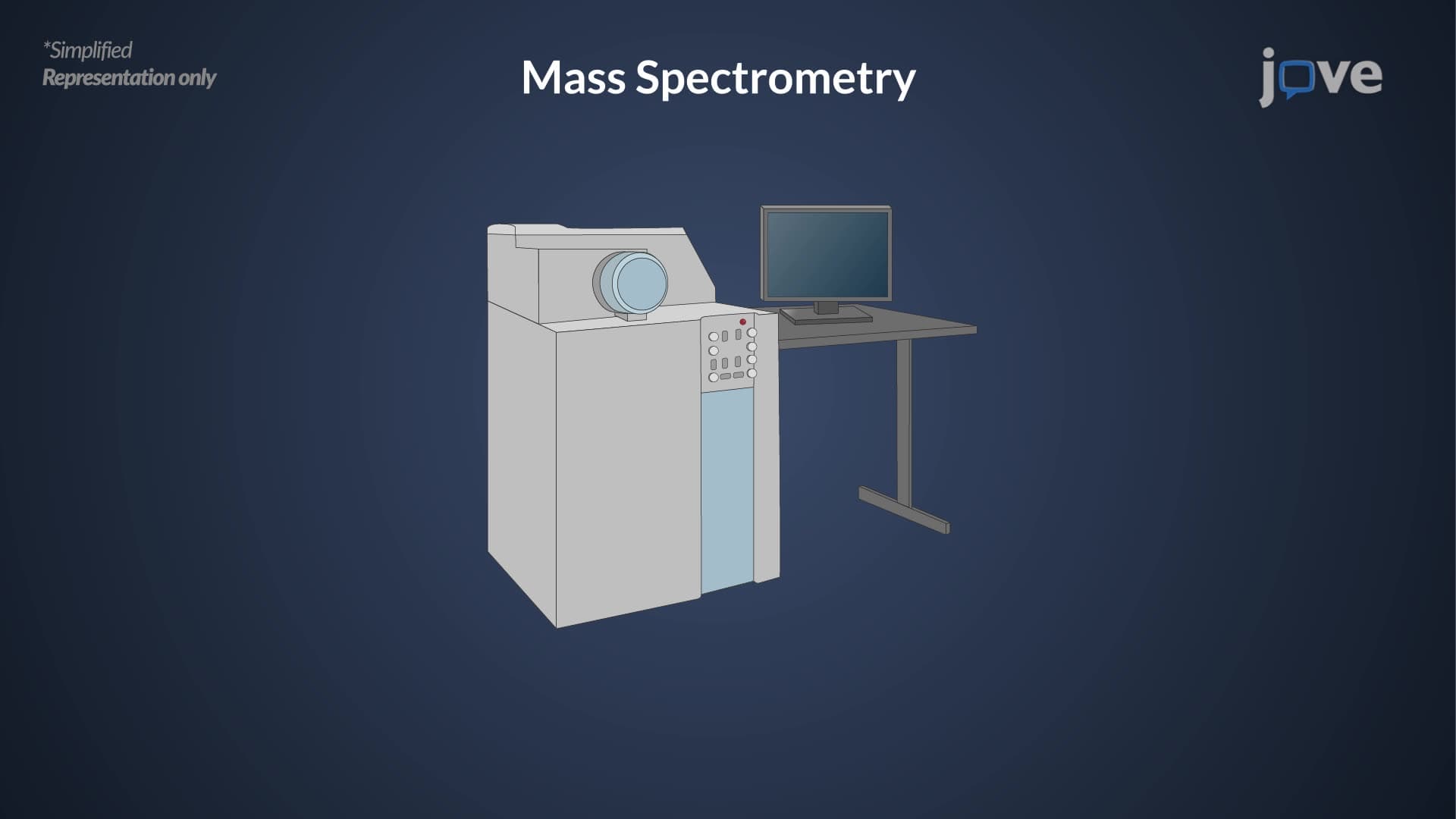
Mass spectrometry complex analysis represents a sophisticated analytical approach that tackles one of chemistry's greatest challenges: identifying individual components within intricate mixtures. Unlike simple mass spectrometry that analyzes pure compounds, this complex mixture MS method requires preliminary separation before mass analysis. The technique proves invaluable in scenarios where hundreds or thousands of compounds coexist, such as petroleum products, biological fluids, or environmental samples.
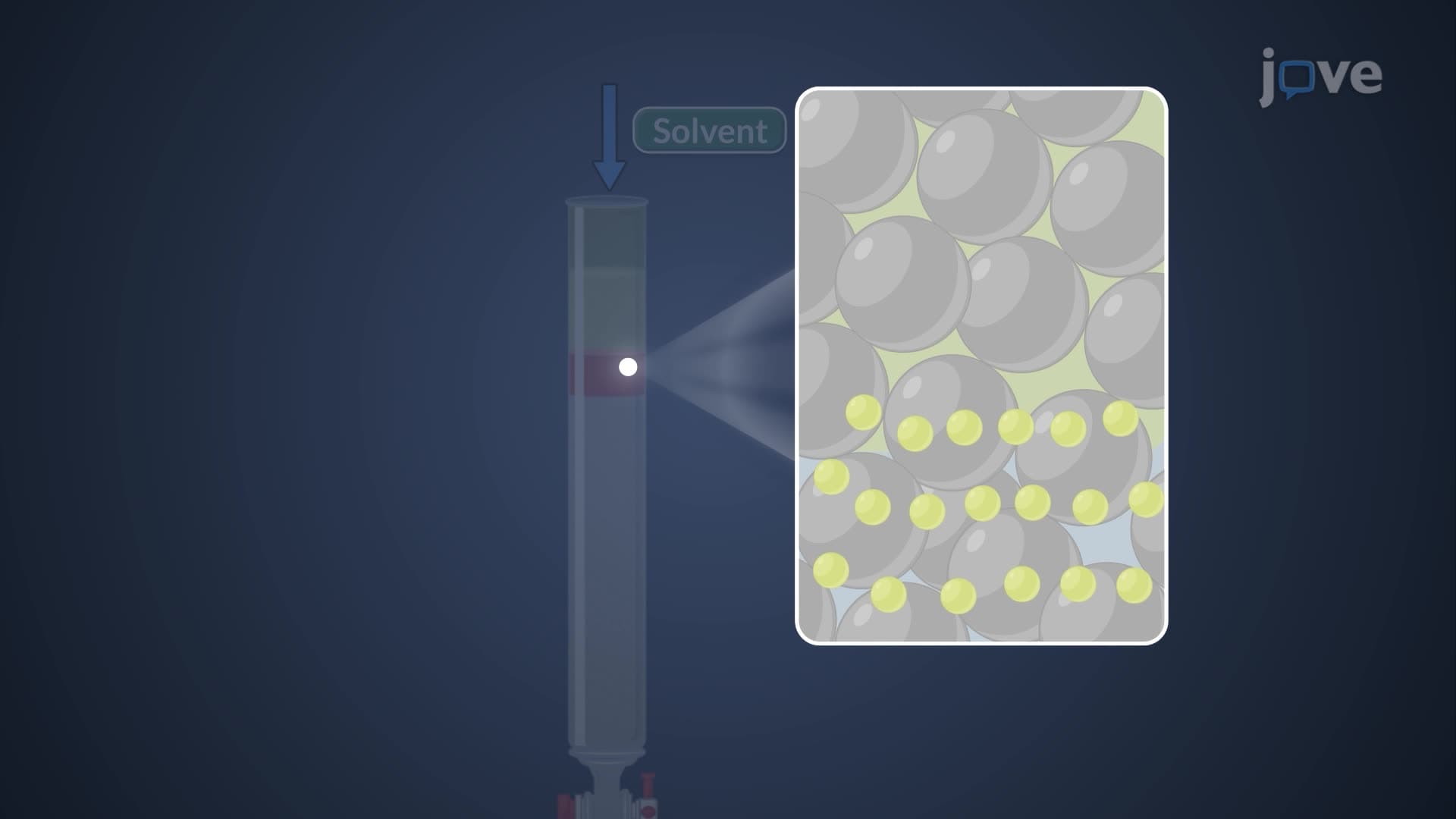
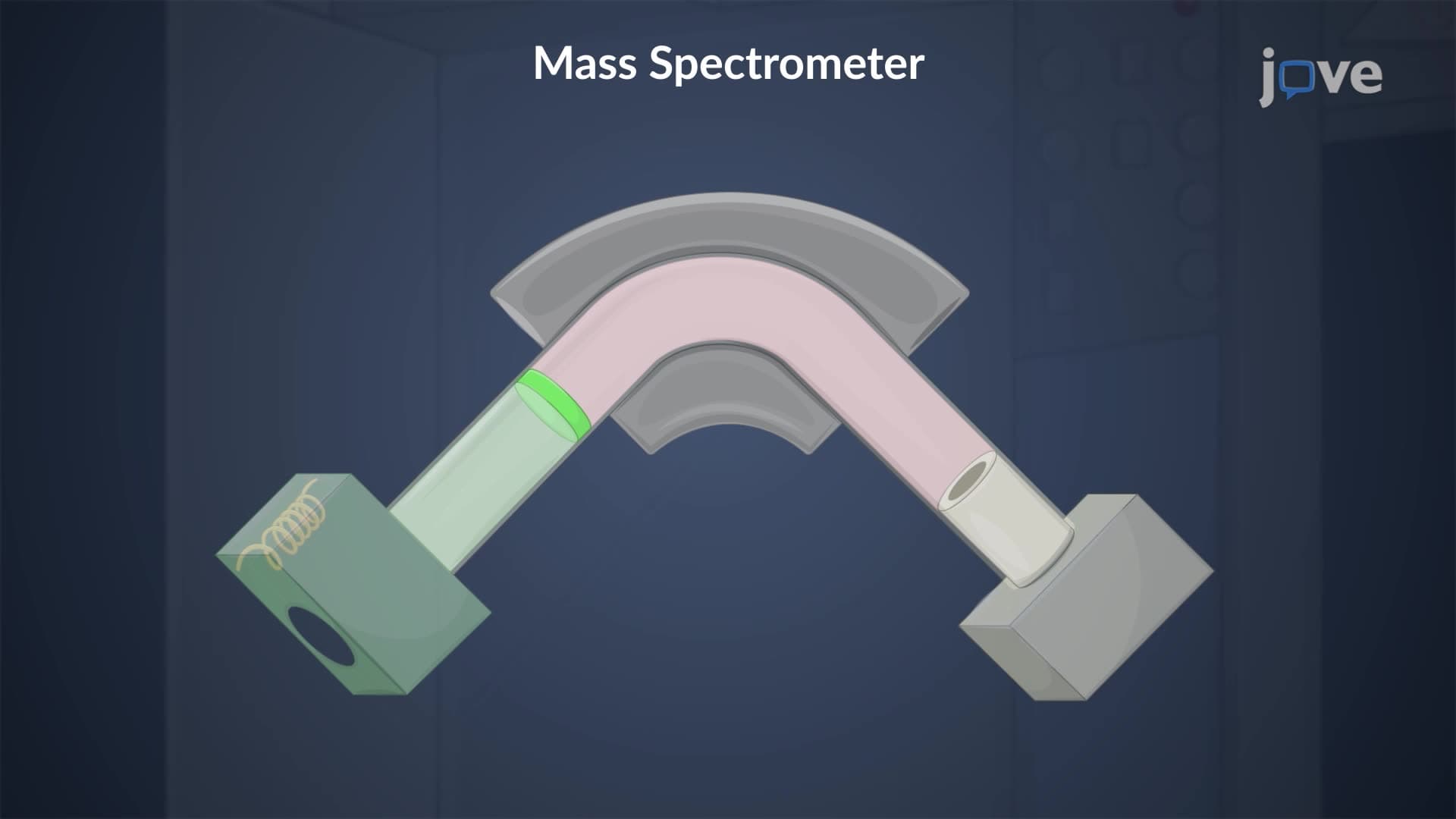
The foundation of this approach lies in hyphenated methods-analytical techniques that combine chromatographic separation with mass spectrometric detection. This partnership addresses the fundamental limitation of mass spectrometry: its inability to distinguish between compounds with identical masses but different chemical structures (isomers). Students preparing for AP Chemistry or college-level analytical chemistry courses should understand that separation occurs first, followed by ionization and mass analysis.
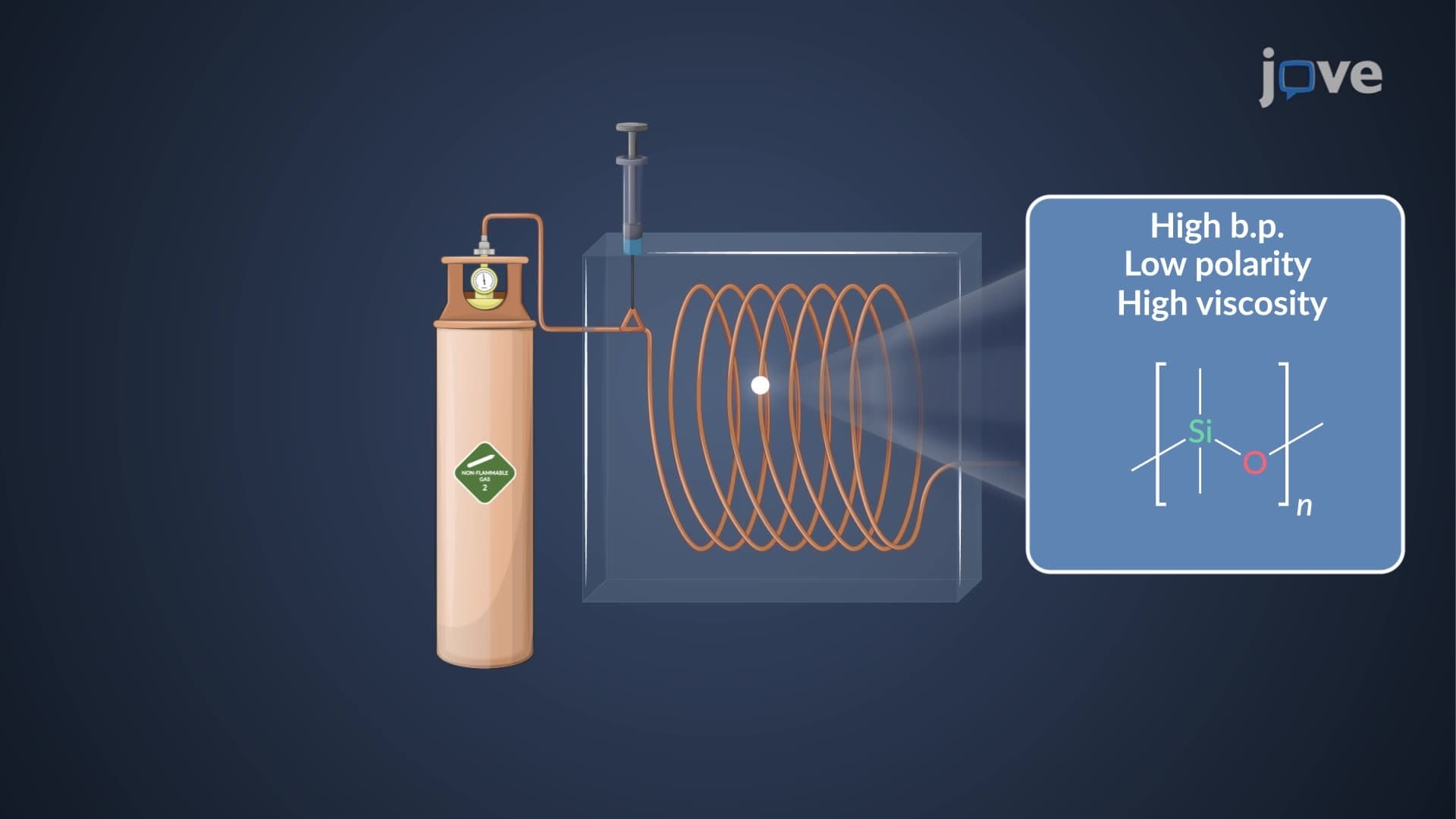
GC-MS dominates complex sample MS analysis for volatile, thermally stable compounds. The gas chromatograph separates mixture components based on their boiling points and interactions with the stationary phase, while the mass spectrometer provides molecular identification. The Environmental Protection Agency (EPA) mandates GC-MS for analyzing volatile organic compounds in drinking water, making this technique crucial for environmental monitoring.
In forensic laboratories across the United States, GC-MS identifies controlled substances, accelerants in arson investigations, and metabolites in toxicology cases. The technique excels with compounds that can be vaporized without decomposition, typically molecular weights below 500 daltons. Students should note that sample volatility determines GC-MS applicability-a concept frequently tested on MCAT practice exams.
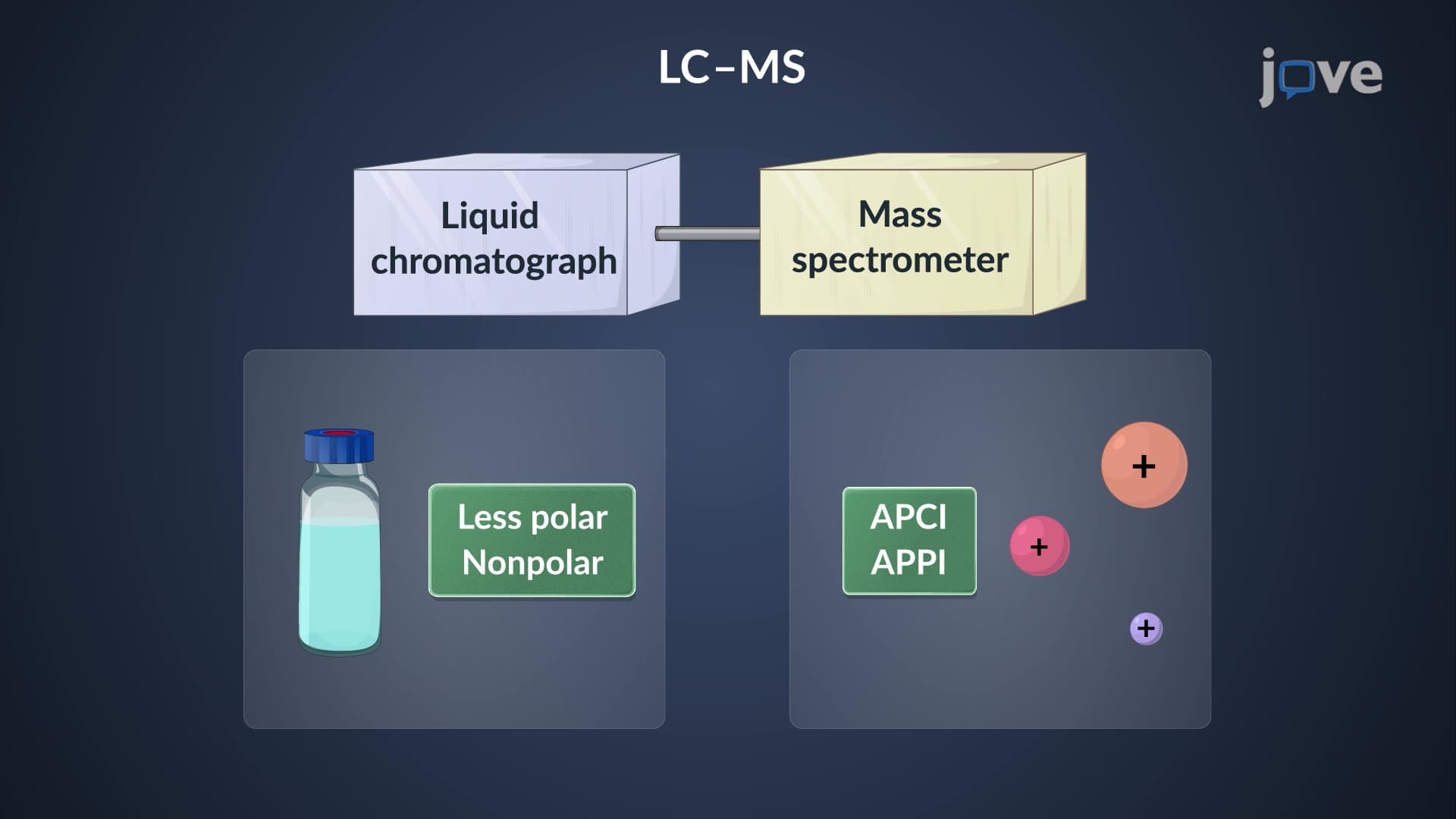
When analyzing how mass spectrometry analyzes complex mixtures containing polar, ionic, or thermally labile compounds, LC-MS becomes the method of choice. Unlike GC-MS, liquid chromatography operates at ambient temperatures, preserving fragile molecular structures. Electrospray ionization transforms liquid-phase analytes into gas-phase ions suitable for mass analysis.
Pharmaceutical companies rely heavily on LC-MS for drug development and quality control. The FDA requires LC-MS analysis for many drug approval processes, particularly for biologics and complex drug formulations. Clinical laboratories use LC-MS to measure hormones, vitamins, and therapeutic drugs in patient samples. This versatility makes LC-MS knowledge essential for students pursuing careers in medicine, pharmacy, or biochemistry.
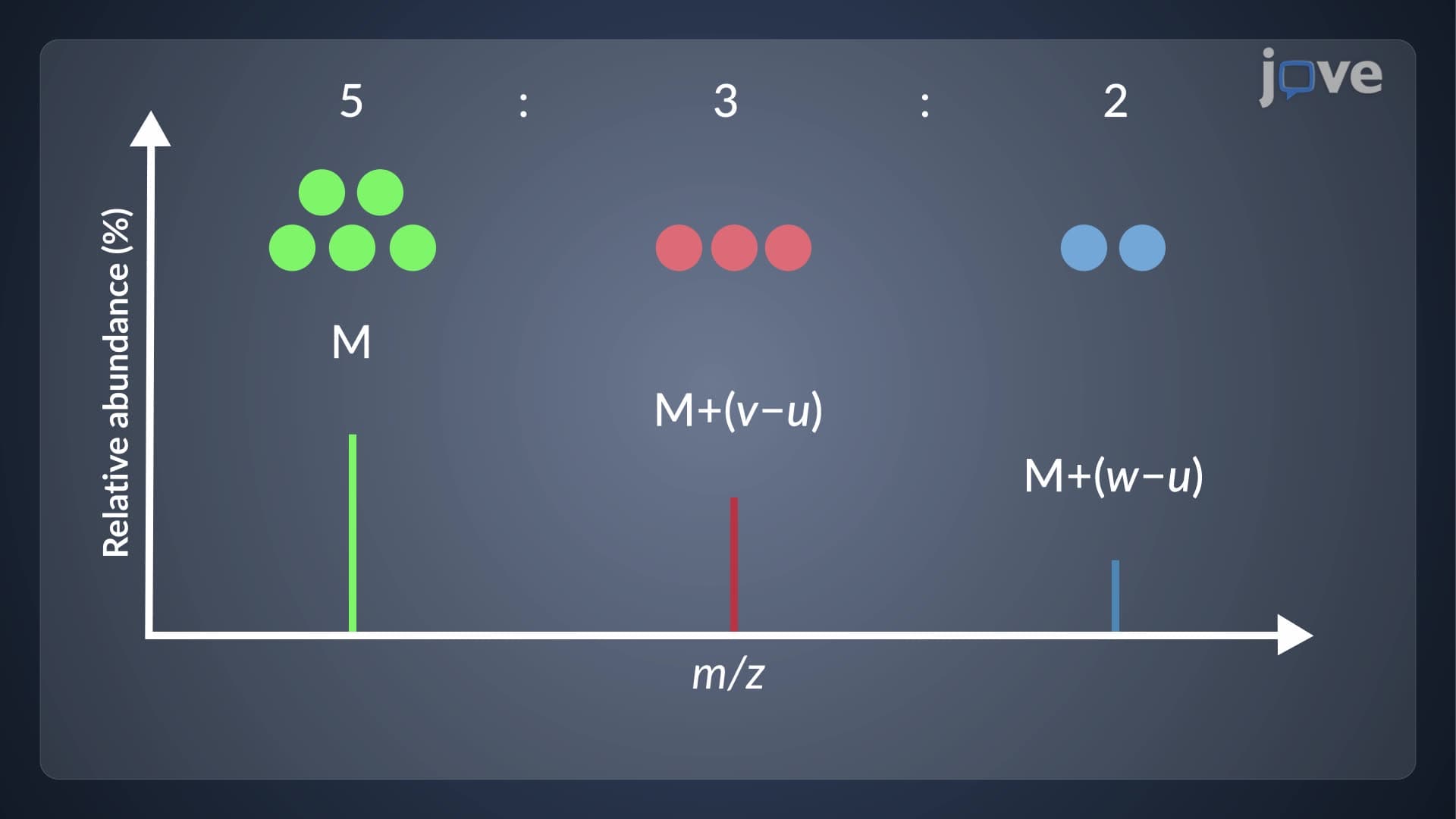
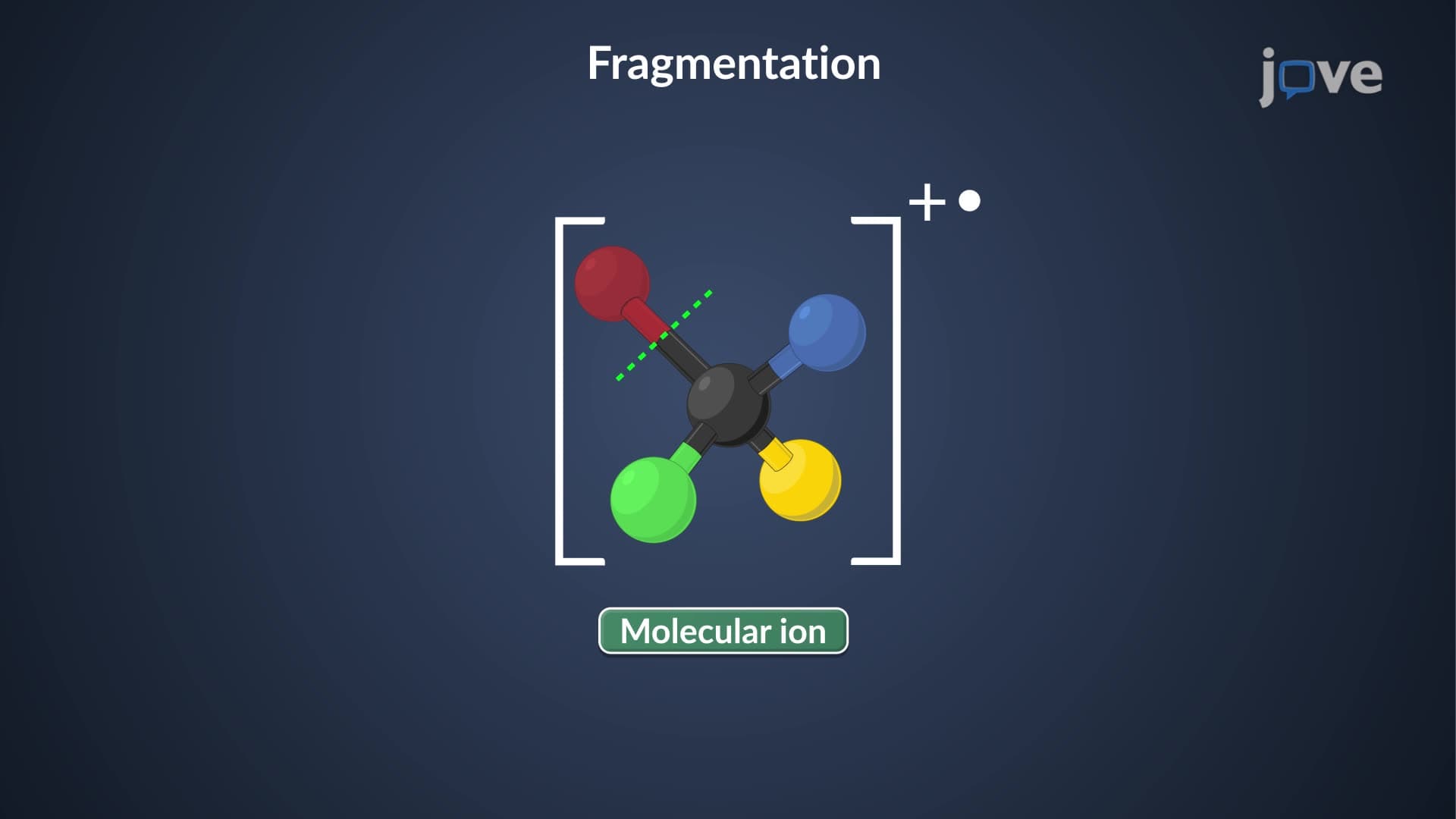
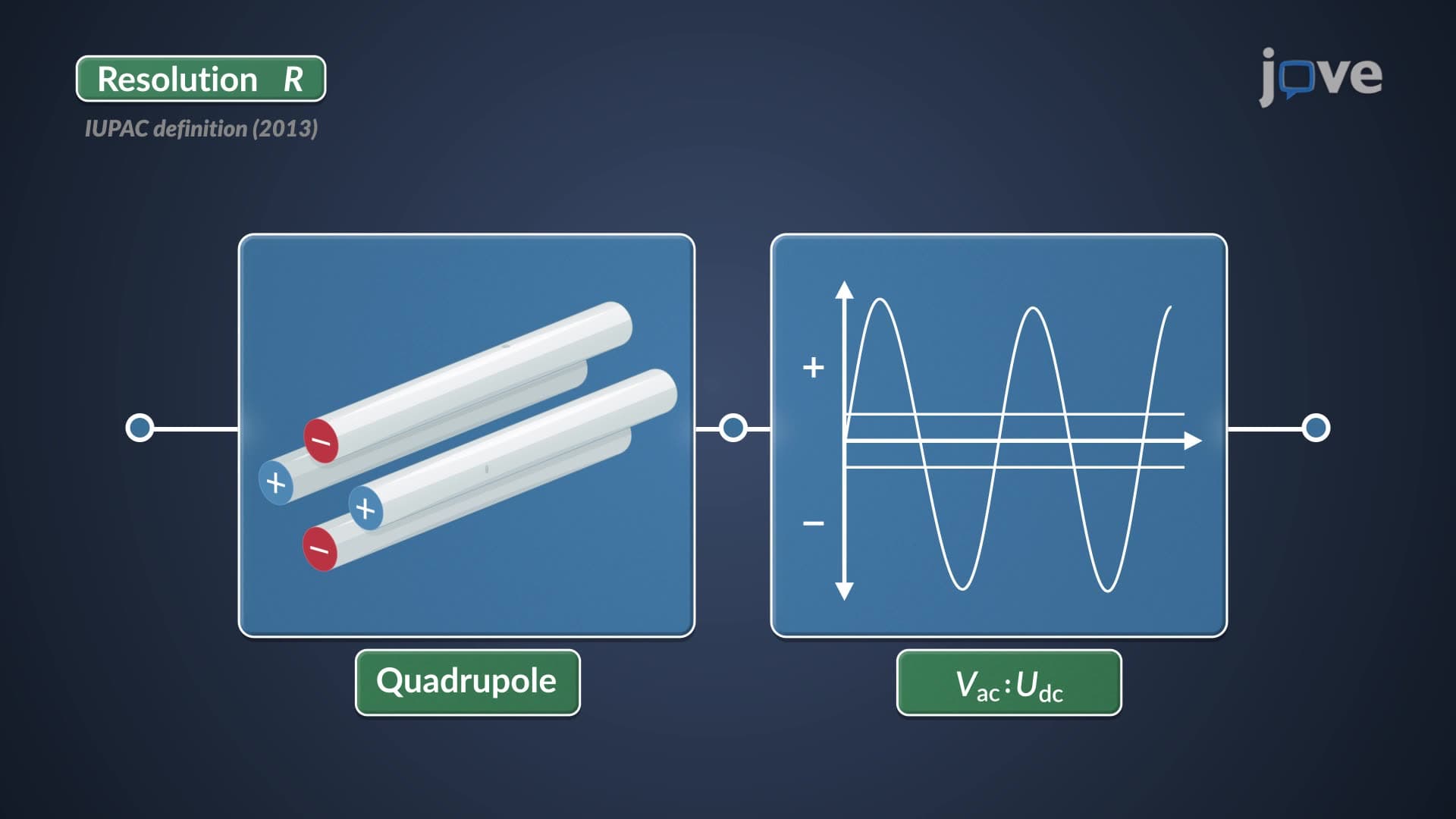
Tandem mass spectrometry (MS/MS) represents the pinnacle of complex matrix MS technique development. This approach employs two mass analyzers in sequence, enabling unprecedented selectivity and sensitivity. The first analyzer selects specific ions, which undergo fragmentation, while the second analyzer identifies the resulting fragments. This process occurs in milliseconds, dramatically faster than chromatographic separation.
Proteomics mass spectrometry and MS metabolomics analysis extensively utilize tandem methods. Research institutions like the National Institutes of Health employ these techniques to identify disease biomarkers and understand metabolic pathways. Environmental MS analysis benefits from tandem approaches when detecting trace contaminants in complex matrices like soil or sediment samples.
Related Micro-courses