Loading subject page…


42,410 views

Video Summary: What Is Mass Spectrometry Molecular Fragmentation
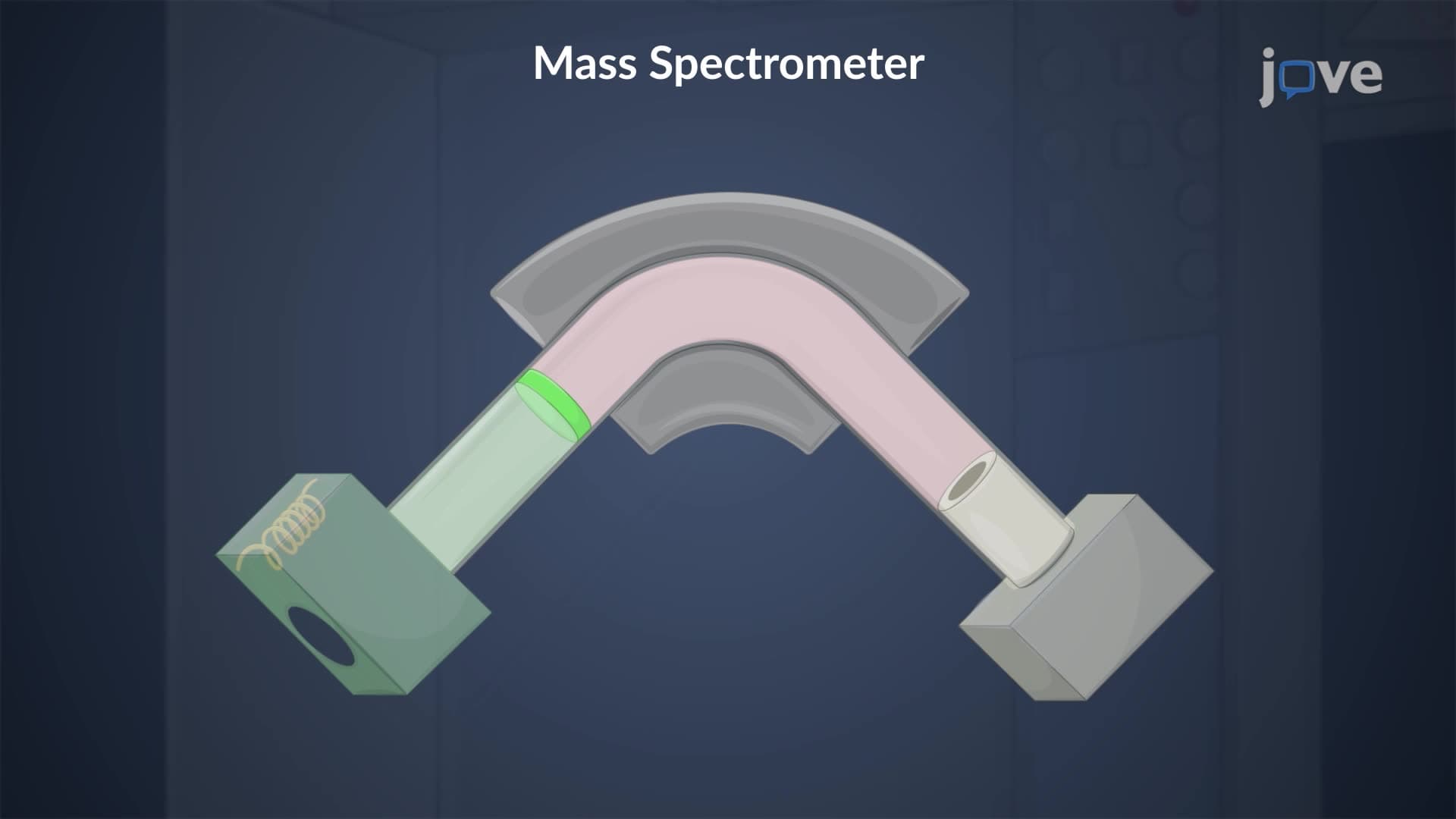
Ever wonder how forensic scientists at the FBI identify unknown substances in crime scene evidence? Molecular fragmentation mass spectrometry breaks molecules into predictable pieces, creating unique "fingerprints" that help identify everything from illegal drugs to explosive residues. Understanding what is mass spectrometry molecular fragmentation reveals how ionized molecules split along their weakest bonds, generating distinctive patterns that analysts use for identification. Watch the full video on JoVE Coach to master this concept with expert-led visuals and step-by-step explanations.
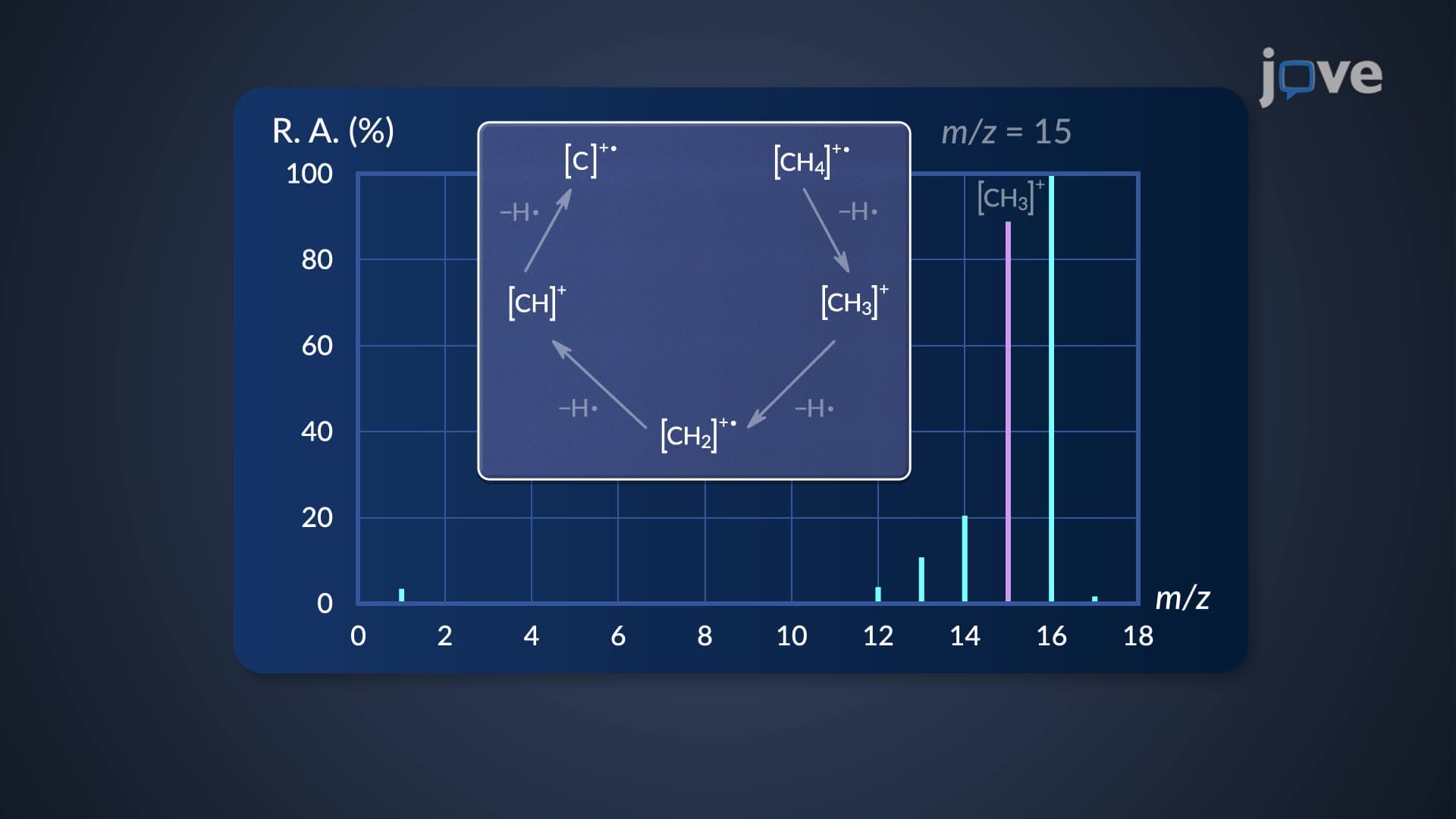
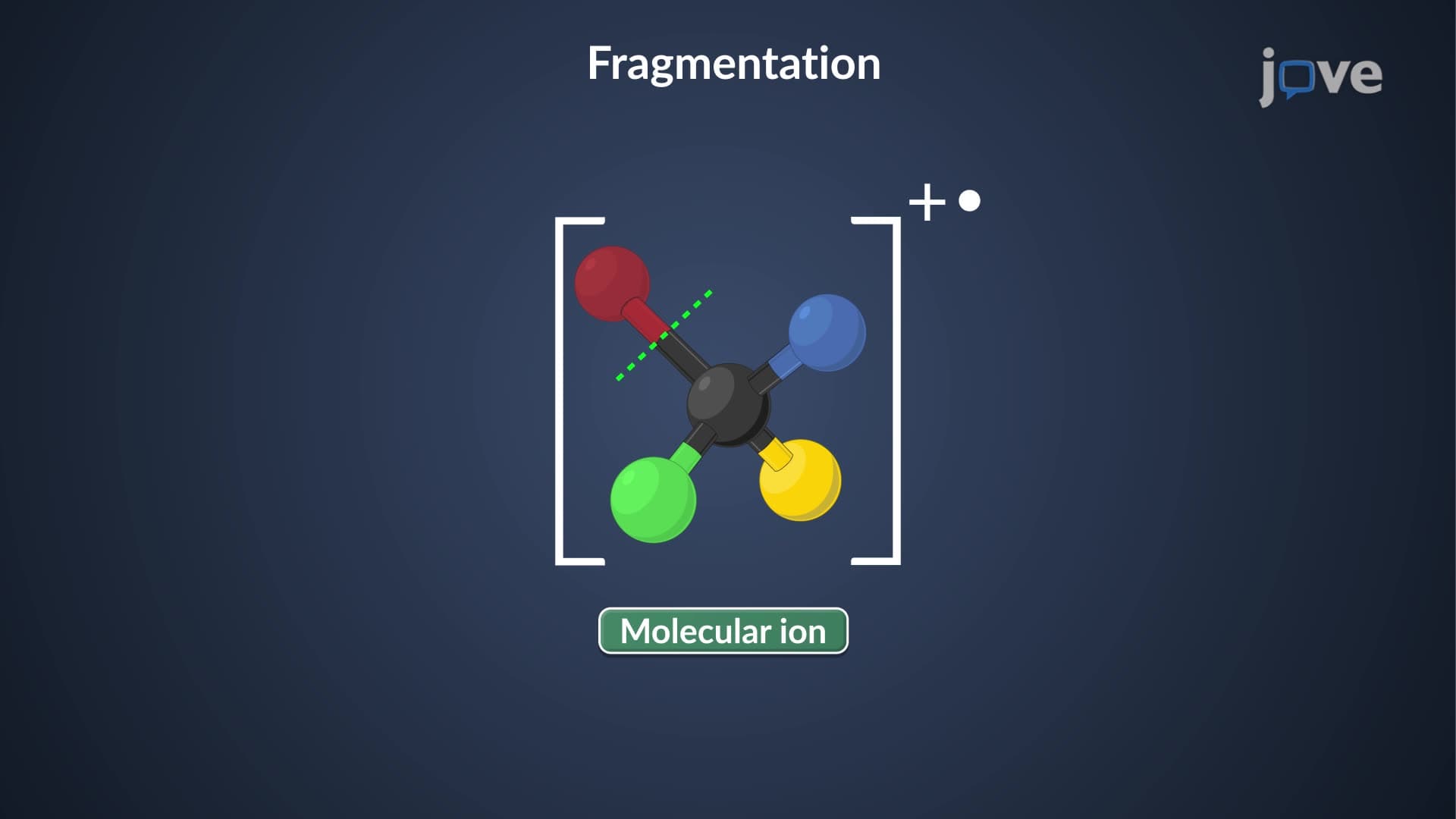
What is mass spectrometry molecular fragmentation? This process begins when molecules lose electrons during ionization, creating unstable molecular ions. These charged species contain weakened chemical bonds that subsequently break, producing smaller, more stable fragments. The fragmentation process follows predictable pathways governed by organic chemistry principles, making it invaluable for structural identification.
Fragmentation patterns mass spectrometry reveals several recurring mechanisms. Alpha cleavage occurs adjacent to heteroatoms or functional groups, while McLafferty rearrangement involves six-membered ring transition states in carbonyl compounds. Benzylic and allylic cleavages produce resonance-stabilized carbocations, explaining why these fragments appear prominently in mass spectra.
Consider pentane fragmentation: cleavage between carbons 2 and 3 generates a secondary carbocation (more stable) rather than breaking the terminal C-C bond, which would produce a less stable primary carbocation. This selectivity exemplifies how thermodynamic stability drives fragmentation preferences.
How molecules fragment in mass spectrometry depends on bond strength and product stability. Single-bond cleavage generates one cation and one radical, with the charge typically remaining on the more stable fragment. Two-bond cleavage, common in alcohols, eliminates neutral molecules like water or formaldehyde while producing radical cations.
The presence of pi bonds or lone pairs dramatically influences fragmentation. Aromatic compounds undergo benzylic cleavage due to resonance stabilization, while carbonyl compounds favor alpha cleavage and McLafferty rearrangements. These patterns are so reliable that they form the basis of spectral databases used in pharmaceutical analysis.
Students encounter these concepts in AP Chemistry when studying organic reaction mechanisms, and the principles extend to college-level analytical chemistry courses. MCAT test-takers must understand carbocation stability and fragmentation patterns for organic chemistry sections. In practice, pharmaceutical companies use fragmentation analysis for drug metabolite identification, while environmental laboratories apply these techniques for pesticide residue analysis in food safety testing.
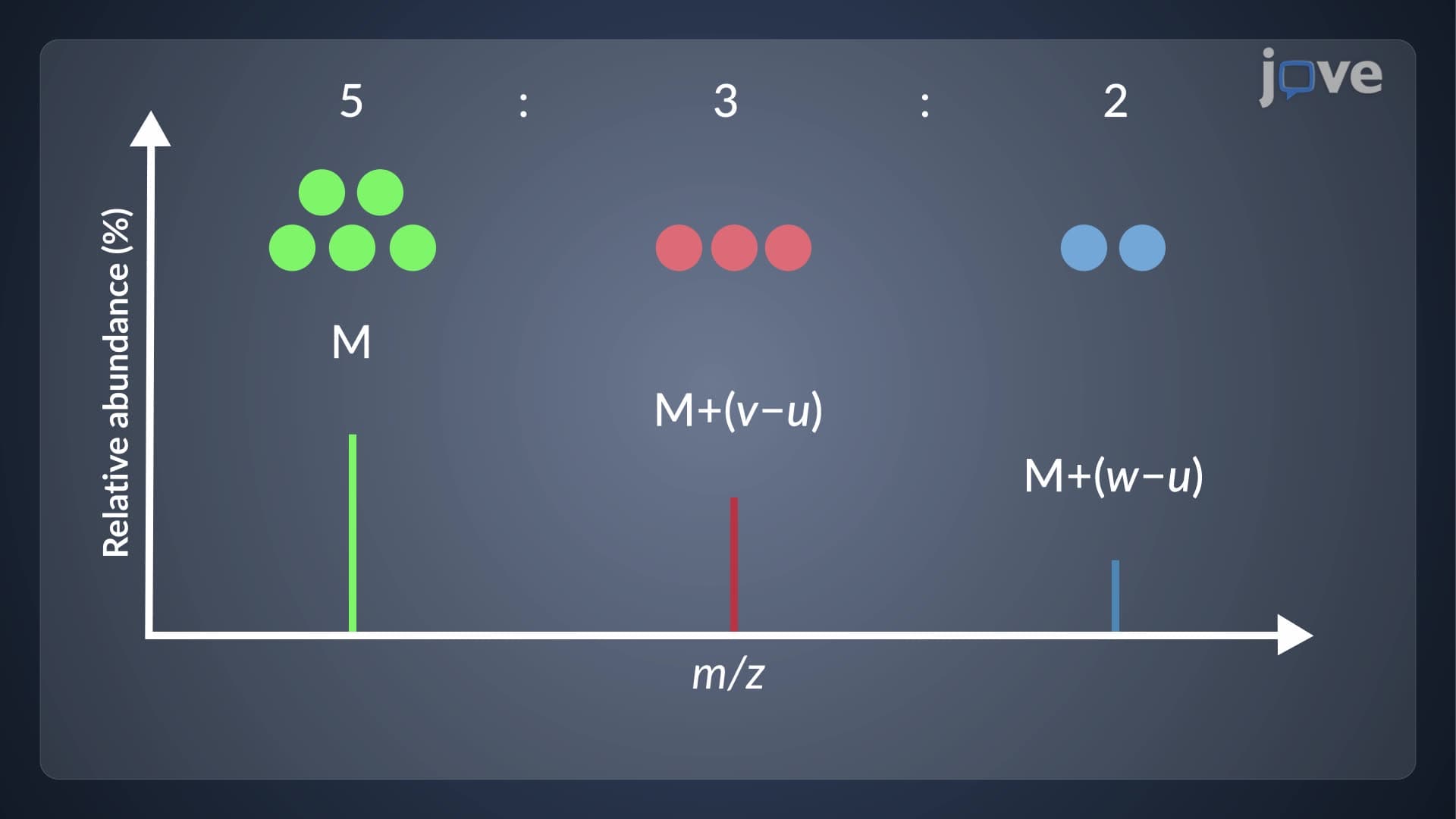
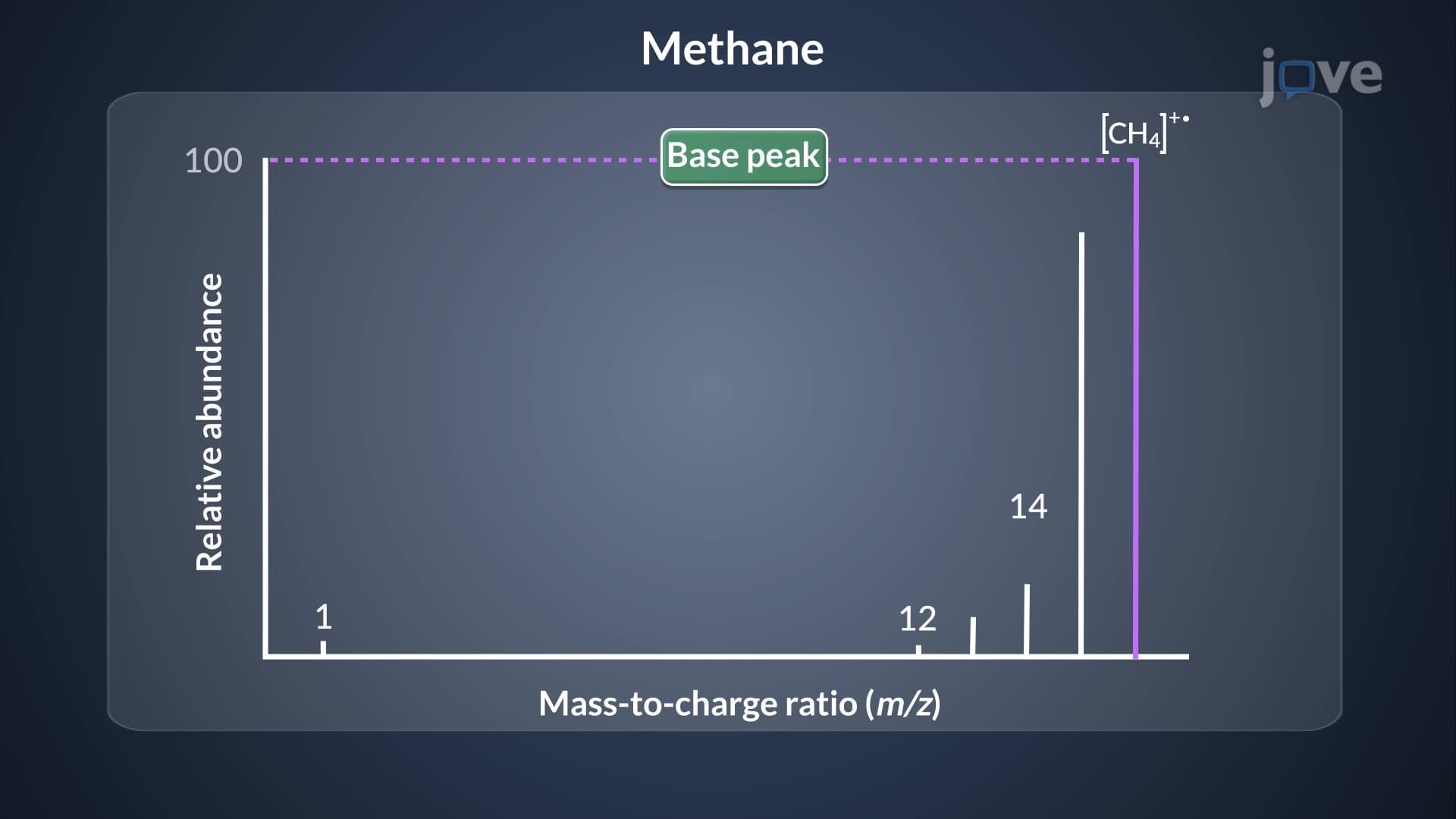
Understanding base peak formation-the most abundant fragment ion-helps predict which fragmentation pathway predominates. This knowledge proves essential for interpreting unknown spectra and structural elucidation in both academic laboratories and industrial quality control settings.
Related Micro-courses