Loading subject page…


36,707 views

Video Summary: Dual Nature of Electromagnetic Em Radiation Explained
Ever wondered how your smartphone camera captures light while X-ray machines at US airports can see through luggage? Electromagnetic radiation dual nature explains this fascinating phenomenon-light behaves as both waves and particles simultaneously. From medical imaging at Johns Hopkins Hospital to fiber optic communications across America, understanding the Dual Nature of Electromagnetic Em Radiation Explained reveals why light can bend around corners like waves yet deliver precise energy packets like bullets hitting a target. Watch the full video on JoVE Coach to master this concept with expert-led visuals and step-by-step explanations.
The electromagnetic radiation dual nature represents one of physics' most profound discoveries, fundamentally changing how we understand light and energy. This concept reveals that electromagnetic radiation simultaneously exhibits characteristics of both waves and particles-a phenomenon that initially puzzled scientists but now forms the foundation of modern physics and technology.
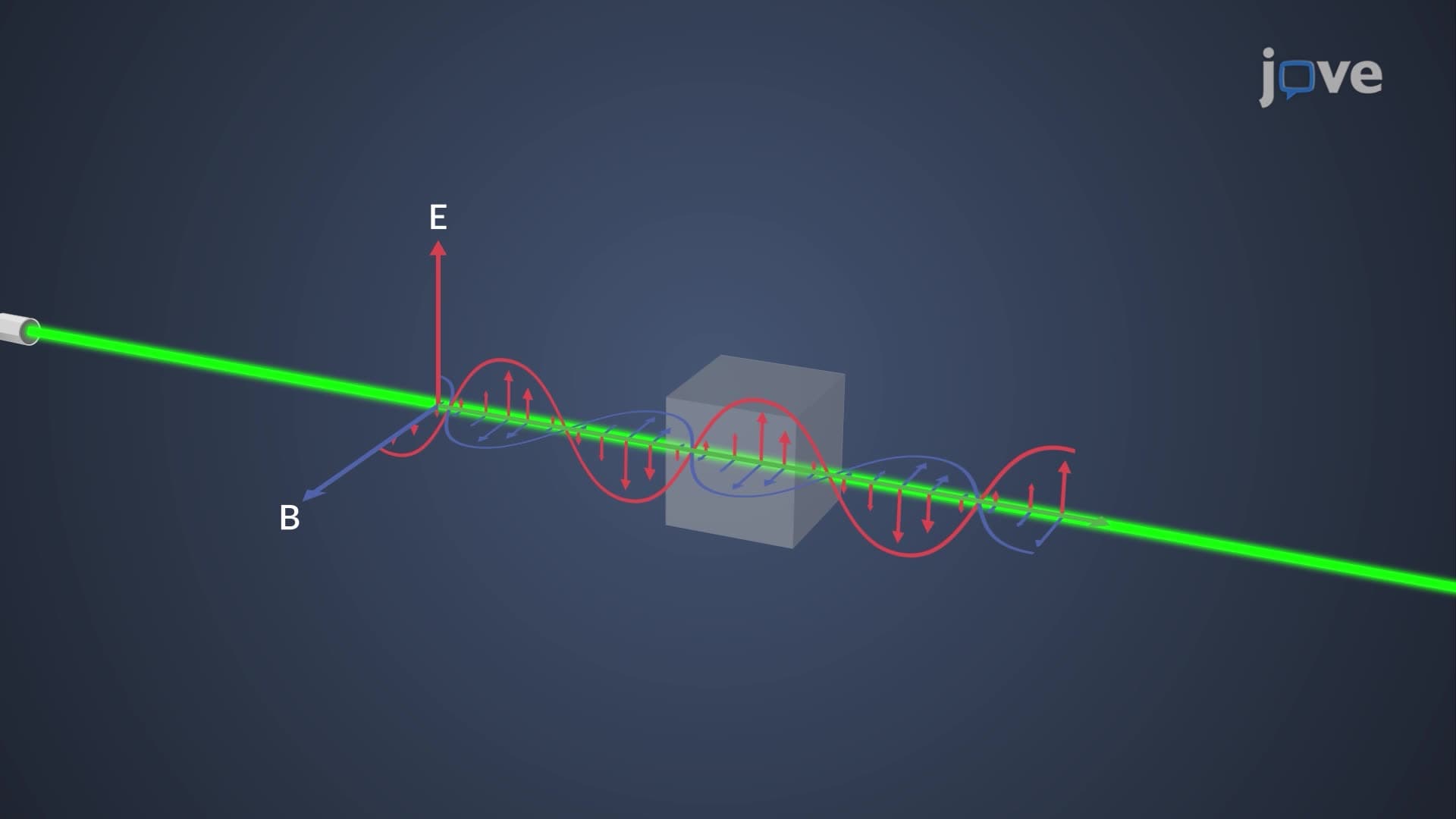
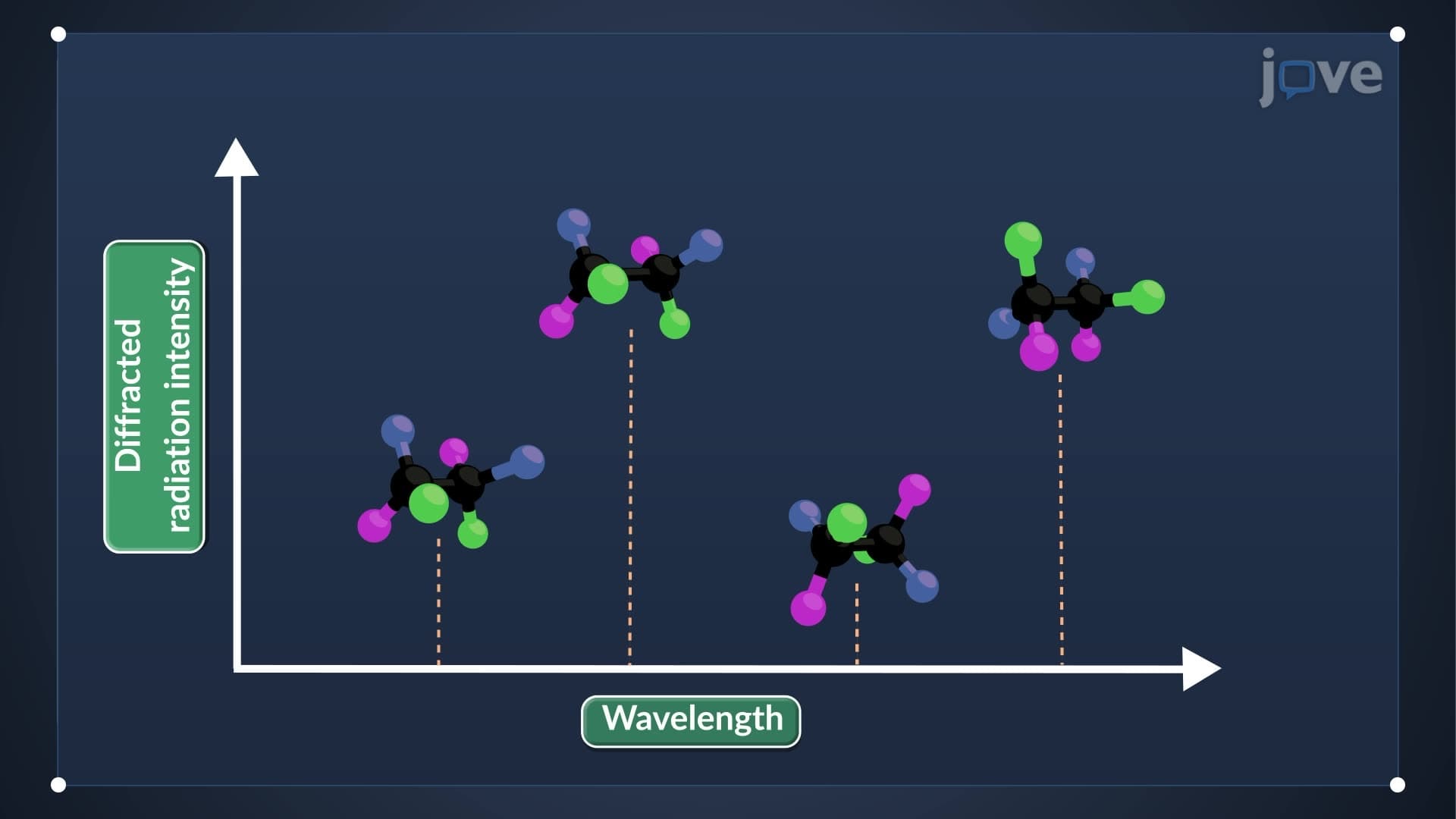
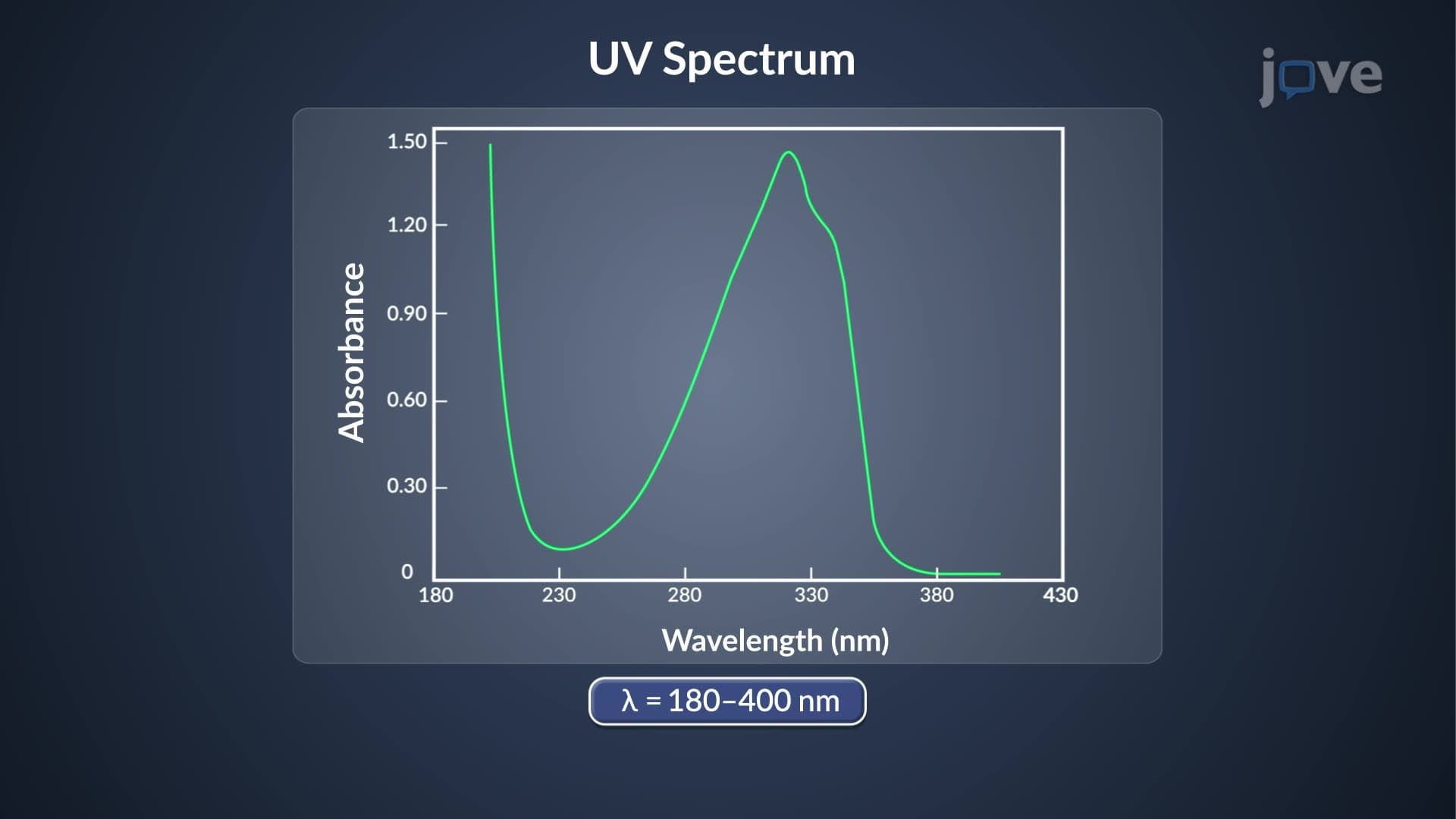
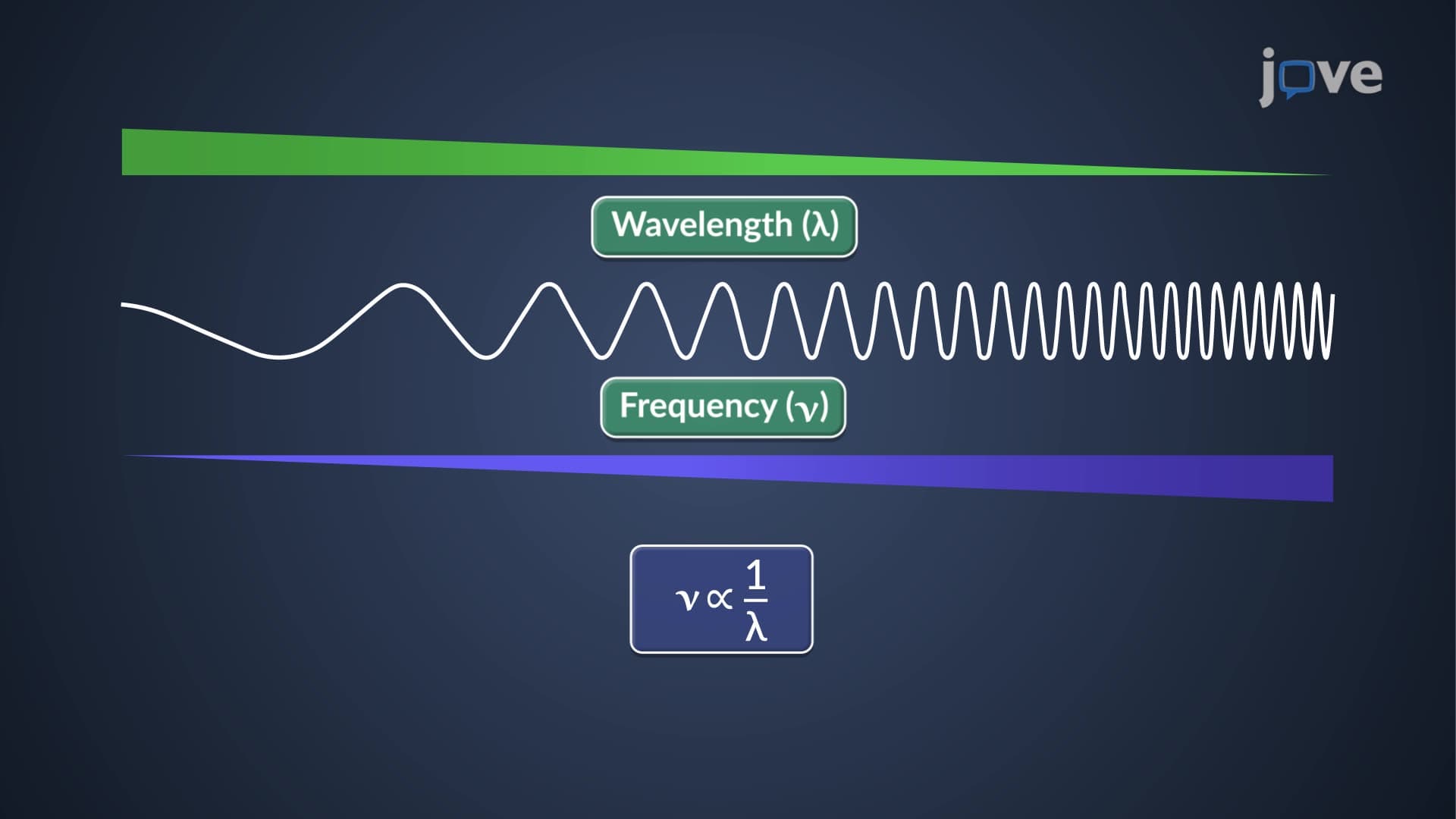
When electromagnetic radiation behaves as a wave, it displays classic wave properties including frequency, wavelength, and amplitude. The wave nature of light becomes evident in phenomena like interference and diffraction. For example, when light passes through the narrow slits in a diffraction grating used in spectroscopy labs at MIT or Stanford, it creates interference patterns that can only be explained by wave behavior. The frequency (f) represents how many wave cycles pass a point per second, while wavelength (λ) measures the distance between consecutive wave peaks. These properties relate through the fundamental equation: c = f × λ, where c represents the speed of light.
Simultaneously, electromagnetic radiation behaves as discrete energy packets called photons, demonstrating the photon particle EM aspect of its dual nature. Each photon carries a specific amount of energy determined by Planck's equation: E = h × f, where h is Planck's constant. This particle behavior explains phenomena like the photoelectric effect, which Albert Einstein used solar panels and medical X-ray imaging. When photons strike electrons in photovoltaic cells across California's solar farms, they transfer precise energy amounts, ejecting electrons and generating electricity.
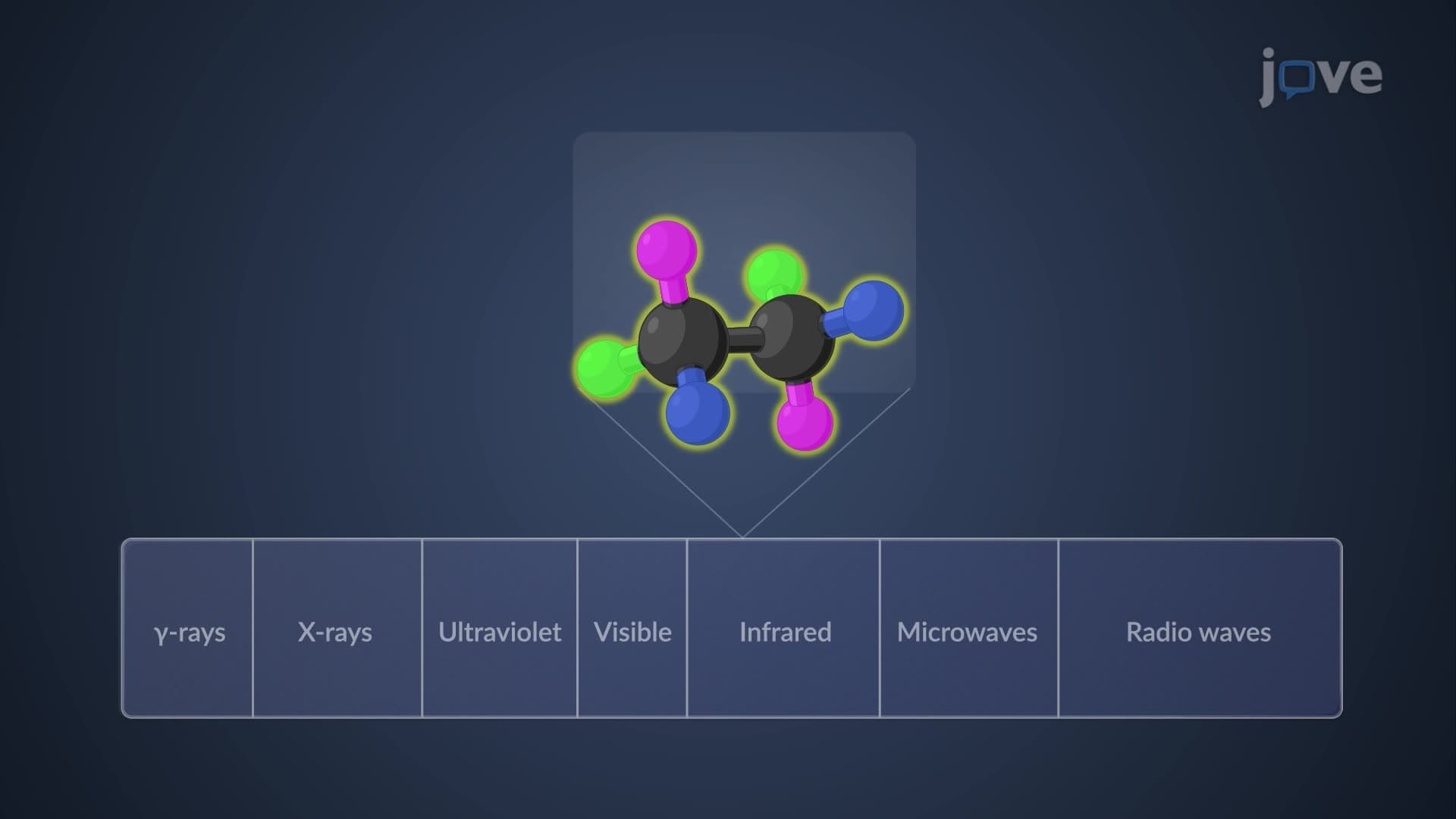
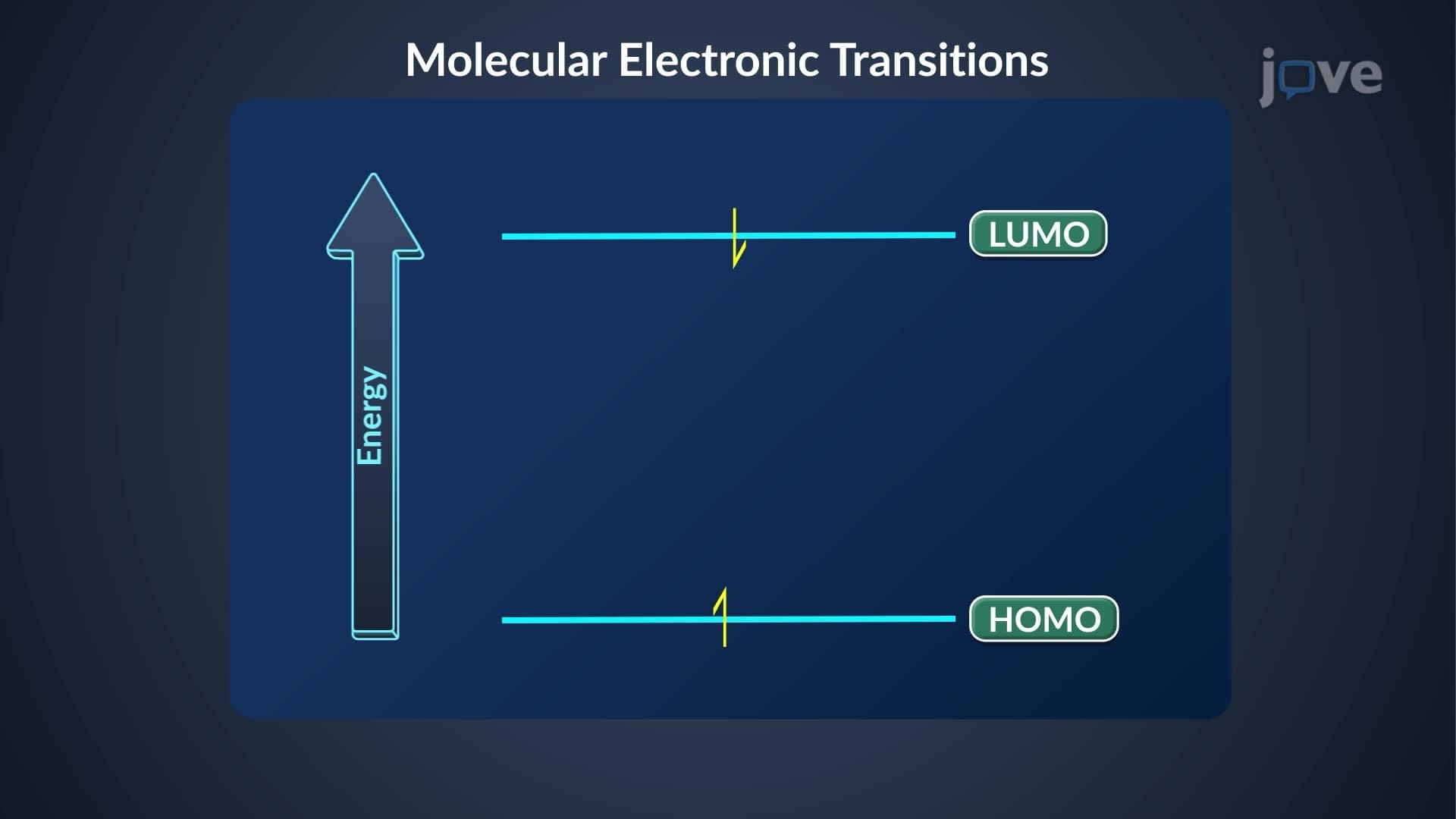
The quantum nature of radiation appears frequently in AP Physics exams and college coursework. Students encounter this concept when studying atomic structure, where electrons absorb specific photon energies to jump between energy levels. Medical applications include MRI machines at Cleveland Clinic, where radio wave photons interact with hydrogen atoms in human tissue. Understanding what is the dual nature of electromagnetic radiation helps explain why different electromagnetic spectrum regions-from radio waves to gamma rays-interact differently with matter, making technologies like airport security scanners and satellite communications possible.
Related Micro-courses